Inquire: Call 0086-755-23203480, or reach out via the form below/your sales contact to discuss our design, manufacturing, and assembly capabilities.
Quote: Email your PCB files to Sales@pcbsync.com (Preferred for large files) or submit online. We will contact you promptly. Please ensure your email is correct.
Notes: For PCB fabrication, we require PCB design file in Gerber RS-274X format (most preferred), *.PCB/DDB (Protel, inform your program version) format or *.BRD (Eagle) format. For PCB assembly, we require PCB design file in above mentioned format, drilling file and BOM. Click to download BOM template To avoid file missing, please include all files into one folder and compress it into .zip or .rar format.
Matte Green PCB: Finish Options & Professional Look
There’s a reason green has dominated PCB manufacturing for decades—and it’s not just tradition. But when I started specifying matte green PCB instead of the default glossy finish a few years ago, the difference in inspection efficiency and overall board presentation surprised me. The subdued, non-reflective surface solved problems I didn’t even realize I had with standard glossy boards.
If you’re considering matte green for your next project or wondering whether the finish choice actually matters, this guide covers everything from the practical manufacturing advantages to the professional aesthetic that matte green delivers.
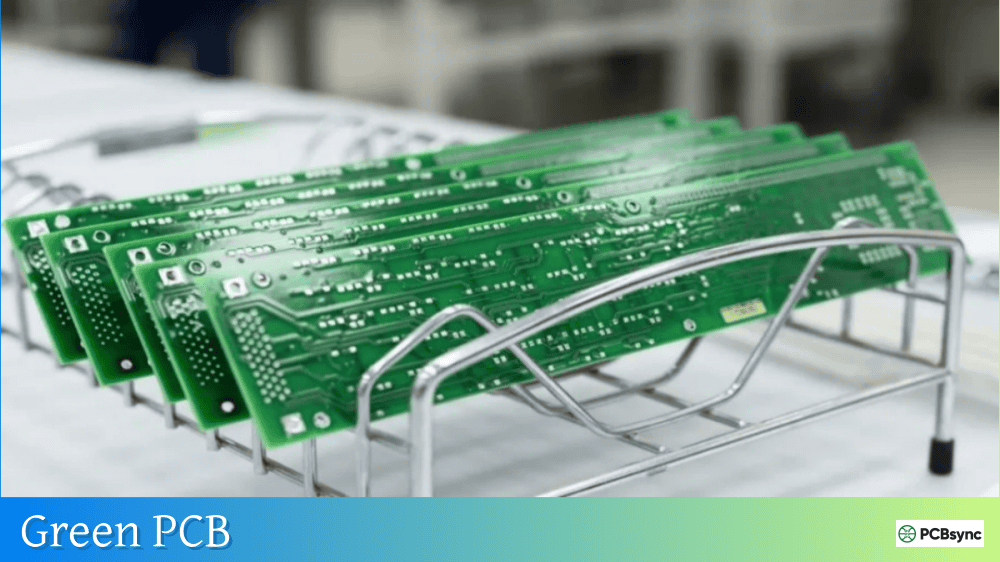
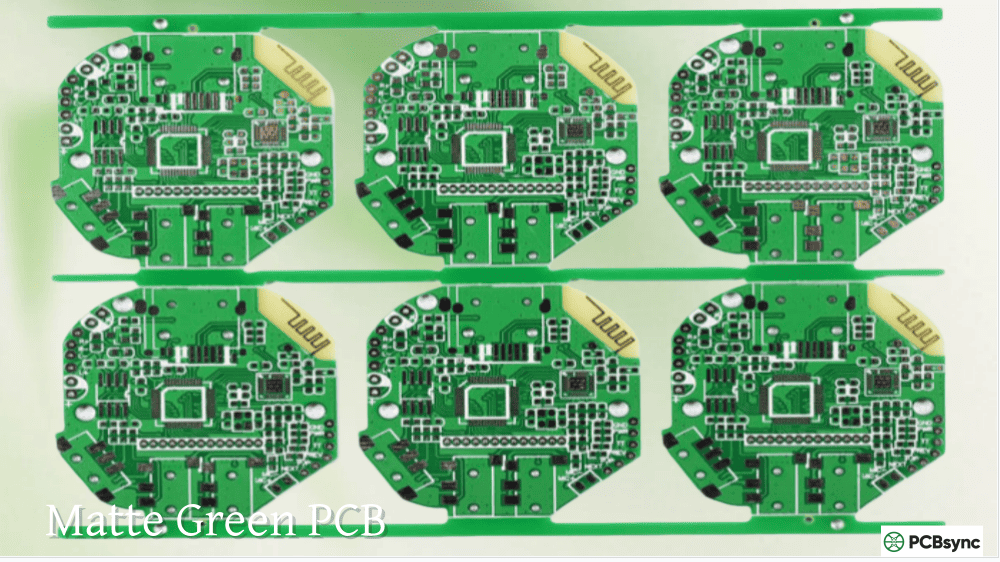
A matte green PCB uses the same proven green solder mask formulation that has been the industry standard since the 1960s, but with a textured, non-reflective surface finish instead of the typical glossy appearance. The matte effect comes from surface texture introduced during curing, not from different pigments or base materials.
The underlying chemistry remains identical to glossy green. You get the same excellent contrast with white silkscreen, the same copper trace visibility, and the same proven reliability that made green the default choice for everything from consumer electronics to military systems. What changes is how the surface interacts with light—and that difference has meaningful implications for inspection, photography, and the board’s visual presentation in finished products.
Green solder mask earned its dominance through decades of optimization. The specific wavelength of green light reduces eye fatigue during extended inspection sessions, and the contrast between green mask and copper traces makes defects visible without magnification in most cases. Matte green PCB preserves all these advantages while adding the benefits of a non-reflective surface.
Key Advantages of Matte Green PCB
Enhanced Inspection Visibility
The most practical benefit of matte green PCB is improved visibility during quality control. Glossy surfaces create hotspots and reflections that can obscure defects or make inspectors reposition boards repeatedly to see details clearly. Matte finish eliminates this problem entirely.
Under typical inspection lighting, a matte green board shows consistent detail across the entire surface. Component labels, trace edges, solder joints, and potential defects are visible without fighting glare. For inspectors working long shifts, this reduces eye strain and improves defect detection rates.
AOI systems also benefit from matte surfaces. Automated optical inspection relies on consistent lighting and image capture, and specular reflections from glossy boards can confuse imaging algorithms. Matte green PCB produces more uniform images, reducing false positives and improving inspection accuracy.
Professional, Understated Appearance
Matte green PCB has a distinctly professional look that glossy boards can’t match. The subdued finish appears more refined and intentional—it looks like an engineering decision rather than a manufacturing default. For products where the PCB is visible through transparent enclosures or removable panels, matte green conveys quality and attention to detail.
The finish also photographs better. Product documentation, quality reports, and marketing materials featuring matte green boards show cleaner, more professional images without the bright spots and uneven lighting that plague glossy board photography.
Reduced Fingerprint and Handling Marks
Matte surfaces don’t show fingerprints and handling marks as prominently as glossy finishes. During assembly, testing, and field service, boards get touched repeatedly. On glossy green, every fingerprint becomes visible under inspection lighting. Matte green PCB maintains a cleaner appearance despite normal handling.
This matters particularly for prototype boards that will be handled extensively during development, and for field-serviceable equipment where technicians need to work on boards without worrying about cosmetic appearance.
Solder Ball Reduction
Research consistently shows that matte solder mask surfaces reduce solder ball formation during reflow and wave soldering. The textured surface creates a different solder meniscus behavior—molten solder forms a convex shape on rough surfaces, making solder balls less likely to adhere.
Studies from solder mask manufacturers like Vantico (formerly Ciba Specialty Chemicals) documented this phenomenon across multiple mask formulations. If solder balls have been a persistent quality issue in your production, switching to matte green PCB might reduce defect rates without other process changes.
Better Component Adhesion
The textured surface of matte solder mask provides improved mechanical adhesion for both the mask itself and for components. While the difference is subtle, some manufacturers report that matte finish boards show better solder mask adhesion over time, particularly in applications involving thermal cycling or mechanical stress.
Matte Green PCB vs Glossy Green: Direct Comparison
Characteristic
Matte Green PCB
Glossy Green PCB
Surface Appearance
Darker, non-reflective, textured
Lighter, shiny, smooth
Light Reflection
Diffused, minimal glare
High reflectivity
Inspection Visibility
Excellent
Good, but glare issues
AOI Compatibility
Excellent
May require calibration
Trace/Plane Contrast
Excellent (same as glossy)
Excellent
Silkscreen Contrast
Excellent with white
Excellent with white
Fingerprint Visibility
Low
High
Scratch Resistance
Moderate
Higher
Scratch Visibility
Less visible
More visible
Solder Ball Risk
Lower
Higher
Photography Quality
Excellent
Challenging due to reflections
Manufacturing Cost
Same
Same
Both finishes meet identical IPC-SM-840C specifications and provide equivalent electrical performance. The choice comes down to inspection requirements, aesthetic preferences, and manufacturing process considerations.
Professional Applications for Matte Green PCB
Industrial Control Systems
Industrial environments demand boards that can be inspected and serviced under varying lighting conditions. Matte green PCB performs consistently whether you’re working under bright factory lighting or using a flashlight in a control cabinet. The reduced glare also helps technicians read component values and trace routes during troubleshooting.
Medical Equipment
Medical devices require absolute reliability and thorough documentation. Matte green PCB photographs cleanly for compliance documentation and quality records. The improved inspection visibility also supports the rigorous quality control processes that medical device manufacturing requires.
Aerospace and Defense
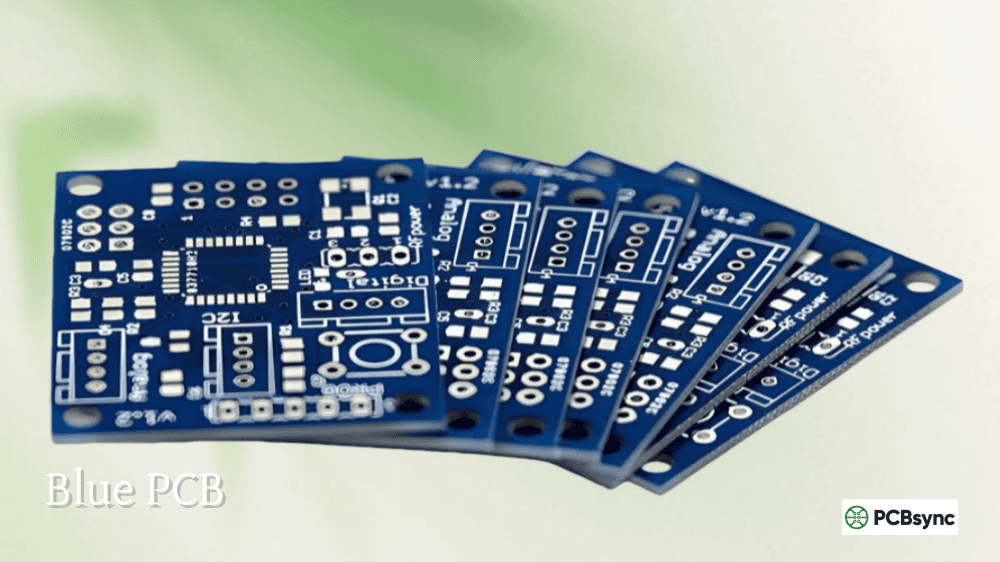
While many aerospace applications specify blue solder mask, green remains common for certain military and defense systems. The matte finish reduces unwanted reflections in optical and sensor-based systems—a critical consideration for equipment containing cameras, LIDAR, or other light-sensitive components. Matte green provides these benefits while maintaining the proven inspection characteristics that green solder mask is known for.
Test and Measurement Equipment
Precision instruments often expose their PCBs through transparent panels or during calibration procedures. Matte green PCB presents a professional appearance appropriate for high-end test equipment while supporting the visual inspection requirements during manufacturing and calibration.
Consumer Electronics with Visible PCBs
Products designed with transparent elements—gaming peripherals, enthusiast computer hardware, audio equipment—benefit from the refined appearance of matte green. The finish looks intentional and premium rather than simply accepting the fabricator’s default.
Manufacturing Specifications for Matte Green PCB
When ordering matte green boards, ensure your fabricator meets these standard specifications:
Parameter
Typical Specification
Solder Mask Type
Liquid Photo-Imageable (LPI)
Thickness
0.8-1.2 mils (20-30 μm)
Minimum Dam Width
4 mils (0.1 mm) typical
Surface Insulation Resistance
>10⁸ Ω·cm per IPC-SM-840
Dielectric Strength
≥500 V/mil
Pencil Hardness
≥6H
Thermal Resistance
288°C for 10 seconds (3x)
Flammability Rating
UL94 V-0
IPC Classification
Class T or Class H per application
The manufacturing process for matte green PCB is essentially identical to glossy green. The matte texture is achieved through formulation adjustments or curing variations, not through additional processing steps. This means lead times and costs should be equivalent to standard glossy green.
Silkscreen Options for Matte Green PCB
Green solder mask—whether matte or glossy—pairs excellently with white silkscreen, creating the high-contrast combination that has defined professional PCBs for decades:
Silkscreen Color
Contrast Level
Notes
White
Excellent
Industry standard, best readability
Yellow
Good
Alternative for visual distinction
Black
Poor
Low contrast, not recommended
Red
Moderate
Acceptable but less common
White silkscreen on matte green PCB provides exceptional readability. The matte surface doesn’t create the bright spots that can wash out silkscreen text on glossy boards under direct lighting. Reference designators, component outlines, and version markings remain clearly legible across the entire board surface.
Common Questions About Finish Selection
Does Finish Affect Electrical Performance?
No. Matte and glossy finishes provide identical electrical characteristics. Dielectric properties, insulation resistance, and breakdown voltage are determined by the solder mask material and thickness, not surface texture. Choose your finish based on inspection, aesthetic, and manufacturing considerations—electrical performance is not a factor.
Why Do Fabricators Default to Glossy?
Historical momentum, primarily. Glossy finishes became the default decades ago when they were perceived as more “finished” looking. Most designers don’t specify a finish preference, so fabricators continue defaulting to glossy. If you want matte green PCB, you need to explicitly request it in your fabrication notes.
Is Matte Green More Expensive?
Generally no. Manufacturing processes are nearly identical, and material costs are equivalent. Some fabricators may charge a small premium for non-default options, but this varies by supplier. Many fabricators offer matte green at no additional cost. Always confirm pricing when quoting.
Can Any PCB Design Use Matte Finish?
Yes. Matte green finish is compatible with all standard PCB constructions—single-sided, double-sided, multilayer, rigid, and rigid-flex. Fine-pitch features, controlled impedance, and complex routing work identically with matte or glossy finish. The surface texture doesn’t affect mask resolution or registration.
Don’t assume your fabricator will ask about finish preference. Include explicit specification in your fabrication notes: “Solder mask: Matte green LPI” or similar clear language. If you have a specific shade or brand preference (like Tamura matte green), include that detail.
Confirming with Your Fabricator
Before finalizing your order, confirm that your fabricator stocks matte green solder mask. While most major fabricators offer it, availability varies. Some may need to order materials for your job, potentially affecting lead time.
Sample Boards
If appearance matters for your application, request sample boards before committing to production quantities. Color and texture can vary slightly between manufacturers and even between batches. Seeing actual samples helps ensure the final product meets your expectations.
Frequently Asked Questions About Matte Green PCB
Does matte green PCB hide defects better than glossy?
No—the opposite is true. Matte green makes defects easier to see because it eliminates the glare and reflections that can obscure problems on glossy surfaces. The improved visibility is one of the primary reasons to choose matte finish for applications with rigorous quality requirements.
Will matte finish affect my AOI process?
Matte finish typically improves AOI performance. Automated optical inspection systems capture more consistent images from matte surfaces because there are no specular reflections to confuse the imaging algorithms. You may find that matte green PCB reduces false positives and improves overall inspection accuracy.
Is matte green appropriate for high-reliability applications?
Absolutely. Matte green PCB meets the same IPC-SM-840C specifications as glossy green and is appropriate for Class T and Class H applications. The finish choice doesn’t affect reliability—both matte and glossy green solder masks provide identical protection and performance.
How does matte green compare to matte black for professional appearance?
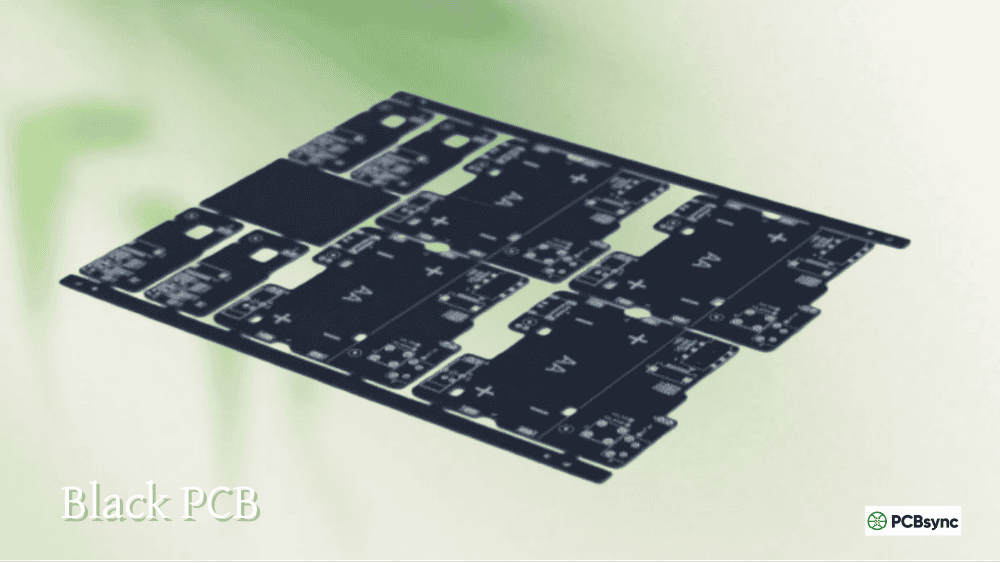
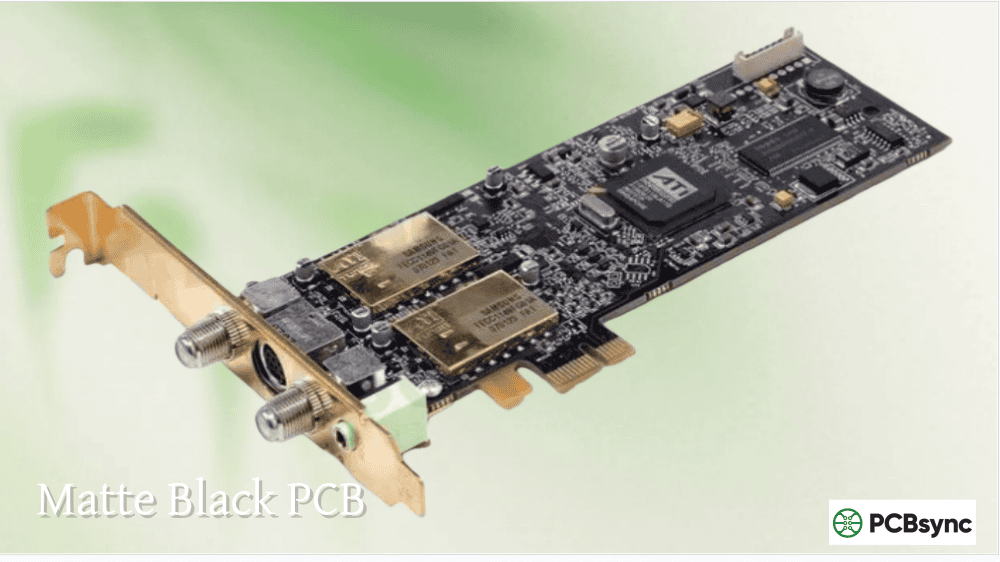
Both have professional appeal, but they serve different aesthetic purposes. Matte black creates a sleek, high-tech look popular in consumer electronics. Matte green PCB offers a refined version of the traditional PCB appearance—professional and understated without departing from the familiar green that signals “quality electronics” to most observers. Matte green also provides much better inspection visibility than matte black.
Can I get matte green with ENIG or other surface finishes?
Yes. Solder mask finish (matte vs. glossy) is independent of surface finish selection. Matte green PCB works with all standard surface finishes including HASL, lead-free HASL, ENIG, immersion silver, immersion tin, and OSP. Specify both your solder mask finish and surface finish in your fabrication documentation.
Solder Mask Technical Data: Available from major suppliers (Taiyo, Tamura, Huntsman)
Making Your Decision
Matte green PCB combines the proven performance of traditional green solder mask with practical advantages that glossy finishes can’t match. The improved inspection visibility alone justifies the choice for most professional applications. Add the refined aesthetic, reduced fingerprint visibility, and potential solder ball reduction, and matte green becomes an easy recommendation for engineers who care about quality throughout the manufacturing and service lifecycle.
The finish won’t change your board’s electrical performance or reliability. What it will change is how easily you can inspect boards, how professionally they photograph, and how they appear in finished products. For most applications, these benefits come at no additional cost—you just need to specify matte green explicitly instead of accepting the glossy default.
If you’ve been using glossy green out of habit, consider trying matte green on your next prototype run. The difference in inspection experience alone often converts engineers who try it. And the professional, understated appearance of matte green PCB communicates quality in a way that glossy surfaces simply can’t replicate.
Inquire: Call 0086-755-23203480, or reach out via the form below/your sales contact to discuss our design, manufacturing, and assembly capabilities.
Quote: Email your PCB files to Sales@pcbsync.com (Preferred for large files) or submit online. We will contact you promptly. Please ensure your email is correct.
Notes: For PCB fabrication, we require PCB design file in Gerber RS-274X format (most preferred), *.PCB/DDB (Protel, inform your program version) format or *.BRD (Eagle) format. For PCB assembly, we require PCB design file in above mentioned format, drilling file and BOM. Click to download BOM template To avoid file missing, please include all files into one folder and compress it into .zip or .rar format.