Inquire: Call 0086-755-23203480, or reach out via the form below/your sales contact to discuss our design, manufacturing, and assembly capabilities.
Quote: Email your PCB files to Sales@pcbsync.com (Preferred for large files) or submit online. We will contact you promptly. Please ensure your email is correct.
Notes: For PCB fabrication, we require PCB design file in Gerber RS-274X format (most preferred), *.PCB/DDB (Protel, inform your program version) format or *.BRD (Eagle) format. For PCB assembly, we require PCB design file in above mentioned format, drilling file and BOM. Click to download BOM template To avoid file missing, please include all files into one folder and compress it into .zip or .rar format.
Magic Mirror 2 on Raspberry Pi: Build Your Smart Mirror (Complete 2026 Guide)
I’ve been tinkering with Raspberry Pi projects for over a decade now. From automated irrigation systems to custom oscilloscopes, I thought I’d seen it all. Then my wife asked if I could build her a “fancy mirror that shows the weather.” That simple request sent me down the rabbit hole of MagicMirror² development, and honestly, it’s become one of my favorite builds.
Building a raspberry pi magic mirror isn’t just another weekend project. It’s a practical piece of technology you’ll actually use every single day. Every morning while I’m brushing my teeth, I can see my calendar appointments, weather forecast, and news headlines right there in my bathroom mirror.
Let me walk you through everything you need to know to build your own smart mirror from start to finish.
MagicMirror² is an open-source modular smart mirror platform created by Michael Teeuw. The Raspberry Pi community voted it the winner in The MagPi magazine’s 50th issue celebration, and for good reason. The software transforms any display behind a two-way mirror into an interactive dashboard showing real-time information.
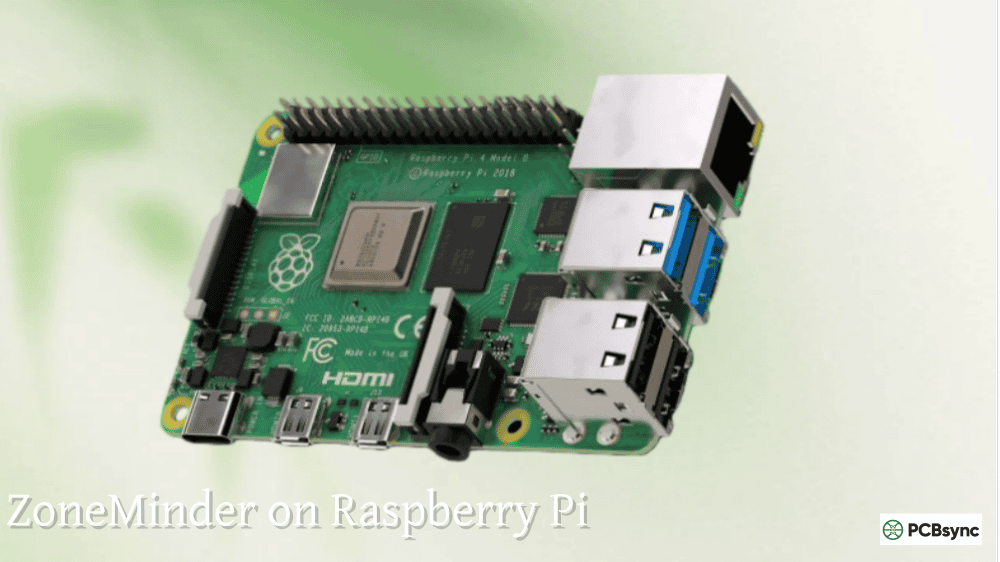
Why choose Raspberry Pi for this project? The board offers the perfect balance of processing power, form factor, and GPIO flexibility. The Pi handles the Electron-based MagicMirror² application smoothly while consuming minimal power. Plus, those GPIO pins let you add sensors, cameras, and other interactive elements later.
The platform uses a modular plugin system, meaning you can customize your smart mirror with hundreds of available modules. Want to display your Spotify currently playing track? There’s a module for that. Need train departure times? Covered. Calendar integration with Google or Outlook? Absolutely.
Essential Hardware Components for Your Raspberry Pi Magic Mirror
Before diving into software, let’s talk hardware. After building three different smart mirrors (different sizes for different rooms), I’ve learned what works and what causes headaches.
Component
Recommended Specification
Budget Alternative
Notes
Raspberry Pi
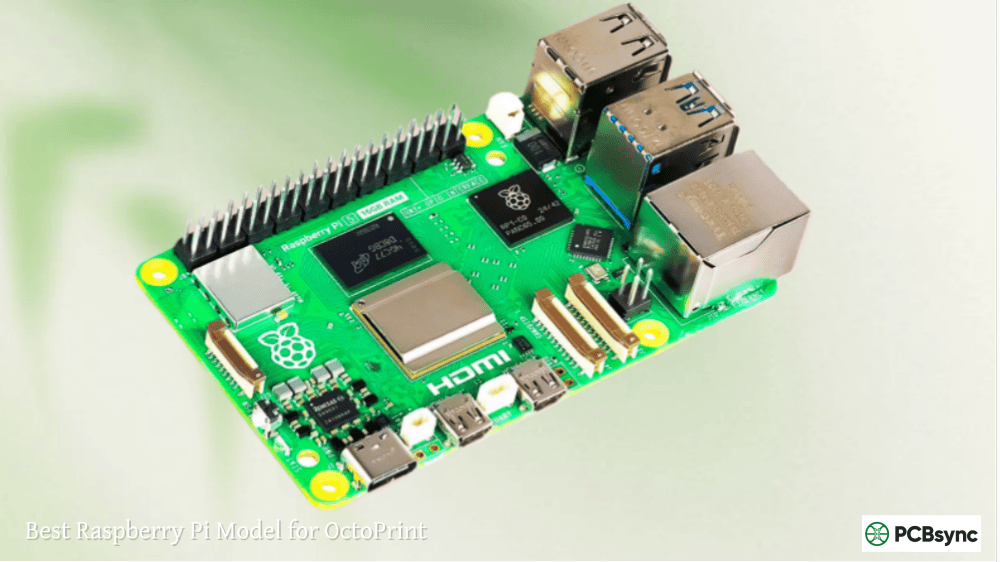
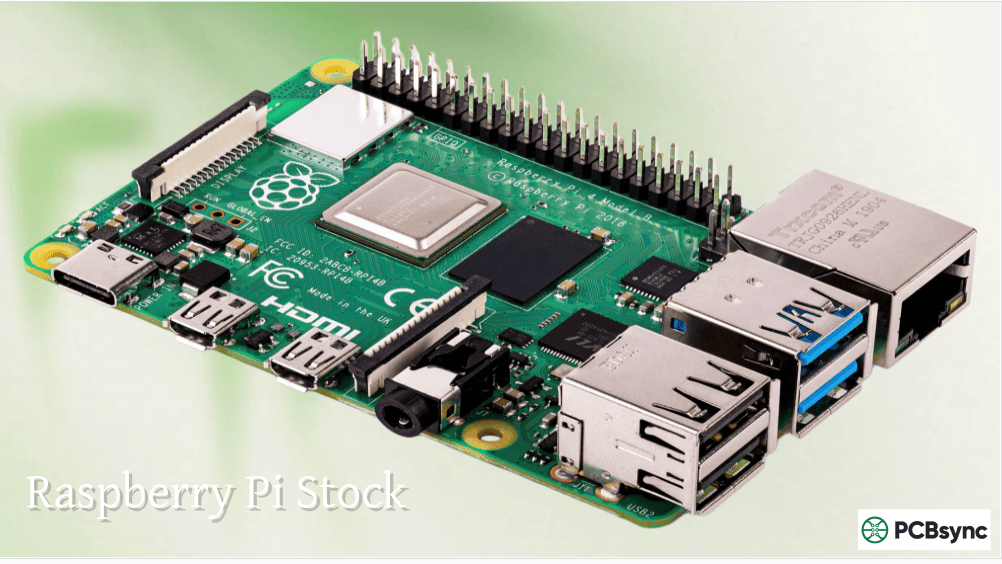
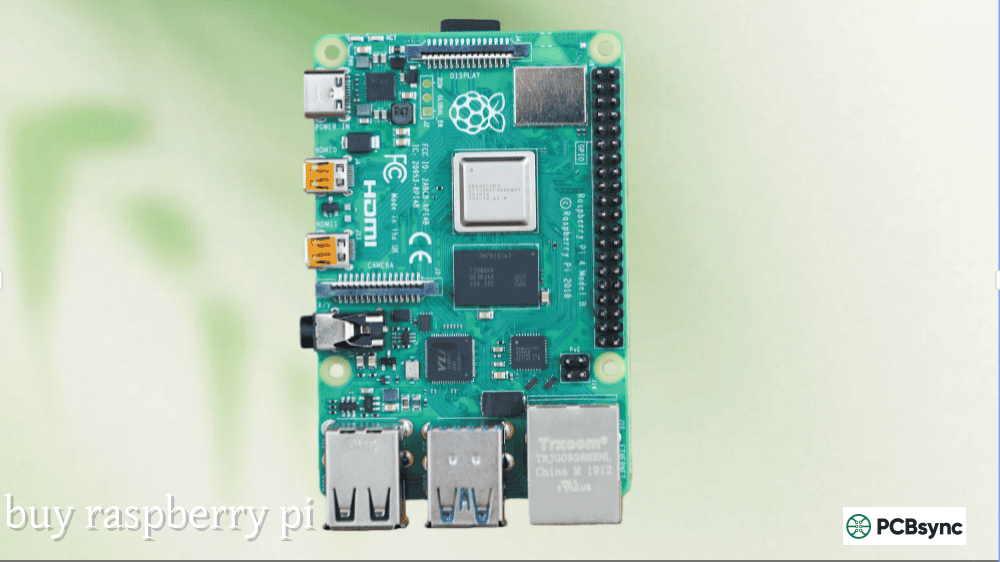
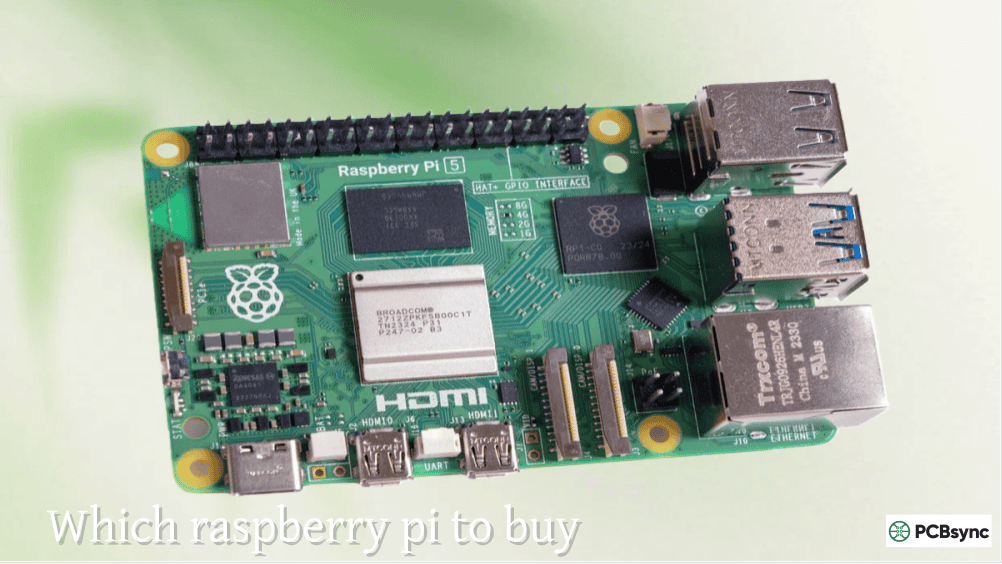
Pi 4 Model B (2GB+) or Pi 5
Pi 3 B+
Pi 4/5 handles complex modules better
MicroSD Card
32GB Class 10
16GB minimum
Faster cards improve boot times
Power Supply
Official 5V/3A USB-C
Quality 5V/3A adapter
Under-voltage kills performance
Display
21-27″ IPS monitor with HDMI
Any HDMI monitor
IPS offers better viewing angles
Two-Way Mirror
Acrylic or glass (sized to display)
Reflective window film
Glass looks better but costs more
Frame
Custom wood or pre-made
IKEA Ribba frame
Deep frames hide components better
Choosing Your Display
The display choice directly impacts your smart mirror’s usability. I recommend IPS panels because they maintain color accuracy at wider viewing angles. When you’re standing in front of a mirror, you’re rarely perfectly centered.
For a bathroom installation, consider USB-C powered portable monitors. They’re slim, easy to mount, and don’t require a separate power brick taking up space behind the frame. The 15.6-inch 1080p models work exceptionally well for A3-sized mirrors.
Monitor brightness matters more than you might expect. The two-way mirror absorbs roughly half the light, so a dim display becomes nearly invisible. Look for monitors with at least 300 nits brightness, and disable any power-saving dimming features.
Two-Way Mirror Options
The magic behind a smart mirror is the two-way mirror glass. This material reflects light from the front while allowing light from the back (your display) to pass through.
You have three main options. Glass two-way mirrors produce the sharpest reflection and most professional appearance, but they’re heavier, more expensive, and require careful handling. Acrylic two-way mirrors are lighter and more forgiving during installation, though they can scratch if you’re not careful. Reflective window film applied to clear acrylic or glass is the budget option. It works, but the reflection quality noticeably suffers.
For my first build, I used reflective film. It got the job done, but I upgraded to proper acrylic for subsequent projects. The difference in reflection quality justified the extra cost.
Step-by-Step Software Installation Guide
Setting up MagicMirror² on your Raspberry Pi requires patience but not expertise. I’ll walk you through the process I use, which avoids the common pitfalls I’ve encountered.
Preparing Your Raspberry Pi Operating System
Start with a fresh installation of Raspberry Pi OS (full desktop version). The Lite version won’t work because MagicMirror² needs a desktop environment to run Electron.
Download Raspberry Pi Imager from the official Raspberry Pi website. During the imaging process, click the gear icon and configure:
Your WiFi credentials
SSH enabled
A hostname (like “magicmirror”)
Your username and password
This pre-configuration saves significant time because your Pi will connect to your network automatically on first boot.
Installing MagicMirror² Software
Once your Pi boots and connects to your network, SSH into it from your computer. Open terminal and run:
ssh username@magicmirror.local
Before installing MagicMirror², ensure your system is updated:
sudo apt update && sudo apt upgrade -y
Now install Node.js, which MagicMirror² requires. The official method involves downloading directly from the MagicMirror repository:
Fair warning: the installation takes time. On a Raspberry Pi 4, expect around 10 minutes. On a Pi 3, it can stretch to 25 minutes. Don’t interrupt the process or you’ll need to start over.
Initial Configuration and Testing
After installation completes, create your configuration file:
cp config/config.js.sample config/config.js
Test your installation by running:
npm run start
Your Raspberry Pi display should show the default MagicMirror² interface with clock, calendar, weather modules, and a compliments section. If you’re running headless (no monitor attached to the Pi), you can enable server mode and access the interface through a web browser.
Configuring Your Smart Mirror Display
The config.js file controls everything about your smart mirror’s appearance and functionality. Understanding its structure saves hours of troubleshooting.
Understanding the Configuration Structure
The configuration file uses JavaScript object notation. Each module gets its own block specifying its position on screen, update intervals, and specific settings.
Screen Position
Location
Best For
top_bar
Full width top
Clock, alerts
top_left
Upper left corner
Weather, calendar
top_center
Upper middle
Clock, logo
top_right
Upper right corner
News feed
bottom_left
Lower left corner
Compliments, quotes
bottom_center
Lower middle
System info
bottom_right
Lower right corner
Calendar events
fullscreen_below
Behind all modules
Background images
Setting Up Weather Display
Weather modules require an API key from OpenWeatherMap. Registration is free, and the free tier provides enough requests for personal use.
After obtaining your API key, find your city’s location ID from OpenWeatherMap’s city list. This part can be tedious since the file contains thousands of cities, but it’s necessary for accurate forecasts.
In your config.js, locate the weather module section and update it with your credentials:
{
module: “weather”,
position: “top_right”,
config: {
weatherProvider: “openweathermap”,
type: “current”,
location: “Your City”,
locationID: “YOUR_CITY_ID”,
apiKey: “YOUR_API_KEY”
}
}
Calendar Integration
The calendar module displays events from any iCal-compatible calendar. Google Calendar, Outlook, and Apple Calendar all provide iCal URLs you can use.
For Google Calendar, navigate to your calendar settings, find “Integrate calendar,” and copy the “Secret address in iCal format.” This URL goes directly into your config.js under the calendar module’s urls array.
Popular MagicMirror² Modules Worth Installing
The default modules provide a solid foundation, but third-party modules transform your smart mirror into something genuinely useful. Here are the modules I install on every build:
Module
Function
Complexity
MMM-GoogleCalendar
Better Google Calendar integration
Medium
MMM-Spotify
Currently playing track display
Medium
MMM-DailyPokemon
Daily Pokemon display
Easy
MMM-Wunderlist
To-do list sync
Easy
MMM-PIR-Sensor
Motion-activated display
Hardware required
MMM-Face-Recognition
User-specific displays
Advanced
MMM-WiFi-Signal
Network status indicator
Easy
MMM-SystemStats
CPU/RAM monitoring
Easy
Installing Third-Party Modules
Module installation follows a consistent pattern. Navigate to your modules directory, clone the repository, install dependencies:
cd ~/MagicMirror/modules
git clone https://github.com/author/module-name
cd module-name
npm install
After installation, add the module configuration to your config.js file. Each module’s GitHub repository includes configuration examples.
Motion Sensor Integration
A PIR motion sensor saves power by turning the display off when nobody’s in the room. The MMM-PIR-Sensor module handles this elegantly.
Wire your PIR sensor to GPIO pin 17 (or another available pin), 5V power, and ground. Then configure the module to monitor that pin. When motion is detected, the display wakes up. After a configurable timeout without motion, it sleeps again.
This feature dramatically extends your monitor’s lifespan and reduces power consumption. My bathroom mirror typically runs less than two hours daily despite being “always on.”
Physical Build: Frame Construction and Assembly
The software side is half the project. Building the physical frame requires some workshop skills, though nothing beyond basic DIY capability.
Frame Design Considerations
Your frame needs sufficient depth to house the monitor, Raspberry Pi, and all cabling. Most monitors are 1-2 inches thick, and you need another inch or two for airflow and component mounting.
I recommend a minimum frame depth of 3 inches. This allows comfortable cable routing and prevents overheating. Add ventilation holes at the top of the frame since heat rises.
Consider whether you want portrait or landscape orientation. Portrait works better for hallway mirrors, while landscape suits bathroom installations. MagicMirror² supports screen rotation through configuration, so this is purely an aesthetic and spatial decision.
Assembly Order
The assembly sequence matters. Here’s the order I follow:
Mount the Raspberry Pi to the back of the monitor using VHB tape or standoffs
Connect all cables (HDMI, power) and verify the system boots correctly
Position the two-way mirror against the monitor’s display area
Mark and drill mounting holes through the frame pieces and mirror
Assemble the frame around the monitor and mirror sandwich
Route power cables out through a discrete hole
Add mounting hardware for wall installation
Test everything at each stage. Discovering a bad HDMI connection after the frame is complete means disassembly.
Power Management and Safety
Smart mirrors typically run 24/7, so power efficiency matters. Use a quality USB power supply rated for your Pi model. Cheap supplies cause under-voltage warnings and system instability.
Consider adding a smart plug to control power remotely or on schedule. Turning off the entire mirror overnight saves power and extends component life.
For bathroom installations, ensure all electrical connections meet local codes. Bathrooms have specific requirements for electrical devices due to moisture. When in doubt, consult an electrician.
Troubleshooting Common Issues
After helping several friends build their own smart mirrors, I’ve seen the same problems repeatedly. Here are solutions to the most common issues:
Display Not Showing on Mirror
If your display works on a test monitor but shows nothing through the two-way mirror, brightness is usually the culprit. Increase your monitor’s brightness and contrast to maximum. Disable any eco-modes or automatic dimming.
Also verify your two-way mirror is oriented correctly. The reflective side faces outward (toward you), and the transparent side faces the display.
MagicMirror² Crashes on Startup
Check your config.js for syntax errors. A single missing comma or bracket breaks the entire configuration. Use a JSON validator or JavaScript linter to verify your syntax.
If specific modules cause crashes, disable them temporarily by commenting out their config blocks. Then re-enable them one by one to identify the problematic module.
WiFi Connection Drops
Raspberry Pi’s WiFi can be temperamental, especially in bathroom environments where humidity is elevated. Consider using a wired Ethernet connection if possible.
For WiFi-only installations, add a USB WiFi adapter with an external antenna. The improved signal strength prevents disconnections during updates.
Once your basic smart mirror works, you might want to expand its capabilities. Here are some advanced modifications I’ve implemented:
Voice Control Integration
Adding Amazon Alexa or Google Assistant transforms your smart mirror into a true smart home hub. The MMM-AssistantMk2 module provides Google Assistant integration, while several Alexa modules offer Amazon’s voice assistant.
Voice control requires a USB microphone array. The PS4 Eye camera (with its webcam disabled) provides excellent microphone quality for around $10 on the used market.
Touchscreen Capability
Standard capacitive touchscreens don’t work through two-way mirror glass because the glass thickness disrupts the touch sensing. Instead, use an IR touch frame that mounts between the monitor and mirror.
IR frames detect touch through infrared light interruption rather than capacitance. They’re available in various sizes and connect via USB. Note that multi-touch support varies by operating system and frame manufacturer.
Face Recognition
The MMM-Face-Recognition module uses OpenCV to identify different users and display personalized content. Each family member sees their own calendar, news preferences, and notifications.
Implementation requires a Raspberry Pi camera module mounted in the frame. Training the recognition system takes time, but the personalization possibilities make it worthwhile for multi-user households.
Cost Breakdown: Budget vs Premium Build
Smart mirror costs vary widely depending on your component choices. Here’s what to expect:
Component
Budget
Premium
Raspberry Pi
$35 (Pi 3 B+)
$80 (Pi 5 4GB)
MicroSD Card
$10 (16GB)
$20 (64GB)
Power Supply
$8
$15
Monitor
$80 (used 24″)
$150 (new portable)
Two-Way Mirror
$30 (film + acrylic)
$100 (glass)
Frame Materials
$20 (IKEA hack)
$80 (custom wood)
Cables/Hardware
$15
$30
Total
$198
$475
My first build cost around $150 using a salvaged monitor. My premium bathroom mirror cost closer to $400 with a custom walnut frame and glass two-way mirror. Both work equally well; the difference is purely aesthetic.
Frequently Asked Questions
Can I build a smart mirror without coding experience?
Absolutely. The MagicMirror² platform handles all the complex software. You’ll edit a configuration file, but it’s straightforward copying and pasting with minor modifications. Many builders complete their first smart mirror with zero programming knowledge.
Which Raspberry Pi model works best for MagicMirror²?
The Raspberry Pi 4 with 2GB or 4GB RAM provides the best balance of performance and cost. The Pi 5 works excellently but costs more without significant benefit for this application. The Pi 3 B+ remains viable for simple configurations but struggles with multiple complex modules.
How much power does a smart mirror consume?
A typical raspberry pi magic mirror using a 24-inch monitor draws 30-50 watts during operation. With a motion sensor shutting down the display when not in use, actual daily consumption drops significantly. Expect monthly electricity costs of $2-5 depending on usage patterns.
Can I use a smart mirror in a bathroom?
Yes, but with precautions. Avoid mounting directly above a shower or bath where steam is constant. Ensure adequate ventilation in your frame to prevent moisture buildup on electronics. Use GFCI-protected outlets as required by electrical code for bathroom installations.
How do I update MagicMirror² after installation?
Navigate to your MagicMirror directory and run git pull followed by npm install. This fetches the latest code and updates dependencies. Individual modules update similarly within their respective directories.
Final Thoughts on Building Your Smart Mirror
A raspberry pi magic mirror combines practical utility with genuine maker satisfaction. Unlike many DIY projects that end up forgotten in closets, this one earns its place in daily life. There’s something genuinely satisfying about checking your calendar while brushing your teeth.
The project scales to your skill level and budget. Start simple with a basic frame and default modules. Add complexity as you grow comfortable with the platform. The modular design means you can continuously improve your smart mirror over months and years.
If you’re on the fence about starting this project, just begin. Order a Raspberry Pi and a cheap monitor from your local classifieds. You can build the frame from scrap wood while the software installs. The barrier to entry is lower than you might expect, and the community support is excellent.
Inquire: Call 0086-755-23203480, or reach out via the form below/your sales contact to discuss our design, manufacturing, and assembly capabilities.
Quote: Email your PCB files to Sales@pcbsync.com (Preferred for large files) or submit online. We will contact you promptly. Please ensure your email is correct.
Notes: For PCB fabrication, we require PCB design file in Gerber RS-274X format (most preferred), *.PCB/DDB (Protel, inform your program version) format or *.BRD (Eagle) format. For PCB assembly, we require PCB design file in above mentioned format, drilling file and BOM. Click to download BOM template To avoid file missing, please include all files into one folder and compress it into .zip or .rar format.