Inquire: Call 0086-755-23203480, or reach out via the form below/your sales contact to discuss our design, manufacturing, and assembly capabilities.
Quote: Email your PCB files to Sales@pcbsync.com (Preferred for large files) or submit online. We will contact you promptly. Please ensure your email is correct.
Notes: For PCB fabrication, we require PCB design file in Gerber RS-274X format (most preferred), *.PCB/DDB (Protel, inform your program version) format or *.BRD (Eagle) format. For PCB assembly, we require PCB design file in above mentioned format, drilling file and BOM. Click to download BOM template To avoid file missing, please include all files into one folder and compress it into .zip or .rar format.
A hands-on guide from an engineer who’s been through hundreds of prototype cycles
I’ll be honest with you—there was a time early in my career when I thought ordering 10,000 boards on the first run was “being efficient.” It took one catastrophic design flaw making it to production to teach me what every experienced hardware engineer eventually learns: low volume PCB assembly isn’t just a budget option—it’s a strategic advantage.
Whether you’re a startup founder trying to validate a concept, an R&D engineer iterating through design revisions, or a product manager testing market response before committing capital, understanding how to leverage low volume assembly can be the difference between a successful launch and an expensive lesson.
In this guide, I’ll walk you through everything I wish someone had told me years ago about low volume PCB assembly—from choosing the right partner to optimizing your design for faster turnaround.
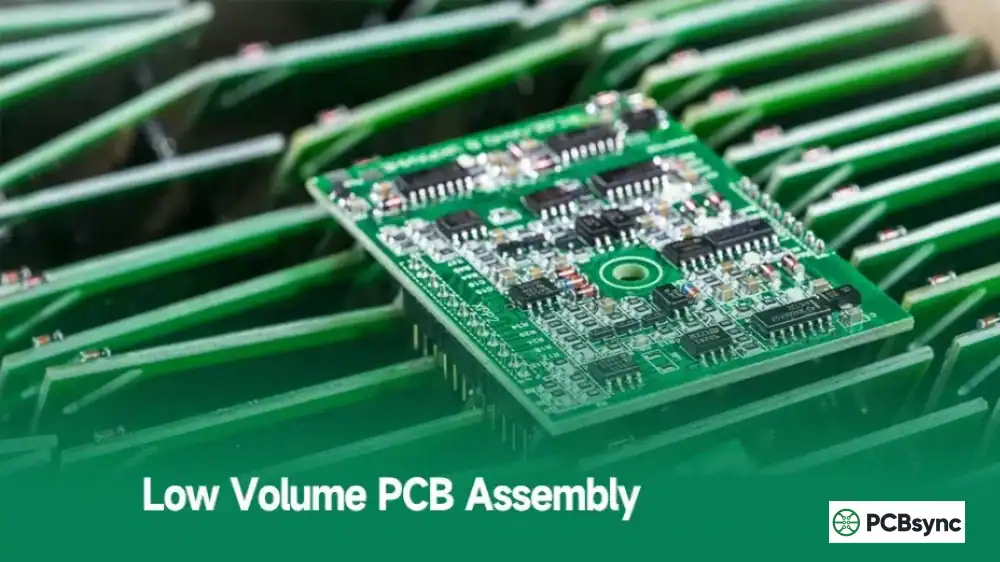
Low volume PCB assembly refers to the manufacturing and assembly of printed circuit boards in small quantities—typically ranging from a single prototype to around 5,000 units. The exact threshold varies by manufacturer, but most consider orders under 500 units as “low volume.”
Unlike mass production, which optimizes for cost-per-unit through automation and bulk purchasing, low volume assembly prioritizes flexibility, speed, and the ability to make changes without significant financial penalties.
Production Type
Typical Quantity
Lead Time
Per-Unit Cost
Flexibility
Prototype
1–25 units
24 hrs–5 days
Highest
Maximum
Low Volume
25–5,000 units
3–14 days
Moderate
High
Mid Volume
5,000–50,000 units
2–6 weeks
Lower
Moderate
High Volume
50,000+ units
4–12 weeks
Lowest
Minimal
The sweet spot for most startups and R&D teams sits in that low volume range, where you get professional-grade assembly without the commitment and risk of large production runs.
Why Low Volume PCB Assembly Matters for Product Development
If you’re developing hardware, your relationship with your PCB assembler will likely be one of your most important vendor relationships. Here’s why low volume assembly has become the foundation of modern product development:
1. Design Validation Without Financial Risk
The traditional approach—design once, manufacture thousands—assumes your first design is correct. In reality, even experienced teams rarely nail everything on the first attempt. Thermal issues, signal integrity problems, or simple component footprint errors can lurk undetected until you power up a physical board.
Low volume PCB assembly lets you validate with 10 units before committing to 1,000. The math is simple: catching a $2 error on 10 boards costs $20. Catching it on 10,000 boards costs $20,000—plus the waste, delays, and potential customer impact.
2. Faster Iteration Cycles
In competitive markets, speed matters. Low volume assembly services now offer turnaround times as short as 24–72 hours for assembled boards. This means you can identify an issue Monday, revise the design Tuesday, and have new boards on your bench Thursday.
I’ve worked with teams that completed seven design iterations in the time traditional approaches would have allowed for two. That acceleration compounds—better products reach market faster.
3. Market Testing with Real Products
Smart product teams use low volume assembly to test market response before scaling. Producing 100–200 functional units for beta customers or trade shows provides invaluable feedback that simulations and renderings simply can’t match.
4. Regulatory Compliance Navigation
For medical devices, aerospace applications, or automotive electronics, regulatory approval is mandatory—and often requires physical samples for testing. Low volume assembly supports this iterative certification process, allowing you to make adjustments based on regulatory feedback without scrapping large inventories.
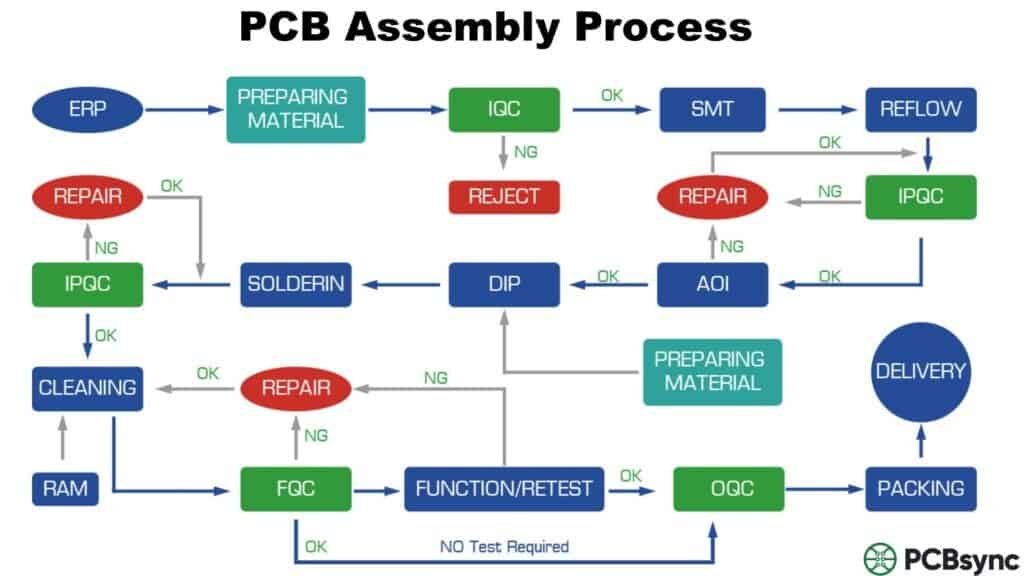
Understanding what happens after you submit your files helps you prepare better and avoid delays. Here’s the typical workflow:
Step 1: Design File Review and DFM Analysis
When you submit your Gerber files, bill of materials (BOM), and assembly drawings, the manufacturer’s engineering team reviews them for manufacturability issues. This Design for Manufacturing (DFM) analysis catches problems before they become expensive.
Common issues flagged during DFM review:
Component footprints that don’t match the specified parts
A good manufacturer doesn’t just flag problems—they suggest solutions. If your assembly partner only tells you “there’s an issue” without offering guidance, consider that a red flag.
Step 2: Component Sourcing
For turnkey services, the manufacturer procures your components. This is often the most time-consuming step—even “quick turn” services can stall if specific parts are backordered.
Pro tip: Before finalizing your design, verify component availability across multiple distributors. I check Digi-Key, Mouser, and Arrow for every critical component. A single part with a 12-week lead time can wreck your schedule.
Step 3: Bare Board Fabrication
The PCB substrate is manufactured according to your specifications. For standard FR-4 boards with common layer counts, quick-turn fabrication is straightforward. Exotic materials or unusual stack-ups take longer.
Layer Count
Typical Quick-Turn Time
Notes
1–2 layers
24–48 hours
Fastest possible turnaround
4 layers
2–3 days
Standard for most applications
6–8 layers
4–6 days
Additional lamination cycles required
10+ layers
7–10 days
Complex stack-ups need careful planning
Step 4: Solder Paste Application
A stencil—typically laser-cut stainless steel for production quality—is used to apply solder paste precisely to the board’s pads. Stencil thickness and aperture design directly affect solder joint quality.
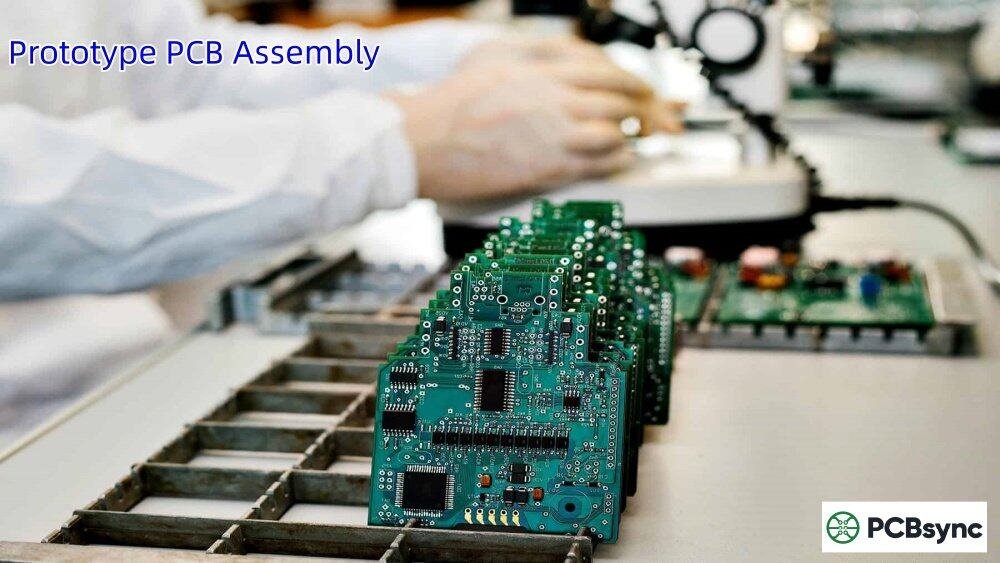
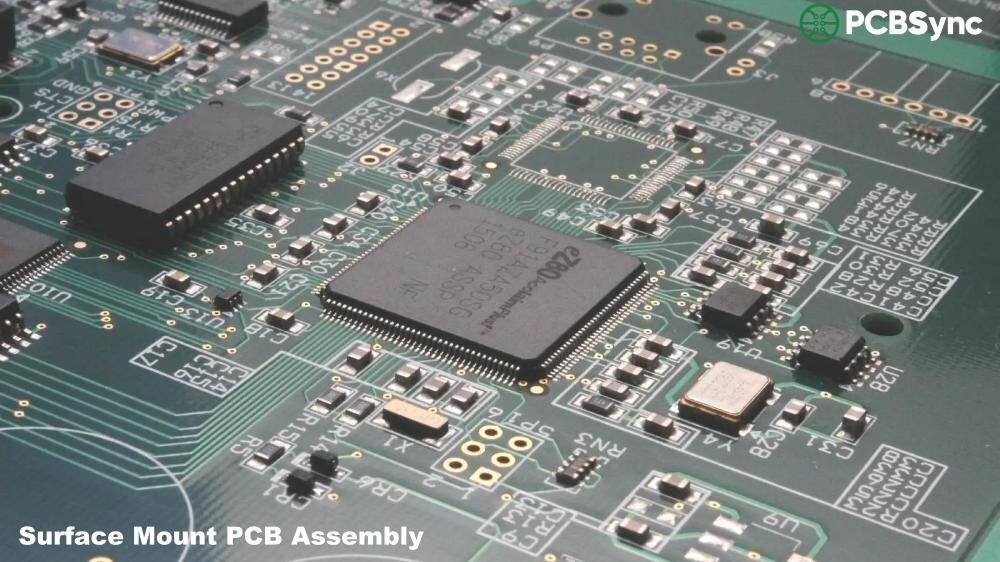
Step 5: Component Placement
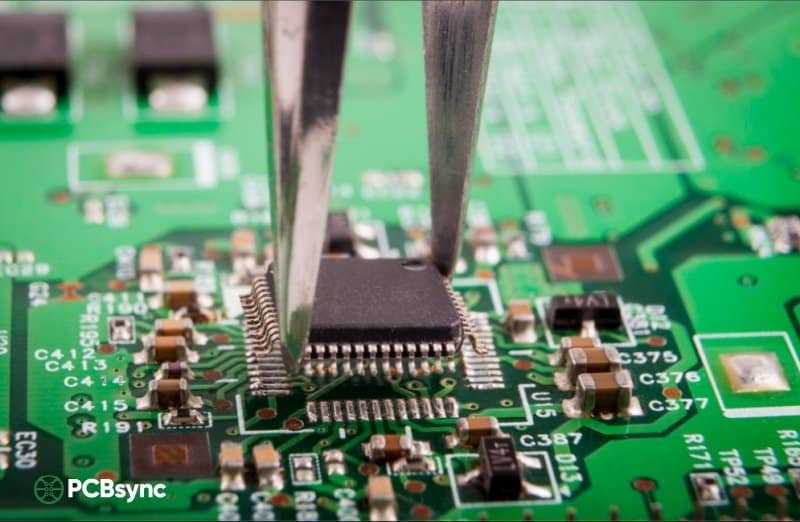
Pick-and-place machines position surface mount components with remarkable precision—better than ±0.05mm for quality equipment. Modern machines can place thousands of components per hour.
Step 6: Reflow Soldering
The populated board passes through a reflow oven with carefully controlled temperature zones. The thermal profile is critical—lead-free solders typically require peak temperatures between 245–260°C, with specific ramp rates to prevent thermal shock.
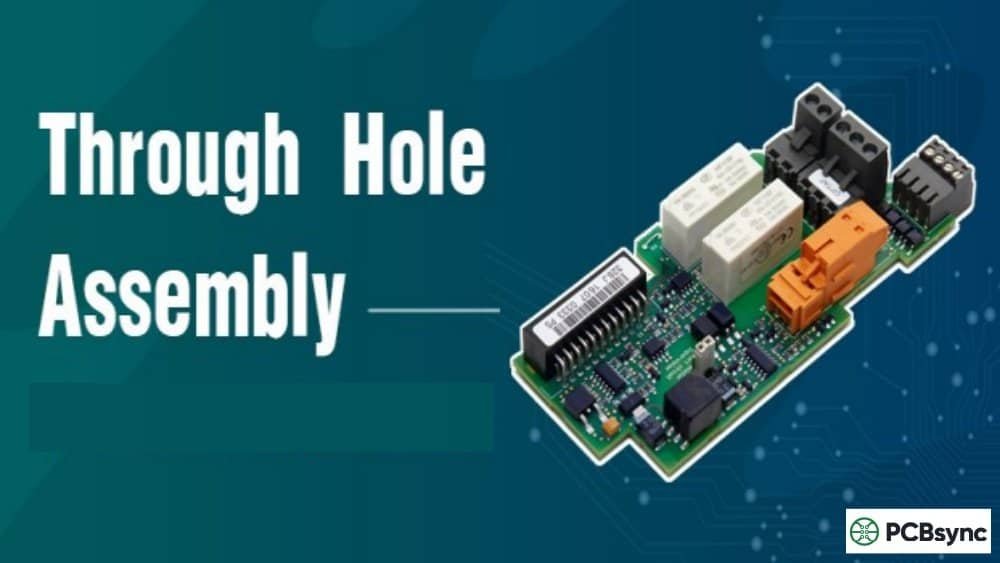
Step 7: Through-Hole Assembly and Wave Soldering
Components that can’t be surface-mounted—connectors, some power components, mechanical switches—are inserted and wave-soldered or hand-soldered depending on volume.
Step 8: Inspection and Testing
Quality control is where low volume assembly actually has an advantage over mass production. With fewer boards, more attention can be paid to each unit:
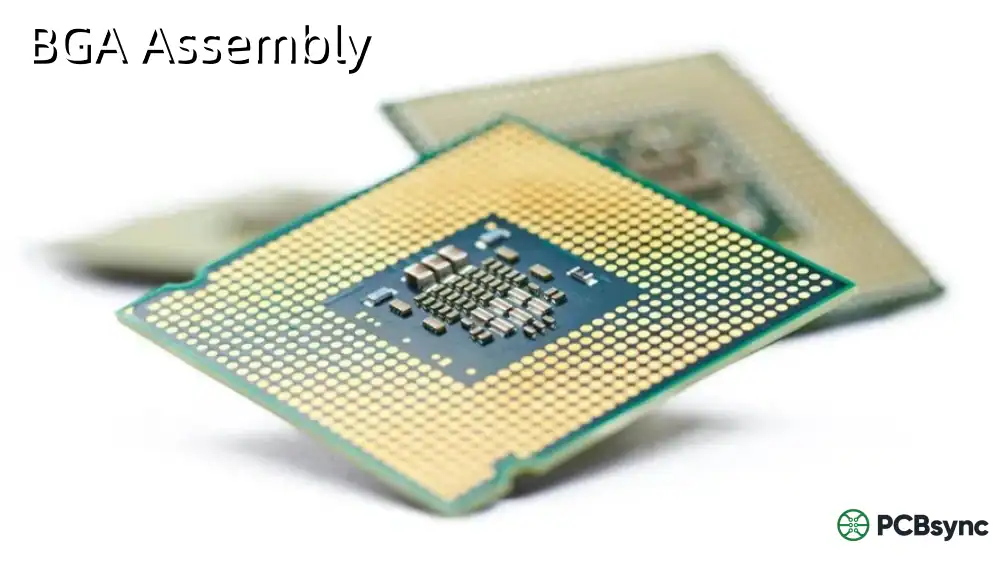
X-ray Inspection: Essential for BGAs and QFN packages where joints are hidden
Functional Testing: Verifies the board operates as designed
In-Circuit Testing (ICT): Checks individual components and connections
Optimizing Your Design for Low Volume PCB Assembly
Want faster turnaround and fewer problems? Start at the design stage:
Use Common, Available Components
Exotic parts with long lead times are the enemy of fast turnaround. Stick to common packages—0402, 0603, 0805 for passives; SOIC, QFN, and standard QFP for ICs—unless your application specifically demands otherwise.
Design Within Manufacturer Capabilities
Before starting layout, get your manufacturer’s design rules. These typically specify:
Minimum trace width and spacing
Minimum drill sizes
Annular ring requirements
Solder mask web minimums
Designing to the edge of capabilities increases cost and reduces yield. Use the most generous tolerances your design allows.
Include Test Points
Strategic test point placement simplifies debugging and testing. I add test points on every critical signal and power rail—the minimal cost in board space pays for itself in debugging time.
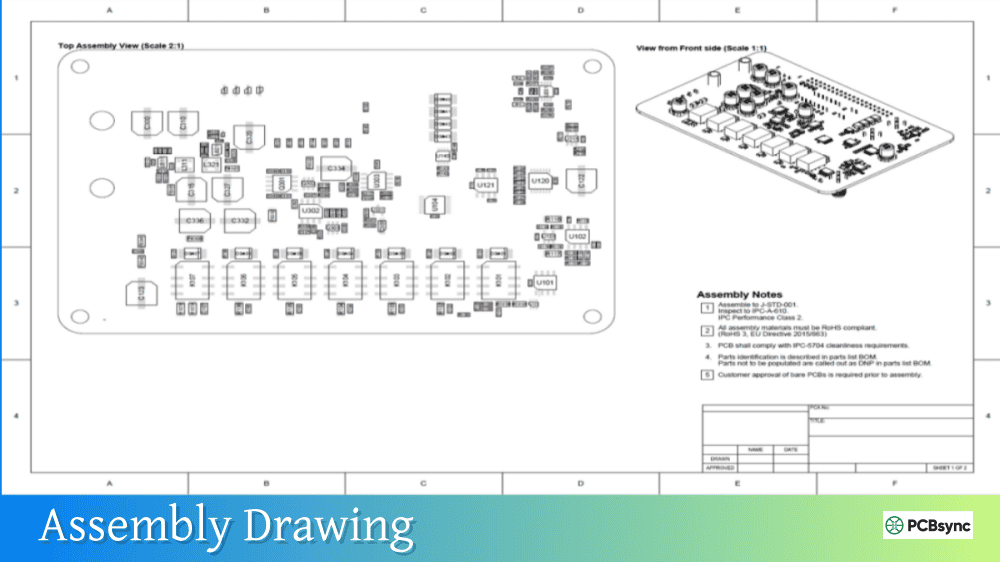
Provide Complete, Accurate Documentation
Incomplete files are the leading cause of delays. Always include:
File Type
Purpose
Format
Gerber files
Board fabrication
RS-274X
NC drill files
Hole locations
Excellon
BOM
Component list
Excel with MPN, quantity, designators
Assembly drawings
Component placement
PDF with clear orientation marks
Pick-and-place file
Automated placement
CSV with X,Y coordinates and rotation
Choosing a Low Volume PCB Assembly Partner
Not all assembly houses are equal. Here’s what to evaluate:
Technical Capabilities
Capability
What to Look For
Minimum component pitch
0.4mm or smaller for fine-pitch BGAs
Smallest component size
01005 or 0201 passives if needed
Maximum layer count
Match your design requirements
Material options
FR-4, high-Tg, Rogers, flex if needed
IPC certification
Class 2 or Class 3 standards
Turnaround Options
Look for tiered service levels:
24-hour rush: For critical prototypes
3-day standard: Balance of speed and cost
5-7 day economy: When schedule is flexible
Communication Quality
The best technical capabilities mean nothing if you can’t get answers. Prioritize partners with:
Dedicated project engineers (not just ticket systems)
Direct phone or chat access
Responsive DFM feedback with actionable suggestions
Understanding Low Volume PCB Assembly Costs
Cost structure differs significantly from high-volume production:
Fixed Costs (Amortized Over Your Order)
Engineering review and setup: $50–$200
Stencil fabrication: $50–$150
Pick-and-place programming: Usually included for standard parts
Frequently Asked Questions About Low Volume PCB Assembly
What’s the minimum order quantity for low volume PCB assembly?
Most manufacturers accept orders as small as 1 unit for prototyping. For production-quality assembly with full documentation, minimums typically range from 5–25 units. There’s no industry standard—each manufacturer sets their own policies.
How fast can I get assembled boards?
For simple 2-layer boards with common components in stock, 24–48 hours is achievable with rush services. Standard low volume orders typically ship in 5–10 days. Complex multilayer boards or designs requiring hard-to-source components may take 2–3 weeks.
Is low volume PCB assembly more expensive per unit than high volume?
Yes—per-unit costs are higher because setup costs are spread across fewer boards, and manufacturers can’t leverage bulk component purchasing. However, total project cost is often lower because you’re not committing capital to large inventories before validating your design.
What files do I need to provide for low volume PCB assembly?
At minimum: Gerber files, NC drill files, BOM with manufacturer part numbers, and assembly drawings. A centroid (pick-and-place) file speeds up programming. Some manufacturers request native design files for DFM analysis.
Can I use low volume assembly for production, not just prototyping?
Absolutely. Many products have annual volumes in the hundreds or low thousands—medical devices, industrial equipment, specialized instruments. For these applications, low volume assembly is the permanent production method, not a temporary phase.
Conclusion: Making Low Volume PCB Assembly Work for You
Low volume PCB assembly has fundamentally changed how successful hardware companies operate. The ability to move from concept to functional prototype in days rather than weeks isn’t just convenient—it’s a competitive advantage that compounds throughout product development.
The companies that thrive in hardware aren’t necessarily those with the biggest budgets. They’re the ones who learn fastest. And in hardware development, learning speed is directly proportional to how quickly you can get boards in your hands, test them, and iterate.
Start small. Validate thoroughly. Scale with confidence.
That’s the smart approach to hardware development—and low volume PCB assembly makes it possible.
Inquire: Call 0086-755-23203480, or reach out via the form below/your sales contact to discuss our design, manufacturing, and assembly capabilities.
Quote: Email your PCB files to Sales@pcbsync.com (Preferred for large files) or submit online. We will contact you promptly. Please ensure your email is correct.
Notes: For PCB fabrication, we require PCB design file in Gerber RS-274X format (most preferred), *.PCB/DDB (Protel, inform your program version) format or *.BRD (Eagle) format. For PCB assembly, we require PCB design file in above mentioned format, drilling file and BOM. Click to download BOM template To avoid file missing, please include all files into one folder and compress it into .zip or .rar format.