Inquire: Call 0086-755-23203480, or reach out via the form below/your sales contact to discuss our design, manufacturing, and assembly capabilities.
Quote: Email your PCB files to Sales@pcbsync.com (Preferred for large files) or submit online. We will contact you promptly. Please ensure your email is correct.
Notes: For PCB fabrication, we require PCB design file in Gerber RS-274X format (most preferred), *.PCB/DDB (Protel, inform your program version) format or *.BRD (Eagle) format. For PCB assembly, we require PCB design file in above mentioned format, drilling file and BOM. Click to download BOM template To avoid file missing, please include all files into one folder and compress it into .zip or .rar format.
Kali Linux on Raspberry Pi: The Complete Ethical Hacking Setup Guide
I’ve spent years designing PCBs and building embedded systems, but nothing quite prepared me for the moment I realized a $35 single-board computer could become a legitimate penetration testing platform. Running Kali Linux Raspberry Pi setups has fundamentally changed how I approach network security assessments, and honestly, it’s become one of my favorite projects to build.
The combination of Kali Linux and Raspberry Pi creates something genuinely useful: a pocket-sized, affordable security testing station that professionals and enthusiasts alike can deploy anywhere. Whether you’re a cybersecurity student, an IT professional looking to audit your network, or someone genuinely curious about raspberry pi hacking from an ethical standpoint, this guide covers everything you need to build your own portable pentesting lab.
Why Kali Linux and Raspberry Pi Make the Perfect Pair
Before diving into the setup, let’s address why this combination has become so popular among security researchers. The Kali Linux Raspberry Pi pairing offers advantages that neither platform provides alone.
The Portability Factor
A complete penetration testing setup traditionally requires a laptop running specialized software. That’s fine for office work, but what about field assessments? The Raspberry Pi changes this equation entirely. With a power bank and your Kali-equipped Pi, you have a fully functional security testing platform that fits in your pocket and can run for 8-12 hours on battery power.
Cost-Effectiveness for Learning
Security testing tools like Burp Suite Pro, commercial vulnerability scanners, and enterprise-grade equipment cost thousands of dollars. A Kali Linux Raspberry Pi setup costs under $100 total and includes over 600 pre-installed security tools. For students and hobbyists learning raspberry pi hacking techniques, this accessibility is invaluable.
Discretion in Professional Assessments
During authorized penetration tests, sometimes you need hardware that doesn’t draw attention. The Raspberry Pi’s small form factor makes it ideal for drop-box deployments where a full laptop would be impractical or conspicuous.
Hardware Requirements for Your Kali Linux Raspberry Pi Build
Getting the right hardware ensures your setup performs well. Here’s what you’ll need:
Essential Components
Component
Minimum Spec
Recommended
Notes
Raspberry Pi
Pi 3B
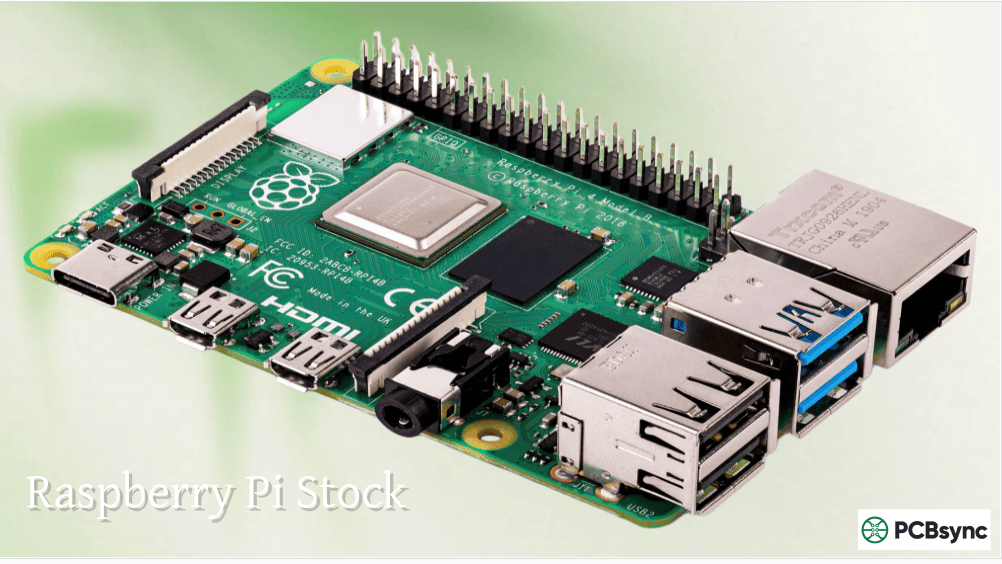
Pi 4 (4GB) or Pi 5
Pi 4/5 recommended for GUI tools
MicroSD Card
16GB Class 10
32GB+ UHS-I
Faster cards improve tool loading
Power Supply
2.5A for Pi 3/4
Official 5V 3A (Pi 4) or 5V 5A (Pi 5)
Underpowered supplies cause instability
External Wi-Fi Adapter
Monitor mode capable
Dual-band with packet injection
Critical for wireless testing
Case
Optional
Passive cooling case
Prevents throttling during intensive scans
Choosing a Compatible Wi-Fi Adapter
This is where many beginners make mistakes with their Kali Linux Raspberry Pi builds. The built-in Wi-Fi on the Pi works for general connectivity, but wireless penetration testing requires an adapter that supports monitor mode and packet injection.
Adapter
Chipset
Monitor Mode
Packet Injection
Price Range
Alfa AWUS036ACH
RTL8812AU
Yes
Yes
$50-60
Alfa AWUS036NHA
Atheros AR9271
Yes
Yes
$30-40
Panda PAU09
RT5572
Yes
Yes
$30-35
TP-Link TL-WN722N v1
Atheros AR9271
Yes
Yes
$15-20 (used)
Panda PAU05
RT5372
Yes
Yes
$12-15
Important note: The TP-Link TL-WN722N version 1 uses the Atheros chipset and works great. Versions 2 and 3 use a different chipset that requires additional driver configuration. Always verify the version before purchasing.
Step-by-Step Kali Linux Installation on Raspberry Pi
Let’s get Kali running on your Pi. There are two primary methods, and I’ll cover both.
Method 1: Using Raspberry Pi Imager (Easiest)
The Raspberry Pi Foundation now includes Kali Linux in their official imager tool, making installation straightforward:
Download and install Raspberry Pi Imager from raspberrypi.com/software
Insert your microSD card into your computer
Open Raspberry Pi Imager and click “Choose OS”
Navigate to “Other specific-purpose OS” → “Kali Linux”
Select the appropriate version (64-bit recommended for Pi 4/5)
Choose your SD card as the storage target
Click the gear icon to configure SSH, Wi-Fi, and hostname before writing
Click “Write” and wait for completion
Method 2: Manual Image Flashing
For more control or when using the latest Kali release:
Download the ARM image from kali.org/get-kali/#kali-arm
Select the image matching your Pi model (Pi 2/3/4/5/Zero)
Use Balena Etcher or similar tool to flash the image to your SD card
Insert the card into your Pi and boot
First Boot Configuration
After booting your Kali Linux Raspberry Pi for the first time:
Default credentials have changed in recent Kali versions. The current defaults are:
Username: kali
Password: kali
Immediately after login, open a terminal and run these essential commands:
# Change the default password
passwd
# Update the system
sudo apt update && sudo apt upgrade -y
# Expand the filesystem to use full SD card
sudo raspi-config –expand-rootfs
# Enable SSH for remote access
sudo systemctl enable ssh
sudo systemctl start ssh
Changing Your Hostname
For operational security and organization, change the default hostname:
sudo nano /etc/hostname
Replace “kali” with your preferred name (like “pentest-pi”), save, then edit:
sudo nano /etc/hosts
Change the kali entry to match your new hostname, then reboot.
Essential Security Tools Pre-Installed on Kali Linux
One reason the Kali Linux Raspberry Pi combination excels for raspberry pi hacking projects is the extensive tool collection. Here are the categories most relevant to Pi-based testing:
Information Gathering Tools
Tool
Purpose
Pi Performance
Nmap
Network discovery and security auditing
Excellent
Maltego
OSINT and data mining
Moderate (use Lite version)
theHarvester
Email/subdomain reconnaissance
Excellent
Recon-ng
Web reconnaissance framework
Good
Wireless Attack Tools
Tool
Purpose
Notes
Aircrack-ng Suite
Wi-Fi security auditing
Core toolkit for wireless testing
Wifite
Automated wireless auditor
Great for beginners
Kismet
Wireless network detector
Passive scanning
hcxdumptool
WPA handshake capture
Modern alternative to airmon-ng
MDK3/MDK4
Wi-Fi penetration testing
Deauth and flood attacks
Vulnerability Analysis
Tool
Purpose
Pi Suitability
Nikto
Web server scanner
Good
OpenVAS
Vulnerability scanner
Resource-intensive, use carefully
Lynis
Security auditing
Excellent
WPScan
WordPress vulnerability scanner
Good
Practical Raspberry Pi Hacking: Wi-Fi Penetration Testing
Let’s walk through a practical example of wireless security testing using your Kali Linux Raspberry Pi setup. Remember: only perform these tests on networks you own or have explicit written permission to test.
Enabling Monitor Mode
First, verify your external Wi-Fi adapter is detected:
iwconfig
You should see your adapter listed (typically wlan1 if the internal Wi-Fi is wlan0). Enable monitor mode:
sudo airmon-ng check kill
sudo airmon-ng start wlan1
Your interface will now appear as wlan1mon (or similar).
Scanning for Networks
Use airodump-ng to scan for nearby access points:
sudo airodump-ng wlan1mon
This displays all visible networks with their BSSID (MAC address), channel, encryption type, and connected clients. Press Ctrl+C when you’ve identified your target network.
Capturing the WPA Handshake
To test WPA/WPA2 security, you need to capture the four-way handshake:
The handshake occurs when a client connects to the network. You can wait for this naturally or (on networks you own) use a deauthentication attack to force reconnection:
sudo aireplay-ng -0 5 -a [target_bssid] wlan1mon
Testing Password Strength
With a captured handshake, test password strength using aircrack-ng:
Note: Password cracking is computationally intensive. The Raspberry Pi isn’t ideal for large wordlists. For serious cracking, transfer the capture file to a more powerful machine or use cloud computing resources.
Advanced Configuration for Serious Raspberry Pi Hacking
Setting Up Headless Operation
For field deployments, configure your Pi to operate without a monitor:
# Enable SSH by default
sudo systemctl enable ssh
# Configure static IP for reliable connections
sudo nano /etc/dhcpcd.conf
Add these lines for a static IP:
interface wlan0
static ip_address=192.168.1.100/24
static routers=192.168.1.1
static domain_name_servers=8.8.8.8
Creating a Portable Access Point
Transform your Pi into a wireless access point for controlling it from your phone:
sudo apt install hostapd dnsmasq -y
Configure hostapd to create your control network on the built-in Wi-Fi while using the external adapter for testing.
Performance Optimization
The Pi has limited resources compared to a full laptop. Optimize performance with these tips:
Use the Lite version of Kali (no GUI) for command-line work
Disable unnecessary services: sudo systemctl disable bluetooth
Overclock carefully if using adequate cooling
Use an SSD via USB 3.0 instead of SD card on Pi 4/5
This section isn’t optional reading. Raspberry pi hacking tools are powerful, and misusing them carries serious consequences.
The Golden Rules
Never test networks without explicit written permission
Document everything during authorized assessments
Report all findings responsibly to network owners
Keep your tools and techniques updated
Understand your local laws regarding security testing
What Constitutes Legal Testing
Scenario
Legal Status
Requirements
Testing your home network
Legal
None
Testing employer’s network
Legal with permission
Written authorization
Testing client’s network
Legal with contract
Signed penetration testing agreement
Testing public Wi-Fi without permission
Illegal
N/A
Testing neighbor’s network
Illegal
N/A
Unauthorized network access is a criminal offense in most jurisdictions. The skills you develop with a Kali Linux Raspberry Pi should only be used ethically and legally.
Useful Resources for Kali Linux Raspberry Pi Users
Here are essential resources for continuing your learning:
Resource
URL
Description
Official Kali Downloads
kali.org/get-kali
ARM images for all Pi models
Kali Documentation
kali.org/docs
Official guides and tool docs
Offensive Security Training
offensive-security.com
Professional certifications
Raspberry Pi Forums
forums.raspberrypi.com
Hardware troubleshooting
HackTheBox
hackthebox.com
Legal practice environments
TryHackMe
tryhackme.com
Beginner-friendly labs
Aircrack-ng Wiki
aircrack-ng.org
Wireless tool documentation
Frequently Asked Questions About Kali Linux Raspberry Pi
Can I use a Raspberry Pi Zero for Kali Linux?
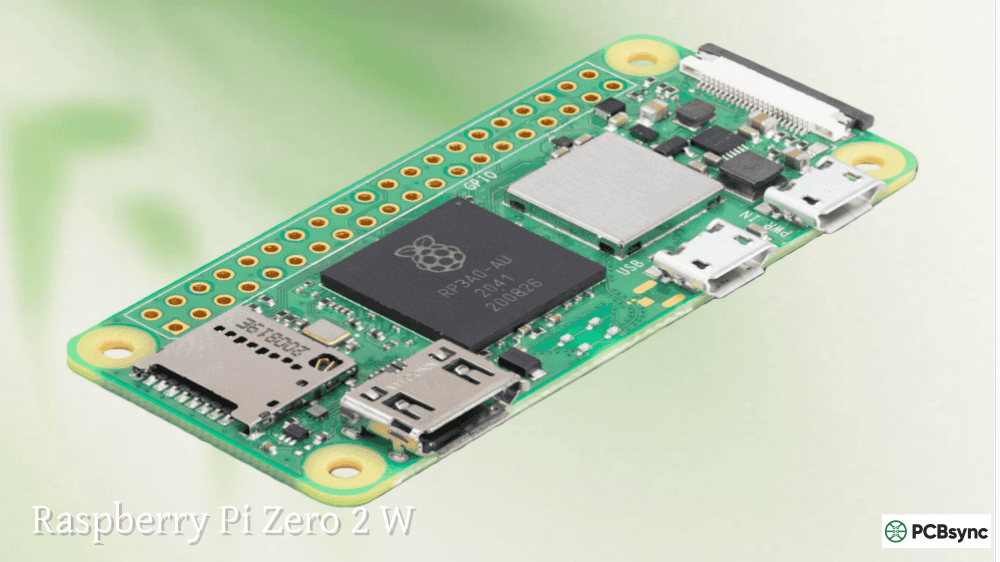
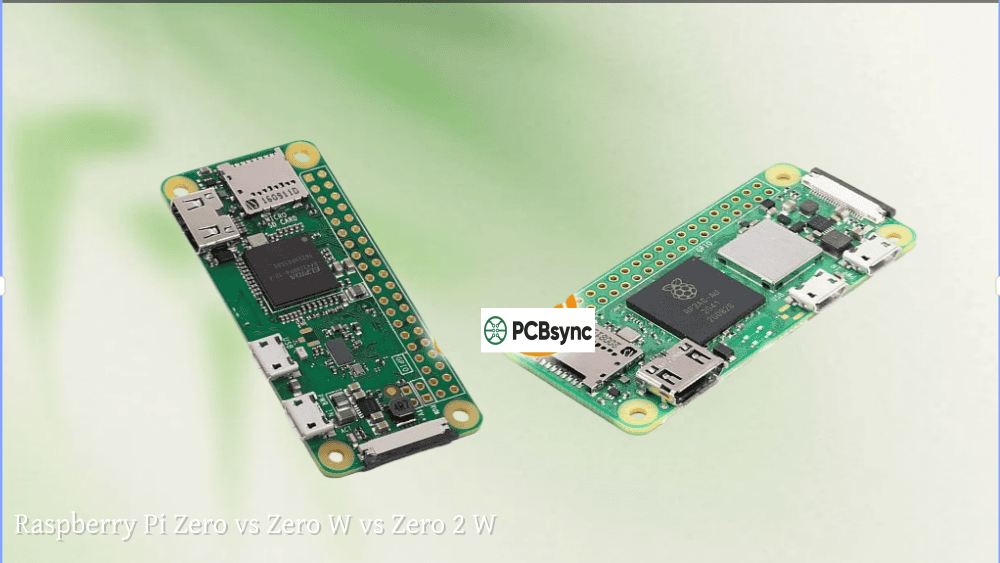
Yes, but with significant limitations. The Pi Zero and Zero W have very limited RAM (512MB) and processing power. The Zero 2 W performs better due to its quad-core processor, but you should use Kali Linux Lite (no desktop environment) and stick to command-line tools. For serious raspberry pi hacking projects, the Pi 4 or Pi 5 with 4GB+ RAM is recommended.
Why doesn’t my Wi-Fi adapter work in monitor mode?
Most adapters don’t support monitor mode out of the box. Check that your adapter uses a compatible chipset (Atheros AR9271, Ralink RT3070, or Realtek RTL8812AU are reliable choices). Also verify you’re using the correct driver and that no processes are interfering by running sudo airmon-ng check kill before enabling monitor mode.
Is the Raspberry Pi powerful enough for password cracking?
For basic wordlist attacks against captured handshakes, the Pi can handle small to medium wordlists. However, for serious password cracking, the Pi’s ARM processor is too slow. Best practice: capture handshakes with your portable Pi, then transfer them to a desktop with a powerful GPU for actual cracking using tools like Hashcat.
Can I dual-boot Kali Linux with Raspberry Pi OS?
While not true dual-booting, you can easily swap between operating systems by using multiple SD cards. Flash Kali on one card and Raspberry Pi OS on another, then swap cards as needed. Some users also set up NOOBS or PINN for multi-boot configurations, though this adds complexity.
Some Kali tools don’t work on my Raspberry Pi. Why?
Certain tools, particularly those with heavy dependencies like Burp Suite Professional, may not be fully compatible with ARM architecture. The Pi uses ARM processors while most Kali tools were originally developed for x86/x64 systems. Check the Kali ARM documentation for compatibility lists, and consider using ARM-optimized alternatives where available.
Building Your Complete Penetration Testing Kit
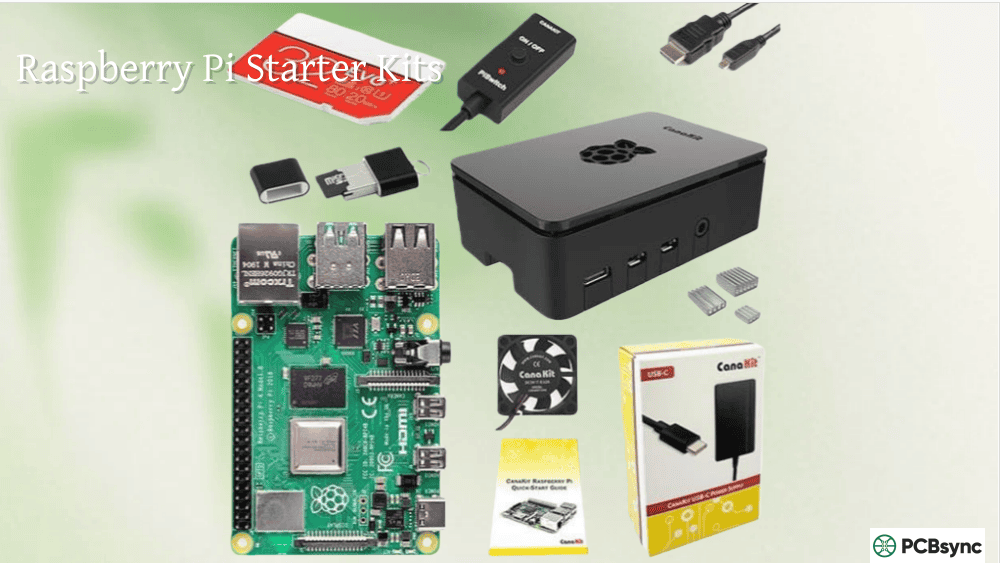
To summarize, here’s a recommended shopping list for a serious Kali Linux Raspberry Pi hacking station:
Item
Estimated Cost
Priority
Raspberry Pi 4 (4GB) or Pi 5
$55-80
Essential
32GB UHS-I MicroSD Card
$10-15
Essential
Official Power Supply
$15
Essential
Alfa AWUS036NHA Wi-Fi Adapter
$35-40
Essential for wireless
Cooling Case
$15-20
Recommended
10,000mAh Power Bank
$25-30
For portable use
7″ Touchscreen Display
$60-70
Optional
USB Keyboard/Mouse Combo
$15-20
For initial setup
Total
$165-290
This setup gives you a professional-grade portable penetration testing platform for a fraction of what commercial alternatives cost.
Final Thoughts on Your Ethical Hacking Journey
The Kali Linux Raspberry Pi combination democratizes security testing in a way that wasn’t possible a decade ago. For under $100 in essential hardware, you get access to the same fundamental tools that professional penetration testers use daily.
But remember that tools are only part of the equation. Understanding networking fundamentals, recognizing vulnerabilities, and thinking creatively about attack vectors takes time and practice. Use your raspberry pi hacking setup on legal practice environments like HackTheBox or TryHackMe before considering any real-world assessments.
Start with the basics: learn to use Nmap effectively, understand how Wi-Fi authentication works, practice capturing and analyzing network traffic with Wireshark. As your skills develop, the Raspberry Pi will grow with you, serving as a reliable platform for increasingly sophisticated security research.
Now stop reading and start building. Your pocket-sized security lab awaits.
Suggested Meta Descriptions:
Option 1 (155 characters): Complete Kali Linux Raspberry Pi setup guide for ethical hacking. Hardware requirements, installation steps, Wi-Fi testing tools, and raspberry pi hacking tips.
Option 2 (150 characters): Build a portable penetration testing lab with Kali Linux Raspberry Pi. Step-by-step guide covering tools, Wi-Fi adapters, and ethical raspberry pi hacking.
Option 3 (148 characters): Turn your Raspberry Pi into an ethical hacking platform with Kali Linux. Complete 2025 setup guide with tools, hardware, and security testing tutorials.
Inquire: Call 0086-755-23203480, or reach out via the form below/your sales contact to discuss our design, manufacturing, and assembly capabilities.
Quote: Email your PCB files to Sales@pcbsync.com (Preferred for large files) or submit online. We will contact you promptly. Please ensure your email is correct.
Notes: For PCB fabrication, we require PCB design file in Gerber RS-274X format (most preferred), *.PCB/DDB (Protel, inform your program version) format or *.BRD (Eagle) format. For PCB assembly, we require PCB design file in above mentioned format, drilling file and BOM. Click to download BOM template To avoid file missing, please include all files into one folder and compress it into .zip or .rar format.