Inquire: Call 0086-755-23203480, or reach out via the form below/your sales contact to discuss our design, manufacturing, and assembly capabilities.
Quote: Email your PCB files to Sales@pcbsync.com (Preferred for large files) or submit online. We will contact you promptly. Please ensure your email is correct.
Notes: For PCB fabrication, we require PCB design file in Gerber RS-274X format (most preferred), *.PCB/DDB (Protel, inform your program version) format or *.BRD (Eagle) format. For PCB assembly, we require PCB design file in above mentioned format, drilling file and BOM. Click to download BOM template To avoid file missing, please include all files into one folder and compress it into .zip or .rar format.
A practical guide for PCB engineers covering immersion silver surface finish specifications, the plating process, advantages vs. ENIG, common problems, and industry applications. Updated for 2025 with IPC-4553A standards.
After 15 years working with various PCB surface finishes, I’ve seen immersion silver evolve from a niche option to a mainstream choice for high-frequency and fine-pitch applications. Today, approximately 10-15% of all PCBs worldwide use immersion silver, and that number continues to grow as engineers demand better signal integrity without the premium price tag of gold-based finishes.
This guide cuts through the marketing fluff and gives you the practical knowledge you need to decide if immersion silver PCB is right for your project. We’ll cover the chemistry behind the process, real-world performance data from production environments, and the gotchas that suppliers don’t always mention upfront. Whether you’re designing consumer electronics, telecommunications equipment, or automotive systems, understanding immersion silver’s strengths and limitations will help you make informed decisions.
The surface finish you choose directly impacts your board’s solderability, reliability, and signal performance. With immersion silver, you’re working with a finish that offers exceptional electrical properties but requires careful handling and storage. Let’s dive into what makes this finish tick and when it’s the right choice for your application.
Immersion silver (also called ImAg, IM Silver, or ENIAg) is a lead-free surface finish where a thin layer of pure silver is chemically deposited directly onto exposed copper pads through a displacement reaction. Unlike electroplating, which requires an external electrical current, immersion plating relies on the natural potential difference between silver and copper to drive the deposition process.
The chemistry is straightforward: when copper comes into contact with the silver ion solution, copper atoms give up electrons and dissolve into the solution, while silver ions accept those electrons and deposit as metallic silver on the surface. The reaction is self-limiting—once the copper surface is completely covered with silver, the reaction stops because there’s no more exposed copper to drive it. This self-limiting characteristic helps ensure uniform coating thickness across the entire board surface.
The chemical equation: 2Ag⁺ + Cu → 2Ag + Cu²⁺
What makes immersion silver particularly attractive is its simplicity. There’s no nickel barrier layer like ENIG requires. Silver goes directly onto copper, which is why you get such excellent electrical conductivity—silver is the most conductive metal available, with a conductivity of approximately 63 × 10⁶ S/m. This direct silver-to-copper interface is also why immersion silver performs so well in high-frequency applications where signal integrity is paramount.
The slow speed of immersion silver deposition helps build a dense crystalline structure, thereby forming a high-density layer of silver on the copper surface. This slow deposition rate also helps avoid particle growth from agglomeration and precipitation, resulting in a smooth, uniform finish that’s ideal for fine-pitch component assembly.
IPC-4553A Thickness Standards
The IPC-4553A specification (revised in 2009 from the original 2005 standard) sets the current industry standard for immersion silver thickness. Understanding these specifications is crucial for quality control and ensuring your boards meet performance requirements.
Minimum: 0.12 µm (5 µin) at -4σ from process mean
Maximum: 0.40 µm (16 µin) at +4σ from process mean
The upper limit matters more than most engineers realize. If the plating is too thick, you risk weakened solder joints during thermal cycling because excess silver can form intermetallic compounds that create brittle interfaces. Too thin, and the copper will oxidize during soldering, causing joint failures. The sweet spot of 0.2-0.3 µm gives you excellent solderability with reliable long-term performance.
The original IPC-4553 (2005) specification included both “thin” and “thick” immersion silver variants, which caused confusion in the industry. The 2009 revision consolidated these into a single thickness range as the “thin” variant fell out of common use. This simplification helps eliminate miscommunication between designers and fabricators.
Why Thickness Matters for Performance
The thickness of your immersion silver layer directly impacts several key performance characteristics. Here’s what happens at different thickness levels:
Below 0.12 µm: Insufficient coverage leads to copper oxidation during soldering, poor solder joint formation, and reduced shelf life.
0.12-0.20 µm: Good for high-frequency RF applications where minimizing skin effect losses is critical. Recommended for circuits operating above 2.4 GHz.
0.20-0.30 µm: Optimal range for most applications. Balances solderability, corrosion protection, and cost. This is what most fabricators target.
Above 0.40 µm: Risk of excessive intermetallic formation, potential solder joint brittleness, and unnecessary cost. May introduce slight impedance variations in high-frequency designs.
Understanding the process helps you troubleshoot quality issues and communicate effectively with your fabricator. A well-controlled immersion silver process is the foundation of reliable boards. Here’s the detailed step-by-step breakdown that fabricators follow:
Pre-treatment: The PCB goes through cleaning (pickling), scrubbing, and washing to remove oils, oxidation, and contaminants. The board is then dried with hot air at approximately 80°C. This stage is critical—any residual contamination will cause adhesion problems in the final finish.
Acid Degreasing: A 10% acid degreaser solution at 30°C removes any remaining organic residue and fingerprints. This typically takes 1-2 minutes and ensures the copper surface is chemically clean.
Micro-etching: Using sulfuric acid with hydrogen peroxide (typically 80g sulfuric acid, 200ml/L of 35% H₂O₂) at 30°C for 1-2 minutes, this step removes 20-40 microinches of copper oxide and roughens the surface slightly for better adhesion. The micro-etch rate must be carefully controlled.
Water Washing: Deionized water rinse removes acid residue. Quality fabricators perform a “water break” test at this point—a properly cleaned copper surface should remain wetted for 40+ seconds without water beading.
Pre-dip Activation: A dilute acid solution (typically nitric acid based) activates the copper surface and removes any remaining oxide layers. This step typically lasts 1-2 minutes at 40°C and prepares the surface for optimal silver deposition.
Immersion Silver Bath: The PCB is immersed in a silver solution (silver nitrate with complexing agents, stabilizers, and pH buffers) at 50°C for 2-4 minutes. The displacement reaction deposits silver onto the copper. Bath chemistry must be monitored continuously—temperature, pH, and silver concentration all affect quality.
Rinse and Dry: Thorough deionized water washing followed by hot air drying at 80°C. Any chemical residue left at this stage will cause tarnishing or solderability problems.
Anti-tarnish Treatment (Optional): Some processes include an organic anti-tarnish coating to extend shelf life and prevent sulfur/chlorine reactions. This organic layer is typically less than 1% by weight and is not easily measured.
The entire process takes approximately 20-30 minutes per batch. Quality fabricators will control bath temperature (±2°C), pH (typically neutral to slightly acidic), and silver concentration precisely—variations in any of these parameters directly affect coating uniformity and thickness. Modern immersion silver solutions have a long service life and are not sensitive to trace halides or light, but still require regular monitoring and maintenance.
Advantages of Immersion Silver PCB
Let me be direct about what makes immersion silver worth considering for your next project. These aren’t theoretical benefits—they’re practical advantages I’ve seen validated across hundreds of production runs.
Exceptional Electrical Performance
Silver has a conductivity of approximately 63 × 10⁶ S/m—the highest of any metal. For high-frequency applications, this matters significantly. At GHz frequencies, the skin effect causes signals to travel primarily on the conductor surface, making the surface finish a critical factor in signal integrity.
With immersion silver, you get insertion losses as low as 0.1 dB/inch at 10 GHz on standard FR-4, compared to 0.2-0.3 dB/inch with ENIG (where the nickel layer adds resistance due to its magnetic properties and lower conductivity). This might seem like a small difference, but in a 12-inch signal path, that’s 1.2 dB versus 2.4-3.6 dB of loss—enough to affect signal margin in critical applications.
Because there’s no nickel barrier between the silver and copper, you maintain impedance control more easily. For RF circuits targeting 50-ohm impedance, immersion silver introduces minimal variation—typically within ±1-2 ohms at 5 GHz. This consistency is crucial for applications in 5G infrastructure, radar systems, and high-speed digital designs operating above 1 GHz.
Superior Solderability
Fresh immersion silver surfaces exhibit near-perfect wetting characteristics with lead-free solder alloys, including SAC305 and other common formulations. The silver layer provides a clean, oxide-free surface that promotes strong metallurgical bonds during reflow.
The flat, planar surface (less than 0.5 µm variation) makes immersion silver ideal for fine-pitch components. You can reliably assemble BGAs with 0.5mm pad spacing, QFN packages with 0.4mm pitch leads, and other advanced components that would be challenging with uneven finishes like HASL.
Unlike HASL, which creates uneven solder mounds that can interfere with component placement and cause solder bridging, immersion silver gives you the consistent surface needed for reliable automated assembly. This translates to higher first-pass yields and fewer defects in production.
Cost-Effective Alternative to ENIG
Immersion silver typically costs $0.20-0.40 per square inch, compared to $0.30-0.60 for ENIG. On a standard 100mm × 100mm board, that translates to roughly $1-2 savings per board. While this might seem modest for prototypes, the math changes dramatically at scale.
For a production run of 10,000 boards, you could be looking at $10,000-$20,000 in savings by choosing immersion silver over ENIG—assuming the technical requirements support it. The simpler process (no nickel plating step) also means faster turnaround times from most fabricators.
RoHS and REACH Compliant
Immersion silver contains no lead, cadmium, mercury, or other restricted substances, making it fully compliant with RoHS (Restriction of Hazardous Substances) and REACH (Registration, Evaluation, Authorization, and Restriction of Chemicals) directives. For products destined for European markets or other regulated regions, this compliance is often a baseline requirement rather than an option.
Beyond regulatory compliance, immersion silver is more environmentally friendly than both HASL (which uses tin-lead solder) and immersion tin (which uses thiourea, a carcinogenic compound requiring careful handling). The silver plating process uses relatively benign chemistry when properly managed.
Additional Benefits
Multiple reflow capability: Withstands 3-5 thermal cycles without significant degradation in solderability
No black pad issues: Unlike ENIG, immersion silver is immune to the black pad syndrome that can cause brittle solder joints
Wire bonding compatible: Suitable for aluminum wire bonding applications commonly used in semiconductor packaging
Dome contacts: Works well for metallic dome contacts and membrane switches
Process simplicity: Faster and simpler than ENIG with no nickel plating step required
Disadvantages and Limitations
Here’s where honesty matters. Immersion silver isn’t perfect, and understanding its limitations helps you avoid costly mistakes. I’ve seen projects run into problems when these factors weren’t properly accounted for in the design and manufacturing planning phases.
Susceptible to Tarnishing
Silver reacts with sulfur and chlorine compounds in the environment, forming silver sulfide (Ag₂S) and silver chloride (AgCl) on the surface. This tarnishing degrades solderability and is the single biggest limitation of immersion silver. The reaction accelerates with higher temperatures and humidity.
In practical terms, this means boards must be assembled within 24-48 hours once removed from protective packaging, and total shelf life is limited to 6-12 months under proper storage conditions. If you’re working in an environment with sulfur-containing materials (rubber bands, cardboard boxes, certain adhesives), the tarnishing risk increases significantly.
Shorter Shelf Life Than ENIG
Compared to ENIG’s 12+ month shelf life, immersion silver’s 6-12 month window requires tighter supply chain management. If you’re stocking boards for long periods or shipping to customers who may not assemble immediately, this becomes a real concern. Some customers have reported successful assembly after 12 months, but solderability testing is strongly recommended for boards approaching that age.
Sensitive Handling Requirements
The silver surface is relatively soft and easily scratched compared to ENIG’s harder nickel layer. More importantly, fingerprint oils contain sulfur compounds that cause localized tarnishing within hours of contact. Operators must always wear clean, lint-free gloves, and boards require special sulfur-free, vacuum-sealed packaging with desiccant.
This sensitivity extends to the production environment. Storage areas should be kept away from cardboard, rubber, and other materials that off-gas sulfur compounds. Even something as simple as using the wrong packing tape can cause problems.
Lower Physical Strength Than ENIG
Without a nickel barrier layer, immersion silver can’t match ENIG’s mechanical durability. For applications requiring repeated mating cycles (like edge connectors or contact pads), immersion silver typically lasts only 10-20 cycles compared to ENIG’s 20-50 or hard gold’s 500+. If your application involves frequent insertions or mechanical contact, you’ll need to specify a different finish for those areas.
Potential for Electromigration
Under high humidity conditions with applied voltage, silver can migrate between traces, potentially causing short circuits. This phenomenon, sometimes called “silver creep” or “dendritic growth,” occurs when silver ions move through moisture films between conductors under electrical bias.
Modern immersion silver formulations include organic additives to mitigate this risk, and proper conformal coating can provide additional protection. However, for high-reliability applications in humid environments, this remains a consideration during design review.
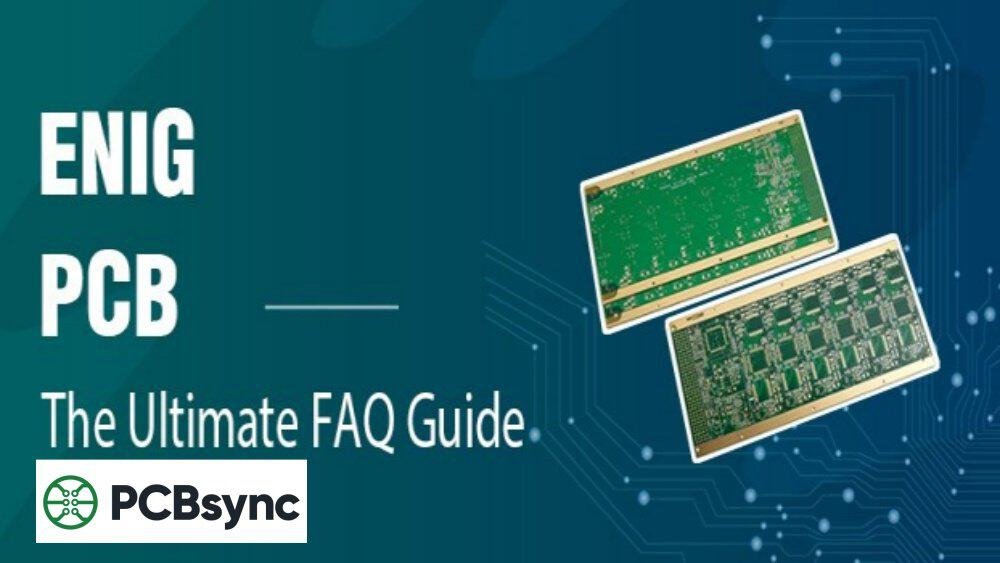
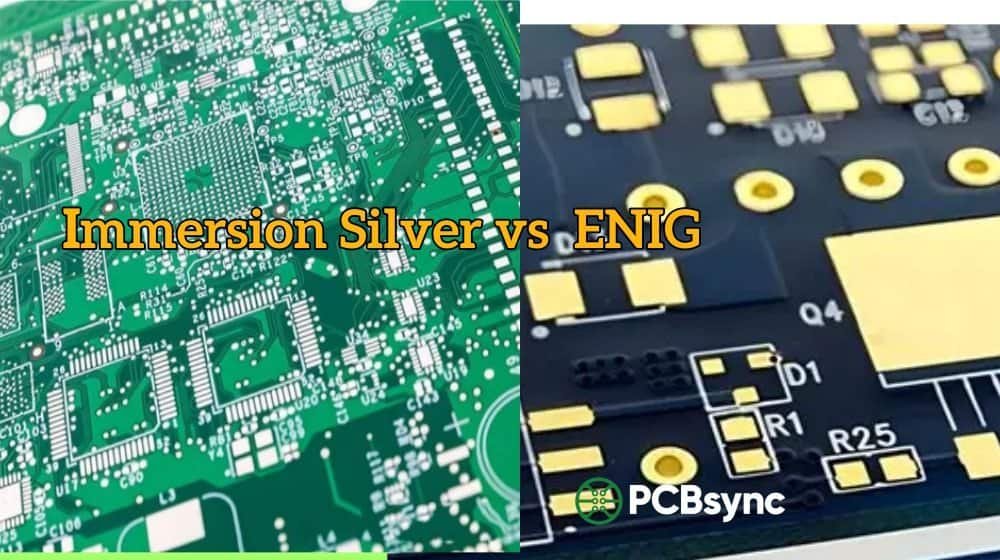
Immersion Silver vs. ENIG: Head-to-Head Comparison
This is the question I get asked most often. Both finishes are excellent choices for fine-pitch assembly, but they serve different purposes. Here’s a detailed comparison based on real-world performance data:
Property
Immersion Silver
ENIG
Thickness
0.12-0.40 µm silver only
3-6 µm Ni + 0.05-0.1 µm Au
Cost
$0.20-0.40/sq in
$0.30-0.60/sq in
Shelf Life
6-12 months
12+ months
Conductivity
Excellent (best available)
Good (nickel reduces it)
Signal Loss @ 10GHz
~0.1 dB/inch
~0.2-0.3 dB/inch
Solderability
Excellent
Excellent
Surface Flatness
Excellent (<0.5 µm)
Excellent
Corrosion Resistance
Moderate (tarnishes)
Excellent
Black Pad Risk
None
Possible with poor control
Mating Cycles
10-20 cycles
20-50 cycles
Best For
RF/high-speed, cost-sensitive
High reliability, long storage
My recommendation: Choose immersion silver when signal integrity at high frequencies is critical and you have good supply chain control with fast turnaround to assembly. Choose ENIG when you need longer shelf life, repeated mating cycles, are working in harsh environments, or when boards may sit in inventory before assembly.
How Does Immersion Silver Compare to Other Finishes?
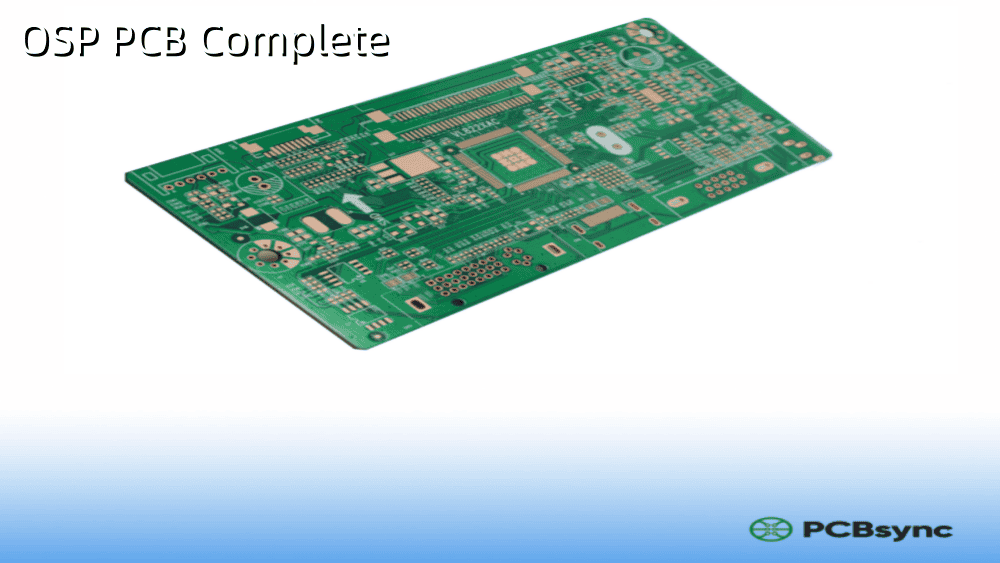
vs. OSP (Organic Solderability Preservative): OSP is cheaper than immersion silver and provides good short-term solderability, but it doesn’t hold up as well to multiple reflow cycles and offers no protection for contact surfaces. Immersion silver sits between OSP and ENIG in both cost and performance—it provides better protection than OSP while costing less than ENIG. For complex boards requiring multiple soldering operations, immersion silver is the better choice.
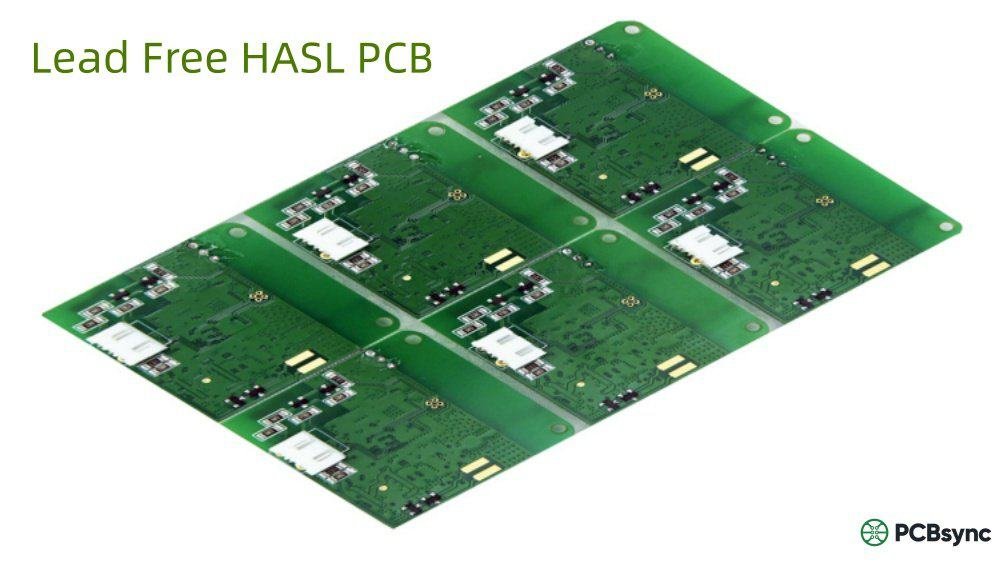
vs. HASL (Hot Air Solder Leveling): HASL is cost-effective and provides excellent solderability, but its uneven surface makes it unsuitable for fine-pitch components below 0.65mm pitch. The solder mounds can cause placement issues and solder bridging with small components. Immersion silver’s flat surface is far superior for modern high-density designs with BGAs, QFNs, and other fine-pitch packages.
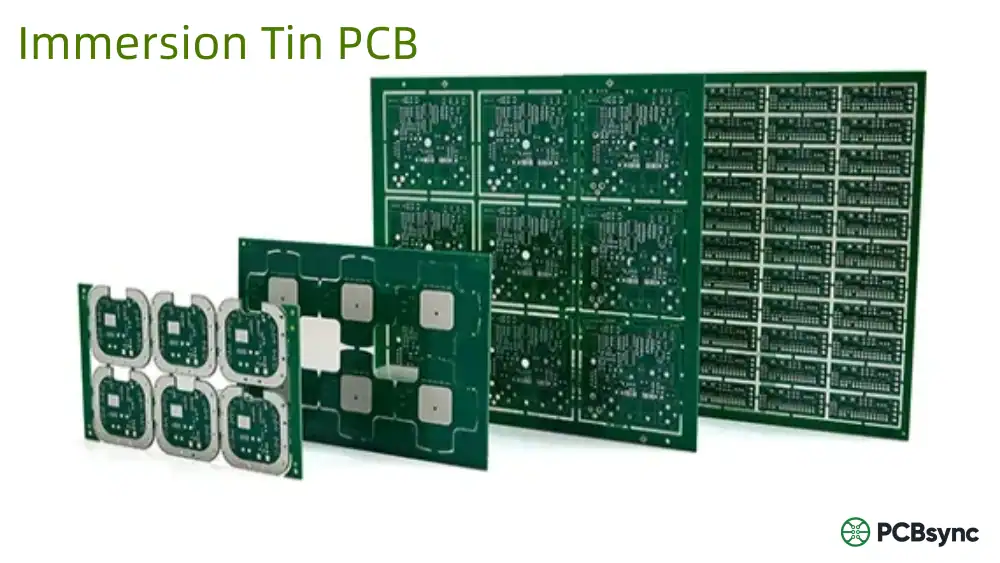
vs. Immersion Tin: Immersion tin is similar in cost to immersion silver but has a shorter shelf life (about 6 months) and forms tin whiskers that can cause reliability issues. Immersion tin also uses thiourea (a carcinogen) in processing. Immersion silver is generally preferred for its better electrical properties and longer shelf life.
Common Problems and How to Fix Them
Even experienced fabricators encounter issues with immersion silver. Here are the most common problems I’ve seen in production, along with practical solutions that work:
Galvanic Effect
Problem: When gaps exist in the copper layer (from corrosion, mechanical stress, or solder mask issues), the silver deposition becomes uneven. The gap creates a galvanic cell where copper in the gap becomes an anode, providing electrons for silver reduction in areas that should remain unexposed. This causes silver to deposit on unintended areas, leading to shorts or signal integrity issues.
Solutions:
Use immersion silver processes with lower pH (neutral is preferred—less corrosive to copper)
Control micro-etching rates precisely to avoid excessive copper roughening
Avoid connecting large copper areas with thin traces in your design
Use chemical-resistant solder mask and ensure complete curing before silver plating
Tarnishing and Discoloration
Problem: Silver reacts with sulfur and chlorine in the environment, forming dark compounds (Ag₂S, AgCl) that reduce solderability and cause visual defects.
Solutions:
Store boards in sulfur-free, airtight, vacuum-sealed packaging with desiccant
Maintain storage at 30°C or below with <40% relative humidity
Apply anti-tarnish treatment in the final plating step
Reseal packaging immediately if not using all boards
Keep storage area away from cardboard, rubber, and other sulfur-emitting materials
Solderability Issues at IC Holes/Pads
Problem: Poor solder wetting, especially in plated through-holes. Usually caused by insufficient copper thickness in holes or contamination during processing.
Solutions:
Ensure copper surface is 100% clean before plating—perform water break tests
Use ultrasonic agitation for better mass transfer in deep holes during copper plating
Verify adequate copper plating thickness in holes (typically 25µm minimum)
Perform water-break tests after micro-etching—copper should stay wetted for 40+ seconds
Silver Whiskers
Problem: In high-humidity environments with hydrogen sulfide exposure, silver can form conductive whiskers that cause shorts between traces.
Solution: Apply conformal coating over the silver layer for boards destined for harsh environments. Acrylic, silicone, or urethane coatings all provide effective protection.
Best Applications for Immersion Silver PCB
Immersion silver excels in specific applications where its strengths align with project requirements. Here’s where it makes the most sense based on real production experience:
Industry/Application
Why Immersion Silver Works
Telecommunications
RF modules, 5G base stations, routers. Signals above 2 GHz benefit from silver’s superior conductivity and low skin effect losses.
Consumer Electronics
Smartphones, tablets, wearables. Fine-pitch components (BGAs, QFNs) require flat surfaces, and cost savings matter at volume.
Automotive
Infotainment, telematics, ADAS radar (with conformal coating). Avoid under-hood applications where heat/humidity are concerns.
Computer Systems
Memory modules, graphics cards, motherboards. High-speed signal paths benefit from silver’s electrical properties.
High-brightness LEDs require good thermal conductivity and flat surfaces for die attachment.
EMI Shielding
Silver’s excellent conductivity provides superior EMI/RFI shielding effectiveness.
Storage and Handling Best Practices
Proper handling can mean the difference between a successful assembly and a scrap bin full of tarnished boards. These practices have been validated across thousands of production runs:
Parameter
Requirement
Temperature
≤30°C (86°F) — lower is better
Relative Humidity
<40% RH
Packaging
Sulfur-free, vacuum-sealed bags with desiccant and humidity indicator
Max Shelf Life
6-12 months from manufacturing date
After Opening
Assemble within 24-48 hours; reseal unused boards immediately
Handling
Always wear clean, lint-free gloves; never touch silver surfaces
Baking Before Assembly
Optional; 105-125°C for 2-4 hours if boards absorbed moisture
Pro Tips from Production:
Use a first-in, first-out (FIFO) inventory system—always use oldest boards first
If boards are stored >12 months, perform solderability testing before assembly
Nitrogen-sealed packaging extends shelf life significantly beyond standard vacuum sealing
Avoid storage near cardboard boxes, rubber bands, or adhesive tapes containing sulfur
Mark PCB manufacturing date clearly on all packaging and track in your inventory system
Quality Testing and Verification
Ensuring your immersion silver boards meet specifications requires appropriate testing. Here are the key tests and what to look for:
Thickness Measurement
X-ray fluorescence (XRF) spectroscopy is the standard non-destructive method for measuring immersion silver thickness. Per IPC-4553A, measurements should be taken on pads of approximately 1.5mm × 1.5mm. Cross-sectional analysis provides highly accurate measurements but destroys the sample—use it for failure analysis or process validation rather than production testing.
Solderability Testing
Wetting balance tests per J-STD-003 evaluate solder spread and wetting force. For boards near the end of their shelf life, this test is essential before committing to assembly. Visual inspection after dip testing should show complete solder coverage with no dewetting or bare spots.
Visual Inspection
Surface should appear bright and uniformly silvery-white
No discoloration, staining, or tarnish spots
No exposed copper (copper color showing through)
No pitting, voids, or rough surface texture
Useful Resources
Here are the key standards, specifications, and tools referenced in this guide:
Industry Standards
IPC-4553A: Specification for Immersion Silver Plating for Printed Boards — Available at shop.ipc.org
IPC-A-600: Acceptability of Printed Boards
IPC-6012D: Qualification and Performance Specification for Rigid PCBs
Solderability Test Equipment: Metronelec, Wetting balance testers per IPC/JEDEC J-STD-003
Cross-Section Analysis: Standard metallographic preparation and optical microscopy
Major Chemical Process Suppliers
MacDermid Alpha: Sterling Immersion Silver process — macdermidalpha.com
Uyemura: TAL-AG Immersion Silver — uyemura.com
Atotech: Argentum Immersion Silver — atotech.com
Technic: Implatec Ag Immersion Silver — technic.com
Frequently Asked Questions
1. How long can immersion silver PCBs be stored before assembly?
Under proper conditions (≤30°C, <40% RH, sulfur-free packaging), immersion silver PCBs have a shelf life of 6-12 months. However, once removed from packaging, they should be assembled within 24-48 hours to ensure optimal solderability. If boards have been stored for more than 12 months, always perform a solderability test before proceeding with assembly. Many fabricators recommend a more conservative 6-month window for critical applications.
2. Is immersion silver suitable for high-reliability applications?
It depends on the specific requirements. For high-frequency signal integrity, immersion silver is excellent—often better than ENIG. For applications requiring long shelf life, repeated connector mating cycles, or exposure to harsh environments (high humidity, sulfur-rich atmospheres), ENIG or ENEPIG are better choices. Many automotive infotainment and telecom applications successfully use immersion silver, but safety-critical automotive systems typically specify ENIG for its superior long-term reliability.
3. Can immersion silver withstand multiple reflow cycles?
Yes, immersion silver typically withstands 3-5 reflow cycles without significant degradation in solderability. However, each thermal cycle increases the risk of copper-silver interdiffusion and surface oxidation. For boards requiring multiple assembly passes (top side, bottom side, selective soldering, rework), plan your process to minimize the total number of thermal excursions. If more than 5 cycles are anticipated, consider whether ENIG might be a better choice.
4. What’s the cost difference between immersion silver and ENIG?
Immersion silver typically costs $0.20-0.40 per square inch, while ENIG ranges from $0.30-0.60 per square inch—roughly 20-30% savings with immersion silver. On a standard 100mm × 100mm board, this translates to approximately $1-2 savings per board. For high-volume production (10,000+ units), the cost difference becomes substantial—potentially $10,000-$20,000 in savings depending on board size and complexity.
5. How do I specify immersion silver in my fabrication notes?
Include the following in your fab notes: “Surface Finish: Immersion Silver per IPC-4553A, thickness 0.12-0.40 µm (typical 0.20-0.30 µm). Boards to be packed within 24 hours of plating in sulfur-free, vacuum-sealed packaging with desiccant. Manufacturing date to be marked on packaging. Shelf life: 12 months maximum.” This ensures your fabricator understands your requirements and delivers boards in optimal condition for assembly.
Conclusion
Immersion silver PCB finish occupies a sweet spot in the surface finish landscape—better electrical performance than ENIG at a lower cost, with excellent solderability for fine-pitch components. The trade-offs are manageable: shorter shelf life, sensitivity to handling, and susceptibility to tarnishing all require attention but aren’t dealbreakers for the right applications.
For RF circuits, high-speed digital designs, and cost-sensitive consumer electronics with tight supply chains, immersion silver is often the optimal choice. The roughly 10-15% of global PCB production using this finish demonstrates its proven track record in demanding applications across telecommunications, automotive, and computing industries.
For applications requiring extended storage, harsh environment exposure, or repeated mating cycles, consider ENIG or other alternatives. The extra cost of ENIG is justified when reliability trumps other considerations.
The key to success with immersion silver is understanding its characteristics and planning accordingly—specify proper packaging in your fabrication requirements, manage your inventory timing with FIFO systems, work with experienced fabricators who control their process parameters tightly, and ensure your assembly line is ready to process boards promptly after opening.
Have questions about implementing immersion silver in your next project? The devil is always in the details—consult with your fabricator early in the design process to ensure the best outcome. And remember: when in doubt about shelf life, test first.
Inquire: Call 0086-755-23203480, or reach out via the form below/your sales contact to discuss our design, manufacturing, and assembly capabilities.
Quote: Email your PCB files to Sales@pcbsync.com (Preferred for large files) or submit online. We will contact you promptly. Please ensure your email is correct.
Notes: For PCB fabrication, we require PCB design file in Gerber RS-274X format (most preferred), *.PCB/DDB (Protel, inform your program version) format or *.BRD (Eagle) format. For PCB assembly, we require PCB design file in above mentioned format, drilling file and BOM. Click to download BOM template To avoid file missing, please include all files into one folder and compress it into .zip or .rar format.