Inquire: Call 0086-755-23203480, or reach out via the form below/your sales contact to discuss our design, manufacturing, and assembly capabilities.
Quote: Email your PCB files to Sales@pcbsync.com (Preferred for large files) or submit online. We will contact you promptly. Please ensure your email is correct.
Notes: For PCB fabrication, we require PCB design file in Gerber RS-274X format (most preferred), *.PCB/DDB (Protel, inform your program version) format or *.BRD (Eagle) format. For PCB assembly, we require PCB design file in above mentioned format, drilling file and BOM. Click to download BOM template To avoid file missing, please include all files into one folder and compress it into .zip or .rar format.
How to Generate Gerber Files from CircuitLab: Understanding the Workflow
If you’ve been searching for a way to generate Gerber files directly from CircuitLab, I need to share something important upfront: CircuitLab doesn’t support direct Gerber file export. As someone who’s worked with various EDA tools over the years, I understand the frustration of discovering a tool’s limitations after you’ve already invested time in a design. But don’t close this page yet—this article will show you exactly how to get from your CircuitLab schematic to manufacturing-ready Gerber files using a practical workflow.
CircuitLab is an excellent browser-based circuit simulator and schematic capture tool, but it was designed specifically for simulation and analysis, not PCB layout. Understanding this distinction is crucial for planning your design workflow effectively.
CircuitLab launched in February 2012 as an in-browser schematic capture and circuit simulation platform. The tool has gained popularity among students, hobbyists, and professional engineers for its ease of use and powerful simulation capabilities. However, its scope is intentionally focused on the front-end of electronic design.
This isn’t a criticism of CircuitLab—it’s simply not what the tool was designed for. The developers focused on creating the best possible simulation experience, and many users find tremendous value in that focused approach.
Why CircuitLab Users Search for Gerber Export
The search intent behind “generate Gerber files from CircuitLab” typically falls into one of these categories:
Users have completed circuit simulation in CircuitLab and want to proceed to PCB fabrication. They’re looking for a seamless path from their validated schematic to a manufactured board.
Some users assume that because CircuitLab has professional-quality schematic output, it must also include PCB design capabilities. This is a reasonable assumption given that many other EDA tools offer both.
Others are evaluating CircuitLab and want to understand the complete workflow before committing to the platform for their project.
Whatever brought you here, let’s explore the practical options for getting your CircuitLab designs onto a physical PCB.
The Complete Workflow: From CircuitLab to Gerber Files
Since CircuitLab cannot export netlists or design data in formats compatible with PCB layout tools, the workflow requires recreating your schematic in a PCB-capable EDA tool. While this might seem like extra work, the simulation you’ve done in CircuitLab remains valuable—you’ve validated your circuit’s behavior before committing to a board design.
Step 1: Export Your CircuitLab Schematic for Reference
Before moving to another tool, capture your CircuitLab schematic in a format you can reference during the recreation process.
CircuitLab supports several export formats for schematics:
Export Format
Best Use Case
Quality
PDF
Documentation, printing
Vector, scalable
PNG
Quick reference, web sharing
Raster, fixed resolution
SVG
Scalable graphics, editing
Vector, editable
EPS
Professional publications
Vector, print-ready
To export your schematic from CircuitLab, save your circuit first (requires an account), then access the export options from your circuit page. The PDF export produces sharp, professional-looking schematics that work well as reference documents.
Step 2: Document Your Component Values and Connections
Create a manual bill of materials from your CircuitLab schematic. This documentation will speed up your work in the PCB design tool.
Record the following for each component:
Information
Example
Why It Matters
Reference Designator
R1, C3, U2
Identifies component
Component Type
Resistor, Capacitor
Determines footprint category
Value
10kΩ, 100nF
Affects physical size selection
Package/Footprint
0603, SOIC-8
Critical for PCB layout
Voltage/Power Rating
50V, 0.25W
May affect package choice
Step 3: Choose a PCB Design Tool with Gerber Export
Several EDA tools offer both schematic capture and PCB layout with Gerber export. Here are options suited to different needs:
Free PCB Design Tools with Gerber Export
Tool
Platform
Gerber Format
Best For
KiCad
Windows, Mac, Linux
RS-274X, Gerber X2
Full-featured, open source
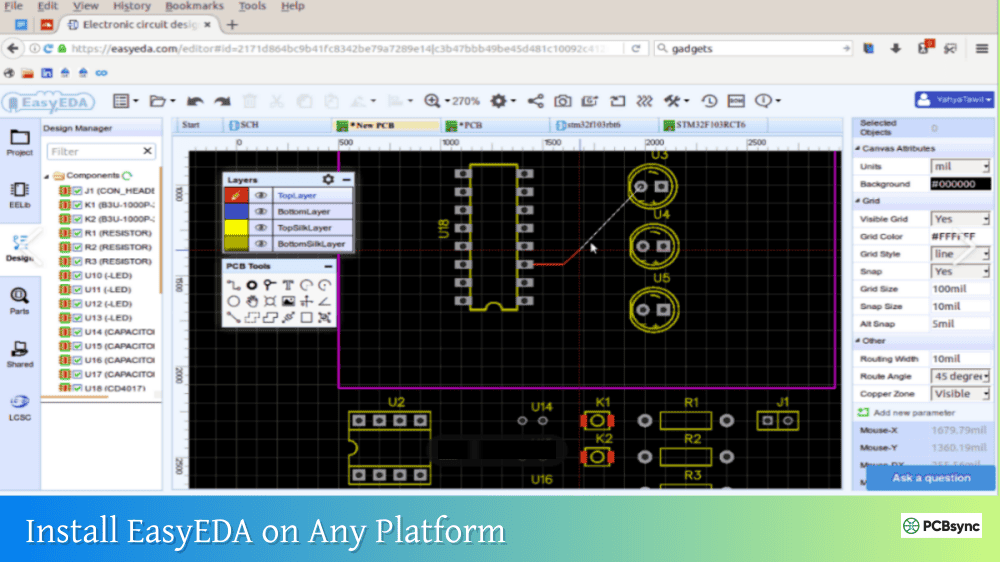
EasyEDA
Browser-based
RS-274X
Quick projects, JLCPCB integration
Fritzing
Windows, Mac, Linux
RS-274X
Beginners, breadboard-style
CircuitMaker
Windows
RS-274X, ODB++
Altium technology, free
Autodesk EAGLE
Windows, Mac, Linux
RS-274X
Industry standard, limited free
Horizon EDA
Windows, Linux
RS-274X
Modern architecture
Paid PCB Design Tools
Tool
Price Range
Gerber Formats
Best For
Altium Designer
$$$$
All formats, ODB++
Professional, enterprise
OrCAD
$$$
RS-274X, ODB++
Complex designs
PADS
$$$
RS-274X, ODB++
Mid-range professional
Altium CircuitStudio
$$
RS-274X, ODB++
Professional, affordable
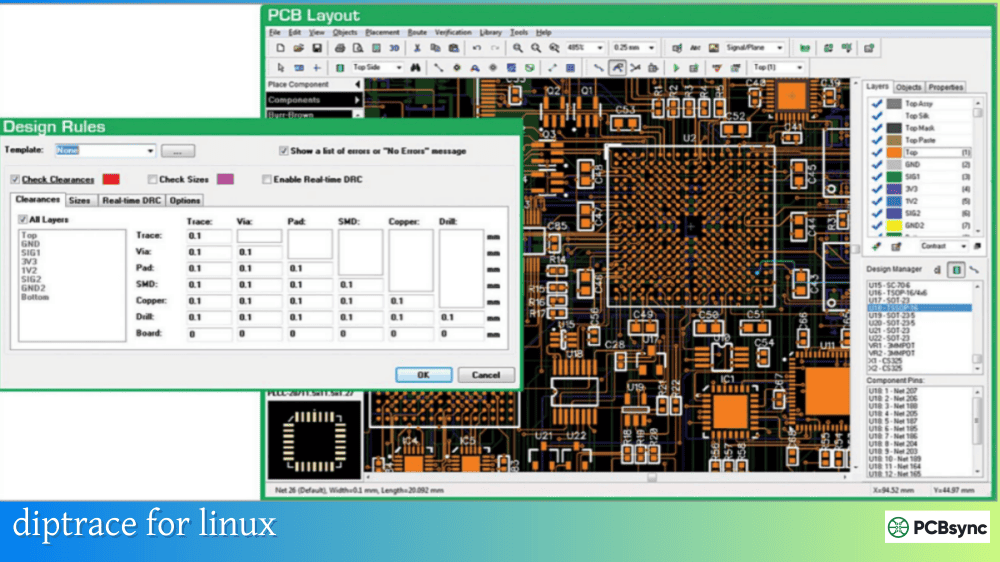
DipTrace
−- −$
RS-274X
Cost-effective professional
Step 4: Recreate Your Schematic in the PCB Tool
Using your exported CircuitLab schematic as reference, recreate the circuit in your chosen PCB design tool. This step requires attention to detail but offers benefits:
You’ll select actual component footprints during schematic entry, ensuring your parts are manufacturable. You can add power supply decoupling, test points, and other practical elements that weren’t needed for simulation. The new schematic will have proper connectivity data for PCB layout.
Step 5: Design the PCB Layout
With a complete schematic in your PCB tool, you can now create the board layout. This process involves placing components and routing traces to match your schematic connectivity.
Step 6: Generate Gerber Files
Once your PCB layout passes design rule checks, generate the manufacturing files. The exact process varies by tool, but generally includes:
File Type
Purpose
Typical Extension
Copper Layers
Trace patterns
.GTL, .GBL, .G2, .G3
Solder Mask
Protective coating openings
.GTS, .GBS
Silkscreen
Component labels
.GTO, .GBO
Board Outline
Physical dimensions
.GKO, .GM1
Drill File
Hole locations
.DRL, .XLN
Paste Mask
Stencil for SMT assembly
.GTP, .GBP
Detailed Workflow Example: CircuitLab to KiCad to Gerber
Let me walk through a specific example using KiCad, since it’s free, powerful, and widely used.
Exporting from CircuitLab
Open your completed circuit in CircuitLab. Click to save your circuit (you’ll need an account for this). From your circuit page, use the Print PDF button to generate a schematic document. Save this PDF for reference during the KiCad schematic entry process.
Additionally, take notes on your component values and any node names you’ve assigned in CircuitLab. These details help maintain consistency when you recreate the design.
Creating the Schematic in KiCad
Open KiCad and create a new project. Launch the Schematic Editor (Eeschema). Using your CircuitLab PDF as reference, place components from KiCad’s libraries. When selecting components, you’ll also specify footprints—the physical package that will appear on your PCB.
Wire the components together following your CircuitLab schematic. Run the Electrical Rules Check (ERC) to verify connectivity. Assign footprints to any components that don’t have them yet.
Creating the PCB Layout in KiCad
Open the PCB Editor (Pcbnew) and import your netlist from the schematic. Define your board outline using the Edge.Cuts layer. Place components within the board boundary, considering signal flow and thermal management. Route traces to connect all components according to the netlist. Add copper pours for ground planes if appropriate. Run Design Rule Check (DRC) to verify manufacturability.
Generating Gerber Files from KiCad
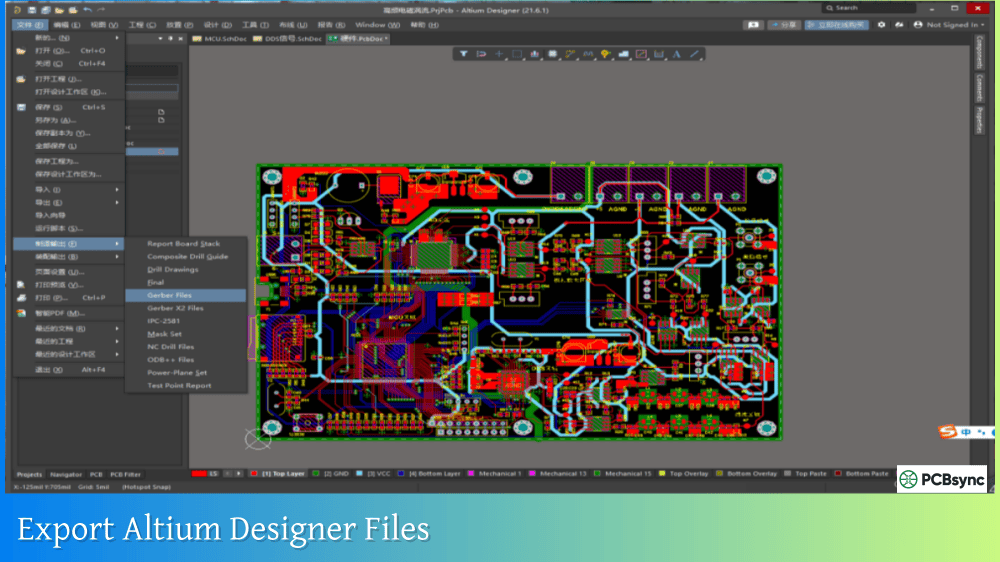
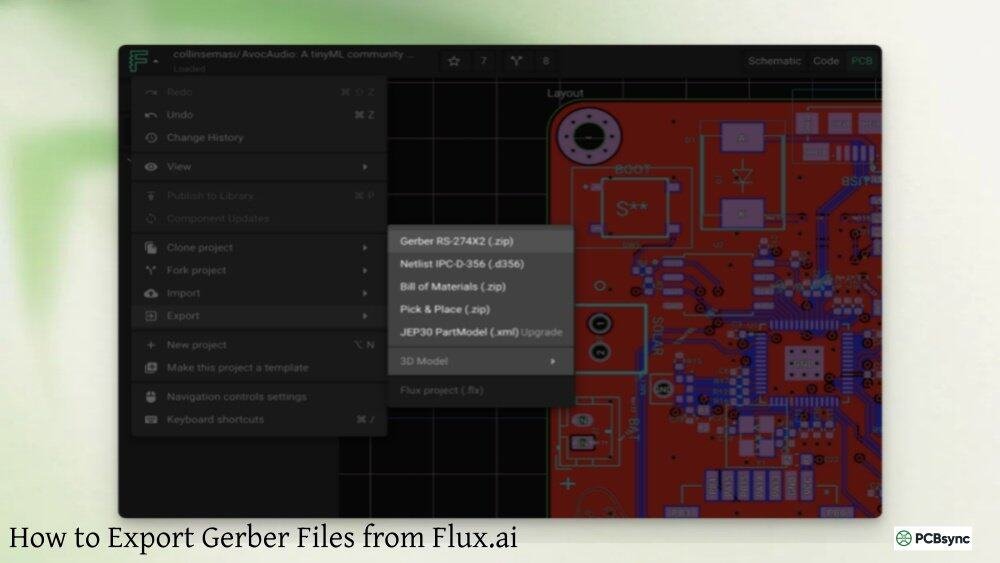
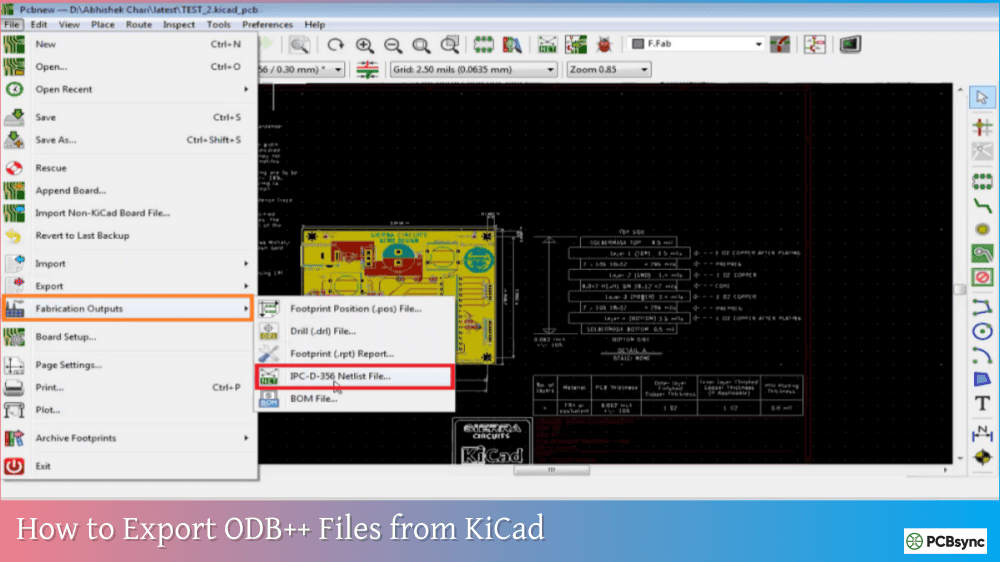
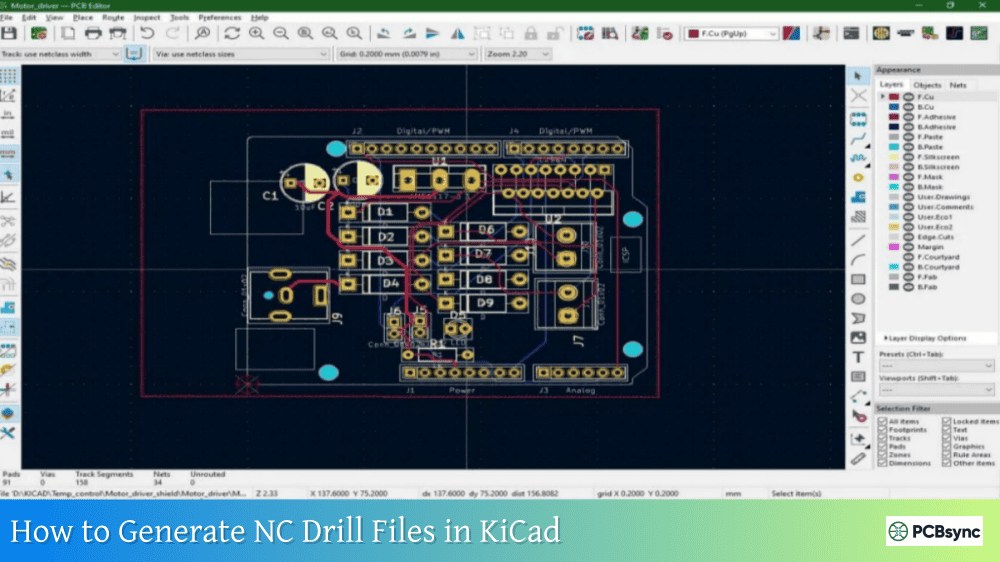
In Pcbnew, go to File and select Plot. Select Gerber as the plot format. Choose which layers to include (copper, mask, silk, outline). Set the output directory. Click Plot to generate the Gerber files. Use the Generate Drill Files button to create the drill file. Verify your files in a Gerber viewer before sending to manufacturing.
Alternative Approach: Browser-Based PCB Design
If you prefer staying in a browser environment like CircuitLab provides, consider EasyEDA as your PCB design tool. The workflow offers some advantages:
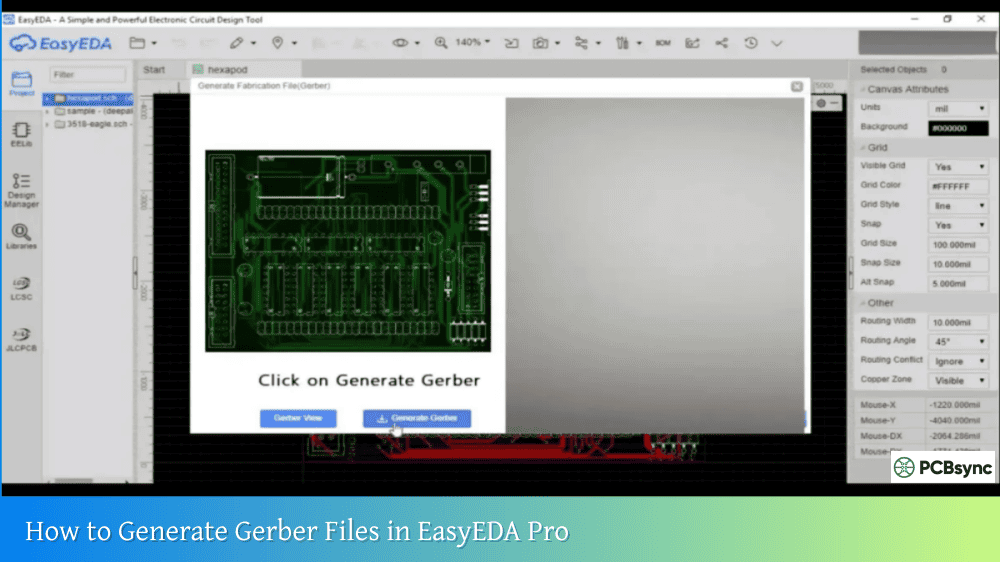
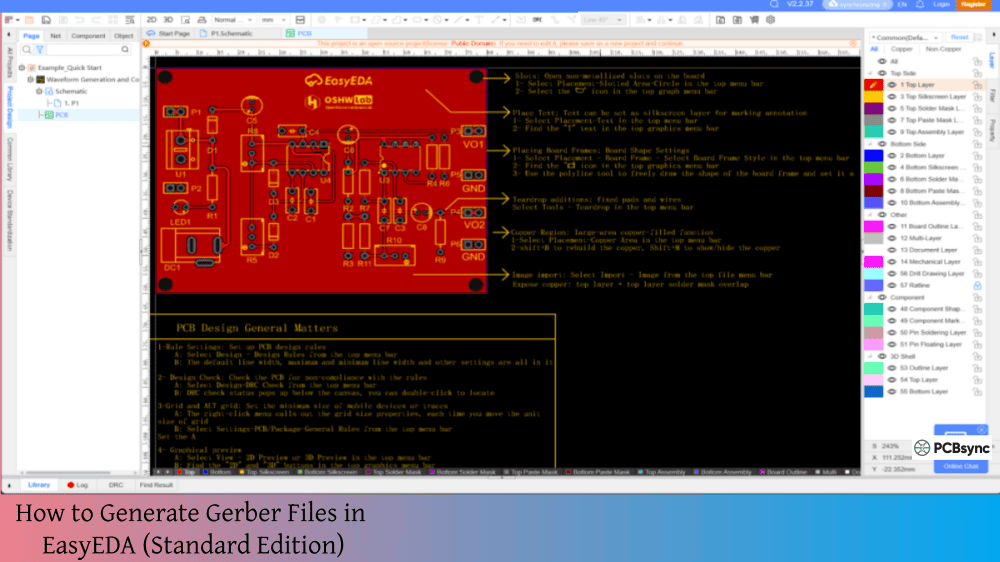
EasyEDA provides schematic capture, simulation, and PCB layout in one browser-based package. It integrates directly with JLCPCB for ordering. No software installation is required. Projects are cloud-stored and accessible anywhere.
EasyEDA Workflow for CircuitLab Users
Step
Action
Notes
1
Export CircuitLab schematic as PDF
Reference document
2
Create new EasyEDA project
Browser-based, free account
3
Recreate schematic in EasyEDA
Access to LCSC component library
4
Convert schematic to PCB
One-click netlist transfer
5
Complete PCB layout
Auto-router available
6
Generate Gerber files
Export menu, RS-274X format
7
Order directly or download
JLCPCB integration optional
Tools That Combine Simulation and PCB Design
If you’re starting a new project and want an integrated workflow from simulation to Gerber files, consider these alternatives to the CircuitLab-plus-separate-PCB-tool approach:
Integrated EDA Platforms
Platform
Simulation
PCB Design
Gerber Export
Cost
EasyEDA
Yes (SPICE)
Yes
Yes
Free
Altium Designer
Yes (mixed-signal)
Yes
Yes
Paid
KiCad + ngspice
Yes (SPICE)
Yes
Yes
Free
Proteus
Yes (mixed-signal)
Yes
Yes
Paid
Multisim + Ultiboard
Yes
Yes
Yes
Paid
LTspice + third-party
Yes (SPICE)
No (export needed)
Via other tool
Free
For hobby and educational projects, EasyEDA offers the closest experience to CircuitLab’s browser-based convenience while adding full PCB design and Gerber export capabilities.
Verifying Your Gerber Files
Regardless of which tool you use to generate Gerber files, always verify them before sending to a manufacturer. This step catches errors that could result in unusable boards.
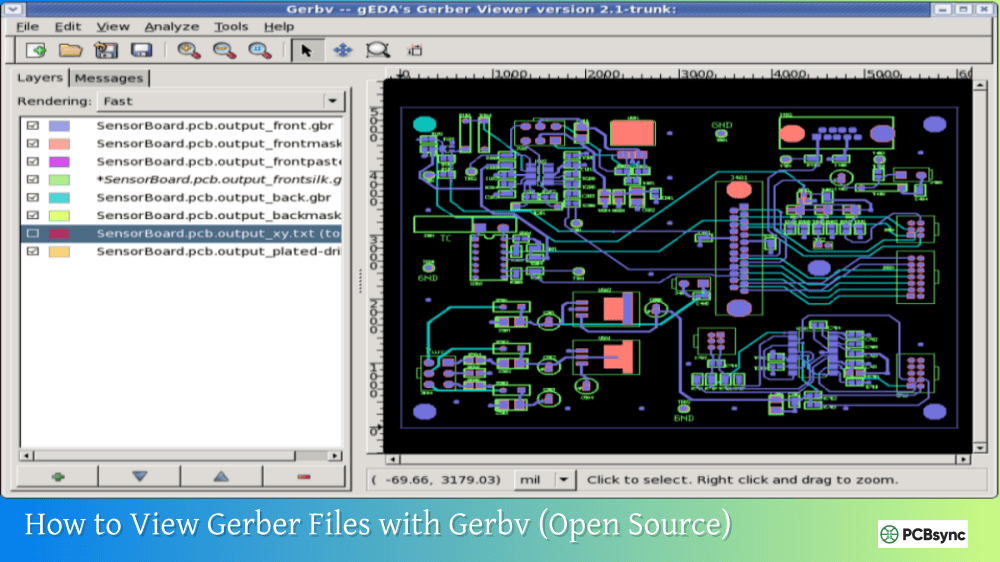
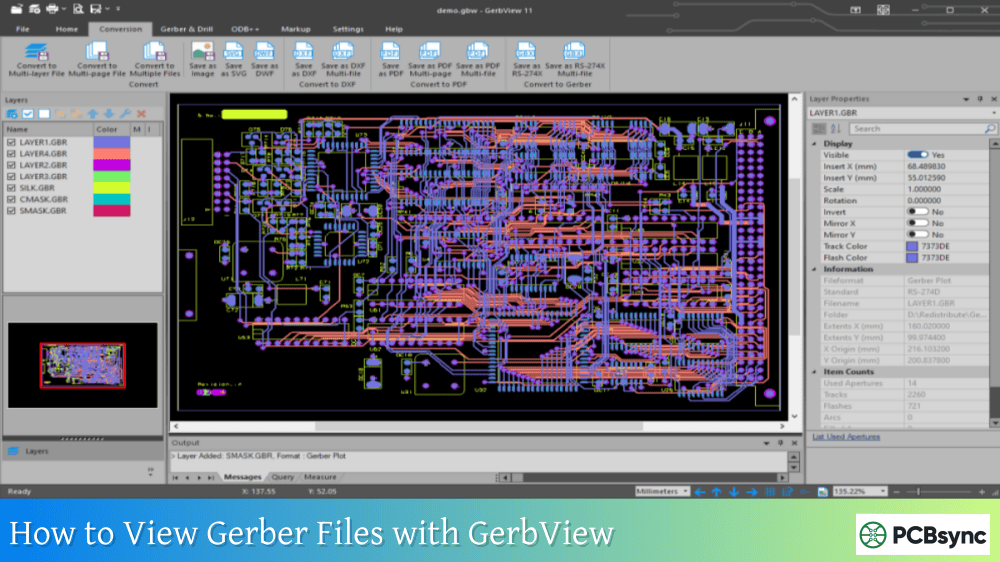
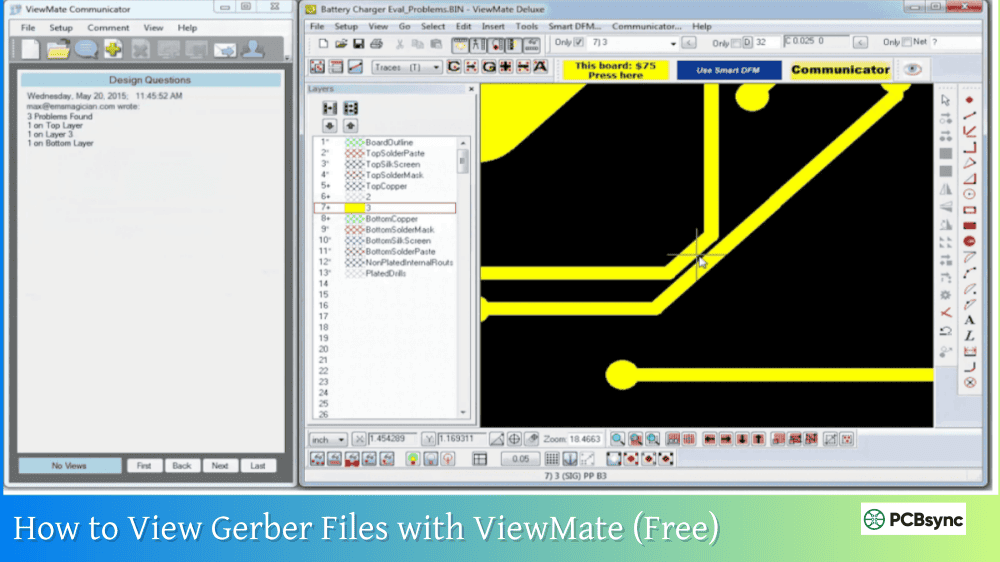
Recommended Gerber Viewers
Viewer
Platform
Cost
Features
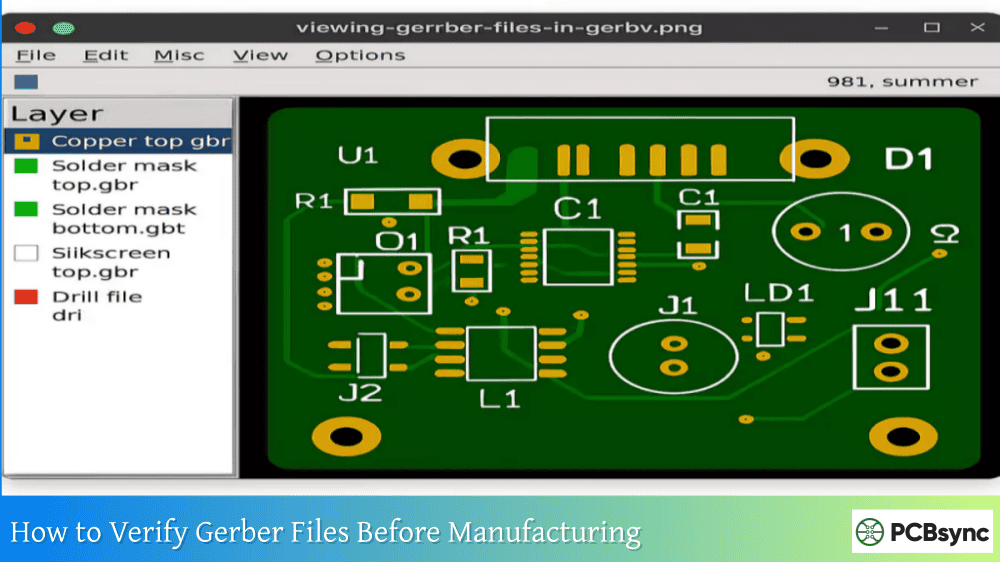
Gerbv
Windows, Linux
Free
Open source, reliable
KiCad GerbView
Cross-platform
Free
Part of KiCad suite
Ucamco Reference Viewer
Online
Free
Official Gerber standard
ViewMate
Windows
Free
Industry standard
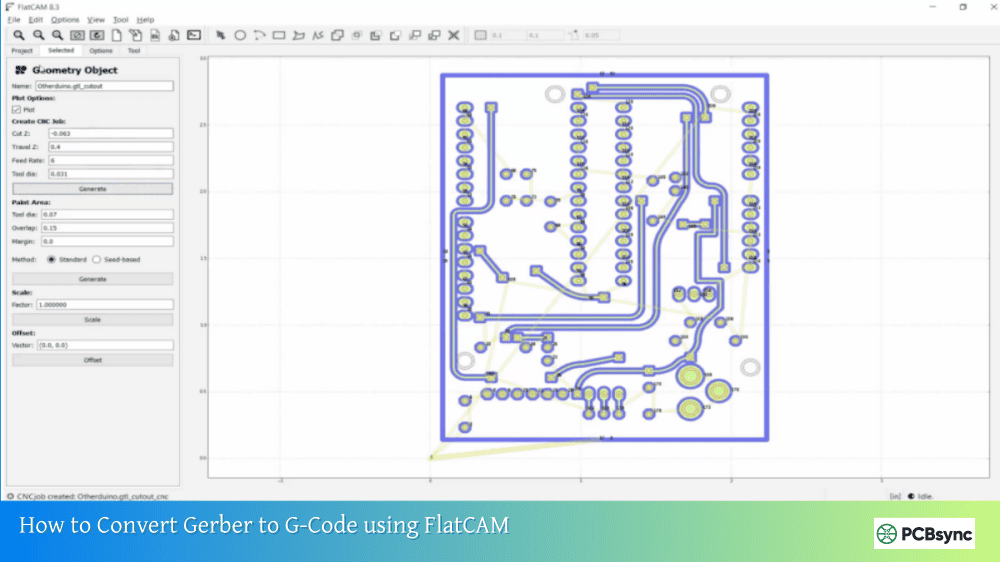
FlatCAM
Cross-platform
Free
CAM preparation
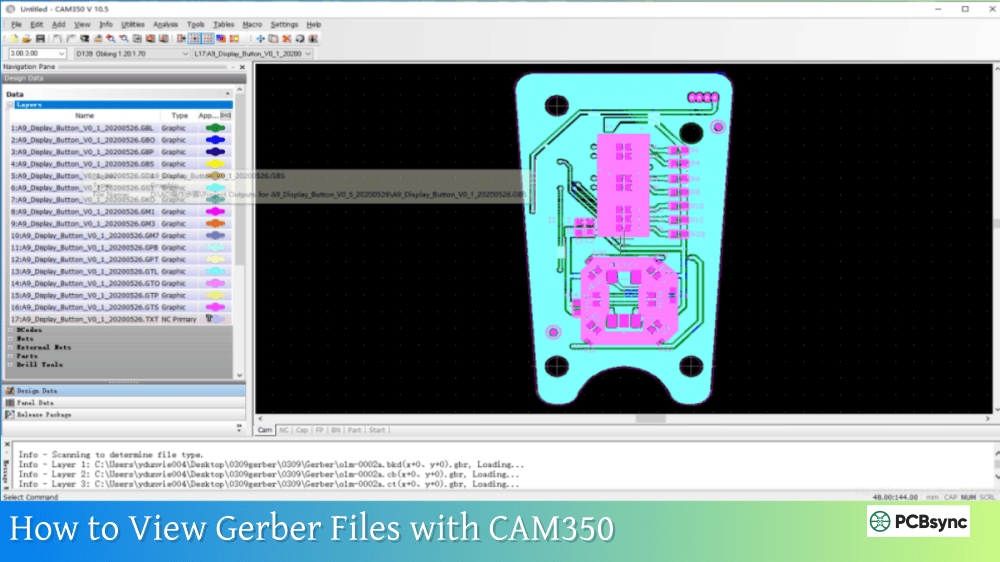
CAM350
Windows
Paid
Professional CAM
Verification Checklist
Check Item
What to Verify
Layer Count
All copper layers present
Board Outline
Closed shape, correct dimensions
Drill Alignment
Holes centered on pads
Solder Mask
Correct pad openings
Silkscreen
Readable, doesn’t overlap pads
Copper Pours
Properly filled, correct clearances
Minimum Features
Traces and spaces meet fab limits
Read more How to convert PCB Files in different Design software:
Can CircuitLab export netlists for use in PCB design software?
No, CircuitLab does not currently support netlist export in any format. The platform is focused on circuit simulation and schematic visualization, not PCB design workflow integration. Users have requested this feature on the CircuitLab forums, but as of now, there’s no way to transfer schematic connectivity data from CircuitLab to external PCB layout tools. You’ll need to recreate your schematic in a PCB-capable tool to proceed with board design.
Is there a way to generate Gerber files directly from CircuitLab?
No, CircuitLab cannot generate Gerber files because it doesn’t include PCB layout functionality. Gerber files describe the physical layers of a circuit board, including copper traces, solder mask, and silkscreen. Since CircuitLab only handles schematic capture and simulation without any board layout features, there’s no physical design data to export. To get Gerber files, you need to use a dedicated PCB design tool like KiCad, EasyEDA, or Altium Designer.
What’s the fastest way to go from a CircuitLab design to a manufactured PCB?
The fastest path involves using a browser-based PCB tool like EasyEDA. Export your CircuitLab schematic as a PDF for reference, create a new project in EasyEDA, recreate your schematic using their component library, convert to PCB layout, complete the routing, and generate Gerber files. EasyEDA also offers direct ordering integration with JLCPCB, so you can go from design to order in a single platform. For simple circuits, this entire process can be completed in a few hours.
Are there any PCB tools similar to CircuitLab’s browser-based approach?
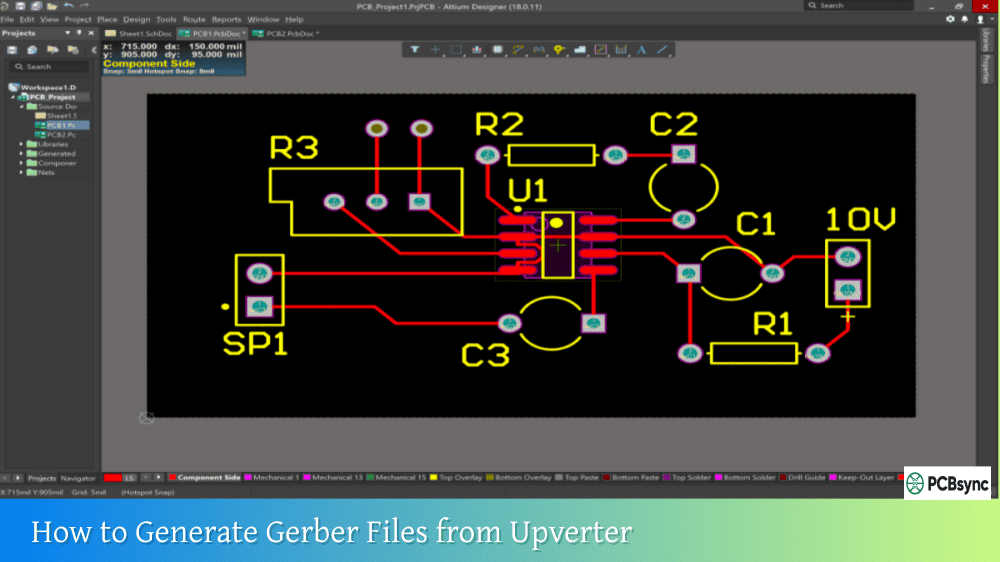
Yes, several PCB design tools offer browser-based interfaces similar to CircuitLab’s convenience. EasyEDA is the most popular option, providing schematic capture, simulation, PCB layout, and Gerber export all in a web browser. Upverter (owned by Altium) is another browser-based option with PCB capabilities. These tools eliminate software installation while providing the complete workflow from schematic to manufacturing files that CircuitLab lacks.
Should I abandon CircuitLab and use a different tool for my projects?
Not necessarily—it depends on your workflow needs. CircuitLab excels at circuit simulation with an intuitive interface and powerful analysis capabilities. If you frequently need to simulate circuits before committing to a PCB design, using CircuitLab for simulation and then transferring to a PCB tool is a valid workflow. However, if you want a single integrated environment from simulation through manufacturing, tools like EasyEDA, Altium Designer, or KiCad with ngspice offer that complete workflow in one package.
Conclusion
While CircuitLab cannot generate Gerber files directly, understanding this limitation helps you plan an effective design workflow. CircuitLab remains an excellent tool for circuit simulation and schematic capture, producing professional-quality documentation and helping you validate circuit behavior before committing to a physical design.
The practical workflow for CircuitLab users who need Gerber files involves exporting your schematic as a reference document, recreating the design in a PCB-capable tool like KiCad or EasyEDA, completing the board layout, and then generating manufacturing files from that tool.
For future projects where you know PCB fabrication is the end goal, consider starting directly in an integrated EDA platform that offers both simulation and PCB design. EasyEDA provides a browser-based experience similar to CircuitLab while adding the PCB layout and Gerber export capabilities you need.
Whatever path you choose, the simulation work you’ve done in CircuitLab isn’t wasted. You’ve validated your circuit’s behavior before investing time and money in physical prototypes, and that design verification remains valuable regardless of which tool ultimately generates your Gerber files.
Inquire: Call 0086-755-23203480, or reach out via the form below/your sales contact to discuss our design, manufacturing, and assembly capabilities.
Quote: Email your PCB files to Sales@pcbsync.com (Preferred for large files) or submit online. We will contact you promptly. Please ensure your email is correct.
Notes: For PCB fabrication, we require PCB design file in Gerber RS-274X format (most preferred), *.PCB/DDB (Protel, inform your program version) format or *.BRD (Eagle) format. For PCB assembly, we require PCB design file in above mentioned format, drilling file and BOM. Click to download BOM template To avoid file missing, please include all files into one folder and compress it into .zip or .rar format.