Inquire: Call 0086-755-23203480, or reach out via the form below/your sales contact to discuss our design, manufacturing, and assembly capabilities.
Quote: Email your PCB files to Sales@pcbsync.com (Preferred for large files) or submit online. We will contact you promptly. Please ensure your email is correct.
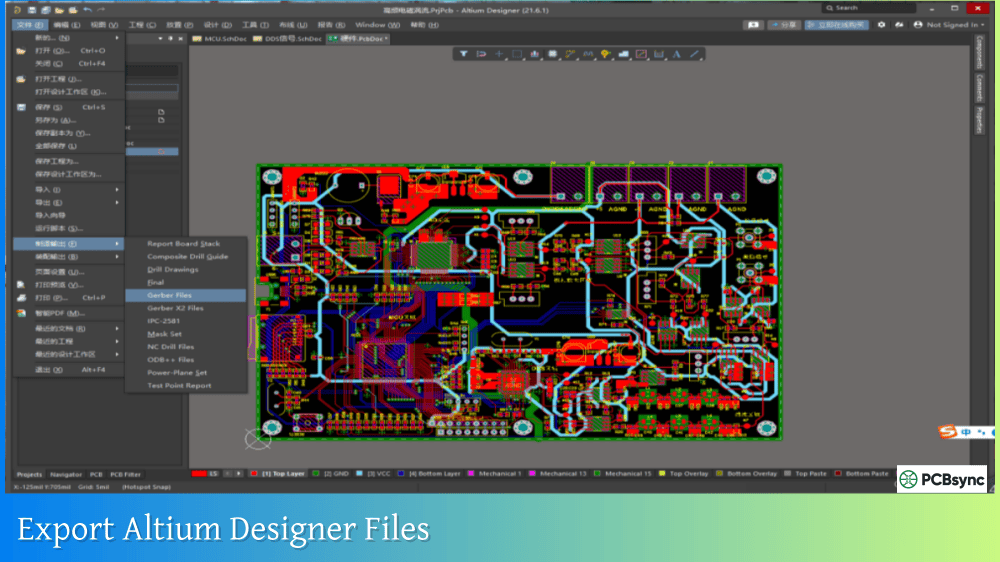
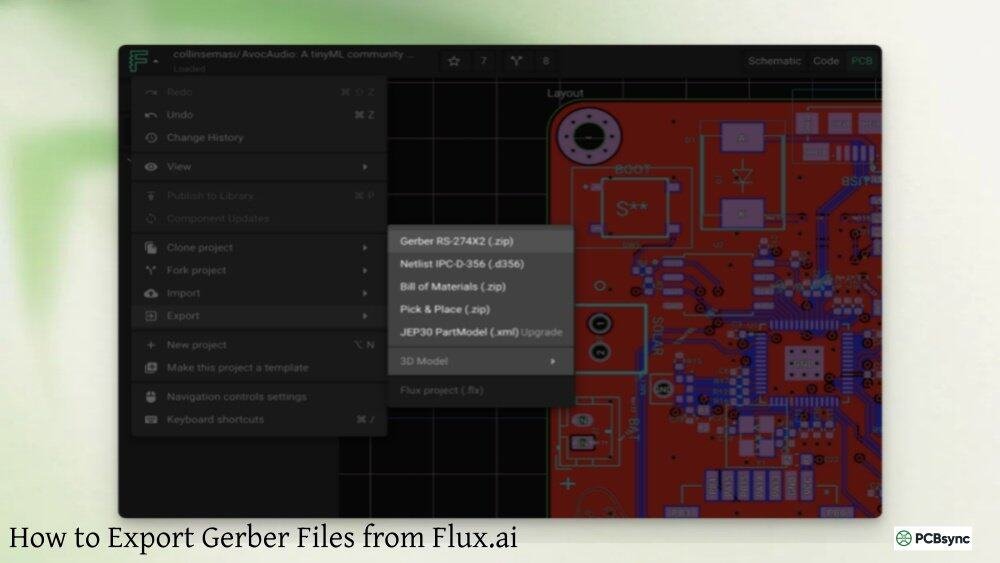
Notes: For PCB fabrication, we require PCB design file in Gerber RS-274X format (most preferred), *.PCB/DDB (Protel, inform your program version) format or *.BRD (Eagle) format. For PCB assembly, we require PCB design file in above mentioned format, drilling file and BOM. Click to download BOM template To avoid file missing, please include all files into one folder and compress it into .zip or .rar format.
How to Generate Gerber Files from Cadence OrCAD: A Complete PCB Engineer’s Guide
Getting your PCB design from OrCAD to the fabrication house requires one critical deliverable: Gerber files. After spending countless hours perfecting your schematic, routing traces, and running DRC checks, the last thing you want is to fumble at the finish line with incorrect manufacturing outputs.
I’ve worked with OrCAD PCB Editor for over a decade, and I still remember my first botched Gerber submission. Missing drill files, incorrect aperture definitions, and layers that didn’t align properly. The fab house rejected my design, and I lost a week waiting for the resubmission. This guide exists so you don’t make those same mistakes.
Whether you’re generating Gerber files from OrCAD for the first time or looking to streamline your existing workflow, this comprehensive walkthrough covers everything from basic setup to advanced troubleshooting.
Gerber files are the universal language between PCB designers and manufacturers. Named after the Gerber Scientific Instrument Company (who created the original photoplotter format), these files describe each layer of your PCB as a series of graphical commands. Think of them as highly precise vector drawings that tell the fabrication equipment exactly where to place copper, drill holes, and apply solder mask.
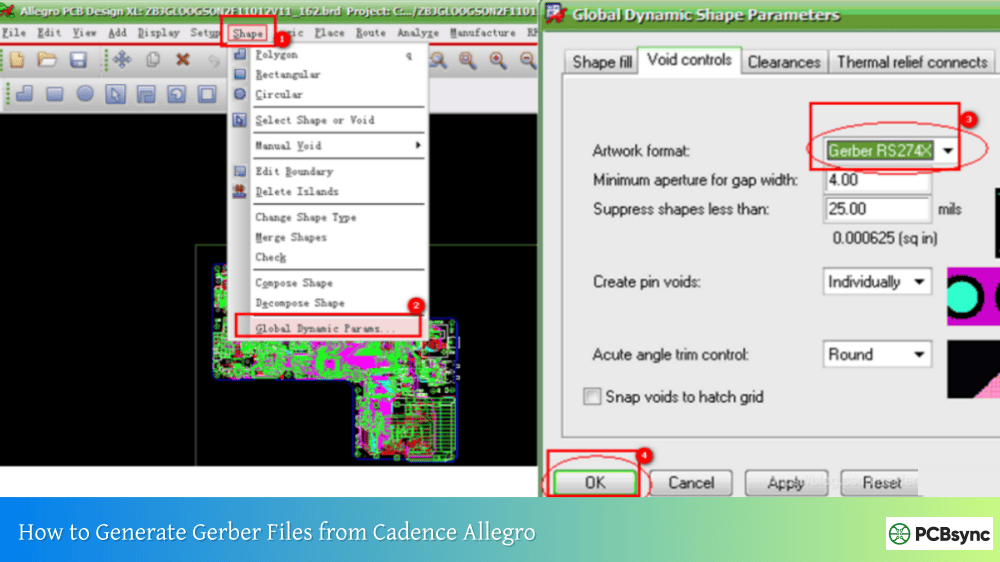
The current industry standard is Gerber RS-274X (also called Extended Gerber), which embeds aperture information directly in the file. This format has largely replaced the older RS-274D standard that required separate aperture files. More recently, Gerber X2 has emerged with embedded metadata for layer identification, though RS-274X remains the most widely accepted format.
A complete Gerber file package from OrCAD typically includes layer files for copper, soldermask, silkscreen, and paste mask layers, NC drill files in Excellon format for through-holes and vias, and a drill drawing or fabrication drawing for reference.
Understanding OrCAD’s Gerber Generation Workflow
Before diving into the step-by-step process, it’s worth understanding how OrCAD PCB Editor handles manufacturing outputs. Unlike some EDA tools that use a simple “export” function, OrCAD employs a more sophisticated artwork generation system.
OrCAD uses “films” to define what gets exported. Each film corresponds to a manufacturing layer and pulls information from various database classes (pins, vias, shapes, lines, etc.). This gives you granular control over exactly what appears on each output layer but also means there’s more to configure upfront.
The workflow follows this general sequence: first you define your films and their subclasses, then configure the aperture settings, generate the Gerber files, create NC drill output, and finally verify the outputs with a Gerber viewer.
Preparing Your Design for Gerber Output
Before generating any manufacturing files, run through this pre-flight checklist. Trust me, these few minutes of verification will save hours of troubleshooting later.
Design Rule Check Verification
Run a full DRC and resolve all errors. Warnings deserve attention too since many fab houses have minimum requirements that OrCAD’s default rules don’t catch. Pay special attention to clearance violations and minimum trace width issues. Acid traps should be eliminated as these can cause etching problems. Net connectivity errors need resolution, and silkscreen overlapping solder mask openings should be fixed.
Layer Stackup Review
Open your cross-section editor and verify your layer stackup matches your intended fabrication. Confirm the correct number of layers and their types, that internal plane layers are properly defined, and that impedance-controlled layers are specified if applicable.
Padstack and Via Verification
Review your padstacks for manufacturing compatibility. Ensure via drill sizes meet your fab house’s minimum capabilities (typically 0.2mm for standard processes), annular ring sizes comply with manufacturing tolerances, and thermal relief connections are properly defined for plane layers.
Step-by-Step Guide to Generate Gerber Files from OrCAD
Now let’s walk through the actual Gerber generation process in OrCAD PCB Editor.
Step 1: Access the Artwork Generation Tool
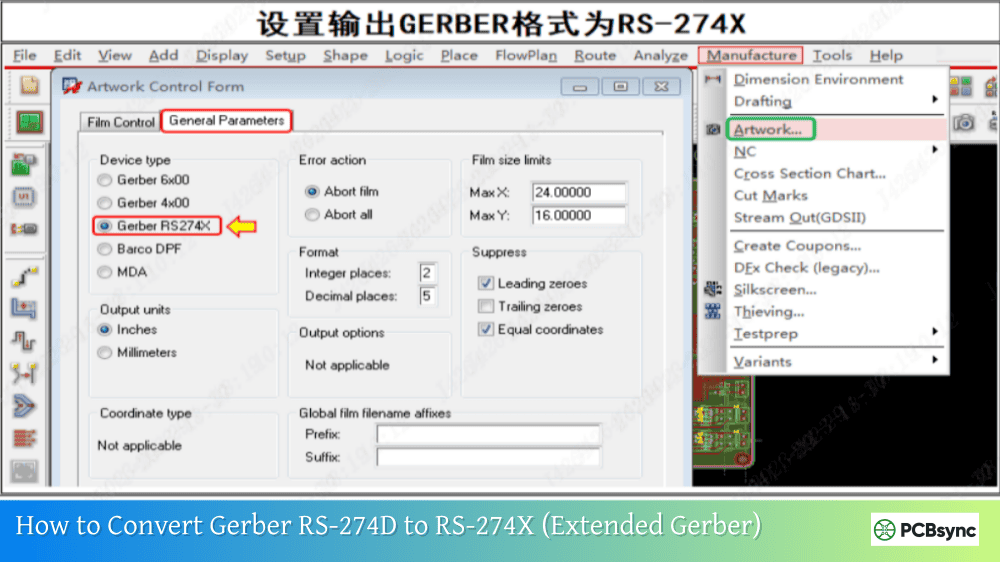
Open your design in OrCAD PCB Editor. Navigate to Manufacture and select Artwork from the menu. This opens the Artwork Control Form, which is your command center for all Gerber output settings.
Step 2: Configure General Parameters
In the General Parameters section, set your output directory. I recommend creating a dedicated “Manufacturing” folder within your project directory to keep outputs organized. Set the Device Type to Gerber RS-274X (this is the most universally accepted format). Configure the Output Units to match your design units, typically inches or millimeters. Set Format to 2:5 for inch-based designs or 3:3 for metric designs.
Step 3: Define Film Settings
This is where OrCAD’s flexibility becomes apparent. Each “film” represents one output layer. For a standard 4-layer board, you’ll need to configure films for TOP (top copper layer), BOTTOM (bottom copper layer), GND (internal ground plane), POWER (internal power plane), SOLDERMASK_TOP, SOLDERMASK_BOTTOM, SILKSCREEN_TOP, SILKSCREEN_BOTTOM, PASTEMASK_TOP, and PASTEMASK_BOTTOM.
Step 4: Configure Individual Film Parameters
Select each film and configure its properties. In the Film Options section, set the Undefined Line Width, typically to 0.006 inches (6 mils). For copper layers include the subclasses PIN, VIA, ETCH, and BOUNDARY. Enable Plot Mode as “Positive” for signal layers. For plane layers set Plot Mode to “Negative” if required by your fab house. For Soldermask layers, typically use “Positive” mode where openings expose pad areas.
Step 5: Aperture Configuration
OrCAD can either use a predefined aperture table or generate apertures dynamically. For most applications, select “Auto” for Aperture generation. If your fab house provides a specific aperture table, load it using the “Standard” option. Set the Flash/Draw setting to “Auto” for optimal results.
Step 6: Generate the Artwork Files
Click “Create Artwork” to generate your Gerber files. OrCAD will process each film and create corresponding output files. Watch the command window for any warnings or errors during generation.
Step 7: Review the Output Log
After generation, review the art_aper.log file in your output directory. This file lists all apertures used, any shape-to-flash conversions, and potential issues that may affect manufacturing.
Generating NC Drill Files in OrCAD
Gerber files handle the copper artwork, but you also need NC (Numerical Control) drill files for all holes in your design.
Accessing the NC Drill Tool
Navigate to Manufacture and select NC then NC Drill. This opens the NC Drill configuration dialog.
NC Drill Configuration Settings
Configure the following parameters for proper drill output. Set Output Units to match your design and manufacturer requirements. Set the Format typically to 2:4 or 2:5 for inch-based designs. Configure Coordinates to either Absolute or Incremental based on fab house preference. Set the Zero Suppression to Leading for most manufacturers. Select Enhanced Excellon Format for better compatibility with modern equipment.
Drill File Generation Options
You have options for how drill files are organized. “Single file” combines all drill sizes into one file. “Separate files by drill size” creates individual files for each tool. “Separate by plated/non-plated” is recommended for boards with both hole types.
For most applications, I recommend separating plated and non-plated holes into different files. This makes it explicitly clear to the fab house which holes require plating.
Generating the Drill Files
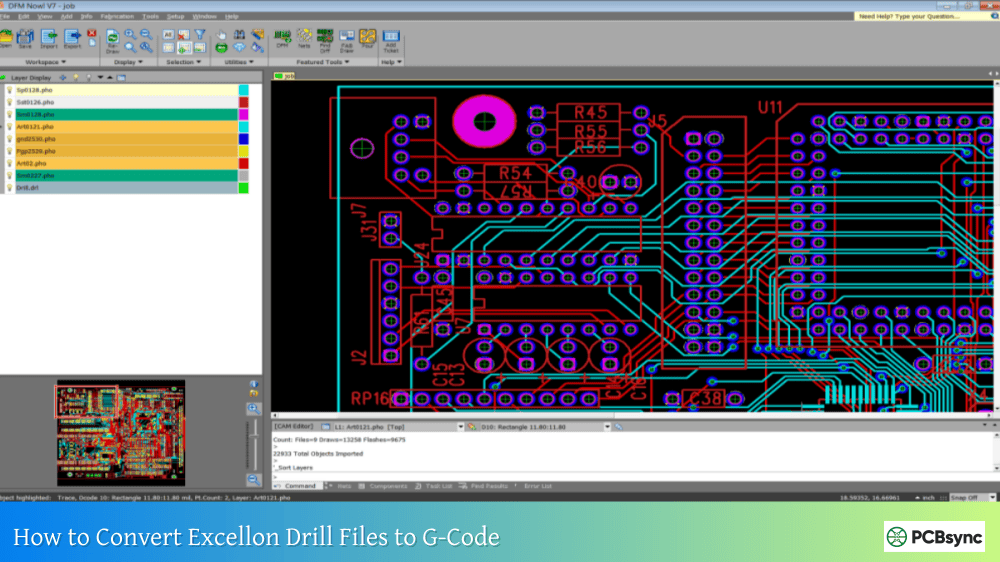
Set your output directory (use the same Manufacturing folder as your Gerbers for organization). Click “Drill” to generate the NC drill output. Review the generated files, which typically have extensions like .drl, .ncd, or .exc.
Standard Gerber File Naming Conventions
Consistent file naming helps fab houses identify your layers quickly and reduces the chance of errors during CAM processing.
Layer Type
Recommended Extension
Description
Top Copper
.GTL
Top layer copper artwork
Bottom Copper
.GBL
Bottom layer copper artwork
Inner Layer 1
.G2 or .GL2
Internal copper layer
Inner Layer 2
.G3 or .GL3
Internal copper layer
Top Solder Mask
.GTS
Top soldermask layer
Bottom Solder Mask
.GBS
Bottom soldermask layer
Top Silkscreen
.GTO
Top overlay/silkscreen
Bottom Silkscreen
.GBO
Bottom overlay/silkscreen
Top Paste Mask
.GTP
Top solder paste stencil
Bottom Paste Mask
.GBP
Bottom solder paste stencil
Drill File (Plated)
.DRL or .XLN
NC drill for plated holes
Drill File (Non-Plated)
.DRL or .XLN
NC drill for non-plated holes
Board Outline
.GKO or .GM1
Mechanical outline/keepout
OrCAD uses its own naming convention by default (typically .art extensions), but you can rename files to match these industry standards before submission.
Verifying Your Gerber Files Before Submission
Never submit Gerber files without verification. Even experienced engineers occasionally catch errors during the review process.
Using External Gerber Viewers
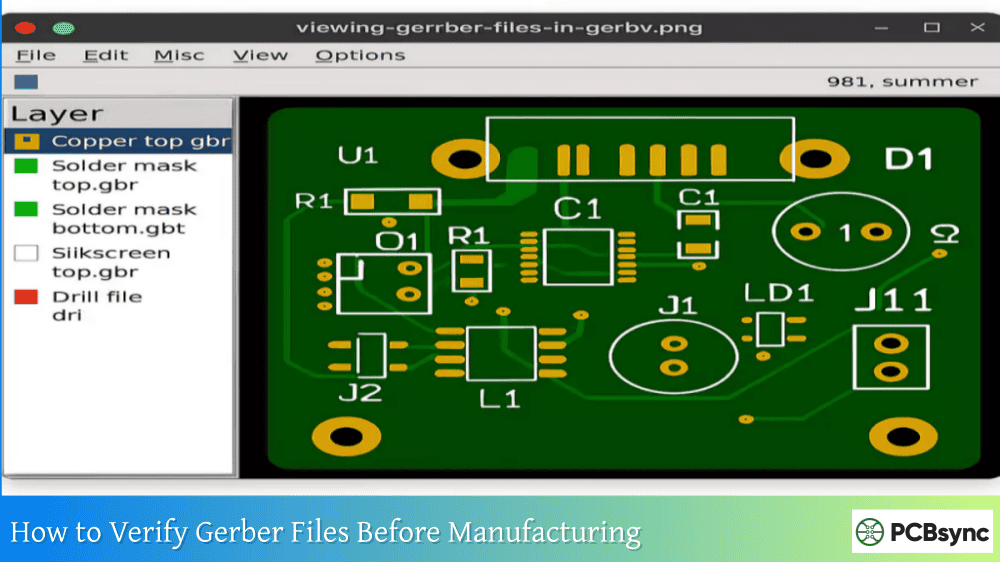
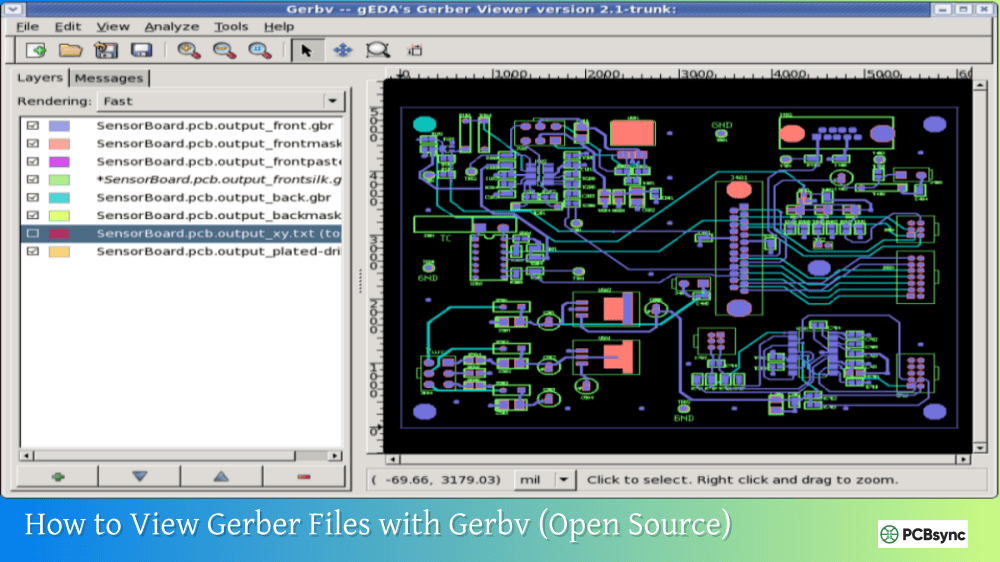
Load your complete file set into a Gerber viewer and check each layer individually and in combination. Look for misaligned layers relative to each other, missing features such as pads, traces, or vias, incorrect polarity issues where features appear inverted, and silkscreen overlapping pad areas.
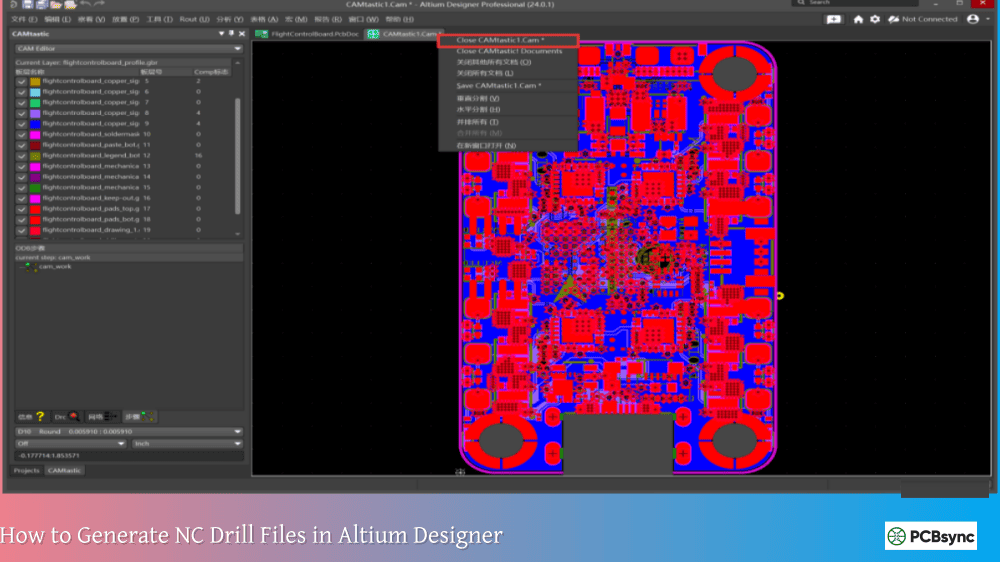
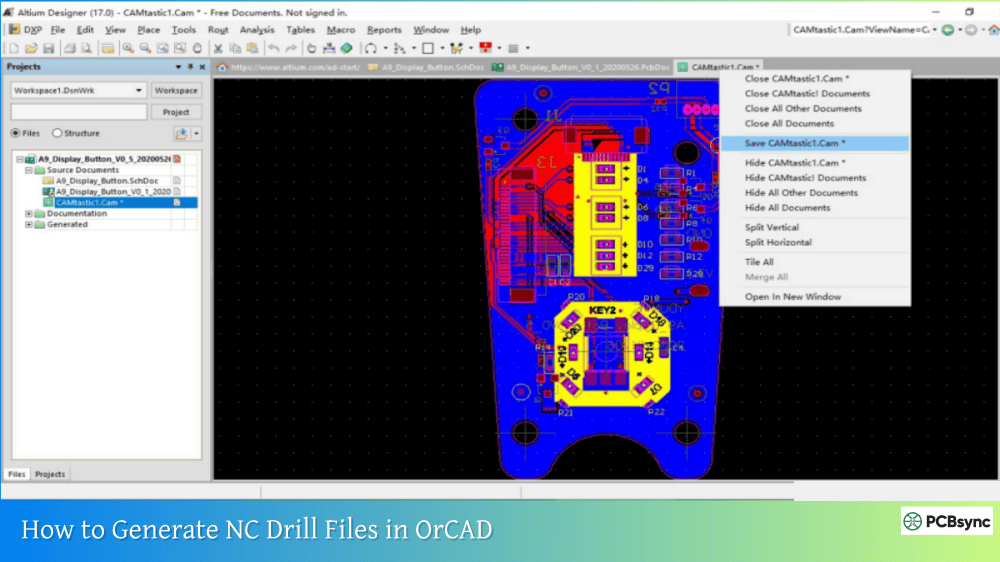
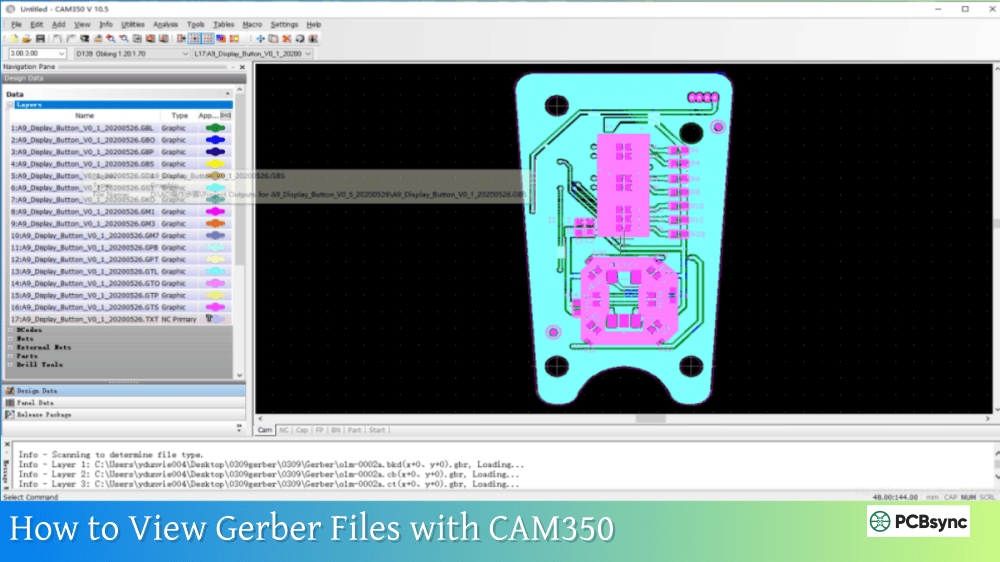
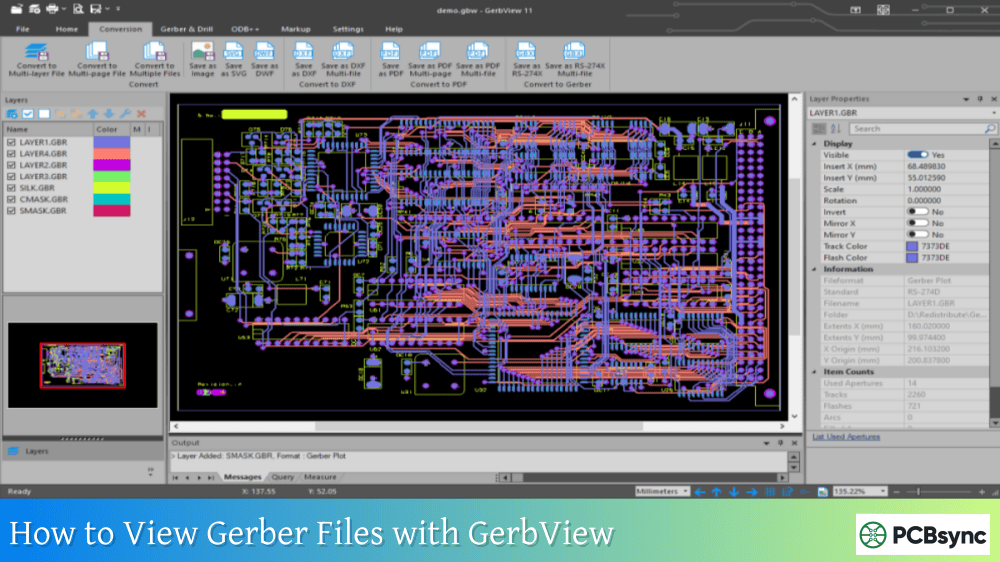
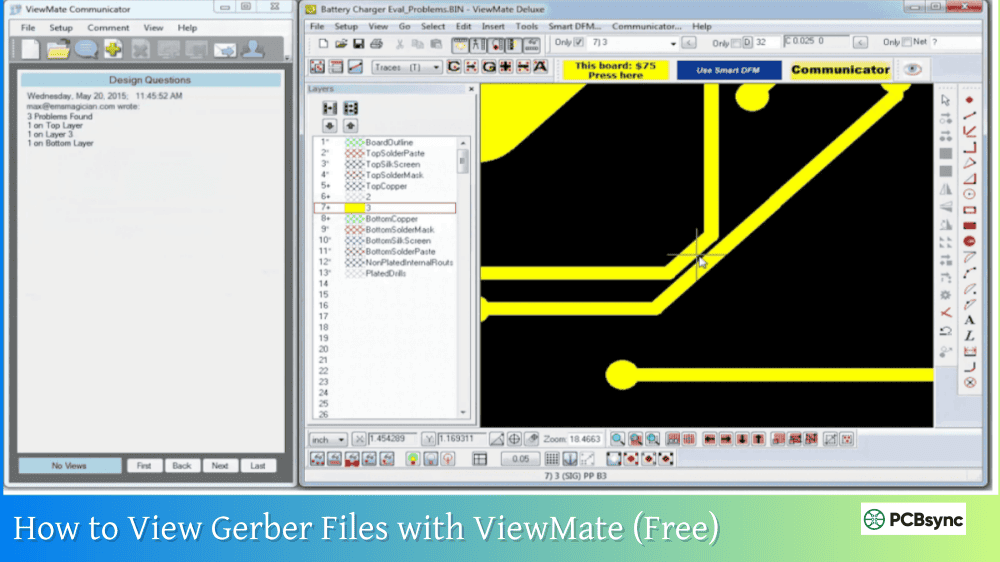
Popular Gerber viewers include GerbView (free, from KiCad project), ViewMate (free from Pentalogix), CAMtastic (included with Altium but works standalone), and Ucamco’s Reference Gerber Viewer (free online tool).
Critical Verification Checkpoints
During your review, examine the layer-to-layer registration by overlaying copper layers to verify via and pad alignment. Check drill-to-pad alignment to confirm drill hits are centered on pads. Review soldermask clearances to ensure adequate exposure around pads. Verify the board outline is present and properly defined. Check for any unintended copper in areas that should be clear.
Common Issues and Troubleshooting
Even with careful preparation, issues can arise during Gerber generation. Here are solutions to the problems I’ve encountered most frequently.
Missing Features in Output
If certain elements don’t appear in your Gerber files, check the film’s subclass configuration. OrCAD only includes subclasses explicitly added to each film. Also verify that the features aren’t on an unexpected layer or subclass in your design database.
Incorrect Aperture Shapes
When pads appear as the wrong shape, check your padstack definitions. OrCAD’s aperture generation interprets padstack geometry directly. Complex padstacks may require manual aperture table configuration for accurate representation.
Thermal Relief Issues on Planes
If thermal connections to planes don’t appear correctly, verify your plane layer film is configured with the appropriate THERMAL subclass. Also check that your padstack definitions include proper thermal relief geometry.
Drill File Coordinate Mismatch
When drill holes don’t align with Gerber artwork, ensure both outputs use the same origin point and units. OrCAD allows different coordinate systems for artwork versus drill output, which can cause misalignment.
Negative Plane Layers Appearing Incorrect
For internal plane layers in negative format, confirm the correct subclasses are included. Anti-pads and thermal reliefs must be present for proper plane isolation around vias and pins.
Complete Gerber File Checklist for Manufacturing
Before submitting your Gerber package to manufacturing, verify you have all required files.
File Type
Quantity
Notes
Copper Layers
One per layer
Signal and plane layers
Solder Mask
Two (top/bottom)
Required for most designs
Silkscreen
One or two
As needed for reference designators
Paste Mask
Two (top/bottom)
Required for SMT assembly
NC Drill Files
Minimum one
Separate plated/non-plated recommended
Drill Drawing
One
Optional but helpful
Board Outline
One
Usually required
README/Stackup
One
Specification document
Advanced Gerber Generation Tips
Once you’ve mastered the basics, these advanced techniques will improve your output quality and efficiency.
Creating Film Templates
If you regularly design boards with similar layer configurations, save your artwork settings as a template. This preserves all film definitions, subclass assignments, and aperture settings for future designs.
Batch Processing Multiple Outputs
For complex designs requiring multiple output configurations (different fab houses have different requirements), create separate artwork parameter files. These can be loaded quickly to regenerate outputs with different settings.
Panelization Considerations
If your fab house requests panelized Gerber files, consider doing the panelization in OrCAD before Gerber generation rather than expecting the manufacturer to handle it. This gives you control over panel layout, fiducials, and tooling hole placement.
Read more How to convert PCB Files in different Design software:
The following resources provide additional information for generating manufacturing files from OrCAD.
Regarding official documentation, Cadence provides comprehensive help files within the OrCAD software under Help followed by Documentation. The Cadence Online Support portal at support.cadence.com contains technical articles and application notes. The OrCAD PCB Editor User Guide specifically covers artwork generation in detail.
For Gerber format specifications, the official Gerber format specification is maintained by Ucamco at ucamco.com/gerber. This includes documentation for RS-274X and the newer X2 format extensions.
When looking for community and learning resources, the Cadence OrCAD forums provide peer support and discussion. EDAboard.com has an active community with OrCAD-specific discussions. YouTube contains numerous video tutorials on OrCAD Gerber generation.
For Gerber verification tools, ViewMate from Pentalogix is available at pentalogix.com and provides free Gerber viewing. GerbView is available at kicad.org as part of the KiCad suite. Ucamco’s Reference Gerber Viewer at gerber-viewer.ucamco.com is a free online tool. Many PCB manufacturers also offer online Gerber viewers integrated with their quoting systems.
Frequently Asked Questions
What Gerber format should I use when exporting from OrCAD?
Use Gerber RS-274X (Extended Gerber) for maximum compatibility. This format embeds aperture definitions within the file, eliminating the need for separate aperture lists. While Gerber X2 offers additional metadata features, RS-274X remains the most universally supported format across PCB fabricators.
How do I know if my Gerber files include all necessary layers?
A complete manufacturing package requires copper layers for each layer in your stackup, solder mask for top and bottom, silkscreen as needed, paste mask for SMT boards, NC drill files, and board outline. Use a Gerber viewer to load all files and verify layer-to-layer alignment. Most viewers can overlay multiple layers to check registration.
Why are my drill holes not aligned with pads in the Gerber viewer?
This typically occurs when Gerber artwork and NC drill output use different coordinate origins or units. In OrCAD, ensure both the Artwork and NC Drill tools reference the same origin point. Also verify that units (inches or millimeters) match between outputs.
Can I edit Gerber files after generation from OrCAD?
While CAM software can technically modify Gerber files, making design changes directly to Gerber is strongly discouraged. Any modifications should be made in your OrCAD source design, followed by regenerating all manufacturing outputs. This maintains design integrity and ensures all files remain synchronized.
What’s the difference between plated and non-plated drill files?
Plated holes (PTH) have copper deposited on the hole walls, creating electrical connections between layers. Non-plated holes (NPTH) are bare holes used for mechanical mounting or clearance. Most fab houses require these separated into different files to ensure correct processing. OrCAD’s NC Drill tool provides options to generate separate files for each type.
Wrapping Up
Generating proper Gerber files from Cadence OrCAD is straightforward once you understand the workflow. The key is methodical preparation: verify your design, configure your films correctly, include all necessary layers and drill files, and always verify the output before submission.
Take the time to review your files in a Gerber viewer before sending them to manufacturing. Those few extra minutes can save days of waiting and the cost of resubmission fees. If your fab house has specific requirements, communicate with them early and adjust your OrCAD settings accordingly.
With practice, Gerber generation becomes second nature. Save your film configurations as templates, document any manufacturer-specific settings, and build a consistent workflow that you can rely on for every project.
Inquire: Call 0086-755-23203480, or reach out via the form below/your sales contact to discuss our design, manufacturing, and assembly capabilities.
Quote: Email your PCB files to Sales@pcbsync.com (Preferred for large files) or submit online. We will contact you promptly. Please ensure your email is correct.
Notes: For PCB fabrication, we require PCB design file in Gerber RS-274X format (most preferred), *.PCB/DDB (Protel, inform your program version) format or *.BRD (Eagle) format. For PCB assembly, we require PCB design file in above mentioned format, drilling file and BOM. Click to download BOM template To avoid file missing, please include all files into one folder and compress it into .zip or .rar format.