Inquire: Call 0086-755-23203480, or reach out via the form below/your sales contact to discuss our design, manufacturing, and assembly capabilities.
Quote: Email your PCB files to Sales@pcbsync.com (Preferred for large files) or submit online. We will contact you promptly. Please ensure your email is correct.
Notes: For PCB fabrication, we require PCB design file in Gerber RS-274X format (most preferred), *.PCB/DDB (Protel, inform your program version) format or *.BRD (Eagle) format. For PCB assembly, we require PCB design file in above mentioned format, drilling file and BOM. Click to download BOM template To avoid file missing, please include all files into one folder and compress it into .zip or .rar format.
How to Convert KiCad Files to Altium Designer: A Complete Migration Guide for PCB Engineers
If you’ve been working with KiCad and need to move your designs into Altium Designer, you’re not alone. As someone who has migrated dozens of projects between these platforms, I can tell you that the process is more straightforward than most engineers expect—but there are definitely some pitfalls worth knowing about upfront.
This guide walks you through everything from preparing your KiCad files to performing a complete conversion using Altium’s Import Wizard. Whether you’re switching tools because of company requirements, collaborating with teams using different software, or simply upgrading your workflow, this step-by-step approach will help you preserve your design data and minimize rework.
Before diving into the how-to, let’s address why this migration makes sense for many engineers. KiCad serves the hobbyist and maker community extremely well—it’s free, open-source, and continuously improving. However, professional environments often demand features that KiCad doesn’t provide natively.
Altium Designer offers several advantages that drive many conversions:
Enterprise Integration: Managed libraries with direct supply chain links, automated documentation generation, and version control systems designed for team collaboration become critical when scaling from individual projects to production environments.
Advanced Design Features: Interactive routing, comprehensive design rule checking, and 3D visualization tools make complex high-speed and HDI designs significantly easier to execute correctly.
Manufacturing Workflow: ActiveBOM integration with supplier data, automated fabrication deliverables, and lifecycle management streamline the path from design completion to volume production.
The decision to convert isn’t always about KiCad’s limitations—sometimes it’s simply about standardizing tools across a team or meeting client requirements.
KiCad Files Required for Altium Conversion
Understanding which files you need is the first step toward a successful migration. Not every file in your KiCad project folder needs to transfer.
File Extension
Description
Required for Import
.kicad_pro / .pro
Project file
Yes
.kicad_sch / .sch
Schematic sheets
Yes
.kicad_pcb
PCB layout
Yes
.kicad_sym / .lib
Symbol libraries
Yes (for component conversion)
.kicad_mod / .pretty
Footprint libraries
Yes (for component conversion)
.kicad_dru
Design rules
No (recreate in Altium)
.kicad_prl
Project local settings
No
-backups folder
Backup files
No
The essential files are your project file, schematic documents, PCB layout, and any custom libraries your project references. Design rules don’t transfer cleanly between platforms due to fundamental differences in how each tool handles constraints—plan to rebuild these in Altium.
Preparing Your KiCad Project for Migration
Experienced engineers know that garbage in equals garbage out. Spending time cleaning up your KiCad project before conversion prevents headaches later.
Pre-Migration Checklist
Schematic Cleanup:
Verify all symbols are mapped to correct PCB footprints
Remove hidden pins or implicit connections that could cause netlist errors
Check that local net names aren’t placed at wire intersections (move them slightly away)
Break apart ambiguous connectivity in reuse blocks
PCB Cleanup:
Run DRC and fix all violations—deliberate violations will still flag in Altium
Remove objects extending beyond the board outline
Check that custom pads, copper shapes, solder mask, and paste layers render correctly
Note your layer stack configuration for mapping during import
Library Organization:
Ensure all custom libraries are in known locations
Verify footprints are correctly linked to symbols
If using 3D models, confirm height attributes are assigned (these help with import)
Taking these steps typically saves more time during post-import cleanup than the preparation itself requires.
Installing the KiCad Importer Extension in Altium Designer
The KiCad Importer isn’t included by default in all Altium installations—you may need to download it separately.
Step-by-Step Installation
Launch Altium Designer and look for the user profile icon in the top-right corner of the workspace
Click the icon and select Extensions and Updates from the dropdown menu
Navigate to the Purchased tab within the Extensions & Updates view
Locate KiCad Importer in the list of available extensions
Click the download icon next to the extension
Restart Altium Designer when prompted
After restart, the KiCad import option appears in the Import Wizard under File → Import Wizard.
Step-by-Step: How to Convert KiCad Files to Altium Designer
With preparation complete and the importer installed, the actual conversion process proceeds through Altium’s Import Wizard.
Step 1: Launch the Import Wizard
Open Altium Designer and navigate to File → Import Wizard. On the first screen, select KiCad Design Files from the list of supported formats, then click Next.
Step 2: Add Your KiCad Project Files
Click Add to browse for your KiCad files. You can add multiple file types simultaneously:
Project files (.kicad_pro or .pro)
Schematic files (.kicad_sch or .sch)
PCB layout files (.kicad_pcb)
Select all relevant files and click Next.
Step 3: Add Symbol and Footprint Libraries
If your project uses custom components, add the library files in this step:
Standard KiCad library components typically convert without issues. Click Next after adding libraries.
Step 4: Configure General Import Options
The General Options dialog controls logging behavior during conversion:
Log All Errors: Enable this to capture any conversion failures
Log All Warnings: Useful for identifying potential issues that didn’t stop the conversion
Log All Events: Creates a complete record of the import process
For your first migration, enable all three options. Click Next.
Step 5: Review the Analyzing Log
The wizard scans your files and displays any errors or warnings found during analysis. Review this list carefully—some issues may require returning to KiCad for fixes before proceeding.
Step 6: Set the Output Directory
Specify where Altium should save the converted project files. The wizard displays the proposed output structure, showing you exactly what files will be created. Change the main output directory if needed using the Browse button.
Step 7: Configure Schematic Import Options
Adjust schematic-specific settings based on your project needs. The defaults work well for most conversions, but review options related to:
Net name handling
Component designator formatting
Sheet size and orientation
Step 8: Configure PCB Import Options and Layer Mapping
This step requires careful attention. Map each KiCad layer to its corresponding Altium layer.
KiCad Layer
Altium Layer
F.Cu
Top Layer
B.Cu
Bottom Layer
In1.Cu, In2.Cu, etc.
Mid Layer 1, Mid Layer 2, etc.
F.SilkS
Top Overlay
B.SilkS
Bottom Overlay
F.Mask
Top Solder
B.Mask
Bottom Solder
F.Paste
Top Paste
B.Paste
Bottom Paste
Edge.Cuts
Keep-Out Layer or Mechanical 1
User.Drawings
Mechanical layers
Keep your original KiCad project open in a separate window during this step for reference.
Step 9: Execute the Import
Click the final Next button to begin the conversion. Progress bars indicate the status of schematic and PCB translation. When complete, click Finish to close the wizard.
Your converted project appears in the Projects panel, ready for review.
Post-Import Verification Checklist
Never assume the conversion completed perfectly. Always verify these critical elements:
Schematic Verification
Open each schematic sheet and confirm all components are present
Check that net connections match the original design
Verify component parameters and values transferred correctly
Look for any missing or incorrectly placed symbols
PCB Layout Verification
Compare the converted layout visually against your original KiCad board
Verify the board outline imported correctly
Check that all copper pours and fills rendered properly
Confirm via positions and sizes are accurate
Review pad shapes, especially for any custom footprints
Design Rule Check
Run Altium’s DRC on the imported board
Compare violations against a DRC run in your original KiCad project
Address any new violations introduced by the conversion
Manufacturing File Comparison
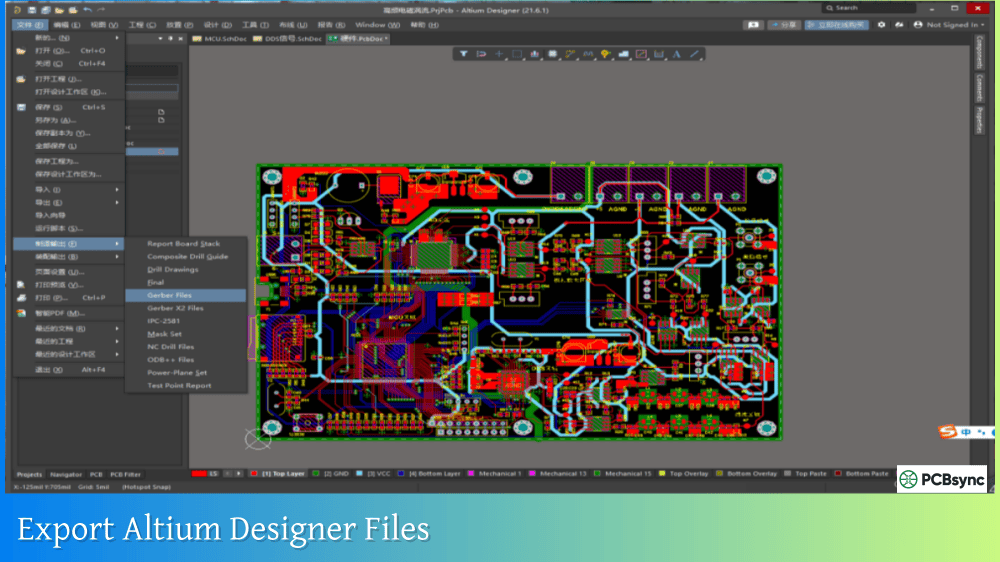
Generate Gerber files from the converted project
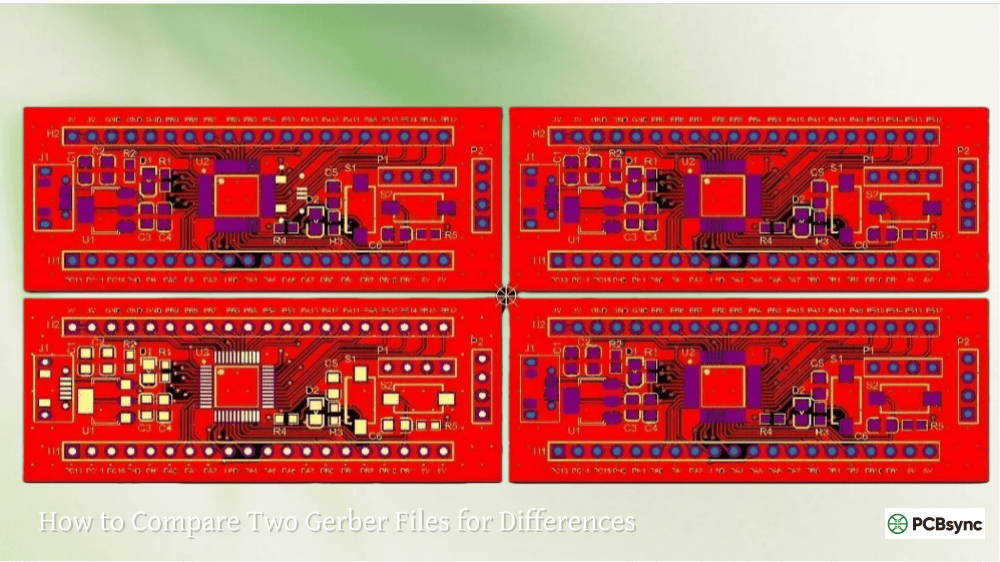
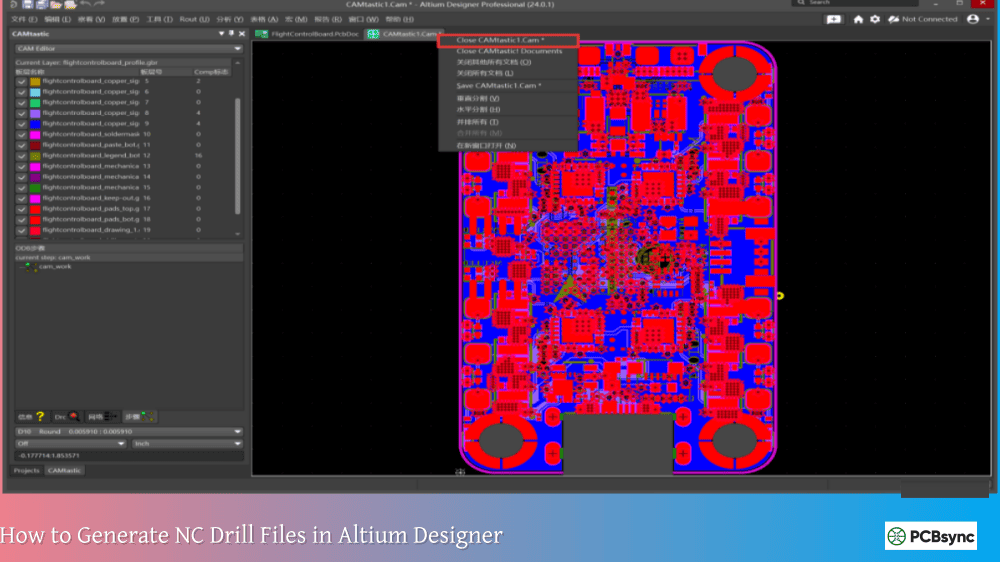
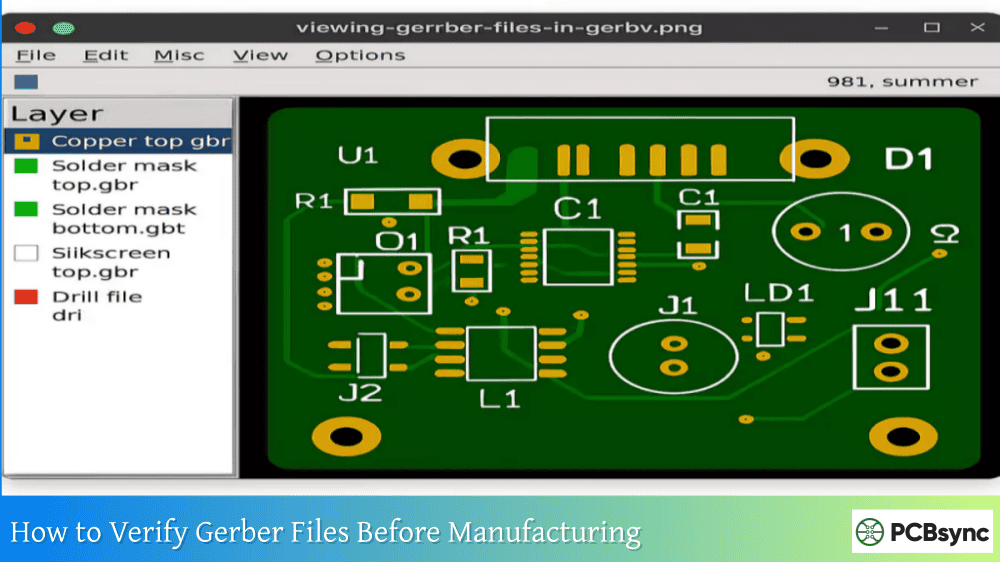
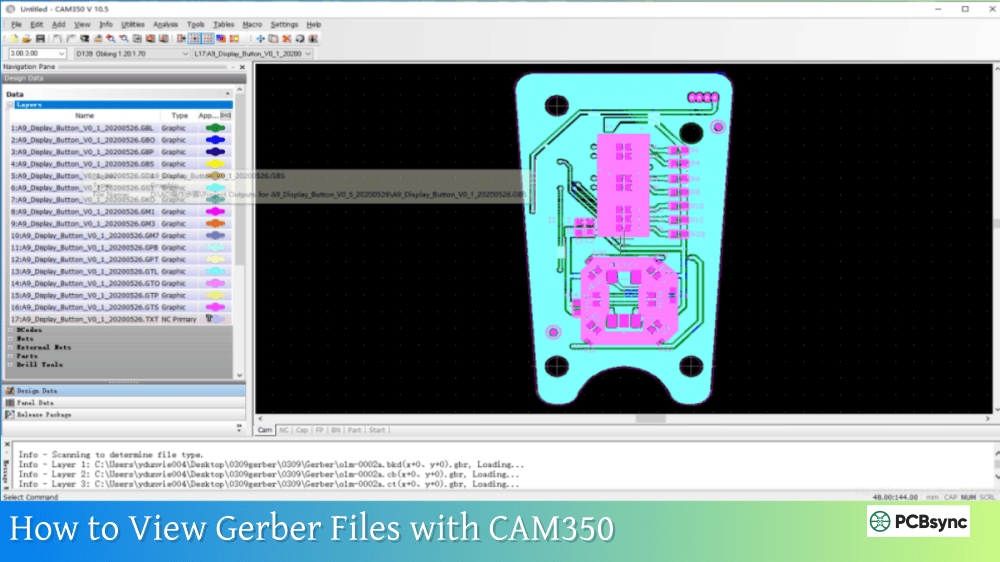
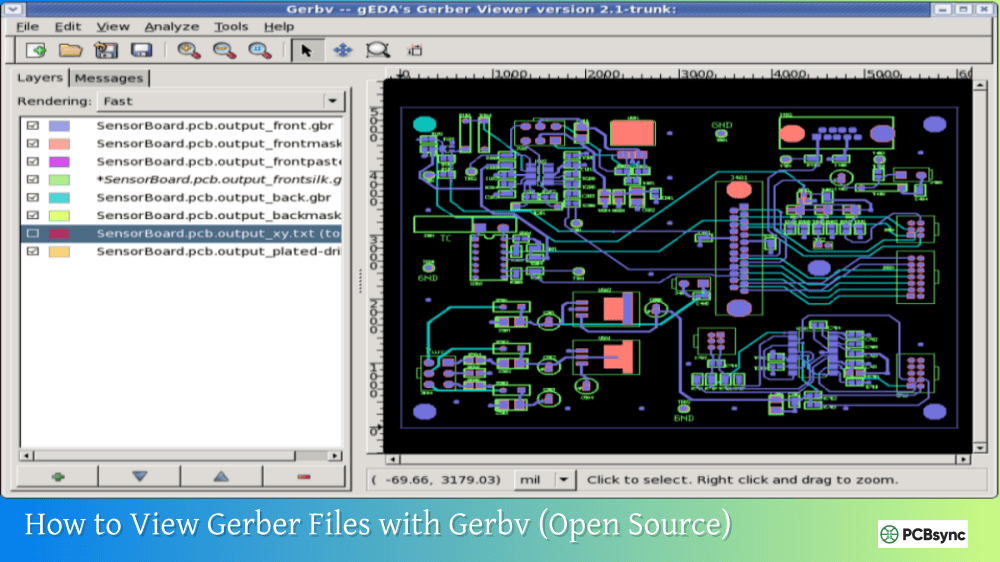
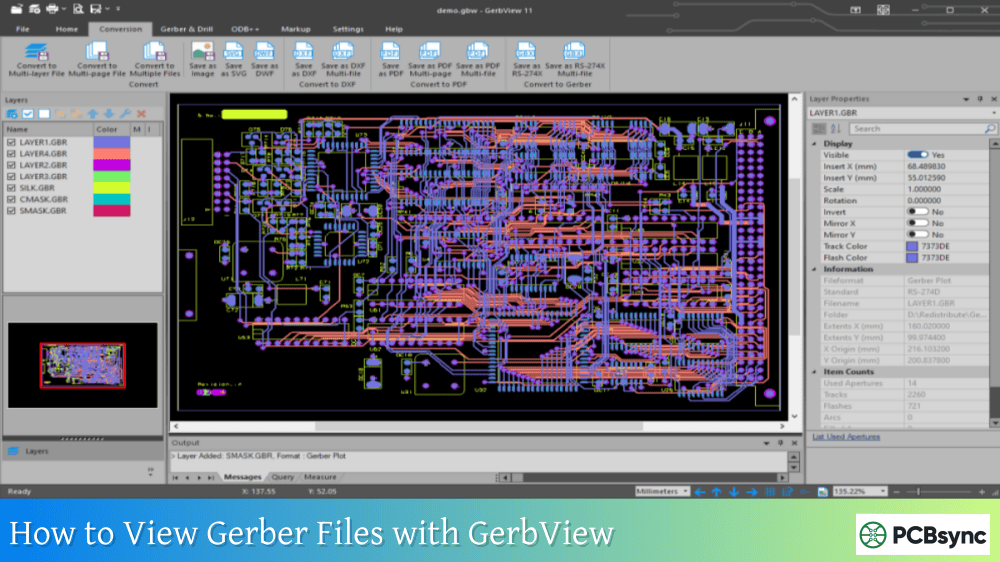
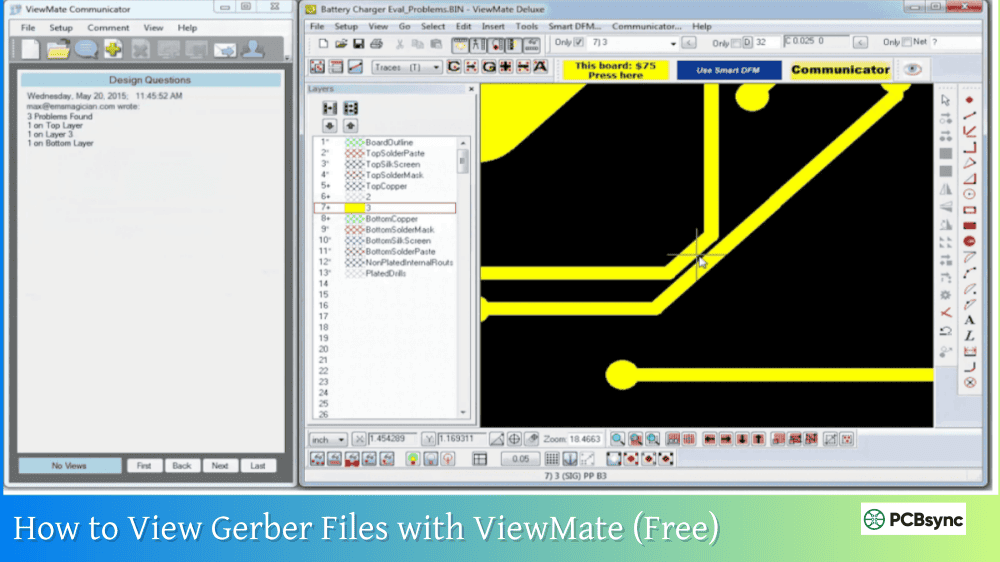
Use Altium’s Camtastic Viewer or a standalone Gerber viewer to compare against your original KiCad Gerbers
Pay special attention to drill files and board outlines
Read more How to convert PCB Files in different Design software:
Common KiCad to Altium Conversion Issues and Solutions
Based on my experience and community feedback, here are problems you’re likely to encounter:
Missing 3D Models: The importer may not transfer all 3D component models. You’ll need to reassign these manually in Altium’s footprint editor or find equivalent models from manufacturer libraries.
Layer Mapping Errors: Complex multi-layer boards sometimes have inner layers mapped incorrectly. Always verify power and ground planes ended up on the right layers.
Custom Pad Shapes: Non-standard pad geometries occasionally convert incorrectly. Inspect BGA packages and custom connectors carefully.
Net Name Conflicts: Some net naming conventions in KiCad create conflicts when imported. Watch for nets that merged unexpectedly or split into multiple names.
Dimension Objects: KiCad 6.x dimension objects often require recreation in Altium. These rarely transfer cleanly between platforms.
Design Rules: As mentioned earlier, DRC rules don’t migrate. Rebuild your spacing, clearance, and width rules from scratch in Altium.
Alternative Conversion Methods
The Import Wizard handles most situations well, but alternatives exist for edge cases.
Gerber Import Method
If the standard import fails—particularly with complex custom libraries—you can use a reverse engineering approach:
Export Gerber and drill files from KiCad
In Altium, create a new PCB document
Import the Gerber files using File → Import → Gerber
Manually recreate component associations
This method loses component intelligence but preserves physical geometry accurately.
Third-Party Conversion Tools
While Altium’s native importer has improved significantly, some engineers prefer external tools:
altium2kicad: Open-source converter available on GitHub (works in reverse direction too)
Online converters: Web-based tools exist but may have file size limitations
For most professional workflows, the built-in Import Wizard remains the recommended approach.
Useful Resources for KiCad to Altium Migration
Here are the most helpful resources I’ve found for this conversion process:
Database for finding replacement component libraries
KiCad Documentation
docs.kicad.org
Understanding KiCad file formats
The official Altium migration guide PDF provides layer mapping details and known limitation lists that prove valuable during complex conversions.
Best Practices for Ongoing KiCad and Altium Workflows
Some organizations maintain projects in both platforms. If that’s your situation:
Standardize Your Libraries: Create a shared component database that both tools can reference. This prevents discrepancies when designs move between platforms.
Document Your Layer Conventions: Maintain a mapping document showing how your team uses layers in each tool. This makes future conversions faster.
Version Your Conversions: Keep the original KiCad files alongside converted Altium projects. The original serves as a reference if questions arise later.
Validate Before Distribution: Always run DRC in both tools after any conversion before sending files to manufacturing or sharing with clients.
Frequently Asked Questions
Can I convert KiCad libraries separately without a full project?
Yes. The Import Wizard allows you to add library files independently. This is useful when you want to build an Altium library from your KiCad components without converting an entire project. Add your .lib (symbol) and .pretty/.kicad_mod (footprint) files in the library step of the wizard.
How long does it take to convert a KiCad project to Altium?
The import wizard itself completes in minutes for most projects. Layer mapping typically takes another few minutes of manual configuration. The variable is post-import cleanup—simple two-layer boards might need 15 minutes of verification, while complex multi-layer designs with custom footprints could require several hours of review and fixes.
Will my original KiCad files be modified during conversion?
No. The conversion creates new Altium files while leaving your original KiCad project completely untouched. Both versions exist independently after the process completes.
Do I need an active Altium license to use the KiCad Importer?
Yes. The KiCad Importer is a free extension, but it requires a valid Altium Designer license to function. You need genuine Altium software with an active subscription to access the import tools.
What KiCad versions does Altium support for import?
The importer supports both legacy KiCad formats (.sch, .lib, .mod) and modern formats (.kicad_sch, .kicad_sym, .kicad_pcb, .kicad_mod). Projects from KiCad 5, 6, 7, and 8 all convert successfully, though newer versions generally produce cleaner results due to improved file format standardization.
Wrapping Up
Converting KiCad files to Altium Designer is a manageable process when you approach it methodically. The key steps are: prepare your KiCad project thoroughly, install the importer extension, carefully map your layers during the wizard, and verify every aspect of the converted design before moving forward.
Most engineers find that the initial conversion goes smoothly for 90% of their design data—it’s the remaining 10% that requires attention. Custom footprints, complex library structures, and multi-layer stack configurations typically need the most manual adjustment.
The payoff for a careful migration is substantial: you gain access to Altium’s professional toolset while preserving the work you’ve already invested in your KiCad designs. Take your time with the first conversion, document what works, and subsequent migrations become significantly faster.
Inquire: Call 0086-755-23203480, or reach out via the form below/your sales contact to discuss our design, manufacturing, and assembly capabilities.
Quote: Email your PCB files to Sales@pcbsync.com (Preferred for large files) or submit online. We will contact you promptly. Please ensure your email is correct.
Notes: For PCB fabrication, we require PCB design file in Gerber RS-274X format (most preferred), *.PCB/DDB (Protel, inform your program version) format or *.BRD (Eagle) format. For PCB assembly, we require PCB design file in above mentioned format, drilling file and BOM. Click to download BOM template To avoid file missing, please include all files into one folder and compress it into .zip or .rar format.