Inquire: Call 0086-755-23203480, or reach out via the form below/your sales contact to discuss our design, manufacturing, and assembly capabilities.
Quote: Email your PCB files to Sales@pcbsync.com (Preferred for large files) or submit online. We will contact you promptly. Please ensure your email is correct.
Notes: For PCB fabrication, we require PCB design file in Gerber RS-274X format (most preferred), *.PCB/DDB (Protel, inform your program version) format or *.BRD (Eagle) format. For PCB assembly, we require PCB design file in above mentioned format, drilling file and BOM. Click to download BOM template To avoid file missing, please include all files into one folder and compress it into .zip or .rar format.
How to Convert Gerber to 3D STEP Model: Complete PCB Engineering Guide
Every time I hand off a PCB design to the mechanical engineering team, the same question comes up: “Can you send us a STEP file so we can design the enclosure?” The problem is, most of us work with Gerber files for manufacturing—and Gerber files are fundamentally 2D. Converting Gerber to 3D STEP model isn’t straightforward, but after dealing with this workflow for years across dozens of projects, I’ve figured out the best approaches that actually work. This guide covers everything from understanding why this conversion is tricky to step-by-step instructions using the most reliable tools available.
Why You Need to Convert Gerber to 3D STEP Model
The need for Gerber to STEP conversion typically arises in scenarios where you have manufacturing files but lack access to the original ECAD design. Common situations include receiving fabrication files from a third-party designer who can’t share native files, working with legacy designs where the original CAD files are lost, needing 3D models for mechanical integration when your ECAD tool lacks native STEP export, and collaborating with contract manufacturers who only provide Gerber outputs.
Verify component clearances and mounting hole positions
Mechanical integration
Check PCB fit within product housing
Thermal simulation
Model heat flow in ANSYS, SolidWorks Simulation
Visual presentations
Create realistic product renderings for stakeholders
Assembly documentation
Show populated board in assembly instructions
Collision detection
Identify interference with cables, connectors, brackets
Without a 3D model, mechanical engineers work from 2D drawings and assumptions—a recipe for expensive prototype iterations when the PCB doesn’t quite fit.
Understanding the Gerber to STEP Conversion Challenge
Before diving into tools and procedures, it’s critical to understand why this conversion isn’t just a simple file format change. Gerber files and STEP files represent fundamentally different types of data.
What Gerber Files Actually Contain
Gerber is a 2D vector image format (ISO standard RS-274X) designed for photoplotter output during PCB manufacturing. Each Gerber file represents one layer of your PCB as viewed from directly above.
Data Type
Present in Gerber
Present in STEP
Copper trace outlines
Yes
Yes (extruded)
Pad shapes
Yes
Yes (extruded)
Board outline
Yes (mechanical layer)
Yes
Layer thickness
No
Yes
Total board thickness
No
Yes
Component 3D shapes
No
Yes
Component placement
No
Yes
Component heights
No
Yes
Material properties
No
Yes
Assembly structure
No
Yes
The fundamental problem is that Gerber files contain zero information about the Z-axis (height). They’re like architectural floor plans—you can see where everything sits in X and Y, but you have no idea how tall anything is.
Additional Files That Improve Conversion Quality
To create a useful 3D STEP model from Gerber data, you need supplemental files that provide missing information.
File Type
Extension
What It Provides
NC Drill (Excellon)
.drl, .exc, .txt
Hole positions and diameters
IPC-D-356 Netlist
.ipc, .356
Component locations, pad assignments
Pick and Place
.csv, .pos
Component X/Y/rotation coordinates
Bill of Materials
.csv, .bom
Component values, package types
Stackup document
.pdf, .txt
Layer order, material thicknesses
Assembly drawing
.pdf
Visual reference for component placement
The more supplemental data you have, the better your STEP model will be. Without at least NC Drill and IPC-356 files, you’ll end up with a bare board model—no components.
Best Software Tools for Gerber to STEP Conversion
Several software packages can convert Gerber to 3D STEP model with varying capabilities and price points.
Gerber to STEP Conversion Software Comparison
Software
License Cost
Component Models
Auto-Detection
Best Use Case
ZofzPCB
Free viewer / €95-295 Premium
Auto-generated from IPC-356
Excellent
Occasional conversions, ECAD-MCAD bridge
FAB 3000
$595+ perpetual / $75/mo cloud
From centroid data
Good
Professional CAM workflows
ACE 3000
$495+ perpetual
Limited
Good
Multi-format translation
Altium Designer
$7,000+
Full 3D library
Excellent
Altium users with license
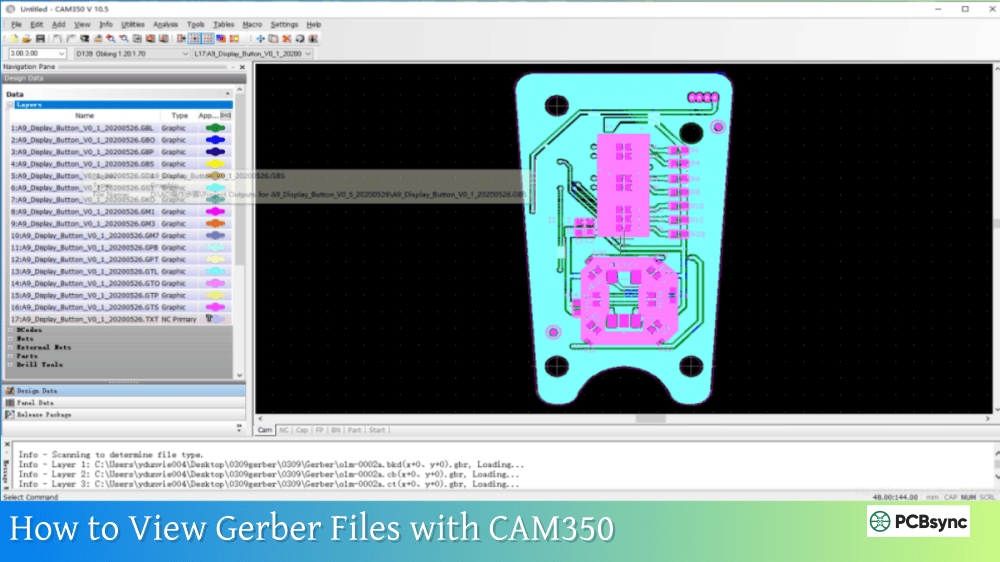
CAM350
Contact for pricing
Manual assignment
Good
High-volume fabrication shops
ZofzPCB: Best Value for Gerber to STEP Export
ZofzPCB stands out as the most accessible option for engineers who need occasional Gerber to STEP conversion. The free version provides excellent 3D visualization, while the Premium license (€95/year or €295 perpetual) unlocks STEP export.
Key strengths:
Automatic Gerber file recognition reduces setup time
IPC-356 netlist support enables component reconstruction
Generates component 3D models automatically from footprint data
Exports STEP AP214 format compatible with all MCAD software
Outputs structured assembly with named components
FAB 3000: Professional CAM with STEP Export
FAB 3000 from Numerical Innovations is a comprehensive CAM package that includes robust Gerber to STEP conversion. It handles IPC-2581 and ODB++ formats in addition to Gerber, making it versatile for different data sources.
Key strengths:
Multi-format input (Gerber, ODB++, IPC-2581)
Component centroid extraction from Gerber data
STEP AP214 and AP242 output options
Integrated DFM checking before export
Professional-grade panelization and editing
Step-by-Step Guide: Convert Gerber to STEP with ZofzPCB
Here’s a detailed walkthrough using ZofzPCB, the most accessible tool for this conversion.
Step 1: Gather Required Files
Collect all available manufacturing files in one folder:
File Category
Required?
Purpose
Gerber layer files
Yes
Copper, mask, silkscreen artwork
NC Drill file
Yes
Hole locations and sizes
Board outline
Yes
Defines PCB physical shape
IPC-D-356 netlist
Strongly recommended
Enables component reconstruction
Pick and Place file
Alternative to IPC-356
Component positions and rotations
BOM
Helpful
Component values for identification
Step 2: Import Gerber Files into ZofzPCB
Download and install ZofzPCB from zofzpcb.com
Launch the application
Click File → Auto Load for automatic file detection
Navigate to your Gerber folder and select it
ZofzPCB will scan and categorize all recognized files
Review the layer assignments in the sidebar
Step 3: Verify Layer Stack Configuration
ZofzPCB attempts automatic layer detection, but verify the assignments are correct:
Your File
Should Map To
Verify
*.gtl, top.gbr
Top Copper
Copper traces visible
*.gbl, bottom.gbr
Bottom Copper
Mirror image correct
*.gts, soldermask_top.gbr
Top Solder Mask
Opens over pads
*.gbs, soldermask_bottom.gbr
Bottom Solder Mask
Opens over pads
*.gko, *.gm1, outline.gbr
Board Outline
Closed polyline
*.drl, *.exc
NC Drill
Holes appear correctly
Step 4: Configure Board Physical Parameters
Enter physical specifications that Gerber files don’t contain:
Parameter
Standard Value
How to Determine
Board thickness
1.6mm
From stackup document or assume standard
Copper weight
1oz (35μm)
From fabrication notes
Prepreg thickness
Per stackup
From layer stackup document
Solder mask thickness
~25μm
Approximate value
Navigate to the stackup configuration panel and enter appropriate values.
Step 5: Load Component Data (IPC-356)
For a populated board model:
Navigate to Components → Load IPC-356 File
Select your .ipc or .356 netlist file
ZofzPCB maps test points to component footprints
Auto-generated 3D shapes appear based on pad geometry
Review component assignments in the component browser
If you have a Pick and Place file instead:
Navigate to Components → Load P&P File
Map columns to X, Y, Rotation, Reference Designator
ZofzPCB places components at specified coordinates
Step 6: Refine Component 3D Models
ZofzPCB generates basic component shapes from pad geometry, but you can improve accuracy:
Component Type
Default Generation
Improvement Option
Resistors, capacitors
Rectangular blocks
Adjust height in modeler
ICs (QFP, BGA)
Flat packages
Import manufacturer STEP
Connectors
Basic boxes
Import manufacturer STEP
Electrolytic caps
Cylinders
Adjust diameter/height
Through-hole parts
Boxes on default side
Flip to correct side
To import a manufacturer STEP model for a specific component:
Thermal Solver Mode: Full detail including internal layers
Choose which objects to include via checkboxes
Click Export and select destination folder
Wait for processing (larger boards take longer)
Step 8: Verify in MCAD Software
Open the exported STEP file in your target mechanical CAD:
MCAD Software
Import Command
SolidWorks
File → Open → Select .step
Fusion 360
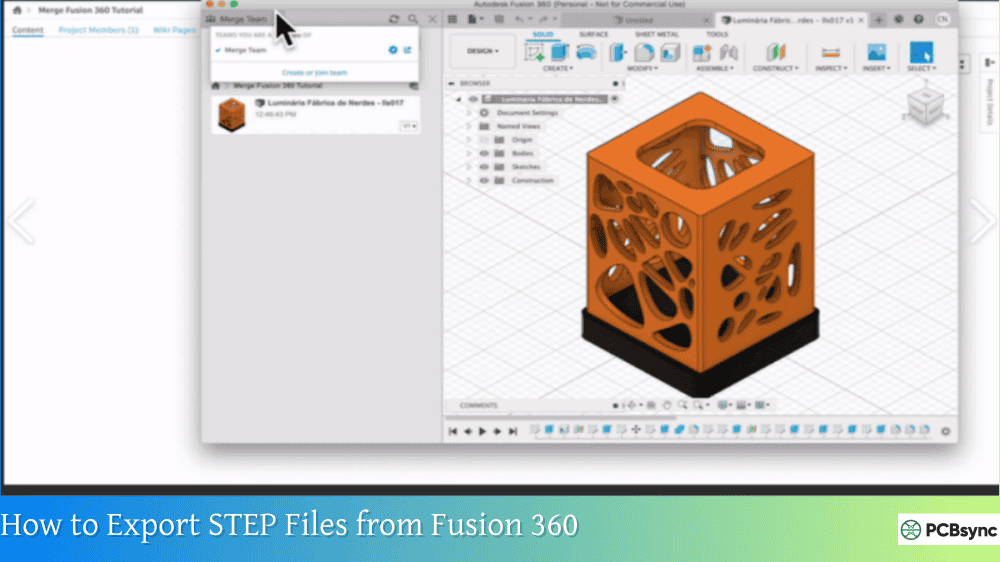
File → Open → Upload from computer
CATIA
File → Open → Select .stp
FreeCAD
File → Import → Select .step
Creo
File → Open → Select .stp
Check that board dimensions match expectations and components appear in correct positions.
Converting Gerber to STEP with FAB 3000
For users with FAB 3000 or Numerical Cloud subscription, the workflow differs slightly.
FAB 3000 Conversion Process
Step
Action
Notes
1
Import Gerber/ODB++/IPC-2581
File → Import → Auto-detect format
2
Extract component centroids
If not provided, use Tools → Extract Centroids
3
Configure layer stackup
Tables → Layer Stackup
4
Assign board thickness
Set in stackup dialog
5
Export to STEP
File → Export → 3D STEP
6
Select “Components Only”
From Layer Options dropdown
7
Choose save location
Name and save file
FAB 3000 can generate component centroid data directly from Gerber files if you don’t have a Pick and Place file—a useful feature when working with incomplete data packages.
Troubleshooting Common Gerber to STEP Conversion Issues
Problem: Board Outline Not Detected
Symptoms: No board shape appears, or strange rectangular outline
Solutions:
Cause
Fix
Outline on wrong layer
Manually assign outline layer in stackup
Outline not closed polyline
Edit Gerber to close the path
Multiple outline layers
Specify single outline layer
Non-board graphics included
Remove title blocks, notes from outline layer
Problem: Components Missing from Export
Symptoms: STEP file shows bare board only
Causes and Solutions:
Cause
Solution
No IPC-356 or P&P file
Obtain component placement data from designer
Scale mismatch in IPC-356
Verify units match between files
Non-standard reference designators
Use IPC naming conventions (R1, C2, U3)
Problem: Component Positions Incorrect
Symptoms: Components offset from pads or on wrong side
Solutions:
Verify coordinate origin matches between Gerber and P&P files
Check for mirror/flip issues (top vs bottom reference)
Confirm units (mm vs mils) are consistent
Manually adjust offsets in component modeler
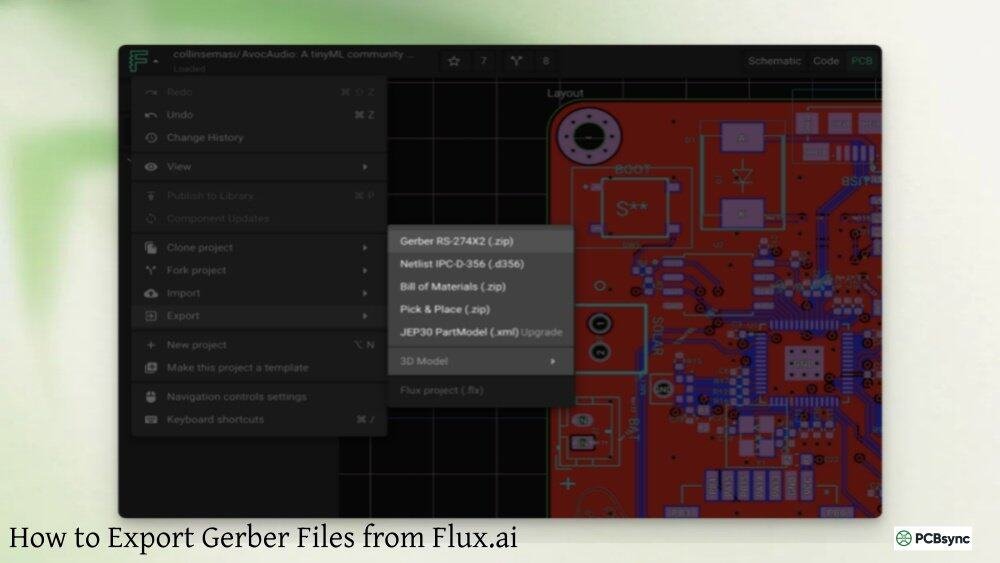
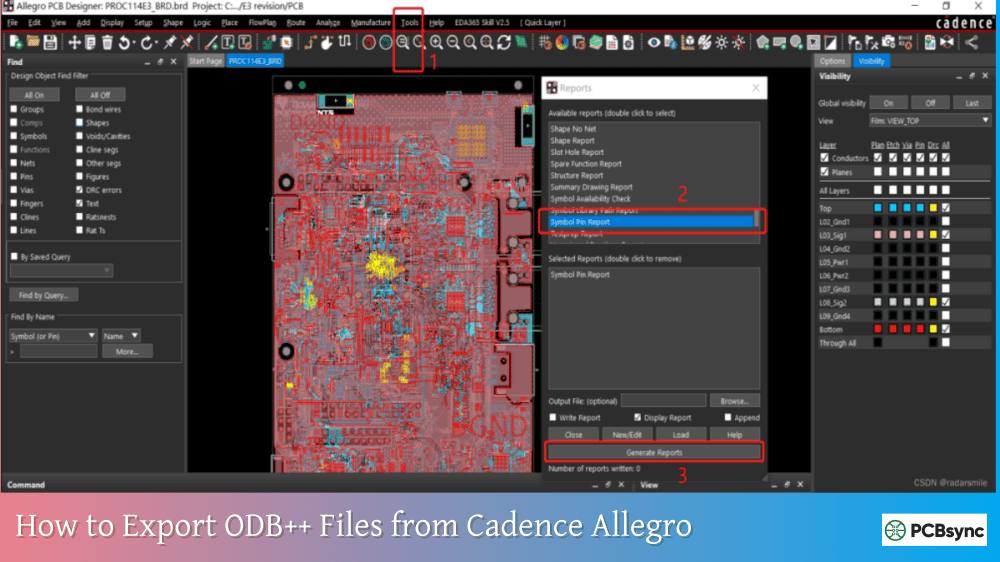
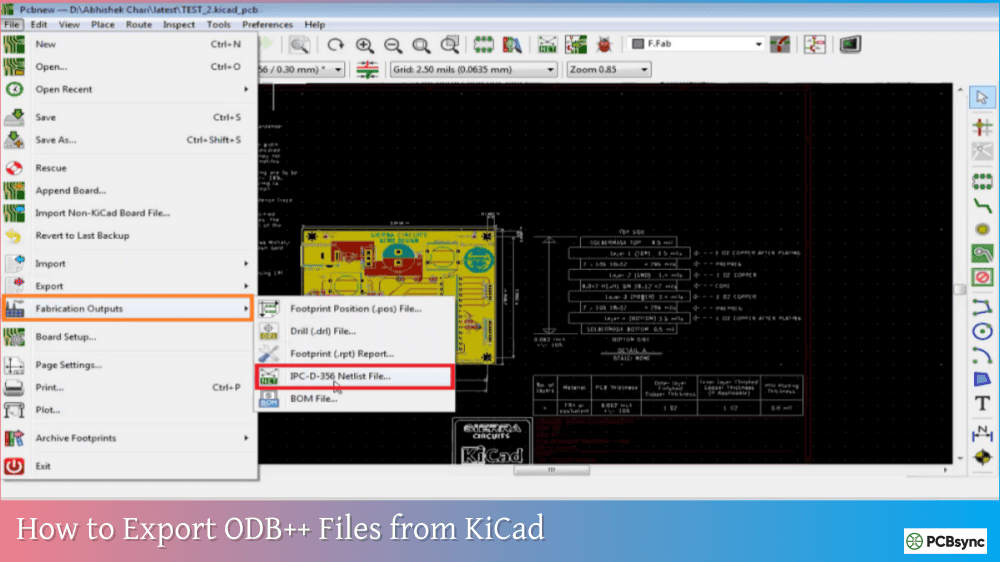
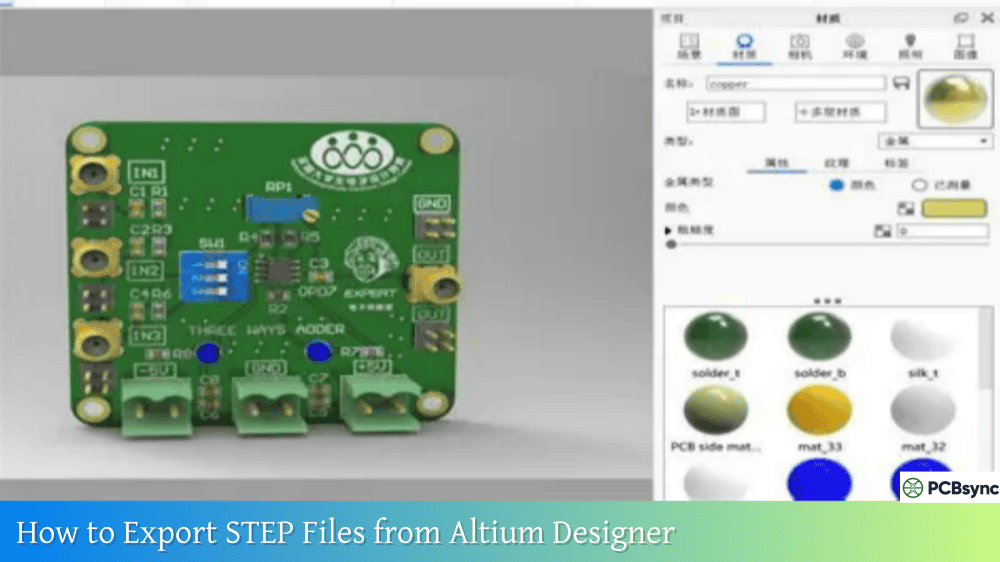
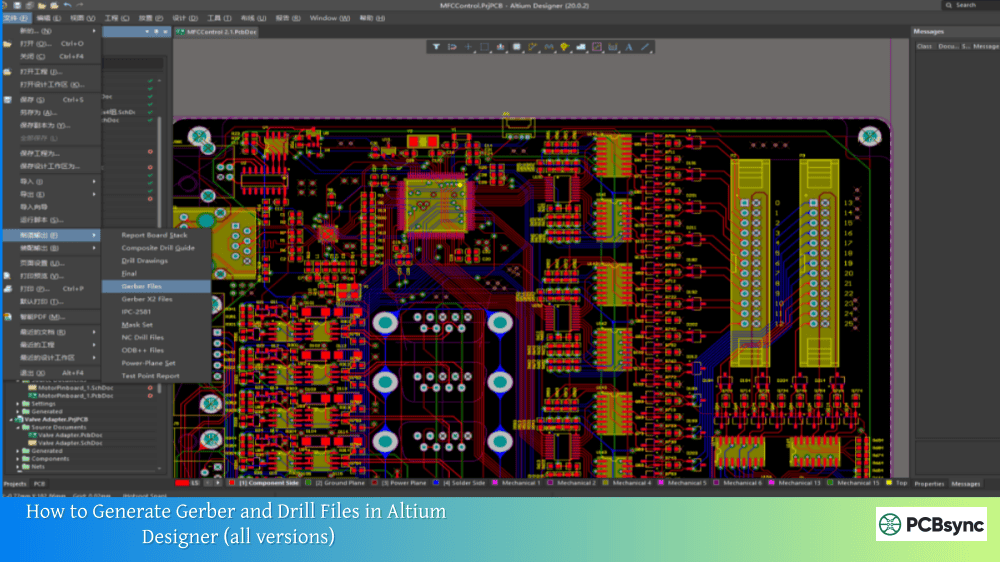
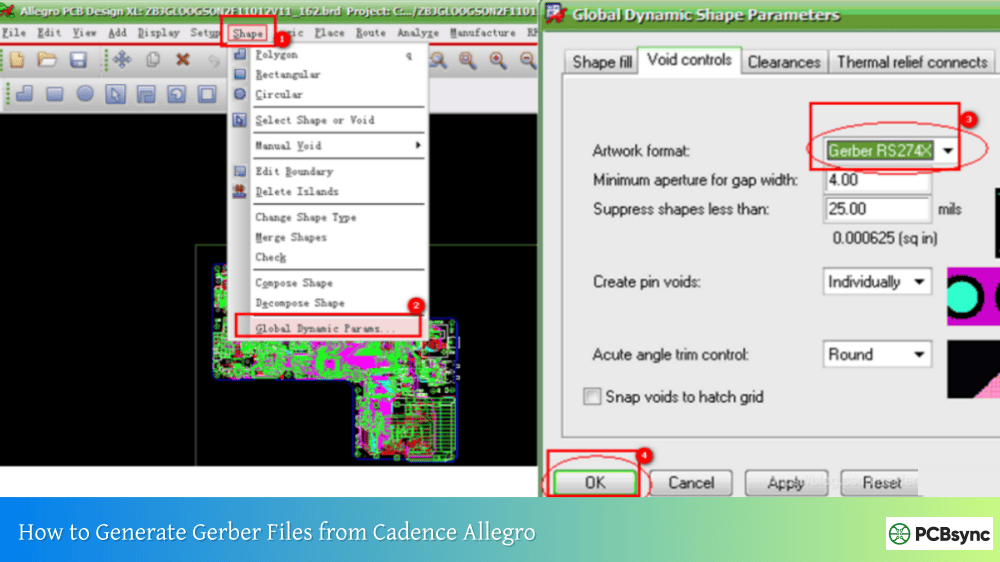
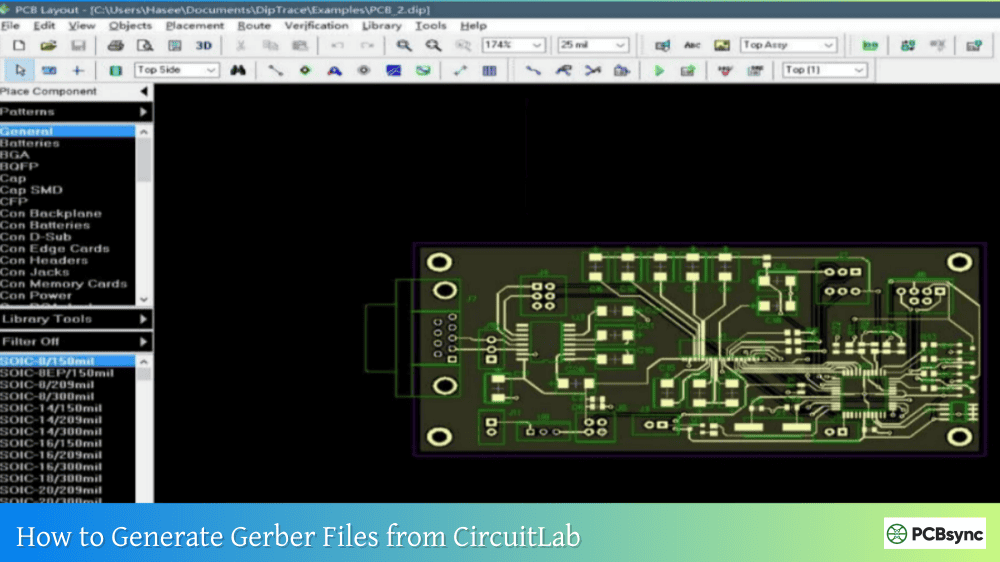
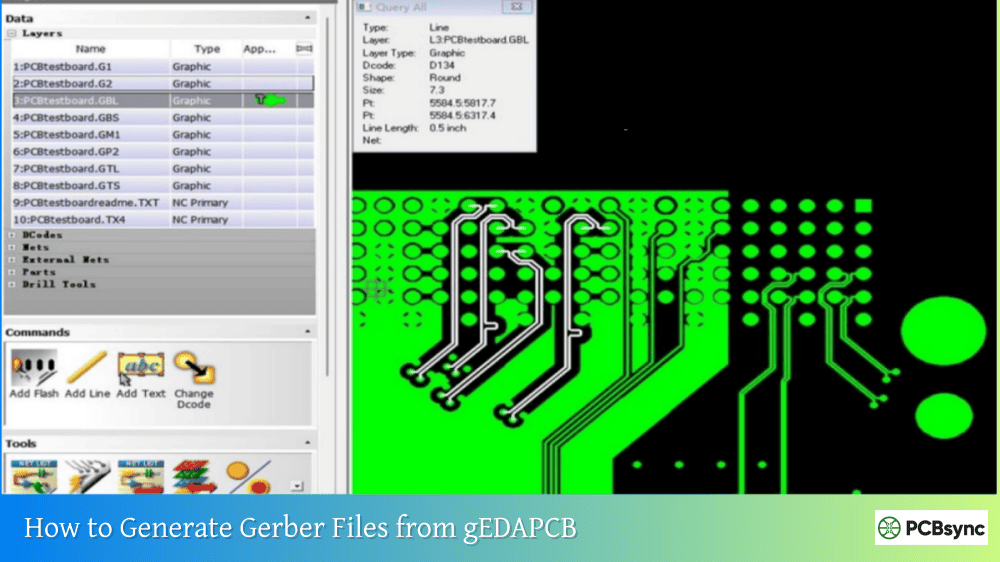
Read more How to convert PCB Files in different Design software:
If you have the option to request different file formats, several alternatives produce significantly better 3D models than Gerber conversion.
Comparison of Source Formats for 3D Export
Format
3D Quality
Component Data
Availability
Native ECAD files
Excellent
Complete
Requires same software
IPC-2581
Excellent
Full placement + BOM
Modern ECAD tools
ODB++
Excellent
Full placement + netlist
Most professional ECAD
STEP from ECAD
Perfect
Full 3D models
Best option if available
Gerber + IPC-356
Good
Requires reconstruction
Universal fallback
Gerber only
Poor
No component data
Last resort
Always request STEP files directly from the PCB designer if possible. Native ECAD export produces far superior results because the design software has access to complete data including actual 3D models for each component.
Frequently Asked Questions
Can I convert Gerber to STEP for free?
Partially. ZofzPCB offers free 3D viewing of Gerber files, but STEP export requires a Premium license (€95/year or €295 perpetual). There is no completely free, full-featured Gerber to STEP converter. FreeCAD can view and export STEP files but cannot import Gerber format directly. For bare-board-only models without components, some online services offer limited free conversion, but results are typically basic and may have accuracy issues.
Why are my components missing from the STEP export?
Gerber files don’t contain component information—they only describe pad and trace geometry visible on each layer. To include components in your STEP model, you need supplemental data files: an IPC-D-356 netlist file contains test point locations that can be reconstructed into footprints, or a Pick and Place file provides explicit X/Y coordinates for each component. Without these files, conversion tools can only produce a bare board model. Even with component data, the 3D shapes are approximations based on footprint geometry unless you provide actual manufacturer STEP models.
What’s the difference between IPC-2581, ODB++, and Gerber for 3D conversion?
IPC-2581 and ODB++ are intelligent formats containing complete design data including component placement, netlist connectivity, layer stackup, and often component parameters. They convert to STEP with much higher accuracy than Gerber because no information reconstruction is required. Gerber is a simple image format designed only for photoplotter output—it’s missing most information needed for 3D models. If you have the choice, always use IPC-2581 or ODB++ as your source. Request these formats from designers when placing orders.
How accurate is the converted STEP model for designing enclosures?
Board outline dimensions are typically accurate when Gerber files are correctly generated. Component positions match the original design if you have IPC-356 or Pick and Place data. The main accuracy limitations involve component heights and shapes—auto-generated models are approximations based on footprint geometry, not actual package dimensions. For precision enclosure design, verify critical dimensions manually: measure connector positions, check mounting hole coordinates against the fabrication drawing, and replace auto-generated models with manufacturer STEP files for tall components and mechanical interfaces like connectors, switches, and displays.
Should I request STEP files instead of converting Gerber?
Absolutely. Native STEP export from ECAD tools (KiCad, Altium, Eagle, OrCAD) produces dramatically better results because the design software has access to complete information—actual 3D models for each component, accurate heights, proper positions, and correct orientations. Gerber to STEP conversion is a workaround for situations where native files aren’t available. The conversion process requires reconstruction and approximation that inevitably introduces inaccuracies. When placing orders with designers or contract manufacturers, specifically request STEP files as a deliverable alongside Gerber files.
Conclusion
Converting Gerber to 3D STEP model is possible but requires understanding that Gerber files lack essential 3D information. The quality of your results depends entirely on the supplemental data you can provide—IPC-356 netlist files and Pick and Place data make the difference between a bare board model and a populated assembly.
For occasional conversions, ZofzPCB offers excellent value with its free 3D viewer and reasonably priced Premium license for STEP export. The automatic component generation from IPC-356 data produces usable results for most mechanical integration tasks. For professional workflows handling multiple designs regularly, FAB 3000 or similar CAM software provides more automation and additional capabilities like DFM checking.
The key points to remember: Gerber files alone produce bare board models only since supplemental files are essential for components, auto-generated component models are approximations that may need refinement for critical parts, and always request STEP files directly from PCB designers when possible rather than converting Gerber.
When you must convert Gerber to STEP, invest time in gathering all available supplemental files before starting. The few minutes spent collecting IPC-356, Pick and Place, and BOM files saves hours of manual cleanup and produces a model your mechanical team can actually use for enclosure design and product integration.
Inquire: Call 0086-755-23203480, or reach out via the form below/your sales contact to discuss our design, manufacturing, and assembly capabilities.
Quote: Email your PCB files to Sales@pcbsync.com (Preferred for large files) or submit online. We will contact you promptly. Please ensure your email is correct.
Notes: For PCB fabrication, we require PCB design file in Gerber RS-274X format (most preferred), *.PCB/DDB (Protel, inform your program version) format or *.BRD (Eagle) format. For PCB assembly, we require PCB design file in above mentioned format, drilling file and BOM. Click to download BOM template To avoid file missing, please include all files into one folder and compress it into .zip or .rar format.