Inquire: Call 0086-755-23203480, or reach out via the form below/your sales contact to discuss our design, manufacturing, and assembly capabilities.
Quote: Email your PCB files to Sales@pcbsync.com (Preferred for large files) or submit online. We will contact you promptly. Please ensure your email is correct.
Notes: For PCB fabrication, we require PCB design file in Gerber RS-274X format (most preferred), *.PCB/DDB (Protel, inform your program version) format or *.BRD (Eagle) format. For PCB assembly, we require PCB design file in above mentioned format, drilling file and BOM. Click to download BOM template To avoid file missing, please include all files into one folder and compress it into .zip or .rar format.
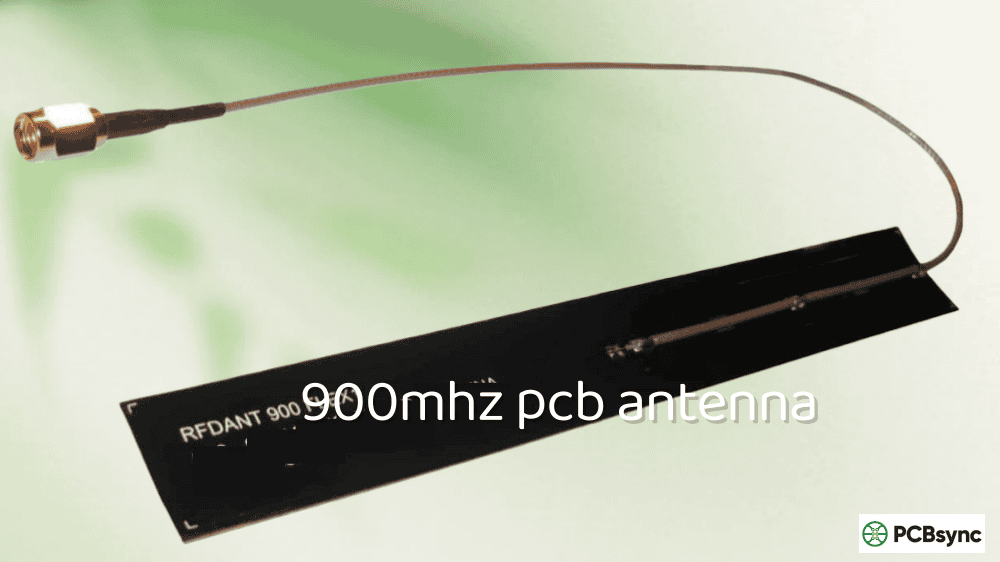
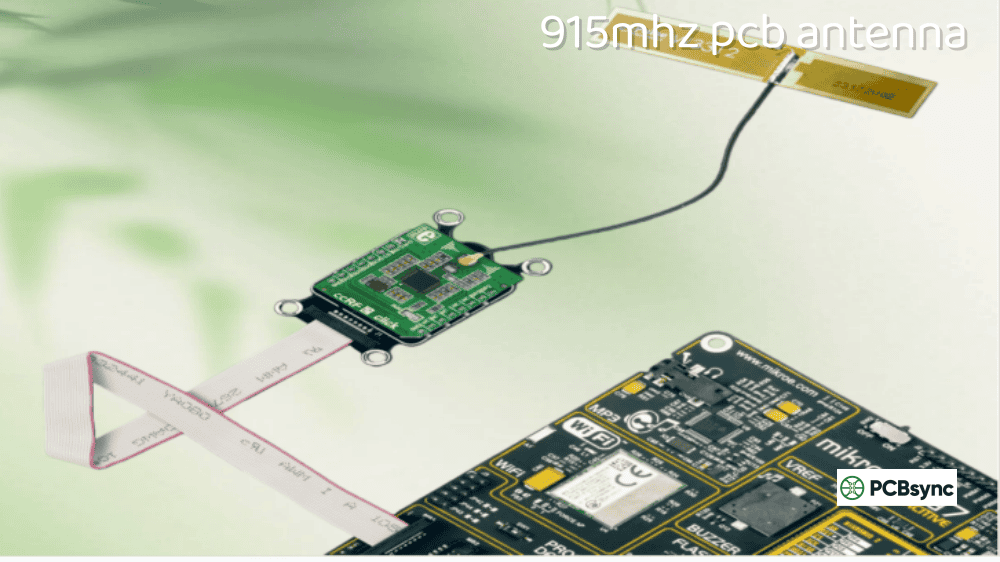
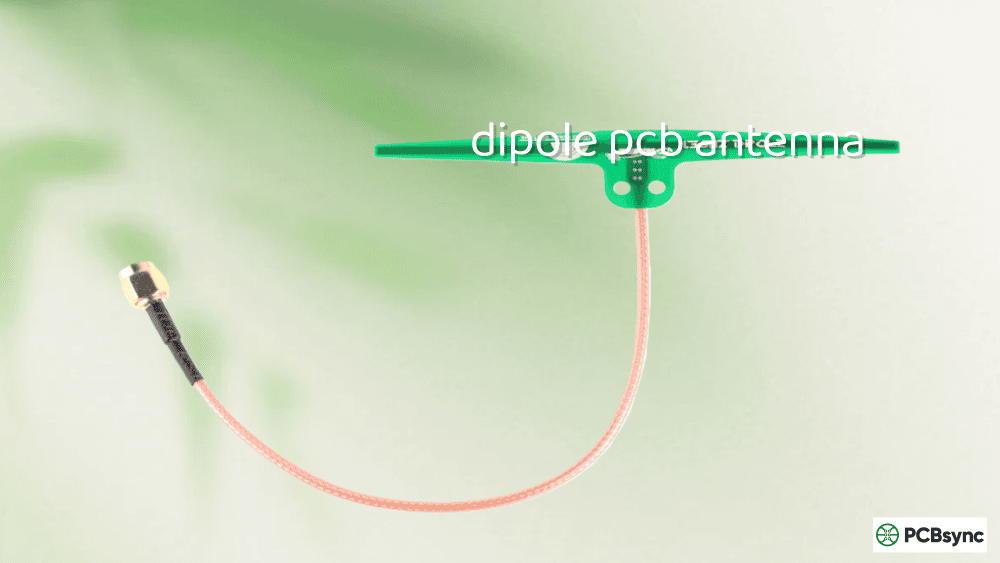
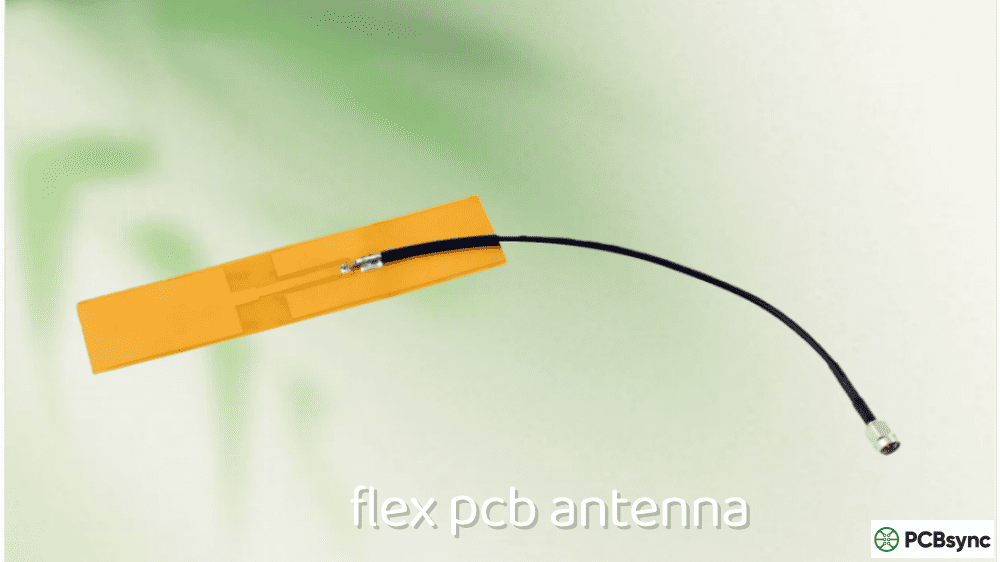
The flex PCB antenna has become my go-to solution for compact wireless products where rigid board space is at a premium. Unlike chip antennas that demand specific ground plane dimensions, or traditional PCB trace antennas that consume valuable board real estate, flexible printed circuit antennas can be mounted anywhere inside an enclosure—on curved surfaces, against plastic housings, or tucked into corners that would otherwise be wasted space. They come pre-tuned with their own ground plane built in, which means one less RF headache during product development.
This guide covers everything you need to know aboutflex PCB antenna design and integration. I’ll provide specific dimensions for common frequency bands from 433 MHz through 5.8 GHz, explain the polyimide material properties that affect performance, and detail the bending rules and cable routing guidelines that trip up many first-time FPC antenna users. Whether you’re designing a wearable, IoT sensor, or asset tracker, these practical guidelines will help you achieve reliable wireless performance.
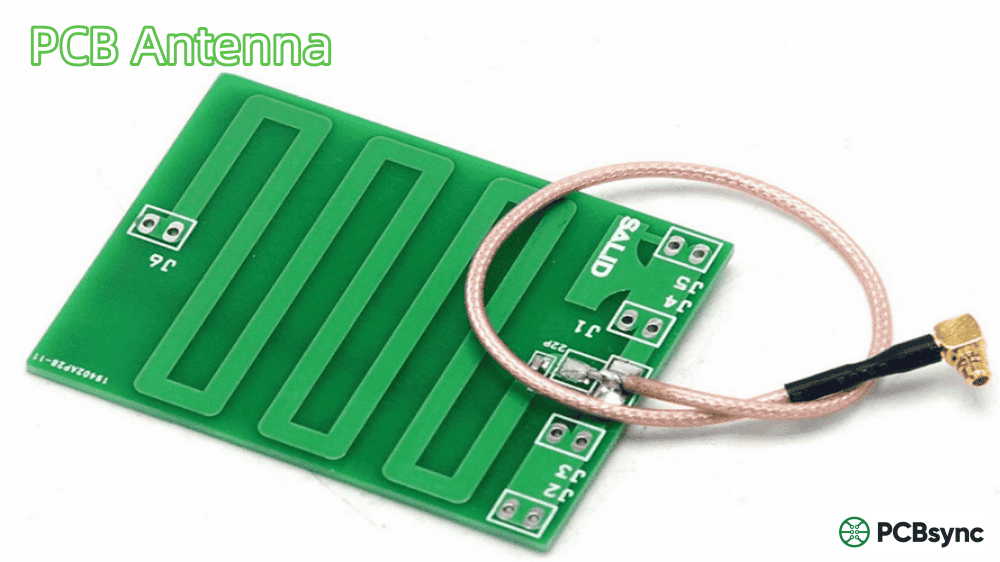
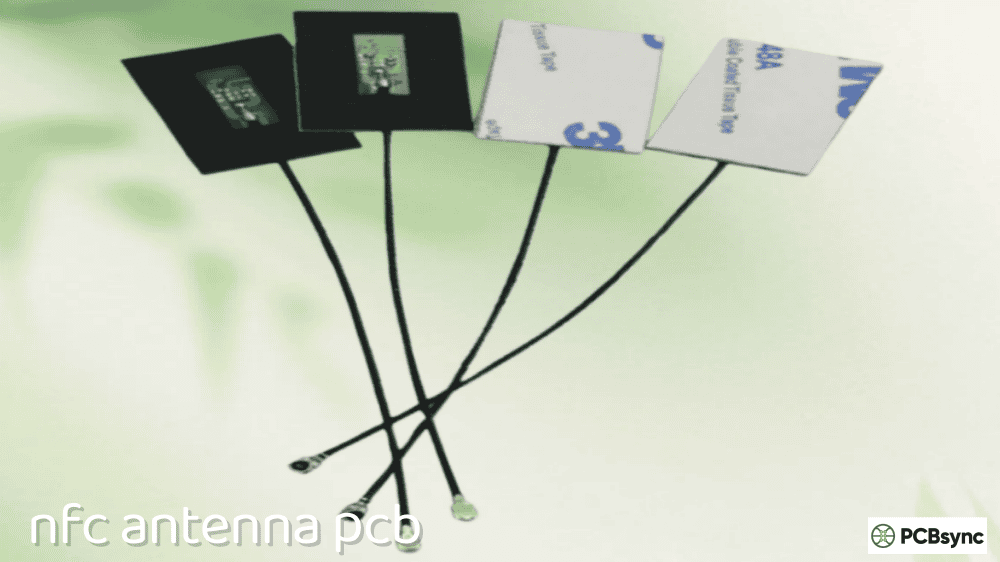
A flex PCB antenna consists of a conductive pattern (typically copper) etched onto a flexible polyimide substrate, usually with an adhesive backing for mounting inside product enclosures. The flexibility allows these antennas to conform to curved surfaces and fit into spaces impossible for rigid antennas.
FPC Antenna Structure
Layer
Material
Typical Thickness
Function
Top coverlay
Polyimide
0.025 mm
Protection
Conductor
Copper
0.018-0.035 mm
Radiating element
Substrate
Polyimide
0.05-0.1 mm
Base material
Adhesive
3M or equivalent
0.05-0.1 mm
Mounting
Release liner
Paper/film
—
Peel before mounting
Total thickness
—
0.15-0.3 mm
Ultra-thin profile
Key Advantages of Flex PCB Antennas
Advantage
Explanation
Impact
Ground plane independent
Built-in counterpoise
No host PCB ground requirements
Placement flexibility
Mount anywhere in enclosure
Design freedom
Pre-tuned
Factory matched
No RF tuning needed
Curved surface mounting
Conforms to 3D shapes
Fits complex housings
Thin profile
0.15-0.3 mm total
Minimal space impact
Retrofit capable
Add to existing designs
Quick wireless upgrades
How FPC Antennas Differ from Other Types
The fundamental difference is ground plane independence. Chip antennas and rigid PCB trace antennas use the host PCB’s ground plane as their counterpoise—the “other half” of the antenna. This creates strict requirements for ground plane size and shape. A flex PCB antenna includes its own ground structure, making it largely independent of the host PCB layout.
Choosing between antenna types depends on your specific product requirements.
Decision Matrix
Factor
Flex PCB Wins
Chip Antenna Wins
Rigid PCB Wins
Very small host PCB
✓
—
—
Curved enclosure
✓
—
—
High volume (>100k)
—
✓
✓
Lowest BOM cost
—
—
✓
Pick & place assembly
—
✓
✓
Retrofit existing product
✓
—
—
Multiple frequency bands
✓
—
—
Prototype/low volume
✓
✓
—
Performance Comparison
Parameter
Flex PCB Antenna
Chip Antenna
Rigid PCB Antenna
Typical efficiency
50-80%
40-70%
60-90%
Gain (2.4 GHz typical)
1-3 dBi
0-2 dBi
2-4 dBi
Bandwidth
Good
Moderate
Good
Consistency
Excellent
Good
Variable
Sensitivity to environment
Low
High
Medium
Polyimide Material Properties for FPC Antennas
The flexible substrate material significantly affects flex PCB antenna performance. Polyimide (PI) is the standard choice due to its excellent electrical and mechanical properties.
Polyimide Electrical Properties
Property
Typical Value
Impact on Antenna
Dielectric constant (εr)
3.2-3.5
Determines wavelength shortening
Loss tangent (tan δ)
0.002-0.008
Affects efficiency
Volume resistivity
>10¹⁶ Ω·cm
Minimal leakage
Dielectric strength
200-300 kV/mm
Reliable at RF power
Common Polyimide Substrates
Material
Manufacturer
εr
tan δ
Notes
Kapton
DuPont
3.4
0.002
Industry standard
Apical
Kaneka
3.3
0.003
Good alternative
Upilex
UBE
3.5
0.004
High temperature
FCCL (copper clad)
Various
3.2-3.5
0.003-0.005
Ready for etching
Substrate Thickness Options
Thickness
Application
Flexibility
Notes
0.05 mm (50 µm)
Ultra-thin, tight bends
Excellent
Fragile, handle carefully
0.075 mm (75 µm)
Standard FPC antenna
Very good
Common choice
0.1 mm (100 µm)
Robust applications
Good
Better durability
0.125 mm (125 µm)
High reliability
Moderate
Industrial/automotive
Flex PCB Antenna Dimensions by Frequency
These dimensions are based on commercial FPC antennas and validated designs. Use them as starting points—final tuning depends on your specific enclosure and mounting configuration.
433 MHz ISM Band FPC Antenna
Parameter
Dimension
Tolerance
Notes
Overall size
80 × 20 mm
±2 mm
Minimum practical
Compact version
47 × 17 mm
±1 mm
Reduced efficiency
Radiating element length
~145 mm
—
Meander pattern
Trace width
1.0-2.0 mm
±0.15 mm
Standard
Efficiency
40-60%
—
Size dependent
868/915 MHz LoRa FPC Antenna
Parameter
868 MHz
915 MHz
Notes
Overall size
55 × 15 mm
50 × 14 mm
Typical
Compact version
40 × 12 mm
38 × 11 mm
Lower gain
Radiating length
~70 mm
~65 mm
Meander trace
Trace width
1.0-1.5 mm
1.0-1.5 mm
Standard
Peak gain
2-3 dBi
2-3 dBi
Full size
Efficiency
60-75%
60-75%
Typical
2.4 GHz WiFi/Bluetooth FPC Antenna
Parameter
Dimension
Tolerance
Notes
Standard size
35 × 10 mm
±1 mm
Good performance
Compact size
25 × 8 mm
±0.5 mm
Reduced gain
Ultra-compact
15 × 6 mm
±0.3 mm
Minimum practical
Radiating length
~23 mm
—
Quarter wave
Trace width
0.8-1.2 mm
±0.1 mm
Typical
Peak gain
1.5-3 dBi
—
Size dependent
Efficiency
60-80%
—
Standard sizes
Bandwidth
80-150 MHz
—
Covers 2400-2500 MHz
5.8 GHz WiFi FPC Antenna
Parameter
Dimension
Tolerance
Notes
Overall size
20 × 8 mm
±0.5 mm
Typical
Compact size
15 × 6 mm
±0.3 mm
Reduced efficiency
Radiating length
~10 mm
—
Quarter wave
Trace width
0.5-0.8 mm
±0.1 mm
Finer traces
Peak gain
2-4 dBi
—
Directional pattern
Efficiency
65-85%
—
Higher at 5 GHz
Dual-Band 2.4/5 GHz FPC Antenna
Parameter
Dimension
Notes
Overall size
31 × 31 mm
Square common
Alternative
40 × 15 mm
Rectangular
2.4 GHz gain
1.5-2.5 dBi
Lower band
5 GHz gain
3-5 dBi
Higher band
Efficiency 2.4 GHz
60-70%
Typical
Efficiency 5 GHz
70-85%
Better at higher freq
LTE/4G Multi-Band FPC Antenna
Parameter
Dimension
Notes
Full band (698-2700 MHz)
100 × 25 mm
Complete coverage
Compact (700-2100 MHz)
65 × 13 mm
Most bands
Ultra-compact (850-2100 MHz)
45 × 12 mm
Limited low band
Efficiency
45-65%
Band dependent
Peak gain
3-5 dBi
Varies by band
GPS/GNSS FPC Antenna
Parameter
Dimension
Notes
L1 only (1575 MHz)
25 × 25 mm
GPS basic
L1/L5 dual band
35 × 35 mm
Precision
Multi-constellation
45 × 35 mm
GPS/GLONASS/Galileo
Gain
2-4 dBi
Passive antenna
Polarization
RHCP
Circular preferred
Bending Rules and Mechanical Design
Proper mechanical design is critical for flex PCB antenna reliability. Violating bending limits leads to cracked traces and failed antennas.
Minimum Bending Radius
Frequency Band
Minimum Radius
Notes
433 MHz
15 mm
Larger traces more robust
868/915 MHz
10 mm
Standard
2.4 GHz
8 mm
Common rule
5.8 GHz
5 mm
Finer traces, more fragile
LTE multi-band
12 mm
Complex patterns
Bending Guidelines
Rule
Specification
Why It Matters
Minimum radius
5-15 mm (frequency dependent)
Prevents trace cracking
Bend angle
0-90° acceptable
Larger needs wider surface
Repeated bending
Avoid in antenna area
Fatigue failure
Bend direction
Perpendicular to traces preferred
Less stress concentration
Crease avoidance
Never crease FPC antenna
Permanent damage
Warping Prevention
Issue
Cause
Solution
Edge lift
Curved surface mounting
Use flat surfaces or relief slots
Corner curl
Thermal stress
Add stress relief holes
Bubble formation
Trapped air
Apply from center outward
Delamination
Poor surface prep
Clean with IPA before mounting
Stress Relief Design
Feature
Specification
Application
Relief holes
0.5-1.0 mm diameter
At bend transitions
Relief slots
1.0 mm width
For large radius curves
Copper width at bend
< 1.0 mm
Reduce stress
Via placement
Away from bend areas
Prevent cracking
Cable Routing Guidelines
This is where many designers make critical mistakes. The coaxial cable connecting the flex PCB antenna to the host PCB becomes part of the antenna system—its routing directly affects performance.
FPC antennas radiate in all directions. Maintain minimum clearance from metal in at least 3 of 6 directions:
Direction
Clearance Requirement
Priority
Front (radiating face)
20 mm from metal
Critical
Back (mounting surface)
Plastic only
Critical
Left side
10 mm from metal
Important
Right side
10 mm from metal
Important
Top
10 mm from metal
Good to have
Bottom
10 mm from metal
Good to have
Common Flex PCB Antenna Mistakes
Mistake 1: Mounting Too Close to Metal
Problem: FPC antenna placed within 10 mm of metal housing or components. Effect: Severe detuning, reduced efficiency, pattern distortion. Solution: Maintain 10-20 mm clearance from all metal surfaces.
Mistake 2: Ignoring Cable Routing
Problem: Coax cable routed randomly or near noise sources. Effect: Interference, inconsistent performance unit-to-unit. Solution: Define cable routing in assembly instructions, maintain consistent routing.
Mistake 3: Exceeding Bend Radius
Problem: FPC bent tighter than minimum radius or creased. Effect: Cracked traces, antenna failure (immediate or delayed). Solution: Follow bending guidelines, use stress relief features.
Mistake 4: Poor Surface Preparation
Problem: Mounting on dirty, oily, or textured surface. Effect: Poor adhesion, antenna movement, delamination. Solution: Clean with IPA, verify surface compatibility.
Mistake 5: Wrong Cable Length Selection
Problem: Using whatever cable length is convenient. Effect: Standing waves, reduced efficiency, frequency shift. Solution: Use manufacturer-recommended cable lengths.
Useful Resources for FPC Antenna Design
Manufacturer Resources
Manufacturer
Resource Type
Link
Antenova
Design guides, datasheets
antenova.com
Taoglas
Application notes, 3D models
taoglas.com
Abracon
Selection guides
abracon.com
C&T RF
Design guidelines
ctrfantennasinc.com
Molex
Integration guides
molex.com
Design Tools
Tool
Purpose
Cost
Antenna Placement Tool (Antenova)
FPC placement guidance
Free
HFSS
EM simulation
Commercial
CST Studio
EM simulation
Commercial
openEMS
Open source EM sim
Free
Connector Datasheets
Connector
Manufacturer
Notes
IPEX MHF series
I-PEX Connectors
Industry standard
U.FL series
Hirose
Compatible with IPEX
W.FL
Hirose
Low profile variant
Test Equipment
Equipment
Purpose
Budget Option
VNA
S11, impedance
NanoVNA (~$50)
Spectrum analyzer
OTA measurement
TinySA (~$60)
Anechoic chamber
Pattern measurement
Outsource testing
Frequently Asked Questions
Do flex PCB antennas require a ground plane on the host PCB?
No, this is one of the main advantages of flex PCB antenna technology. FPC antennas include their own ground plane as part of the antenna structure, making them largely independent of the host PCB layout. This is fundamentally different from chip antennas and rigid PCB trace antennas, which rely on the host board’s ground plane as their counterpoise. However, you should still follow basic RF layout practices—keep the antenna connector area clean and route the coax cable away from noisy digital circuits. The ground plane independence makes FPC antennas ideal for very small host PCBs where providing adequate ground plane for a chip antenna would be impossible.
What’s the minimum distance from metal surfaces for FPC antenna mounting?
Maintain at least 10 mm clearance from metal surfaces, with 20 mm preferred for optimal performance. This applies to metal enclosure walls, brackets, batteries, shielding cans, and any other conductive objects. Metal within this clearance zone detunes the antenna, shifts resonant frequency, distorts the radiation pattern, and reduces efficiency—sometimes dramatically. If your product has a metal housing, mount the FPC antenna on a plastic window or position it where adequate clearance exists. Remember the “six spatial directions” rule: aim for proper clearance in at least three of the six directions (front, back, left, right, top, bottom) for acceptable performance.
Can I bend a flex PCB antenna around corners in my enclosure?
Yes, but with limitations. Respect the minimum bending radius for your antenna’s frequency band—typically 5-15 mm depending on the operating frequency and trace geometry. Never crease or sharply fold an FPC antenna, as this will crack the copper traces. For mounting on curved surfaces, ensure the curve radius exceeds the minimum specification. Add stress relief features (holes or slots) at transition points where the FPC changes direction. Avoid mounting configurations that would subject the antenna to repeated bending or flexing during product use—FPC antennas are designed for “bend once and mount” applications, not continuous flexing like cable applications.
Why does cable length matter for FPC antennas?
The coaxial cable connecting the FPC antenna to your host PCB becomes part of the antenna system. An improperly chosen cable length can create standing waves that detune the antenna or reduce efficiency. Most manufacturers specify recommended cable lengths (typically 50 mm or 100 mm) that have been optimized for their antenna designs. Additionally, consistent cable routing matters for production consistency—if each unit has different cable routing, you’ll see unit-to-unit performance variation. Define the cable routing in your assembly documentation and use fixtures or guides to ensure consistent positioning. Keep the cable away from high-speed digital signals, switching power supplies, and other noise sources.
How do FPC antenna costs compare to chip antennas for production volumes?
For low to medium volumes (under 50,000 units), FPC antennas are typically cost-competitive with chip antennas—often $0.50-2.00 per antenna depending on complexity. The main cost difference is assembly: chip antennas work with standard pick-and-place equipment, while FPC antennas require manual assembly or specialized automation. At high volumes (100,000+ units), this assembly cost can make chip antennas more economical if your PCB design can accommodate the required ground plane. However, FPC antennas may still win on total system cost if they enable a smaller host PCB or simpler enclosure design. Evaluate the complete system cost, not just the antenna BOM line item.
Conclusion
The flex PCB antenna offers a compelling solution for wireless products where traditional antenna approaches fall short. Ground plane independence, placement flexibility, and pre-tuned performance make FPC antennas ideal for compact IoT devices, wearables, and products with complex enclosure geometries. The ultra-thin profile (0.15-0.3 mm) adds minimal bulk while enabling mounting locations impossible for rigid antennas.
Success with FPC antenna integration comes down to following the mechanical and electrical guidelines outlined in this guide. Maintain proper clearance from metal (10-20 mm minimum), respect bending radius limits, route cables consistently, and prepare mounting surfaces properly. These simple rules prevent the performance problems that frustrate many first-time FPC antenna users.
For your specific design, start with the dimension tables provided for your frequency band, select an FPC antenna with appropriate size and performance characteristics, and validate placement using the clearance guidelines. Commercial FPC antennas from manufacturers like Antenova, Taoglas, and Abracon come pre-tuned and include detailed integration documentation—leverage these resources to accelerate your development timeline and achieve reliable wireless performance in your products.
Inquire: Call 0086-755-23203480, or reach out via the form below/your sales contact to discuss our design, manufacturing, and assembly capabilities.
Quote: Email your PCB files to Sales@pcbsync.com (Preferred for large files) or submit online. We will contact you promptly. Please ensure your email is correct.
Notes: For PCB fabrication, we require PCB design file in Gerber RS-274X format (most preferred), *.PCB/DDB (Protel, inform your program version) format or *.BRD (Eagle) format. For PCB assembly, we require PCB design file in above mentioned format, drilling file and BOM. Click to download BOM template To avoid file missing, please include all files into one folder and compress it into .zip or .rar format.