Inquire: Call 0086-755-23203480, or reach out via the form below/your sales contact to discuss our design, manufacturing, and assembly capabilities.
Quote: Email your PCB files to Sales@pcbsync.com (Preferred for large files) or submit online. We will contact you promptly. Please ensure your email is correct.
Notes: For PCB fabrication, we require PCB design file in Gerber RS-274X format (most preferred), *.PCB/DDB (Protel, inform your program version) format or *.BRD (Eagle) format. For PCB assembly, we require PCB design file in above mentioned format, drilling file and BOM. Click to download BOM template To avoid file missing, please include all files into one folder and compress it into .zip or .rar format.
ESP32 vs Arduino: When to Use Which Platform for Your Projects
Choosing between ESP32 vs Arduino is one of the most common decisions I face when starting a new embedded project. After designing dozens of PCBs around both platforms over the years, I’ve developed a pretty clear sense of when each one makes sense. The short answer is that it depends entirely on what you’re building, but let me walk you through the nuances that actually matter when you’re laying out a board or selecting components for a client.
Both platforms have earned their place in the embedded world, but they serve fundamentally different purposes. Understanding these differences will save you from over-engineering simple projects or under-specifying complex ones.
Before diving into comparisons, let’s establish what we’re actually comparing. This is where a lot of confusion starts because “Arduino” refers to both a hardware platform and a software ecosystem, while ESP32 is specifically a family of microcontroller chips.
What is Arduino?
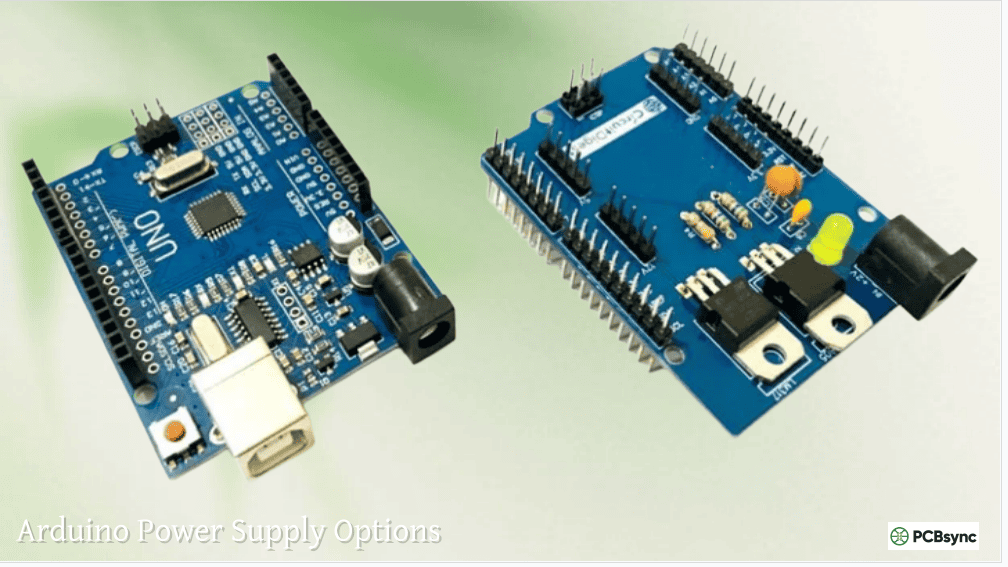
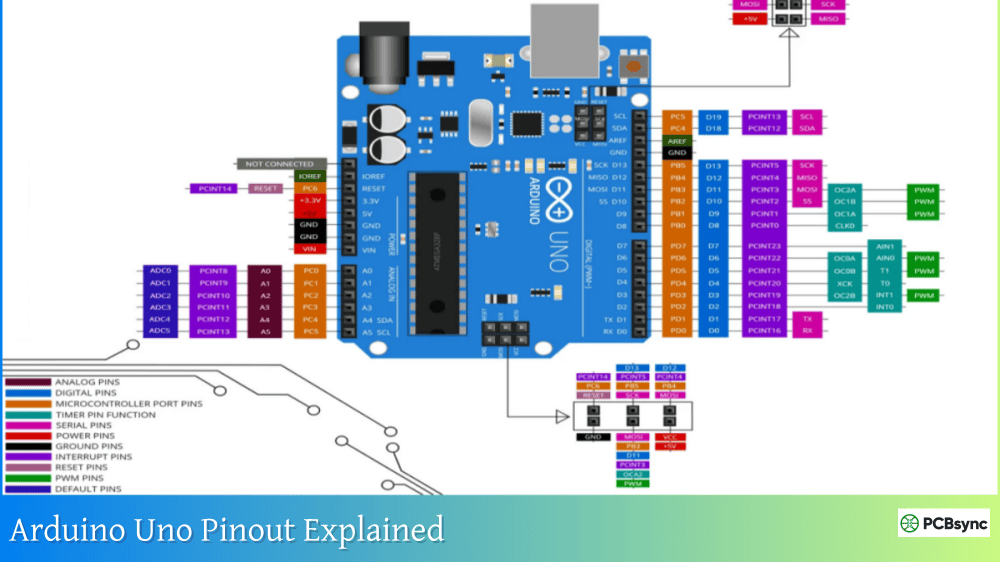
Arduino is an open-source electronics platform that includes both hardware (microcontroller boards) and software (the Arduino IDE). The most popular Arduino boards use ATmega microcontrollers from Microchip (formerly Atmel). The Arduino Uno, for example, runs on an ATmega328P, an 8-bit microcontroller with 32KB of flash memory and 2KB of SRAM.
What made Arduino revolutionary was its simplicity. The platform abstracted away much of the complexity of embedded programming, making microcontrollers accessible to artists, designers, hobbyists, and students who had no prior electronics experience. The ecosystem grew massive, with thousands of libraries, shields, and tutorials available.
What is ESP32?
The ESP32 is a series of low-cost, low-power system-on-chip microcontrollers developed by Espressif Systems. Unlike basic Arduino boards, the ESP32 comes with built-in WiFi and Bluetooth connectivity, a dual-core 32-bit processor running at up to 240 MHz, and significantly more memory and processing power.
Here’s the interesting part: you can program ESP32 boards using the Arduino IDE. Espressif developed an Arduino core for their chips, which means most of your Arduino knowledge transfers directly. This compatibility is why the ESP32 vs Arduino comparison isn’t always apples-to-apples.
ESP32 vs Arduino Technical Specifications Comparison
Let me lay out the raw specifications because when you’re designing a product, these numbers matter. I’m comparing the ESP32-WROOM-32 module against the Arduino Uno since these are the most common representatives of each platform.
Core Specifications Table
Specification
ESP32-WROOM-32
Arduino Uno (ATmega328P)
CPU Architecture
Dual-core Xtensa 32-bit
Single-core AVR 8-bit
Clock Speed
Up to 240 MHz
16 MHz
Flash Memory
4 MB (external)
32 KB
SRAM
520 KB
2 KB
EEPROM
None (use flash)
1 KB
Operating Voltage
3.3V
5V
GPIO Pins
34 (25 usable)
20 (14 digital + 6 analog)
ADC Resolution
12-bit
10-bit
ADC Channels
18
6
DAC Channels
2
0
WiFi
802.11 b/g/n
None (requires shield)
Bluetooth
Classic + BLE 4.2
None (requires module)
Price Range
$3-8
$20-25 (official)
The numbers tell part of the story, but real-world performance depends heavily on your application. Let’s break down what these specs mean in practice.
When to Choose Arduino Over ESP32
Despite the ESP32’s impressive specifications, Arduino boards remain the better choice for many applications. Here’s when I reach for an Arduino instead:
Learning and Education Projects
If you’re teaching someone embedded systems or learning yourself, Arduino is still the gold standard. The documentation is unmatched, the community support is massive, and troubleshooting is significantly easier. When something doesn’t work on an Arduino, you can find ten different forum posts addressing your exact problem.
The simplicity of the ATmega architecture means you can understand what’s happening at the register level without getting lost in complex peripheral configurations. For educational purposes, this transparency is invaluable.
Simple Sensor and Actuator Control
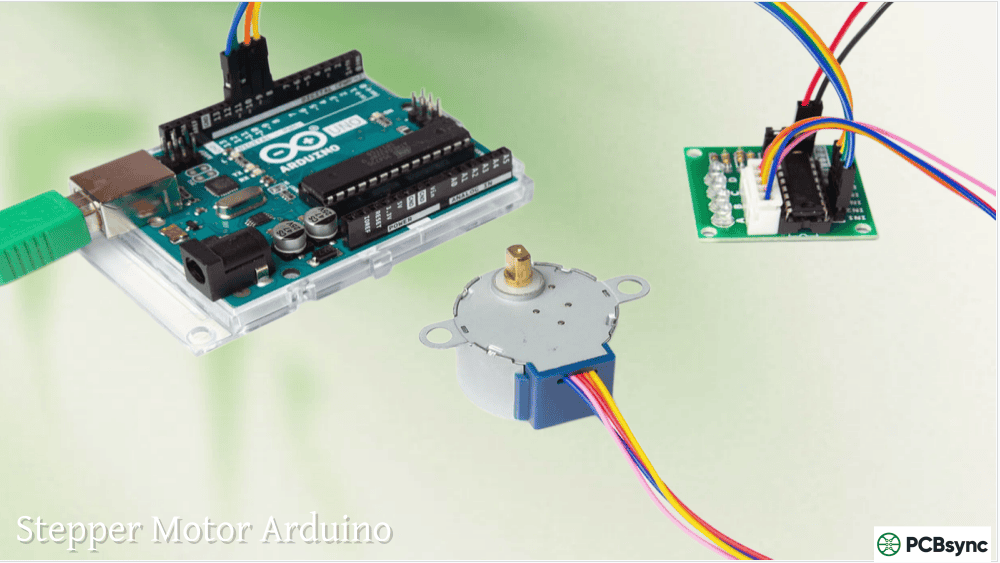
For projects that don’t require internet connectivity, Arduino handles basic I/O tasks perfectly well. Controlling motors, reading temperature sensors, driving displays, or managing button inputs doesn’t require a dual-core processor with WiFi capabilities.
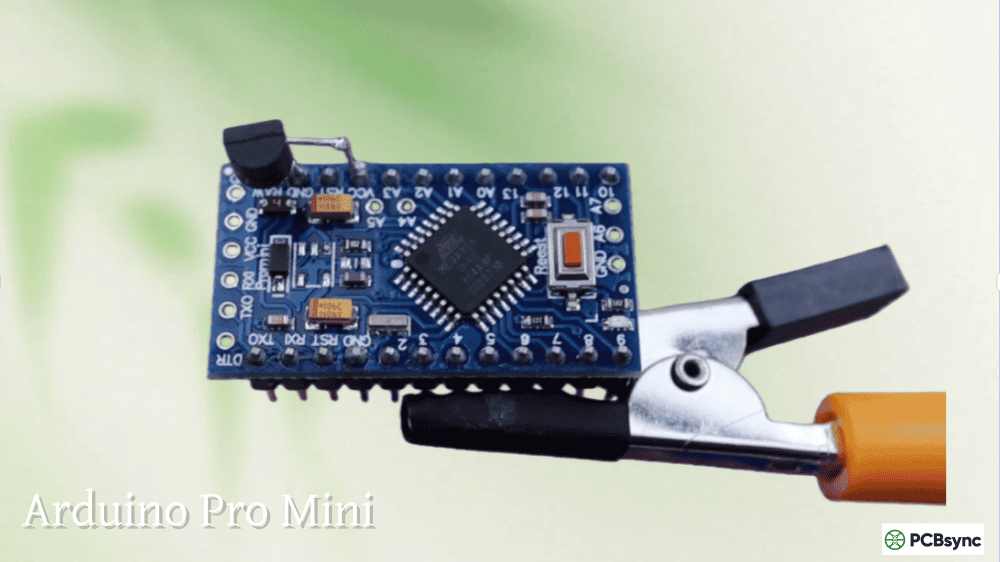
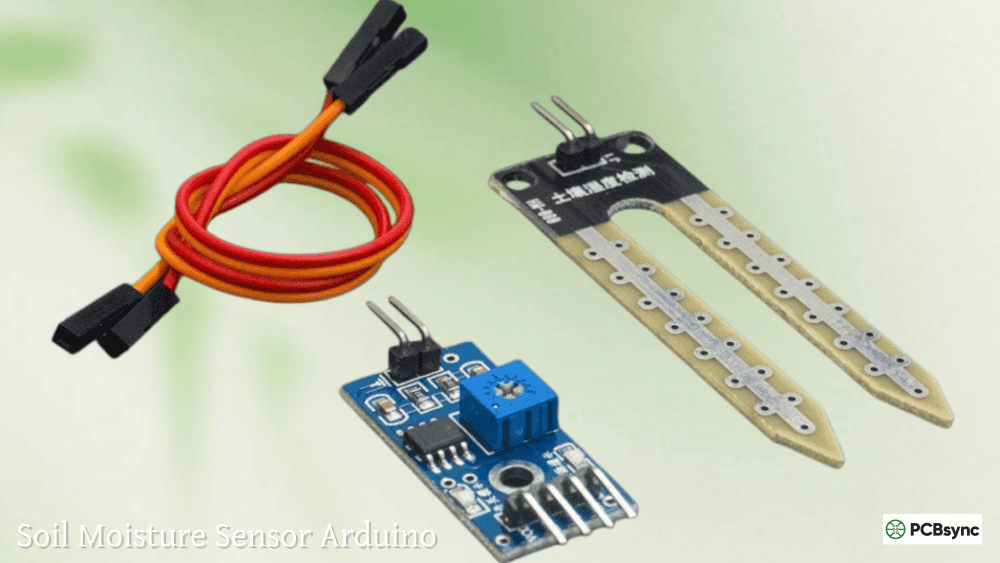
I recently helped a client build a simple irrigation controller that reads soil moisture and activates a relay. The Arduino Nano handled this flawlessly, cost less than $5 for the clone board, and the firmware took an afternoon to write. Using an ESP32 would have been overkill.
5V Sensor Compatibility
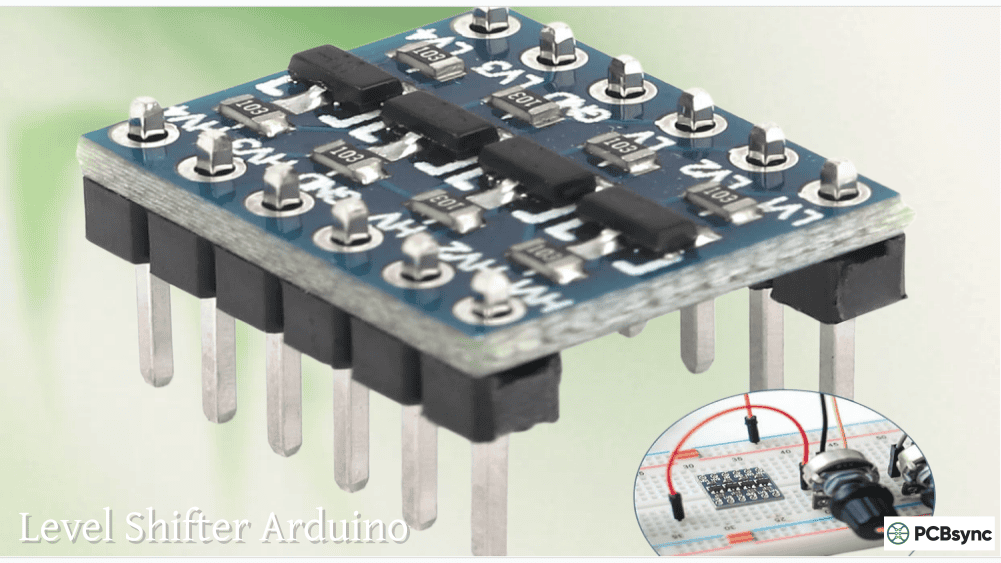
Here’s a practical consideration that catches many beginners: Arduino Uno operates at 5V logic, while ESP32 uses 3.3V. Many older sensors and modules were designed for 5V systems. While level shifters solve this problem, they add complexity and cost to your design.
If you’re working with legacy components or need to interface with 5V industrial equipment, Arduino’s native 5V operation simplifies your circuit design.
Projects Requiring Arduino Shields
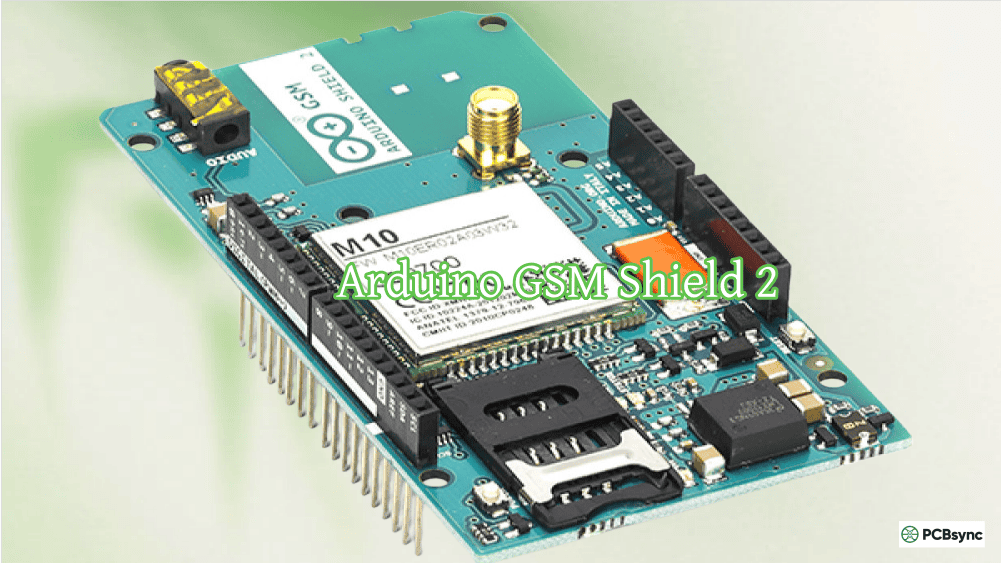
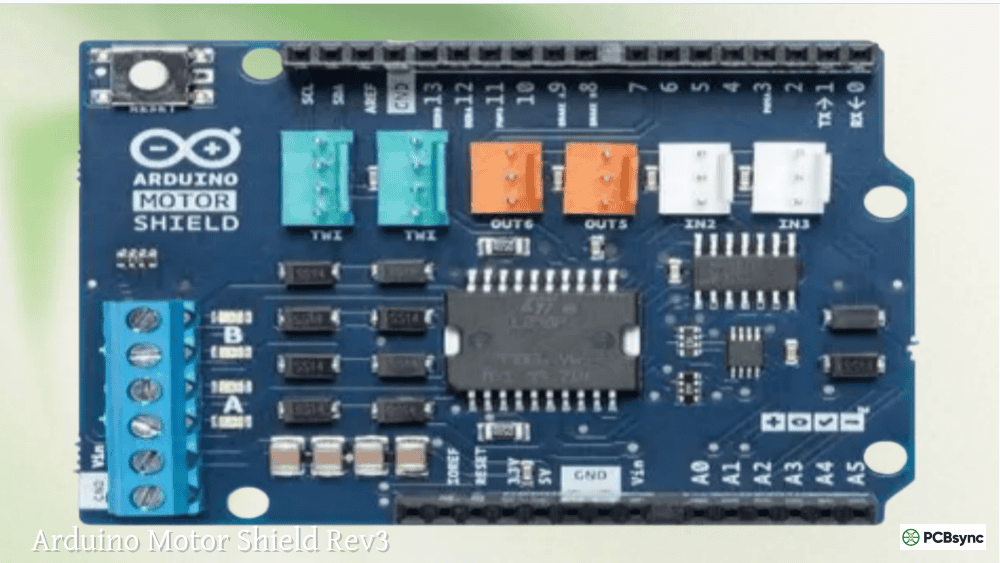
The Arduino shield ecosystem is extensive. If you need a specific functionality like motor control, GPS, GSM, or specialized displays, there’s probably a plug-and-play shield available. These shields are designed for the Arduino form factor and often include their own libraries for easy integration.
While many shields work with ESP32 adapters, you lose the plug-and-play convenience that makes Arduino so appealing.
When to Choose ESP32 Over Arduino
The ESP32 shines in applications where Arduino simply can’t compete. Here’s when I recommend the ESP32:
IoT and Connected Device Projects
This is the ESP32’s home turf. Built-in WiFi and Bluetooth mean you can connect to the internet or communicate with smartphones without additional hardware. For home automation, weather stations, or any project that needs to send data to the cloud, ESP32 is the obvious choice.
The cost difference is significant too. Adding WiFi to an Arduino requires a shield that costs more than an entire ESP32 development board. You’re looking at $25-40 for an Arduino plus WiFi shield versus $5-10 for an ESP32 that does everything in one package.
Processing-Intensive Applications
The dual-core 240 MHz processor handles computational tasks that would choke an Arduino. Image processing, audio signal analysis, running machine learning models, or handling complex algorithms are all feasible on ESP32.
I’ve seen ESP32 projects running TensorFlow Lite for object detection, audio keyword recognition, and real-time FFT analysis. Try any of those on an ATmega328P and you’ll quickly hit memory and processing limitations.
Battery-Powered Applications
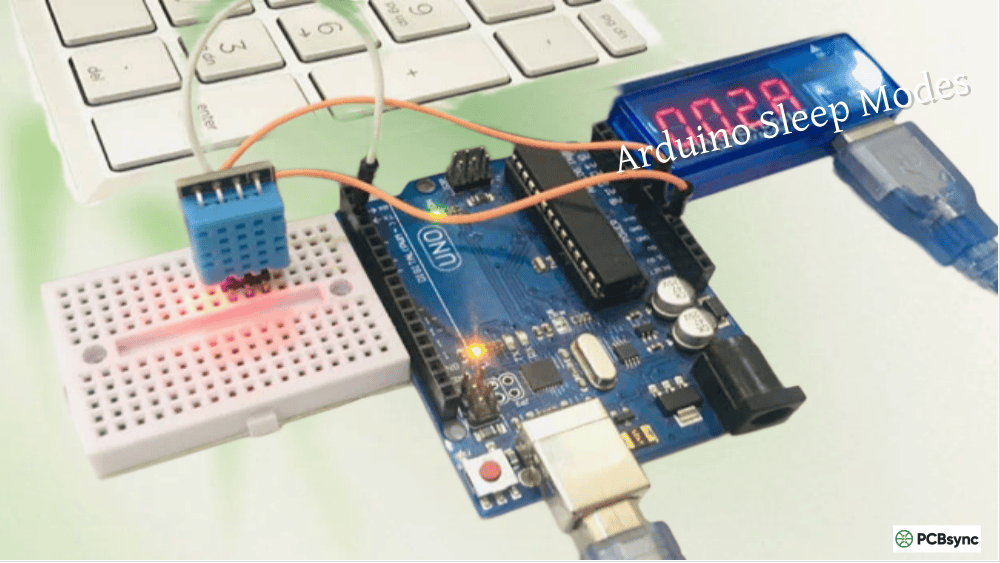
Despite having more powerful hardware, the ESP32 can actually be more power-efficient than Arduino for connected applications. The deep sleep mode draws only about 5µA, compared to 35mA for Arduino Uno in sleep mode. That’s a 7000x difference.
For projects that need to periodically wake up, take readings, transmit data, and return to sleep, the ESP32’s power management features extend battery life dramatically.
Projects Requiring More I/O
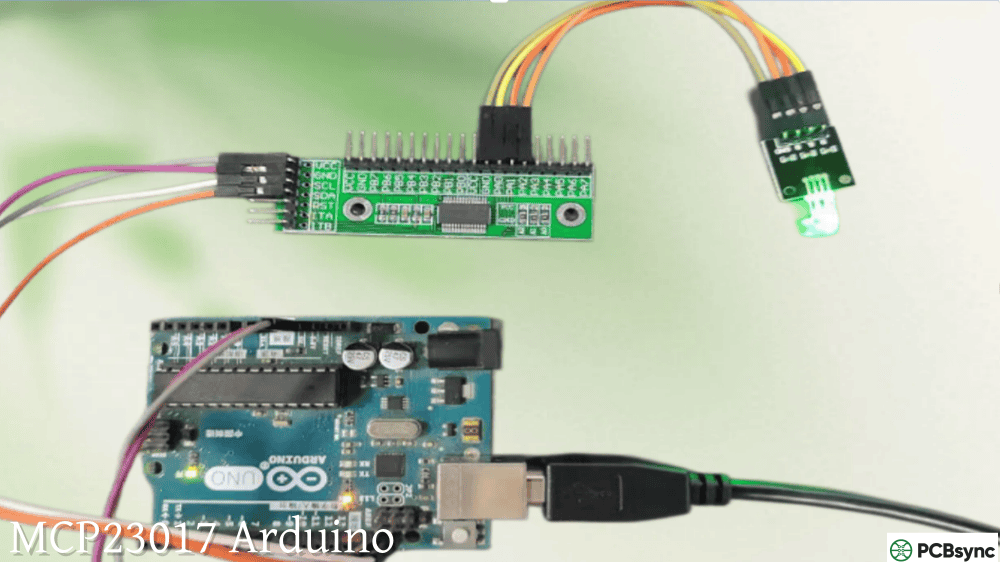
With 34 GPIO pins (25 usable for general purposes), the ESP32 provides significantly more I/O than Arduino Uno’s 20 pins. More importantly, ESP32 pins are more capable, with features like capacitive touch sensing, hardware PWM on any pin, and multiple hardware serial ports.
ESP32 vs Arduino Power Consumption Analysis
Power consumption matters more than most beginners realize, especially for portable or battery-powered projects. Here’s what I’ve measured on actual hardware:
Power Consumption Comparison Table
Operating Mode
ESP32
Arduino Uno
Active (CPU running, no WiFi)
30-50 mA
45-50 mA
Active with WiFi TX
160-260 mA
N/A
Active with WiFi RX
95-100 mA
N/A
Light Sleep
0.8 mA
N/A
Deep Sleep (timer wake)
5-10 µA
35 mA
Power Down
2.5 µA
0.1 µA
The key insight here is that ESP32’s deep sleep mode is dramatically more efficient than Arduino’s, but only if your application can take advantage of it. If your project needs to constantly monitor something without sleeping, Arduino might actually consume less power since it lacks the overhead of the ESP32’s more complex system.
ESP32 vs Arduino Programming and Development
Both platforms can be programmed through the Arduino IDE, but the development experience differs:
Development Environment Comparison
Aspect
ESP32
Arduino
Primary IDE
Arduino IDE, ESP-IDF, PlatformIO
Arduino IDE
Programming Language
C/C++, MicroPython, Lua
C/C++
Upload Speed
Fast (up to 921600 baud)
Slower (115200 baud typical)
Debugging
JTAG, USB Serial
USB Serial only
OTA Updates
Yes (built-in)
Limited (requires bootloader)
Library Compatibility
Most Arduino libraries work
Native support
RTOS Support
FreeRTOS built-in
Requires external library
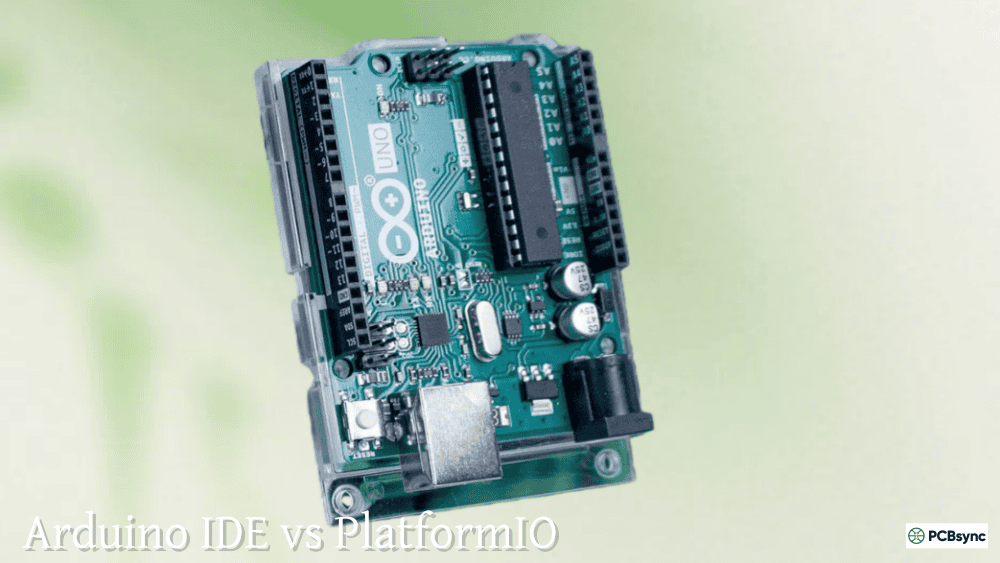
For professional development, I prefer ESP32 with PlatformIO because the debugging capabilities and project management features are superior. For quick prototypes or educational settings, Arduino IDE with either platform works fine.
Community Support and Ecosystem
The community behind each platform affects your development experience more than you might expect:
Arduino Community Strengths
Arduino has been around since 2005, giving it nearly two decades to build documentation, tutorials, and community knowledge. The Arduino forum is incredibly active, and solutions to common problems are usually just a Google search away.
The shield ecosystem is mature and well-documented. Libraries are generally well-maintained and compatible across different Arduino boards. For beginners, this stability and documentation depth is reassuring.
ESP32 Community Strengths
The ESP32 community is younger but growing rapidly. Espressif maintains excellent official documentation, and the platform has attracted serious developers who contribute high-quality projects and libraries.
What the ESP32 community lacks in historical depth, it makes up for in innovation. You’ll find cutting-edge projects involving machine learning, mesh networking, and industrial IoT that simply aren’t feasible on basic Arduino hardware.
ESP32 vs Arduino Project Examples
To illustrate the practical differences, here are projects better suited to each platform:
Best Projects for Arduino
LED Art Installations: Simple timing and pattern control without internet connectivity. Arduino’s straightforward PWM control handles LED strips well.
Basic Robotics: Line-following robots, simple arm control, or motor-driven projects where you don’t need wireless control.
Sensor Monitoring (Local): Temperature loggers, light sensors, or environmental monitors that display data locally without transmitting.
Musical Instruments: MIDI controllers, simple synthesizers, or drum machines where real-time responsiveness matters more than connectivity.
Educational Kits: Teaching basic electronics, programming concepts, and sensor interfacing.
Best Projects for ESP32
Smart Home Devices: WiFi-connected switches, sensors, and controllers that integrate with home automation platforms like Home Assistant.
Weather Stations: Collecting environmental data and transmitting to cloud services for remote monitoring.
Security Cameras: ESP32-CAM modules provide WiFi video streaming capabilities impossible on Arduino.
Bluetooth Audio Projects: BLE speakers, audio streaming devices, or wireless headphone adapters.
Random Nerd Tutorials: Excellent ESP32 and Arduino tutorials with code examples
Circuit Digest: Project-based learning for both platforms
Last Minute Engineers: In-depth guides with clear explanations
ESP32 vs Arduino Frequently Asked Questions
Can I use Arduino code on ESP32?
Yes, most Arduino code works on ESP32 with minimal modifications. The ESP32 Arduino core provides compatibility with standard Arduino functions like digitalRead(), analogWrite(), and Serial communication. Some hardware-specific code (like direct port manipulation or certain timer configurations) may need adjustment, but typical projects port easily.
Is ESP32 harder to learn than Arduino?
For basic projects using the Arduino IDE, the learning curve is similar. Both use the same programming syntax and many of the same functions. ESP32 becomes more complex when you start using advanced features like WiFi, Bluetooth, FreeRTOS tasks, or the native ESP-IDF framework. I recommend starting with Arduino to learn fundamentals, then transitioning to ESP32 when your projects need more capabilities.
Can ESP32 replace Arduino completely?
Technically yes, but practically it depends on your needs. ESP32 can do everything Arduino can do and more. However, for simple projects that don’t need wireless connectivity or high processing power, Arduino remains more cost-effective (for official boards) and easier to troubleshoot. Many professional developers maintain both in their toolbox.
Which is better for beginners: ESP32 or Arduino?
Arduino is better for absolute beginners. The platform was specifically designed for people with no electronics background. The documentation is more beginner-friendly, tutorials are more abundant, and the simplified hardware makes debugging easier. Once you’re comfortable with basic programming and electronics concepts, transitioning to ESP32 is straightforward.
What about ESP32 vs Arduino for commercial products?
Both are viable for commercial products, but considerations differ. Arduino boards use ATmega chips that are well-characterized and have long-term availability guarantees. ESP32 is newer but Espressif has demonstrated commitment to long-term support. For IoT products requiring connectivity, ESP32’s integrated wireless typically makes more sense. For simple control applications, ATmega-based designs may be more appropriate. Either way, you’ll likely design custom PCBs rather than using development boards for production.
Making Your Decision: ESP32 vs Arduino
After working with both platforms extensively, here’s my decision framework:
Choose Arduino when:
You’re learning embedded systems for the first time
Your project doesn’t need internet connectivity
You need 5V logic compatibility without level shifters
You want the most straightforward debugging experience
You’re working with existing Arduino shields
Choose ESP32 when:
Your project requires WiFi or Bluetooth connectivity
You need significant processing power or memory
Battery life is critical and you can use deep sleep
You want built-in features like touch sensing or DAC
Cost is important and you need wireless capabilities
Consider both when:
You’re prototyping and aren’t sure of final requirements
You want to learn the Arduino ecosystem before diving into IoT
Different parts of your project have different requirements
The ESP32 vs Arduino debate doesn’t have a universal winner. The best platform is the one that matches your project requirements without unnecessary complexity or cost. Sometimes that’s a $3 ESP32 module, and sometimes it’s a simple Arduino Nano. The skill is knowing which tool to reach for when.
Future Trends: Where Both Platforms Are Heading
The microcontroller landscape continues evolving rapidly. Arduino recently partnered with Qualcomm, bringing new possibilities for advanced connectivity and processing power to the platform. The Arduino Uno R4 introduced a 32-bit ARM processor, significantly narrowing the performance gap with ESP32.
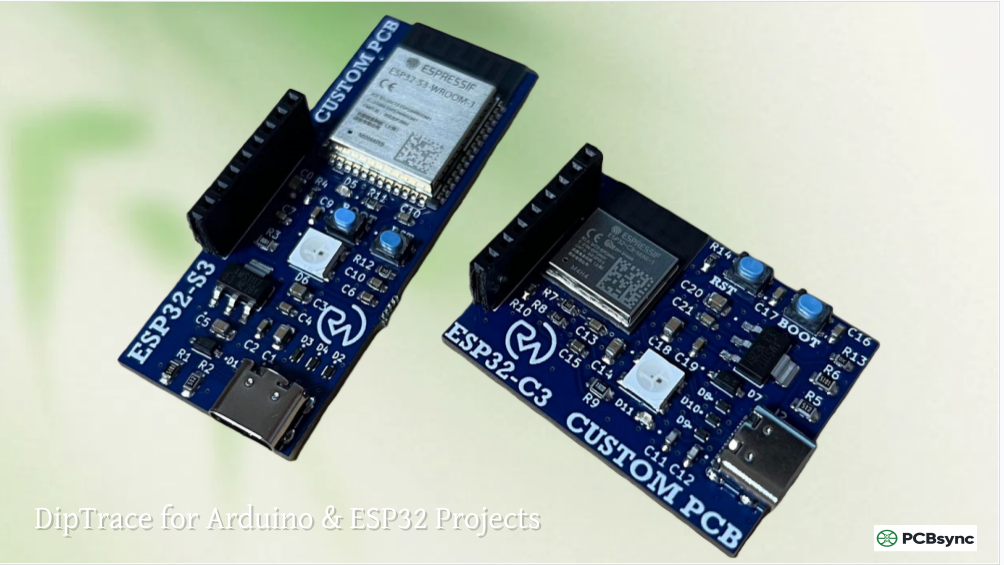
Meanwhile, Espressif continues expanding the ESP32 family with impressive new variants. The ESP32-S3 brings AI acceleration capabilities for edge machine learning applications. The ESP32-C3 offers a RISC-V architecture option at even lower cost points. The ESP32-C6 introduces WiFi 6 and Thread/Zigbee support for next-generation smart home applications. These developments ensure both platforms will remain relevant and competitive for years to come.
Whether you choose ESP32 vs Arduino ultimately depends on your specific project requirements and constraints. Both platforms have earned their place in the embedded systems world, and understanding their individual strengths helps you make informed decisions that save time, money, and frustration throughout your development process.
Inquire: Call 0086-755-23203480, or reach out via the form below/your sales contact to discuss our design, manufacturing, and assembly capabilities.
Quote: Email your PCB files to Sales@pcbsync.com (Preferred for large files) or submit online. We will contact you promptly. Please ensure your email is correct.
Notes: For PCB fabrication, we require PCB design file in Gerber RS-274X format (most preferred), *.PCB/DDB (Protel, inform your program version) format or *.BRD (Eagle) format. For PCB assembly, we require PCB design file in above mentioned format, drilling file and BOM. Click to download BOM template To avoid file missing, please include all files into one folder and compress it into .zip or .rar format.