Inquire: Call 0086-755-23203480, or reach out via the form below/your sales contact to discuss our design, manufacturing, and assembly capabilities.
Quote: Email your PCB files to Sales@pcbsync.com (Preferred for large files) or submit online. We will contact you promptly. Please ensure your email is correct.
Notes: For PCB fabrication, we require PCB design file in Gerber RS-274X format (most preferred), *.PCB/DDB (Protel, inform your program version) format or *.BRD (Eagle) format. For PCB assembly, we require PCB design file in above mentioned format, drilling file and BOM. Click to download BOM template To avoid file missing, please include all files into one folder and compress it into .zip or .rar format.
Over the past fifteen years, I’ve witnessed the electronic manufacturing services industry transform from a simple board assembly operation into a strategic partnership model that shapes how products reach the market. Whether you’re a startup launching your first hardware product or an established OEM looking to optimize production costs, understanding how EMS works can make or break your manufacturing strategy.
This comprehensive guide covers everything you need to know about electronic manufacturing services—from the full scope of services available to selection criteria, cost considerations, and industry trends shaping the future of outsourced electronics production.
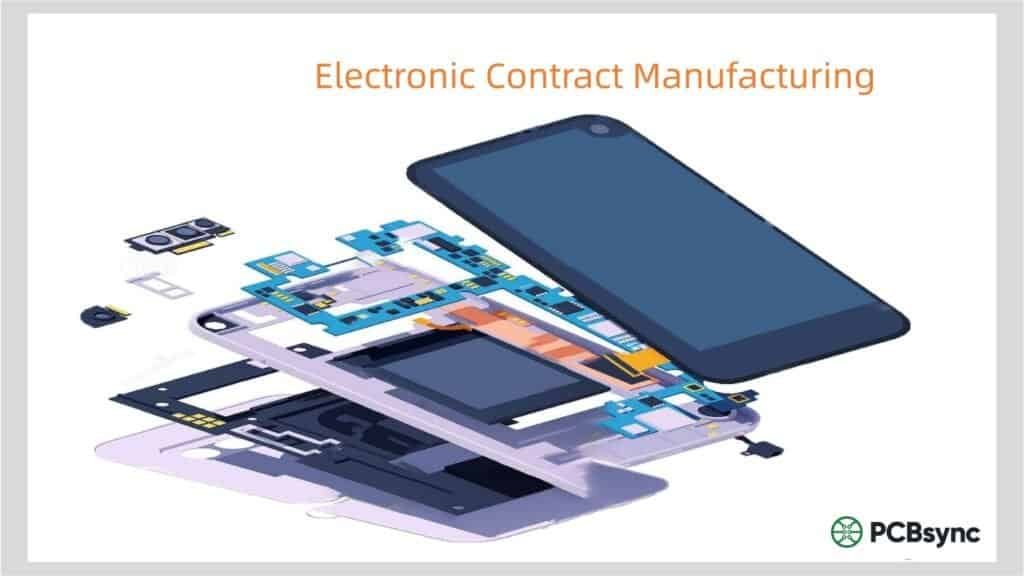
Electronic manufacturing services (EMS) refers to companies that provide end-to-end solutions for designing, manufacturing, testing, distributing, and supporting electronic components and assemblies for original equipment manufacturers (OEMs). The concept is also known as electronics contract manufacturing (ECM).
Unlike the narrow build-to-print relationships of decades past, modern EMS providers function as strategic partners across the entire product lifecycle. They handle everything from design for manufacturability (DfM) reviews and prototyping through series production, testing, compliance certification, logistics, and after-sales service.
This integrated model allows OEMs to access specialized manufacturing processes, skilled engineering teams, and global supply chains without massive capital investments in equipment, facilities, and personnel. The business model fundamentally relies on economies of scale—EMS providers spread infrastructure costs across multiple customers while leveraging their purchasing power for better component pricing.
The Evolution of EMS
The electronic manufacturing services industry traces its roots to 1961 when SCI Systems of Huntsville, Alabama established the first dedicated contract manufacturing operation. The industry grew steadily through the 1980s, initially serving smaller companies doing limited production runs that couldn’t justify in-house assembly capabilities.
The real transformation came with the development of surface mount technology (SMT) on printed circuit boards, which enabled rapid automated assembly of increasingly complex electronics. This technology shift made specialized equipment and expertise essential, driving more OEMs toward outsourcing.
Today, the global EMS market reached $477 billion in revenue in 2024, representing a 12.7% turnaround from the previous year’s downturn. Market projections estimate growth to over $1 trillion by 2032, driven by increasing demand across consumer electronics, automotive, medical devices, and industrial automation sectors.
Core Services Offered by EMS Providers
Modern electronic manufacturing services extend far beyond simple PCB assembly. Here’s a comprehensive breakdown of what leading EMS providers offer:
Design and Engineering Services
Service
Description
Value to OEM
Design for Manufacturability (DfM)
Engineering review to optimize designs for production
Many EMS providers now offer full product development capabilities under the E2MS (Electronic Engineering Manufacturing Service) model, which integrates design services with traditional manufacturing. This approach allows faster ramp-up as products are prepared for mass production from the concept stage.
PCB Assembly Services
PCB assembly remains the core competency of most EMS providers:
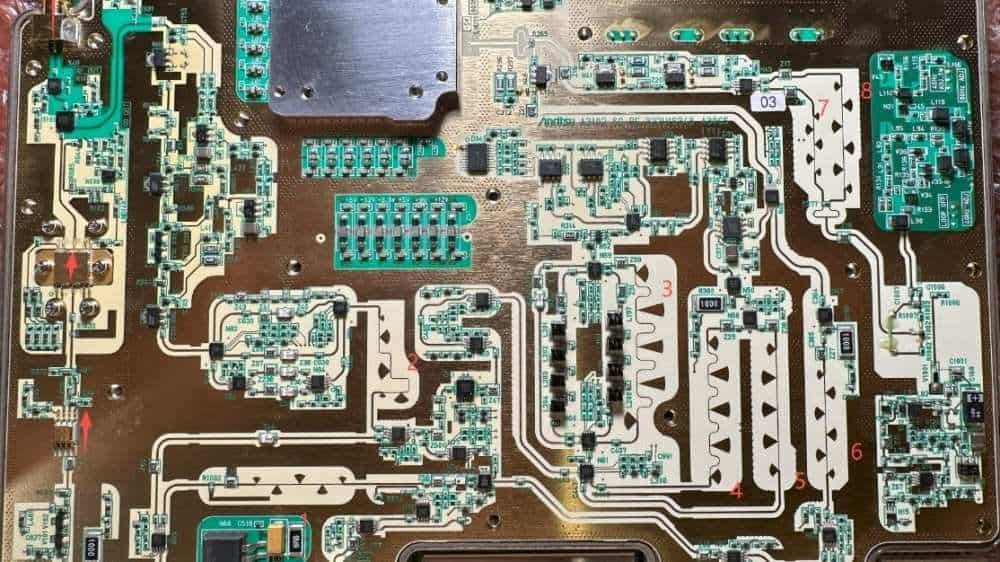
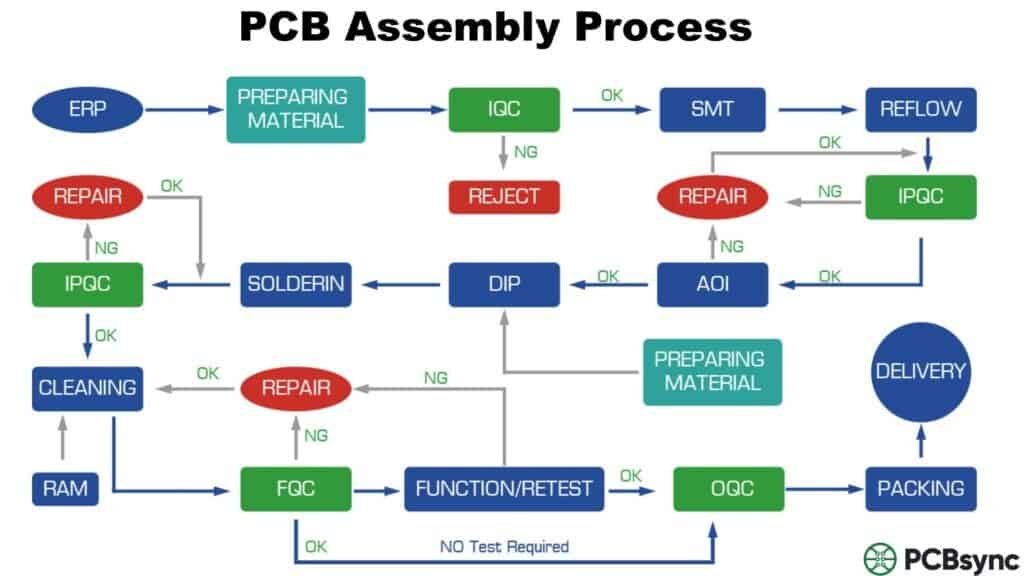
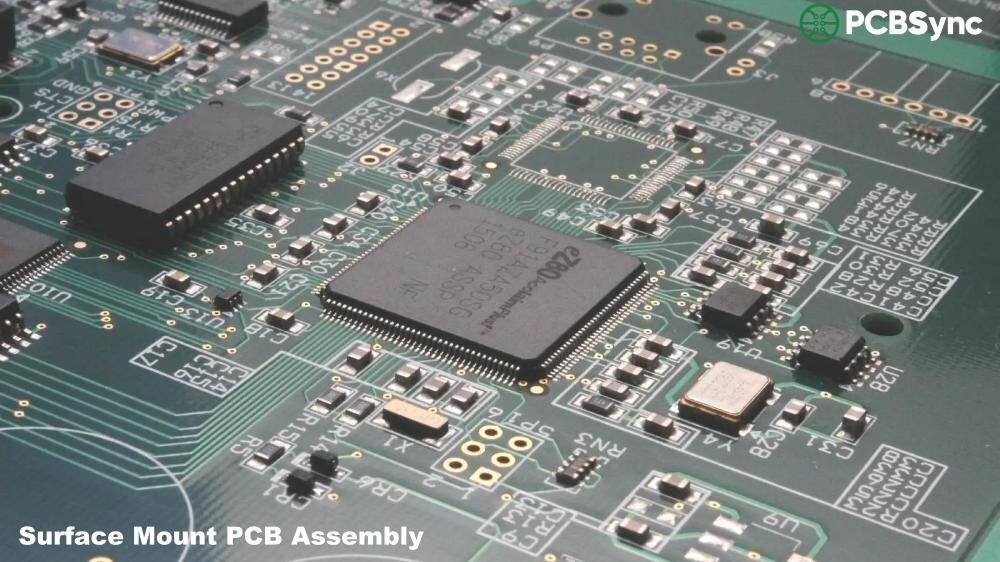
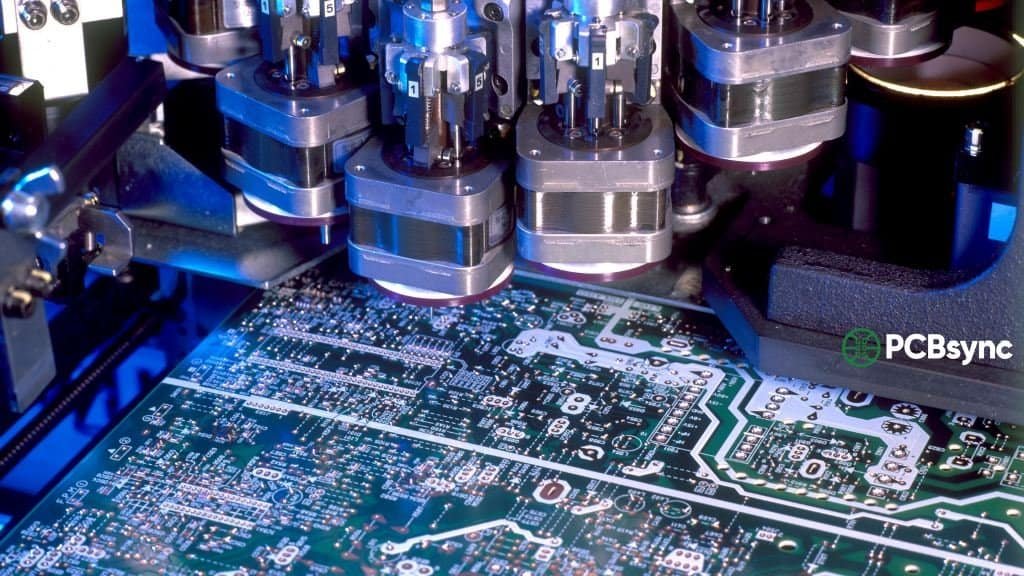
Surface Mount Technology (SMT): The dominant assembly method, accounting for approximately 78.5% of all electronic manufacturing services assembly in 2024. SMT enables miniaturized, high-density assemblies supported by automated optical inspection (AOI), X-ray inspection, and in-circuit/functional testing.
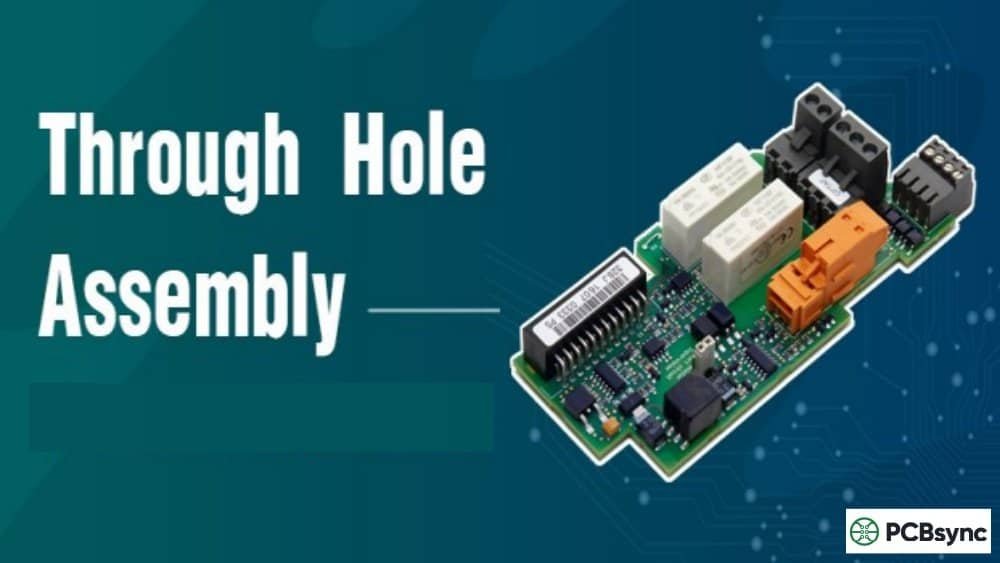
Through-Hole Technology (THT): Still essential for applications requiring higher mechanical strength or power handling. Through-hole components provide robust mechanical connections ideal for high-reliability applications in automotive, aerospace, and industrial equipment.
Mixed Technology: Combines SMT and THT on the same board to balance performance, reliability, and cost requirements. Many complex products require both technologies.
System Integration (Box Build)
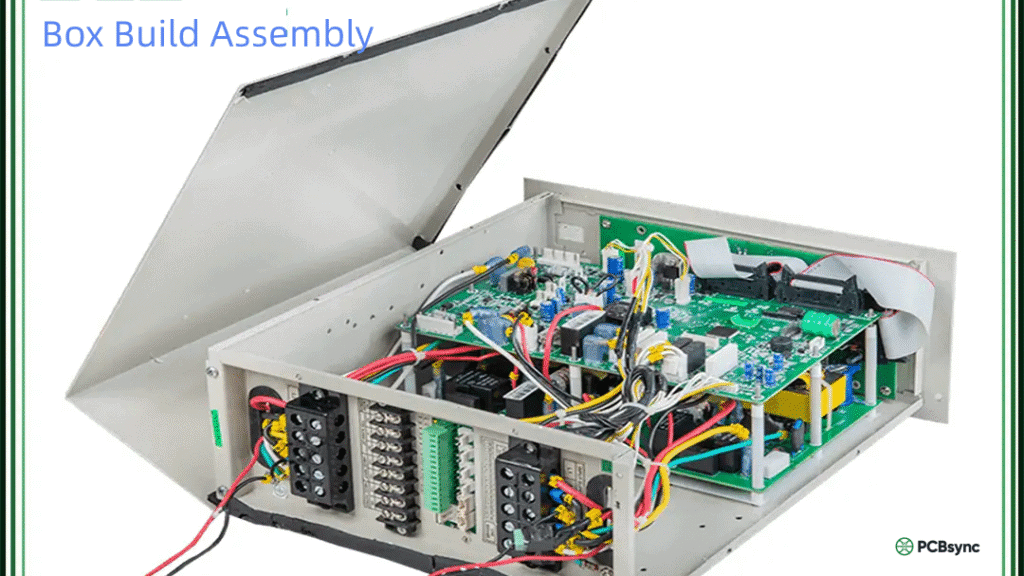
Box build assembly goes beyond the circuit board to deliver complete, ready-to-ship products:
Enclosure and mechanical assembly
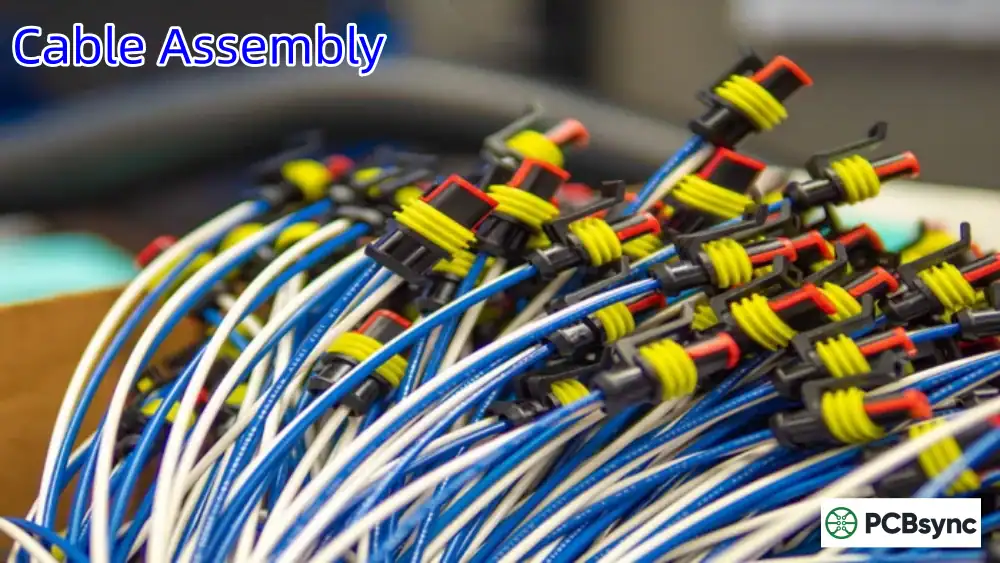
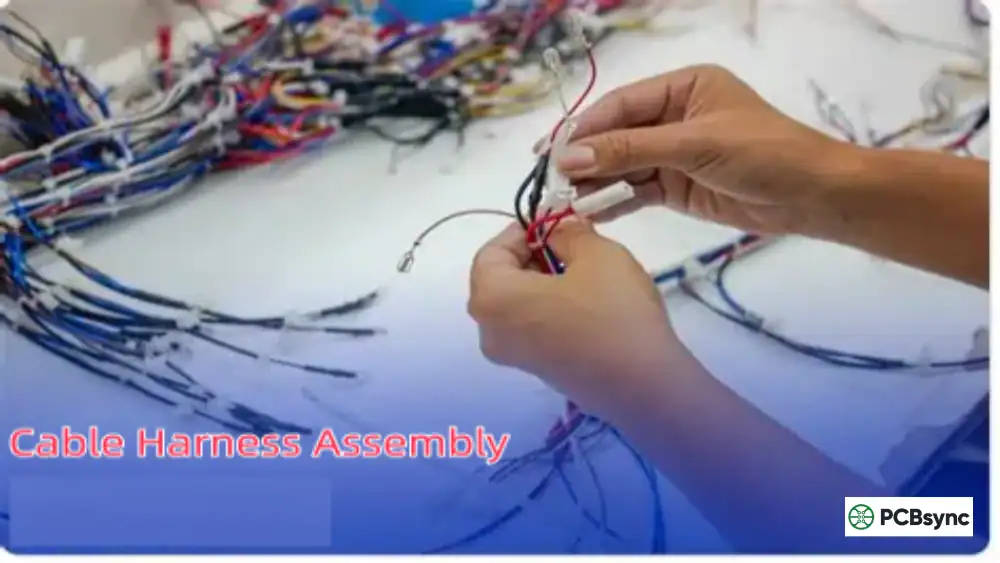
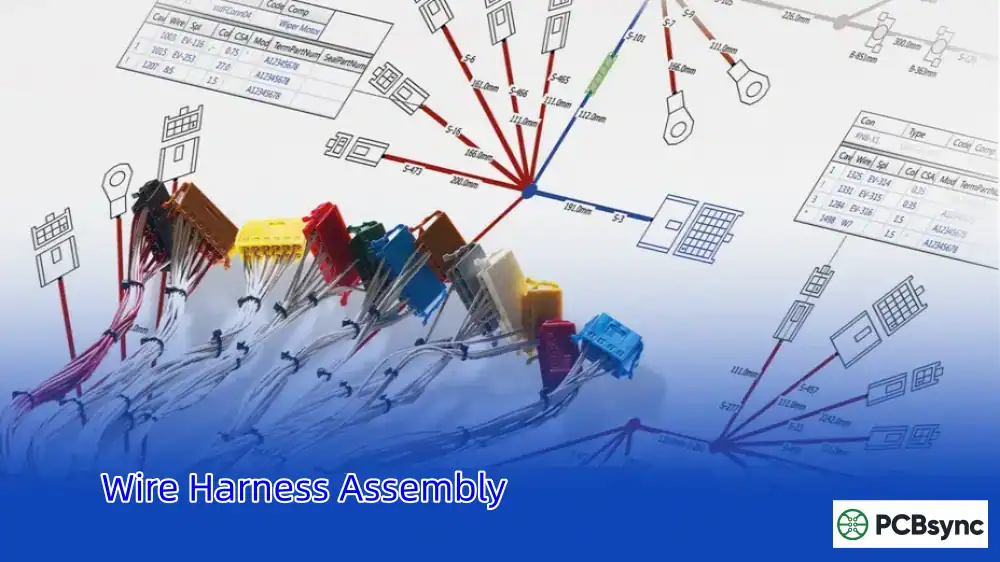
Wire harness and cable loom fabrication
Firmware and software loading
Final product testing and validation
Environmental and regulatory verification
Packaging and labeling
This service transforms EMS providers from component assemblers into complete product manufacturers, handling everything from bare boards to finished goods.
Testing and Quality Assurance
Quality cannot be inspected into a product—it must be built in. EMS providers implement multiple testing stages:
Test Type
Purpose
When Applied
Automated Optical Inspection (AOI)
Detect soldering defects and component placement errors
During and after SMT assembly
X-Ray Inspection
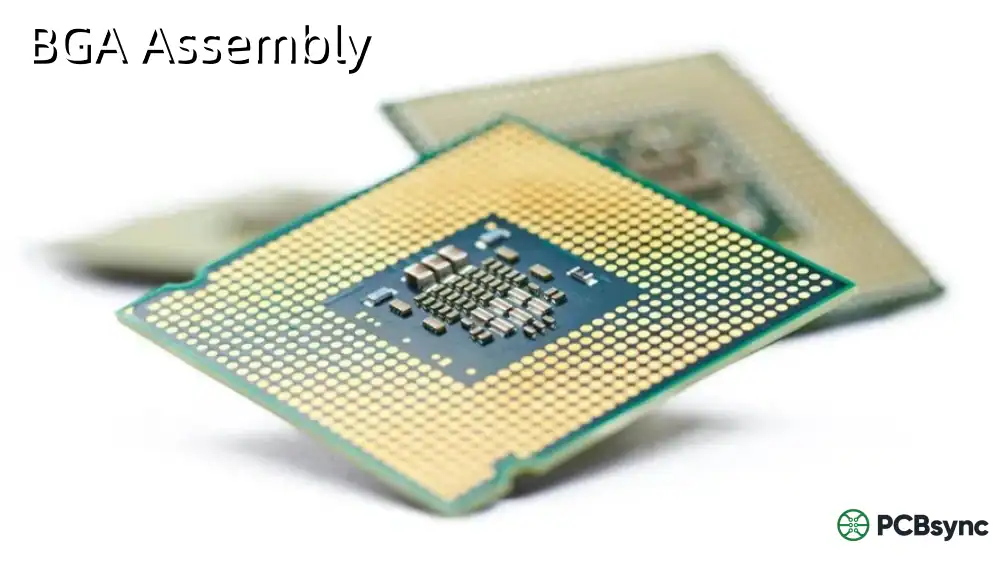
Examine hidden solder joints (BGA, QFN packages)
After assembly of complex packages
In-Circuit Test (ICT)
Verify electrical functionality of individual components
After assembly
Functional Testing
Confirm complete product operation
Before shipment
Environmental Stress Screening
Assess durability under extreme conditions
For high-reliability applications
Burn-In Testing
Identify early-life failures
For mission-critical products
Supply Chain Management
Modern EMS providers have evolved into supply chain orchestrators:
Component sourcing through authorized distribution channels
Multi-sourcing strategies for supply resilience
Inventory management and consignment programs
Counterfeit component prevention
Lifecycle and obsolescence management
Global logistics coordination
Supply chain capability has become increasingly critical following the semiconductor shortages that disrupted manufacturing worldwide. EMS providers with strong supplier relationships and inventory strategies provide significant risk mitigation.
Why OEMs Outsource to Electronic Manufacturing Services Providers
The decision to outsource manufacturing represents a strategic choice with far-reaching implications. Here are the primary reasons OEMs partner with EMS providers:
Shared infrastructure: Equipment and facility costs spread across multiple customers
Bulk procurement: Volume purchasing power for components and materials
Optimized processes: Refined manufacturing procedures developed across thousands of projects
Labor arbitrage: Access to skilled workforce in cost-competitive regions
Reduced capital requirements: OEMs avoid major equipment investments
The total cost savings vary by application, but many OEMs report 15-30% reductions in manufacturing costs compared to in-house production when factoring all expenses.
Faster Time-to-Market
Speed matters in electronics. EMS providers accelerate product launches through:
Established production lines ready for new products
Pre-qualified manufacturing processes
Experienced NPI (New Product Introduction) teams
Parallel engineering and manufacturing preparation
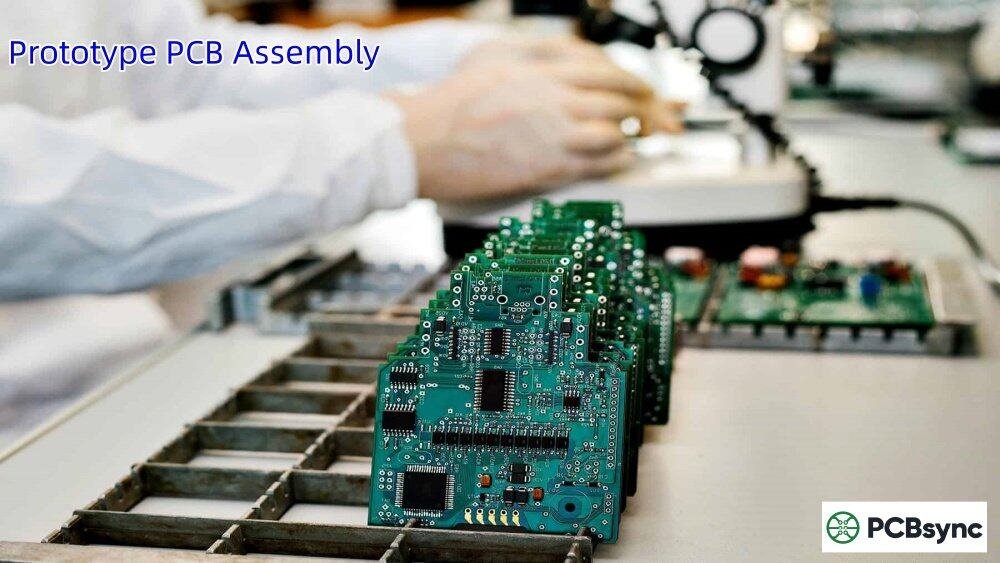
Rapid prototyping capabilities
For companies racing to market with innovative products, the months saved by partnering with an experienced EMS provider can determine competitive success.
Access to Technology and Expertise
Building and maintaining advanced manufacturing capabilities requires continuous investment:
Latest SMT equipment with fine-pitch capability (0201, 01005 components)
Advanced packaging technologies
Specialized testing equipment
Clean room facilities for sensitive applications
Industry-specific certifications
EMS providers spread these investments across their customer base, giving OEMs access to capabilities that would be prohibitively expensive to develop internally.
Focus on Core Competencies
Perhaps the most strategic benefit: outsourcing manufacturing allows OEMs to concentrate resources on what differentiates their business:
Product innovation and R&D
Customer relationships
Brand development
Software and services
Market expansion
Even Apple, arguably the world’s most valuable company with unmatched design capabilities, outsources virtually all manufacturing to EMS partners like Foxconn. This allows Apple’s engineers to focus on creating breakthrough products while expert manufacturing partners handle production execution.
Scalability and Flexibility
Market demand fluctuates, and EMS providers offer the flexibility to respond:
Scale production up or down based on demand
Handle seasonal volume variations
Support multiple product variants without dedicated lines
Shift capacity between products as markets evolve
This flexibility proves particularly valuable for products with uncertain demand or short lifecycle windows.
How to Select the Right EMS Partner
With over 4,000 EMS providers worldwide, selecting the right partner requires systematic evaluation. The wrong choice leads to quality problems, delivery delays, and cost overruns. Here’s how to approach selection:
Step 1: Define Your Outsourcing Strategy
Before evaluating providers, clarify your requirements:
What services do you need (assembly only, full turnkey, design support)?
What are your volume requirements (prototype, low-volume, mass production)?
What quality standards must be met?
What geographic preferences exist (domestic, nearshore, offshore)?
What is your target cost structure?
What level of supply chain management do you need?
Step 2: Match Provider Capabilities to Requirements
EMS providers vary dramatically in their focus and capabilities:
EMS Tier
Typical Revenue
Characteristics
Best For
Tier 1
>$5 billion
Global footprint, massive scale, full service
High-volume consumer electronics
Tier 2
$500M – $5B
Strong capabilities, multiple facilities
Mid to high volume, diverse industries
Tier 3
$100M – $500M
Regional focus, specialized expertise
High-mix low-volume, niche markets
Tier 4
<$100M
Local presence, flexible operations
Prototypes, quick-turn, specialized
The largest isn’t always best—a Tier 3 provider specializing in your industry may deliver better results than a Tier 1 giant where your business gets lost.
Step 3: Evaluate Critical Selection Criteria
Certifications and Quality Systems
Essential certifications vary by industry:
Certification
Industry Focus
What It Covers
ISO 9001
General manufacturing
Quality management system
ISO 13485
Medical devices
Medical device quality management
AS9100
Aerospace/Defense
Aerospace quality requirements
IATF 16949
Automotive
Automotive quality management
IPC-A-610 Class 2/3
Electronics
Assembly acceptability standards
NADCAP
Aerospace
Special process accreditation
Industry Experience
Look for demonstrated expertise in your specific market:
Reference customers with similar products
Engineering team familiarity with relevant technologies
Regulatory compliance experience for your markets
Understanding of industry-specific reliability requirements
Technical Capabilities
Assess manufacturing equipment and processes:
SMT line capabilities (component sizes, board dimensions)
Advanced packaging support (BGA, QFN, flip chip)
Testing equipment and capabilities
Clean room facilities if required
Automation level and capacity flexibility
Supply Chain Strength
Evaluate component sourcing capabilities:
Authorized distributor relationships
Multi-sourcing strategies
Inventory management systems
Counterfeit prevention programs
Lifecycle management processes
Financial Stability
Your EMS partner’s financial health affects your supply continuity:
Review financial statements
Assess credit ratings
Understand ownership structure
Evaluate capital investment trends
Cultural Fit
Often overlooked but critically important:
Communication style and responsiveness
Problem-solving approach
Alignment of values and business practices
Geographic and time zone compatibility
Step 4: Conduct Site Visits
Never select an EMS partner without visiting their facility:
Walk the production floor
Meet the engineering and quality teams
Review actual production processes
Ask about other customer programs
Assess cleanliness and organization
Observe worker engagement
The visit reveals more than any proposal document about how your products will be treated.
Step 5: Request and Evaluate Proposals
Structure your RFQ (Request for Quote) to enable meaningful comparison:
Provide complete technical documentation
Specify volume scenarios
Define quality requirements clearly
Request detailed cost breakdowns
Ask for timeline commitments
Include NRE (Non-Recurring Engineering) expectations
Evaluate proposals on total value, not just piece price. The lowest quote often hides costs in tooling, setup charges, or quality compromises that surface later.
EMS Industry Landscape: Top Companies
The electronic manufacturing services industry spans from massive global corporations to specialized regional providers. Here are the current market leaders:
Global Tier 1 EMS Providers
Company
Headquarters
2024 Revenue
Key Strengths
Hon Hai (Foxconn)
Taiwan
~$214B
Scale, consumer electronics, Apple partnership
Pegatron
Taiwan
~$45B
Consumer electronics, PC systems
BYD Electronics
China
~$24B
Consumer electronics, EV components
Wistron
Taiwan
~$23B
Computing, communications
Jabil
USA
~$28B
Healthcare, automotive, industrial
Flex
USA
~$26B
Automotive, healthcare, industrial
Celestica
Canada
~$8B
Aerospace, healthcare, HPC
Sanmina
USA
~$7B
Defense, medical, industrial
Regional Considerations
Asia-Pacific dominates global EMS production, accounting for approximately 74.7% of top 50 EMS revenue. China, Taiwan, Malaysia, and Vietnam host major manufacturing clusters serving consumer electronics and IT hardware markets.
Americas represent about 20.4% of the market, with strength in high-reliability sectors including aerospace, defense, and medical devices. Reshoring trends have increased domestic manufacturing investment.
Europe accounts for roughly 2.5% of global EMS revenue but leads in automotive electronics and industrial automation. Eastern Europe has emerged as a competitive manufacturing region.
Industry Applications for EMS
Electronic manufacturing services serve virtually every sector requiring electronics:
Consumer Electronics
The largest EMS market segment at approximately 45% of total revenue:
Smartphones and tablets
Wearable devices
Smart home products
Gaming systems
Audio/video equipment
High volumes and compressed product cycles characterize this segment, requiring EMS partners with massive scale and rapid ramp capabilities.
Automotive Electronics
Growing rapidly at approximately 30% of the market:
Advanced driver assistance systems (ADAS)
Electric vehicle components
Infotainment systems
Body electronics
Powertrain controls
Automotive requires IATF 16949 certification and typically demands longer product lifecycles with extreme reliability requirements.
Medical Devices
A specialized segment requiring ISO 13485 certification:
Diagnostic equipment
Patient monitoring systems
Implantable devices
Medical imaging components
Laboratory instruments
Medical EMS providers must maintain rigorous quality systems and often support regulatory submissions.
Industrial Electronics
Diverse applications including:
Factory automation systems
Process control equipment
Test and measurement instruments
Energy management systems
Building automation
Industrial applications typically involve high-mix, low-volume production with long product lifecycles.
Aerospace and Defense
The most demanding EMS segment:
Avionics systems
Communication equipment
Radar and sensor systems
Satellite components
Military electronics
Requires AS9100 certification, often NADCAP for special processes, and typically ITAR compliance for US defense work.
Telecommunications
A technology-intensive segment:
Network infrastructure equipment
Base stations and antennas
Optical communications
Data center hardware
5G deployment continues driving demand for advanced telecommunications electronics.
Emerging Trends in Electronic Manufacturing Services
The EMS industry continues evolving rapidly. Key trends shaping the future include:
Industry 4.0 and Smart Manufacturing
Leading EMS providers are implementing:
AI-driven process optimization
Digital twins for production planning
Real-time quality monitoring
Predictive maintenance
Connected supply chain visibility
These technologies improve first-pass yields, reduce cycle times, and enable more responsive manufacturing.
VentureOutsource.com: EMS provider search and comparison tools
ThomasNet: Industrial supplier directory including EMS
GlobalSpec: Engineering search engine with EMS listings
Quality and Certification Standards
IPC-A-610: Acceptability of Electronic Assemblies
IPC J-STD-001: Requirements for Soldered Electrical and Electronic Assemblies
ISO 9001: Quality Management Systems
AS9100: Aerospace Quality Management
ISO 13485: Medical Devices Quality Management
Frequently Asked Questions (FAQs)
What is the difference between EMS and ODM?
EMS (Electronic Manufacturing Services) providers manufacture products designed by their OEM customers, following customer-provided specifications and designs. ODM (Original Design Manufacturing) providers design products themselves, offering ready-made designs that customers can brand and sell. Many companies now offer both services, blurring the distinction. The key difference is who owns the intellectual property—with EMS, the OEM owns the design; with ODM, the manufacturer typically owns it.
How do I determine if outsourcing to an EMS provider makes sense for my company?
Consider outsourcing when: (1) manufacturing is not your core competency, (2) you lack capital for equipment investment, (3) your volumes don’t justify dedicated production lines, (4) you need specialized capabilities you don’t possess, or (5) you want to focus resources on design and marketing. Calculate total cost of ownership including equipment, facilities, labor, quality systems, and opportunity cost of management attention. For most electronics companies, outsourcing provides better economics and flexibility than in-house manufacturing.
What minimum order quantities do EMS providers typically require?
MOQ requirements vary dramatically by provider tier and service type. Tier 1 providers focused on high-volume consumer electronics may require tens of thousands of units. Tier 3 and 4 providers often support prototype quantities as low as 5-10 pieces and production runs of 100-1,000 units. Quick-turn and prototype specialists explicitly target low-volume, high-mix production. Clearly communicate your volume expectations during provider selection to ensure capability alignment.
How long does it typically take to transfer production to a new EMS provider?
Production transfer timelines depend on product complexity, documentation quality, and tooling requirements. Simple products with complete documentation may transfer in 8-12 weeks. Complex products requiring new tooling, process qualification, and regulatory approvals can take 6-12 months. Allow time for first article inspection, process validation, and initial production runs before committing full volume. Never rush a transfer—inadequate transition planning causes quality problems and delivery disruptions.
What intellectual property protections should I request from an EMS provider?
Essential IP protections include: (1) Non-disclosure agreements covering all technical information, (2) clear ownership statements specifying all designs and tooling belong to you, (3) restricted access to sensitive documentation, (4) prohibition on manufacturing your products for other parties, (5) data security protocols for electronic files, and (6) audit rights to verify compliance. For highly sensitive products, consider geographic restrictions and background checks for personnel with access to your designs.
Common Mistakes When Working with EMS Providers
After years of managing outsourced manufacturing relationships, I’ve observed several recurring mistakes that undermine otherwise promising partnerships:
Inadequate Documentation
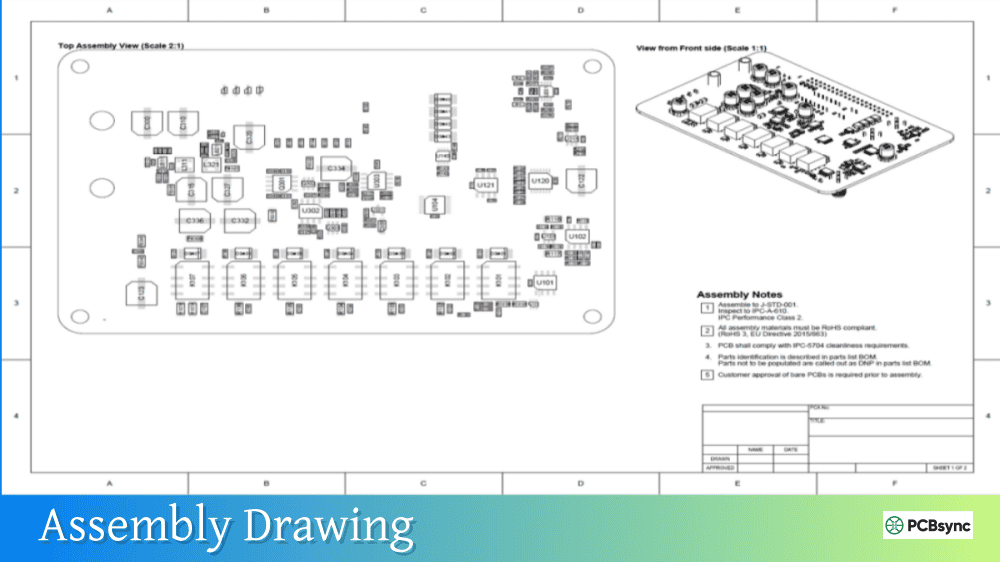
Many OEMs provide incomplete technical packages expecting the EMS provider to fill gaps. This leads to misinterpretation, quality issues, and finger-pointing when problems arise. Provide complete Gerber files, assembly drawings, bills of materials, test specifications, and workmanship standards before production begins.
Focusing Only on Price
Selecting the cheapest quote often proves expensive. Hidden costs emerge in tooling charges, engineering change orders, quality problems, and delivery delays. Evaluate total cost of ownership including quality costs, inventory carrying costs, and relationship management overhead.
Insufficient Communication
Outsourcing manufacturing doesn’t mean outsourcing responsibility. Successful partnerships require regular communication, clear escalation paths, and joint problem-solving. Establish cadenced reviews and ensure your team maintains visibility into production status and quality metrics.
Unrealistic Timelines
Rushed transitions and compressed NPI schedules compromise quality and risk production disruptions. Allow adequate time for process development, first article validation, and production ramp. The time invested upfront prevents costly firefighting later.
Neglecting the Relationship
EMS partnerships require ongoing attention. Visit your provider regularly, recognize good performance, and address issues collaboratively rather than adversarially. Strong relationships weather inevitable challenges better than transactional arrangements.
Conclusion
Electronic manufacturing services have evolved from simple contract assembly operations into strategic partnerships that enable OEMs to compete effectively in global markets. The right EMS relationship provides access to manufacturing expertise, capital equipment, supply chain capabilities, and scalability that would be prohibitively expensive to develop internally.
Success in EMS outsourcing requires careful partner selection based on capability alignment, quality systems, industry experience, and cultural fit. The lowest price rarely delivers the best value—total cost of ownership, reliability, and partnership quality matter more than piece price alone.
As the industry continues evolving toward Industry 4.0 capabilities, sustainability requirements, and regional diversification, EMS providers are becoming increasingly sophisticated partners in product realization. Whether you’re launching a startup hardware product or optimizing an established manufacturing operation, understanding electronic manufacturing services capabilities and selection criteria positions you to make informed decisions that drive competitive advantage.
The electronics industry will continue growing more complex, and the partnership between OEMs and EMS providers will become ever more critical to bringing innovative products to market efficiently and reliably. Choose your manufacturing partner wisely—it’s one of the most consequential decisions you’ll make.
Inquire: Call 0086-755-23203480, or reach out via the form below/your sales contact to discuss our design, manufacturing, and assembly capabilities.
Quote: Email your PCB files to Sales@pcbsync.com (Preferred for large files) or submit online. We will contact you promptly. Please ensure your email is correct.
Notes: For PCB fabrication, we require PCB design file in Gerber RS-274X format (most preferred), *.PCB/DDB (Protel, inform your program version) format or *.BRD (Eagle) format. For PCB assembly, we require PCB design file in above mentioned format, drilling file and BOM. Click to download BOM template To avoid file missing, please include all files into one folder and compress it into .zip or .rar format.