Inquire: Call 0086-755-23203480, or reach out via the form below/your sales contact to discuss our design, manufacturing, and assembly capabilities.
Quote: Email your PCB files to Sales@pcbsync.com (Preferred for large files) or submit online. We will contact you promptly. Please ensure your email is correct.
Notes: For PCB fabrication, we require PCB design file in Gerber RS-274X format (most preferred), *.PCB/DDB (Protel, inform your program version) format or *.BRD (Eagle) format. For PCB assembly, we require PCB design file in above mentioned format, drilling file and BOM. Click to download BOM template To avoid file missing, please include all files into one folder and compress it into .zip or .rar format.
After spending over a decade working with various electronic contract manufacturing partners — some excellent, others not so much — I’ve learned that choosing the right ECM partner can make or break your product launch. I’ve seen projects delayed by months because of poor supplier communication, and I’ve watched competitors beat us to market simply because they picked a manufacturer with better NPI capabilities.
The electronic contract manufacturing market is projected to reach $790 billion in 2025 and grow to over $1.6 trillion by 2032. With that kind of growth comes more options, but also more complexity in making the right choice. This guide shares what actually matters when selecting an ECM partner, based on real-world experience and current industry practices.
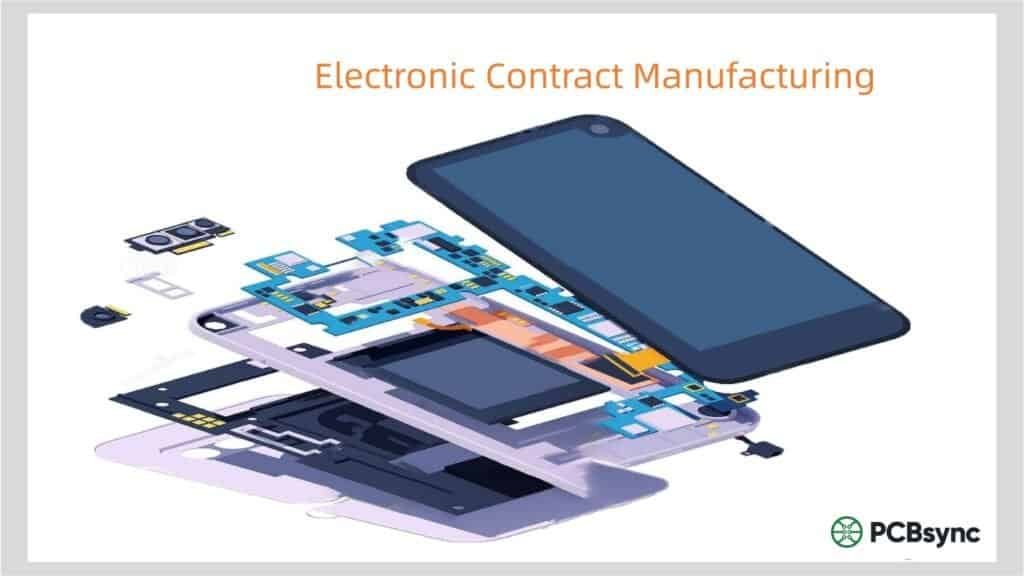
Electronic contract manufacturing refers to outsourcing the production of electronic components, assemblies, and complete products to a third-party manufacturer. Instead of building and maintaining your own production facilities, you partner with specialists who have the equipment, expertise, and supply chain relationships already in place.
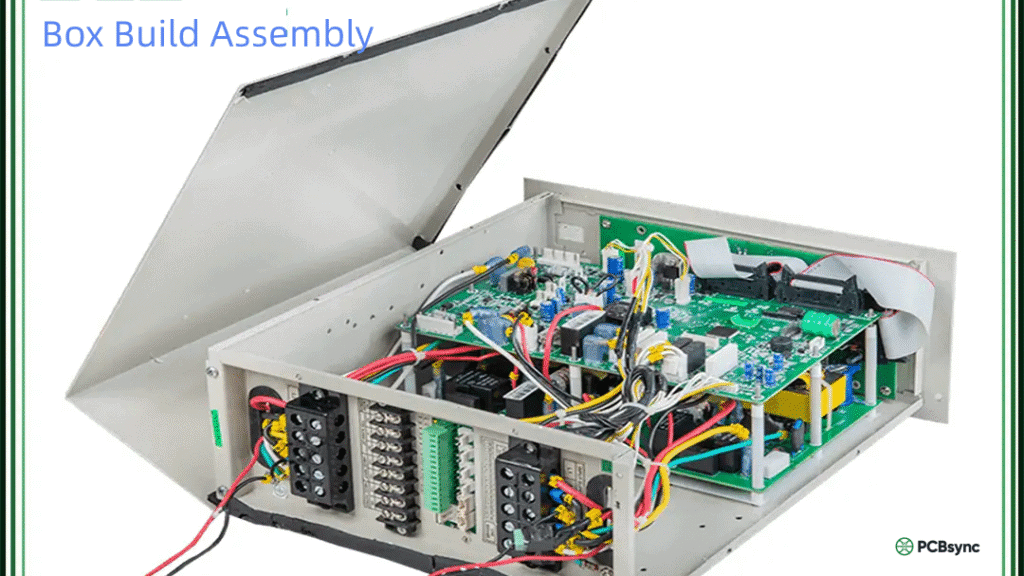
A good electronic contract manufacturing partner handles everything from component sourcing and PCB assembly to testing, box builds, and sometimes even design support. They essentially become an extension of your operations without the capital expenditure of running your own factory.
The industry uses several terms interchangeably, which can get confusing. Here’s how they break down:
Term
Full Name
What They Do
ECM
Electronic Contract Manufacturer
Builds products to your exact specifications
EMS
Electronics Manufacturing Services
Broader term covering ECMs plus additional services like design and logistics
OEM
Original Equipment Manufacturer
The company that owns and sells the final branded product (that’s you)
ODM
Original Design Manufacturer
Designs and manufactures products that other companies rebrand
When you work with an electronic contract manufacturing company, you retain ownership of your PCB designs and intellectual property. They execute the production while you focus on what you do best — product development, marketing, and growing your business.
Why Electronic Contract Manufacturing Matters More in 2026
The landscape has shifted dramatically over the past few years. Supply chain disruptions, component shortages, and geopolitical tensions have forced companies to rethink their manufacturing strategies. Here’s why electronic contract manufacturing partnerships are becoming even more critical:
Cost pressures are intensifying. Building and maintaining in-house manufacturing capabilities requires substantial capital investment. Electronic contract manufacturing partners spread those fixed costs across multiple clients, giving you access to advanced equipment without the overhead.
Product complexity keeps increasing. Modern electronics involve tighter tolerances, more sophisticated components, and stricter quality requirements. Electronic contract manufacturing specialists invest continuously in new equipment and training that most OEMs simply cannot justify for a single product line.
Time-to-market windows are shrinking. Your competitors aren’t waiting around. A capable electronic contract manufacturing partner with strong NPI processes can get your products to market faster than trying to ramp up production internally.
Supply chain resilience has become non-negotiable. The best electronic contract manufacturing partners have diversified supplier networks and relationships that took years to build. That access becomes invaluable when specific components become scarce.
Key Criteria for Evaluating Electronic Contract Manufacturing Partners
I’ve evaluated dozens of electronic contract manufacturing companies over the years, and I’ve developed a framework that cuts through the sales pitches. Here’s what actually matters:
Technical Capabilities and Equipment
Start with the fundamentals. Can they actually build what you need? This seems obvious, but I’ve seen companies choose partners based on price or geography without verifying basic technical fit.
Look for:
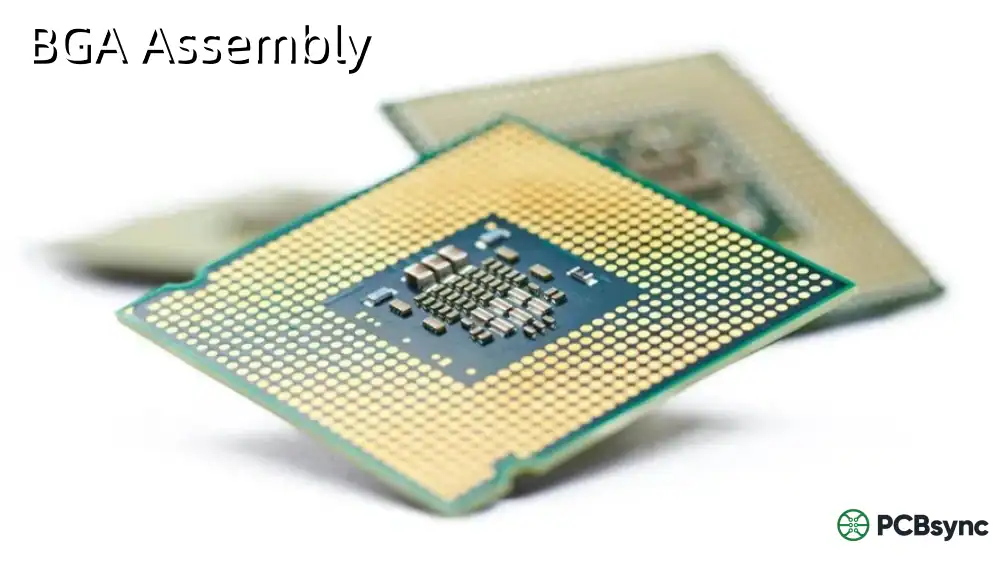
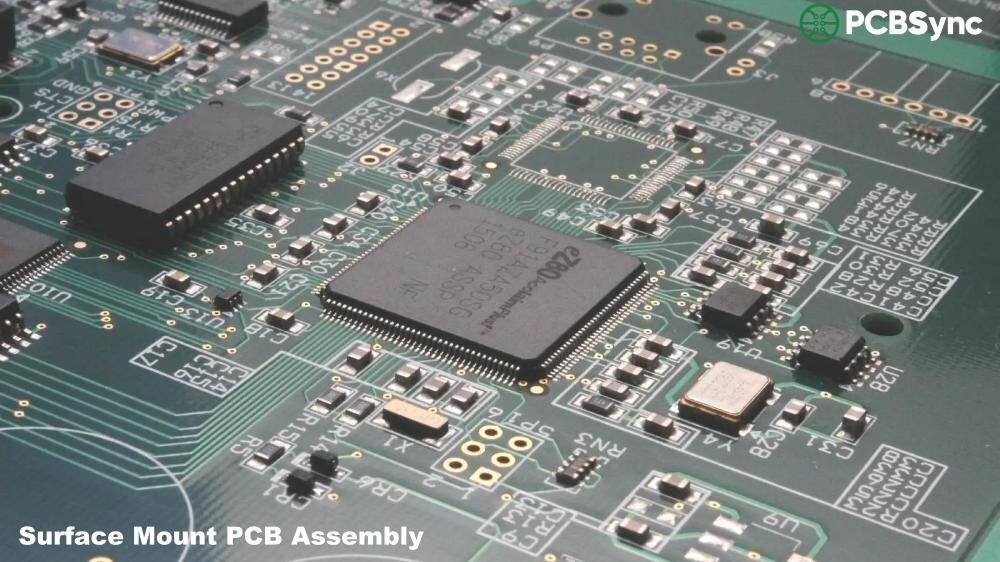
SMT line capabilities matching your component requirements (0201, 01005, BGAs, QFNs)
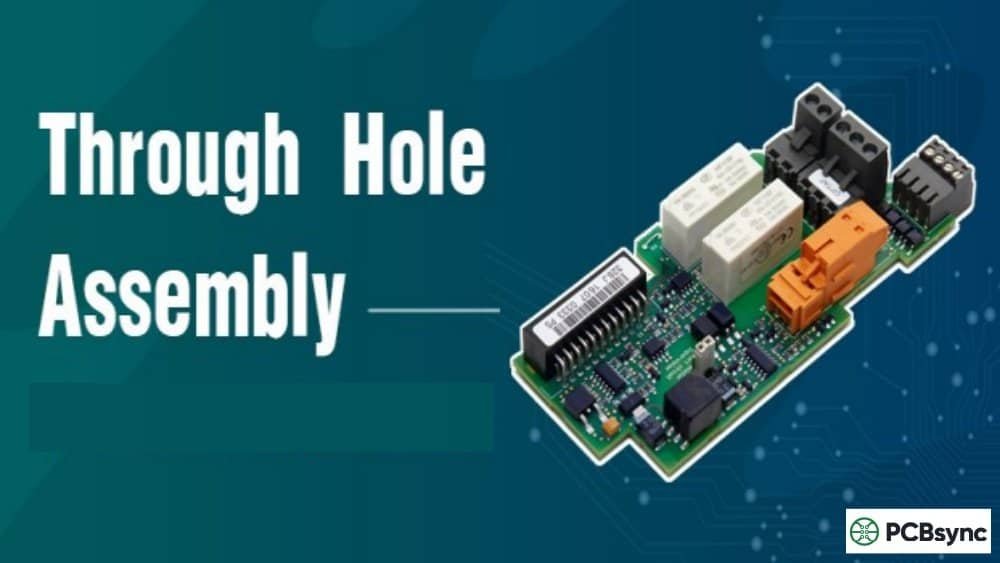
Through-hole assembly for any mixed-technology builds
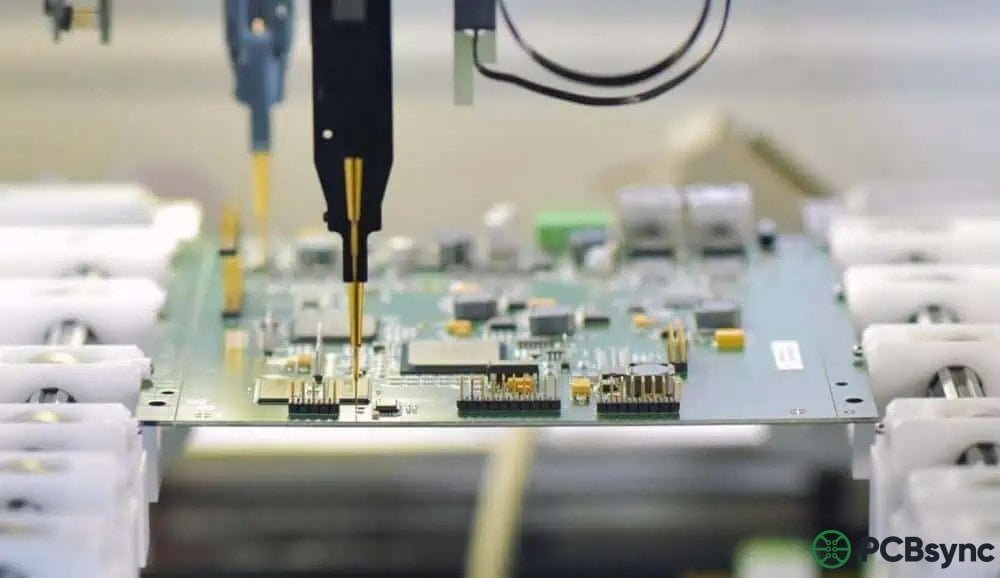
Appropriate inspection equipment (AOI, X-ray for hidden joints)
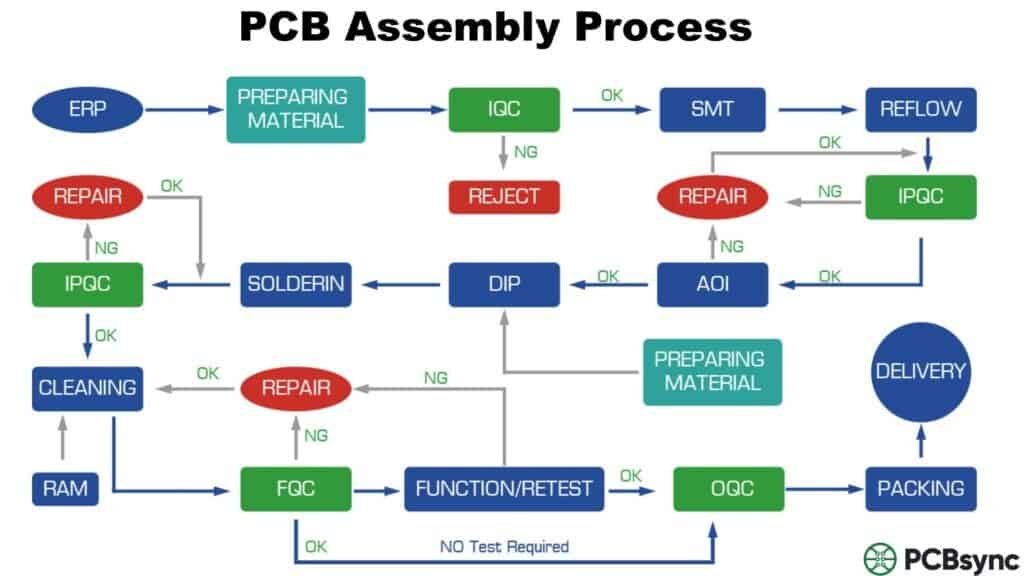
Testing capabilities aligned with your product requirements
Don’t just take their word for it. Ask to see their equipment lists and, if possible, visit the facility. The condition and age of their equipment tells you a lot about how seriously they take their operations.
Certifications and Quality Systems
Certifications matter, but context matters more. A generic ISO 9001 certification is the baseline — nearly every electronic contract manufacturing company has one. What you really want to understand is whether they have certifications relevant to your industry.
If you’re building medical devices, an ISO 13485-certified electronic contract manufacturing partner isn’t optional — it’s required. Same goes for aerospace work requiring AS9100. Don’t let a lower quote tempt you into working with a partner who lacks the certifications your product demands.
Industry Experience and Track Record
Experience in your specific industry matters more than overall company size. An electronic contract manufacturing company that has built similar products understands the common pitfalls, knows which components work well together, and has likely already solved problems you haven’t encountered yet.
Ask pointed questions:
How many products similar to mine have you manufactured?
What’s the longest-running program you’ve had?
Can you share references from customers in my industry?
Be wary of electronic contract manufacturing partners who claim to do everything equally well. Specialization usually indicates deeper expertise.
Supply Chain Management Capabilities
This is where many partnerships fail. Your electronic contract manufacturing partner’s supply chain management directly impacts your costs, lead times, and ability to respond to demand changes.
Evaluate their approach to:
Component sourcing: Do they have relationships with authorized distributors? How do they handle allocation situations?
Inventory management: What consignment or vendor-managed inventory programs do they offer?
Obsolescence management: How do they track and notify you about end-of-life components?
Alternative sourcing: What’s their process for qualifying second-source components?
The 2021-2023 chip shortage exposed weaknesses in many electronic contract manufacturing supply chains. Ask prospective partners how they handled that period. Their answers reveal a lot about their resilience and problem-solving capabilities.
Communication and Customer Service
This one’s hard to evaluate before you sign a contract, but it’s often what determines partnership success or failure. The best electronic contract manufacturing relationships feel like true partnerships, not transactional vendor relationships.
Red flags to watch for:
Slow responses during the quoting phase (it only gets worse after you sign)
Reluctance to introduce you to their engineering or quality teams
Vague answers about processes or capabilities
Pressure to commit before you’ve had your questions answered
Good signs:
Assigned program managers who understand your product
Clear escalation paths for issues
Proactive communication about potential problems
Willingness to have technical discussions, not just commercial ones
Questions to Ask Potential Electronic Contract Manufacturing Partners
Through trial and error, I’ve developed a list of questions that separate the genuinely capable electronic contract manufacturing partners from those just telling you what you want to hear:
About their processes:
Walk me through your NPI process from quote to first article approval.
What’s your standard lead time for prototype quantities? Production quantities?
How do you handle design for manufacturability feedback?
What’s your process for managing ECOs (Engineering Change Orders)?
About quality: 5. What’s your current first-pass yield for assemblies similar to mine? 6. How do you handle defects found after shipment? 7. Can I review your most recent internal quality metrics? 8. What inspection and testing occurs at each production stage?
About supply chain: 9. What percentage of components do you source through authorized channels? 10. How do you handle component shortages or allocation? 11. What’s your typical material lead time buffer? 12. Do you have relationships with alternative suppliers for critical components?
About the partnership: 13. Who will be my main point of contact? 14. What visibility will I have into production status? 15. How do you handle volume fluctuations? 16. What’s your capacity utilization right now, and how would my program fit?
The answers matter, but so does how they answer. Vague responses or excessive hedging suggests they either don’t have good processes or don’t trust you enough to be transparent. Neither is a good foundation for a partnership.
2026 Industry Trends Shaping Electronic Contract Manufacturing Selection
The electronic contract manufacturing landscape continues to evolve. Here are the trends influencing partner selection right now:
Reshoring and Nearshoring Momentum
Geopolitical tensions and supply chain vulnerabilities have accelerated interest in domestic and nearshore electronic contract manufacturing options. While Asian manufacturing still dominates high-volume consumer electronics, more OEMs are prioritizing regional partners for products requiring faster iteration, smaller volumes, or sensitive IP.
The trade-off isn’t always about cost anymore. Consider total landed cost including shipping, duties, inventory carrying costs, and the hidden expenses of managing distant time zones and longer supply chains.
Automation and Industry 4.0 Integration
Leading electronic contract manufacturing partners are investing heavily in smart factory capabilities. Real-time production monitoring, predictive maintenance, and digital traceability systems improve quality and provide better visibility for customers.
Ask about:
Real-time dashboards or portals for production status
Traceability systems linking every board to component lot codes
Automated defect detection and classification
Data-driven continuous improvement programs
Sustainability Requirements
Environmental regulations and customer expectations are pushing electronic contract manufacturing partners toward sustainable practices. RoHS compliance is now standard, but forward-thinking partners are also addressing:
Scope 3 emissions reporting
Conflict mineral documentation
Waste reduction and recycling programs
Energy efficiency in manufacturing operations
If sustainability reporting matters to your company or customers, verify that your electronic contract manufacturing partner can provide the documentation you need.
Advanced Packaging Capabilities
As electronics miniaturize and performance requirements increase, advanced packaging techniques like system-in-package (SiP) and 2.5D/3D integration are becoming more common. Not every electronic contract manufacturing partner has these capabilities, so verify alignment with your product roadmap if these technologies are in your future.
Common Mistakes When Selecting Electronic Contract Manufacturing Partners
Learn from others’ mistakes — including some of mine:
Choosing purely on price. The lowest quote often comes with hidden costs: quality issues requiring rework, communication problems causing delays, or supply chain shortcuts that create risk. Evaluate total cost of ownership, not just unit price.
Ignoring cultural fit. If your company values transparent communication and your electronic contract manufacturing partner operates on a need-to-know basis, friction is inevitable. Assess working style compatibility during the evaluation process.
Skipping the facility visit. Photos and certifications only tell part of the story. Walking a factory floor reveals equipment condition, workforce expertise, and operational discipline that you can’t assess remotely.
Not checking references thoroughly. Ask for references and actually call them. Prepare specific questions about responsiveness, quality, and problem resolution. A few phone calls can prevent major headaches later.
Underestimating the importance of NPI. How an electronic contract manufacturing partner handles your first build sets the tone for the entire relationship. Partners with weak NPI processes struggle to transition smoothly into production.
Putting all eggs in one basket. Single-sourcing creates risk. Consider qualifying a backup electronic contract manufacturing partner, especially for products with long life cycles or critical applications.
Useful Resources and Databases for ECM Partner Research
Here are some resources I’ve found helpful when researching electronic contract manufacturing options:
Always verify certifications directly with the issuing bodies rather than relying solely on what’s posted on company websites. Certifications can lapse, and scopes may be narrower than advertised.
Making the Final Decision
After evaluating multiple electronic contract manufacturing partners, you’ll likely narrow down to two or three finalists. Here’s how to make the final call:
Conduct pilot builds. Before committing to production volumes, run a small prototype or pilot build with your top choice. This validates their capabilities and reveals their true responsiveness.
Negotiate thoughtfully. Focus negotiations on terms that matter long-term: quality guarantees, lead time commitments, flexibility clauses, and cost reduction sharing. Squeezing every penny from unit price often backfires through reduced service or quality.
Document everything. Clear manufacturing agreements, quality requirements, and IP protections should be established before production begins. Ambiguity creates problems later.
Plan for the relationship. The best electronic contract manufacturing partnerships improve over time. Establish regular business reviews, set continuous improvement goals, and invest in building relationships with key people at your partner’s organization.
Frequently Asked Questions
What certifications should I require from an electronic contract manufacturing partner?
At minimum, require ISO 9001:2015 as a baseline quality management certification. Beyond that, certifications depend on your industry: ISO 13485 for medical devices, AS9100 for aerospace and defense, IATF 16949 for automotive. Also look for IPC certifications (J-STD-001, IPC-A-610) that demonstrate workmanship standards. ITAR registration is mandatory if your products have any defense applications.
How do I protect my intellectual property when working with an electronic contract manufacturing company?
Start with a solid non-disclosure agreement before sharing any design files. Work with partners who have documented information security practices and limit access to your designs within their organization. Consider whether your partner also works with your competitors and how they maintain separation. For the most sensitive projects, some OEMs split manufacturing across multiple partners so no single company sees the complete product.
What’s the typical lead time for electronic contract manufacturing?
Lead times vary significantly based on component availability and production complexity. For standard SMT assemblies with readily available components, expect 4-8 weeks for production quantities after NPI completion. Prototype or quick-turn services can deliver in 1-3 weeks for simpler assemblies. Complex builds with long-lead components may require 12-16 weeks or more. Always confirm current lead times during quoting, as they fluctuate with market conditions.
Should I choose a domestic electronic contract manufacturing partner or offshore?
The answer depends on your priorities. Domestic partners (or nearshore options) typically offer better communication, faster shipping, easier facility visits, and reduced IP risk. Offshore partners in Asia often provide lower labor costs and access to massive component supply ecosystems. Many companies use both: domestic electronic contract manufacturing for low-volume, high-mix products requiring quick turns, and offshore for high-volume, cost-sensitive production. Consider total cost of ownership rather than just unit price when deciding.
How do I evaluate an electronic contract manufacturing partner’s financial stability?
Request financial statements or at least revenue trends and customer diversification information. Look for partners with diverse customer bases rather than heavy reliance on one or two large clients. Ask about their capital investment plans and how long they’ve been in business. Industry databases and credit reports can provide additional insight. A financially unstable electronic contract manufacturing partner puts your supply continuity at risk, regardless of their technical capabilities.
Conclusion
Selecting the right electronic contract manufacturing partner requires balancing technical capabilities, quality systems, supply chain strength, and cultural fit. The time you invest in thorough evaluation pays dividends throughout your product’s lifecycle.
The electronic contract manufacturing industry offers more options than ever, but that abundance makes careful selection even more important. Focus on partners whose strengths align with your needs, verify their claims through references and facility visits, and build relationships that can evolve as your products and volumes grow.
Your electronic contract manufacturing partner becomes an extension of your team. Choose wisely, invest in the relationship, and you’ll have a foundation for manufacturing success well beyond 2026.
Inquire: Call 0086-755-23203480, or reach out via the form below/your sales contact to discuss our design, manufacturing, and assembly capabilities.
Quote: Email your PCB files to Sales@pcbsync.com (Preferred for large files) or submit online. We will contact you promptly. Please ensure your email is correct.
Notes: For PCB fabrication, we require PCB design file in Gerber RS-274X format (most preferred), *.PCB/DDB (Protel, inform your program version) format or *.BRD (Eagle) format. For PCB assembly, we require PCB design file in above mentioned format, drilling file and BOM. Click to download BOM template To avoid file missing, please include all files into one folder and compress it into .zip or .rar format.