Inquire: Call 0086-755-23203480, or reach out via the form below/your sales contact to discuss our design, manufacturing, and assembly capabilities.
Quote: Email your PCB files to Sales@pcbsync.com (Preferred for large files) or submit online. We will contact you promptly. Please ensure your email is correct.
Notes: For PCB fabrication, we require PCB design file in Gerber RS-274X format (most preferred), *.PCB/DDB (Protel, inform your program version) format or *.BRD (Eagle) format. For PCB assembly, we require PCB design file in above mentioned format, drilling file and BOM. Click to download BOM template To avoid file missing, please include all files into one folder and compress it into .zip or .rar format.
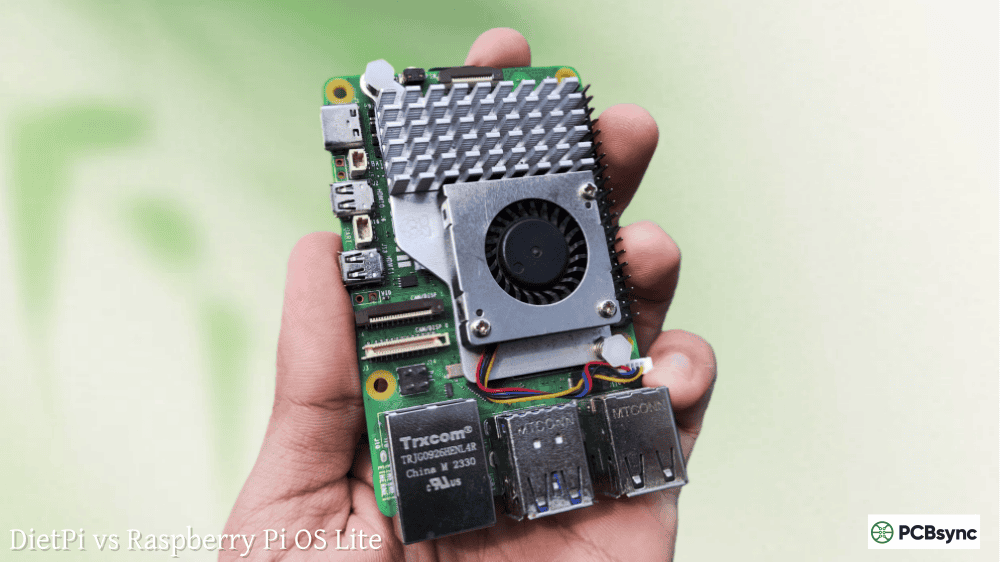
DietPi vs Raspberry Pi OS Lite: Which Lightweight OS Wins?
When you’re building a headless server, network appliance, or IoT device with a Raspberry Pi, every megabyte of RAM matters. I’ve deployed dozens of Pi-based systems over the years, from Pi-hole DNS servers to home automation hubs, and the operating system choice makes a bigger difference than most people realize.
The two dominant options for lightweight Pi deployments are DietPi and Raspberry Pi OS Lite. Both promise minimal resource usage and command-line-only operation, but they take fundamentally different approaches to achieving that goal. After running both extensively across various projects, I’ve developed strong opinions about when each one shines.
Before comparing specs, it helps to understand what each operating system is trying to accomplish. The design philosophy shapes everything from installation to daily maintenance.
What is Raspberry Pi OS Lite?
Raspberry Pi OS Lite is essentially the standard Raspberry Pi OS with the desktop environment stripped away. Think of it as the full operating system on a diet, you still get the familiar Debian foundation, the same package repositories, and all the Pi-specific tools, just without the graphical interface consuming resources.
The Raspberry Pi Foundation maintains this as their official headless option. When you download it, you’re getting a complete Linux system that happens to boot to a command prompt instead of a desktop. All the underlying services, drivers, and default packages remain intact.
What is DietPi?
DietPi takes the opposite approach. Rather than subtracting from a full installation, DietPi builds up from an aggressively minimal base. The developers strip out everything that isn’t absolutely essential, then provide an automated software installation system that adds back only what you specifically need.
The result is an OS designed from scratch for efficiency. Every service running on a DietPi system is there because you chose to install it, not because it came bundled with the distribution.
Head-to-Head Comparison: The Numbers That Matter
Let’s look at the metrics that actually impact your projects.
Image Size and Storage Requirements
Metric
DietPi
Raspberry Pi OS Lite
Downloaded Image Size
~200MB
~450MB
Installed Size (Fresh)
~500MB
~2.0-2.5GB
Minimum SD Card
4GB (8GB recommended)
8GB (16GB recommended)
The difference is substantial. DietPi occupies roughly one-quarter the storage space of a fresh Raspberry Pi OS Lite installation. This matters less on modern high-capacity SD cards, but it directly affects update times, backup sizes, and available space for your applications.
RAM Usage at Idle
Memory consumption tells an even more compelling story:
State
DietPi
Raspberry Pi OS Lite
Fresh Boot (Idle)
30-50MB
60-80MB
With SSH Running
35-55MB
65-90MB
With Pi-hole Installed
80-120MB
120-160MB
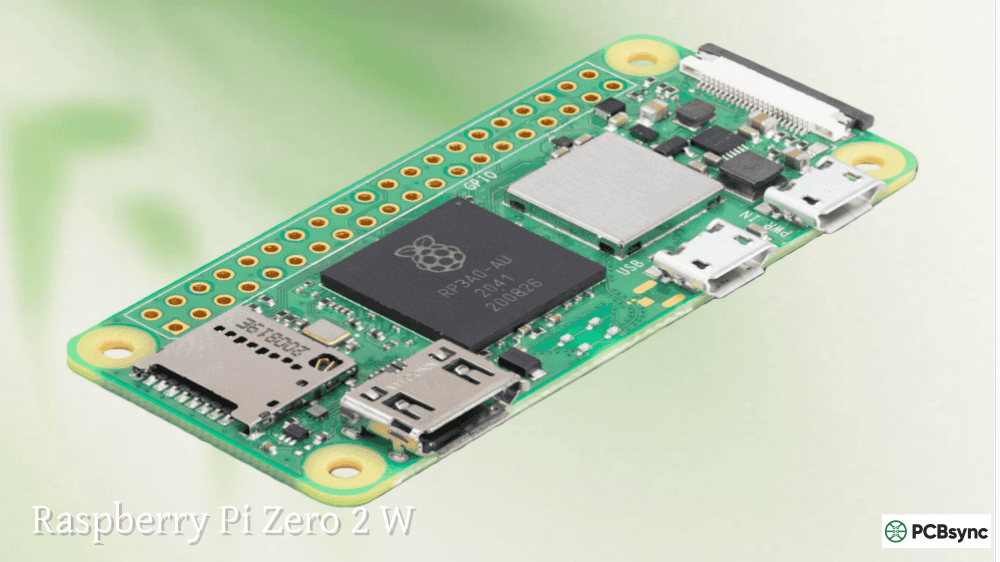
On a Pi Zero with 512MB of RAM, that 30-40MB difference between DietPi and Raspberry Pi OS Lite represents roughly 6-8% of your total available memory. When running multiple services, those savings compound.
Boot Time Performance
Both operating systems boot faster than their desktop counterparts, but DietPi typically edges ahead:
Configuration
DietPi
Raspberry Pi OS Lite
Pi 4 (SSD Boot)
12-18 seconds
18-25 seconds
Pi 4 (SD Card)
18-25 seconds
25-35 seconds
Pi Zero 2 W
25-35 seconds
35-45 seconds
The faster boot times stem from fewer services starting at boot and DietPi’s optimized initialization sequence.
The Installation Experience
How you get from blank SD card to working system differs significantly between these two options.
Installing Raspberry Pi OS Lite
The official Raspberry Pi Imager makes installing Raspberry Pi OS Lite straightforward. You select the OS, choose your SD card, configure basic settings (hostname, SSH, Wi-Fi) through the advanced options menu, and write the image. Boot the Pi, and you’re greeted with a login prompt.
From there, configuration follows standard Debian conventions. Want to set a static IP? Edit /etc/dhcpcd.conf. Need to enable a service? Use systemctl. Installing software means running apt install commands manually.
This approach offers complete control and teaches you Linux administration. However, it requires knowing which configuration files to edit and which packages to install for your specific use case.
Installing DietPi
DietPi installation starts similarly: download the image, flash it to your SD card using Etcher or similar tools. The difference appears at first boot.
DietPi launches an interactive setup wizard that guides you through initial configuration. You’ll set your timezone, configure networking, change default passwords, and most importantly, access the dietpi-software menu.
This software catalog is DietPi’s killer feature. Rather than researching which packages you need and how to configure them, you browse a categorized list of over 200 optimized software options. Select Pi-hole, Plex, Home Assistant, or dozens of other applications, and DietPi handles the installation, configuration, and service setup automatically.
Software Installation: Automated vs Manual
The difference in software deployment deserves deeper examination since it affects ongoing system maintenance.
DietPi’s dietpi-software System
Running dietpi-software opens an ncurses menu with software organized by category:
Category
Example Applications
Desktops
LXDE, MATE, Xfce (if needed)
Remote Desktop
VNC, RDP, NoMachine
Media Systems
Plex, Jellyfin, Kodi
BitTorrent
Transmission, qBittorrent, Deluge
Cloud/Backup
Nextcloud, Syncthing, UrBackup
DNS Servers
Pi-hole, AdGuard Home, Unbound
Gaming
Steam Link, Moonlight
Databases
MariaDB, PostgreSQL, InfluxDB
Web Servers
Apache, Nginx, Lighttpd
When you select an application, DietPi doesn’t just install packages. It applies optimizations, configures the service for your hardware, sets up log rotation, and integrates everything with DietPi’s backup and update systems.
For example, installing Pi-hole through dietpi-software:
Uses the official Pi-hole installer
Sets the web interface to port 8089 (avoiding conflicts)
Secures the admin panel with your global DietPi password
Disables verbose logging to reduce SD card writes
Configures Unbound for recursive DNS if selected together
Raspberry Pi OS Lite’s Manual Approach
Installing the same Pi-hole on Raspberry Pi OS Lite requires:
curl -sSL https://install.pi-hole.net | bash
Then you manually configure upstream DNS, adjust firewall rules, set the admin password, and handle log rotation yourself. You have complete control, but you’re also responsible for every detail.
This isn’t inherently worse. Many experienced administrators prefer knowing exactly what’s running on their systems. But for users who want a working Pi-hole in minutes rather than hours, DietPi’s approach saves considerable time.
Hardware Compatibility and GPIO Support
Here’s where Raspberry Pi OS Lite holds a significant advantage.
Raspberry Pi OS Lite: Native Hardware Support
As the official operating system from the Raspberry Pi Foundation, Raspberry Pi OS Lite includes comprehensive hardware support out of the box:
All GPIO libraries pre-configured
Camera and display interfaces ready to use
HAT EEPROM detection and automatic configuration
raspi-gpio and other hardware tools included
Immediate compatibility with new Pi models
If your project involves significant GPIO work, sensors, or HATs, Raspberry Pi OS Lite minimizes compatibility headaches.
DietPi: Works, But May Require Extra Steps
DietPi can absolutely handle GPIO projects, but being a third-party distribution, new hardware support sometimes lags behind. You might need to install additional packages or troubleshoot driver issues that wouldn’t occur with the official OS.
That said, DietPi supports an impressive range of hardware beyond the Raspberry Pi ecosystem:
Platform
DietPi Support
Raspberry Pi (all models)
Yes
Orange Pi
Yes
ODROID
Yes
NanoPi
Yes
Pine64
Yes
Radxa ROCK
Yes
x86/x64 PCs
Yes
Virtual Machines
Yes
This cross-platform support means skills learned on a Raspberry Pi transfer directly to other single-board computers or even virtual machines.
Based on my experience deploying both systems, here are concrete recommendations.
Choose DietPi When:
You want a dedicated appliance. Pi-hole, media server, NAS, VPN server. If your Pi does one or two things and you want it working quickly with minimal fuss, DietPi excels.
You’re deploying multiple systems. DietPi’s configuration files can be pre-configured before first boot, enabling automated deployments. Flash the same customized image to ten SD cards, and all ten Pis boot with identical configurations.
You’re using older or resource-constrained hardware. The Pi Zero, Pi 1, or Pi 2 benefit most from DietPi’s aggressive resource optimization.
You want automated maintenance. DietPi includes tools for scheduled updates, automated backups, and system health monitoring.
Choose Raspberry Pi OS Lite When:
Your project involves extensive GPIO or hardware interfacing. The official OS guarantees compatibility with all Raspberry Pi hardware features.
You’re learning Linux administration. Manually configuring services teaches concepts that transfer to any Linux system. Raspberry Pi OS Lite provides that educational experience.
You need bleeding-edge kernel support. New Pi models and hardware features arrive on Raspberry Pi OS Lite first.
You prefer minimal abstraction. If you want to understand every process running on your system, the official Lite image provides a familiar Debian base without additional management layers.
Resource Comparison Table
Here’s a consolidated comparison for quick reference:
Feature
DietPi
Raspberry Pi OS Lite
Base Image Size
~200MB
~450MB
Installed Size
~500MB
~2.0-2.5GB
Idle RAM Usage
30-50MB
60-80MB
Boot Time (Pi 4)
12-18s
18-25s
Software Catalog
200+ automated
Manual apt installation
Multi-board Support
Yes (20+ boards)
Raspberry Pi only
GPIO Support
Good (may need extras)
Excellent (native)
Official Support
Community
Raspberry Pi Foundation
Learning Curve
Lower (guided setup)
Higher (manual config)
Customization
High
Very High
Useful Resources for Both Operating Systems
Resource
URL
Description
DietPi Downloads
dietpi.com
Official images for all supported boards
DietPi Documentation
dietpi.com/docs
Setup guides and software docs
DietPi Forums
dietpi.com/forum
Community support
DietPi Stats
dietpi.com/stats.html
Performance comparisons
Raspberry Pi OS Downloads
raspberrypi.com/software
Official Lite and Desktop images
Raspberry Pi Documentation
raspberrypi.com/documentation
Official guides
Raspberry Pi Forums
forums.raspberrypi.com
Community discussions
Frequently Asked Questions
Can I switch from Raspberry Pi OS Lite to DietPi without reinstalling?
No, switching requires a fresh installation. The operating systems use different base configurations and management systems. However, you can back up your data, install DietPi, and restore your files. For databases and complex applications, plan the migration carefully.
Does DietPi work on the Raspberry Pi 5?
Yes, DietPi supports the Raspberry Pi 5, though support arrived slightly after the Raspberry Pi OS Lite version. Check dietpi.com for the latest compatibility status, as new board support continues expanding.
Which OS is better for running a Pi-hole?
Either works well, but DietPi makes the installation notably easier through its automated software system. The optimizations DietPi applies (web interface on port 8089, reduced logging, automatic Unbound integration) save configuration time. For a straightforward ad-blocking DNS server, DietPi is hard to beat.
Is Raspberry Pi OS Lite really “lite” compared to DietPi?
It’s lighter than the full desktop version, but DietPi achieves significantly lower resource usage. Raspberry Pi OS Lite maintains compatibility with the full OS ecosystem, which requires keeping various packages and services that DietPi eliminates. “Lite” is relative to the desktop version, not to purpose-built minimal distributions.
Can I install a desktop environment on either OS later?
Yes, both support adding a desktop environment after initial headless installation. DietPi offers this through dietpi-software (LXDE, MATE, Xfce options), while Raspberry Pi OS Lite requires manual package installation. However, if you know you’ll want a desktop, starting with the desktop version makes more sense.
The Verdict: Which Lightweight OS Wins?
After years of using both, my honest assessment: neither “wins” universally because they serve different needs.
DietPi wins for server and appliance deployments where you want things working quickly with minimal manual configuration. Its software catalog, automated optimizations, and cross-platform support make it ideal for dedicated-purpose Pis.
Raspberry Pi OS Lite wins for hardware projects, educational purposes, and situations requiring maximum compatibility with the Pi ecosystem. The official backing ensures immediate support for new hardware and features.
For my personal use, I run DietPi on my Pi-hole servers, media streaming devices, and network monitoring systems. I use Raspberry Pi OS Lite on Pis connected to sensors, displays, or custom HATs where GPIO reliability matters most.
The good news? Both are free, well-maintained, and easy to test. Flash each on a separate SD card, spend an afternoon with both, and let your specific project requirements guide the decision. There’s no wrong choice here, only a choice that better fits your needs.
Suggested Meta Descriptions:
Option 1 (155 characters): DietPi vs Raspberry Pi OS Lite compared. RAM usage, boot times, installation, and use cases explained. Find which lightweight OS is best for your Pi project.
Option 2 (152 characters): Compare DietPi and Raspberry Pi OS Lite for headless Pi servers. Detailed benchmarks, software installation, and practical recommendations from real experience.
Option 3 (148 characters): Which lightweight OS wins: DietPi or Raspberry Pi OS Lite? Complete comparison of resources, features, and best use cases for your headless Pi projects.
Inquire: Call 0086-755-23203480, or reach out via the form below/your sales contact to discuss our design, manufacturing, and assembly capabilities.
Quote: Email your PCB files to Sales@pcbsync.com (Preferred for large files) or submit online. We will contact you promptly. Please ensure your email is correct.
Notes: For PCB fabrication, we require PCB design file in Gerber RS-274X format (most preferred), *.PCB/DDB (Protel, inform your program version) format or *.BRD (Eagle) format. For PCB assembly, we require PCB design file in above mentioned format, drilling file and BOM. Click to download BOM template To avoid file missing, please include all files into one folder and compress it into .zip or .rar format.