Inquire: Call 0086-755-23203480, or reach out via the form below/your sales contact to discuss our design, manufacturing, and assembly capabilities.
Quote: Email your PCB files to Sales@pcbsync.com (Preferred for large files) or submit online. We will contact you promptly. Please ensure your email is correct.
Notes: For PCB fabrication, we require PCB design file in Gerber RS-274X format (most preferred), *.PCB/DDB (Protel, inform your program version) format or *.BRD (Eagle) format. For PCB assembly, we require PCB design file in above mentioned format, drilling file and BOM. Click to download BOM template To avoid file missing, please include all files into one folder and compress it into .zip or .rar format.
CrowPi 2 Review: The Ultimate Raspberry Pi Learning Kit
The CrowPi 2 has earned its reputation as one of the most comprehensive STEM education platforms built around the Raspberry Pi. After spending three months putting this kit through its paces in my electronics workshop, I’m ready to share a detailed assessment of what makes this learning platform stand out—and where it falls short.
Having designed educational electronics kits professionally, I approached the CrowPi series with high expectations. Elecrow, the company behind this product, clearly invested serious engineering effort into cramming an impressive array of sensors and components into a laptop-style enclosure. But does the execution match the ambition? Let’s dig in.
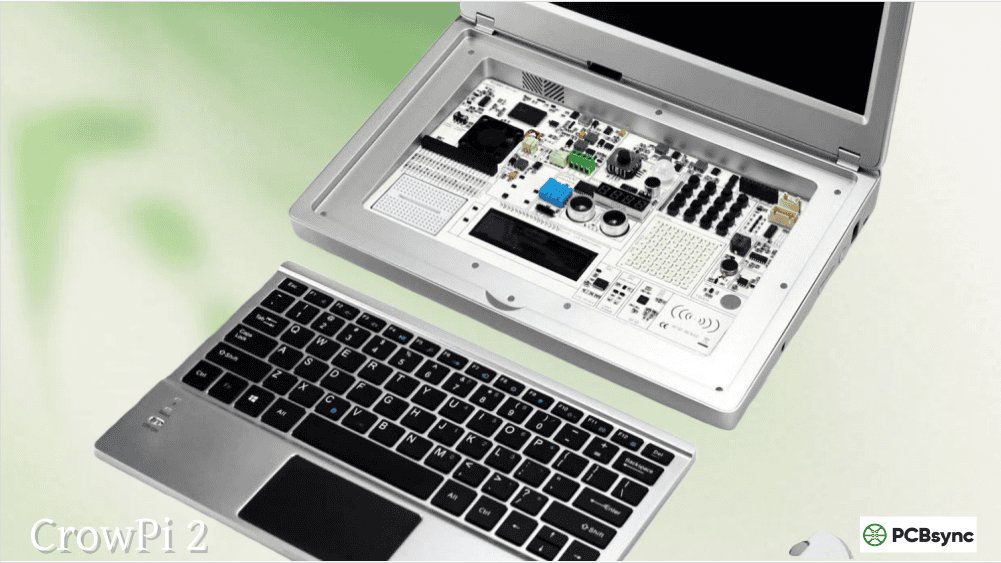
The CrowPi 2 is an all-in-one STEM learning kit that transforms a Raspberry Pi into a portable electronics lab disguised as a laptop. Unlike the original CrowPi, which used a briefcase form factor, the CrowPi 2 adopts a sleek laptop design with an 11.6-inch IPS display, integrated keyboard, and hidden compartment containing 22 sensors and electronic modules.
Think of it as a Swiss Army knife for learning programming, electronics, and physical computing. Students can transition from writing Python code to wiring breadboard circuits to controlling servo motors—all without leaving the same device.
CrowPi 2 Package Contents
The kit arrives impressively complete. Here’s what you get in the box:
Component
Quantity
Notes
CrowPi 2 Main Unit
1
Laptop-style enclosure with display
Raspberry Pi 4B
1
4GB model (in Deluxe Kit)
Power Adapter
1
12V/3A for main unit
USB-C Power Cable
1
For Pi power
Wireless Keyboard
1
2.4GHz mini keyboard
Wireless Mouse
1
Compact optical mouse
microSD Card
1
32GB with pre-loaded software
GPIO Ribbon Cable
1
40-pin connection
Component Kit
1
LEDs, resistors, jumper wires
RFID Cards/Tags
3
For RFID module experiments
Game Controller
1
USB gamepad for gaming projects
Carrying Case
1
Protective storage
The Deluxe Kit version includes the Raspberry Pi 4B, while the Basic Kit requires you to supply your own Pi. Given current Pi pricing, the Deluxe Kit typically offers better value.
CrowPi 2 Hardware Deep Dive
The hardware engineering impressed me more than expected. Elecrow didn’t just slap components onto a board—they created a thoughtful system that balances accessibility with genuine learning potential.
Display and Form Factor
The 11.6-inch IPS display delivers 1920×1080 resolution with excellent viewing angles. Colors appear accurate, and brightness suffices for indoor use. The display connects via HDMI, leaving the Pi’s DSI port available for additional displays if needed.
The laptop form factor weighs approximately 1.4 kg—heavier than a Chromebook but perfectly portable. The hinge mechanism feels sturdy after months of use, though I wouldn’t trust it to survive rough handling by younger students.
Integrated Sensors and Modules
Here’s where the CrowPi 2 truly shines. The hidden sensor panel beneath the keyboard area contains an remarkable array of components:
Module
Interface
Learning Applications
9×9 LED Matrix
I2C
Animation, patterns, games
LCD1602 Display
I2C
Text output, data display
7-Segment Display
GPIO
Counters, clocks
Touch Sensor
GPIO
Capacitive input detection
Ultrasonic Sensor
GPIO
Distance measurement
DHT11
GPIO
Temperature/humidity sensing
Motion Sensor (PIR)
GPIO
Presence detection
Sound Sensor
GPIO
Audio level detection
Light Sensor
Analog (ADC)
Ambient light measurement
Tilt Sensor
GPIO
Orientation detection
IR Receiver
GPIO
Remote control projects
RFID Module
SPI
Card reading/writing
Servo Motor Port
GPIO/PWM
Motion control
Stepper Motor Port
GPIO
Precision positioning
DC Motor Port
GPIO
Speed control
Relay Module
GPIO
AC/DC switching
Buzzer
GPIO
Audio output
RGB LED
GPIO/PWM
Color mixing
Push Buttons
GPIO
User input
Vibration Motor
GPIO
Haptic feedback
Breadboard Area
Direct
Custom circuits
The component selection covers nearly every sensor type a beginner might want to explore. More importantly, each module connects through clearly labeled headers with proper protection circuitry—a detail often overlooked in cheaper educational kits.
Build Quality Assessment
From a PCB engineering perspective, the CrowPi 2 demonstrates competent design choices. The main board uses a four-layer stackup with adequate ground planes. Decoupling capacitors appear where expected. The GPIO routing shows attention to signal integrity, with sensitive analog paths kept short.
The enclosure uses ABS plastic with a matte finish that resists fingerprints. Assembly tolerances are tight—no creaking or flex when typing. The keyboard area lifts to reveal the sensor panel via a magnetic latch that’s satisfying to use.
My only hardware complaint involves the speaker placement. The built-in speakers face downward, muffling audio output. External speakers or headphones dramatically improve the sound experience.
Software and Learning Platform
Hardware means nothing without software support, and Elecrow delivers a comprehensive learning ecosystem.
Pre-Installed Software Suite
The included microSD card comes loaded with:
Software
Purpose
Raspberry Pi OS
Base operating system
Scratch 3.0
Visual block programming
Python 3 with libraries
Text-based programming
Minecraft Pi Edition
Game-based learning
CrowPi 2 Learning App
Guided tutorials
Letscode
Custom IDE for beginners
RetroPie
Retro gaming (bonus)
The CrowPi learning application deserves special mention. It provides over 20 structured projects with step-by-step instructions, video tutorials, and example code. Projects range from simple LED blinking to building a complete weather station.
Programming Language Support
The kit supports multiple programming approaches, making it suitable for various skill levels:
Scratch 3.0: Perfect for absolute beginners aged 8+. Custom blocks for CrowPi sensors integrate seamlessly. Students can create interactive projects without typing code.
Python: The primary text-based language, with pre-installed libraries for all sensors. Example scripts demonstrate proper coding practices, not just functional code.
C/C++: Advanced users can access GPIO through WiringPi or pigpio libraries. The documentation includes C examples for performance-critical applications.
Curriculum Integration
Elecrow provides downloadable curriculum materials aligned with educational standards. The 76-lesson curriculum covers:
Basic electronics concepts
Programming fundamentals
Sensor integration
Game development
IoT projects
AI introduction (using camera module)
Teachers can download lesson plans, assessment rubrics, and student worksheets from Elecrow’s education portal.
CrowPi 2 Hands-On Experience
Theory only goes so far. Here’s how the CrowPi 2 performs in actual use.
Setup Process
Initial setup takes approximately 15 minutes. Insert the Pi into the bay, connect the GPIO ribbon cable, insert the microSD card, and power on. The first boot walks through basic configuration including WiFi setup and software updates.
One gotcha: the GPIO cable orientation matters. Incorrect insertion won’t damage anything but results in non-functional sensors. Clear markings would help here.
Project Quality
I worked through the complete project series to evaluate learning progression. Early projects effectively build confidence through quick wins—blinking LEDs, playing sounds, displaying text. Complexity increases gradually, with each project building on previous concepts.
The weather station project particularly impressed me. It combines the DHT11 sensor, LCD display, and LED matrix into a functional device while teaching data formatting, conditional logic, and user interface design.
Durability Testing
Educational equipment faces abuse. I subjected the CrowPi 2 to realistic classroom conditions: repeated opening/closing, button mashing, accidental drops from desk height (onto carpet), and extended runtime.
Results: Everything survived. The magnetic sensor cover shows minor wear after hundreds of cycles. One button became slightly mushy after aggressive gaming sessions. The display developed no dead pixels despite temperature cycling.
After extensive testing, here’s my honest assessment:
Advantages
Comprehensive Component Selection: The 22 integrated sensors cover virtually every beginner project type. No need to purchase additional components for basic learning.
Excellent Documentation: Written tutorials, video guides, and example code for everything. Non-English speakers benefit from multi-language support.
Portable Form Factor: The laptop design enables learning anywhere. Battery operation (via external power bank) adds flexibility.
Quality Construction: Durable build quality survives educational environments. The design should last through multiple school years.
Active Community: Discord server and forums provide peer support. Elecrow staff respond to questions promptly.
Disadvantages
Price Point: At $300-400 depending on configuration, the CrowPi 2 costs significantly more than buying components separately. Schools purchasing bulk quantities should negotiate volume discounts.
Sensor Accessibility: While convenient, the integrated sensors can’t be removed for breadboard experimentation. Advanced projects may require external components anyway.
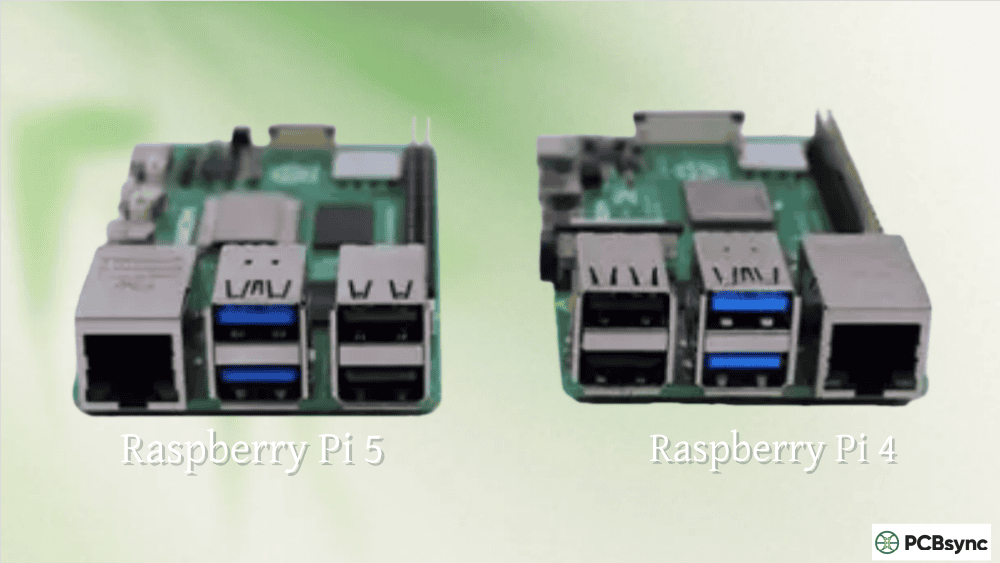
Pi Model Limitations: The internal bay fits Pi 4B only. Pi 5 users cannot use this enclosure without modification.
Speaker Quality: Built-in audio disappoints. Budget for external speakers if audio projects matter.
Who Should Buy the CrowPi 2?
The CrowPi 2 serves specific audiences exceptionally well:
Educators and Schools: The all-in-one design simplifies classroom management. No lost components, consistent student experience, and professional curriculum support make teaching easier.
Parents of STEM-Curious Kids: Parents seeking structured learning paths benefit from the guided curriculum. The laptop form factor feels familiar to children raised on tablets and Chromebooks.
Adult Beginners: Self-taught learners appreciate the comprehensive project collection. The investment pays off through structured progression rather than scattered YouTube tutorials.
Makerspaces: Shared learning environments benefit from durable, portable equipment that beginners can use without intimidation.
Who should look elsewhere: Experienced makers who already own sensors and components won’t need the integrated modules. Users wanting the latest Pi 5 compatibility should wait for potential future versions.
Useful Resources for CrowPi 2 Users
Bookmark these resources to maximize your CrowPi experience:
YouTube CrowPi 2 Playlist: Video tutorials from various creators
Complementary Learning
Raspberry Pi Foundation Projects: https://projects.raspberrypi.org
Python Documentation: https://docs.python.org/3/
Scratch Programming: https://scratch.mit.edu
Frequently Asked Questions About CrowPi 2
Is the CrowPi 2 worth the price for beginners?
For complete beginners who want structured learning with minimal setup friction, the CrowPi 2 offers genuine value despite its premium price. The integrated sensors, comprehensive curriculum, and laptop form factor eliminate the confusion and component hunting that derails many self-taught learners. However, if you’re comfortable sourcing individual components and following scattered tutorials, building your own kit costs significantly less.
What age range suits the CrowPi 2 best?
The CrowPi 2 works well for ages 8 through adult. Younger children (8-12) thrive with Scratch programming and guided projects. Teenagers transition naturally to Python and more complex electronics. Adults appreciate the structured curriculum that fills knowledge gaps efficiently. The limiting factor isn’t age but reading ability and patience—the text-heavy tutorials require comfortable reading skills.
Can the CrowPi 2 run without a Raspberry Pi?
No. The CrowPi 2 is essentially a sophisticated carrier board for the Raspberry Pi. The display, keyboard, and all sensors connect through the Pi’s interfaces. Without a Pi installed, you have an expensive paperweight. The Basic Kit version doesn’t include a Pi, so factor that cost into your budget if purchasing that option.
Does CrowPi 2 work with Raspberry Pi 5?
Currently, no. The internal bay dimensions accommodate Raspberry Pi 4B only. The Pi 5’s different form factor and power requirements prevent direct compatibility. Elecrow hasn’t announced a CrowPi version designed for Pi 5, though community modifications may emerge. For now, the Pi 4B remains the supported platform.
How does CrowPi 2 compare to the original CrowPi?
The CrowPi 2 represents a substantial upgrade over the original CrowPi. The laptop form factor replaces the briefcase design, offering better portability. Display resolution increased from 720p to 1080p. The keyboard improved from membrane to a more comfortable wireless design. Sensor selection expanded with additional modules. Software and curriculum received major updates. If choosing between them, the CrowPi 2 is worth the additional cost for improved usability.
Final Verdict on the CrowPi 2
The CrowPi 2 succeeds at its core mission: providing a comprehensive, portable platform for learning programming and electronics with the Raspberry Pi. Elecrow combined thoughtful hardware design with extensive software support to create a product that genuinely serves educational purposes.
The premium price restricts the audience to those who truly value the all-in-one approach. Students, educators, and parents seeking structured STEM learning will find the investment worthwhile. Experienced makers and hobbyists with existing component collections can achieve similar results for less money, albeit with more effort.
For educational institutions considering bulk purchases, the CrowPi 2 deserves serious evaluation. The reduced classroom management burden and professional curriculum support offset the higher per-unit cost through improved learning outcomes and reduced teacher frustration.
After three months of testing, my CrowPi 2 earned permanent space in my workshop as a quick prototyping station and teaching tool. That’s perhaps the strongest endorsement I can offer—it’s useful enough to keep using long after the review period ended.
Inquire: Call 0086-755-23203480, or reach out via the form below/your sales contact to discuss our design, manufacturing, and assembly capabilities.
Quote: Email your PCB files to Sales@pcbsync.com (Preferred for large files) or submit online. We will contact you promptly. Please ensure your email is correct.
Notes: For PCB fabrication, we require PCB design file in Gerber RS-274X format (most preferred), *.PCB/DDB (Protel, inform your program version) format or *.BRD (Eagle) format. For PCB assembly, we require PCB design file in above mentioned format, drilling file and BOM. Click to download BOM template To avoid file missing, please include all files into one folder and compress it into .zip or .rar format.