Inquire: Call 0086-755-23203480, or reach out via the form below/your sales contact to discuss our design, manufacturing, and assembly capabilities.
Quote: Email your PCB files to Sales@pcbsync.com (Preferred for large files) or submit online. We will contact you promptly. Please ensure your email is correct.
Notes: For PCB fabrication, we require PCB design file in Gerber RS-274X format (most preferred), *.PCB/DDB (Protel, inform your program version) format or *.BRD (Eagle) format. For PCB assembly, we require PCB design file in above mentioned format, drilling file and BOM. Click to download BOM template To avoid file missing, please include all files into one folder and compress it into .zip or .rar format.
When I walked into my first electronics manufacturing facility seven years ago, the sheer complexity of managing component procurement nearly derailed our startup’s flagship product launch. We had negotiated excellent deals with our component suppliers, invested in inventory, and thought we had everything figured out. What we didn’t anticipate was finding an assembly partner who could work with our pre-purchased parts without charging premium rates or adding weeks to our timeline. That’s when I discovered consignment PCB assembly, and it fundamentally changed how I approached manufacturing partnerships.
This guide draws from real production floor experience to help you understand consignment PCB assembly from an engineer’s perspective, not a sales brochure.
What Is Consignment PCB Assembly and Why It Matters
Consignment PCB assembly is a manufacturing model where you supply the electronic components while your contract manufacturer handles the assembly process. Unlike turnkey assembly where the CM sources everything, consignment assembly puts component procurement control in your hands. The manufacturer provides the expertise, equipment, and labor to populate your boards using materials you’ve provided.
Think of it like bringing your own ingredients to a professional kitchen. The chef provides the facility, cooking expertise, and equipment, but you control what goes into your final product.
In my experience working with both aerospace and consumer electronics projects, this model works exceptionally well when you have specific component requirements, existing supplier relationships, or proprietary parts that aren’t available through standard distribution channels.
Breaking Down the Two Types of Consignment PCB Assembly
Full Consignment Assembly
Full consignment means you provide every single component needed for the build. This includes resistors, capacitors, ICs, connectors, PCBs, and even consumables like solder paste in some cases. I’ve used this model for projects involving ITAR-restricted components where supply chain transparency was non-negotiable.
The main advantage here is complete control. You know exactly where every component came from, which batch it belongs to, and can maintain full traceability for compliance-heavy industries like medical devices or defense electronics.
Partial Consignment Assembly
Partial consignment offers a hybrid approach. You supply critical or specialized components while the CM sources common parts like standard resistors and capacitors. This model saved me countless hours on a recent IoT project where I needed specific microcontrollers from a particular fab but didn’t want to manage thousands of passive components.
Most CMs I’ve worked with accept components in standard packaging: reels, tubes, trays, cut tape, and sometimes bulk for through-hole parts. Always verify packaging requirements before shipping components to avoid delays.
The Real Cost Savings of Consignment PCB Assembly
Let me be straight about costs because there’s a lot of marketing noise around this topic. Consignment assembly isn’t automatically cheaper than turnkey. The savings depend entirely on your specific situation.
Cost Factor
Consignment Assembly
Turnkey Assembly
Component Pricing
You control pricing through your suppliers
CM adds markup (typically 5-20%)
Inventory Management
You bear storage and insurance costs
CM handles inventory overhead
Procurement Labor
Your team invests time sourcing parts
CM handles all procurement
Shipping Logistics
Multiple shipments to coordinate
Single point of delivery
Risk of Obsolescence
You own inventory risk
CM manages component lifecycle
Based on actual project data, I’ve seen cost savings range from 15% to 40% on projects where we had:
Existing bulk component inventory from previous production runs
Direct relationships with component manufacturers offering better pricing than distributors
High-value specialized ICs where CM markups would significantly impact unit cost
Access to hard-to-find or allocated components through our supply chain
However, on a recent prototype run of 50 boards with common components, turnkey actually came out cheaper once I factored in my time managing six different suppliers, coordinating shipments, and handling customs documentation.
Step-by-Step Consignment PCB Assembly Workflow
Here’s what actually happens during consignment assembly based on multiple production runs I’ve managed:
Pre-Production Phase
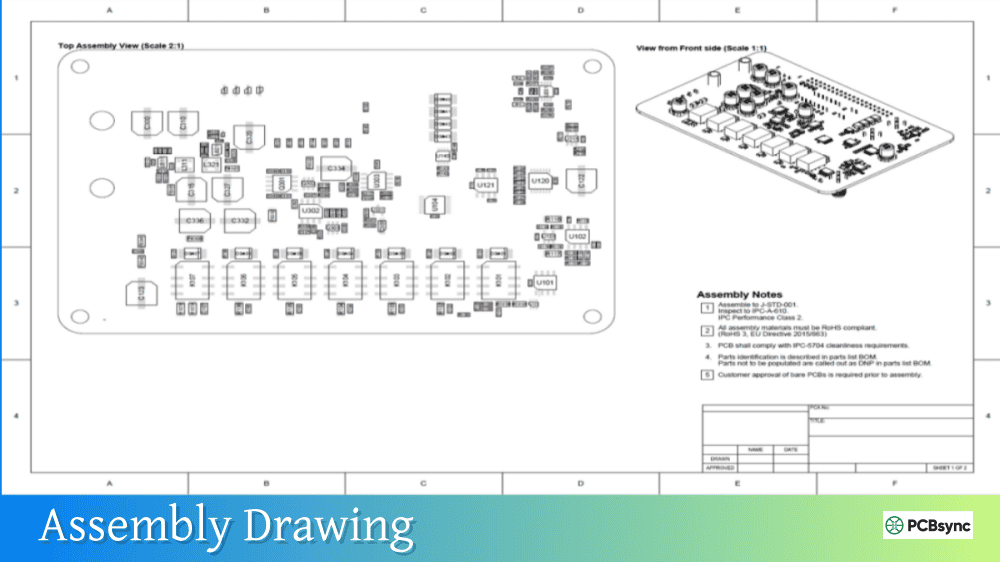
Design Finalization: You provide Gerber files, Bill of Materials with exact manufacturer part numbers, assembly drawings, and any special instructions. I’ve learned the hard way that unclear BOM notes lead to production delays. Be specific about component orientation, special handling requirements, and acceptable substitutions.
Component Procurement: You order all parts according to your BOM. Always order 3-5% overage for SMT components and 10% for through-hole parts. Manufacturing defects happen, and you don’t want production stopped because you’re three resistors short.
Kitting and Packaging: Organize components by part number with clear labeling. Include manufacturer lot codes for traceability. I use spreadsheets to track which reel or tube contains which part number to make CM inventory checks straightforward.
Assembly Phase
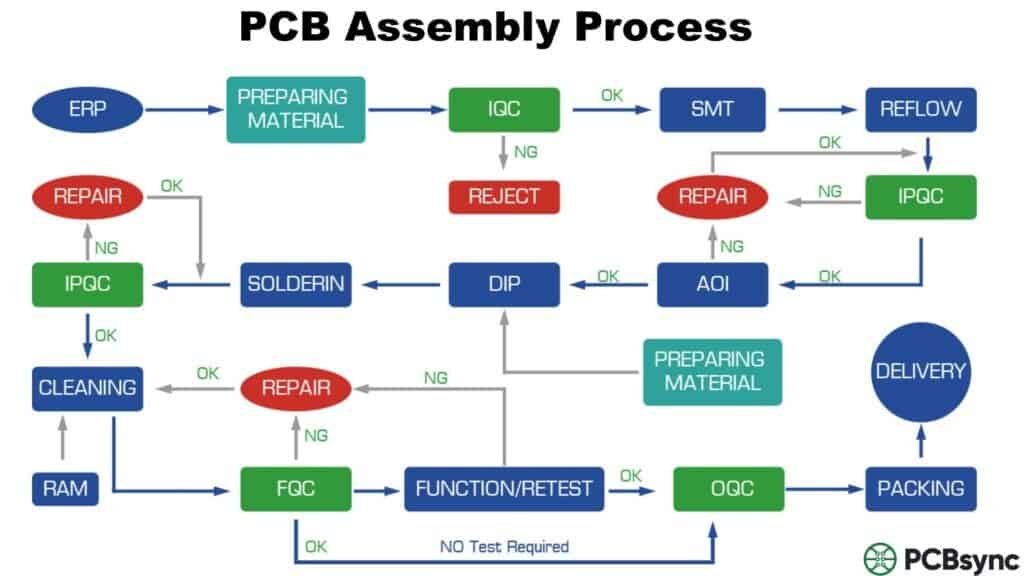
Incoming Inspection: The CM receives your component shipment and performs inventory verification. They check quantities, inspect for damage during shipping, and verify part numbers match your BOM. Expect this to take 1-2 business days.
Component Storage: Quality CMs store moisture-sensitive devices in dry cabinets maintained at controlled humidity levels (typically below 10% RH). Temperature-sensitive components should be refrigerated. Always ask about storage capabilities before shipping expensive ICs.
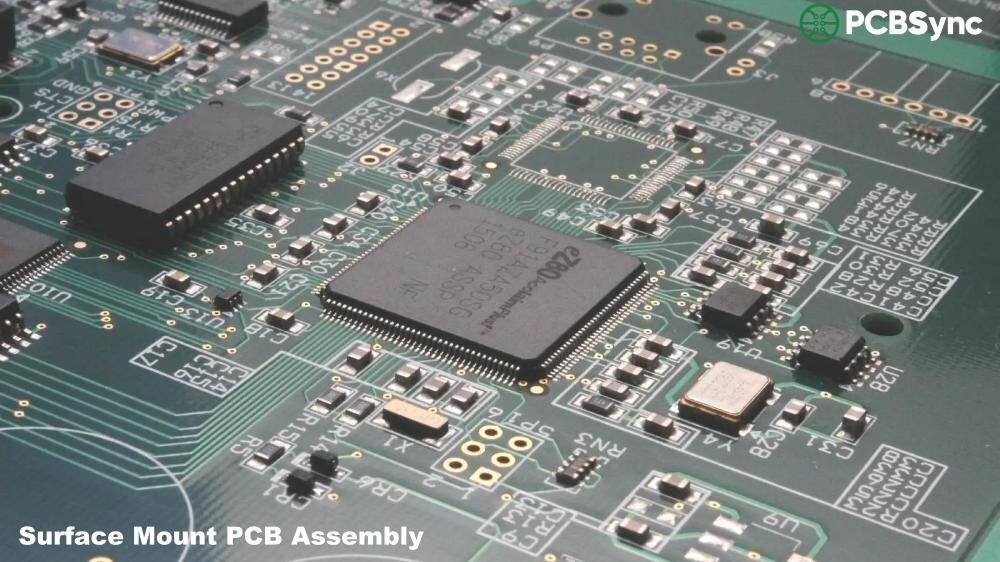
SMT Assembly: Solder paste printing happens first, using stencils to deposit precise paste amounts on PCB pads. Pick-and-place machines then position your components at speeds up to 40,000 components per hour depending on machine capability. The assembled boards pass through reflow ovens where controlled temperature profiles melt the solder, creating electrical and mechanical connections.
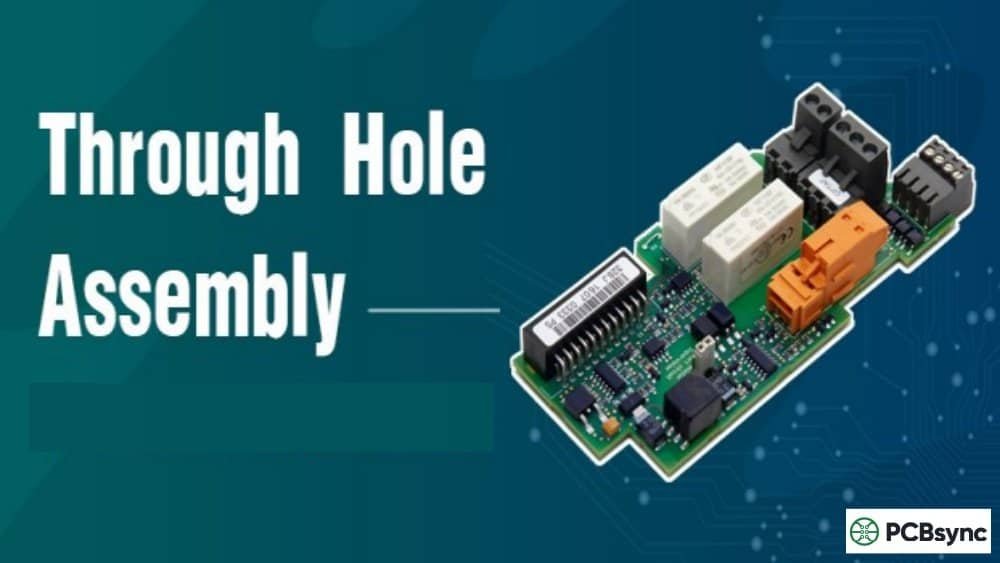
Through-Hole Assembly: If your design includes PTH components, they’re inserted after SMT assembly. Some shops use wave soldering for bulk through-hole work, while others employ selective soldering or hand assembly for mixed boards.
Quality Inspection: This typically includes Automated Optical Inspection (AOI) to catch solder defects, component placement errors, or missing parts. X-ray inspection verifies BGA and QFN solder joints that aren’t visible optically. In-Circuit Testing (ICT) or Flying Probe testing can verify electrical connectivity.
Post-Assembly
Functional Testing: Depending on your requirements, CMs can perform functional tests using custom test fixtures. On a recent motor controller project, we provided test software and a custom fixture that verified PWM output, current sensing accuracy, and communication protocols.
Final Quality Assurance: Visual inspection confirms overall assembly quality, proper labeling, and packaging readiness. Boards get packaged according to your specifications and shipped to your destination.
Quality Control Strategies for Consignment Assembly
Quality issues in consignment assembly often stem from component-related problems rather than assembly defects. Here’s what I’ve implemented to maintain consistent quality:
First Article Inspection: Always request FAI on the initial production batch. This catches any misunderstandings about component orientation, special assembly requirements, or design issues before you commit to full production.
Component Quality Verification: Before shipping to your CM, perform incoming inspection on critical components. I’ve caught counterfeit ICs, damaged connectors, and mislabeled component reels this way. For high-value components, consider additional verification like X-ray inspection or electrical testing.
Moisture Sensitivity Management: Components with Moisture Sensitivity Levels (MSL) require specific handling. MSL 3 and above need baking before reflow if they’ve been exposed to ambient conditions beyond floor life limits. Discuss MSL handling procedures with your CM upfront.
IPC Standards Compliance: Specify which IPC standards apply to your project. IPC-A-610 Class 2 covers most consumer electronics, while Class 3 applies to high-reliability applications like medical devices or aerospace. The standard you choose affects inspection criteria and acceptable defect rates.
Common Challenges and How to Solve Them
Component Shortages
The 2020-2023 component shortage taught everyone painful lessons. When you control component sourcing in consignment assembly, you own the shortage risk. My strategies:
Identify second sources for all critical components during design phase
Order long-lead-time parts immediately after design freeze
Maintain safety stock for components with unstable supply
Consider VMI (Vendor Managed Inventory) programs with key distributors
Inventory Management Complexity
Managing component inventory across multiple projects gets complicated fast. I use simple spreadsheet tracking with columns for: part number, quantity on-hand, quantity allocated to projects, reorder threshold, and supplier lead time. More sophisticated teams use PLM or ERP systems, but spreadsheets work fine for startups.
Coordination Overhead
Consignment assembly requires more communication touchpoints than turnkey. You’re coordinating with component suppliers, logistics providers, and the CM simultaneously. Set up a project communication plan with regular update cadence and clear escalation paths for issues.
Documentation Accuracy
BOM errors cause most consignment assembly delays. I’ve seen production stopped because:
Part numbers didn’t match actual component markings
Package types were specified incorrectly
Reference designators on BOM didn’t align with design files
Choosing the Right Consignment PCB Assembly Partner
Not all CMs handle consignment assembly well. Here’s what to evaluate:
Evaluation Criteria
Why It Matters
Questions to Ask
Component Storage Capabilities
Prevents damage to sensitive parts
Do you have humidity-controlled storage? Temperature monitoring?
Inventory Tracking Systems
Ensures your parts don’t get mixed with other customers
What system tracks consigned inventory? Can I access inventory status online?
Kitting Procedures
Confirms all parts available before assembly starts
How do you verify component quantities? What happens if shortages discovered?
Insurance Coverage
Protects your component investment
Are consigned components covered by your insurance? What’s the claim process?
Assembly Capabilities
Matches your technology requirements
What component sizes can you place? BGA pitch limits? Package types supported?
I always request facility tours when possible. Seeing how a CM actually handles consigned inventory tells you more than any capability presentation.
Consignment vs Turnkey: Making the Right Choice
The consignment versus turnkey decision isn’t one-size-fits-all. Here’s when each model makes sense based on actual project experience:
Choose Consignment When:
You have existing component inventory to utilize
Component costs represent more than 40% of total PCBA cost and you can source better pricing
Your design includes proprietary or hard-to-source components
You need complete supply chain traceability for regulatory compliance
You’re working with ITAR-restricted or export-controlled components
Component availability is uncertain and you want to secure parts early
Choose Turnkey When:
You’re prototyping with common, readily available components
Your team lacks procurement resources or expertise
Time-to-market matters more than per-unit cost optimization
You want single-point accountability for the entire PCBA
You’re building low quantities where procurement overhead isn’t worth the effort
On one recent product, I used consignment for the main control board containing expensive FPGAs and custom ASICs, while running turnkey for the power supply module with standard components. Hybrid approaches often make the most sense.
Best Practices from the Production Floor
After managing dozens of consignment builds, here are practices that consistently prevent problems:
Component Labeling: Use clear, consistent labeling with part number, manufacturer, quantity, and lot code. Include moisture sensitivity level for applicable parts. I print labels directly from my inventory spreadsheet to avoid transcription errors.
Documentation Package: Along with components, provide your CM with:
Detailed BOM including approved substitutions
Assembly drawings with clear reference designator callouts
Special handling instructions for sensitive components
Test procedures and acceptance criteria
Contact information for quick questions
Communication Protocol: Establish weekly status updates during production. Get notification immediately when component issues arise so you can respond quickly. I use shared project management tools where both my team and the CM can update status in real-time.
Quality Metrics Tracking: Monitor defect rates, first-pass yield, and root cause data. This helps identify whether problems stem from component quality, assembly processes, or design issues.
Useful Resources and Tools
Here are resources I reference regularly for consignment PCB assembly:
Industry Standards:
IPC-A-610: Acceptability of Electronic Assemblies – Available from IPC website for download
IPC-7711/7721: Rework and Repair Standards
J-STD-001: Requirements for Soldered Electrical Connections
Component Databases:
Octopart: Cross-reference part numbers and check availability across distributors
SiliconExpert: Component lifecycle management and obsolescence tracking
PartSim: Electronic component search and comparison tool
Simple Excel or Google Sheets templates work fine for smaller operations
Packaging Standards:
EIA-481: Embossed carrier taping for surface mount components
JEDEC: Moisture sensitivity packaging standards
Frequently Asked Questions
Q: What happens if some of my consigned components arrive damaged?
From experience, most quality CMs perform incoming inspection and notify you immediately about damaged components. Have a contingency plan ready. I maintain relationships with expedited component suppliers who can overnight critical parts if needed. Your contract should specify whether the CM’s insurance covers damaged components during assembly or if you need separate coverage.
Q: How much component overage should I provide?
Standard practice is 3-5% overage for SMT components to account for placement errors, dropped parts, or feeder jams. For through-hole components, provide 10% extra. On expensive components like microprocessors where cost per unit is high, you might reduce overage to 2-3% but accept the risk of potential shortages. I always run the numbers: is the cost of extra components less than the cost of delaying production to wait for more parts?
Q: Can I mix consignment and turnkey on the same project?
Absolutely, and I do this regularly. The industry calls this “partial consignment” or “hybrid assembly.” You supply specialized components while the CM sources common passives, connectors, and other standard parts. This gives you control where it matters while offloading commodity procurement overhead. Just make sure your BOM clearly indicates which parts you’re providing versus what the CM sources.
Q: How do I handle consignment for prototypes versus production runs?
For prototypes, I often use partial consignment, providing only expensive or long-lead-time parts while letting the CM quick-turn standard components. This minimizes my inventory investment for low-quantity builds. For production, full consignment makes more sense once I’ve validated the design and can commit to larger component orders with better pricing.
Q: What if my CM runs out of my consigned parts mid-production?
This shouldn’t happen with proper planning, but it does occasionally. Your contract should specify procedures for component shortages. Options include: pausing production while you ship more parts, having the CM source equivalent components at your cost, or accepting partial shipment of completed boards. I build buffer stock into all consignment orders specifically to handle unexpected issues without stopping production.
Conclusion
Consignment PCB assembly offers significant advantages when implemented thoughtfully. The cost savings are real, but they come with increased management responsibility. You’re essentially becoming your own procurement department, which requires time, expertise, and systems to do well.
For projects where you need supply chain control, have access to better component pricing, or work with specialized parts, consignment assembly makes excellent sense. For quick prototypes or products with common components, turnkey assembly often provides better total cost of ownership.
The key is matching the manufacturing model to your specific situation rather than assuming one approach always wins. Start small, track your actual costs including procurement labor, and scale the model that delivers the best results for your organization.
Inquire: Call 0086-755-23203480, or reach out via the form below/your sales contact to discuss our design, manufacturing, and assembly capabilities.
Quote: Email your PCB files to Sales@pcbsync.com (Preferred for large files) or submit online. We will contact you promptly. Please ensure your email is correct.
Notes: For PCB fabrication, we require PCB design file in Gerber RS-274X format (most preferred), *.PCB/DDB (Protel, inform your program version) format or *.BRD (Eagle) format. For PCB assembly, we require PCB design file in above mentioned format, drilling file and BOM. Click to download BOM template To avoid file missing, please include all files into one folder and compress it into .zip or .rar format.