Inquire: Call 0086-755-23203480, or reach out via the form below/your sales contact to discuss our design, manufacturing, and assembly capabilities.
Quote: Email your PCB files to Sales@pcbsync.com (Preferred for large files) or submit online. We will contact you promptly. Please ensure your email is correct.
Notes: For PCB fabrication, we require PCB design file in Gerber RS-274X format (most preferred), *.PCB/DDB (Protel, inform your program version) format or *.BRD (Eagle) format. For PCB assembly, we require PCB design file in above mentioned format, drilling file and BOM. Click to download BOM template To avoid file missing, please include all files into one folder and compress it into .zip or .rar format.
How to Build a Raspberry Pi Laptop: Pi-Top and DIY Options for Portable Computing
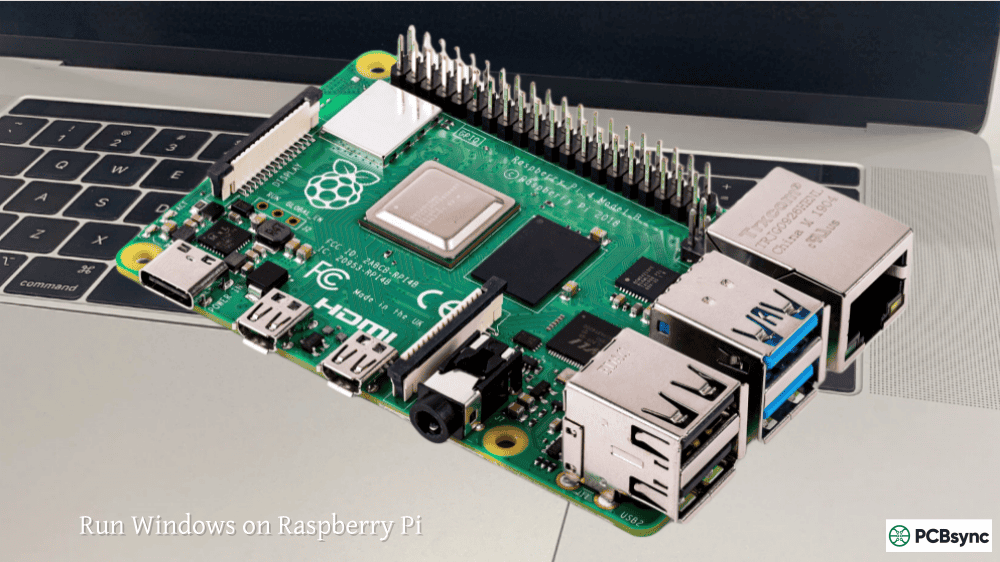
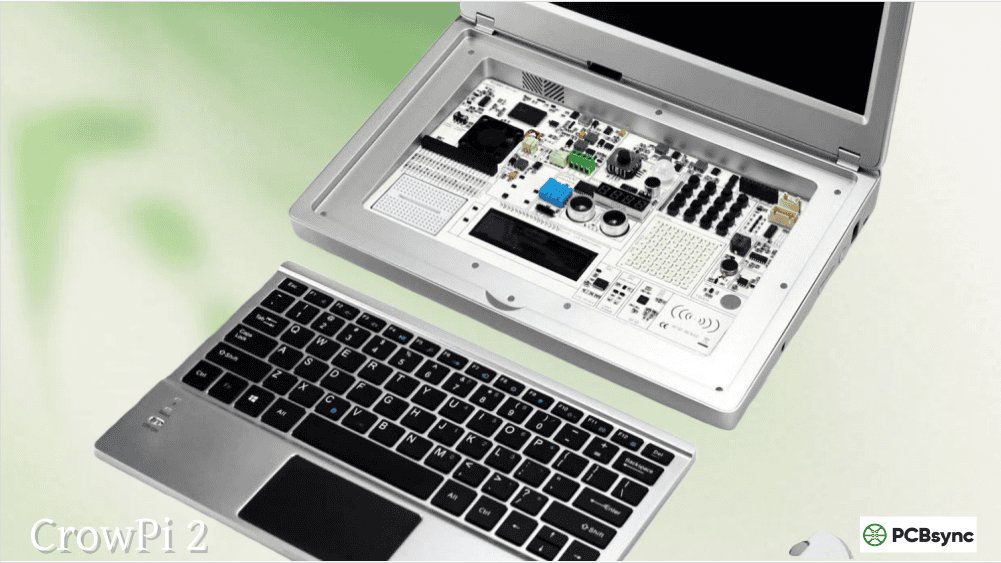
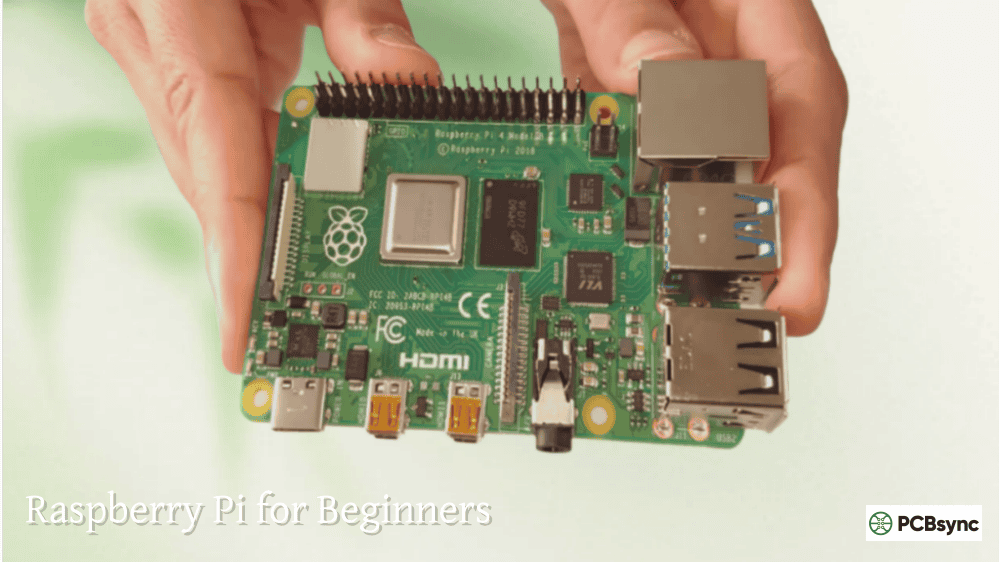
Building a raspberry pi laptop opens up incredible possibilities for makers, students, and tinkerers who want a customizable portable computer. Whether you choose a commercial kit like the Pi-Top or go full DIY with your own portable raspberry pi build, you’ll end up with a unique machine that runs Linux, costs a fraction of traditional laptops, and teaches valuable electronics skills along the way.
I’ve spent over a decade working with embedded systems and single-board computers, and I can tell you that building your own portable computer from a Raspberry Pi is one of the most rewarding projects you can tackle. The process forces you to understand power management, display interfaces, and mechanical design—skills that transfer directly to professional electronics work.
The Raspberry Pi has matured significantly since its launch. Modern Pi boards pack enough computing power to handle web browsing, coding, office work, and light media consumption. Building your own raspberry pi laptop makes sense for several reasons.
Cost Effectiveness
A fully-functional portable raspberry pi build typically costs between $150-400, depending on components. Compare that to commercial laptops, and you’re looking at significant savings. More importantly, you can upgrade individual components rather than replacing the entire system.
Educational Value
Nothing teaches electronics fundamentals like assembling your own computer. You’ll learn about GPIO interfacing, power regulation, display protocols like HDMI and DSI, and battery management systems. Schools and makerspaces worldwide use Pi laptop projects specifically for this educational benefit.
Customization Options
Unlike factory laptops, a raspberry pi laptop can be tailored to your exact needs. Want a rugged enclosure for field work? A transparent case for demonstrations? Specialized input devices for accessibility? Build exactly what you need.
Repairability and Sustainability
Every component in a DIY Pi laptop can be individually replaced. When your Pi becomes outdated, swap in a newer model without discarding the entire machine. That’s sustainability in action.
Pi-Top: The Ready-Made Raspberry Pi Laptop Solution
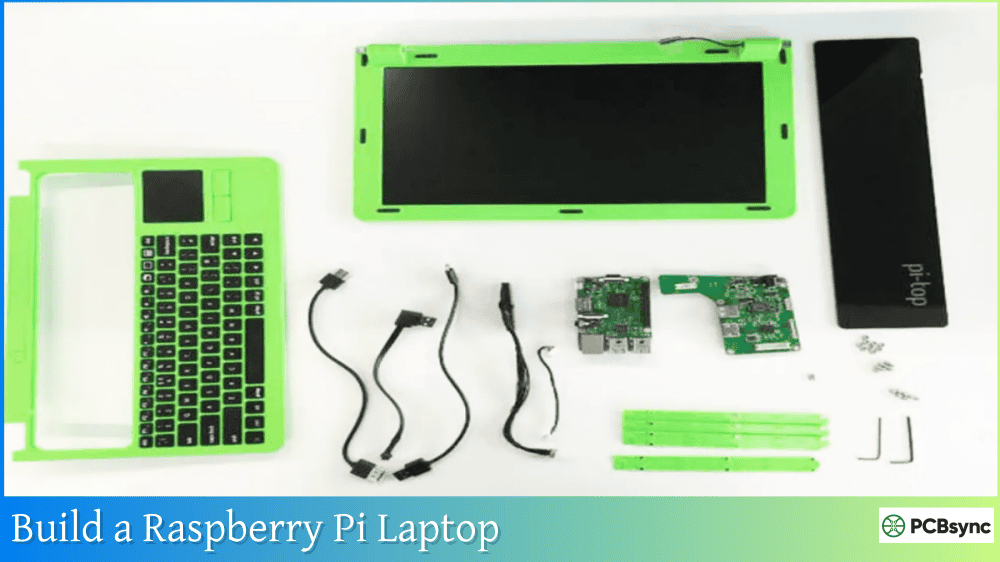
The Pi-Top represents the most polished commercial approach to building a raspberry pi laptop. Originally launched through Kickstarter, Pi-Top has evolved through several generations, each improving on usability and features.
Pi-Top 3: The Classic Laptop Form Factor
The Pi-Top 3 remains popular among educators and hobbyists who want a traditional laptop experience. It uses a clamshell design with a 14-inch display, full keyboard, and integrated battery system.
Feature
Specification
Display
14-inch 1080p LCD
Battery
10+ hours runtime
Compatible Pi Models
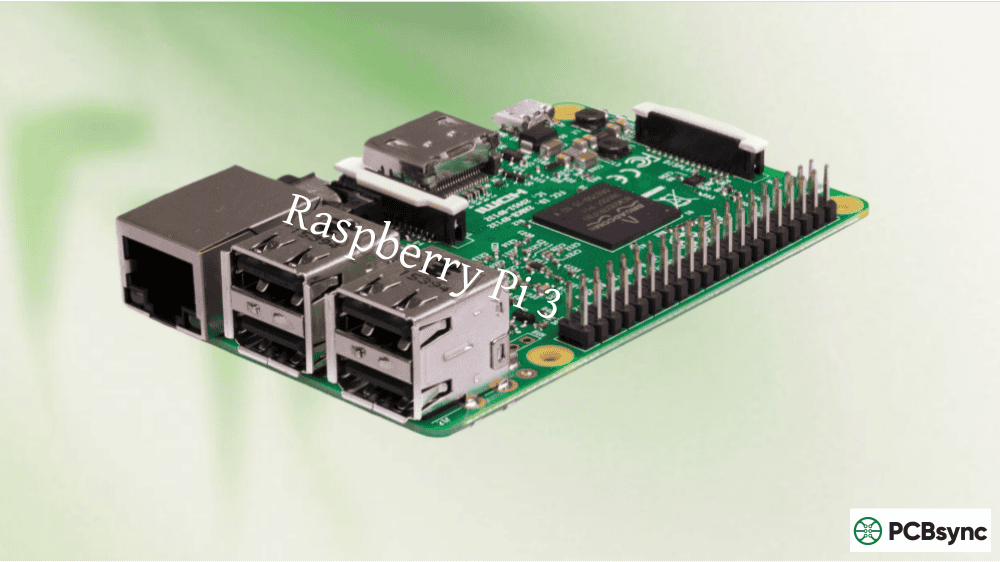
Pi 3B, 3B+
Keyboard
Full-size with trackpad
Weight
Approximately 1.5 kg
Expansion
Modular rail system
The modular rail system deserves special mention. It allows you to slide in additional components—speakers, breadboards, sensors—without tools. For educational settings, this modularity proves invaluable.
Pi-Top [4]: The Desktop and Portable Hybrid
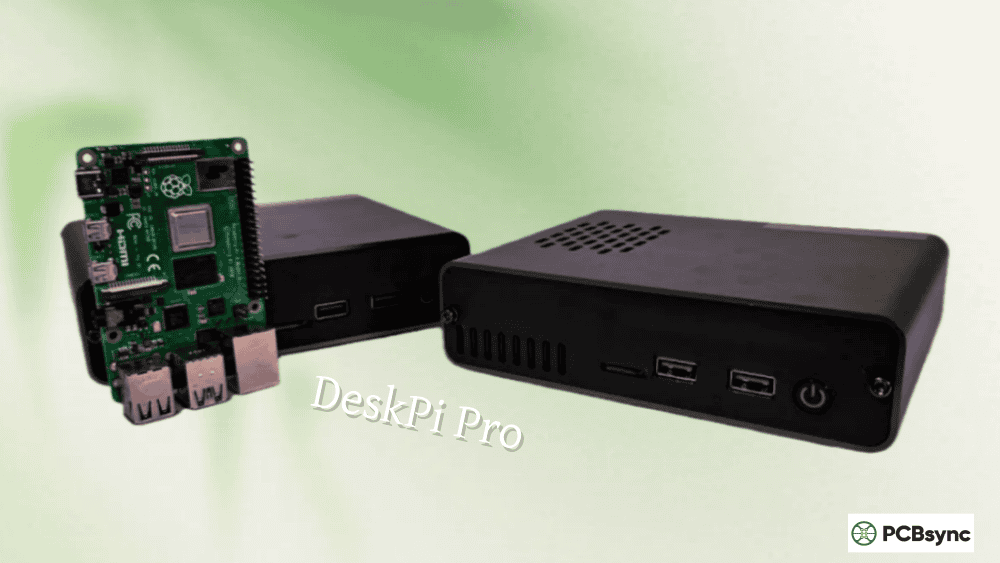
Pi-Top evolved their design philosophy with the Pi-Top [4], which functions as both a desktop computing unit and a portable foundation. Rather than a laptop form factor, it’s a compact base unit that accepts various accessories.
Feature
Specification
Compatible Pi Models
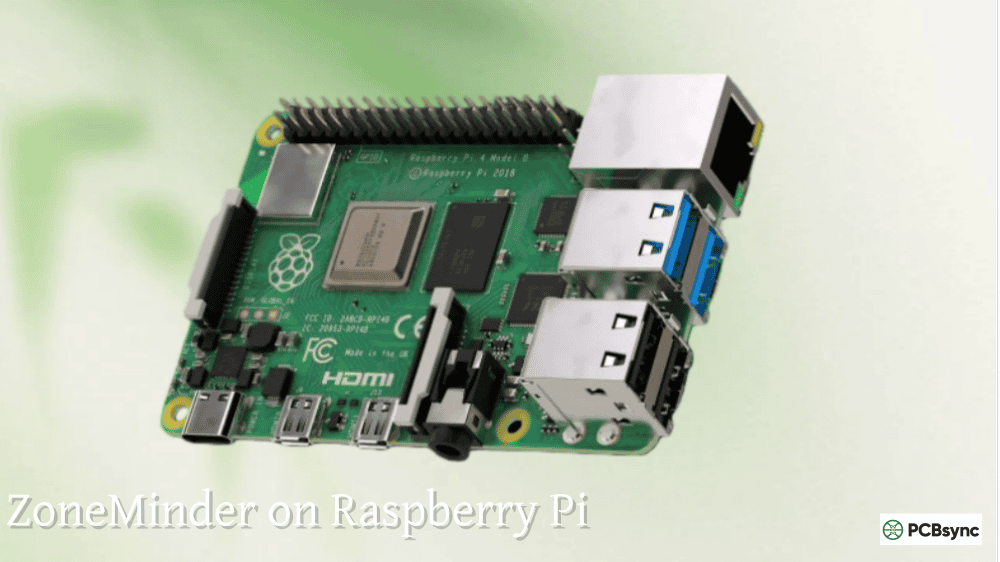
Pi 4B
Cooling
Active fan cooling
Battery
Optional battery accessory
Display Options
External monitor or Pi-Top display
Expansion
Plates system for electronics
OLED Screen
Built-in status display
The shift away from the traditional laptop design disappointed some users, but the flexibility gained appeals to makers who want to switch between desktop and portable configurations.
Pi-Top Pricing and Availability
Expect to pay between $200-350 for Pi-Top products, not including the Raspberry Pi board itself. Availability varies by region, with direct purchases from Pi-Top and authorized resellers like Adafruit, SparkFun, and educational suppliers.
DIY Raspberry Pi Laptop: Building From Scratch
Building a portable raspberry pi from individual components offers maximum customization but requires more technical skill. Here’s how to approach it systematically.
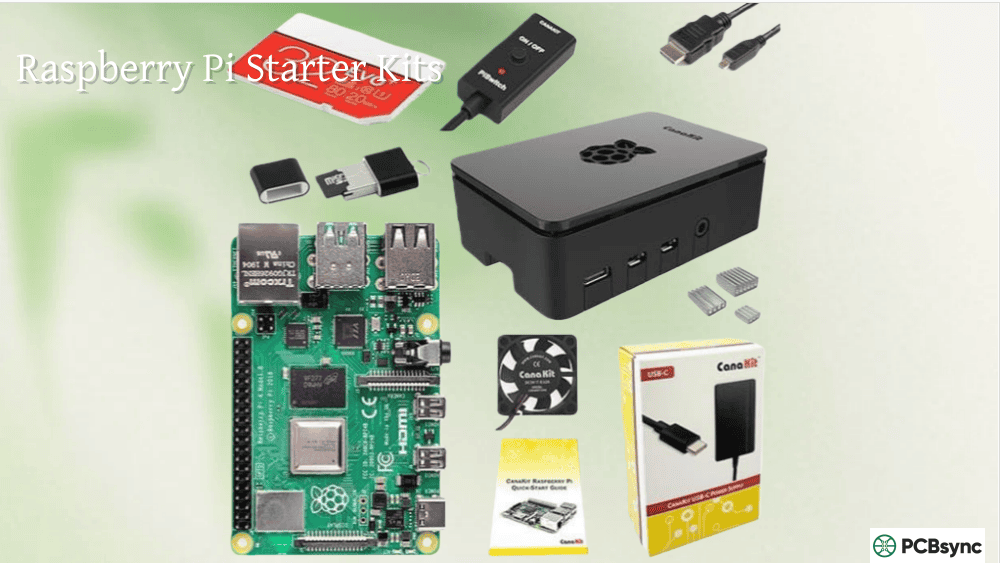
Essential Components for a DIY Build
Every DIY raspberry pi laptop needs these core components:
Component
Budget Option
Premium Option
Notes
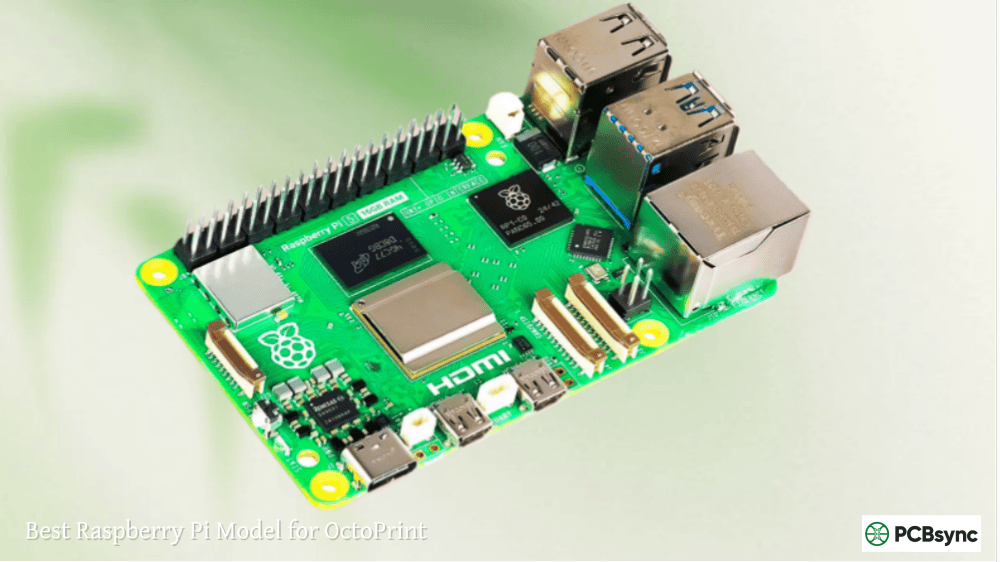
Raspberry Pi
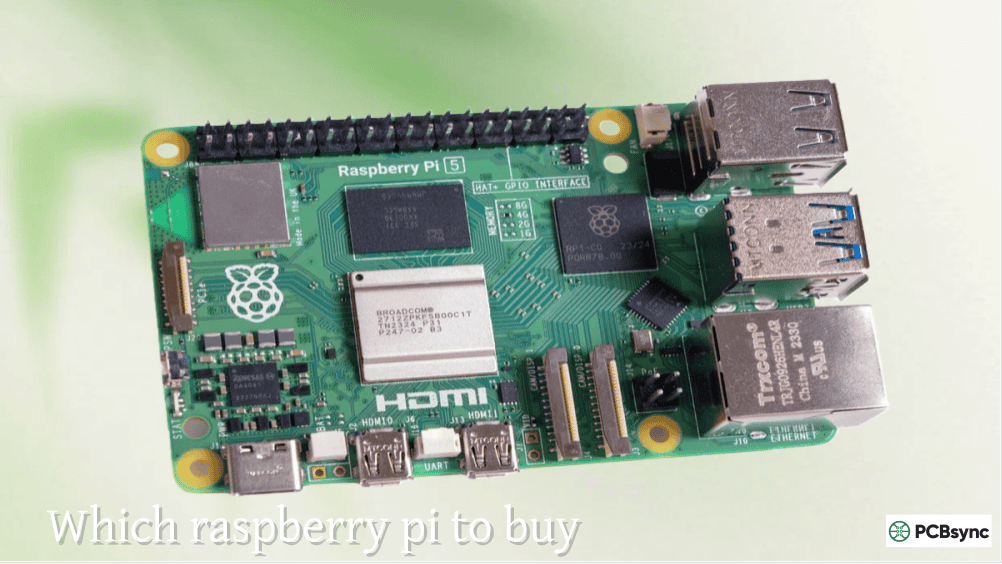
Pi 4B 2GB ($45)
Pi 5 8GB ($80)
Pi 5 offers significant performance boost
Display
7″ DSI touchscreen ($65)
10.1″ IPS LCD ($85)
DSI uses fewer GPIO pins than HDMI
Battery
10000mAh power bank ($25)
LiPo pack with BMS ($50)
Custom LiPo offers better integration
Power Management
USB-C passthrough ($15)
UPS HAT ($35)
UPS HAT enables safe shutdown
Keyboard
Mini USB keyboard ($20)
Mechanical 60% ($60)
Consider weight vs typing comfort
Case
3D printed ($15)
CNC aluminum ($100+)
3D printing offers rapid iteration
Storage
32GB SD card ($10)
NVMe SSD + adapter ($60)
SSD dramatically improves performance
Display Selection for Your Portable Raspberry Pi
Display choice significantly impacts usability. I’ve tested dozens of options over the years, and these factors matter most:
DSI vs HDMI Connection: DSI displays connect directly to the Pi’s display connector, leaving HDMI free for external monitors. They also consume less power. However, HDMI displays offer more size and resolution options.
Resolution vs Size Tradeoff: A 7-inch 1024×600 display works well for terminal work and coding. For comfortable web browsing, consider 10-inch displays at 1280×800 or higher. Remember that higher resolutions on small screens can make text difficult to read without scaling.
Touchscreen Functionality: Touchscreens add convenience but also add cost, complexity, and potential failure points. For a laptop replacement, a good keyboard and trackpad often prove more practical than touch input.
Viewing Angles: IPS panels cost more but provide dramatically better viewing angles than TN panels. For a laptop you’ll use at varying angles, IPS is worth the premium.
Power Management Strategies
Power management makes or breaks a portable raspberry pi project. The Raspberry Pi 5 draws up to 5A under load—that’s 25 watts through a USB-C connection. Older Pi models are more forgiving but still demand careful power planning.
USB Power Banks: The simplest approach uses a standard USB power bank with passthrough charging. Look for banks that support 5V/3A output minimum. QC3.0 or PD-compatible banks work well but require appropriate cables.
Custom LiPo Battery Packs: For thinner builds, custom lithium polymer packs make sense. You’ll need a battery management system (BMS) for safe charging and discharge protection. The Adafruit PowerBoost 1000C and similar boards handle this elegantly.
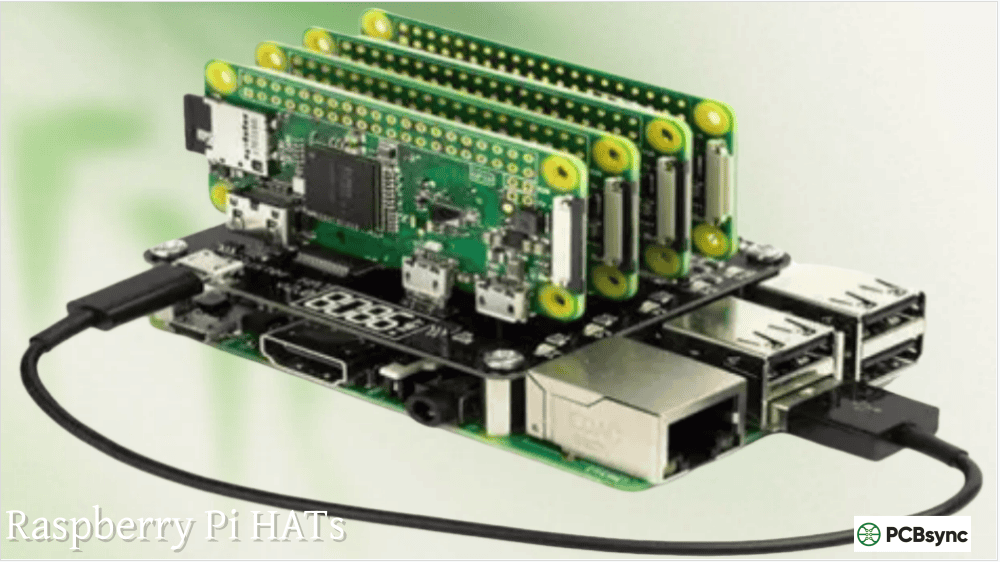
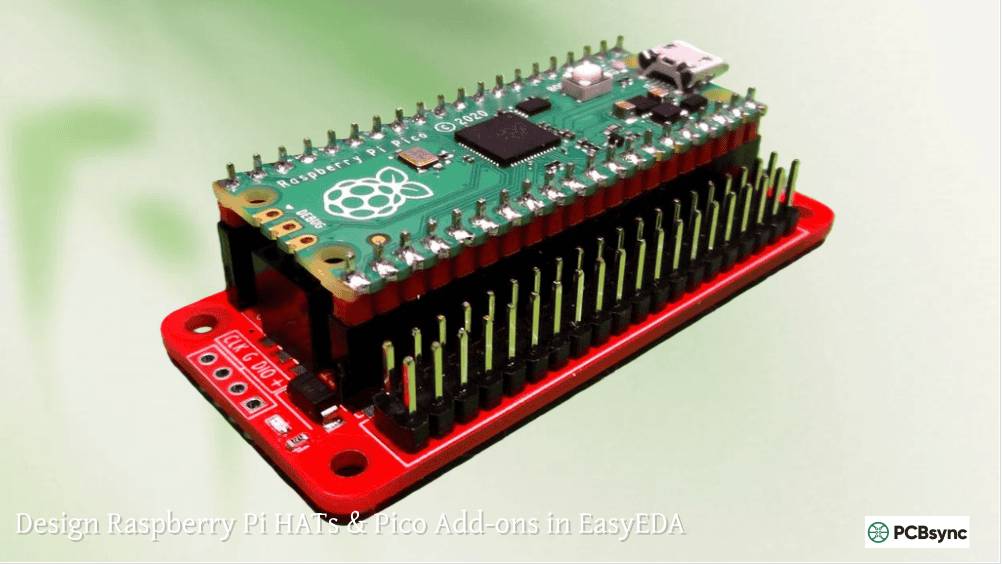
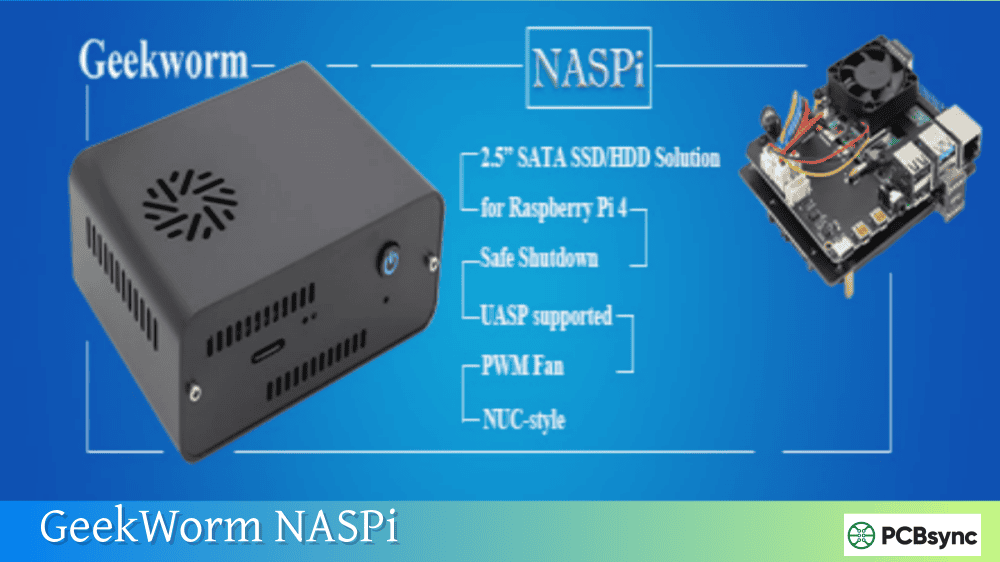
UPS HATs: Several HATs (Hardware Attached on Top) provide integrated battery management. The PiJuice, Waveshare UPS HAT, and Geekworm options offer varying features and price points. These typically include safe shutdown functionality—crucial for preventing SD card corruption.
Runtime Calculations: A 10000mAh battery pack at 3.7V nominal voltage provides 37 watt-hours. A Pi 4 running moderately intensive tasks draws roughly 5 watts. That yields approximately 7 hours of runtime before efficiency losses. Real-world runtime typically hits 4-6 hours depending on screen brightness and workload.
Keyboard and Input Device Options
The keyboard makes or breaks laptop usability. Consider these options for your raspberry pi laptop:
Mini USB Keyboards: Cheap and available everywhere, but typing comfort suffers. Fine for occasional use, frustrating for extended work.
Bluetooth Keyboards: Eliminate cables but add latency and another battery to charge. Pairing can be finicky during boot.
40% and 60% Mechanical Keyboards: Compact mechanical keyboards offer excellent typing feel in reasonable footprints. Models from brands like Keychron come in compact sizes suitable for portable builds.
Integrated Touchpad Solutions: All-in-one keyboard/touchpad combos like the Logitech K400 work well for portable builds where space is tight.
Custom PCB Keyboards: Advanced builders design custom keyboard PCBs that integrate directly with the enclosure. This approach requires PCB design skills but produces the most integrated results.
Enclosure Design and Manufacturing
The enclosure houses everything and determines portability. Your options range from simple to complex.
Repurposed Laptop Shells: Gutting a broken laptop and fitting Pi components inside creates an authentic laptop aesthetic. Challenges include matching display connectors and adapting the keyboard matrix.
3D Printed Enclosures: Most DIY builders choose 3D printing for its flexibility. PLA works for prototypes, but consider PETG or ABS for durability. Numerous designs exist on Thingiverse, Printables, and GitHub.
Laser Cut Panels: Flat panel designs work well for “open sandwich” builds. Acrylic provides visibility, while plywood offers that maker aesthetic.
Off-the-Shelf Cases: Several companies sell case kits designed for Pi laptops. These save design time but limit customization.
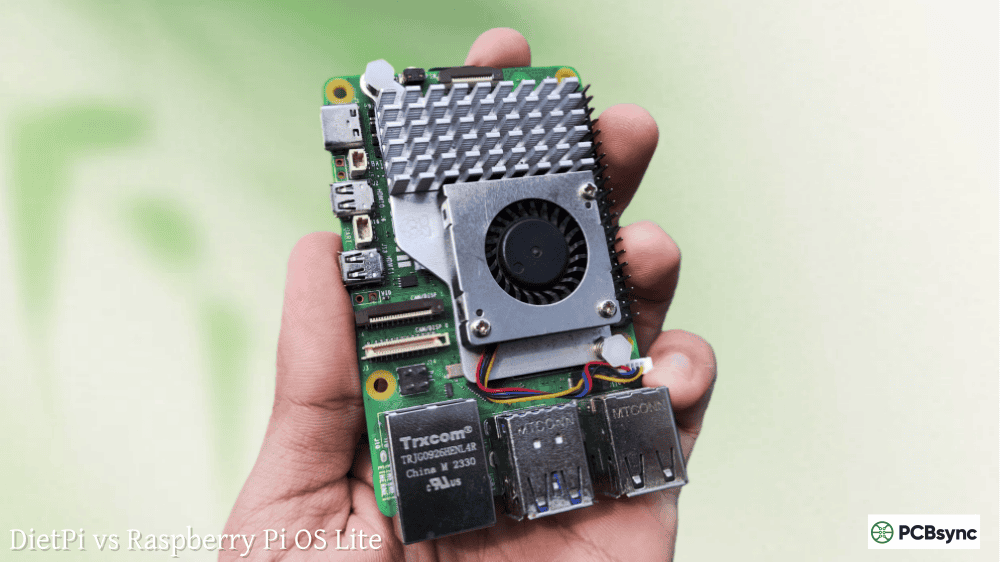
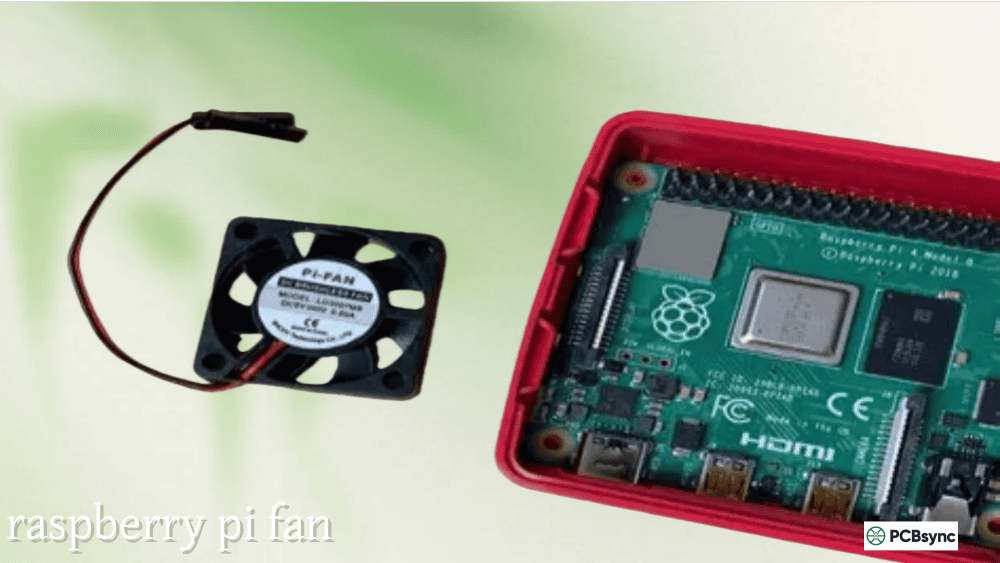
Ventilation Considerations: The Pi 5 especially runs hot under load. Design adequate ventilation or plan for active cooling. A 30mm fan running at 5V keeps temperatures manageable.
Step-by-Step Guide: Building a Budget Portable Raspberry Pi
Let me walk you through building a practical portable raspberry pi for under $200. This design prioritizes reliability and ease of construction.
Materials Needed
Gather these components before starting:
Raspberry Pi 4B (2GB or 4GB)
Official 7-inch touchscreen display
10000mAh USB-C power bank with passthrough charging
Compact USB keyboard with touchpad
32GB high-endurance microSD card
Right-angle USB-C cable
Short micro-USB cable for display power
3D printed or purchased case
Assembly Process
Step 1: Prepare the Raspberry Pi
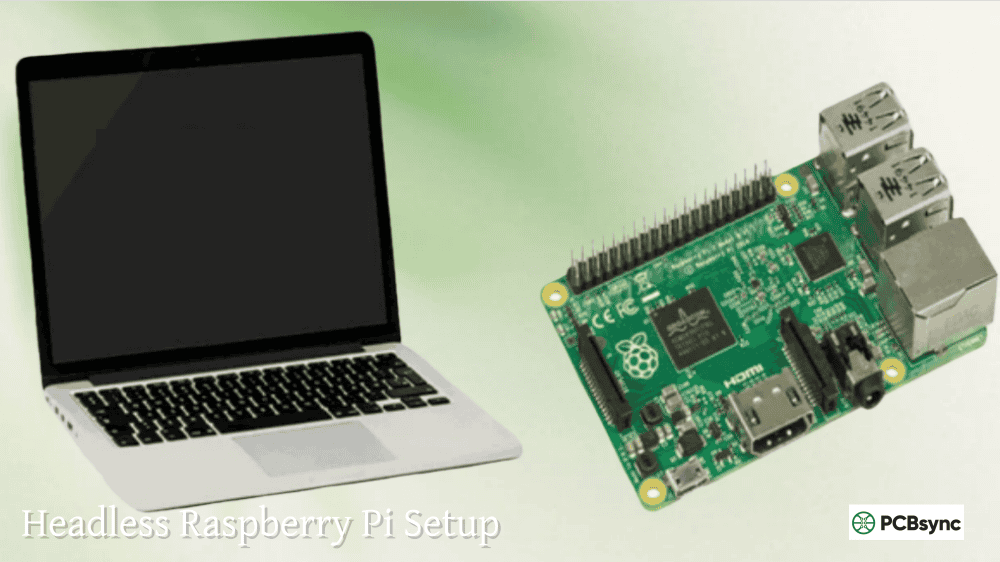
Flash Raspberry Pi OS to your SD card using the official Raspberry Pi Imager. Configure headless SSH access and WiFi credentials during imaging to streamline setup.
Step 2: Connect the Display
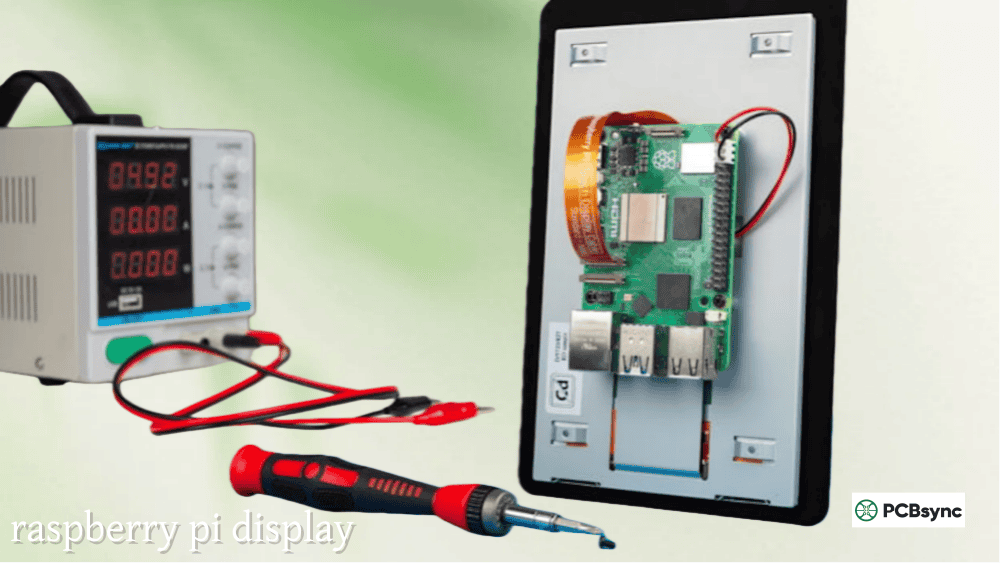
The official DSI display connects via ribbon cable to the Pi’s display port. Note the connector orientation—the metal contacts should face the circuit board. Secure the Pi to the display’s mounting posts using the included standoffs.
Step 3: Test Before Final Assembly
Power everything up and verify the display works correctly. Configure screen orientation if needed by editing /boot/config.txt and adding display_rotate=2 for 180-degree rotation.
Step 4: Install in Enclosure
Whether using a 3D printed case or purchased enclosure, route cables carefully. Avoid sharp bends in ribbon cables. Ensure USB ports remain accessible.
Step 5: Connect Power System
Position the power bank for balance. Route the USB-C cable to the Pi. If your power bank supports passthrough charging, verify that charging while running works correctly.
Step 6: Final Configuration
Install your preferred software. For laptop use, consider adding onboard (virtual keyboard), display scaling adjustments, and power management tweaks like reducing screen brightness.
Ready to push boundaries? These advanced approaches create more integrated raspberry pi laptop builds.
Custom HAT Development
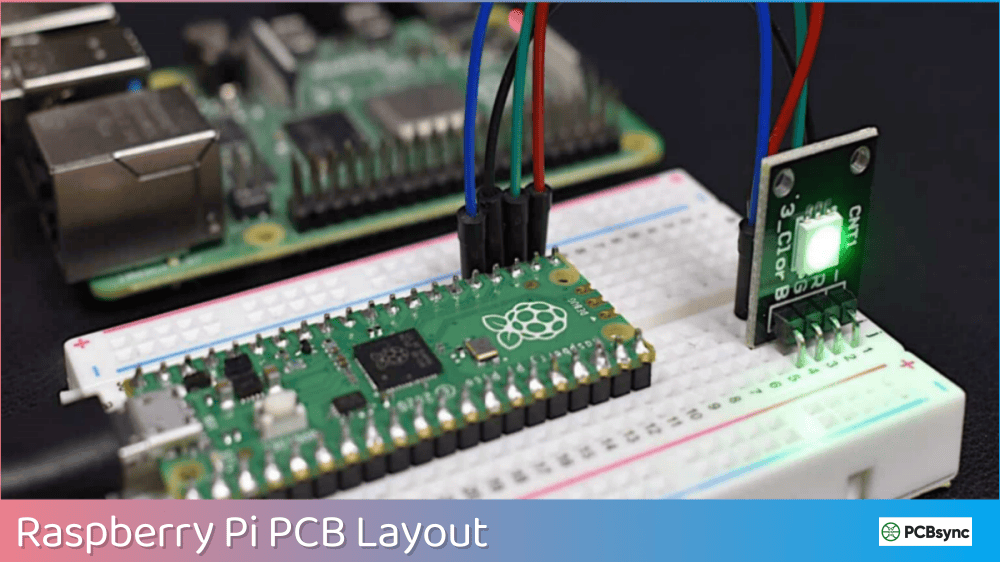
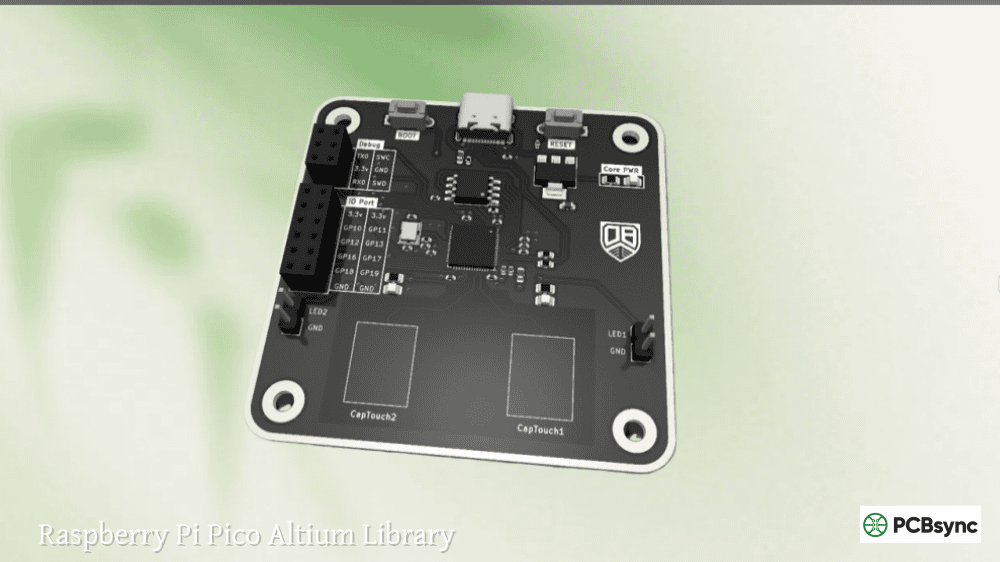
Designing a custom HAT that combines power management, audio amplification, and peripheral connectivity produces the cleanest builds. You’ll need PCB design software (KiCad works well and costs nothing), understanding of Pi GPIO pinouts, and access to PCB manufacturing services.
Mechanical Keyboard Integration
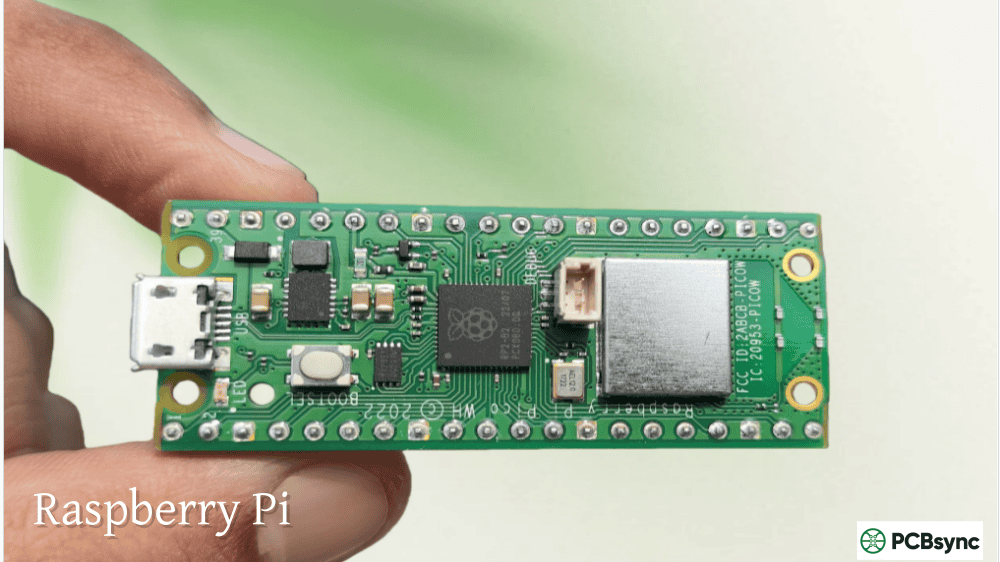
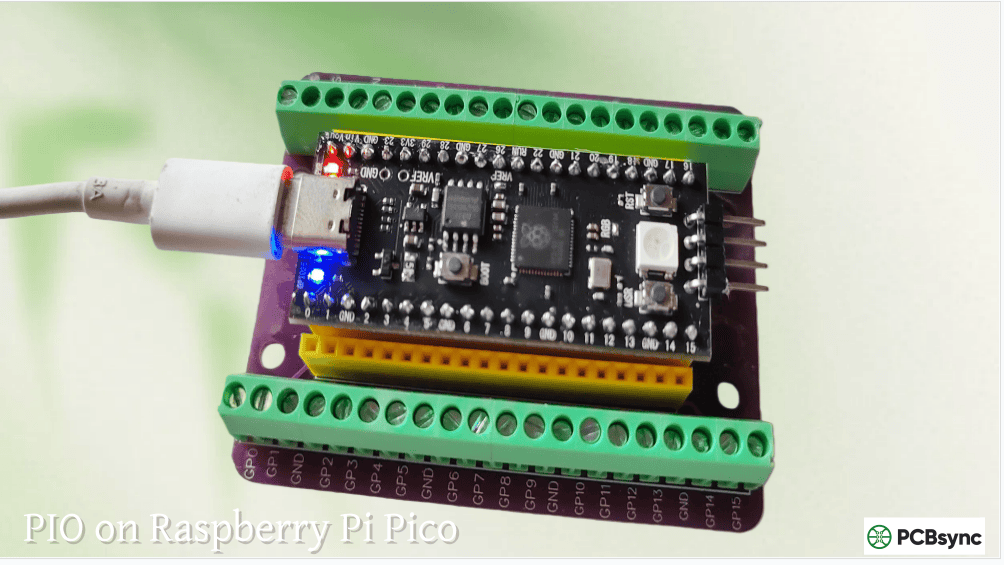
Integrating a proper mechanical keyboard requires understanding keyboard matrices. The Pi’s GPIO can scan a keyboard matrix directly, or you can use a dedicated controller like the Raspberry Pi Pico running QMK firmware.
Pi Compute Module Builds
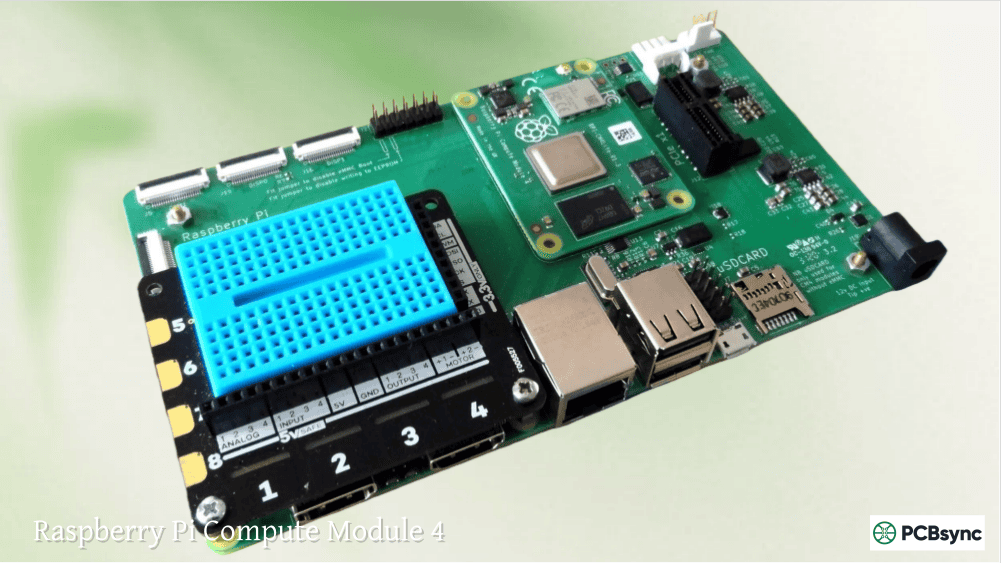
The Raspberry Pi Compute Module offers the most compact form factor. It requires a custom carrier board but eliminates bulky connectors. Professional-grade raspberry pi laptop projects increasingly use Compute Modules.
NVMe Storage Integration
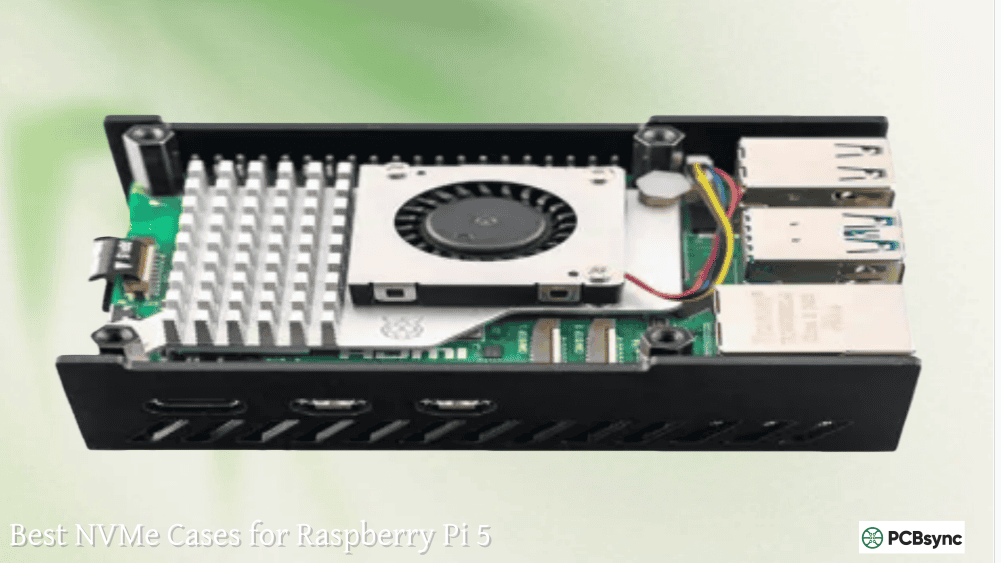
The Pi 5 supports NVMe drives through HATs with PCIe connectivity. NVMe storage dramatically improves system responsiveness and reliability compared to SD cards. Plan your enclosure around the HAT height requirements.
Software Configuration for Laptop Use
Hardware only tells half the story. Software configuration transforms your Pi into a proper laptop.
Recommended Operating Systems
OS
Best For
Notes
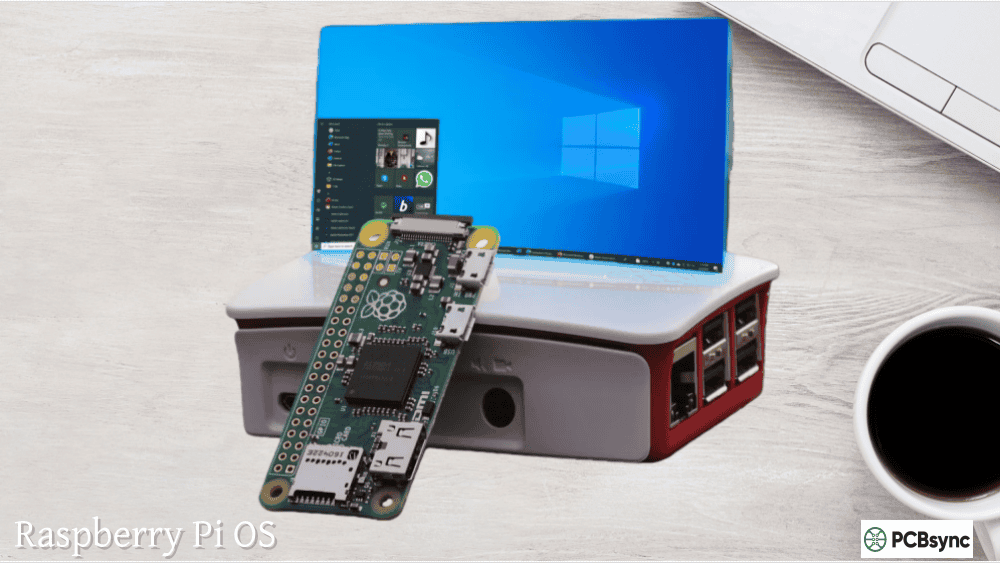
Raspberry Pi OS
General use
Official support, widest hardware compatibility
Ubuntu Desktop
Familiar interface
Heavier resource usage
Manjaro ARM
Rolling updates
Great for developers
Twister OS
Windows-like experience
Simplified interface
DietPi
Minimal resource usage
Terminal-focused
Essential Software Setup
Configure these elements for proper laptop functionality:
Power Management: Install and configure tlp for improved battery life. Create shutdown scripts that safely unmount drives before power loss.
Display Scaling: Adjust scaling in Raspberry Pi Configuration for comfortable text sizes. The -dpi flag in X sessions offers fine-grained control.
Network Management: Configure NetworkManager for seamless WiFi management. Set up VPN profiles if needed for secure connectivity.
Bluetooth: Pair your devices through the system settings. Consider disabling Bluetooth during boot to speed startup if not needed.
Performance Optimization
Squeeze maximum performance from limited hardware with these tweaks:
Increase GPU memory allocation for graphics-heavy work
Enable hardware video acceleration in browsers
Use lightweight applications (Chromium over Firefox, pcmanfm over nautilus)
Configure swap on USB storage rather than SD card
Overclock conservatively if cooling permits
Useful Resources and Downloads
Bookmark these resources for your raspberry pi laptop project:
Official Resources
Raspberry Pi Documentation: https://www.raspberrypi.com/documentation/
Raspberry Pi Imager Download: https://www.raspberrypi.com/software/
Every build encounters obstacles. Here’s how to solve the most common problems.
Display Not Working
Symptoms: Black screen, no backlight, or garbled output
Solutions: Check ribbon cable seating and orientation. Verify display power connection. Try adding hdmi_force_hotplug=1 to config.txt. Test with a known-good HDMI monitor to isolate the issue.
Insufficient Power
Symptoms: Lightning bolt icon, random reboots, USB devices disconnecting
Solutions: Use a higher-rated power supply (5V/3A minimum for Pi 4). Check cable quality—thin cables cause voltage drop. Reduce peripheral power draw.
Solutions: Add heatsinks to SoC and RAM chips. Implement active cooling with a fan. Improve enclosure ventilation. Reduce overclock settings.
SD Card Corruption
Symptoms: Boot failures, filesystem errors, lost data
Solutions: Use high-endurance cards designed for continuous write operations. Implement safe shutdown procedures. Consider NVMe or USB storage for system drive.
Frequently Asked Questions About Raspberry Pi Laptops
How much does it cost to build a raspberry pi laptop?
Budget builds using a portable raspberry pi setup start around $150-200, including a Pi 4, basic display, power bank, and keyboard. Premium builds with better displays, custom enclosures, and UPS systems run $300-500. Commercial Pi-Top solutions cost $200-350 plus the Pi board. The modular nature means you can start basic and upgrade incrementally.
Can a raspberry pi laptop replace a regular laptop?
For lightweight tasks, absolutely. A well-configured raspberry pi laptop handles web browsing, document editing, email, coding, and media playback effectively. It won’t replace a laptop for demanding tasks like video editing, gaming, or heavy multitasking. Students, writers, and developers often find Pi laptops sufficient for their daily needs.
What is the battery life of a typical portable raspberry pi?
Expect 4-8 hours depending on battery capacity, Pi model, and workload. A 10000mAh power bank running a Pi 4 with moderate screen brightness typically delivers 5-6 hours. The Pi 5 draws more power, reducing runtime proportionally. Larger batteries (20000mAh+) extend runtime to 10+ hours but add weight.
Is Pi-Top worth the price compared to DIY options?
Pi-Top makes sense for users who value polish over customization and lack time or tools for DIY construction. Educational institutions benefit from the modular ecosystem and curriculum support. DIY builders get more flexibility and learning opportunities at lower cost. Neither approach is universally “better”—it depends on your goals and constraints.
Which Raspberry Pi model works best for a laptop build?
The Raspberry Pi 4B (4GB or 8GB) offers the best balance of performance, power efficiency, and software compatibility for laptop projects. The Pi 5 provides substantial performance improvements but draws more power and runs hotter—requiring better cooling solutions. Older Pi 3 models still work but feel sluggish for modern desktop use. The Compute Module 4 suits advanced builders creating custom carrier boards.
Building a raspberry pi laptop combines practical utility with educational value. Whether you choose the streamlined Pi-Top approach or dive into a custom portable raspberry pi build, you’ll end up with a unique machine that teaches more about computing than any off-the-shelf laptop purchase. Start simple, iterate on your design, and don’t be afraid to experiment—that’s exactly what the Raspberry Pi platform was designed for.
The maker community continues to push the boundaries of what’s possible with these tiny computers. New HATs, displays, and power management solutions arrive regularly, making each generation of raspberry pi laptop builds better than the last. Your project today becomes tomorrow’s inspiration for other builders, so consider documenting and sharing your build online.
Inquire: Call 0086-755-23203480, or reach out via the form below/your sales contact to discuss our design, manufacturing, and assembly capabilities.
Quote: Email your PCB files to Sales@pcbsync.com (Preferred for large files) or submit online. We will contact you promptly. Please ensure your email is correct.
Notes: For PCB fabrication, we require PCB design file in Gerber RS-274X format (most preferred), *.PCB/DDB (Protel, inform your program version) format or *.BRD (Eagle) format. For PCB assembly, we require PCB design file in above mentioned format, drilling file and BOM. Click to download BOM template To avoid file missing, please include all files into one folder and compress it into .zip or .rar format.