Inquire: Call 0086-755-23203480, or reach out via the form below/your sales contact to discuss our design, manufacturing, and assembly capabilities.
Quote: Email your PCB files to Sales@pcbsync.com (Preferred for large files) or submit online. We will contact you promptly. Please ensure your email is correct.
Notes: For PCB fabrication, we require PCB design file in Gerber RS-274X format (most preferred), *.PCB/DDB (Protel, inform your program version) format or *.BRD (Eagle) format. For PCB assembly, we require PCB design file in above mentioned format, drilling file and BOM. Click to download BOM template To avoid file missing, please include all files into one folder and compress it into .zip or .rar format.
Black PCB: Benefits, Drawbacks & Best Applications
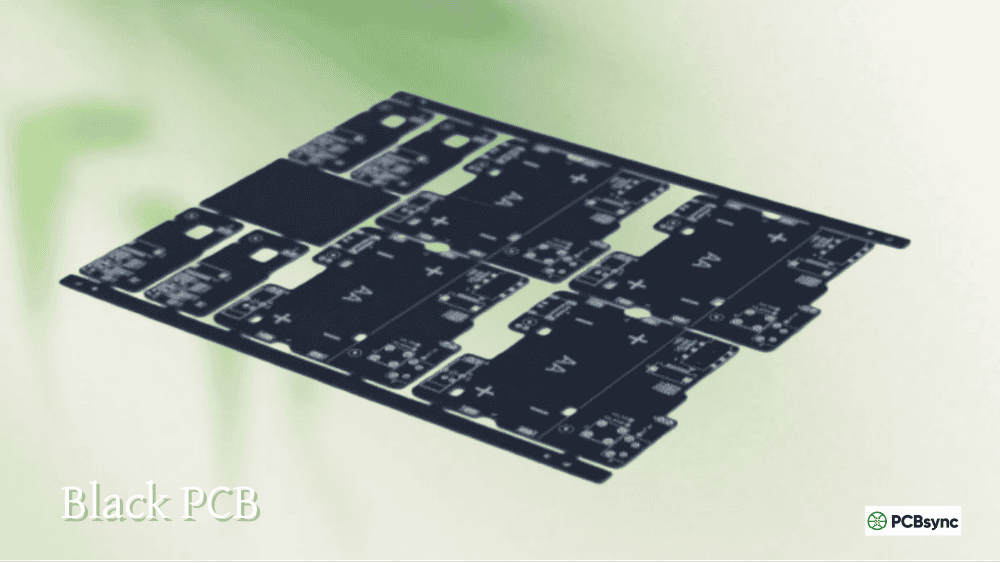
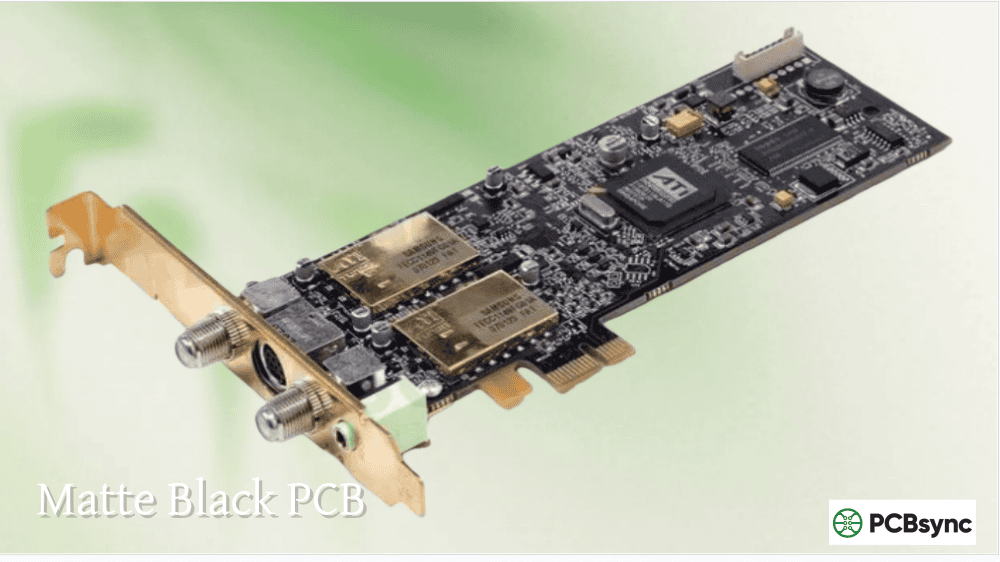
Walk into any Apple store, pick up a gaming motherboard, or crack open high-end audio equipment, and you’ll likely find a black circuit board inside. The black PCB has become synonymous with premium electronics—but is that reputation deserved, or is it purely cosmetic? Having worked with black solder masks on dozens of projects, I can tell you the answer is more nuanced than most articles suggest.
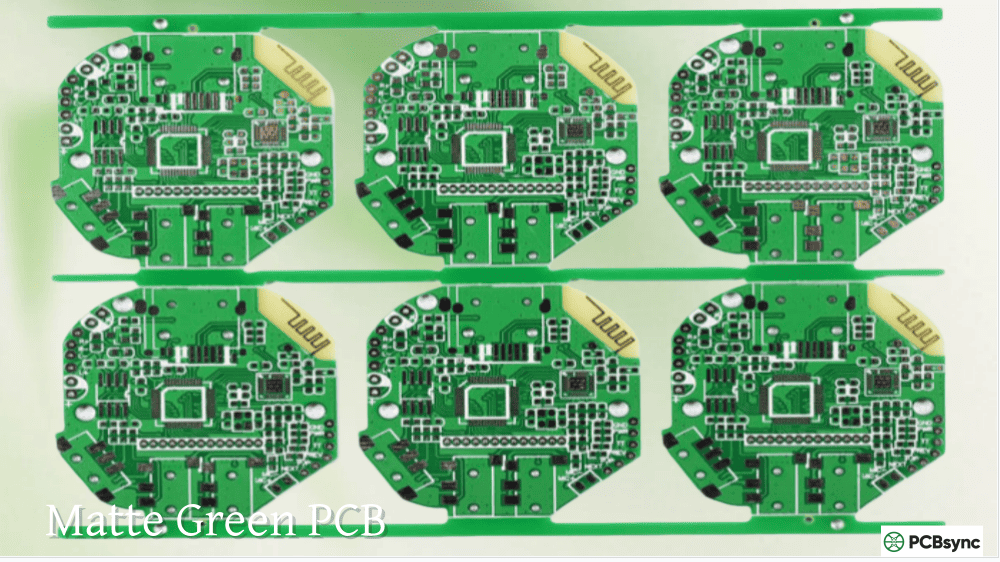
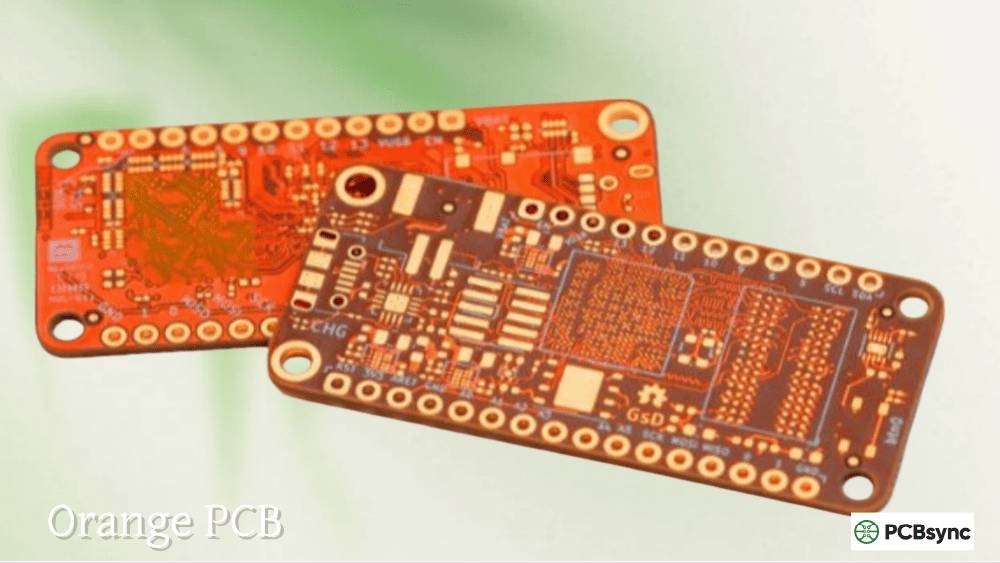
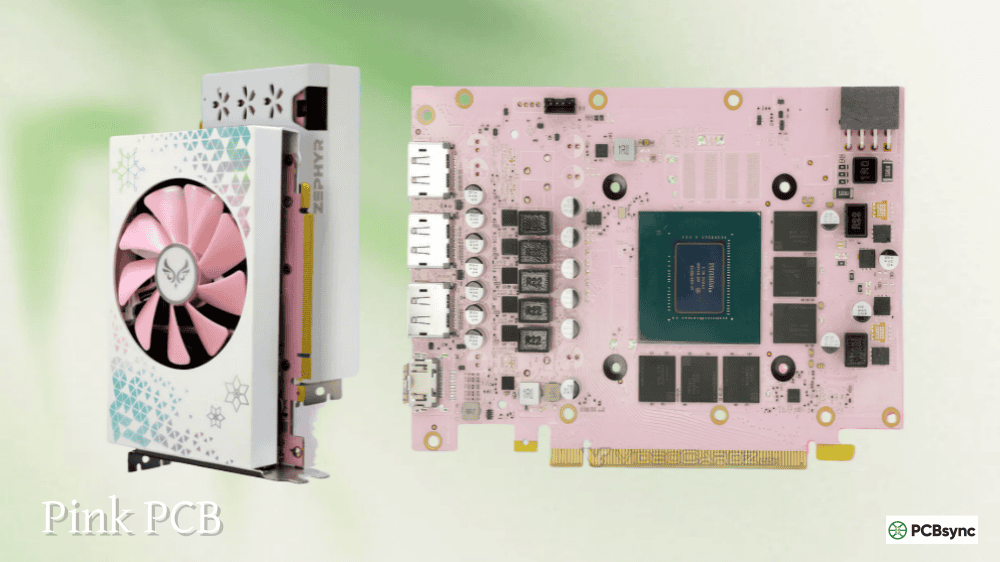
A black PCB uses a black-pigmented solder mask instead of the traditional green. The solder mask is the thin polymer layer that protects copper traces from oxidation and prevents solder bridges during assembly. While black looks impressive, choosing it involves real engineering tradeoffs that affect manufacturing cost, inspection accuracy, and thermal behavior.
Before diving into benefits and drawbacks, let’s clarify what “black PCB” actually means in practice.
Black Solder Mask vs Black Substrate
Component
Standard Black PCB
True Black FR-4 PCB
Substrate color
Natural tan/brown
Black-dyed laminate
Black appearance from
Solder mask only
Both substrate and mask
Cost premium
15-25% over green
40-60% over green
Availability
Most fabricators
Specialty fabricators
Typical use
Consumer electronics
Optical equipment
Most black PCB boards use standard FR-4 substrate with black solder mask applied on top. The substrate itself remains the natural tan/brown color—identical to what’s under green or blue boards. True black FR-4, where the laminate itself is dyed black, costs significantly more and is reserved for specialized optical applications.
Black Solder Mask Composition
Property
Specification
Base material
Liquid Photo-Imageable (LPI) epoxy
Pigment type
High-opacity black pigment
Pigment cost
2-3× standard green pigment
Temperature rating
Up to 260°C (reflow compatible)
Curing method
UV exposure + thermal cure
The black color comes from specialized pigments added to the epoxy base. These high-opacity pigments cost significantly more than green formulations, which partly explains the price premium for black boards.
Benefits of Black PCB
Despite the higher cost, black PCB offers genuine advantages that justify its use in many applications.
Premium Aesthetic Appeal
Application
Why Black Works
Consumer electronics
Modern, high-tech appearance
Gaming hardware
Matches aggressive styling
Audio equipment
Professional, studio-grade look
Automotive displays
Complements interior design
Visible enclosures
Clean appearance through clear cases
The aesthetic advantage of black PCB is undeniable. When boards are visible to end users—through transparent cases, behind ventilation grilles, or in products marketed on their hardware—black projects quality and sophistication. Companies like Apple have made black boards part of their design language.
Excellent Silkscreen Contrast
Silkscreen Color
Contrast on Black
Readability
White
Excellent
Best choice
Yellow
Very good
Good alternative
Light blue
Good
Acceptable
Red
Moderate
Limited use
One genuine functional benefit: white silkscreen on black PCB creates outstanding contrast. Component labels, reference designators, and polarity markings pop against the dark background. During assembly and debugging, this high contrast makes identifying components faster and reduces placement errors.
Reduced Light Reflection
Property
Black PCB
Green PCB
Light reflection
Very low
Moderate
Glare during inspection
Minimal
Some
Optical interference
Minimal
Possible
Display backplane suitability
Excellent
Poor
For applications involving optical sensors, camera modules, or display backlighting, black PCB minimizes stray light that could interfere with performance. The low reflectivity makes black ideal for:
Camera module substrates
Optical sensor carriers
LCD/OLED display backlighting boards
Laser equipment
Barcode scanner internals
Thermal Radiation Properties
Thermal Property
Black Solder Mask
Green Solder Mask
Infrared emissivity
0.90-0.95
~0.85
Radiative heat transfer
Higher
Lower
Heat absorption
Higher
Lower
Net thermal effect
Application-dependent
Baseline
Black surfaces have higher infrared emissivity, meaning they radiate heat more effectively than lighter colors. In passive cooling scenarios where heat must dissipate through radiation rather than convection, black PCB can provide a modest thermal advantage. However, this same property means black absorbs more heat from external sources—a tradeoff that matters in some environments.
Dust and Fingerprint Concealment
Contamination Type
Visibility on Black
Visibility on Green
Dust particles
Low
Moderate
Fingerprints
Low
High
Flux residue
Moderate
High
Light scratches
Low
Moderate
For products where boards may be handled during service or are visible to users, black PCB hides minor cosmetic imperfections better than lighter colors.
Drawbacks of Black PCB
The benefits come with significant tradeoffs that every engineer should understand before specifying black.
Poor Trace Visibility
Inspection Element
Black PCB Visibility
Green PCB Visibility
Copper traces
Very poor
Excellent
Empty spaces
Very poor
Excellent
Solder joints
Poor
Good
Defects/cracks
Poor
Good
Via fills
Very poor
Good
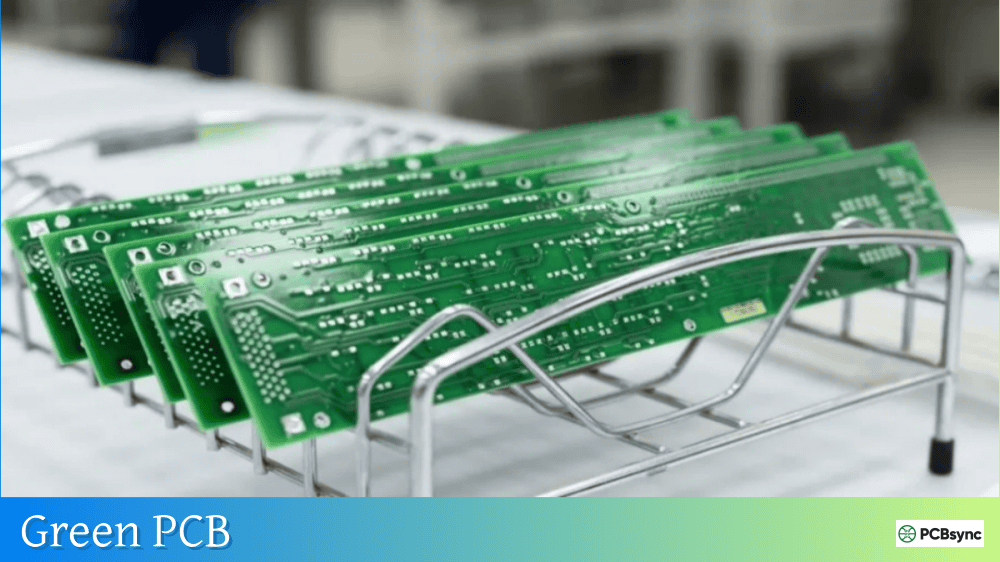
This is the most significant drawback of black PCB. The contrast between copper traces, empty spaces, and solder mask is nearly non-existent on black boards. Manual inspection becomes extremely difficult, and defects that would be obvious on green boards can hide in plain sight on black.
AOI and Inspection Challenges
AOI Factor
Black PCB Impact
False defect rate
Higher
Missed defect rate
Higher
Calibration difficulty
Significant
Manual review required
More frequent
Equipment requirements
Advanced LDI systems
Automated Optical Inspection systems were optimized for green PCBs over decades. Black PCB creates challenges because:
Low contrast increases false positives
Some real defects go undetected
Systems require careful recalibration
More manual review is needed to verify results
Higher Manufacturing Cost
Cost Factor
Black vs Green Premium
Solder mask material
+15-25%
Processing time
+10-20%
Inspection overhead
+5-15%
Defect/rework rate
Higher
Total board cost
+15-25% typical
The specialized black pigments cost 2-3× more than green. Combined with slower processing, more careful inspection, and higher defect rates, black PCB typically adds 15-25% to board fabrication cost.
Wider Solder Mask Dam Requirements
Color
Minimum Solder Mask Dam
Green
3 mil (0.076 mm)
Blue
3.5 mil (0.089 mm)
Red
3.5 mil (0.089 mm)
Black
4-6 mil (0.10-0.15 mm)
Black solder mask requires wider dams between pads due to the opacity of the pigment affecting UV exposure during curing. For fine-pitch designs pushing manufacturing limits, this constraint can force design compromises.
While black radiates heat well, it also absorbs heat more readily. During reflow soldering, black boards absorb more energy, potentially requiring adjusted temperature profiles. Some fabricators add an extra day to lead time for black boards to account for thermal processing differences.
Extended Lead Times
Color
Typical Lead Time Impact
Green
Baseline (standard)
Blue
+1-2 days
Red
+1-2 days
Black
+2-3 days
White
+2-3 days
Most fabricators stock green solder mask in large quantities. Black requires material changeover, process adjustment, and more careful quality control—all of which extend lead times.
Black PCB vs Green PCB Comparison
Factor
Black PCB
Green PCB
Aesthetics
Premium, modern
Standard, industrial
Silkscreen contrast
Excellent (white)
Good (white)
Trace visibility
Very poor
Excellent
AOI performance
Challenging
Optimal
Solder mask dam
4-6 mil minimum
3 mil minimum
Cost
+15-25%
Baseline
Lead time
+2-3 days
Standard
Heat radiation
Slightly better
Baseline
Light reflection
Very low
Moderate
Defect detection
Difficult
Easy
Manufacturing maturity
Developing
Decades of optimization
Best Applications for Black PCB
Given the tradeoffs, black PCB makes the most sense for specific applications where its benefits outweigh the drawbacks.
Ideal Black PCB Applications
Application
Primary Benefit
Consumer electronics (smartphones, tablets)
Premium appearance
Gaming motherboards and graphics cards
Aesthetic appeal
High-end audio equipment
Professional look
Automotive dashboard displays
Interior design integration
Camera modules
Light absorption
Optical sensors
Reduced reflections
Display backlighting
Minimal light interference
Products with visible PCBs
Customer perception
Brand-conscious hardware
Marketing value
When to Avoid Black PCB
Scenario
Why Avoid Black
High-density fine-pitch designs
Wider dam requirements limit design
Cost-sensitive production
15-25% premium adds up at volume
Prototyping and debugging
Poor trace visibility slows troubleshooting
High-reliability applications
Inspection limitations increase risk
Extreme heat environments
Heat absorption may cause issues
Quick-turn projects
Extended lead times
Boards requiring field repair
Difficult visual inspection
Design Considerations for Black PCB
If you decide black PCB is right for your project, these practices help ensure success.
Layout Guidelines
Consideration
Recommendation
Pad spacing
Minimum 8 mil (vs 7 mil for green)
Solder mask dam
4 mil minimum, 5-6 mil preferred
Silkscreen text
Minimum 0.6mm height for legibility
Silkscreen color
White strongly recommended
Test points
Label clearly, consider size increase
Manufacturing Notes to Include
Specification
Example Note
Solder mask color
“Black LPI solder mask, both sides”
Finish
“Matte black preferred” or “Gloss acceptable”
Silkscreen
“White epoxy silkscreen”
IPC class
Specify Class 2 or Class 3
Inspection
“100% AOI plus visual inspection required”
Tools and Resources
PCB Design Resources
Resource
Description
IPC-SM-840D
Solder mask qualification standard
IPC-A-600
PCB acceptability criteria
Manufacturer DFM guides
Color-specific design rules
EDA tool libraries
Black PCB preview options
Industry Standards
Standard
Relevance to Black PCB
IPC-SM-840
Solder mask qualification
IPC-A-600
Acceptability of printed boards
IPC-6012
Rigid board qualification
J-STD-001
Soldering requirements
Frequently Asked Questions About Black PCB
Does black PCB perform better than green electrically?
The solder mask color has minimal direct impact on electrical performance. The same FR-4 substrate, copper traces, and dielectric properties exist regardless of mask color. Black’s advantages are primarily aesthetic and optical. The only electrical consideration is that black’s slightly higher heat absorption could marginally affect component temperatures in some scenarios, but this is rarely significant enough to impact performance.
Why do premium brands like Apple use black PCB?
Premium brands choose black PCB primarily for aesthetic and brand perception reasons. When customers see black circuit boards through device openings or in marketing materials, the dark color signals sophistication and high-end engineering. The higher cost is negligible at Apple’s production volumes, and the inspection challenges are manageable with their quality control infrastructure. It’s a design choice that reinforces brand identity.
Is black PCB more expensive than green?
Yes, black PCB typically costs 15-25% more than equivalent green boards. This premium comes from several factors: specialized high-opacity pigments cost 2-3× more than green formulations, processing requires more careful control, inspection takes longer due to poor trace visibility, and defect rates tend to be higher. For prototype quantities, the absolute dollar difference is small, but it becomes significant at production volumes.
Can I inspect and repair black PCB as easily as green?
No, and this is black’s biggest practical drawback. Trace visibility on black boards is extremely poor—copper traces, empty spaces, and the solder mask all appear nearly the same color. Manual inspection and debugging become much harder, often requiring magnification and specialized lighting. If your application requires field service or frequent troubleshooting, green is a better choice. For sealed consumer products where the board is never serviced, this limitation matters less.
Does black PCB run hotter than green?
It depends on the environment. Black surfaces have higher infrared emissivity (0.90-0.95 vs ~0.85 for green), meaning they radiate heat more effectively in passive cooling scenarios. However, black also absorbs more heat from external sources like sunlight or nearby hot components. In enclosed systems with good airflow, the difference is negligible. In direct sunlight or high-ambient environments, black boards may run slightly warmer. For most applications, thermal management design matters far more than solder mask color.
Making the Right Choice for Your Project
Black PCB offers genuine benefits for the right applications—premium aesthetics, excellent silkscreen contrast, and reduced light reflection make it ideal for consumer products, optical devices, and brand-conscious hardware. However, the higher cost, inspection challenges, and design constraints mean green remains the better choice for prototyping, high-reliability applications, and cost-sensitive production.
Choose black when appearance matters to your customers and you can accommodate the manufacturing tradeoffs. Stick with green when functionality, cost, and ease of inspection take priority. Either way, understanding the real engineering differences—not just the aesthetic ones—helps you make the right decision for your specific project requirements.
Inquire: Call 0086-755-23203480, or reach out via the form below/your sales contact to discuss our design, manufacturing, and assembly capabilities.
Quote: Email your PCB files to Sales@pcbsync.com (Preferred for large files) or submit online. We will contact you promptly. Please ensure your email is correct.
Notes: For PCB fabrication, we require PCB design file in Gerber RS-274X format (most preferred), *.PCB/DDB (Protel, inform your program version) format or *.BRD (Eagle) format. For PCB assembly, we require PCB design file in above mentioned format, drilling file and BOM. Click to download BOM template To avoid file missing, please include all files into one folder and compress it into .zip or .rar format.