Inquire: Call 0086-755-23203480, or reach out via the form below/your sales contact to discuss our design, manufacturing, and assembly capabilities.
Quote: Email your PCB files to Sales@pcbsync.com (Preferred for large files) or submit online. We will contact you promptly. Please ensure your email is correct.
Notes: For PCB fabrication, we require PCB design file in Gerber RS-274X format (most preferred), *.PCB/DDB (Protel, inform your program version) format or *.BRD (Eagle) format. For PCB assembly, we require PCB design file in above mentioned format, drilling file and BOM. Click to download BOM template To avoid file missing, please include all files into one folder and compress it into .zip or .rar format.
10 Best RP2040 Boards You Can Buy Right Now: A PCB Engineer’s Guide
As someone who’s spent countless hours testing microcontrollers on the bench, I can tell you that RP2040 boards have genuinely changed the game for embedded development. When Raspberry Pi released their first in-house silicon back in 2021, I was skeptical. Another microcontroller? Really? But after prototyping with dozens of these boards across various projects, I’m now reaching for an RP2040-based board more often than not.
This guide breaks down the 10 best RP2040 boards currently available, with honest assessments from someone who actually solders these things into production designs. Whether you’re building a one-off prototype or planning a small production run, there’s an RP2040 board here that fits your needs.
Before diving into specific boards, let’s talk about why the RP2040 chip itself deserves your attention. The dual-core ARM Cortex-M0+ processor running at 133MHz delivers surprisingly capable performance for its price point. But what really sets it apart is the Programmable I/O (PIO) system—eight state machines that can implement custom protocols without touching the main cores.
From a hardware design perspective, the RP2040 is remarkably clean to work with. The chip requires minimal external components, which translates to smaller, cheaper PCB layouts. I’ve seen manufacturers get creative with this flexibility, resulting in boards ranging from postage-stamp-sized modules to feature-rich development platforms.
Quick Comparison: Top RP2040 Boards at a Glance
Board
Flash
GPIO Pins
USB
Battery Support
Best For
Raspberry Pi Pico W
2MB
26
Micro-USB
No
WiFi projects
RP2040 Zero
2MB
20
USB-C
No
Compact builds
XIAO RP2040
2MB
11
USB-C
No
Wearables
Adafruit Feather RP2040
8MB
21
USB-C
Yes (LiPo)
Portable devices
Pimoroni Pico LiPo
16MB
26
USB-C
Yes (LiPo)
Battery projects
SparkFun Thing Plus
16MB
18
USB-C
Yes (LiPo)
Qwiic ecosystem
Arduino Nano RP2040
16MB
22
USB-C
No
Arduino users
Adafruit QT Py RP2040
8MB
11
USB-C
No
STEMMA QT chains
Waveshare RP2040-Plus
16MB
26
USB-C
No
Extended flash
Pimoroni Tiny 2040
8MB
12
USB-C
No
Ultra-compact
The 10 Best RP2040 Boards for Your Next Project
1. Raspberry Pi Pico W: The Wireless Standard
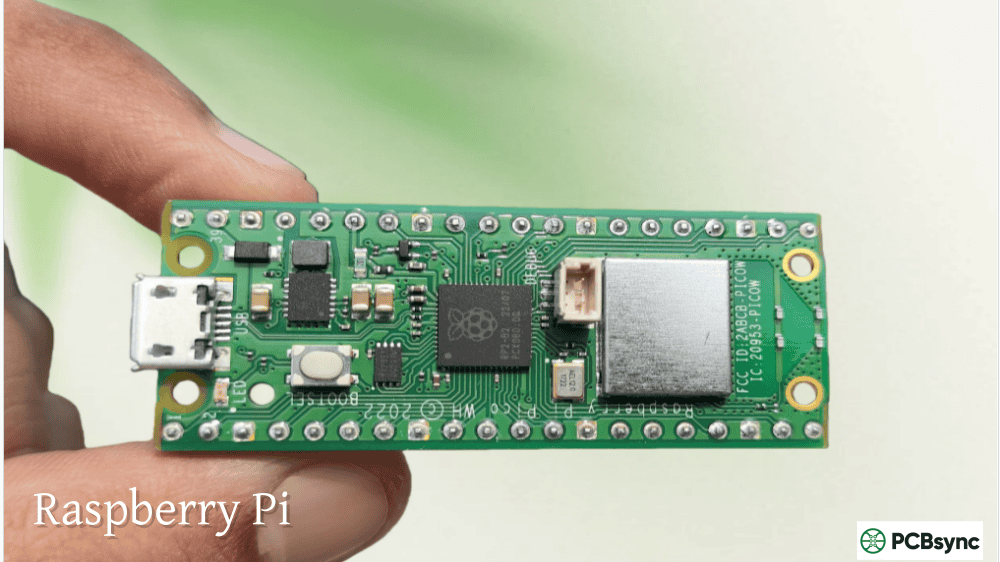
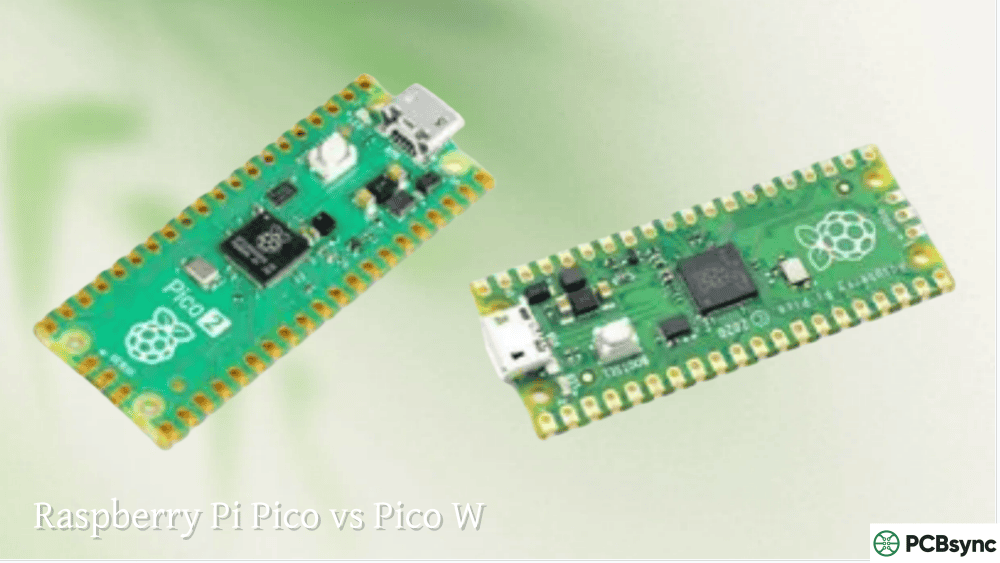
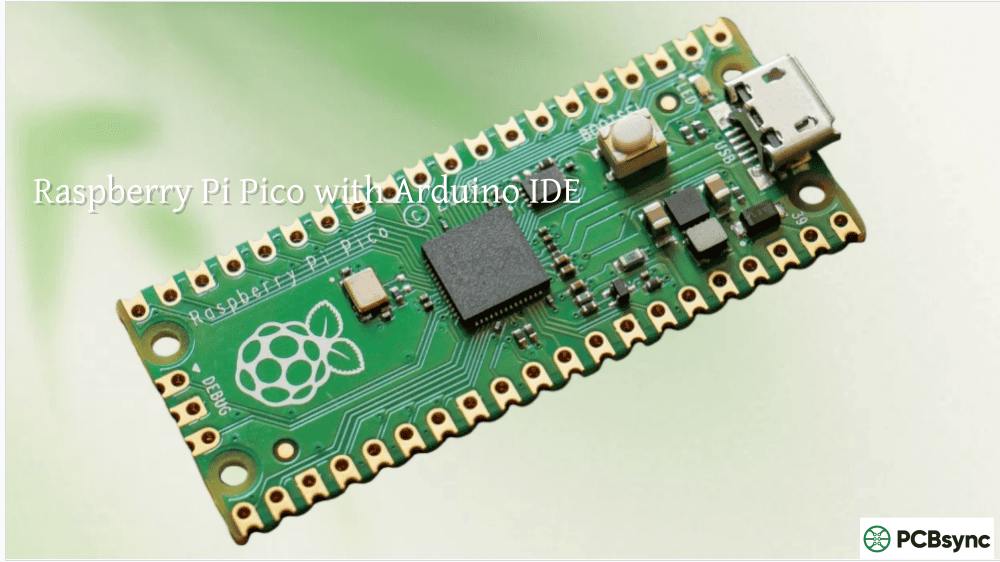
The Pico W remains the reference design that every other RP2040 board is measured against. Adding the Infineon CYW43439 wireless chip was a smart move by the Raspberry Pi team, giving developers WiFi and Bluetooth without needing external modules.
Technical Specifications:
Processor: Dual-core Cortex-M0+ at 133MHz
Memory: 264KB SRAM, 2MB onboard flash
Connectivity: 2.4GHz WiFi, Bluetooth 5.2
Interface: Micro-USB (not USB-C, unfortunately)
Dimensions: 51 × 21mm
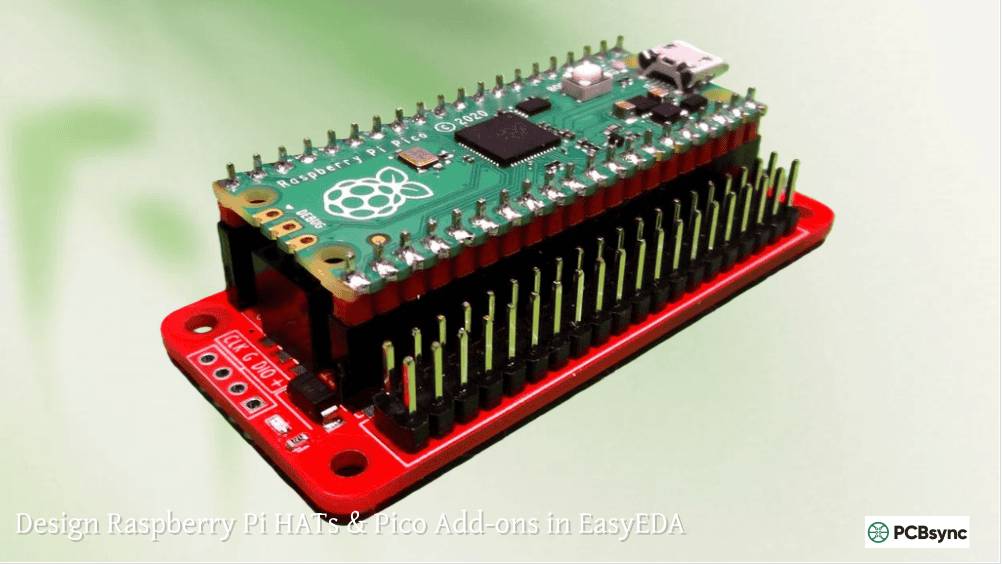
What I appreciate about the Pico W from an engineering standpoint is its well-documented reference design. When you’re laying out a custom board, having access to the official hardware design files makes life significantly easier. The castellated edges also mean you can solder this directly onto a carrier board for production applications.
Price point: Around $6-8 USD
2. Waveshare RP2040 Zero: Compact Powerhouse
The RP2040 Zero from Waveshare has become my go-to board for space-constrained projects. At just 23.5 × 18mm, it packs the full RP2040 capability into a footprint smaller than a US quarter.
Technical Specifications:
Processor: Dual-core Cortex-M0+ at 133MHz
Memory: 264KB SRAM, 2MB flash
GPIO: 20 pins accessible (29 total on chip)
Interface: USB-C
Special: WS2812 RGB LED onboard
The RP2040 Zero uses a clever pin arrangement that maintains breadboard compatibility while maximizing available GPIO. I’ve used these in several custom keyboard builds where every millimeter counts. The onboard RGB LED is also handy for status indication without additional components.
One thing to watch: the 2MB flash can feel limiting if you’re working with MicroPython and larger libraries. For CircuitPython projects, you’ll want to manage your library imports carefully.
Price point: Around $4-6 USD
3. Seeed Studio XIAO RP2040: Tiny Form Factor Champion
If you think the RP2040 Zero is small, the XIAO RP2040 takes miniaturization even further. This board measures just 21 × 17.5mm and weighs under 2 grams. Seeed Studio has somehow crammed a full RP2040 implementation into what feels like the size of a fingernail.
Technical Specifications:
Processor: Dual-core Cortex-M0+ at 133MHz
Memory: 264KB SRAM, 2MB flash
GPIO: 11 digital pins, 4 analog inputs
Interface: USB-C
Special: RGB LED, reset and boot buttons
The XIAO RP2040 really shines in wearable and embedded applications where board real estate is at an absolute premium. I recently integrated one into a custom data logger that needed to fit inside existing enclosure constraints—the XIAO was the only option that physically fit.
The tradeoff with this board is reduced GPIO count. With only 11 accessible pins, you’ll need to plan your peripheral connections carefully. But for many sensor-based projects, that’s plenty.
Price point: Around $5-7 USD
4. Adafruit Feather RP2040: The Professional’s Choice
Adafruit’s Feather ecosystem has earned respect among professional developers, and their RP2040 variant doesn’t disappoint. The Feather form factor means instant compatibility with dozens of existing wings (add-on boards) for displays, sensors, and wireless connectivity.
Technical Specifications:
Processor: Dual-core Cortex-M0+ at 133MHz
Memory: 264KB SRAM, 8MB flash
GPIO: 21 pins with STEMMA QT connector
Interface: USB-C
Battery: JST connector with built-in LiPo charging
The 8MB flash is a significant upgrade over the base Pico, giving you room for complex CircuitPython programs with multiple libraries. The integrated LiPo charging circuit and fuel gauge make battery-powered projects straightforward—no need for external charging modules.
From a design quality perspective, Adafruit consistently delivers. Their boards feature proper ESD protection, well-designed power regulation, and thorough documentation. When reliability matters, this is the board I recommend.
Price point: Around $11-14 USD
5. Pimoroni Pico LiPo: Maximum Flash, Maximum Battery
Pimoroni took the Pico form factor and addressed its two main limitations: flash storage and battery support. The Pico LiPo offers 16MB of flash and a sophisticated battery management system.
The 16MB flash opens up possibilities for data logging, audio storage, and complex firmware images. I’ve used this board for projects requiring onboard file systems with substantial storage needs.
What sets this apart from other battery-enabled boards is the inclusion of a MAX17048 fuel gauge IC. You get accurate battery percentage readings rather than just voltage approximations. For products where battery life indication matters to users, this detail makes a difference.
Price point: Around $12-16 USD
6. SparkFun Thing Plus RP2040
SparkFun’s Thing Plus brings the RP2040 into their Qwiic ecosystem, making sensor integration nearly effortless. The board follows the Thing Plus footprint, maintaining compatibility with their extensive range of shields.
Technical Specifications:
Processor: Dual-core Cortex-M0+ at 133MHz
Memory: 264KB SRAM, 16MB flash
GPIO: 18 pins with Qwiic connector
Interface: USB-C
Battery: Single-cell LiPo support with charging
The Qwiic connector system eliminates the soldering typically required for I2C sensors. For rapid prototyping where you need to test multiple sensors quickly, this saves hours. The 16MB flash also means plenty of room for data storage or complex programs.
SparkFun’s documentation and tutorials are consistently excellent, making this a solid choice for those newer to embedded development but still wanting professional-grade hardware.
For teams already invested in the Arduino ecosystem, the Nano RP2040 Connect provides a familiar development environment with RP2040 power underneath. This board adds WiFi, Bluetooth, a 6-axis IMU, and a microphone to the base RP2040 capabilities.
Technical Specifications:
Processor: Dual-core Cortex-M0+ at 133MHz
Memory: 264KB SRAM, 16MB flash
Connectivity: WiFi and Bluetooth via u-blox NINA-W102
Sensors: LSM6DSOX IMU, MP34DT05 microphone
Interface: USB-C
The onboard sensors make this particularly attractive for motion-sensing applications and voice-activated projects. The Arduino IDE integration means your existing code libraries and skills transfer directly.
The premium price reflects the additional silicon onboard. If you need those integrated sensors, it’s actually good value compared to buying them separately.
Price point: Around $25-30 USD
8. Adafruit QT Py RP2040: STEMMA QT in Minimal Package
The QT Py brings Adafruit’s quality engineering to an ultra-compact form factor. It’s essentially a XIAO RP2040 competitor with Adafruit’s polish and STEMMA QT connector.
Technical Specifications:
Processor: Dual-core Cortex-M0+ at 133MHz
Memory: 264KB SRAM, 8MB flash
GPIO: 11 pins with STEMMA QT
Interface: USB-C
Special: NeoPixel LED, boot button
The 8MB flash gives it an edge over similarly-sized competitors, and the STEMMA QT connector means easy I2C sensor chains. The board follows the Seeed XIAO footprint, so cases and accessories designed for that form factor work here too.
Price point: Around $10-12 USD
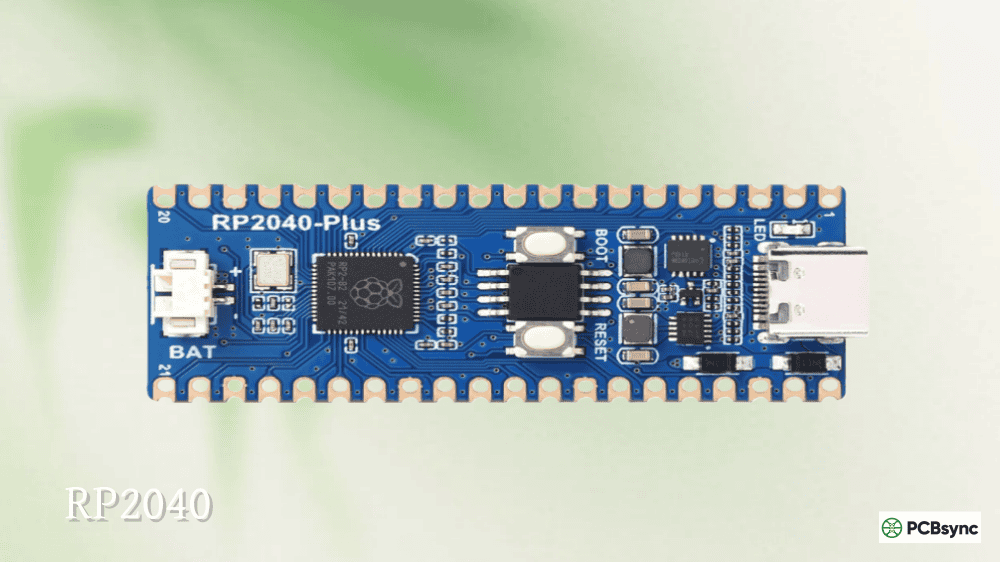
9. Waveshare RP2040-Plus: Enhanced Pico Alternative
Waveshare’s RP2040-Plus takes the Pico concept and adds the features users were asking for: more flash, USB-C, and onboard battery charging.
Technical Specifications:
Processor: Dual-core Cortex-M0+ at 133MHz
Memory: 264KB SRAM, 16MB flash
GPIO: 26 pins (Pico-compatible pinout)
Interface: USB-C
Battery: Onboard charging circuit
The Pico-compatible pinout means existing Pico HATs and projects transfer directly. The 16MB flash and USB-C modernize the design without sacrificing compatibility. At its price point, this represents excellent value for those wanting more than the base Pico offers.
Price point: Around $8-10 USD
10. Pimoroni Tiny 2040: Engineering Marvel
The Tiny 2040 represents impressive miniaturization while maintaining usability. At 22.9 × 18.2mm, it sits between the XIAO and RP2040 Zero in size but includes thoughtful design touches.
Technical Specifications:
Processor: Dual-core Cortex-M0+ at 133MHz
Memory: 264KB SRAM, 8MB flash
GPIO: 12 pins
Interface: USB-C
Special: RGB LED, user button, reset button
The 8MB flash provides breathing room for complex projects. Having both a dedicated user button and reset button separately (rather than a combined boot button) makes development more convenient during testing cycles.
Price point: Around $10-14 USD
RP2040 Board Selection Guide by Application
Choosing the right board depends entirely on your project requirements. Here’s how I approach board selection:
MicroPython for RP2040: https://micropython.org/download/rp2-pico/
CircuitPython from Adafruit: https://circuitpython.org/downloads
Community Resources:
Raspberry Pi Forums: https://forums.raspberrypi.com/
Reddit r/raspberrypipico community
Frequently Asked Questions About RP2040 Boards
What is the difference between RP2040 Zero and XIAO RP2040?
The RP2040 Zero and XIAO RP2040 are both ultra-compact RP2040 boards, but they have distinct differences. The RP2040 Zero offers 20 GPIO pins compared to the XIAO’s 11 pins, making it better suited for projects requiring more peripheral connections. The XIAO RP2040 is slightly smaller and includes analog input capabilities. Both feature USB-C and similar flash capacity. Choose the RP2040 Zero when you need more GPIO; choose the XIAO when absolute minimum size is the priority.
Can I use Arduino IDE with RP2040 boards?
Yes, all RP2040 boards support Arduino IDE through the official Arduino-Pico core maintained by Earle Philhower. You can install it through the Arduino Board Manager by adding the appropriate board URL. This gives you access to familiar Arduino functions while still leveraging RP2040-specific features like PIO programming.
Which RP2040 board is best for beginners?
For beginners, I recommend the Raspberry Pi Pico W. It offers the best documentation, largest community support, and lowest cost of entry. The extensive tutorials available specifically for the Pico make the learning curve much gentler. Once comfortable with the basics, transitioning to other RP2040 boards like the RP2040 Zero or Feather variants is straightforward.
How much flash storage do I actually need on an RP2040 board?
For C/C++ development, the standard 2MB flash on base models is usually sufficient. For MicroPython or CircuitPython, 8MB provides comfortable space for multiple libraries and data files. If you’re storing audio files, implementing file systems, or running complex applications, opt for 16MB boards like the Pimoroni Pico LiPo or Waveshare RP2040-Plus.
Are RP2040 boards suitable for commercial products?
Absolutely. Many RP2040 boards feature castellated edges designed specifically for integration into production PCBs. The RP2040 chip itself costs around $1 in quantity, making it very attractive for commercial applications. For production volumes, you might design a custom board around the RP2040 using reference designs from Raspberry Pi, but for small runs, soldering a complete module saves significant development time.
Final Thoughts on Choosing Your RP2040 Board
After working extensively with these boards, my honest recommendation is to keep a few different options in your parts drawer. The RP2040 Zero handles most compact builds admirably, while the Adafruit Feather RP2040 serves when you need professional-grade features and battery support. The XIAO RP2040 sits in its own category for wearable and ultra-miniature applications.
The RP2040 ecosystem continues maturing, with new boards appearing regularly. The core chip’s capabilities remain impressive for its price point, and the variety of board options means you’re unlikely to face a project where at least one RP2040 board won’t fit the bill.
What really sells me on these boards is the practical value they deliver. Whether you’re building a one-off hobby project or prototyping for production, there’s an RP2040 board priced appropriately for the task. That’s engineering done right.
Meta Description Suggestion:
“Discover the 10 best RP2040 boards in 2024, including the RP2040 Zero and XIAO RP2040. PCB engineer’s guide with comparison tables, specs, and honest recommendations for your next project.”
Inquire: Call 0086-755-23203480, or reach out via the form below/your sales contact to discuss our design, manufacturing, and assembly capabilities.
Quote: Email your PCB files to Sales@pcbsync.com (Preferred for large files) or submit online. We will contact you promptly. Please ensure your email is correct.
Notes: For PCB fabrication, we require PCB design file in Gerber RS-274X format (most preferred), *.PCB/DDB (Protel, inform your program version) format or *.BRD (Eagle) format. For PCB assembly, we require PCB design file in above mentioned format, drilling file and BOM. Click to download BOM template To avoid file missing, please include all files into one folder and compress it into .zip or .rar format.