Inquire: Call 0086-755-23203480, or reach out via the form below/your sales contact to discuss our design, manufacturing, and assembly capabilities.
Quote: Email your PCB files to Sales@pcbsync.com (Preferred for large files) or submit online. We will contact you promptly. Please ensure your email is correct.
Notes: For PCB fabrication, we require PCB design file in Gerber RS-274X format (most preferred), *.PCB/DDB (Protel, inform your program version) format or *.BRD (Eagle) format. For PCB assembly, we require PCB design file in above mentioned format, drilling file and BOM. Click to download BOM template To avoid file missing, please include all files into one folder and compress it into .zip or .rar format.
Meta:Discover the 10 best Raspberry Pi alternatives in 2026. Compare single board computers from Orange Pi, Radxa, NVIDIA Jetson, and more with detailed specs, pricing, and use cases.
The Raspberry Pi has dominated the single board computer market for over a decade. But in 2026, finding one at a reasonable price—or finding one at all—remains a challenge for many projects. The good news? The alternative SBC landscape has matured significantly, offering boards that often outperform the Pi in specific applications while remaining readily available.
After testing dozens of single board computers across various projects, I’ve compiled this list of the best Raspberry Pi alternatives for 2026. Whether you need raw processing power, AI acceleration, x86 compatibility, or simply something you can actually purchase without waiting months, these boards deliver genuine value.
Before diving into specific boards, let’s address why you might need alternatives in the first place.
Availability and Pricing Challenges
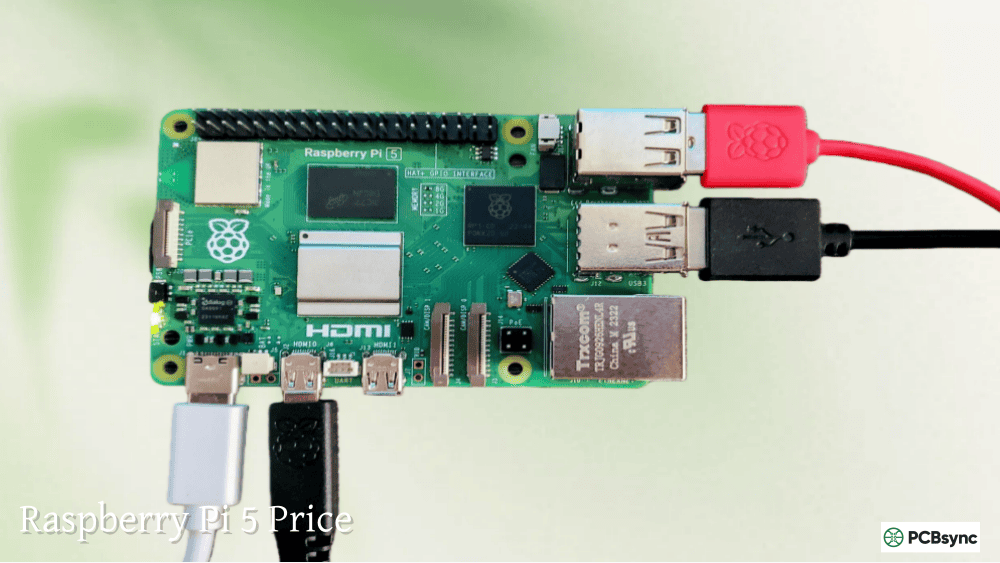
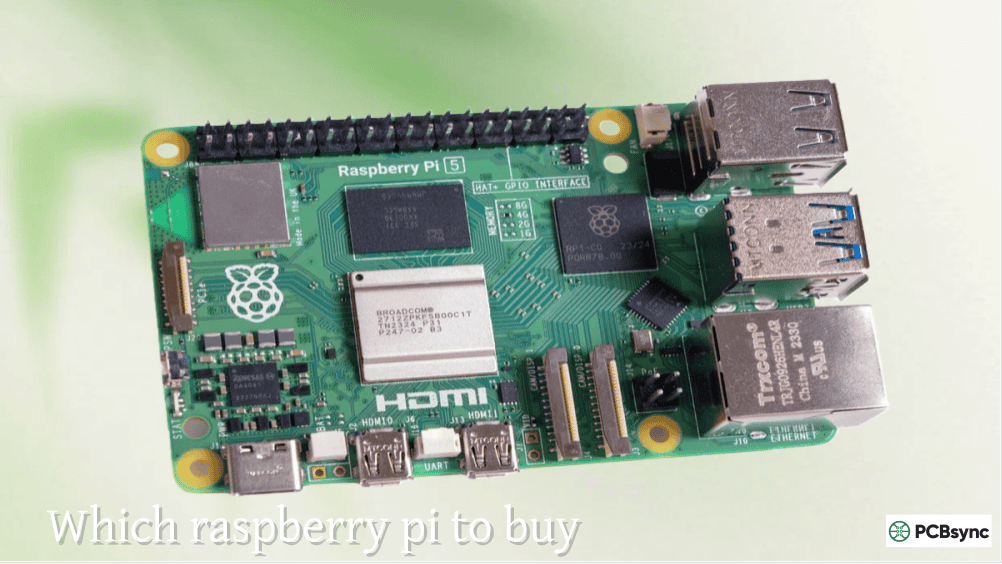
The Raspberry Pi 5 launched at $60 for the 4GB model, but real-world pricing often hits $80 or more once you factor in the required active cooler and power supply. Stock remains inconsistent in many regions, and bulk purchasing for commercial projects can be problematic.
Performance Limitations
While the Pi 5 is capable, it still trails behind boards using the Rockchip RK3588 or Intel processors in CPU benchmarks, storage throughput, and memory bandwidth. For demanding workloads like 4K video editing, AI inference, or running virtual machines, alternatives offer measurably better performance.
Feature Requirements
Some projects need capabilities the Raspberry Pi simply doesn’t offer: native M.2 NVMe support without adapters, 2.5 Gigabit Ethernet, HDMI input for capture, x86 architecture for Windows compatibility, or integrated AI accelerators with serious TOPS ratings.
Cost Optimization
For deploying dozens or hundreds of units, the per-unit cost matters significantly. Several alternatives deliver comparable or superior performance at lower price points, especially when purchased in bulk directly from manufacturers.
Quick Comparison: Top Single Board Computer Alternatives
Board
Processor
RAM
Key Feature
Price Range
Orange Pi 5 Plus
RK3588 (8-core)
4-32GB
Dual 2.5GbE, 8K video
$89-159
Radxa Rock 5B+
RK3588 (8-core)
4-32GB
Triple M.2 slots, 8K
$75-149
NVIDIA Jetson Orin Nano
Cortex-A78AE (6-core)
8GB
40 TOPS AI
$199-499
BeagleBone AI-64
TDA4VM (dual A72)
4GB
8 TOPS AI, PRU units
$189
ODROID-H3+
Intel N6005 (4-core)
Up to 64GB
x86 architecture
$119-169
Libre Computer Le Potato
Amlogic S905X
2GB
Ultra low cost
$35
ASUS Tinker Board 2S
RK3399 (6-core)
2-4GB
Pi-compatible GPIO
$99-139
Banana Pi BPI-M7
RK3588 (8-core)
8-32GB
WiFi 6E, PCIe 3.0
$109-189
LattePanda 3 Delta
Intel N100 (4-core)
8GB
Windows compatible
$259
Khadas VIM4
Amlogic A311D2
8GB
3.2 TOPS NPU
$179-219
1. Orange Pi 5 Plus: Best Overall Raspberry Pi Alternative
The Orange Pi 5 Plus stands out as the most balanced Raspberry Pi alternative in 2026. Built around the Rockchip RK3588 processor—an 8nm chip featuring four Cortex-A76 cores at 2.4GHz and four Cortex-A55 efficiency cores—it delivers performance that leaves the Pi 5 in the dust for compute-intensive tasks.
The dual 2.5 Gigabit Ethernet ports make this board exceptional for NAS builds, router projects, or any application requiring high-bandwidth networking. The native PCIe 3.0 x4 NVMe support delivers storage speeds up to 3,500 MB/s—roughly seven times faster than the Raspberry Pi 5’s PCIe 2.0 x1 implementation.
The 6 TOPS NPU handles edge AI inference tasks that would overwhelm a Pi, while the Mali-G610 GPU supports 8K video decoding and smooth desktop performance. Software support has improved dramatically, with Ubuntu, Debian, Armbian, and Android 12 all running reliably.
Best Use Cases
High-performance NAS and file servers
Media centers with 8K playback
Edge AI and computer vision projects
Network appliances and routers
Desktop replacement for light productivity
2. Radxa Rock 5B+: Best for Storage-Heavy Applications
The Radxa Rock 5B+ shares the RK3588 platform with the Orange Pi 5 Plus but differentiates itself through exceptional storage connectivity. With three M.2 slots—two for NVMe storage and one for cellular modems—this board handles storage-intensive workloads that no Raspberry Pi can match.
Radxa Rock 5B+ Specifications
Specification
Details
CPU
Rockchip RK3588 (4x A76 + 4x A55)
GPU
Mali-G610 MC4
NPU
6 TOPS
RAM
4GB / 8GB / 16GB / 32GB LPDDR5
Storage
3x M.2 slots, eMMC socket, microSD
Networking
2.5 Gigabit Ethernet
Video Output
Dual HDMI 2.1, HDMI input, USB-C DP
Wireless
WiFi 6 / BT 5.0 (optional module)
GPIO
40-pin Raspberry Pi compatible
Price
$75 (4GB) to $149 (32GB)
Why Choose Rock 5B+
The upgrade to LPDDR5 memory in the 5B+ provides approximately 30% more memory bandwidth compared to LPDDR4X boards. For applications involving large datasets, video processing, or multiple simultaneous tasks, this translates to noticeable performance improvements.
The physical power button enables proper shutdown without command-line access—a small but significant quality-of-life improvement over boards that require pulling power. The community around Radxa boards is active, with Joshua Riek’s Ubuntu builds providing excellent out-of-box experiences.
Best Use Cases
Multi-drive NAS systems
Video recording and streaming servers
Database servers
Development workstations
Docker and container hosting
3. NVIDIA Jetson Orin Nano: Best for AI and Machine Learning
When serious AI inference capability matters more than cost, the NVIDIA Jetson Orin Nano remains unmatched in the single board computer space. With 40 TOPS of AI performance and full CUDA support, it handles workloads that ARM-based boards simply cannot approach.
Jetson Orin Nano Specifications
Specification
Details
CPU
6-core Arm Cortex-A78AE @ 1.5GHz
GPU
Ampere architecture, 1024 CUDA cores, 32 Tensor cores
AI Performance
40 TOPS (INT8)
RAM
8GB 128-bit LPDDR5
Storage
microSD, M.2 NVMe
Networking
Gigabit Ethernet
Video
HDMI 2.1, DisplayPort
Camera
2x MIPI CSI-2 connectors
GPIO
40-pin header
Price
$199 (module) to $499 (developer kit)
Why Choose Jetson Orin Nano
NVIDIA’s JetPack SDK provides pre-optimized libraries for TensorRT, cuDNN, and popular frameworks like PyTorch and TensorFlow. Models that run at 2-3 FPS on a Raspberry Pi can achieve 30+ FPS on the Orin Nano with proper optimization. For robotics, autonomous vehicles, smart cameras, or any application requiring real-time inference, this performance gap is decisive.
The Super variant, released in late 2024, pushes AI performance to 67 TOPS while maintaining the same price point—NVIDIA’s response to increased competition in the edge AI space.
Best Use Cases
Computer vision and object detection
Autonomous robots and drones
Smart camera systems
Natural language processing at the edge
Deep learning prototyping
4. BeagleBone AI-64: Best for Industrial and Real-Time Applications
The BeagleBone AI-64 takes a different approach than most consumer-focused SBCs. Built on Texas Instruments’ TDA4VM processor—designed for automotive applications—it combines AI acceleration with real-time processing capabilities that appeal to industrial users.
BeagleBone AI-64 Specifications
Specification
Details
CPU
Dual Arm Cortex-A72 @ 2GHz
DSP
C7x DSP + 2x C66x DSPs
AI Performance
8 TOPS (C7x + MMA)
RAM
4GB LPDDR4
Storage
16GB eMMC, microSD, M.2 E-Key
Networking
Gigabit Ethernet
PRU
2x 6-core Programmable Real-Time Units
GPIO
BeagleBone cape headers + mikroBUS
Price
$189
Why Choose BeagleBone AI-64
The Programmable Real-Time Units (PRUs) set BeagleBone apart from every other board on this list. These independent 200MHz processors handle timing-critical tasks with cycle-accurate precision—think motor control, sensor interfaces with tight timing requirements, or custom communication protocols.
The board runs entirely on open-source software, with no binary blobs required for core functionality. For companies requiring long-term availability and full code auditability, this matters significantly.
Best Use Cases
Industrial automation and control
Real-time motor control
Custom protocol implementation
Robotics requiring precise timing
Educational platforms for embedded systems
5. ODROID-H3+: Best x86 Single Board Computer
Not every project can use ARM architecture. When you need Windows compatibility, x86 software support, or simply want to run standard Linux distributions without ARM-specific quirks, the ODROID-H3+ delivers full Intel processor capability in a compact form factor.
The ability to install Windows 10/11 opens applications that ARM boards cannot address: legacy software, specific enterprise tools, games, or specialized engineering applications. The dual SATA ports combined with dual 2.5GbE make this an exceptional NAS platform with ZFS support that actually works properly.
User-expandable RAM up to 64GB distinguishes the H3+ from most SBCs with soldered memory. For virtualization, databases, or memory-intensive applications, this flexibility proves invaluable.
Best Use Cases
Windows-based applications
TrueNAS and ZFS storage servers
Virtual machine hosts
Legacy software support
Home lab servers
6. Libre Computer Le Potato (AML-S905X-CC): Best Budget Alternative
When cost is the primary constraint, the Libre Computer Le Potato delivers surprising capability for its $35 price tag. This board won’t win any performance benchmarks, but it runs circles around many projects’ actual requirements while costing less than a Raspberry Pi Zero 2 W.
Le Potato Specifications
Specification
Details
CPU
Amlogic S905X (4x Cortex-A53 @ 1.5GHz)
GPU
Mali-450 MP3
RAM
1GB / 2GB DDR3
Storage
microSD, eMMC module
Networking
Gigabit Ethernet
Video Output
HDMI 2.0 (4K @ 60Hz)
USB
2x USB 2.0
GPIO
40-pin Raspberry Pi compatible
Price
$25 (1GB) to $35 (2GB)
Why Choose Le Potato
Libre Computer maintains excellent upstream kernel support, meaning the Le Potato runs mainline Linux without vendor-specific patches or binary blobs. This translates to long-term software support and security updates that many cheap SBCs never receive.
The GPIO header maintains Raspberry Pi compatibility, allowing many HATs and accessories to work without modification. For educational projects, IoT nodes, or applications that don’t require significant processing power, the Le Potato represents exceptional value.
7. ASUS Tinker Board 2S: Best for Raspberry Pi Migration
The ASUS Tinker Board 2S targets users who want better performance than a Raspberry Pi while maintaining maximum software and hardware compatibility. ASUS’s engineering resources show in the build quality and long-term support commitment.
ASUS provides a customized Debian-based operating system with regular updates and proper hardware acceleration support. The audio quality stands out—the dedicated codec and amplifier produce noticeably better sound than typical SBCs, making this board appealing for audio projects.
The identical GPIO layout to Raspberry Pi means most HATs work immediately. For users with existing Raspberry Pi projects who need more performance without redesigning their hardware integration, the Tinker Board 2S provides a straightforward upgrade path.
Best Use Cases
Audio projects and music streamers
Digital signage
Pi HAT-based projects requiring more power
Industrial control panels
Kiosk systems
8. Banana Pi BPI-M7: Best All-Around RK3588 Value
The Banana Pi BPI-M7 offers another compelling RK3588-based option with integrated WiFi 6E—a feature that requires separate modules on most competing boards. For wireless-heavy applications, this integration simplifies design and reduces total cost.
Banana Pi BPI-M7 Specifications
Specification
Details
CPU
Rockchip RK3588 (4x A76 + 4x A55)
GPU
Mali-G610 MC4
NPU
6 TOPS
RAM
8GB / 16GB / 32GB LPDDR5
Storage
64GB eMMC, M.2 M-Key NVMe, microSD
Networking
2.5 Gigabit Ethernet, WiFi 6E, BT 5.2
Video Output
Dual HDMI 2.1, USB-C DP
USB
2x USB 3.0, 2x USB 2.0, USB-C
GPIO
40-pin header
Price
$109 (8GB) to $189 (32GB)
Why Choose BPI-M7
The onboard 64GB eMMC means you can boot and run without purchasing additional storage—particularly useful for deployments where SD card reliability concerns exist. WiFi 6E support provides the latest wireless standards with 6GHz band access in supported regions.
Banana Pi’s long history in the SBC market means reasonable software support and community resources, though not quite matching Orange Pi or Radxa levels.
Best Use Cases
Wireless media centers
Portable computing projects
IoT gateways with high-bandwidth wireless
Android TV boxes
Wireless development platforms
9. LattePanda 3 Delta: Best Windows Single Board Computer
For applications requiring full Windows compatibility with serious processing power, the LattePanda 3 Delta delivers Intel N100 performance in a compact package. This isn’t a budget board, but it runs proper Windows 11 with all expected functionality.
LattePanda 3 Delta Specifications
Specification
Details
CPU
Intel N100 (4-core @ 3.4GHz burst)
GPU
Intel UHD Graphics
RAM
8GB LPDDR5
Storage
64GB eMMC, M.2 NVMe, SATA
Networking
Gigabit Ethernet, WiFi 6, BT 5.2
Video Output
HDMI 2.0, USB-C DP, eDP
USB
3x USB 3.2, USB-C
Arduino
Integrated ATmega32U4 coprocessor
GPIO
Arduino-compatible headers
Price
$259
Why Choose LattePanda 3 Delta
The integrated Arduino coprocessor distinguishes LattePanda from other x86 boards. This ATmega32U4 handles real-time sensor interactions and GPIO operations while the main processor runs Windows—bridging the gap between microcontroller responsiveness and full OS capability.
The eDP connector enables direct laptop display panel connections, opening up custom portable computer builds. Combined with Windows licensing (included), this board suits projects that simply cannot compromise on x86 software compatibility.
Best Use Cases
Windows-based kiosks and terminals
Industrial HMI systems
Custom portable computers
Professional software requiring Windows
Arduino + PC hybrid projects
10. Khadas VIM4: Best for Android and Media Applications
The Khadas VIM4, built on the Amlogic A311D2 processor, excels at Android performance and multimedia applications. With professional build quality and an active case ecosystem, it appeals to users wanting a polished experience out of the box.
Khadas targets users who want premium experiences. The machined aluminum cases, active cooling solutions, and polished software images distinguish VIM products from bare-board alternatives. Android performance is particularly strong, with the A311D2’s multimedia acceleration providing smooth 4K playback and responsive UI.
The ecosystem includes DIY cases, expansion boards, and official accessories that match professionally—useful when appearance matters or when building products for end users.
Best Use Cases
Android media centers
Digital signage
Smart displays
Gaming emulation
Consumer product prototypes
Useful Resources for Single Board Computer Development
Here are essential resources for working with Raspberry Pi alternatives:
Which Raspberry Pi alternative has the best software support?
The Orange Pi 5 series and Radxa Rock 5 series currently offer the best software support among high-performance alternatives. Both benefit from the widespread Rockchip RK3588 ecosystem, with Armbian, Ubuntu, Debian, and Android images actively maintained. For plug-and-play simplicity similar to Raspberry Pi OS, the NVIDIA Jetson family provides JetPack—a polished, fully-supported software stack backed by corporate resources.
Can I use Raspberry Pi HATs with these alternatives?
Many alternatives feature 40-pin GPIO headers with Raspberry Pi-compatible pinouts, including the Orange Pi 5 Plus, Radxa Rock 5B, ASUS Tinker Board 2S, and Libre Computer Le Potato. However, “compatible” doesn’t always mean “identical.” Some HATs require software drivers specific to Raspberry Pi’s BCM2xxx chips and won’t work without modification. Simple GPIO-based HATs generally work fine; HATs using SPI, I2C, or specialized protocols may need driver adjustments.
Are these boards suitable for commercial products?
Yes, but with caveats. Boards from Orange Pi, Radxa, and especially BeagleBone are designed with commercial deployment in mind, offering long-term availability commitments and industrial temperature variants. NVIDIA provides clear commercial licensing for Jetson products. Before committing to production, verify the manufacturer’s longevity guarantees, minimum order quantities for extended availability, and any licensing requirements for commercial use.
How do power requirements compare to Raspberry Pi?
Most RK3588-based boards require 5V/4A USB-C power supplies—similar to Raspberry Pi 5. The ODROID-H3+ and LattePanda boards, being x86-based, draw more power (15-25W under load) and typically require 12V or 19V barrel jack power supplies. Low-power alternatives like the Le Potato match or undercut Raspberry Pi power consumption. Always check specific board requirements before selecting power supplies, as inadequate power causes instability that’s often misdiagnosed as software problems.
Which alternative should I choose for a NAS project?
For NAS applications, the ODROID-H3+ offers the best combination of features: dual SATA ports, dual 2.5GbE, upgradeable RAM up to 64GB, and x86 compatibility for running TrueNAS or unRAID without ARM-specific issues. If you prefer ARM and lower power consumption, the Orange Pi 5 Plus or Radxa Rock 5B+ with their PCIe 3.0 NVMe support and 2.5GbE networking provide excellent alternatives—just use USB-to-SATA adapters or M.2 SATA SSDs for multi-drive configurations.
Choosing the Right Single Board Computer
The best Raspberry Pi alternative depends entirely on your specific requirements. For general-purpose computing with maximum performance per dollar, the Orange Pi 5 Plus or Radxa Rock 5B+ deliver exceptional value. For AI workloads, nothing in this price range touches the Jetson Orin Nano’s capabilities. When Windows compatibility matters, the ODROID-H3+ or LattePanda 3 Delta provide genuine x86 platforms rather than emulation workarounds.
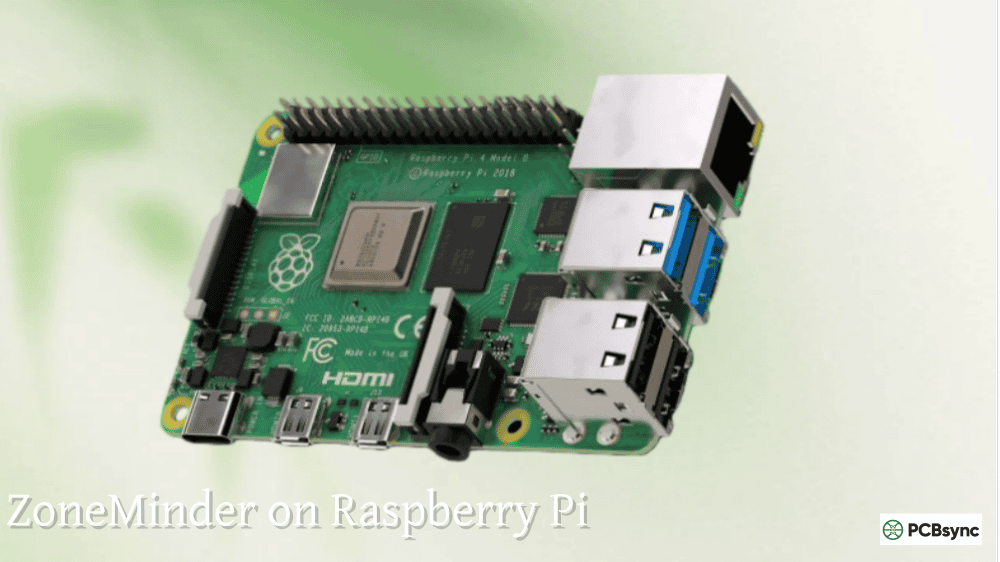
Budget-conscious projects should consider the Libre Computer Le Potato—it handles many tasks admirably at one-third the cost of a Raspberry Pi 4. Industrial applications requiring real-time performance find a natural home on the BeagleBone AI-64 with its PRU subsystem.
Evaluate your actual requirements rather than specifications. A $200 board is only better than a $50 board if your project actually uses the additional capabilities. Consider software ecosystem maturity, community support, and long-term availability alongside raw hardware specifications.
The single board computer market has never offered more compelling options. Whether the Raspberry Pi supply issues persist or resolve, these alternatives have earned their place through genuine technical merit—not just as fallback options, but as first choices for many applications.
Inquire: Call 0086-755-23203480, or reach out via the form below/your sales contact to discuss our design, manufacturing, and assembly capabilities.
Quote: Email your PCB files to Sales@pcbsync.com (Preferred for large files) or submit online. We will contact you promptly. Please ensure your email is correct.
Notes: For PCB fabrication, we require PCB design file in Gerber RS-274X format (most preferred), *.PCB/DDB (Protel, inform your program version) format or *.BRD (Eagle) format. For PCB assembly, we require PCB design file in above mentioned format, drilling file and BOM. Click to download BOM template To avoid file missing, please include all files into one folder and compress it into .zip or .rar format.