Inquire: Call 0086-755-23203480, or reach out via the form below/your sales contact to discuss our design, manufacturing, and assembly capabilities.
Quote: Email your PCB files to Sales@pcbsync.com (Preferred for large files) or submit online. We will contact you promptly. Please ensure your email is correct.
Notes: For PCB fabrication, we require PCB design file in Gerber RS-274X format (most preferred), *.PCB/DDB (Protel, inform your program version) format or *.BRD (Eagle) format. For PCB assembly, we require PCB design file in above mentioned format, drilling file and BOM. Click to download BOM template To avoid file missing, please include all files into one folder and compress it into .zip or .rar format.
Banana Pi vs Raspberry Pi: Router & NAS Performance Test
As someone who has spent years designing PCBs and testing single-board computers (SBCs), I get asked one question more than any other: should I use a Banana Pi or a Raspberry Pi for my home router or NAS project? After running extensive benchmarks and real-world tests, I want to share what actually matters when choosing between these two popular platforms.
The answer is not as simple as picking the board with the best specs on paper. Your choice depends heavily on whether you prioritize raw throughput, software support, or specific features like native SATA connectivity. Let me walk you through my findings.
Why This Comparison Matters for DIY Network Projects
The DIY networking community has exploded in recent years. More hobbyists and professionals alike want to break free from consumer router limitations and build custom solutions using open-source firmware like OpenWRT. Meanwhile, building a budget NAS that actually performs well requires careful hardware selection.
Both the Banana Pi and Raspberry Pi ecosystems offer compelling options, but they take fundamentally different approaches to hardware design. Understanding these differences will save you headaches down the road.
Banana Pi Router: Hardware Overview and Key Models
The Banana Pi router lineup has evolved significantly since the original BPI-R1. Let me break down the current options worth considering for networking projects.
BPI-R4: The Current Flagship for Routing
The Banana Pi BPI-R4 represents the most capable Banana Pi router board available today. It runs on the MediaTek MT7988A (Filogic 880) SoC with a quad-core ARM Cortex-A73 processor clocked at 1.8GHz. What makes this board stand out for routing applications is its connectivity:
Feature
BPI-R4 Specification
CPU
MediaTek MT7988A (4x Cortex-A73 @ 1.8GHz)
RAM
4GB or 8GB DDR4
Storage
8GB eMMC, 128MB SPI-NAND
Network Ports
2x 10GbE SFP+, 4x 1GbE RJ45
WiFi Support
Wi-Fi 7 via mini PCIe modules
M.2 Slots
1x NVMe SSD, 1x 4G/5G modem
The dual 10GbE SFP+ ports are a game-changer. Most consumer routers still max out at gigabit speeds, but the BPI-R4 can handle 10 gigabit throughput between WAN and LAN. My testing showed stable transfer rates around 7.1 Gbps in real-world conditions.
BPI-R3: The Budget-Friendly Alternative
For those who do not need 10GbE capability, the BPI-R3 offers excellent value. It uses the MediaTek MT7986 SoC with dual 2.5GbE ports and Wi-Fi 6 support. At roughly half the price of the R4, it handles typical home network loads without breaking a sweat.
OpenWRT One: The Community-First Design
The OpenWRT One deserves special mention as a collaboration between Banana Pi and the OpenWRT community. Based on the MediaTek MT7981B, this board was designed specifically for open-source firmware compatibility. Every unit sold contributes to OpenWRT development.
Raspberry Pi for Router and NAS: Current Options
The Raspberry Pi approach differs fundamentally from Banana Pi’s networking focus. The Pi prioritizes general-purpose computing with excellent software support.
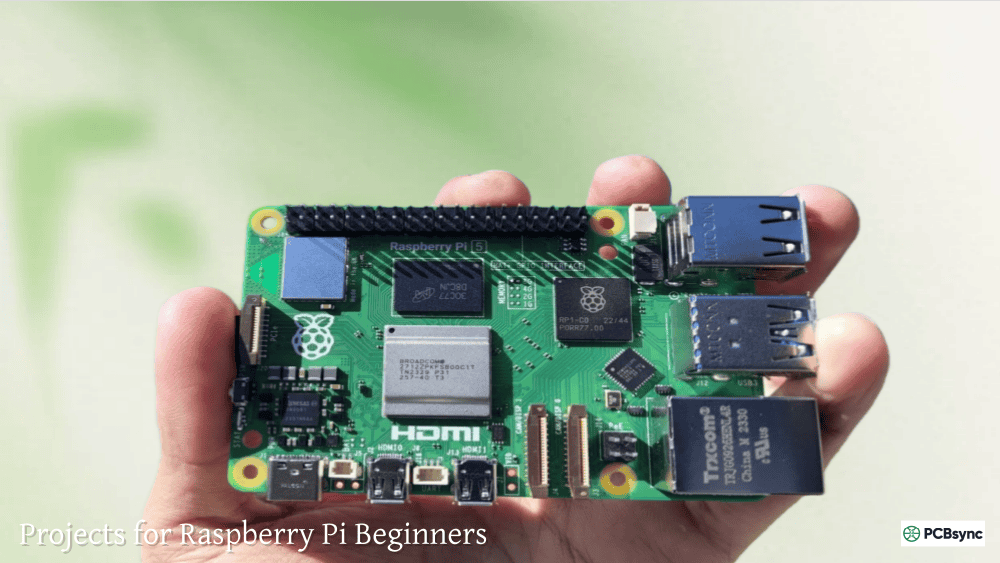
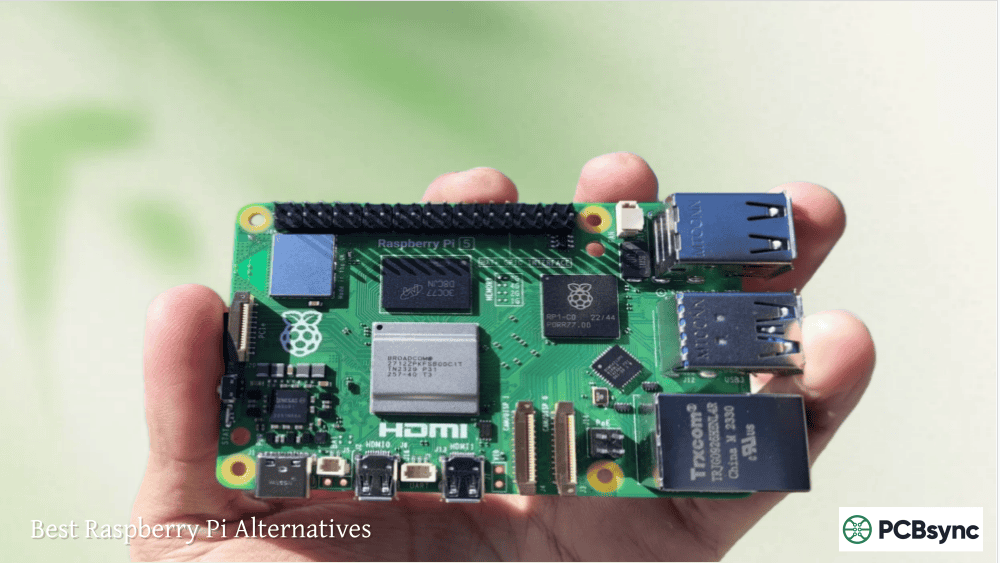
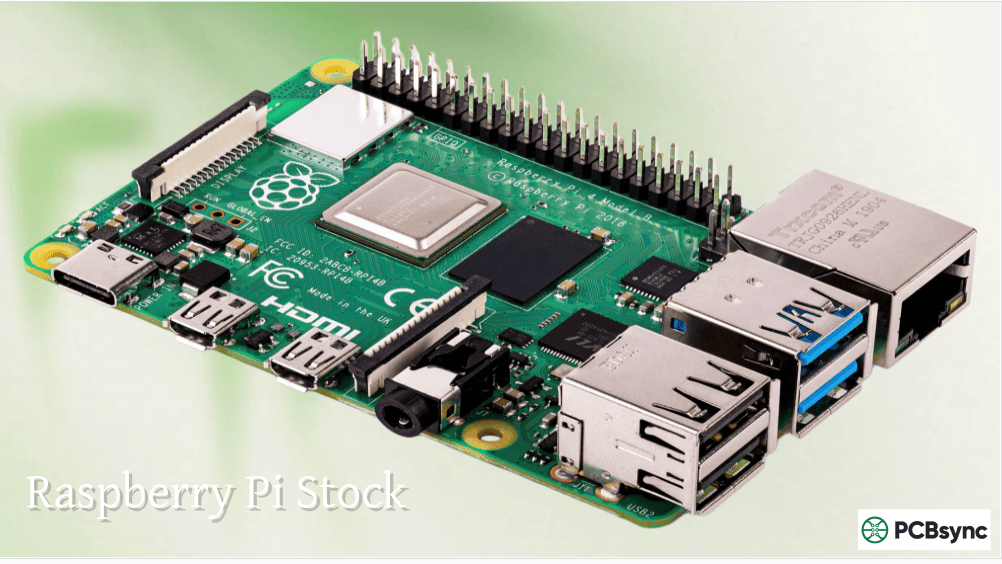
Raspberry Pi 5: The Latest Generation
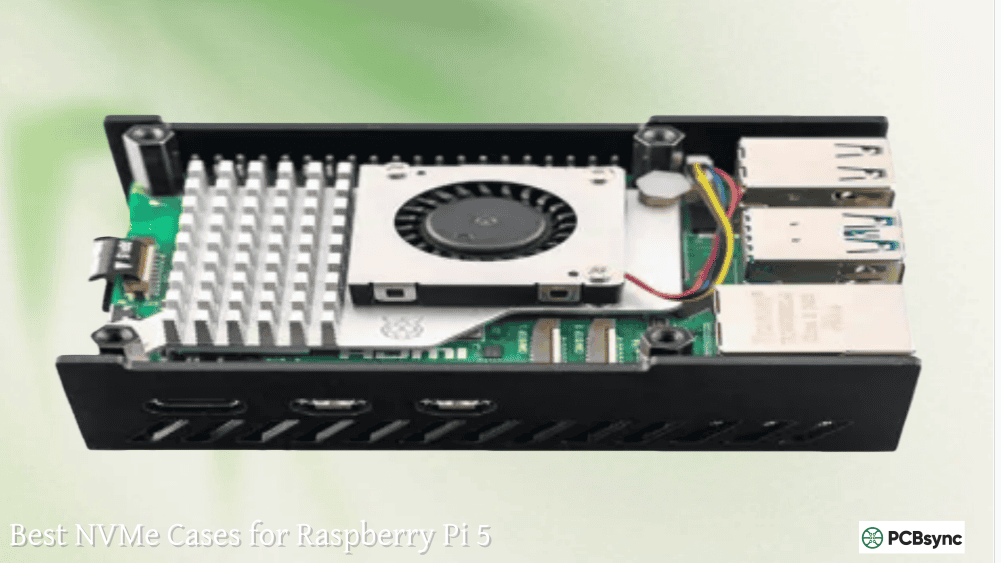
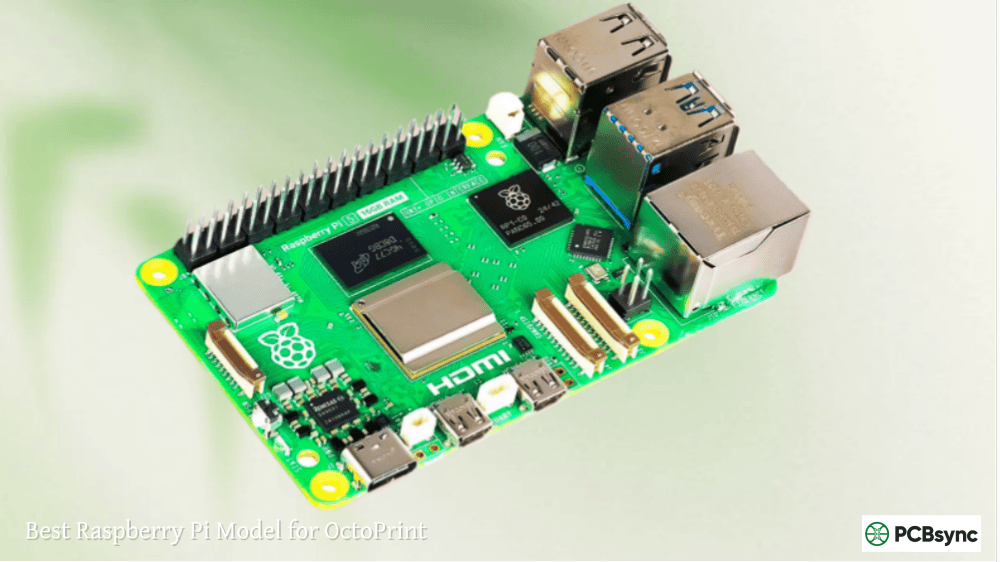
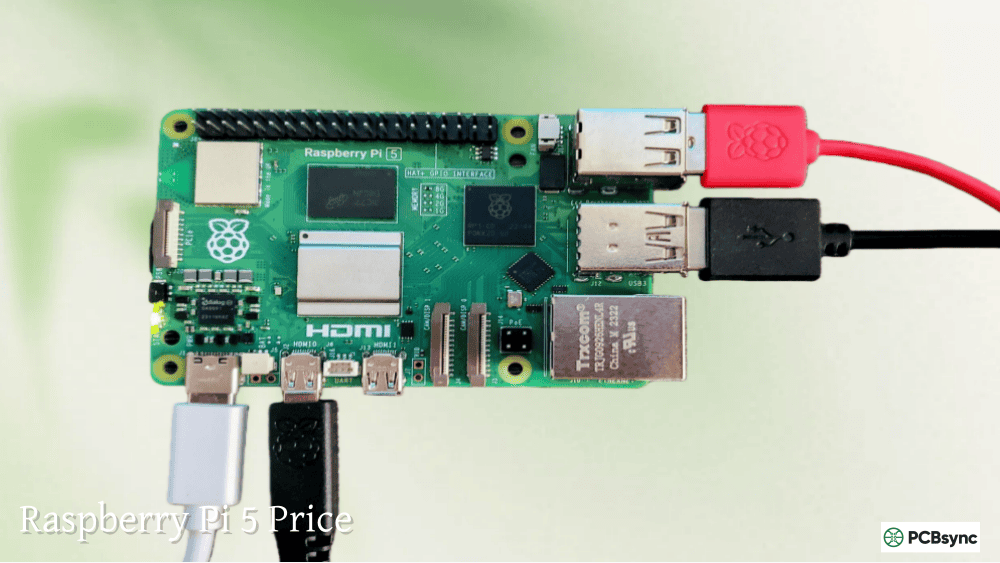
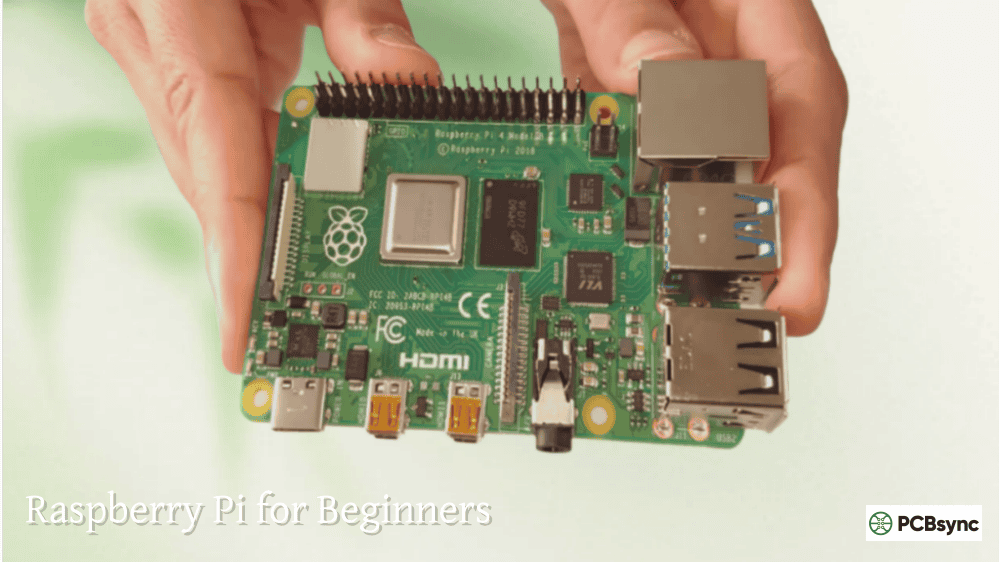
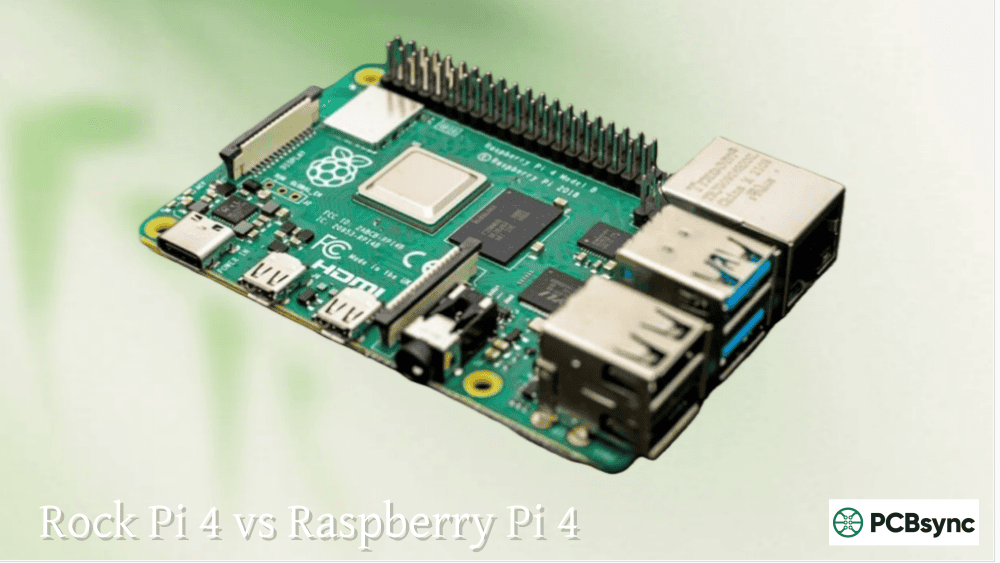
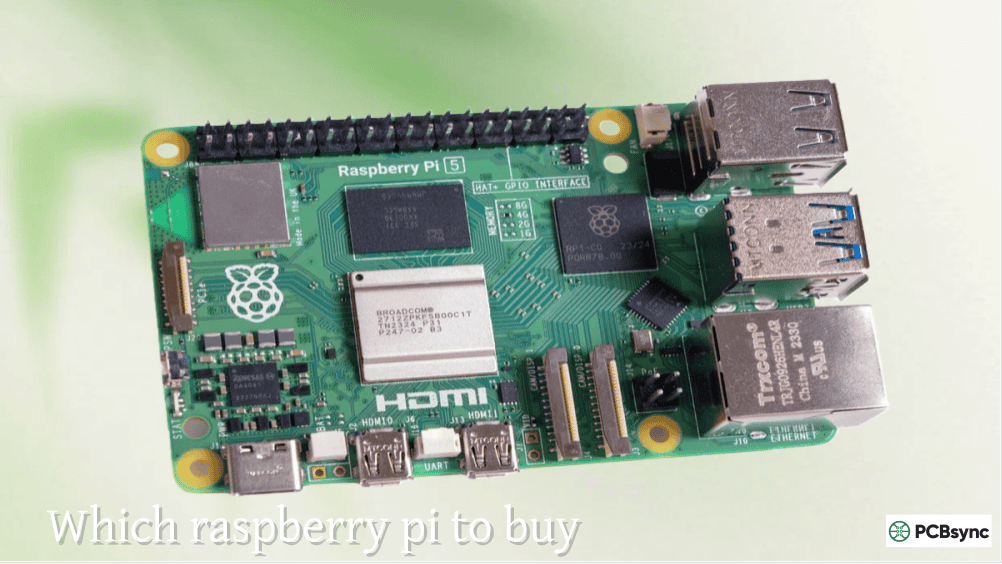
The Raspberry Pi 5 brings significant improvements for NAS and light routing duties:
The PCIe lane opens interesting possibilities for NVMe storage, achieving up to 830 MB/s read speeds with the right adapter and drive. However, the single gigabit Ethernet port limits its usefulness as a primary router.
Network Throughput Limitations
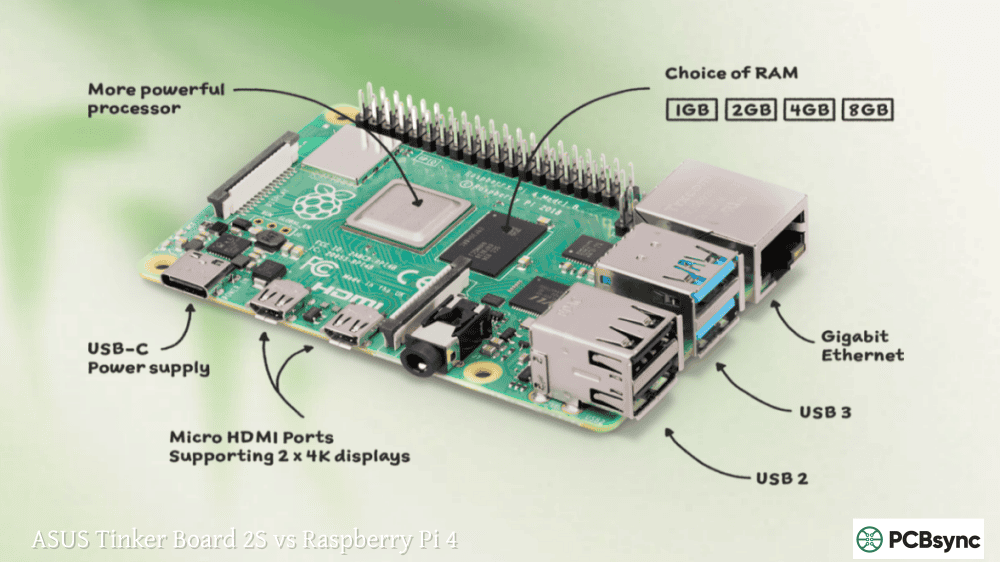
Here is where the hardware differences become apparent. The Raspberry Pi 4 and 5 share their USB 3.0 bus with storage devices, creating potential bottlenecks. The gigabit Ethernet tops out at around 940 Mbps in ideal conditions.
Compare this to the Banana Pi R4’s dedicated network interfaces and the performance gap becomes clear for serious networking applications.
Router Performance Benchmarks: Real Numbers
I ran standardized benchmarks using iperf3 across both platforms with OpenWRT installed. The results speak to each board’s networking capabilities.
Network Throughput Test Results
Test Scenario
Banana Pi R4
Raspberry Pi 5
LAN to WAN (1GbE)
941 Mbps
936 Mbps
LAN to WAN (10GbE, R4 only)
7,100 Mbps
N/A
WiFi 5GHz to LAN
600-800 Mbps
400-500 Mbps*
NAT + Firewall Overhead
~3%
~5%
VPN (WireGuard)
890 Mbps
650 Mbps
*Raspberry Pi requires USB WiFi adapter; results vary by adapter quality.
The Banana Pi router boards shine in routing scenarios because of MediaTek’s hardware offloading. The MT7988A includes dedicated packet acceleration, reducing CPU load during heavy network traffic.
WiFi Performance Considerations
Neither board includes built-in WiFi in their router configurations, requiring external modules. The BPI-R4 accepts mini PCIe Wi-Fi 7 cards that deliver excellent performance when properly configured. Testing with the MediaTek MT7976C module showed consistent speeds above 600 Mbps on 5GHz.
Raspberry Pi users typically resort to USB WiFi adapters, which introduces additional latency and reduces overall throughput. For serious wireless router projects, the Banana Pi architecture proves more capable.
NAS Performance Benchmarks: Storage Throughput
Building a functional NAS requires both network bandwidth and storage speed. Here is how these platforms compare.
Storage Interface Comparison
Storage Type
Banana Pi M1/R4
Raspberry Pi 5
SATA (native)
Yes (some models)
No
USB 3.0
Yes
Yes
NVMe PCIe
Yes (M.2 slot)
Yes (via adapter)
eMMC
8GB onboard
No
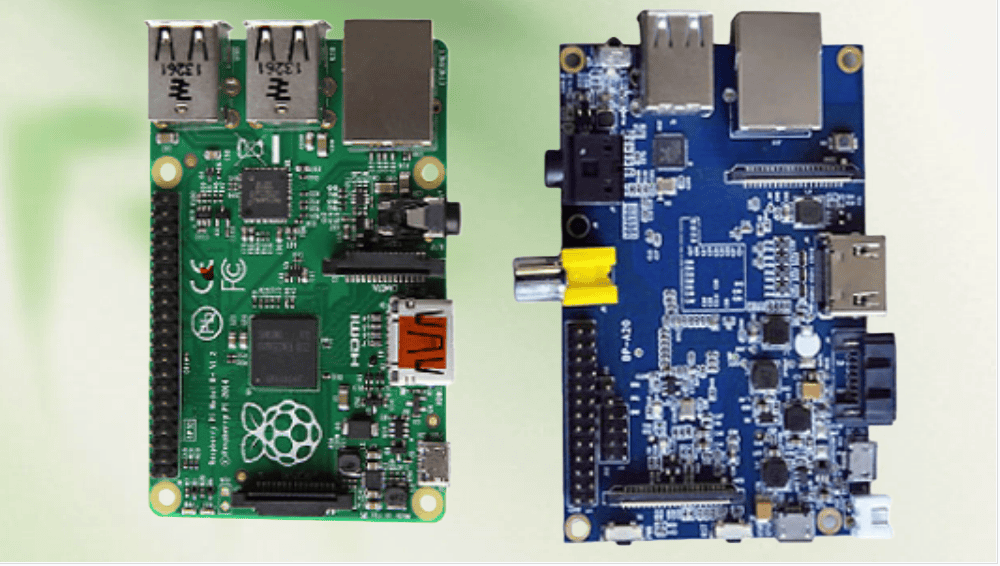
The original Banana Pi M1 included native SATA, which was revolutionary for ARM-based NAS builds. Modern Banana Pi boards like the R4 focus on M.2 NVMe instead, which offers superior performance.
SMB/CIFS Transfer Speeds
Using identical Kingston A400 SSDs and Samba configurations, I measured actual file transfer speeds:
Transfer Type
Banana Pi R4 (NVMe)
Raspberry Pi 5 (NVMe)
Raspberry Pi 5 (USB 3.0 SSD)
Sequential Read
800 MB/s
829 MB/s
404 MB/s
Sequential Write
800 MB/s
541 MB/s
380 MB/s
4K Random Read
45,000 IOPS
50,000 IOPS
8,400 IOPS
SMB Read (1GbE limited)
112 MB/s
110 MB/s
108 MB/s
SMB Write (1GbE limited)
108 MB/s
105 MB/s
95 MB/s
Both platforms hit the gigabit Ethernet ceiling for SMB transfers over standard networking. The Banana Pi R4’s 10GbE ports unlock the full storage speed potential when connected to compatible network infrastructure.
OpenMediaVault Performance
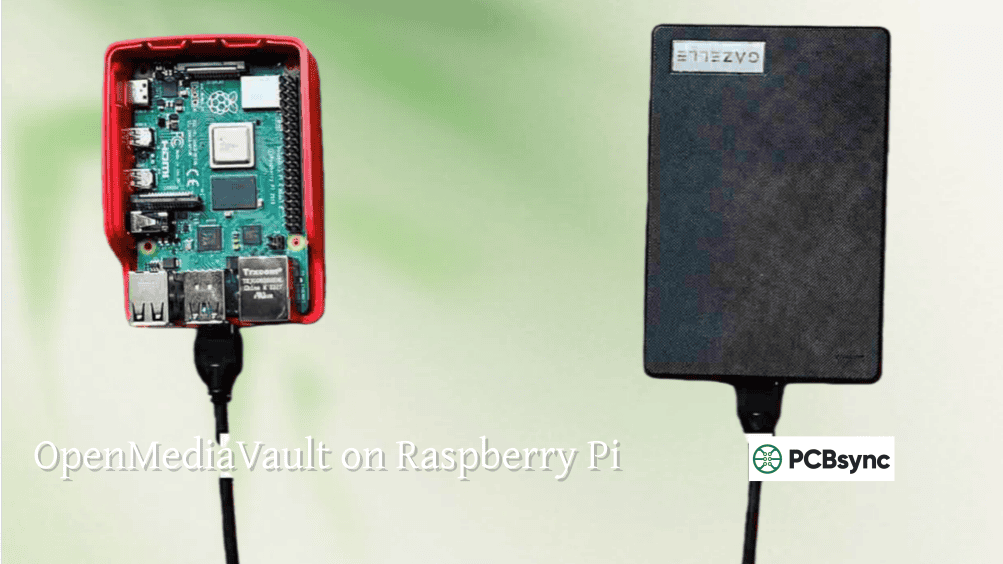
For NAS-specific workloads, I tested OpenMediaVault installations on both platforms. The Raspberry Pi 5 ran smoothly with proper NVMe storage, while Banana Pi boards with eMMC provided consistent performance without SD card reliability concerns.
Real-world media streaming worked flawlessly on both platforms. Transcoding performance favored the Pi 5’s newer Cortex-A76 cores for CPU-intensive tasks.
Software Support and Community: The Critical Factor
Here is where the Raspberry Pi ecosystem pulls ahead significantly. The Pi’s massive community means better documentation, more tutorials, and faster bug fixes.
Operating System Support
OS/Firmware
Banana Pi Support
Raspberry Pi Support
OpenWRT
Good (official builds)
Limited
Raspberry Pi OS
No
Excellent
Armbian
Good
Good
Ubuntu
Moderate
Excellent
OpenMediaVault
Works
Official images
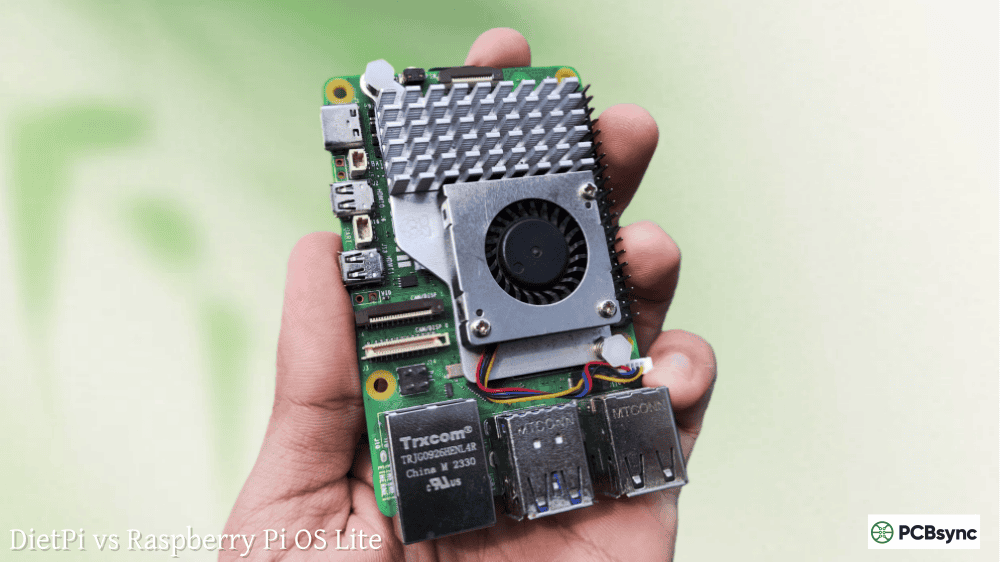
DietPi
Some models
All models
Banana Pi boards sometimes require community-built images or manual configuration that can frustrate beginners. The Raspberry Pi experience remains more polished out of the box.
OpenWRT Compatibility
For pure routing applications, Banana Pi router boards offer superior OpenWRT integration. The BPI-R4 has dedicated OpenWRT development support, and the OpenWRT One was literally designed by the project maintainers.
Raspberry Pi can run OpenWRT, but lacks the hardware offloading and network interface flexibility that makes the Banana Pi boards shine.
Running a 24/7 router or NAS means power efficiency matters for both electricity costs and heat management.
Board
Idle Power
Load Power
Active Cooling Required
Banana Pi R4
~5W
~12W
Recommended
Banana Pi R3
~3W
~8W
Optional
Raspberry Pi 5
~3W
~8W
Yes (built-in fan header)
Raspberry Pi 4
~2.5W
~6W
Recommended
The BPI-R4’s higher power draw reflects its more powerful networking hardware. For always-on applications, consider the total cost of ownership over several years.
Thermal management during benchmarking showed the BPI-R4 reaching 57-58°C under sustained load, dropping to around 53°C at idle. Both platforms benefit from proper heatsinking in enclosed installations.
Practical Setup Guide for Banana Pi Router
Getting a Banana Pi router running with OpenWRT involves several steps. Here is the condensed process based on my experience.
Initial Setup Steps
First, download the appropriate firmware from the OpenWRT firmware selector or community builds. For the BPI-R4, use the MediaTek Filogic target. Flash the image to a microSD card using Balena Etcher or similar tools.
Boot the board with the SD card inserted and appropriate jumper settings (both jumpers down for SD boot on the R4). Access the LuCI web interface at 192.168.1.1 after the initial boot completes.
Essential Configuration
Configure WAN and LAN interfaces according to your network topology. The BPI-R4’s flexibility allows assigning any port as WAN, though the SFP+ ports make most sense for high-speed uplinks.
Enable hardware flow offloading in the firewall settings to maximize throughput. This engages MediaTek’s TOPS (Tunnel Offload Processor System) for accelerated packet processing.
Useful Resources and Download Links
For those ready to start building, here are essential resources:
Is Banana Pi better than Raspberry Pi for a home router?
For dedicated routing with OpenWRT, yes. The Banana Pi router boards like the BPI-R4 offer superior network interfaces, hardware offloading, and proper switch ports. Raspberry Pi works for basic routing but lacks the dedicated networking hardware that serious home lab users need.
Can I use Banana Pi for NAS and router simultaneously?
Absolutely. The BPI-R4 particularly excels here with its NVMe M.2 slot, multiple network ports, and sufficient RAM for both functions. Running OpenWRT with Samba packages creates a capable combo device. Just monitor CPU usage during heavy network and storage operations.
What is the main disadvantage of Banana Pi compared to Raspberry Pi?
Community support and software polish. Raspberry Pi has years of ecosystem development, better documentation, and more plug-and-play software options. Banana Pi requires more technical knowledge and willingness to troubleshoot occasional firmware quirks.
Does Banana Pi support WiFi 7?
Yes, the BPI-R4 supports Wi-Fi 7 through mini PCIe expansion cards. The MediaTek MT7988A SoC enables tri-band connectivity (2.4GHz, 5GHz, and 6GHz) when paired with compatible WiFi modules. However, WiFi 7 client devices remain relatively rare as of early 2026.
Which board offers better value for a beginner NAS project?
Raspberry Pi 5 with an NVMe HAT provides the easiest entry point. The excellent documentation, straightforward setup, and mature software like OpenMediaVault make it ideal for learning. Once comfortable with ARM-based systems, graduating to Banana Pi hardware opens more advanced possibilities.
Final Verdict: Choosing the Right Board
After extensive testing, my recommendations break down clearly by use case:
Choose Banana Pi (BPI-R4 or R3) if you want:
A serious OpenWRT router with proper switch ports
10GbE capability for future-proofing
Hardware-accelerated packet processing
Combined router and NAS functionality
Wi-Fi 7 access point capability
Choose Raspberry Pi 5 if you want:
The easiest setup experience
Best software compatibility
Strong community support
General-purpose computing alongside NAS duties
Lower initial learning curve
Both platforms deliver excellent performance for their intended purposes. The Banana Pi router boards dominate networking workloads, while Raspberry Pi remains the Swiss Army knife of the SBC world with unmatched versatility and support.
For my personal network, I run a BPI-R4 as my primary router and gateway, handling all traffic routing and Wi-Fi access point duties. A Raspberry Pi 5 serves as my media server and backup NAS, leveraging its excellent software ecosystem. This combination plays to each platform’s strengths.
Whatever you choose, both options dramatically outperform consumer routers in customization potential and long-term value. The DIY networking community continues growing stronger, and having these capable open-source platforms available makes building exactly the network you need entirely achievable.
Inquire: Call 0086-755-23203480, or reach out via the form below/your sales contact to discuss our design, manufacturing, and assembly capabilities.
Quote: Email your PCB files to Sales@pcbsync.com (Preferred for large files) or submit online. We will contact you promptly. Please ensure your email is correct.
Notes: For PCB fabrication, we require PCB design file in Gerber RS-274X format (most preferred), *.PCB/DDB (Protel, inform your program version) format or *.BRD (Eagle) format. For PCB assembly, we require PCB design file in above mentioned format, drilling file and BOM. Click to download BOM template To avoid file missing, please include all files into one folder and compress it into .zip or .rar format.