Inquire: Call 0086-755-23203480, or reach out via the form below/your sales contact to discuss our design, manufacturing, and assembly capabilities.
Quote: Email your PCB files to Sales@pcbsync.com (Preferred for large files) or submit online. We will contact you promptly. Please ensure your email is correct.
Notes: For PCB fabrication, we require PCB design file in Gerber RS-274X format (most preferred), *.PCB/DDB (Protel, inform your program version) format or *.BRD (Eagle) format. For PCB assembly, we require PCB design file in above mentioned format, drilling file and BOM. Click to download BOM template To avoid file missing, please include all files into one folder and compress it into .zip or .rar format.
ATtiny85 Projects: 10 Ideas for Tiny Microcontrollers
When I first discovered the ATtiny85, I wondered how much functionality could possibly fit in an 8-pin chip. After building countless ATtiny85 projects over the years, the answer continues to surprise me. This tiny microcontroller handles everything from wearable LED displays to USB devices, all while costing less than a cup of coffee.
This guide presents ten practical ATtiny85 projects ranging from beginner-friendly builds to intermediate challenges. Each project leverages the chip’s strengths—small size, low power consumption, and Arduino compatibility—while working within its limitations.
The ATtiny85 sits in a sweet spot between capability and constraint. It offers enough power for focused applications without the complexity or cost of larger microcontrollers.
ATtiny85 Key Specifications
Feature
Specification
Architecture
8-bit AVR RISC
Flash Memory
8 KB
SRAM
512 bytes
EEPROM
512 bytes
GPIO Pins
6 (5 usable + reset)
ADC Channels
4 (10-bit)
PWM Outputs
4
Operating Voltage
2.7V – 5.5V
Deep Sleep Current
0.1 µA
Price
~$1.50
These ATtiny85 projects work well because the chip excels at single-purpose tasks where dedicated functionality matters more than raw processing power.
Project 1: Soil Moisture Alert Beacon
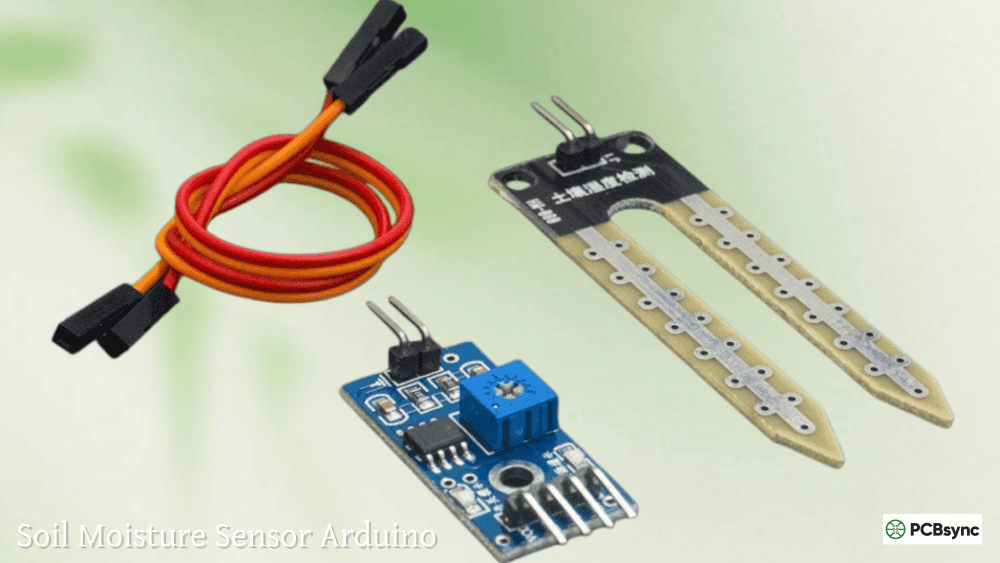
This beginner-friendly ATtiny85 project solves the universal problem of forgetting to water plants. The circuit monitors soil moisture and blinks an LED when conditions get too dry.
Components List
Part
Quantity
Cost
ATtiny85
1
$1.50
Soil Moisture Sensor
1
$2.00
LED (any color)
1
$0.10
220Ω Resistor
1
$0.05
CR2032 Battery Holder
1
$0.50
The code reads the analog sensor value, compares it against a threshold, and activates the LED when moisture drops below acceptable levels. Using sleep modes between readings extends battery life to several months from a single coin cell.
This project teaches fundamental skills applicable to all ATtiny85 projects: analog reading, digital output, and power management.
Project 2: USB Keystroke Injector
Transform the ATtiny85 into a USB Human Interface Device that types predefined text when plugged into a computer. Security professionals use similar devices for penetration testing, but you can build one for legitimate automation tasks.
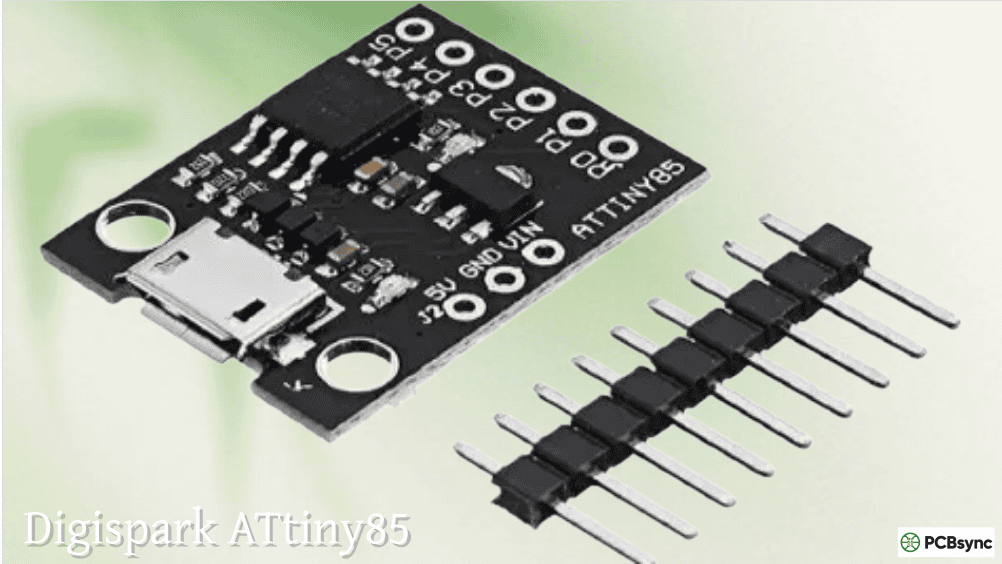
The Digispark development board (ATtiny85 with built-in USB) simplifies this build considerably. The V-USB library handles the complex USB protocol, leaving you to define keystroke sequences.
Practical Applications
Use Case
Description
Difficulty
Auto-login
Type credentials automatically
Beginner
Script Launcher
Open programs and run commands
Intermediate
Text Expander
Insert common text snippets
Beginner
Prank Device
Harmless keyboard pranks
Beginner
Important: Only use on systems you own. Unauthorized use on others’ computers violates computer fraud laws.
Project 3: NeoPixel Wearable Badge
Create an eye-catching animated badge using addressable RGB LEDs. The ATtiny85’s precise timing makes it capable of driving WS2812B (NeoPixel) strips for colorful wearable displays.
Badge Components
Component
Purpose
ATtiny85
Controller
NeoPixel Ring (12 LEDs)
Display
Push Button
Mode selection
LiPo Battery (150mAh)
Power source
Slide Switch
On/off control
The FastLED library’s ATtiny85 support provides sophisticated animations despite the chip’s limited memory. Program multiple patterns and cycle through them with button presses.
Keep LED count reasonable for these ATtiny85 projects—SRAM limits how many pixel states the chip can track simultaneously. Twelve to twenty LEDs work well for badges without memory issues.
Project 4: Miniature Game Console
Build a surprisingly playable 1D game console using the ATtiny85 and a strip of eight WS2812 LEDs. Games like Pong, Snake, and reaction timers work perfectly on this linear display.
Console Specifications
Feature
Implementation
Display
8 RGB LEDs (expandable)
Controls
3 push buttons
Power
USB-C rechargeable LiPo
Games
Pong, Snake, Reaction
The tinyNeoPixel library minimizes memory usage, crucial for fitting game logic alongside display routines. Hardware debouncing with capacitors saves precious code space that software debouncing would consume.
This ranks among the most satisfying ATtiny85 projects because it produces something genuinely fun to use despite extreme hardware constraints.
Project 5: Solar-Powered Garden Light
Harness solar energy for an automatic outdoor light. This ATtiny85 project charges during the day and illuminates automatically when darkness falls.
System Components
Part
Function
ATtiny85
Light level monitoring and LED control
Small Solar Panel (5V/100mA)
Charging
LiPo Battery
Energy storage
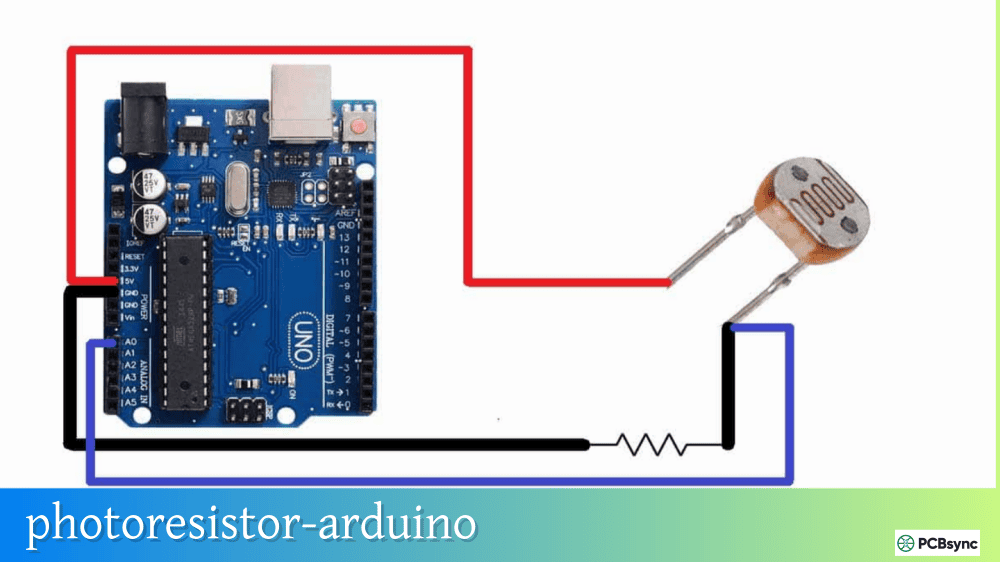
Photoresistor (LDR)
Darkness detection
White LEDs
Illumination
The ATtiny85 monitors the photoresistor and enables the LEDs when light levels drop below threshold. During daylight, it enters deep sleep mode, consuming mere microamps while the solar panel replenishes the battery.
This project demonstrates efficient power management techniques applicable to any battery-operated ATtiny85 projects.
Project 6: Custom IR Remote Control
Consolidate multiple remote controls into one custom device. The ATtiny85 generates the precise timing signals that infrared protocols require while consuming minimal power between button presses.
Building Process
First, capture IR codes from existing remotes using an Arduino with an IR receiver. Then program those codes into the ATtiny85. When you press a button, it transmits the stored sequence through an IR LED.
Remote Components
Component
Quantity
Purpose
ATtiny85
1
Protocol generation
IR LED (940nm)
1
Signal transmission
Push Buttons
4-6
Function selection
100Ω Resistor
1
LED current limiting
CR2032 Battery
1
Power
The IRremote library’s tiny variant handles encoding. These ATtiny85 projects prove especially useful for replacing lost remotes or combining multiple devices into one controller.
Project 7: Pomodoro Productivity Timer
Beat procrastination with a dedicated Pomodoro timer. This ATtiny85 project provides 25-minute work sessions and 5-minute breaks using simple LED and buzzer indicators.
Timer Features
Function
Implementation
Work Session
25 minutes (configurable)
Break Session
5 minutes
Interface
1 button, 1 LED, 1 buzzer
Power
CR2032 coin cell
Size
Under 3cm × 3cm
The watchdog timer provides accurate long-duration timing without continuous processing. Sleep modes between timer ticks extend battery life dramatically—expect months of operation from a single cell.
Sometimes a dedicated physical device beats a phone app for maintaining focus.
Stop checking empty mailboxes. This system uses two ATtiny85 chips—a transmitter in the mailbox and a receiver in your home—to alert you when mail arrives.
Transmitter Unit
Component
Purpose
ATtiny85
Controller
Reed Switch
Door detection
433MHz TX Module
Wireless signal
AA Batteries
Power (months of life)
Receiver Unit
Component
Purpose
ATtiny85
Controller
433MHz RX Module
Signal reception
Buzzer + LED
Alert notification
USB Power
Continuous operation
The transmitter sleeps until the mailbox door opens, sends a coded signal, then returns to sleep. Manchester encoding ensures reliable communication between the two ATtiny85 projects working as a system.
Project 9: Temperature and Humidity Logger
Create an autonomous environmental monitor that records data over time. The ATtiny85 reads sensors and stores measurements in its internal EEPROM for later retrieval.
Logger Capabilities
Parameter
Specification
Sensors
DHT11/DHT22, DS18B20
Storage
~170 readings (512 bytes EEPROM)
Interval
Configurable (minutes to days)
Battery Life
Weeks to months
Retrieval
I2C connection to Arduino
After the logging period, connect the ATtiny85 to an Arduino to read stored data. This provides temperature and humidity trends without requiring constant computer connection.
The Rob Tillaart DHT library works with ATtiny85 projects and provides reliable sensor readings within the chip’s memory constraints.
Project 10: Simon Memory Game
Build the classic electronic memory game using just an ATtiny85 and basic components. Four colored LEDs and matching buttons create the interface for this challenging ATtiny85 project.
Game Components
Part
Quantity
Notes
ATtiny85
1
Game controller
LEDs
4
Red, Blue, Green, Yellow
Push Buttons
4
Matching LED positions
Piezo Buzzer
1
Sound feedback
220Ω Resistors
4
LED current limiting
The game generates random sequences, displays them through lighting LEDs with corresponding tones, then waits for player input. Successfully matching sequences increases difficulty progressively.
This project pushes the chip’s limits—managing multiple inputs and outputs while maintaining game state requires careful memory optimization. It’s excellent practice for writing efficient code in constrained environments.
Getting Started with ATtiny85 Projects
All these projects share common programming requirements.
Essential Equipment
Tool
Purpose
Approximate Cost
Arduino Uno/Nano
ISP Programmer
$5-20
Breadboard
Prototyping
$5
Jumper Wires
Connections
$5
10µF Capacitor
Prevent reset during upload
$0.10
Programming Steps Summary
Install ATtinyCore in Arduino IDE Board Manager
Upload ArduinoISP sketch to your Arduino
Wire ATtiny85 to Arduino (MOSI, MISO, SCK, Reset, VCC, GND)
Select ATtiny85 board and “Arduino as ISP” programmer
Burn bootloader to set fuse bits
Upload code using “Sketch → Upload Using Programmer”
What makes ATtiny85 projects different from Arduino projects?
The ATtiny85 has significantly less memory (8KB flash vs 32KB) and fewer pins (6 vs 23) compared to an Arduino Uno. This means ATtiny85 projects require more efficient code and creative pin usage. However, the smaller size, lower cost, and reduced power consumption make it ideal for permanent installations where a full Arduino would be overkill.
Can ATtiny85 projects run on battery power?
Absolutely. The ATtiny85 excels at battery-powered applications. Using sleep modes properly, many projects run for months on coin cells. The chip operates from 2.7V-5.5V, accommodating various battery types. Projects with continuous operation or bright LEDs drain batteries faster, so design your power budget accordingly.
How many NeoPixels can an ATtiny85 control?
The practical limit is around 50-100 NeoPixels depending on animation complexity. Each LED requires 3 bytes of RAM for color data, and the ATtiny85 only has 512 bytes total. Simple animations allow more LEDs; complex patterns require fewer. For larger installations, consider the ATtiny84 or ATmega chips.
Which ATtiny85 project is best for complete beginners?
Start with the Soil Moisture Alert Beacon. It uses basic concepts—analog input, digital output, and simple decision logic—without complex libraries. You’ll learn the complete ATtiny85 programming workflow while creating something genuinely useful. Progress to projects with displays or communication protocols after mastering fundamentals.
Can I add wireless capability to ATtiny85 projects?
Yes, through external modules. The chip itself lacks wireless hardware, but 433MHz RF transmitter/receiver pairs work well for simple on/off signaling. IR communication is another option. True WiFi or Bluetooth requires more capable microcontrollers, but for basic wireless communication, ATtiny85 projects manage effectively with inexpensive RF modules.
Conclusion
These ten ATtiny85 projects demonstrate that meaningful functionality fits within surprisingly tight constraints. The chip’s limitations—limited memory, few pins, modest processing power—become creative challenges that produce elegant, focused solutions.
Start with simpler builds to understand the programming workflow and chip behavior. As your skills develop, tackle projects that push the ATtiny85’s capabilities further. The maker community continuously discovers new applications, from USB devices to sensor networks to interactive wearables.
What makes ATtiny85 projects satisfying isn’t just the finished product—it’s knowing you’ve built something efficient and purposeful from minimal resources. That $1.50 chip might become your favorite tool for compact embedded designs.
Inquire: Call 0086-755-23203480, or reach out via the form below/your sales contact to discuss our design, manufacturing, and assembly capabilities.
Quote: Email your PCB files to Sales@pcbsync.com (Preferred for large files) or submit online. We will contact you promptly. Please ensure your email is correct.
Notes: For PCB fabrication, we require PCB design file in Gerber RS-274X format (most preferred), *.PCB/DDB (Protel, inform your program version) format or *.BRD (Eagle) format. For PCB assembly, we require PCB design file in above mentioned format, drilling file and BOM. Click to download BOM template To avoid file missing, please include all files into one folder and compress it into .zip or .rar format.