Inquire: Call 0086-755-23203480, or reach out via the form below/your sales contact to discuss our design, manufacturing, and assembly capabilities.
Quote: Email your PCB files to Sales@pcbsync.com (Preferred for large files) or submit online. We will contact you promptly. Please ensure your email is correct.
Notes: For PCB fabrication, we require PCB design file in Gerber RS-274X format (most preferred), *.PCB/DDB (Protel, inform your program version) format or *.BRD (Eagle) format. For PCB assembly, we require PCB design file in above mentioned format, drilling file and BOM. Click to download BOM template To avoid file missing, please include all files into one folder and compress it into .zip or .rar format.
Home Assistant on Raspberry Pi: Complete 2026 Setup Guide
After years of wrestling with proprietary smart home ecosystems that stopped working whenever someone’s cloud server hiccupped, I finally made the switch to Home Assistant on Raspberry Pi. That decision transformed my approach to home automation entirely. No more wondering if my lights would respond when the internet went down. No more watching features disappear because a manufacturer decided to sunset a product line.
Running Home Assistant Raspberry Pi configurations has become the gold standard for raspberry pi home automation enthusiasts who want complete control over their smart homes. The combination delivers local processing, works with virtually every smart home protocol, and costs a fraction of commercial alternatives. Whether you’re automating a few lights or building a comprehensive system with hundreds of devices, this guide walks you through everything from initial hardware selection to advanced configurations.
Why Choose Home Assistant for Raspberry Pi Home Automation?
Home Assistant stands as the most powerful open-source home automation platform available today. With over 3,000 integrations supporting devices from thousands of manufacturers, it eliminates the vendor lock-in that plagues proprietary systems. Your Philips Hue bulbs, Aqara sensors, Sonos speakers, and Ring doorbell all communicate through a single unified interface.
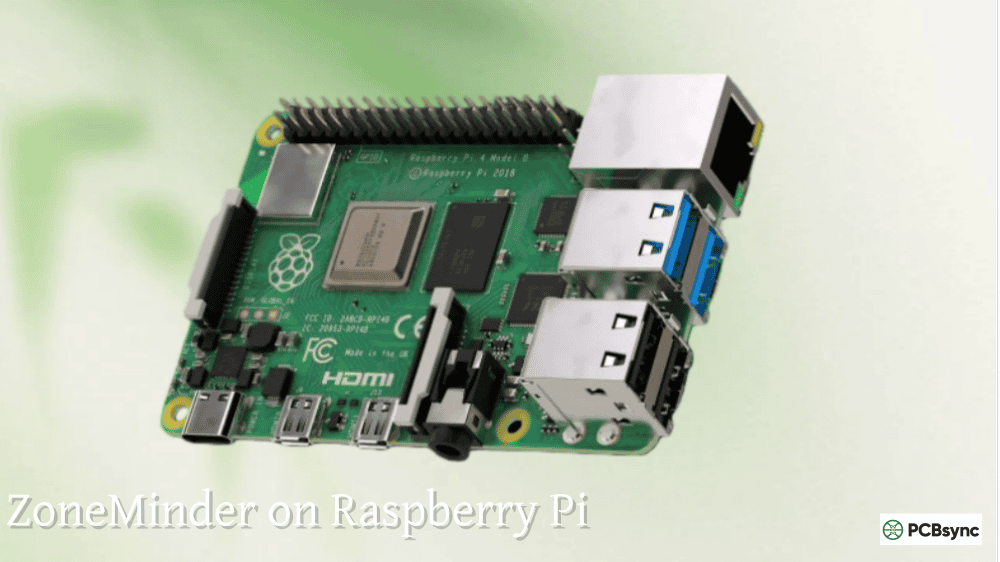
The Raspberry Pi makes an ideal host for Home Assistant because it runs continuously on minimal power (typically 3-5 watts), produces almost no noise, and costs less than a month of some smart home subscription services. Unlike cloud-dependent systems, your raspberry pi home automation setup keeps working even when your internet connection fails.
Key Benefits of Home Assistant on Raspberry Pi
Benefit
Description
Local Control
All processing happens on your network, no cloud dependency
Privacy
Your data never leaves your home unless you explicitly configure it to
Cost Effective
One-time hardware cost, no monthly subscriptions required
Protocol Support
Zigbee, Z-Wave, Matter, Thread, WiFi, Bluetooth all supported
Extensibility
Over 3,000 integrations available
Community
Massive community with constant updates and support
Customization
Complete control over dashboards, automations, and functionality
Hardware Requirements for Home Assistant Raspberry Pi
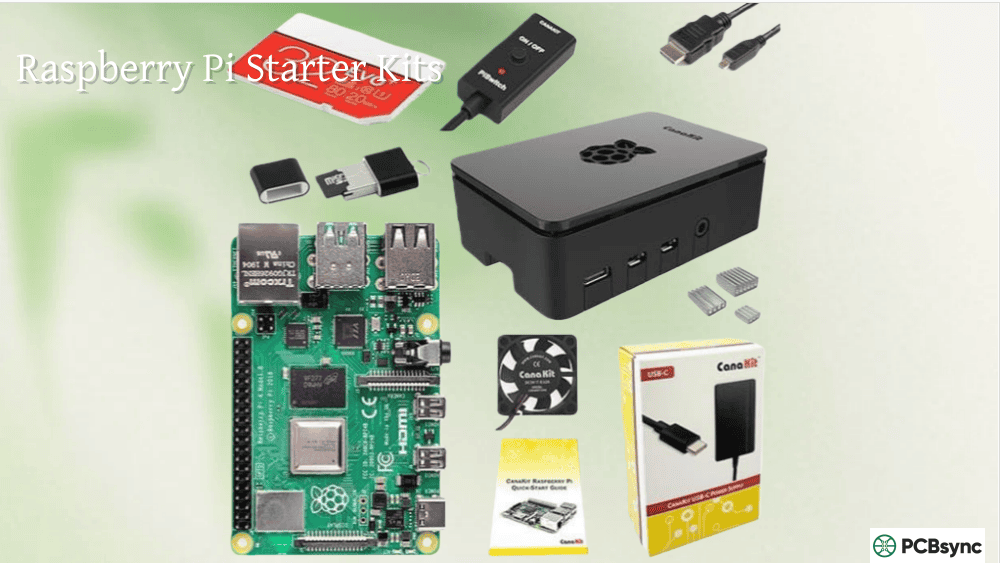
Choosing the right hardware ensures smooth operation and room for growth as your smart home expands.
Recommended Raspberry Pi Models
Model
RAM
CPU
Best For
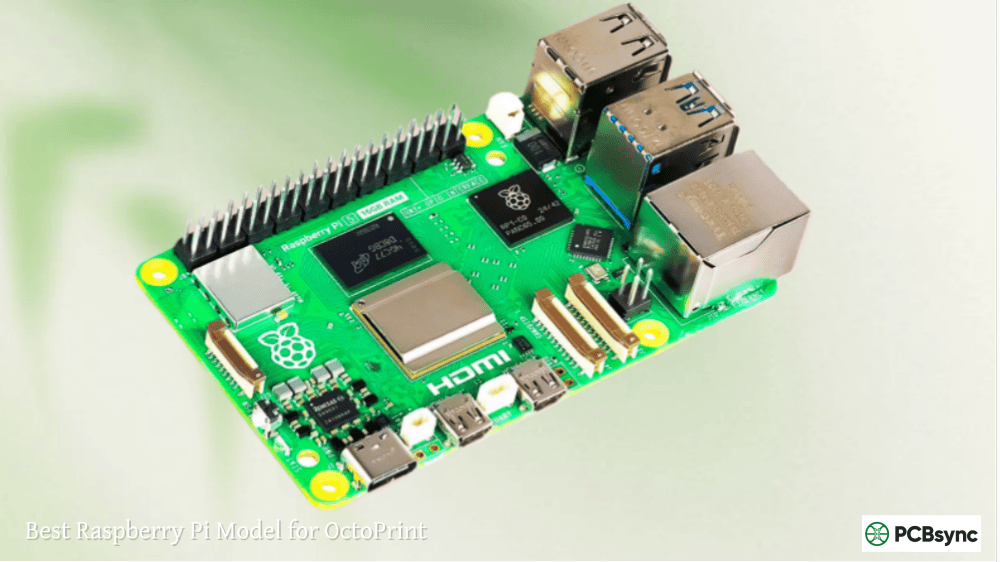
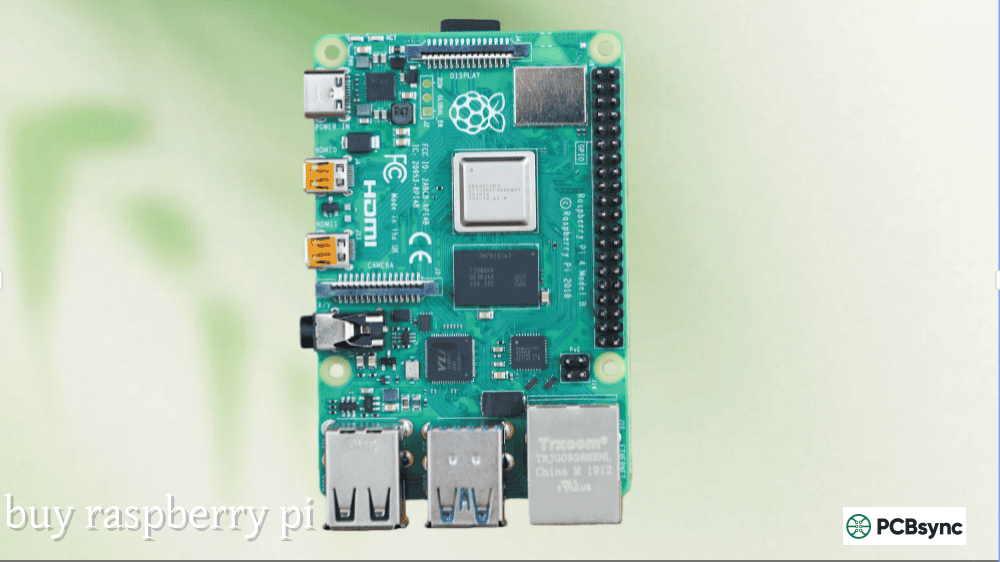
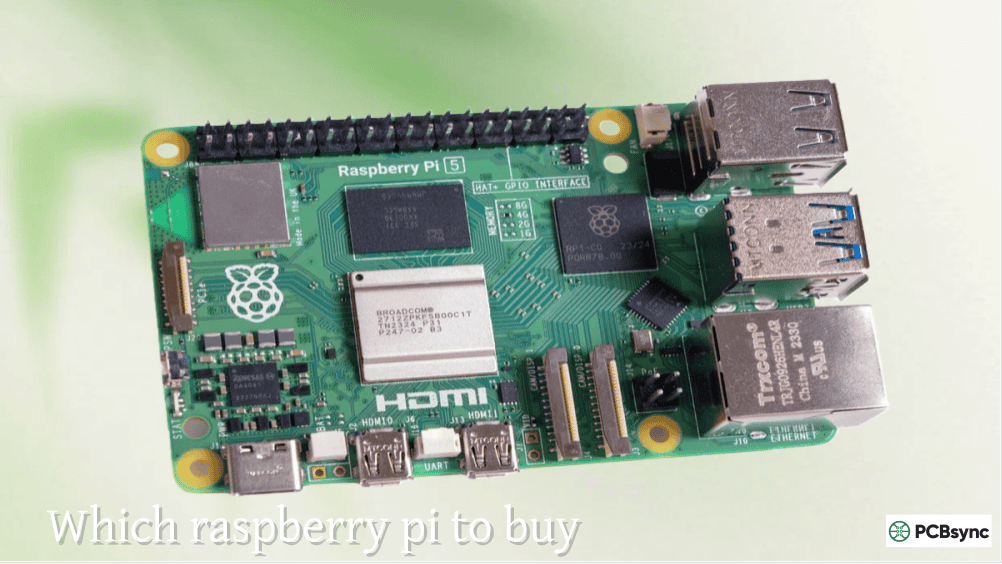
Raspberry Pi 5 (8GB)
8GB
Quad-core Cortex-A76 @ 2.4GHz
Large installations, 100+ devices
Raspberry Pi 5 (4GB)
4GB
Quad-core Cortex-A76 @ 2.4GHz
Medium installations, 50-100 devices
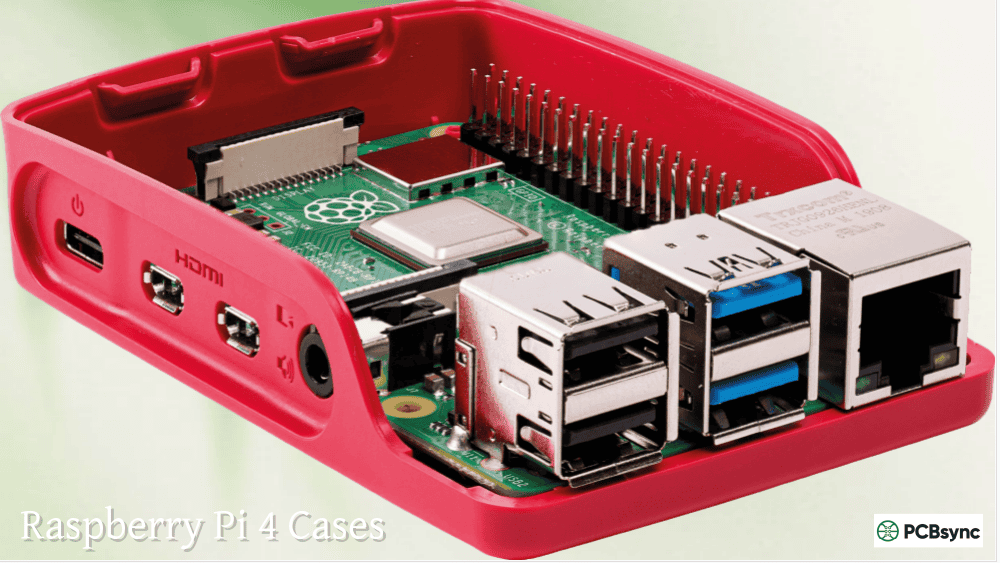
Raspberry Pi 4 (4GB)
4GB
Quad-core Cortex-A72 @ 1.8GHz
Budget-friendly, up to 50 devices
Raspberry Pi 4 (2GB)
2GB
Quad-core Cortex-A72 @ 1.5GHz
Small installations, basic automations
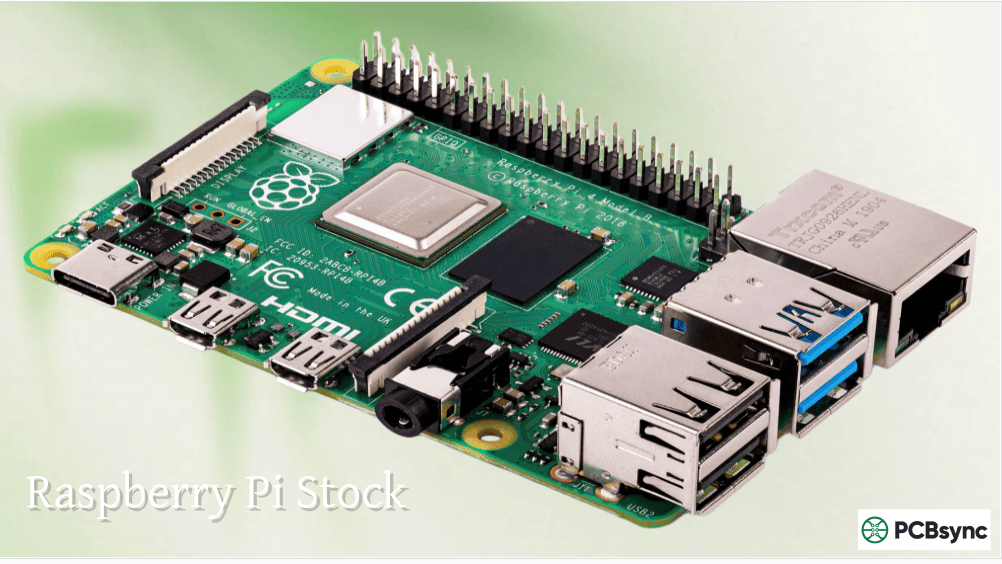
The Raspberry Pi 5 delivers approximately twice the performance of the Pi 4, with CPU idle dropping from 6% to around 2% for typical Home Assistant workloads. The improved processing power becomes noticeable when running multiple add-ons or processing camera feeds.
Complete Hardware Shopping List
Component
Minimum
Recommended
Notes
Raspberry Pi
Pi 4 (2GB)
Pi 5 (4GB or 8GB)
More RAM helps with add-ons
Storage
32GB microSD
128GB+ NVMe SSD
SSD dramatically improves reliability
Power Supply
15W USB-C
27W official PSU (Pi 5)
Insufficient power causes instability
Cooling
Passive heatsink
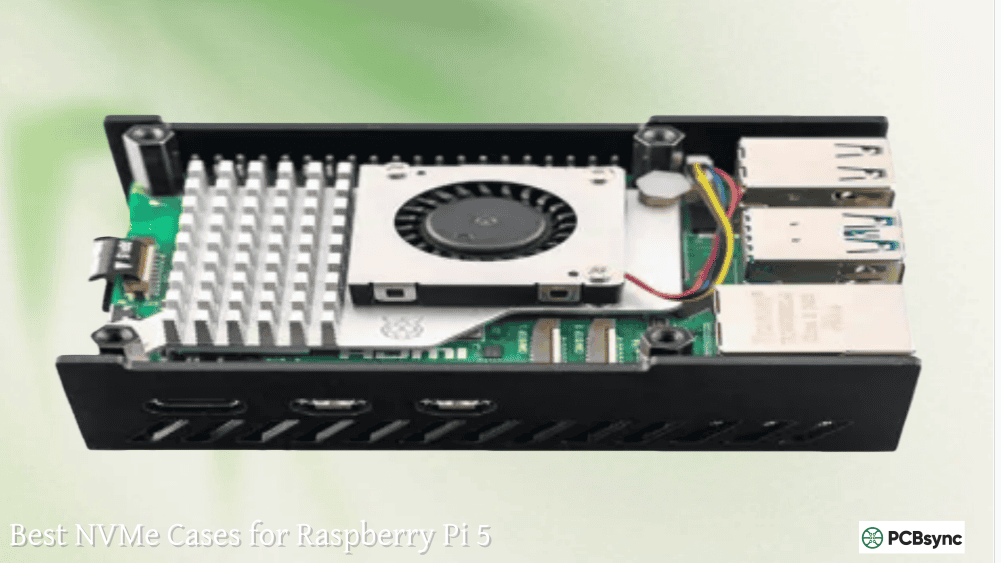
Active cooler
Pi 5 runs hotter under load
Case
Basic enclosure
Argon ONE/NEO with SSD
Integrated cooling and storage
Network
WiFi
Ethernet cable
Wired connection is more reliable
Zigbee Coordinator
Optional
Home Assistant Connect ZBT-2
Required for Zigbee devices
Z-Wave Controller
Optional
Zooz ZST39 or similar
Required for Z-Wave devices
Why NVMe Storage Matters
MicroSD cards remain the Achilles heel of Raspberry Pi projects. Home Assistant writes constantly to its database, and SD cards simply weren’t designed for this workload. I’ve seen cards fail within months under heavy use. NVMe storage solves this problem while delivering dramatically better performance.
Storage Type
Read Speed
Write Speed
Backup Time
Reliability
Class 10 microSD
10-30 MB/s
10-20 MB/s
2+ minutes
Poor for constant writes
USB 3.0 SATA SSD
300-400 MB/s
250-350 MB/s
45-60 seconds
Good
NVMe SSD (PCIe)
800+ MB/s
600+ MB/s
30 seconds
Excellent
The Raspberry Pi 5 supports NVMe drives via the M.2 HAT+ or third-party solutions like the Argon NEO 5 NVMe case. Full backups that took over two minutes on the Pi 4 with SSD complete in approximately 30 seconds on Pi 5 with NVMe storage.
Installation Methods for Home Assistant
Home Assistant offers several installation paths. For most users, Home Assistant Operating System (HAOS) provides the best experience.
Installation Types Comparison
Installation Type
Add-ons
Supervisor
Difficulty
Recommended For
Home Assistant OS
Yes
Yes
Easy
Most users
Home Assistant Container
No
No
Medium
Docker enthusiasts
Home Assistant Core
No
No
Advanced
Python developers
Home Assistant Supervised
Yes
Yes
Advanced
Linux experts (deprecated 2025)
Home Assistant OS bundles everything needed into a purpose-built operating system. You get the Supervisor for managing add-ons, automatic updates, and a streamlined experience. The other methods exist for specific use cases but sacrifice convenience.
Step-by-Step Home Assistant Raspberry Pi Installation
This walkthrough covers installing Home Assistant OS on a Raspberry Pi 5, the recommended approach for 2026.
Step 1: Download and Install Raspberry Pi Imager
Download the official Raspberry Pi Imager from raspberrypi.com. This tool handles downloading the correct image and writing it to your storage device.
Available for Windows, macOS, and Linux, the Imager simplifies what used to require multiple tools and manual downloads.
Step 2: Flash Home Assistant OS
Connect your storage device (microSD card or NVMe SSD via USB adapter) to your computer.
Open Raspberry Pi Imager and configure:
Device Selection: Choose your Raspberry Pi model (Pi 4 or Pi 5)
Operating System: Navigate to Other specific-purpose OS → Home assistants and home automation → Home Assistant → Select the version matching your Pi model
Storage: Select your connected storage device
Click “Next” and wait for the image to write. This typically takes 5-10 minutes depending on your storage speed.
Step 3: Configure Boot Order for NVMe (Pi 5 Only)
If using NVMe storage, you need to configure the Pi 5 bootloader. This requires temporarily booting from a microSD card with Raspberry Pi OS.
Flash Raspberry Pi OS Lite to a separate microSD card, boot from it, and run:
sudo raspi-config
Navigate to Advanced Options → Boot Order → NVMe/USB Boot. This tells the Pi 5 to look for bootable media on NVMe first.
After configuration, power down, remove the microSD card, and the Pi will boot from NVMe.
Step 4: Initial Boot and Network Connection
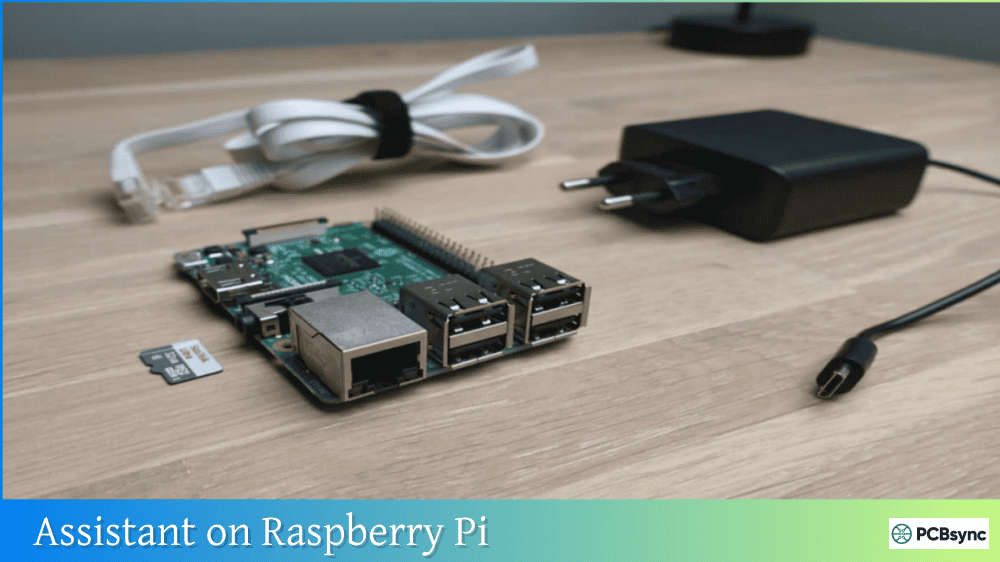
Insert your flashed storage into the Raspberry Pi. Connect Ethernet (recommended for initial setup) and power.
The first boot takes 10-20 minutes as Home Assistant:
Expands the filesystem
Downloads the latest version
Prepares the initial configuration
Don’t panic if nothing seems to happen initially. The system is working.
Step 5: Access the Home Assistant Web Interface
After the initial preparation completes, access Home Assistant from any browser on your network:
Primary URL: http://homeassistant.local:8123
Alternative: http://[Your-Pi-IP-Address]:8123
If the .local address doesn’t work, find your Pi’s IP address in your router’s DHCP client list.
Step 6: Complete the Onboarding Process
The onboarding wizard walks you through:
Creating your administrator account
Naming your home
Setting your location (for weather, sunrise/sunset automations)
Selecting your time zone and unit system
Opting into or out of anonymous analytics
After completing onboarding, you’ll see the Home Assistant dashboard. The system automatically discovers many devices already on your network.
Understanding Smart Home Protocols
Modern raspberry pi home automation systems support multiple wireless protocols. Understanding these helps you choose compatible devices.
Protocol Comparison Table
Protocol
Range
Power
Mesh
Best For
Hardware Required
Zigbee 3.0
10-30m
Very Low
Yes
Sensors, switches, bulbs
Zigbee coordinator
Z-Wave Plus
30-100m
Low
Yes
Locks, thermostats
Z-Wave controller
Matter
Varies
Varies
Via Thread
New cross-platform devices
Matter controller (built-in)
Thread
10-30m
Very Low
Yes
Battery devices with Matter
Thread border router
WiFi
30-50m
High
No
Cameras, displays
None
Bluetooth
10m
Low
No
Presence, some sensors
Bluetooth adapter
Zigbee: The Workhorse Protocol
Zigbee remains the most popular protocol for Home Assistant Raspberry Pi installations. Thousands of devices from brands like Philips Hue, IKEA TRÅDFRI, Aqara, Sonoff, and ThirdReality use Zigbee.
The new Home Assistant Connect ZBT-2 represents a significant upgrade over previous coordinators:
The ZBT-2’s external antenna and improved RF front-end dramatically improve range and stability compared to USB stick-style coordinators that suffered from interference when plugged directly into USB 3.0 ports.
Matter and Thread: The Future
Matter represents the industry’s attempt at universal smart home interoperability. Devices certified for Matter work with Home Assistant, Apple HomeKit, Google Home, and Amazon Alexa simultaneously.
Thread provides the underlying mesh network for battery-powered Matter devices. Home Assistant can function as a Thread border router using the Connect ZBT-1 or ZBT-2 (after switching from Zigbee mode).
Currently, my recommendation is using Zigbee for most devices while Matter/Thread matures. The Zigbee ecosystem offers more device choices and proven reliability.
Essential Add-ons for Home Assistant
Add-ons extend Home Assistant’s capabilities. These run as containerized services managed through the Supervisor.
Must-Have Add-ons
Add-on
Purpose
Resource Usage
Mosquitto MQTT Broker
Message broker for IoT devices
Light
ESPHome
Program ESP32/ESP8266 devices
Medium
File Editor
Edit configuration files in browser
Light
Samba Share
Access files from Windows/Mac
Light
Terminal & SSH
Command-line access
Light
Google Drive Backup
Automated cloud backups
Light
ESPHome: Build Custom Sensors
ESPHome deserves special attention. It transforms inexpensive ESP32 and ESP8266 microcontrollers into custom smart home devices using simple YAML configuration files instead of complex C++ programming.
With ESPHome, you can build:
Custom temperature and humidity sensors
Motion detectors with mmWave radar
Presence detection systems
RGB LED controllers
Plant monitoring sensors
Custom displays and dashboards
Air quality monitors
ESPHome devices integrate natively with Home Assistant through the ESPHome API, appearing automatically once flashed. Updates push wirelessly, eliminating the need to physically access devices.
Mosquitto MQTT Broker
MQTT (Message Queuing Telemetry Transport) provides lightweight messaging between IoT devices. Many commercial devices support MQTT, and ESPHome devices can use it as an alternative to the native API.
The Mosquitto add-on turns your Home Assistant Raspberry Pi into an MQTT broker. Devices publish messages to topics, and Home Assistant subscribes to those topics to receive updates. This publish/subscribe model handles thousands of messages efficiently.
Node-RED: Visual Automation Builder
While Home Assistant’s built-in automation engine has improved dramatically, Node-RED offers a visual flow-based interface for complex automation chains. You literally draw connections between nodes representing triggers, conditions, and actions.
That said, the native automation engine now handles most use cases well. I’ve migrated most of my Node-RED automations to native Home Assistant automations for better reliability and mobile editing capability.
Local Voice Control Stack
For completely local voice control without cloud dependencies, install:
Add-on
Function
Piper
Text-to-speech engine
Whisper
Speech-to-text engine
openWakeWord
Wake word detection
Combined with the Wyoming Protocol integration, these enable voice commands that never leave your network. Processing happens entirely on your raspberry pi home automation system.
Note that local voice processing requires significant CPU resources. The Raspberry Pi 5 handles it adequately, but the Pi 4 may struggle with simultaneous voice processing and other tasks.
Performance Optimization Tips
Memory and Storage Optimization
Optimization
Benefit
How to Implement
Use NVMe storage
Faster I/O, better reliability
Install NVMe HAT and SSD
Limit recorder history
Reduced database size
Configure recorder in YAML
Exclude unnecessary entities
Lower resource usage
Add excludes to recorder config
Use MariaDB add-on
Better database performance
Install add-on, migrate database
Regular database purge
Prevents database bloat
Configure purge_keep_days
Network Configuration
Setting
Recommendation
Connection type
Wired Ethernet
IP address
Static or DHCP reservation
DNS
Local DNS or Pi-hole
Multicast/mDNS
Enable on network
VLAN
Consider IoT VLAN for isolation
Static IP addresses prevent connection issues when your Pi restarts and DHCP assigns a different address.
Backup Strategy
Never skip backups. Home Assistant includes built-in backup functionality, but off-site storage provides additional protection.
Backup Method
Frequency
Storage Location
Full backup
Weekly
Local + Cloud
Partial backup (config only)
Daily
Cloud
Database backup
Daily
Cloud
The Google Drive Backup add-on automates this process, maintaining multiple backup generations in your cloud storage.
With Home Assistant Raspberry Pi configured, create your first automation.
Example: Motion-Activated Lights
This automation turns on lights when motion is detected and off after no motion for 5 minutes:
Component
Setting
Trigger
Motion sensor state changes to “on”
Condition
Sun is below horizon
Action
Turn on living room lights
Wait
Wait for trigger (motion off) with timeout 5 minutes
Action
Turn off living room lights
The automation editor provides a visual interface for creating these without touching YAML. However, all automations can also be configured directly in YAML for version control and sharing.
Automation Best Practices
Practice
Reason
Name automations descriptively
Easier debugging
Use areas and device grouping
Simplifies targeting
Add conditions to prevent loops
Avoids infinite triggers
Test with trace/debug mode
Verify logic before deployment
Use helpers for complex states
Cleaner automation logic
Useful Resources for Home Assistant Users
Resource
URL
Description
Home Assistant Official
home-assistant.io
Documentation, installation guides
Home Assistant Community
community.home-assistant.io
Forums for questions and sharing
ESPHome
esphome.io
Documentation for ESPHome devices
HACS
hacs.xyz
Community store for custom integrations
Home Assistant GitHub
github.com/home-assistant
Source code and issue tracking
Everything Smart Home
YouTube channel
Tutorials and project ideas
The Hook Up
YouTube channel
Advanced tutorials and reviews
Smart Home Junkie
YouTube channel
Beginner-friendly tutorials
Home Assistant Podcast
hasspodcast.io
News and community updates
Connect ZBT-2
home-assistant.io/connectzbt2
Official Zigbee/Thread coordinator
Recommended Starter Devices
Device Type
Brand/Model
Protocol
Price Range
Motion Sensor
Aqara P1
Zigbee
$20-25
Door/Window Sensor
Aqara Door Sensor
Zigbee
$15-20
Temperature Sensor
Aqara Temperature
Zigbee
$15-20
Smart Plug
Sonoff S31 ZB
Zigbee
$12-15
Smart Bulb
IKEA TRÅDFRI
Zigbee
$10-15
Smart Switch
Inovelli Blue
Zigbee
$35-45
Water Leak Sensor
Aqara Water Leak
Zigbee
$15-20
Troubleshooting Common Home Assistant Issues
Even well-configured Home Assistant Raspberry Pi systems occasionally encounter problems. Here are solutions to the most common issues.
Connection and Access Problems
Problem
Likely Cause
Solution
Can’t access web interface
IP address changed
Check router DHCP list for new IP
homeassistant.local not working
mDNS blocked or unsupported
Use direct IP address instead
Slow dashboard loading
Underpowered hardware or SD card
Upgrade to SSD/NVMe storage
Random disconnections
Insufficient power supply
Use official 27W PSU for Pi 5
Add-ons won’t start
Insufficient memory
Reduce running add-ons or upgrade RAM
Device and Integration Issues
Problem
Likely Cause
Solution
Zigbee devices dropping
USB 3.0 interference
Use USB extension cable or ZBT-2
Devices show unavailable
Network or coordinator issue
Restart integration, check coordinator
Slow device response
Too many router hops
Add Zigbee router devices
Integration won’t load
Missing dependencies
Check logs, reinstall integration
Automation not triggering
Condition blocking or wrong state
Use automation trace to debug
Performance Degradation
When your raspberry pi home automation system slows down over time, the database is often the culprit. Home Assistant stores all state changes, and this database grows continuously.
Optimize by adding recorder configuration to your configuration.yaml:
Setting
Purpose
Recommended Value
purge_keep_days
Days of history to retain
7-14 days
commit_interval
Seconds between database writes
1-5 seconds
exclude entities
Skip logging unneeded entities
High-update sensors
exclude domains
Skip logging entire domains
media_player, camera
When to Consider Hardware Upgrades
Symptom
Likely Bottleneck
Upgrade Path
Dashboard takes 5+ seconds
Storage speed
Move to SSD or NVMe
CPU consistently above 80%
Processing power
Upgrade to Pi 5
Out of memory errors
RAM insufficient
Pi 5 8GB model
Frequent database corruption
SD card failure
SSD with proper power
Voice processing stutters
CPU overload
Dedicated voice satellite
Frequently Asked Questions
Can I run Home Assistant on older Raspberry Pi models?
Technically yes, but I strongly advise against using anything older than the Raspberry Pi 3B+ for new installations. The Raspberry Pi 2 lacks sufficient processing power for modern Home Assistant versions, and the original Pi simply cannot handle the workload. Even the Pi 3B+ will struggle with more than basic installations. The Pi 4 represents the practical minimum for a responsive Home Assistant Raspberry Pi experience in 2026.
How much does a complete Home Assistant setup cost?
A functional raspberry pi home automation system starts around $100-150 for basic hardware (Pi 4, power supply, storage, case). Adding a Zigbee coordinator runs another $30-50. Your first batch of sensors and devices typically adds $100-200. Compared to commercial systems requiring monthly subscriptions, the investment pays for itself within the first year while providing far more capability and privacy.
Will my existing smart home devices work with Home Assistant?
Home Assistant supports over 3,000 integrations covering virtually every major smart home brand and protocol. WiFi devices from TP-Link, Tuya, Shelly, and others generally work immediately. Zigbee and Z-Wave devices require the appropriate coordinator. Some cloud-dependent devices work through their manufacturer’s integration, though local control provides better reliability. Check the Home Assistant integrations page for specific device compatibility before purchasing.
Is Home Assistant difficult to set up and maintain?
Initial installation takes about an hour for someone comfortable with basic technology. The visual automation editor, automatic device discovery, and community support make ongoing use accessible to non-programmers. That said, advanced features like custom integrations, YAML configuration, and complex automations benefit from some technical aptitude. The community forums and YouTube tutorials cover virtually every scenario you’ll encounter.
What happens if my Raspberry Pi fails?
This is why backups matter. With proper backups to cloud storage, recovering from hardware failure involves installing Home Assistant on new hardware and restoring from backup. All your devices, automations, and configurations return exactly as they were. The process typically takes under an hour. For critical installations, some users run redundant Home Assistant instances or keep a spare Pi configured and ready.
Start Your Raspberry Pi Home Automation Journey
The combination of Home Assistant and Raspberry Pi delivers professional-grade home automation capabilities at hobbyist prices. Local processing keeps your smart home responsive even when internet connections fail. Privacy stays intact because your data never leaves your network unless you explicitly configure cloud integrations.
Starting small works perfectly. Begin with a few sensors and lights, learn the system, then expand as your confidence grows. The active community means you’re never stuck without answers, and the constant stream of updates brings new features and device support monthly.
Your smart home should work for you, not for some corporation’s data collection department. With Home Assistant Raspberry Pi, you own your automation completely. Make 2026 the year you take control.
Suggested Meta Descriptions:
Option 1 (155 characters): Complete Home Assistant Raspberry Pi setup guide for 2026. Install HAOS, configure Zigbee/Matter devices, and build powerful raspberry pi home automation systems.
Option 2 (152 characters): Learn to install Home Assistant on Raspberry Pi with our step-by-step 2026 guide. Hardware recommendations, protocols, add-ons, and automation best practices.
Option 3 (149 characters): Build your raspberry pi home automation system with Home Assistant. From installation to advanced automations, this guide covers everything for 2026.
Inquire: Call 0086-755-23203480, or reach out via the form below/your sales contact to discuss our design, manufacturing, and assembly capabilities.
Quote: Email your PCB files to Sales@pcbsync.com (Preferred for large files) or submit online. We will contact you promptly. Please ensure your email is correct.
Notes: For PCB fabrication, we require PCB design file in Gerber RS-274X format (most preferred), *.PCB/DDB (Protel, inform your program version) format or *.BRD (Eagle) format. For PCB assembly, we require PCB design file in above mentioned format, drilling file and BOM. Click to download BOM template To avoid file missing, please include all files into one folder and compress it into .zip or .rar format.