Inquire: Call 0086-755-23203480, or reach out via the form below/your sales contact to discuss our design, manufacturing, and assembly capabilities.
Quote: Email your PCB files to Sales@pcbsync.com (Preferred for large files) or submit online. We will contact you promptly. Please ensure your email is correct.
Notes: For PCB fabrication, we require PCB design file in Gerber RS-274X format (most preferred), *.PCB/DDB (Protel, inform your program version) format or *.BRD (Eagle) format. For PCB assembly, we require PCB design file in above mentioned format, drilling file and BOM. Click to download BOM template To avoid file missing, please include all files into one folder and compress it into .zip or .rar format.
Arduino WiFi Shield: Complete Web Server Tutorial for IoT Projects
Building a web server with an Arduino WiFi Shield opens up a world of possibilities for remote monitoring and control. Instead of being tethered to a USB cable or limited to Bluetooth’s short range, you can access your Arduino project from any device on your network—or even over the internet. I’ve used this setup countless times for home automation systems, environmental monitoring stations, and industrial data logging applications.
This tutorial will walk you through everything from basic WiFi connectivity to building a fully functional web server that can display sensor data and control outputs like LEDs and relays. Whether you’re using the original Arduino WiFi Shield, the WiFi Shield 101, or one of the ESP-based alternatives, the core concepts remain the same.
Before diving into code, let’s clarify what hardware options exist for adding WiFi to your Arduino projects. The market has evolved significantly, and your choice will impact both capabilities and code structure.
Official Arduino WiFi Shields
Shield Model
Chip
WiFi Standard
Status
Compatible Boards
WiFi Shield (Original)
HDG104
802.11b/g
Retired
Uno, Mega
WiFi Shield 101
ATWINC1500
802.11b/g/n
Retired
Zero, MKR1000
Arduino Uno WiFi Rev2
NINA-W102
802.11b/g/n
Active
Integrated
Arduino Nano 33 IoT
NINA-W102
802.11b/g/n
Active
Integrated
Third-Party WiFi Solutions
Module/Shield
Chip
Interface
Price Range
Best For
ESP8266 WiFi Shield
ESP-12E
UART/Serial
$5-10
Budget projects
ESP32 DevKit
ESP32
Standalone
$5-15
Advanced IoT
Adafruit WINC1500
ATWINC1500
SPI
$25-30
WiFi 101 replacement
CC3000 Shield
CC3000
SPI
$30-40
Legacy support
The original Arduino WiFi Shield has been retired, but the concepts and much of the code apply directly to newer options. If you’re starting a new project, I’d recommend the Arduino Uno WiFi Rev2, Nano 33 IoT, or an ESP32-based solution for the best balance of features and support.
Arduino WiFi Shield Pin Configuration
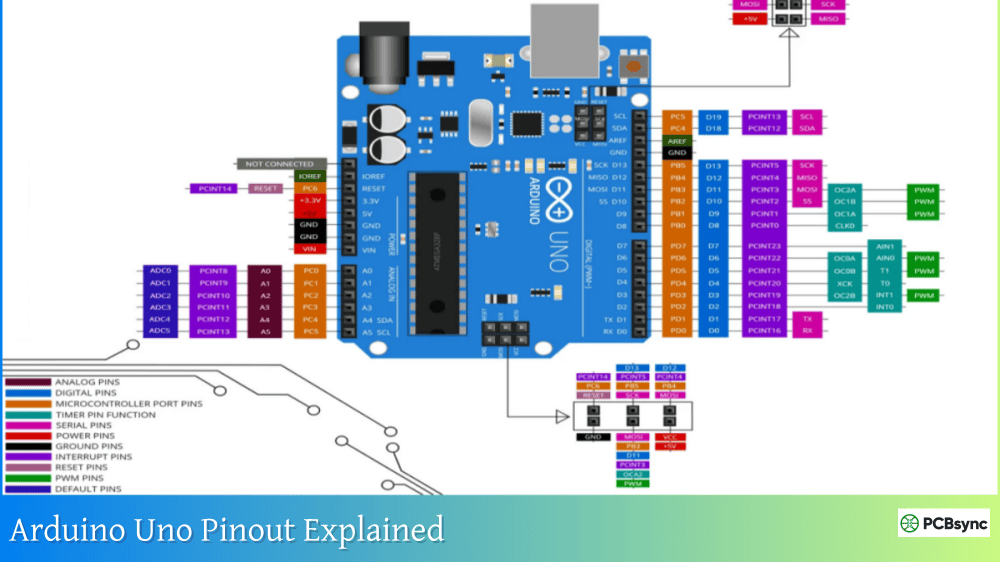
Understanding the pin usage is critical when designing your circuit. The WiFi shield communicates via SPI, which means certain pins are reserved and cannot be used for other purposes.
Original WiFi Shield Pin Mapping
Pin
Function
Notes
10
SPI SS
Slave select for WiFi module
11
SPI MOSI
Data to WiFi module
12
SPI MISO
Data from WiFi module
13
SPI SCK
Clock signal
4
SD Card SS
For SD card slot (if used)
7
Handshake
WiFi Shield 101 only
This means on an Arduino Uno with the WiFi shield attached, you effectively lose pins 4, 10, 11, 12, and 13 for general I/O. Plan your sensor and actuator connections accordingly—I’ve seen many projects fail because designers didn’t account for these reserved pins.
Setting Up Your First WiFi Connection
Before building a web server, you need to establish a basic WiFi connection. This fundamental step validates your hardware and network configuration.
Hardware Requirements
To follow this tutorial, you’ll need:
Arduino Uno, Zero, or compatible board
Arduino WiFi Shield (or compatible alternative)
USB cable for programming
Access to a WPA/WPA2 WiFi network
Computer or smartphone for testing
Basic WiFi Connection Code
Here’s the essential code structure for connecting to a WiFi network:
#include <SPI.h>
#include <WiFi.h> // Use WiFi101.h for WiFi Shield 101
char ssid[] = “YourNetworkName”;
char pass[] = “YourPassword”;
int status = WL_IDLE_STATUS;
void setup() {
Serial.begin(9600);
while (!Serial) { ; }
// Check for shield presence
if (WiFi.status() == WL_NO_SHIELD) {
Serial.println(“WiFi shield not detected”);
while (true);
}
// Connect to network
while (status != WL_CONNECTED) {
Serial.print(“Connecting to: “);
Serial.println(ssid);
status = WiFi.begin(ssid, pass);
delay(10000); // Wait 10 seconds between attempts
}
Serial.println(“Connected!”);
printWiFiStatus();
}
void loop() {
// Your code here
}
void printWiFiStatus() {
Serial.print(“SSID: “);
Serial.println(WiFi.SSID());
Serial.print(“IP Address: “);
Serial.println(WiFi.localIP());
Serial.print(“Signal Strength (RSSI): “);
Serial.print(WiFi.RSSI());
Serial.println(” dBm”);
}
Upload this code and open the Serial Monitor at 9600 baud. You should see the connection process and, upon success, your assigned IP address. Write down this IP—you’ll need it to access your web server.
Building a Basic Arduino WiFi Shield Web Server
Now for the main event: turning your Arduino into a web server. The WiFi library includes a WiFiServer class that handles incoming HTTP connections, making it surprisingly straightforward to serve web pages.
Web Server That Displays Analog Sensor Values
This example creates a web server that displays readings from all six analog pins—perfect for monitoring temperature sensors, light levels, or any analog input.
#include <SPI.h>
#include <WiFi.h>
char ssid[] = “YourNetwork”;
char pass[] = “YourPassword”;
int status = WL_IDLE_STATUS;
WiFiServer server(80); // HTTP runs on port 80
void setup() {
Serial.begin(9600);
while (!Serial) { ; }
if (WiFi.status() == WL_NO_SHIELD) {
Serial.println(“WiFi shield not present”);
while (true);
}
while (status != WL_CONNECTED) {
Serial.print(“Attempting to connect to SSID: “);
Serial.println(ssid);
status = WiFi.begin(ssid, pass);
delay(10000);
}
server.begin();
Serial.print(“Server started at: “);
Serial.println(WiFi.localIP());
}
void loop() {
WiFiClient client = server.available();
if (client) {
Serial.println(“New client connected”);
boolean currentLineIsBlank = true;
while (client.connected()) {
if (client.available()) {
char c = client.read();
if (c == ‘\n’ && currentLineIsBlank) {
// Send HTTP response header
client.println(“HTTP/1.1 200 OK”);
client.println(“Content-Type: text/html”);
client.println(“Connection: close”);
client.println(“Refresh: 5”); // Auto-refresh every 5 seconds
client.println(“<h1>Arduino WiFi Shield Web Server</h1>”);
// Display analog readings
for (int pin = 0; pin < 6; pin++) {
int sensorValue = analogRead(pin);
client.print(“<p>Analog Pin A”);
client.print(pin);
client.print(“: “);
client.print(sensorValue);
client.println(“</p>”);
}
client.println(“</body></html>”);
break;
}
if (c == ‘\n’) {
currentLineIsBlank = true;
} else if (c != ‘\r’) {
currentLineIsBlank = false;
}
}
}
delay(1);
client.stop();
Serial.println(“Client disconnected”);
}
}
After uploading, open a web browser and navigate to the IP address shown in the Serial Monitor. You’ll see a simple page displaying all analog input values, refreshing every 5 seconds.
Creating an Interactive Web Server with LED Control
A read-only dashboard is useful, but the real power comes from controlling outputs remotely. This example lets you turn an LED on and off through a web interface.
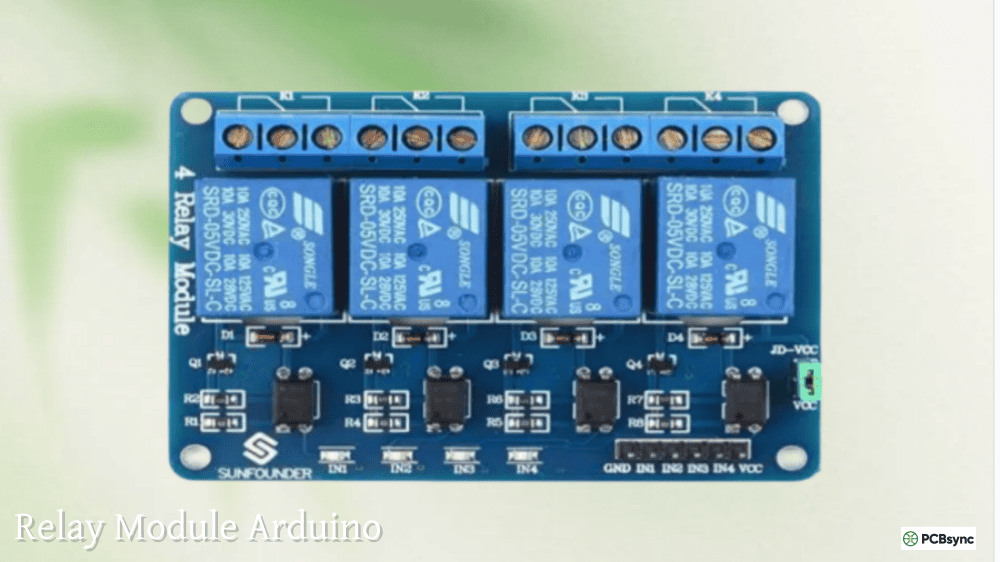
The web page includes styled buttons that send GET requests to /H (LED High/ON) and /L (LED Low/OFF). The Arduino parses these URLs and controls the LED accordingly. This same principle can control relays, motors, or any digital output.
Advanced Web Server Techniques with AJAX
The examples above work, but they require full page refreshes. For a more professional experience, you can use AJAX (Asynchronous JavaScript and XML) to update data without reloading the entire page.
Benefits of AJAX in Arduino Web Servers
Approach
Page Flicker
Bandwidth
User Experience
Complexity
Full Refresh
Yes
High
Poor
Low
AJAX
No
Low
Excellent
Medium
AJAX sends background HTTP requests and updates only specific page elements. This eliminates flickering and reduces network traffic—critical considerations when your Arduino has limited memory and processing power.
Basic AJAX Implementation
The key is embedding JavaScript in your HTML that periodically requests data from the Arduino:
This single technique can free up hundreds of bytes of precious RAM.
ESP8266 and ESP32 as WiFi Shield Alternatives
While official Arduino WiFi shields work well, ESP-based modules offer significant advantages for new projects:
Feature
Arduino WiFi Shield
ESP8266 Module
ESP32 Module
Price
$25-40
$3-8
$5-15
Speed
54 Mbps max
72 Mbps
150 Mbps
GPIO
Uses Arduino pins
Own GPIO available
Own GPIO available
Processing
Arduino handles all
Can run standalone
Can run standalone
Memory
Limited by Arduino
80KB+
520KB+
Bluetooth
No
No
Yes
For projects where you need significant processing alongside WiFi, an ESP32 running Arduino code is often the better choice. It has enough resources to serve complex web pages with CSS and JavaScript while still handling sensors and actuators.
Useful Resources for Arduino WiFi Shield Development
Here are the essential resources I keep bookmarked for WiFi projects:
Starting Electronics Web Server Tutorial: startingelectronics.org
Tools:
Fritzing: For circuit diagrams
Chrome DevTools: For debugging HTTP requests
Wireshark: For network traffic analysis
Community Support:
Arduino Forum (Networking section)
Stack Overflow (arduino + wifi tags)
Reddit r/arduino
Frequently Asked Questions
Can I access my Arduino web server from the internet?
Yes, but it requires additional configuration. You’ll need to set up port forwarding on your router to direct external requests to your Arduino’s local IP address. For security, consider using a service like ngrok for temporary access or a proper VPN for permanent setups. Never expose an Arduino directly to the internet without understanding the security implications.
Why does my Arduino WiFi Shield show “not present” even though it’s connected?
This typically indicates an SPI communication problem. First, verify the shield is firmly seated on all pins. Check that no other devices are using SPI pins (10-13). If using a non-standard Arduino board, confirm SPI pin compatibility. Also, some shields require a firmware update—check the manufacturer’s documentation.
How many simultaneous clients can an Arduino WiFi web server handle?
The standard Arduino WiFi library supports one client at a time. While technically limited, this is usually sufficient because HTTP connections are brief—the page loads, the connection closes, and another client can connect. For multiple concurrent users, consider an ESP32 which can handle many more connections.
What’s the difference between WiFi.begin() failing and a weak connection?
WiFi.begin() returns WL_CONNECTED when authentication succeeds, regardless of signal quality. A weak signal (low RSSI, below -80 dBm) causes slow data transfer and dropped packets rather than connection failures. Use WiFi.RSSI() to monitor signal strength and relocate your Arduino if consistently below -70 dBm.
Can I use HTTPS (secure) connections with an Arduino WiFi Shield?
The original WiFi Shield and basic ESP8266 modules don’t support HTTPS server functionality due to processing and memory constraints. The WiFi Shield 101 and ESP32 support HTTPS for client connections (making requests to secure servers), but hosting an HTTPS server on Arduino-class hardware remains challenging. For secure IoT applications, consider using MQTT with TLS to a cloud broker instead.
Conclusion: Taking Your Arduino WiFi Shield Web Server Further
Building a web server with an Arduino WiFi Shield is a gateway skill for IoT development. The basic concepts—HTTP requests, HTML responses, and client-server communication—apply whether you’re using official Arduino hardware or ESP-based alternatives.
Start with the simple examples in this tutorial, get them working reliably, then expand. Add more sensors, implement AJAX for smoother updates, style your pages with CSS, and eventually integrate with cloud services or mobile apps. The foundation you’ve built here scales to surprisingly sophisticated projects.
Remember that the Arduino WiFi Shield was designed for learning and prototyping. For production systems requiring high reliability, multiple users, or secure communications, consider graduating to more capable platforms while keeping the Arduino-compatible programming model you’ve learned. The ESP32 ecosystem, in particular, offers an excellent path forward with its combination of WiFi, Bluetooth, and substantial processing power—all programmable through the familiar Arduino IDE.
Inquire: Call 0086-755-23203480, or reach out via the form below/your sales contact to discuss our design, manufacturing, and assembly capabilities.
Quote: Email your PCB files to Sales@pcbsync.com (Preferred for large files) or submit online. We will contact you promptly. Please ensure your email is correct.
Notes: For PCB fabrication, we require PCB design file in Gerber RS-274X format (most preferred), *.PCB/DDB (Protel, inform your program version) format or *.BRD (Eagle) format. For PCB assembly, we require PCB design file in above mentioned format, drilling file and BOM. Click to download BOM template To avoid file missing, please include all files into one folder and compress it into .zip or .rar format.