Inquire: Call 0086-755-23203480, or reach out via the form below/your sales contact to discuss our design, manufacturing, and assembly capabilities.
Quote: Email your PCB files to Sales@pcbsync.com (Preferred for large files) or submit online. We will contact you promptly. Please ensure your email is correct.
Notes: For PCB fabrication, we require PCB design file in Gerber RS-274X format (most preferred), *.PCB/DDB (Protel, inform your program version) format or *.BRD (Eagle) format. For PCB assembly, we require PCB design file in above mentioned format, drilling file and BOM. Click to download BOM template To avoid file missing, please include all files into one folder and compress it into .zip or .rar format.
Building an Arduino web server transformed how I approach home automation projects. Instead of relying on dedicated apps or proprietary protocols, you can control your devices from any browser on any device connected to your network. No apps to install, no compatibility issues – just type an IP address and you’re in control.
This guide walks you through creating a functional Arduino web server that lets you monitor sensors and control outputs like LEDs, relays, and motors directly from your smartphone or computer browser.
An Arduino web server is essentially your Arduino board configured to listen for HTTP requests and respond with web pages. When you type the Arduino’s IP address into a browser, it receives the request, processes it, and sends back HTML content that your browser renders as a webpage.
The beauty of this approach lies in its universality. Any device with a web browser – Windows PC, Mac, Android phone, iPhone, tablet, or even a smart TV – can interact with your Arduino without special software. You’re essentially turning your microcontroller into a miniature website that controls physical hardware.
Hardware Options for Arduino Web Server Projects
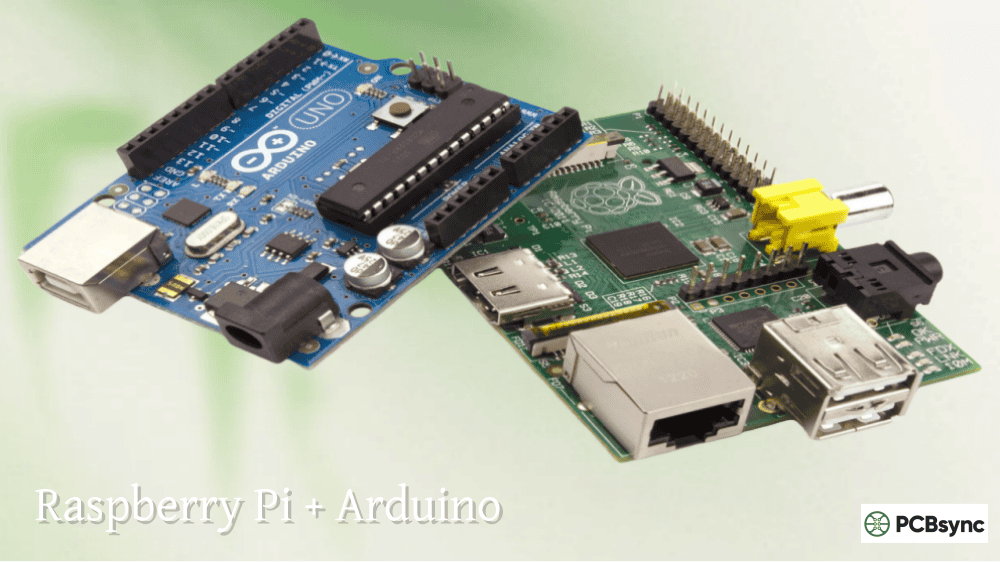
Several hardware combinations can create an Arduino web server. Your choice depends on project requirements, budget, and whether you need wired or wireless connectivity.
Ethernet vs WiFi Solutions
Hardware Option
Connection Type
Typical Cost
Best For
Arduino Uno + Ethernet Shield
Wired
$25-35
Reliable fixed installations
Arduino Uno + WiFi Shield
Wireless
$30-40
Projects needing WiFi with full Arduino compatibility
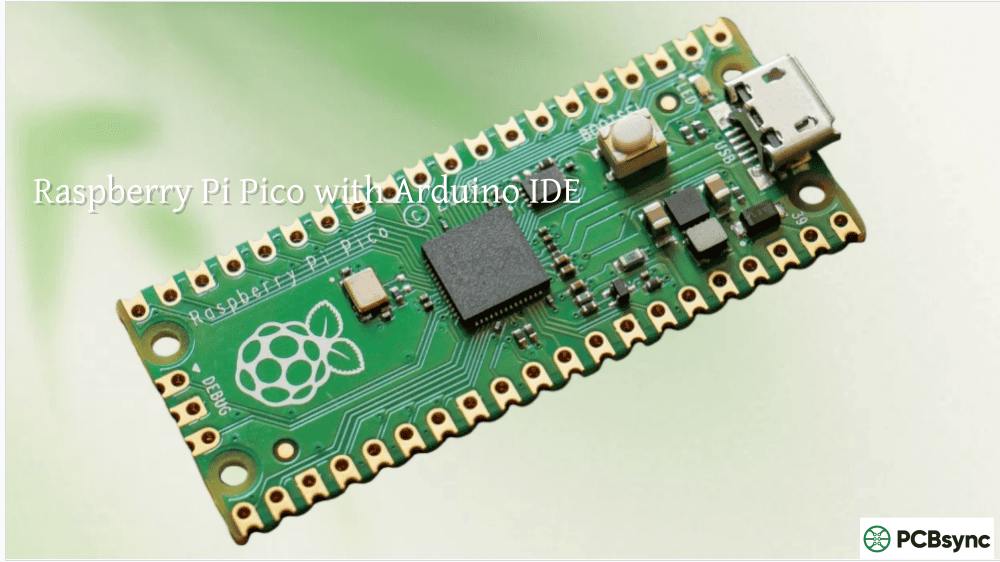
ESP8266 (NodeMCU/Wemos D1)
Built-in WiFi
$5-10
Cost-effective wireless projects
ESP32
Built-in WiFi + Bluetooth
$8-15
Advanced projects needing more power
Arduino Uno R4 WiFi
Built-in WiFi
$27
Official Arduino wireless solution
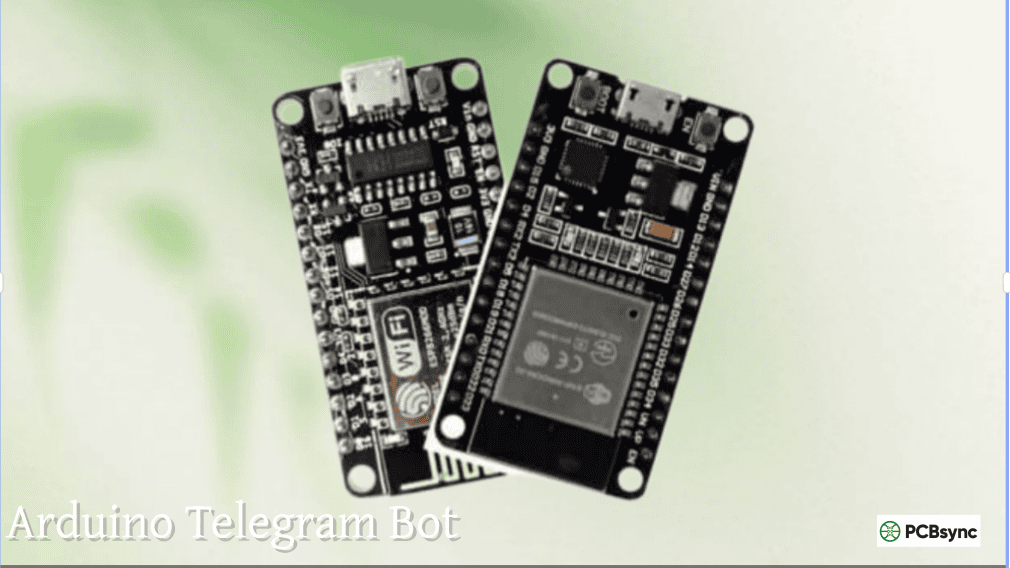
For beginners, I recommend starting with an ESP8266-based board like the NodeMCU. It’s inexpensive, has built-in WiFi, and programming is identical to standard Arduino boards through the Arduino IDE.
Ethernet Shield Specifications
The classic Arduino Ethernet Shield uses the Wiznet W5100 chip and provides reliable wired connectivity.
Feature
Specification
Controller Chip
Wiznet W5100
Network Speed
10/100 Mbps
Connection Type
RJ45 Ethernet
SPI Communication
Uses pins 10, 11, 12, 13
SD Card Slot
Yes (uses pin 4)
Operating Voltage
5V
Maximum Connections
4 simultaneous sockets
Understanding HTTP Requests
Before diving into code, understanding how HTTP communication works helps tremendously when troubleshooting. When your browser connects to an Arduino web server, this sequence occurs:
Step 1: Browser sends an HTTP request containing the requested page (URL), request method (GET or POST), and headers.
Step 2: Arduino receives and parses the request to determine what action to take.
Step 3: Arduino processes the request – reading sensor data, toggling outputs, etc.
Step 4: Arduino sends an HTTP response containing status code, headers, and HTML content.
Step 5: Browser receives and renders the HTML as a visible webpage.
Common HTTP Request Types
Method
Purpose
Example Use
GET
Request data from server
Load webpage, read sensor values
POST
Submit data to server
Send form data, update settings
Most Arduino web server projects use GET requests because they’re simpler to implement. The request information appears directly in the URL, making it easy to parse.
Basic Arduino Web Server with Ethernet Shield
Let’s start with a fundamental example that displays analog pin values. This code creates an Arduino web server that responds with sensor readings.
html += “<a href=’/led/on’><button class=’btn on’>Turn ON</button></a>”;
html += “<a href=’/led/off’><button class=’btn off’>Turn OFF</button></a>”;
html += “</body></html>”;
server.send(200, “text/html”, html);
}
void handleLedOn() {
ledState = true;
digitalWrite(ledPin, LOW); // Active LOW
server.sendHeader(“Location”, “/”);
server.send(303);
}
void handleLedOff() {
ledState = false;
digitalWrite(ledPin, HIGH);
server.sendHeader(“Location”, “/”);
server.send(303);
}
This creates a mobile-responsive webpage with styled buttons. When you click “Turn ON,” the browser requests /led/on, which triggers handleLedOn(), changes the LED state, and redirects back to the main page.
Controlling Multiple Devices with Arduino Web Server
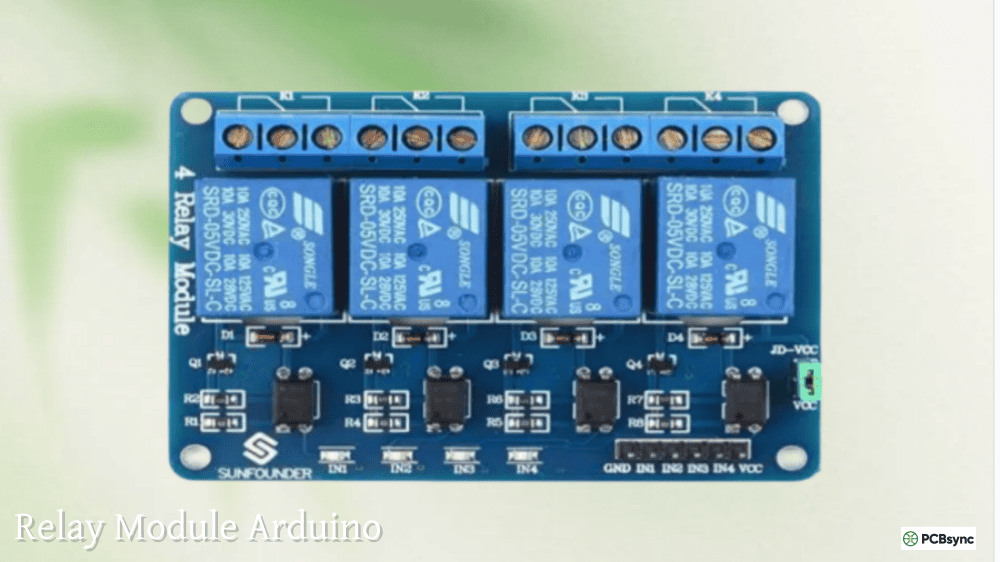
For practical applications, you’ll want to control multiple outputs. Here’s an expanded example controlling multiple relays:
Multi-Relay Control System
GPIO Pin
Device
URL Endpoint
D1 (GPIO5)
Relay 1 – Living Room Light
/relay1/on, /relay1/off
D2 (GPIO4)
Relay 2 – Kitchen Light
/relay2/on, /relay2/off
D5 (GPIO14)
Relay 3 – Bedroom Fan
/relay3/on, /relay3/off
D6 (GPIO12)
Relay 4 – Garden Pump
/relay4/on, /relay4/off
The code structure follows the same pattern – define handlers for each endpoint and toggle the appropriate GPIO pin.
Real-Time Updates Using AJAX
One limitation of basic Arduino web servers is that the page must refresh to show updated data. AJAX (Asynchronous JavaScript and XML) solves this by requesting data in the background without reloading the entire page.
Input Validation: Always validate data received from clients before using it to control hardware.
Arduino Web Server Troubleshooting Guide
After helping dozens of makers debug their web server projects, these are the most common issues and solutions:
Common Problems and Solutions
Problem
Likely Cause
Solution
Cannot access IP address
Wrong IP or network
Verify IP in Serial Monitor, check network settings
Page loads but controls don’t work
URL handler mismatch
Check URL paths match between HTML and server.on()
Connection times out
Server not running
Verify server.begin() is called, check WiFi connection
Garbled characters
Baud rate mismatch
Match Serial.begin() rate with Serial Monitor setting
Works briefly then stops
Memory leak
Avoid String concatenation in loops, use PROGMEM
Network Configuration Tips
Make sure your Arduino and browser device are on the same network. For Ethernet shields, the IP address must be within your router’s subnet. If your router uses 192.168.1.x addresses, your Arduino should have an IP like 192.168.1.177, not 192.168.0.177.
Advanced Arduino Web Server Features
Once you’ve mastered the basics, consider these advanced capabilities:
Can I access my Arduino web server from outside my home network?
Yes, but it requires port forwarding on your router, which has security implications. You would configure your router to forward incoming traffic on a specific port (typically 80 or a custom port) to your Arduino’s local IP address. However, exposing embedded devices to the internet without proper security measures is risky. Consider using a VPN or cloud-based IoT platforms like Blynk for remote access instead.
How many devices can connect to an Arduino web server simultaneously?
For the standard Ethernet Shield with W5100 chip, the limit is 4 simultaneous socket connections. ESP8266 and ESP32 can handle more concurrent connections, typically 5-8 depending on memory usage. For most home automation applications, this is sufficient since connections are brief – the browser connects, receives data, and disconnects.
Why does my Arduino web server become unresponsive after running for a while?
Memory fragmentation is usually the culprit. Excessive use of the String class in loops causes memory leaks on Arduino. Store static content in PROGMEM, use character arrays instead of Strings where possible, and avoid concatenating strings repeatedly. Also ensure you’re properly closing client connections after each request.
Can I create a login page for my Arduino web server?
Yes, you can implement basic HTTP authentication or create a custom login system. For basic authentication, use the server.authenticate() function which prompts the browser’s built-in login dialog. For custom login pages, you’ll need to implement session management using cookies, which is more complex but provides greater control over the user experience.
What’s the maximum size of a webpage I can serve from Arduino?
Without an SD card, you’re limited by available RAM – roughly 1500-2000 characters of HTML on an Arduino Uno. Using PROGMEM extends this to about 12KB on boards with 32KB flash. With an SD card, you’re limited only by the card’s capacity, making it possible to serve complex websites with images, CSS, and JavaScript files.
Project Ideas for Arduino Web Server
Once comfortable with the basics, try these practical applications:
Temperature Monitoring Dashboard: Display readings from multiple DS18B20 or DHT sensors across your home.
Garage Door Controller: Open and close your garage door from your phone, with status feedback.
Irrigation System: Schedule watering times and manually trigger zones through a web interface.
Security Camera Trigger: Activate cameras or receive alerts when motion sensors are triggered.
Aquarium Controller: Monitor water temperature, pH levels, and control lighting schedules.
Final Thoughts
Building an Arduino web server opens up tremendous possibilities for home automation and IoT projects. The ability to control hardware from any browser-equipped device eliminates the need for proprietary apps and creates truly universal interfaces.
Start with the basic examples in this guide, then progressively add features like AJAX updates, authentication, and SD card storage as your projects demand. The skills you develop transfer directly to more advanced platforms and protocols, making this an excellent foundation for IoT development.
The most successful web server projects I’ve seen focus on reliability over complexity. A simple, well-built interface that works every time beats a feature-rich system that occasionally fails. Master the fundamentals, then expand based on real needs rather than theoretical possibilities.
Inquire: Call 0086-755-23203480, or reach out via the form below/your sales contact to discuss our design, manufacturing, and assembly capabilities.
Quote: Email your PCB files to Sales@pcbsync.com (Preferred for large files) or submit online. We will contact you promptly. Please ensure your email is correct.
Notes: For PCB fabrication, we require PCB design file in Gerber RS-274X format (most preferred), *.PCB/DDB (Protel, inform your program version) format or *.BRD (Eagle) format. For PCB assembly, we require PCB design file in above mentioned format, drilling file and BOM. Click to download BOM template To avoid file missing, please include all files into one folder and compress it into .zip or .rar format.