Inquire: Call 0086-755-23203480, or reach out via the form below/your sales contact to discuss our design, manufacturing, and assembly capabilities.
Quote: Email your PCB files to Sales@pcbsync.com (Preferred for large files) or submit online. We will contact you promptly. Please ensure your email is correct.
Notes: For PCB fabrication, we require PCB design file in Gerber RS-274X format (most preferred), *.PCB/DDB (Protel, inform your program version) format or *.BRD (Eagle) format. For PCB assembly, we require PCB design file in above mentioned format, drilling file and BOM. Click to download BOM template To avoid file missing, please include all files into one folder and compress it into .zip or .rar format.
The smell of soldered connections and the whir of DC motors spinning up for the first time—that’s the moment every electronics enthusiast remembers. Building an Arduino robot car isn’t just about assembling components; it’s about understanding how mechanical design, electrical engineering, and software control converge into a functioning autonomous system.
As a PCB engineer who has debugged countless motor driver failures and optimized power distribution for mobile robots, I can tell you that successful robot car builds depend more on proper component selection and solid electrical fundamentals than on fancy algorithms. The difference between a robot that works reliably and one that stutters, overheats, or randomly resets often comes down to understanding voltage drops, current capacity, and proper grounding techniques.
An Arduino robot car is a mobile robotic platform controlled by an Arduino microcontroller. The basic architecture consists of a chassis, DC motors for propulsion, a motor driver for controlling those motors, power supply, sensors for environment awareness, and the Arduino brain coordinating everything.
2WD vs 4WD: Making the Right Choice
The choice between two-wheel drive and four-wheel drive isn’t just about adding more motors. Each configuration offers distinct advantages that suit different applications.
Two-wheel drive robots use two powered wheels at the rear with a ball caster or swivel wheel at the front for balance. This differential drive system allows precise turning—each wheel can rotate independently at different speeds or even in opposite directions, enabling the robot to spin in place. The simplicity means fewer motors to control, less current draw, and easier programming.
Four-wheel drive configurations typically pair motors on each side, with both left motors controlled together and both right motors controlled together. This setup provides superior traction, especially on uneven surfaces or when climbing obstacles. The additional weight capacity makes 4WD platforms ideal for carrying heavier payloads like camera systems, robotic arms, or extended battery packs.
Feature
2WD Configuration
4WD Configuration
Number of Motors
2 motors
4 motors
Turning Method
Differential steering
Differential steering (paired)
Current Consumption
400-600mA typical
800-1200mA typical
Weight Capacity
Up to 500g
Up to 1500g
Terrain Capability
Smooth surfaces
Rough/uneven surfaces
Cost
$25-40 for chassis kit
$35-60 for chassis kit
Programming Complexity
Simpler
Moderate (synchronized control)
Best Applications
Line following, indoor navigation
Outdoor exploration, obstacle climbing
From an engineering standpoint, 2WD systems are easier to tune. Motor speed matching is less critical because you’re only balancing two motors instead of four. Battery life extends significantly—cutting motor count in half roughly doubles runtime at similar speeds. For educational purposes and indoor applications, 2WD provides the optimal learning platform without unnecessary complexity.
Four-wheel drive becomes essential when your robot needs to carry significant weight or traverse challenging terrain. The distributed load across four contact points prevents the robot from getting stuck when encountering small obstacles. However, you’ll need to carefully match motor characteristics—if one motor is weaker or has different gearing, the robot will veer off course.
Essential Components Every Robot Car Requires
Building a reliable Arduino robot car requires more than just grabbing random parts from your component bin. Each element plays a specific role, and choosing quality components upfront saves hours of troubleshooting later.
Arduino Board Selection
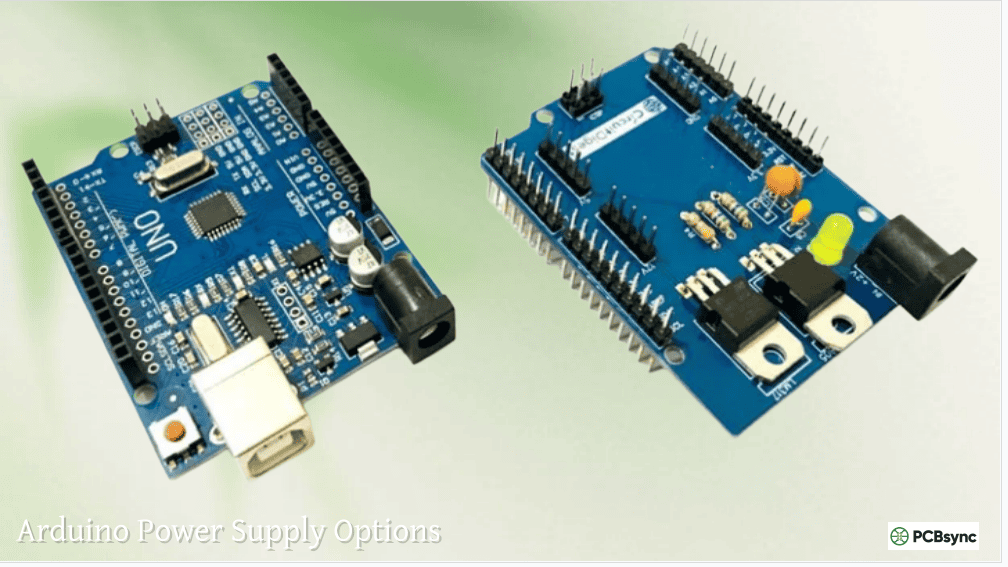
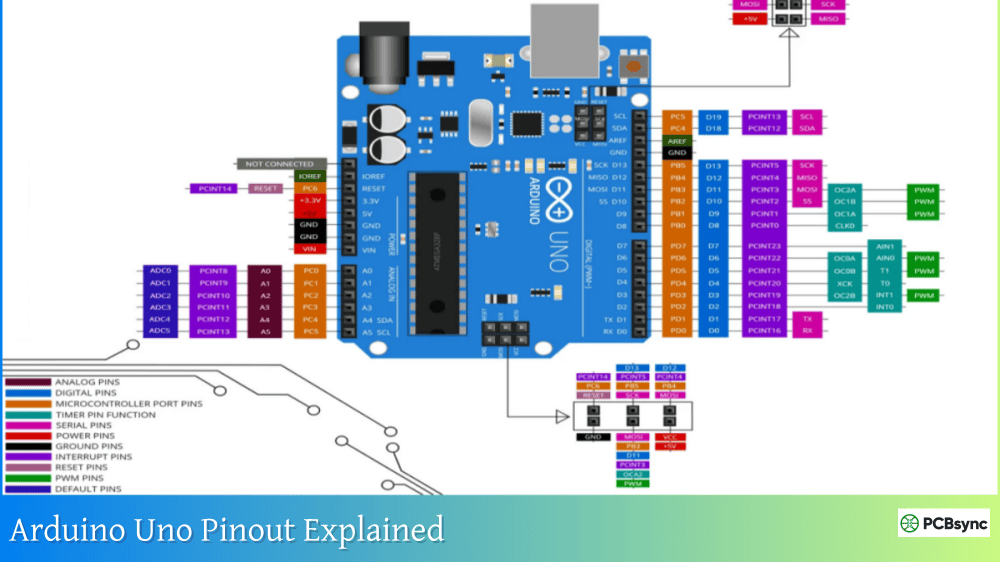
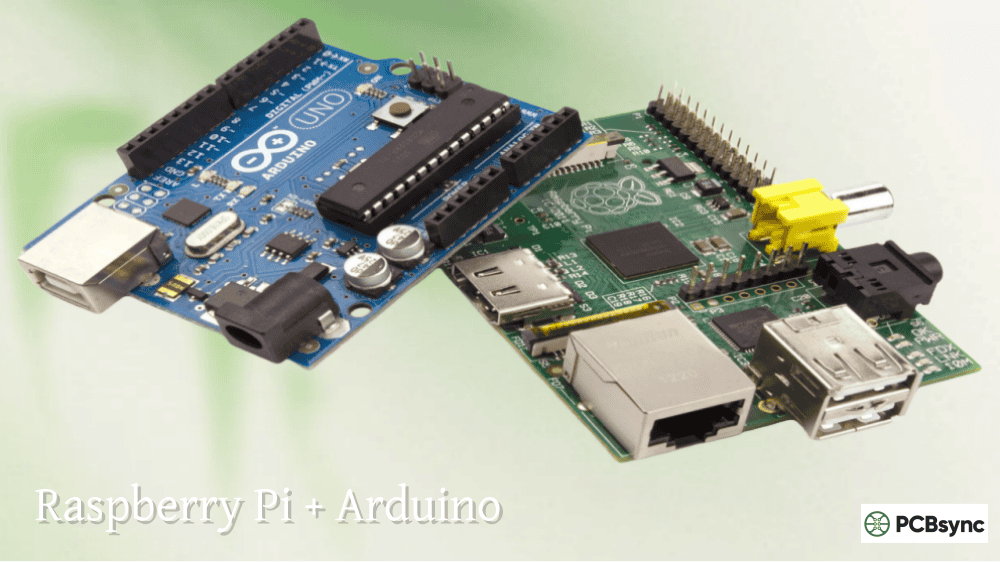
Arduino Uno remains the standard choice for robot cars. Its ATmega328P processor provides sufficient speed for motor control and sensor processing while the through-hole form factor makes prototyping straightforward. The 20 digital I/O pins give you enough connectivity for motor drivers, sensors, and wireless modules without running out of pins.
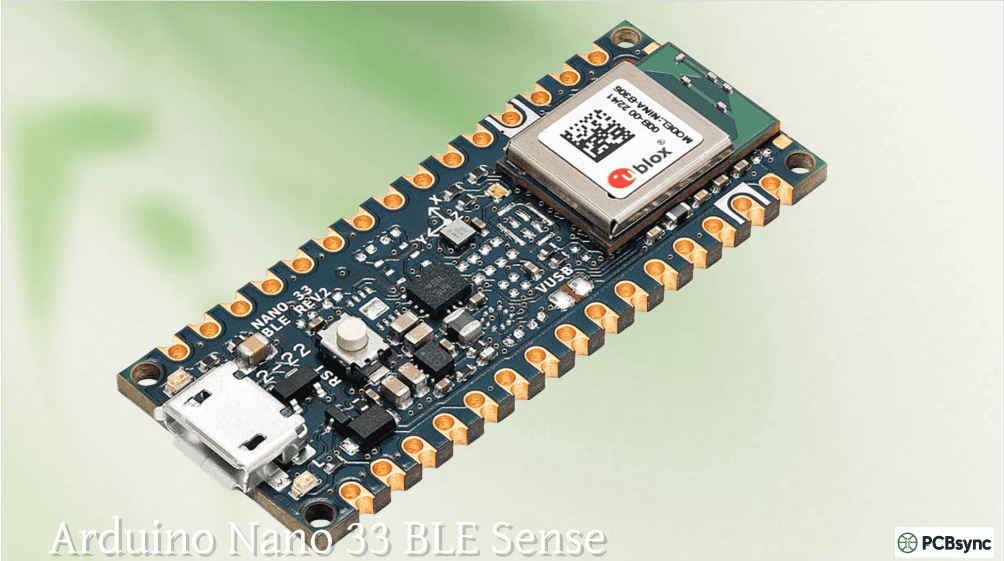
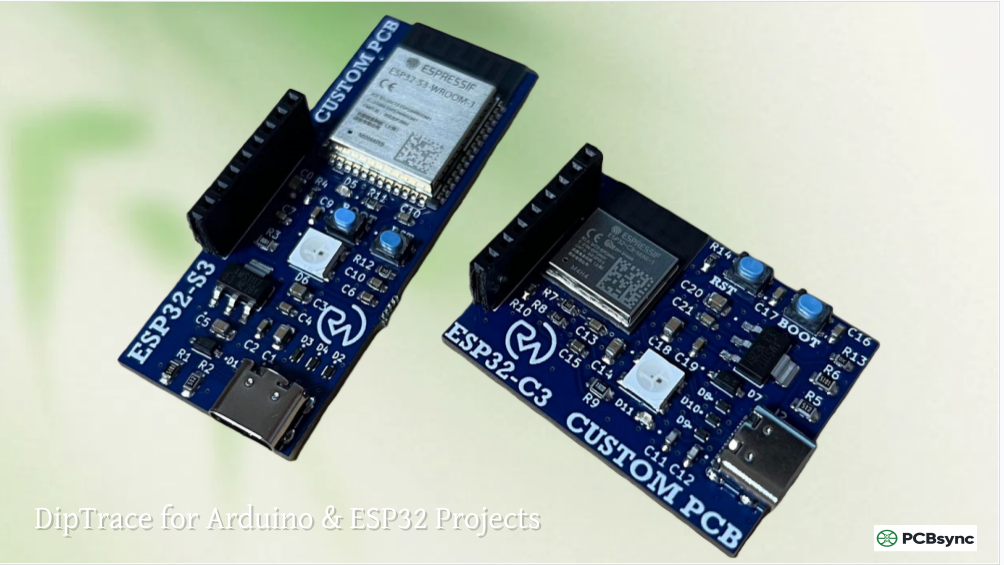
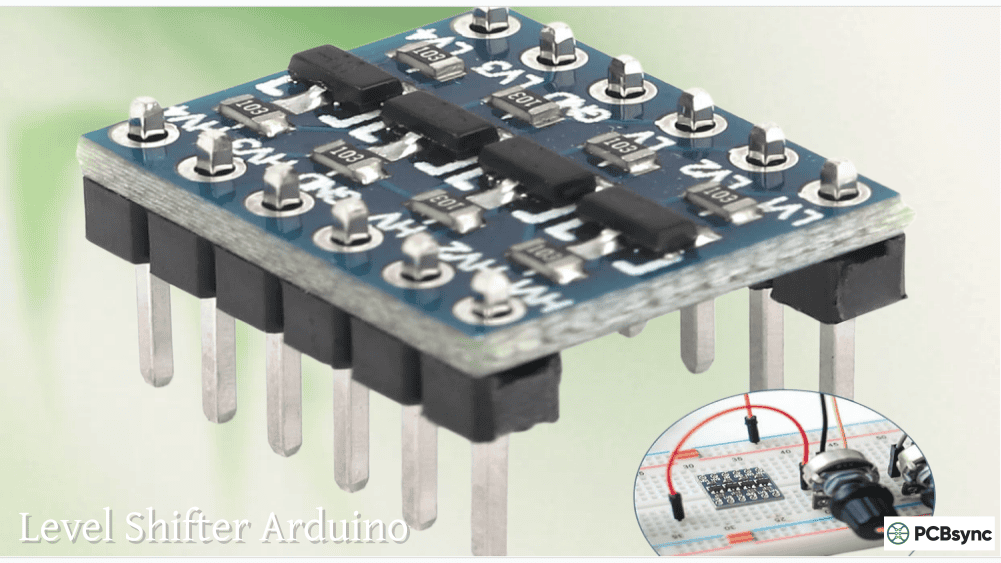
For more advanced projects requiring WiFi connectivity, consider the Arduino Nano 33 IoT or ESP32-based boards. These offer wireless communication without requiring separate modules, though they operate at 3.3V logic levels which may require level shifting for some 5V components.
Motor Driver Module
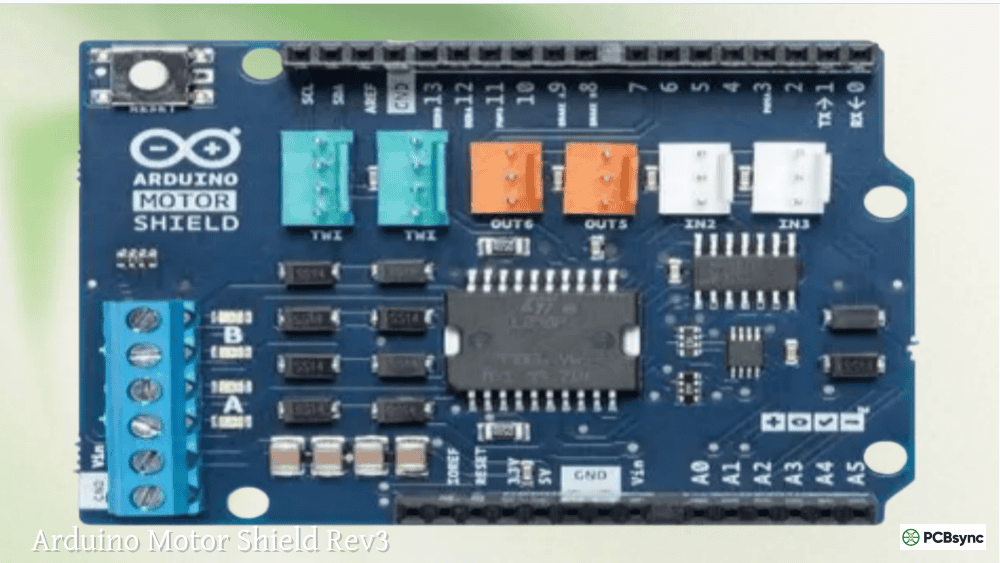
The L298N dual H-bridge motor driver is the workhorse of Arduino robotics. This module can control two DC motors independently with current capacity up to 2A per channel. The key specification to understand is voltage drop—the L298N drops approximately 2V across its internal transistors, meaning your motors receive 2V less than the input supply voltage.
For example, if you power the L298N with a 7.4V battery, your motors only receive about 5.4V. This voltage drop reduces motor speed and torque. If maximum performance matters, consider more efficient drivers like the TB6612FNG, which drops only 0.5V but costs slightly more.
Critical wiring considerations for the L298N:
Connect motor power (12V terminal) to your battery pack
Connect 5V logic supply to Arduino 5V or use the onboard regulator
Never exceed 2A per motor channel without heatsinking
Always connect grounds between Arduino, motor driver, and power supply
DC Gear Motors
Not all yellow DC motors are created equal. Standard robot car kits include TT motors with 1:48 reduction gearing. These motors operate from 3-12V, with 6V being the sweet spot for balancing speed and torque.
Key motor specifications:
No-load current: 150-200mA per motor at 6V
Stall current: 600-800mA per motor
No-load speed: 200-250 RPM (with wheels, translates to 0.5-0.7 m/s)
Operating voltage: 3-12V (6V recommended)
The stall current number is crucial for power supply sizing. When your robot encounters an obstacle and motors stall, current consumption spikes to 600-800mA per motor. With four motors, that’s potentially 3.2A total draw—your power supply must handle this without voltage sag.
Power Supply Considerations
Battery selection affects everything from runtime to motor performance. Most robot car builders use one of three options:
Four AA batteries (6V nominal): Cheap and readily available, but capacity is limited to 2000-2500mAh for alkaline cells. Expect 45-90 minutes of runtime depending on motors and sensors.
Six AA batteries (9V nominal): Provides higher voltage for better motor performance after accounting for L298N voltage drop. Runtime similar to 4xAA configuration.
Two 18650 lithium cells (7.4V nominal): My recommended solution for serious builds. These rechargeable cells provide 2000-3000mAh capacity, maintain voltage better under load, and reduce long-term cost. The 7.4V output works perfectly with L298N drivers, delivering approximately 5.4V to motors after voltage drop.
Never use the Arduino’s onboard regulator to power motors. The tiny voltage regulator on Arduino Uno can only provide 500mA—far less than motors require. Always use separate power for motors and Arduino, connecting only the grounds together.
Building Your First 2WD Arduino Robot Car
Let’s walk through a complete 2WD build that teaches fundamental concepts while creating a functional robot.
Mechanical Assembly Process
Start with the chassis assembly before touching any electronics. Most 2WD kits include an acrylic baseplate, two DC motors with mounting brackets, two wheels, a ball caster, and various screws and spacers.
Mount the motors first, ensuring they’re firmly secured and aligned parallel to each other. Misaligned motors cause the robot to drift even when both motors run at identical speeds. Use a straight edge to verify motor shaft alignment before tightening mounting screws.
The ball caster placement is critical for 2WD robots. Position it centrally at the front, ensuring the robot sits level when all three contact points touch the ground. An angled chassis causes uneven weight distribution, affecting motor load and potentially causing one motor to work harder than the other.
Most cheap chassis kits have pre-drilled holes, but they often don’t align perfectly with Arduino mounting holes or motor driver boards. Don’t force screws through misaligned holes—you’ll crack the acrylic. Either drill new holes (use a 3mm bit for M3 screws) or use double-sided foam tape for component mounting. I actually prefer foam tape for prototyping because it allows repositioning components during testing.
Electrical Wiring Scheme
Proper wiring prevents most of the mysterious problems beginners encounter. Here’s the complete connection diagram for a basic 2WD Arduino robot car:
L298N to Arduino Connections:
ENA (Enable A) → Arduino Pin 9 (PWM)
IN1 (Motor A Direction 1) → Arduino Pin 8
IN2 (Motor A Direction 2) → Arduino Pin 7
ENB (Enable B) → Arduino Pin 3 (PWM)
IN3 (Motor B Direction 1) → Arduino Pin 5
IN4 (Motor B Direction 2) → Arduino Pin 4
GND → Arduino GND
Power Connections:
Battery positive → L298N 12V terminal
Battery negative → L298N GND
L298N 5V output → Arduino VIN (if using 7-12V battery)
L298N GND → Arduino GND
Motor Connections:
Left motor → L298N Motor A terminals
Right motor → L298N Motor B terminals
Use 22-24 AWG wire for signal connections between Arduino and motor driver. For power connections between battery and L298N, use heavier 18-20 AWG wire to handle the current without voltage drop.
Here’s a critical detail many tutorials omit: wire color coding matters for troubleshooting. Use red for positive power, black for ground, and different colors for each signal wire. When debugging at 2 AM, you’ll thank yourself for this organization.
Essential Arduino Code Structure
The code for controlling an Arduino robot car follows a predictable structure. Here’s a foundational implementation:
// Motor A connections (Left Motor)
const int motorA_ENA = 9;
const int motorA_IN1 = 8;
const int motorA_IN2 = 7;
// Motor B connections (Right Motor)
const int motorB_ENB = 3;
const int motorB_IN3 = 5;
const int motorB_IN4 = 4;
// Motor speed (0-255)
int motorSpeed = 150;
void setup() {
// Set motor control pins as outputs
pinMode(motorA_ENA, OUTPUT);
pinMode(motorA_IN1, OUTPUT);
pinMode(motorA_IN2, OUTPUT);
pinMode(motorB_ENB, OUTPUT);
pinMode(motorB_IN3, OUTPUT);
pinMode(motorB_IN4, OUTPUT);
// Initialize serial for debugging
Serial.begin(9600);
}
void loop() {
moveForward();
delay(2000);
stopMotors();
delay(1000);
moveBackward();
delay(2000);
stopMotors();
delay(1000);
turnRight();
delay(1000);
stopMotors();
delay(1000);
}
void moveForward() {
digitalWrite(motorA_IN1, HIGH);
digitalWrite(motorA_IN2, LOW);
analogWrite(motorA_ENA, motorSpeed);
digitalWrite(motorB_IN3, HIGH);
digitalWrite(motorB_IN4, LOW);
analogWrite(motorB_ENB, motorSpeed);
}
void moveBackward() {
digitalWrite(motorA_IN1, LOW);
digitalWrite(motorA_IN2, HIGH);
analogWrite(motorA_ENA, motorSpeed);
digitalWrite(motorB_IN3, LOW);
digitalWrite(motorB_IN4, HIGH);
analogWrite(motorB_ENB, motorSpeed);
}
void turnRight() {
// Left motor forward, right motor backward
digitalWrite(motorA_IN1, HIGH);
digitalWrite(motorA_IN2, LOW);
analogWrite(motorA_ENA, motorSpeed);
digitalWrite(motorB_IN3, LOW);
digitalWrite(motorB_IN4, HIGH);
analogWrite(motorB_ENB, motorSpeed);
}
void turnLeft() {
// Right motor forward, left motor backward
digitalWrite(motorA_IN1, LOW);
digitalWrite(motorA_IN2, HIGH);
analogWrite(motorA_ENA, motorSpeed);
digitalWrite(motorB_IN3, HIGH);
digitalWrite(motorB_IN4, LOW);
analogWrite(motorB_ENB, motorSpeed);
}
void stopMotors() {
analogWrite(motorA_ENA, 0);
analogWrite(motorB_ENB, 0);
}
This code demonstrates the fundamental motor control pattern. The analogWrite() function on ENA and ENB pins controls motor speed through PWM (Pulse Width Modulation). Values range from 0 (stopped) to 255 (full speed). The IN pins determine direction—setting IN1 HIGH and IN2 LOW runs the motor forward, while reversing these runs it backward.
Troubleshooting Common Issues
Robot Drives in Circles
This is the most common first-time problem. Causes include:
Motors wired backward relative to each other
Unequal motor speeds due to manufacturing tolerances
Battery voltage too low, causing erratic operation
Solution: Swap one motor’s wires on the L298N terminals, or adjust motor speeds individually using different PWM values for each motor.
Motors Don’t Run
Check these in order:
Battery voltage with multimeter—should show 6V or higher
L298N power LED illuminated
Arduino receiving power
Motor connections secure in terminal blocks
Code uploading without errors
Random Resets or Erratic Behavior
Almost always a power supply issue. Symptoms appear when motors draw high current during startup or direction changes. The battery voltage sags, causing the Arduino to brown out and reset.
Fix: Add a 1000µF capacitor across the battery terminals near the L298N. This bulk capacitance provides current during transient demands, preventing voltage sag. Use a capacitor rated for at least 16V.
Building a 4WD Arduino Robot Car
Four-wheel drive robots introduce synchronized motor control and higher power requirements. The mechanical and electrical complexity increases, but so does capability.
4WD Chassis Assembly Differences
Four-wheel drive chassis typically feature two-layer construction—a bottom deck for motors and batteries, and a top deck for electronics. This vertical organization provides better weight distribution and more mounting space.
Motor placement requires precision. All four motors must be perfectly aligned and parallel. Even slight angular misalignment causes the robot to bind or draw excessive current. Use the chassis holes as guides, but verify alignment with a straight edge before final tightening.
The two-deck design allows creative component placement. I recommend:
Bottom deck: Battery pack, motor driver
Top deck: Arduino, sensor shield, sensors
This arrangement keeps high-current wiring short and separated from sensitive digital signals, reducing electromagnetic interference.
Motor Control Synchronization
The key challenge in 4WD control is keeping paired motors synchronized. Motors on the same side must run at identical speeds, or the robot veers off course.
Software approach for synchronized control:
// Left side motors (Motor A1 and A2)
void setLeftMotors(int speed, bool forward) {
if (forward) {
digitalWrite(motorA1_IN1, HIGH);
digitalWrite(motorA1_IN2, LOW);
digitalWrite(motorA2_IN1, HIGH);
digitalWrite(motorA2_IN2, LOW);
} else {
digitalWrite(motorA1_IN1, LOW);
digitalWrite(motorA1_IN2, HIGH);
digitalWrite(motorA2_IN1, LOW);
digitalWrite(motorA2_IN2, HIGH);
}
analogWrite(motorA1_ENA, speed);
analogWrite(motorA2_ENA, speed);
}
// Right side motors (Motor B1 and B2)
void setRightMotors(int speed, bool forward) {
if (forward) {
digitalWrite(motorB1_IN3, HIGH);
digitalWrite(motorB1_IN4, LOW);
digitalWrite(motorB2_IN3, HIGH);
digitalWrite(motorB2_IN4, LOW);
} else {
digitalWrite(motorB1_IN3, LOW);
digitalWrite(motorB1_IN4, HIGH);
digitalWrite(motorB2_IN3, LOW);
digitalWrite(motorB2_IN4, HIGH);
}
analogWrite(motorB1_ENB, speed);
analogWrite(motorB2_ENB, speed);
}
Notice how we control motor pairs as units rather than individual motors. This abstraction simplifies high-level control—you think in terms of “left side” and “right side” rather than four separate motors.
Power System Design for 4WD
Four motors double the current requirements. At full speed, expect total draw around 800mA. During starting or stalling, this can spike to 2.4A or higher. Your power system must handle these demands reliably.
For 4WD robots, I strongly recommend dual 18650 lithium cells in series (7.4V, 2500mAh typical). This provides:
Adequate voltage after L298N drop (motors receive ~5.4V)
Sufficient current capacity for four motors
Rechargeable for reduced operating cost
Better voltage stability under load compared to AA batteries
Wire gauge matters more with four motors. Use 18AWG wire for battery-to-driver connections. The additional conductor cross-section area reduces resistive voltage drop and prevents wire heating.
Add a power switch rated for at least 3A. Those tiny slide switches that come with chassis kits are barely adequate for 2WD and completely inadequate for 4WD. Upgrade to a proper toggle switch rated for your current draw.
Advanced Features and Sensors
Once your robot car drives reliably, sensors transform it from remote-controlled toy to autonomous robot.
Ultrasonic Obstacle Detection
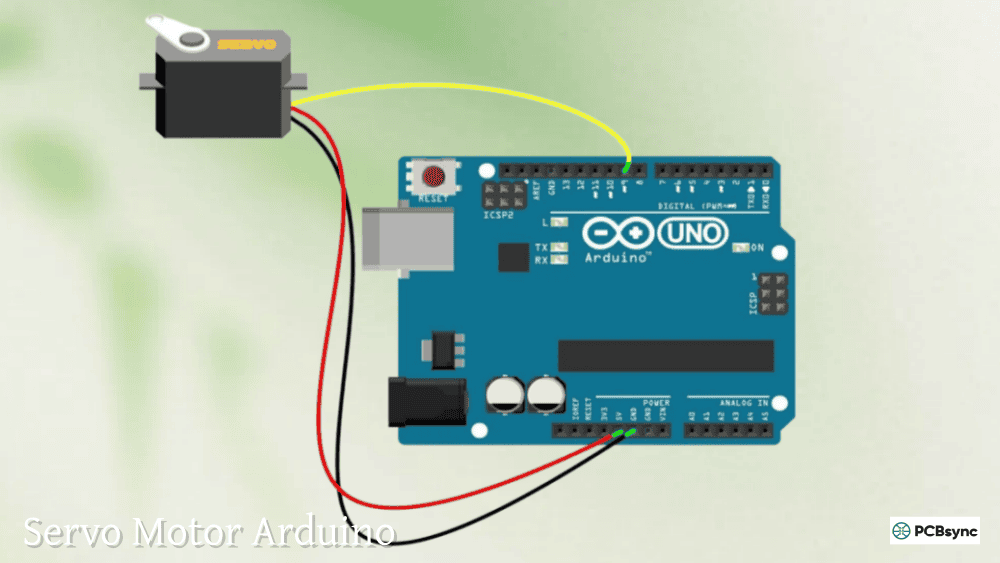
The HC-SR04 ultrasonic sensor provides distance measurement from 2cm to 400cm with reasonable accuracy. Mounting it on a servo motor creates a scanning sensor that looks left, center, and right.
#include <Servo.h>
const int trigPin = 10;
const int echoPin = 11;
Servo scanServo;
long getDistance() {
digitalWrite(trigPin, LOW);
delayMicroseconds(2);
digitalWrite(trigPin, HIGH);
delayMicroseconds(10);
digitalWrite(trigPin, LOW);
long duration = pulseIn(echoPin, HIGH);
return duration * 0.034 / 2; // Convert to cm
}
void scanForObstacles() {
scanServo.write(0); // Look right
delay(500);
long rightDist = getDistance();
scanServo.write(90); // Look forward
delay(500);
long centerDist = getDistance();
scanServo.write(180); // Look left
delay(500);
long leftDist = getDistance();
// Navigate based on distances
if (centerDist > 30) {
moveForward();
} else if (rightDist > leftDist) {
turnRight();
} else {
turnLeft();
}
}
The ultrasonic sensor works by emitting a 40kHz sound pulse and measuring the time until echo return. Sound travels at approximately 343 m/s, so distance equals time multiplied by speed, divided by two (accounting for round trip).
Ultrasonic sensors have limitations. They struggle with:
Angled surfaces that reflect sound away from sensor
Soft materials that absorb sound (fabric, foam)
Very close objects (minimum 2cm distance)
Multiple sensors interfering with each other
Despite these limitations, ultrasonics remain popular for robot cars because they’re cheap, simple to interface, and work adequately for basic obstacle avoidance.
Line following robots use infrared (IR) reflectance sensors to detect dark lines on light surfaces. Typical implementations use two or three sensors positioned along the front of the chassis.
The sensor outputs digital signals: LOW when detecting a dark line, HIGH when over a light surface. Simple line following logic:
const int leftSensor = A0;
const int rightSensor = A1;
void followLine() {
bool leftDetect = digitalRead(leftSensor);
bool rightDetect = digitalRead(rightSensor);
if (!leftDetect && !rightDetect) {
// Both sensors on line – go straight
moveForward();
} else if (leftDetect && !rightDetect) {
// Left sensor off line – turn right
turnRight();
delay(50);
} else if (!leftDetect && rightDetect) {
// Right sensor off line – turn left
turnLeft();
delay(50);
} else {
// Both sensors off line – stop
stopMotors();
}
}
This simple algorithm enables your robot to follow black electrical tape on a light floor. Three-sensor configurations improve performance by detecting the line with the center sensor and using outer sensors only for course correction.
For competition-grade line following, consider analog sensors that measure reflected IR intensity rather than simple digital detection. This allows PID (Proportional-Integral-Derivative) control for smoother, faster line tracking.
Bluetooth Remote Control
Adding an HC-05 or HC-06 Bluetooth module enables smartphone control. These modules communicate via serial UART at 9600 baud by default.
Connection is straightforward:
Module TX → Arduino RX (Pin 0)
Module RX → Arduino TX (Pin 1)
Module VCC → Arduino 5V
Module GND → Arduino GND
Warning: You must disconnect the Bluetooth module when uploading code to Arduino. The module shares the serial pins with USB programming, and connection conflicts prevent upload.
Android apps like “Arduino Bluetooth Controller” or “BT Car Controller” send simple character commands: ‘F’ for forward, ‘B’ for backward, ‘L’ for left, ‘R’ for right, ‘S’ for stop.
void loop() {
if (Serial.available() > 0) {
char command = Serial.read();
switch(command) {
case ‘F’:
moveForward();
break;
case ‘B’:
moveBackward();
break;
case ‘L’:
turnLeft();
break;
case ‘R’:
turnRight();
break;
case ‘S’:
stopMotors();
break;
}
}
}
For more sophisticated control, implement speed adjustment by sending numeric values followed by direction commands.
Performance Optimization Techniques
Moving from “it works” to “it works well” requires attention to details often overlooked in beginner tutorials.
Motor Speed Calibration
No two DC motors are identical. Manufacturing tolerances mean one motor may be 5-10% faster than its partner. This causes your robot to drift even when code commands identical speeds.
The solution is empirical calibration:
// Calibration factors (adjust these)
float leftMotorFactor = 1.00;
float rightMotorFactor = 0.95; // Right motor 5% slower
void setMotorSpeeds(int baseSpeed) {
int leftSpeed = baseSpeed * leftMotorFactor;
int rightSpeed = baseSpeed * rightMotorFactor;
analogWrite(motorA_ENA, leftSpeed);
analogWrite(motorB_ENB, rightSpeed);
}
To find calibration factors:
Command robot forward at speed 150
Observe which direction it drifts
Reduce the faster motor’s factor by 0.05
Repeat until robot drives straight
Test at different speeds and average the factors
This process should be done on a smooth, level floor. Testing on carpet or uneven surfaces introduces too many variables.
Battery Voltage Monitoring
Motor performance degrades as battery voltage drops. A fresh 6V battery pack delivers 6.3V, but after 30 minutes of use it may drop to 5.5V. This 12% voltage reduction translates to roughly 12% slower motor speed.
Implement voltage monitoring to prevent operation at dangerously low voltages:
The voltage divider circuit (10kΩ and 47kΩ resistors) scales higher battery voltages down to the Arduino’s 0-5V analog input range. Always use a divider when measuring voltages above 5V to prevent Arduino damage.
PWM Frequency Optimization
Arduino’s default PWM frequency is 490Hz on most pins (980Hz on pins 5 and 6). This frequency is audible, causing motor whine. More importantly, it’s not optimal for motor control.
Increasing PWM frequency to 32kHz reduces audible noise and can improve motor efficiency:
void setup() {
// Set PWM frequency for pins 9 and 10 to 31.25kHz
TCCR1B = TCCR1B & 0b11111000 | 0x01;
// Continue with other setup…
}
Warning: Changing timer prescalers affects other functions. Modifying Timer1 (pins 9 and 10) disables the Servo library on those pins. Plan your pin assignments carefully when using these optimizations.
These prices reflect common online marketplace costs. Shopping sales or buying in bulk for classroom projects significantly reduces per-unit cost.
Quality versus price deserves consideration. Ultra-cheap Arduino clones sometimes have issues with USB-to-serial chips that cause programming headaches. Spending $12 for a quality clone versus $4 for questionable quality often proves worthwhile.
When starting out, complete kits offer value because they include all necessary components with assembly instructions. Once you understand the basics, sourcing individual components becomes more cost-effective for multiple projects.
Useful Resources and Downloads
Code Libraries
AFMotor Library: Simplifies control of Adafruit motor shields and many L298N clones. Installation through Arduino Library Manager.
PWMMotorControl Library: Advanced motor control with acceleration ramping and synchronized paired motors. Available on GitHub: github.com/ArminJo/PWMMotorControl
IRremote Library: For integrating IR remote control. Supports wide variety of remote protocols.
Learning Platforms
Arduino Project Hub: Thousands of documented projects with complete code, schematics, and parts lists. Filter by difficulty and category.
Instructables Robotics: Step-by-step robot builds with photos for each assembly stage. Community comments often provide troubleshooting help.
YouTube Channels:
How To Mechatronics (professional production, detailed explanations)
Paul McWhorter (excellent beginner-friendly Arduino tutorials)
DroneBot Workshop (in-depth component tutorials)
Design Tools
Fritzing: Create circuit diagrams and breadboard layouts. The visual breadboard view helps beginners understand physical connections. Free download from fritzing.org
TinkerCAD Circuits: Browser-based Arduino simulator. Test code and circuits virtually before building hardware. Particularly useful for students without components.
Downloadable Code Examples
Basic 2WD Robot Code: github.com/elegooofficial/Arduino-Car-Kit (includes obstacle avoidance, line following, Bluetooth control)
4WD Robot Library: github.com/YogeshwaranP-05/Arduino-L298N-Motor-Driver (demonstrates synchronized motor control)
PID Line Following: github.com/rafaellevissa/2wd (advanced line tracking with speed optimization)
Frequently Asked Questions
Q: Why does my robot drive in circles even though code commands straight movement?
Driving in circles results from motor imbalance—one motor is stronger or faster than its partner. This is completely normal due to manufacturing tolerances. First, verify motors are wired correctly (both should spin the same direction for forward movement). If wiring is correct, implement speed compensation by reducing the faster motor’s PWM value by 5-10%. Test and adjust iteratively until the robot drives straight. Some builders also check that wheels are firmly attached to motor shafts and that there’s no mechanical binding in the drive train.
Q: Can I use a 9V battery to power my Arduino robot car?
Standard rectangular 9V batteries are unsuitable for robot cars despite the correct voltage. These batteries provide only 400-600mAh capacity and cannot deliver the 1-2A current that motors require. When motors draw high current, 9V battery voltage sags dramatically, causing erratic operation or Arduino resets. Use four AA batteries (6V) or two 18650 lithium cells (7.4V) instead. These chemistries deliver sufficient current without voltage collapse. The rectangular 9V battery can power the Arduino alone if you prefer separate motor and logic supplies.
Q: What’s the maximum speed my Arduino robot car can achieve?
Speed depends on motor specifications, wheel diameter, and voltage. Typical TT motors with 1:48 gearing run at 200 RPM with 65mm diameter wheels. This calculates to approximately 0.65 meters per second or 2.3 km/h. Reducing gear ratio increases speed but decreases torque—your robot may become too weak to overcome starting friction or climb even slight inclines. For higher speeds, use motors with lower gear ratios (1:20 or 1:30) or larger wheels, understanding that weight-carrying capacity decreases.
Q: How do I add WiFi control to my Arduino robot car?
Replace the Arduino Uno with an ESP32 development board, which includes built-in WiFi. The ESP32 is Arduino-compatible and runs standard Arduino code with minor modifications. Create a simple web server on the ESP32 that accepts control commands (forward, backward, left, right) through HTTP requests. Your smartphone browser or custom app sends these requests over WiFi to control the robot. This approach provides better range than Bluetooth and enables internet connectivity for remote operation or data logging to cloud services.
Q: Why do my motors stop working after a few seconds of operation?
Intermittent motor operation usually indicates inadequate power supply. Check battery voltage with a multimeter—if it drops below 5V under load, replace or recharge batteries. Verify all ground connections are secure, particularly the common ground between Arduino, motor driver, and battery. Loose ground creates high-impedance return paths that cause erratic behavior. If using L298N, ensure it’s not overheating—touch the heatsink after operation. Excessive heat indicates insufficient cooling or overcurrent conditions. Add a larger heatsink or reduce motor load.
Conclusion: Your Journey from Builder to Robotics Engineer
Building an Arduino robot car represents far more than assembling components according to instructions. You’re learning fundamental principles that apply across all embedded systems: power distribution design, motor control theory, sensor integration, and software-hardware interaction.
Start with a basic 2WD platform. Get it driving reliably. Understand why each connection matters and what happens when something fails. Then add one feature at a time—obstacle avoidance, line following, Bluetooth control. Each addition teaches new lessons and reinforces previous knowledge.
The problems you’ll encounter—motors spinning the wrong direction, robots veering off course, mysterious resets—are the same challenges professional robotics engineers face, just at smaller scale. Debugging these teaches troubleshooting methodology that applies to any complex system.
Don’t rush to add every possible sensor and feature. A simple robot that works perfectly teaches more than a complex robot that barely functions. Master the fundamentals, then expand capabilities based on what interests you most.
The Arduino robot car community is exceptionally supportive. When you encounter problems, detailed descriptions posted to Arduino forums or Reddit’s r/arduino typically receive helpful responses within hours. Share your successes and failures—both contribute to the collective knowledge.
Your first robot car won’t be perfect. It might drift slightly, or the obstacle avoidance might be overly cautious. That’s completely fine. Each project improves your skills and understanding. Some of the best engineers I know still remember their first robot car—usually with stories about motors wired backward or servos connected to non-PWM pins.
Build the robot. Debug the problems. Learn from failures. Then build something even better. The skills you’re developing—electrical troubleshooting, systematic debugging, reading datasheets—these are professional engineering competencies that transfer directly to careers in robotics, embedded systems, and IoT development.
The robot car is just the beginning. Where you take it from here is limited only by imagination and persistence.
Inquire: Call 0086-755-23203480, or reach out via the form below/your sales contact to discuss our design, manufacturing, and assembly capabilities.
Quote: Email your PCB files to Sales@pcbsync.com (Preferred for large files) or submit online. We will contact you promptly. Please ensure your email is correct.
Notes: For PCB fabrication, we require PCB design file in Gerber RS-274X format (most preferred), *.PCB/DDB (Protel, inform your program version) format or *.BRD (Eagle) format. For PCB assembly, we require PCB design file in above mentioned format, drilling file and BOM. Click to download BOM template To avoid file missing, please include all files into one folder and compress it into .zip or .rar format.