Inquire: Call 0086-755-23203480, or reach out via the form below/your sales contact to discuss our design, manufacturing, and assembly capabilities.
Quote: Email your PCB files to Sales@pcbsync.com (Preferred for large files) or submit online. We will contact you promptly. Please ensure your email is correct.
Notes: For PCB fabrication, we require PCB design file in Gerber RS-274X format (most preferred), *.PCB/DDB (Protel, inform your program version) format or *.BRD (Eagle) format. For PCB assembly, we require PCB design file in above mentioned format, drilling file and BOM. Click to download BOM template To avoid file missing, please include all files into one folder and compress it into .zip or .rar format.
Arduino Night Light: Automatic Light Sensor Project
As a PCB engineer who’s designed automated lighting systems, building an Arduino Night Light is one of the most practical entry points into embedded electronics. This project introduces analog sensing, voltage divider theory, and real-world automation—concepts that form the foundation of professional sensor-based design. Unlike academic projects, this automatic night light solves an actual problem: intelligently controlling lighting based on ambient conditions.
Why Build an Arduino Night Light System
The Arduino Night Light project teaches you to work with photoresistors (LDR), which change resistance based on light intensity. This introduces voltage dividers, analog-to-digital conversion, and threshold-based control logic—techniques used in commercial products from smart home devices to industrial automation. You’ll start with a simple LED, then expand to control actual lamps through relay modules, add motion sensors, or implement dimming algorithms.
A photoresistor (LDR) is a passive component whose resistance varies inversely with light intensity. In complete darkness, typical LDRs exhibit resistance exceeding 1 megohm. Under bright sunlight, this drops to around 50-100 ohms. Most affordable LDRs use cadmium sulfide (CdS) with peak sensitivity around 540nm, matching human eye perception.
The Voltage Divider Principle
The Arduino can’t directly measure resistance—it measures voltage through analog input pins. We solve this with a voltage divider circuit, pairing the LDR with a fixed resistor to convert varying resistance into measurable voltage.
The equation is: Vout = Vin × (R2 / (R1 + R2))
As light increases, LDR resistance decreases, causing higher voltage readings at the analog pin. Understanding this relationship is essential for proper circuit design and threshold calibration.
Required Components and Specifications
Complete Parts List
Component
Quantity
Specifications
Purpose
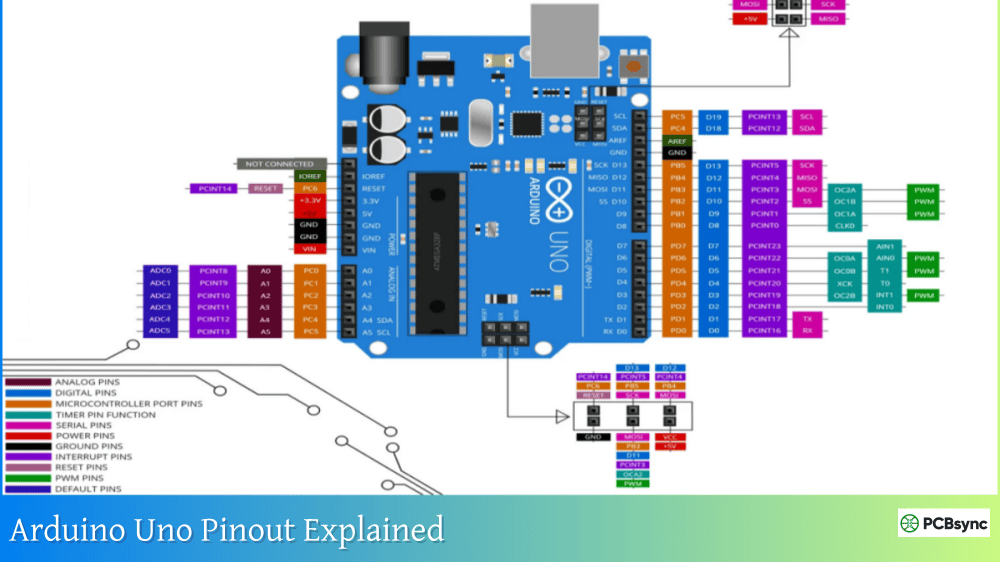
Arduino UNO/Nano
1
ATmega328P based
Main microcontroller
Photoresistor (LDR)
1
5mm, CdS type
Light sensing element
Fixed Resistor
1
10kΩ, 1/4W
Voltage divider
LED
1-3
5mm, any color
Visual indicator/light source
Current Limiting Resistor
1-3
220Ω or 330Ω
LED protection
Breadboard
1
Half or full size
Prototyping platform
Jumper Wires
8-12
Male-to-male
Circuit connections
USB Cable
1
Type A to Type B
Programming/Power
Optional Enhancement Components
Component
Specifications
Enhancement Purpose
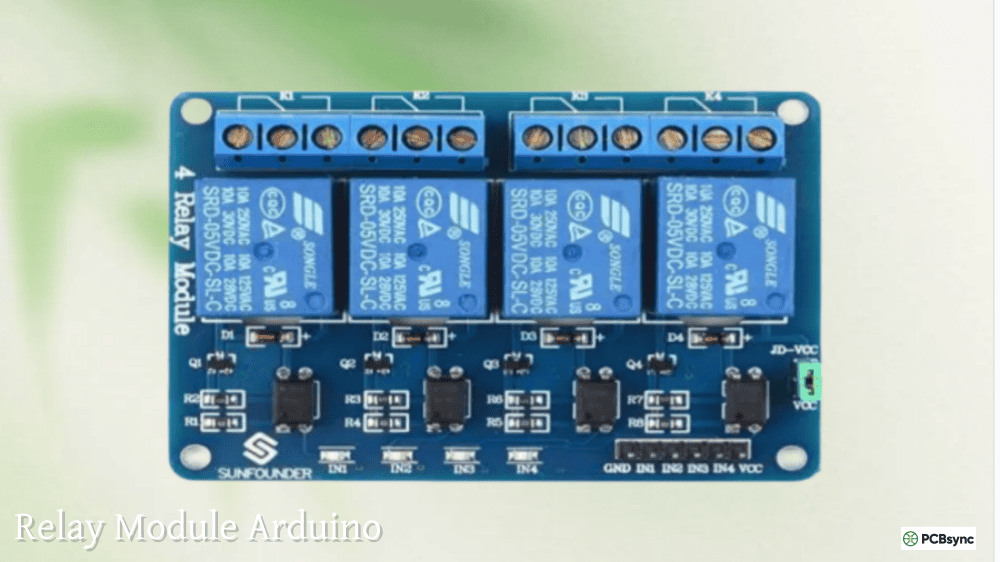
Relay Module
5V, 1-channel
Control AC/DC lamps
PIR Motion Sensor
HC-SR501
Motion detection
MOSFET
IRF540N
PWM dimming control
External Power Supply
9V 1A adapter
Independent operation
Why 10kΩ for the Voltage Divider
The 10kΩ resistor is industry-standard for LDR circuits because it provides optimal sensitivity across the LDR’s operating range. With typical LDRs ranging from 1kΩ (bright) to 100kΩ (dark), a 10kΩ divider resistor positions midpoint voltage around ambient indoor lighting—exactly where we need maximum sensitivity for a night light.
Circuit Assembly and Wiring
Basic Night Light Circuit Configuration
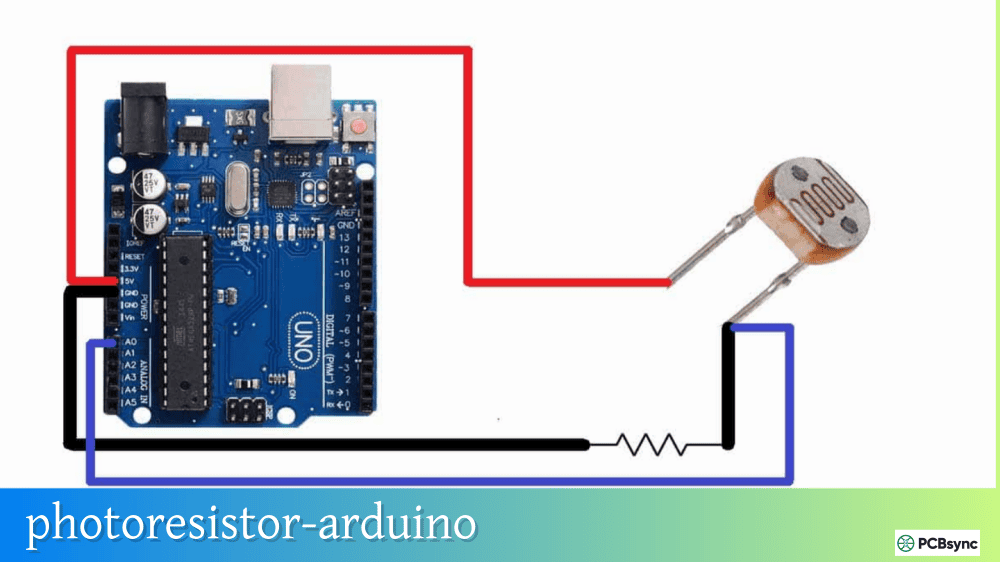
Step 1: Establish Power Rails Connect the Arduino 5V pin to the breadboard’s positive power rail (red line) and GND to the negative rail (blue line). This centralizes power distribution and simplifies wiring.
Step 2: Build the Voltage Divider Insert the photoresistor into the breadboard. Connect one leg to the 5V rail. Connect the other leg to both:
Arduino analog pin A0 (this junction is our voltage measurement point)
One leg of the 10kΩ resistor
Connect the 10kΩ resistor’s other leg to the GND rail. You’ve now created a voltage divider where the voltage at A0 varies with light intensity.
Step 3: Add the LED Output Insert your LED with the longer leg (anode) toward the top. Connect:
LED anode → 220Ω resistor → Arduino digital pin 13
LED cathode (shorter leg) → GND rail
Understanding the Signal Flow
The photoresistor varies resistance based on ambient light, modulating voltage at the divider’s midpoint (A0). The Arduino’s analog-to-digital converter samples this voltage, converting it to a digital value between 0-1023. Your code reads this value and makes control decisions. This sensor → voltage divider → ADC → processing → output control architecture is fundamental to embedded systems design.
Programming Your Arduino Night Light
Basic Automatic Light Code
Here’s the foundational code for your Arduino Night Light:
// Pin definitions
const int LDR_PIN = A0; // Analog pin for light sensor
const int LED_PIN = 13; // Digital pin for LED output
// Threshold value – adjust based on your environment
const int DARK_THRESHOLD = 400; // Below this value = dark
void setup() {
pinMode(LED_PIN, OUTPUT);
Serial.begin(9600); // For debugging and calibration
// Initial state
digitalWrite(LED_PIN, LOW);
}
void loop() {
// Read light level (0-1023)
int lightLevel = analogRead(LDR_PIN);
// Debug output
Serial.print(“Light Level: “);
Serial.println(lightLevel);
// Control logic
if (lightLevel < DARK_THRESHOLD) {
digitalWrite(LED_PIN, HIGH); // Dark – turn light ON
Serial.println(“Night Light: ON”);
} else {
digitalWrite(LED_PIN, LOW); // Bright – turn light OFF
Serial.println(“Night Light: OFF”);
}
delay(1000); // Check every second
}
Code Analysis and Professional Practices
The analogRead() function returns values from 0 (0V) to 1023 (5V), representing the Arduino’s 10-bit ADC resolution. The Serial.begin(9600) enables debugging—you can observe actual sensor readings to calibrate thresholds. The 1000ms delay prevents rapid switching during twilight when light levels hover near the threshold.
Every environment is different, making calibration essential. Here’s the systematic approach I use in professional sensor deployments:
Calibration Procedure:
Upload the basic code with Serial Monitor enabled
Test in your target environment during daytime (lights on)
Record the typical “bright” reading (usually 600-900)
Turn off room lights to simulate night conditions
Record the “dark” reading (usually 100-400)
Set your threshold midway between these values
For example, if bright readings average 750 and dark readings average 200, set DARK_THRESHOLD = 475. This provides maximum separation from both extremes, reducing false triggers.
Typical Reading Ranges
Condition
Typical ADC Value
Interpretation
Complete darkness
0-150
Covered sensor or night
Dim room/twilight
150-400
Transition zone
Normal indoor lighting
400-700
Daytime with lights
Bright sunlight
700-1023
Direct light exposure
Advanced Enhancements and Variations
PWM Dimming for Gradual Transitions
Professional lighting systems don’t snap on and off—they transition smoothly. Here’s how to add PWM (Pulse Width Modulation) dimming:
const int LED_PIN = 9; // Must use PWM-capable pin (3,5,6,9,10,11)
void loop() {
int lightLevel = analogRead(LDR_PIN);
// Map sensor reading to LED brightness (inverted)
int brightness = map(lightLevel, 0, 1023, 255, 0);
brightness = constrain(brightness, 0, 255);
analogWrite(LED_PIN, brightness);
delay(50);
}
This creates adaptive lighting where LED brightness is inversely proportional to ambient light—dimmer as the room gets brighter, reaching full brightness only in complete darkness.
Troubleshooting Common Issues
Problem Resolution Guide
Symptom
Likely Cause
Solution
LED always on
Threshold too high
Lower DARK_THRESHOLD value by 100-200
LED always off
Threshold too low or inverted logic
Increase threshold or check wiring polarity
Erratic behavior
Loose breadboard connections
Firmly push all components into board
No Serial Monitor data
Wrong COM port or baud rate
Verify port selection and 9600 baud
Readings don’t change
LDR not connected to A0
Check voltage divider junction to A0
LED very dim
Wrong resistor value
Verify 220Ω, not 2.2kΩ or higher
Debugging Strategy for Sensor Circuits
Follow this systematic approach:
Verify power – Measure 5V between Arduino 5V and GND pins
Test sensor – Measure LDR resistance in different lighting
Check voltage divider – Measure voltage at A0 while changing light
Validate code – Verify Serial Monitor shows changing values
Isolate output – Test LED independently
This methodical approach isolates hardware from software issues.
Real-World Applications and Extensions
Building a Security Night Light
Combine your Arduino Night Light with a PIR motion sensor for security lighting:
const int PIR_PIN = 2;
const int LDR_PIN = A0;
const int LED_PIN = 13;
const int DARK_THRESHOLD = 400;
void loop() {
int lightLevel = analogRead(LDR_PIN);
int motion = digitalRead(PIR_PIN);
// Only activate on motion AND darkness
if (lightLevel < DARK_THRESHOLD && motion == HIGH) {
digitalWrite(LED_PIN, HIGH);
delay(5000); // Stay on for 5 seconds after motion
} else {
digitalWrite(LED_PIN, LOW);
}
}
This creates an energy-efficient security light that only activates when both conditions are met—saving electricity while maintaining security.
Skills Developed Through This Project
Technical Competencies Gained
Analog sensor interfacing and ADC utilization
Voltage divider circuit design and calculation
Threshold-based control algorithms
Serial debugging and calibration procedures
Component selection for specific applications
Relay control and electrical isolation concepts
These skills transfer to professional embedded systems work. The voltage divider principle applies to countless sensor types, and threshold control logic appears in industrial automation, HVAC systems, and automotive electronics.
Why does my night light turn on during the day sometimes?
This typically indicates your threshold value is set too high. The LDR might be partially shadowed, or your “dark” baseline has shifted. Recalibrate by monitoring Serial output during different lighting conditions and adjusting DARK_THRESHOLD accordingly. Also, ensure the LDR has clear exposure to ambient light rather than being shadowed by other components.
Can I use a different resistor value instead of 10kΩ?
Absolutely! The divider resistor determines sensitivity range. Use 1kΩ for bright-light detection applications, 10kΩ for general purpose (recommended), or 47kΩ for ultra-sensitive low-light detection. Just recalibrate your threshold after changing values, as this shifts the entire ADC reading range.
How do I prevent the light from flickering at dusk?
Implement hysteresis—use different thresholds for turning on versus off. For example, turn on at 400 but don’t turn off until 500. This creates a “dead zone” that prevents rapid cycling. Add this to your code:
const int DARK_THRESHOLD = 400;
const int BRIGHT_THRESHOLD = 500;
bool lightOn = false;
if (lightLevel < DARK_THRESHOLD) lightOn = true;
if (lightLevel > BRIGHT_THRESHOLD) lightOn = false;
digitalWrite(LED_PIN, lightOn);
Can I power this project with batteries?
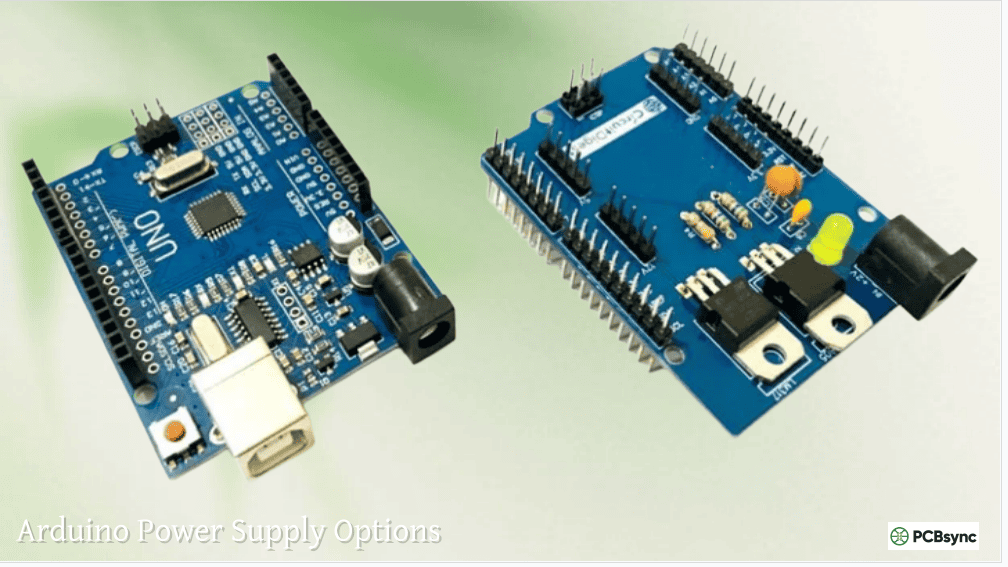
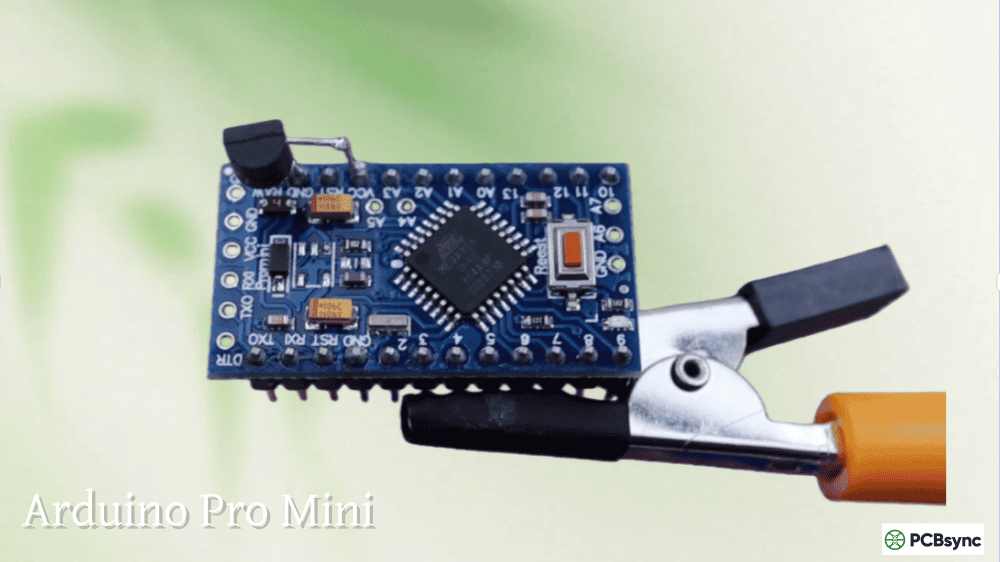
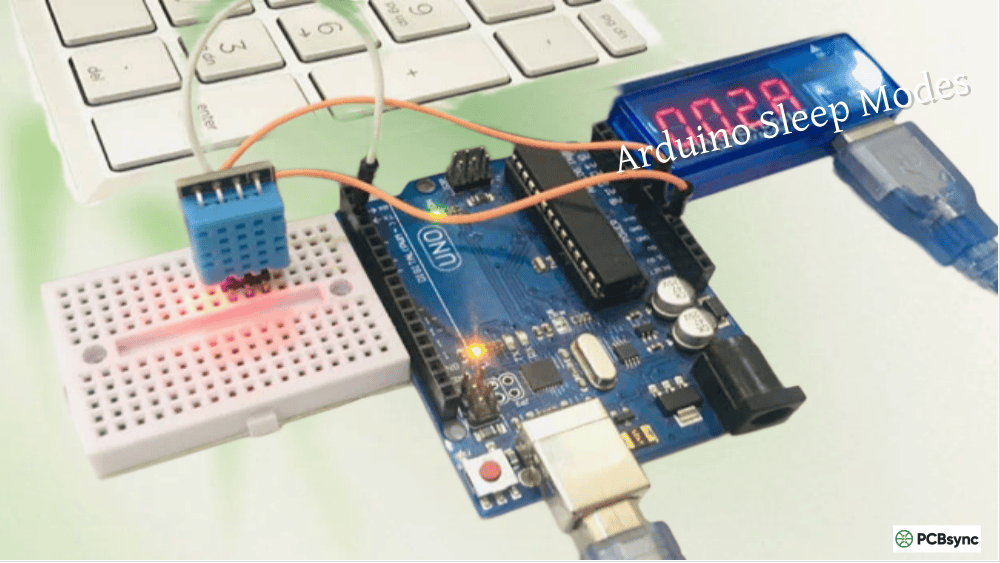
Yes! The Arduino UNO accepts 7-12V through the barrel jack, so a 9V battery or 6×AA battery pack works perfectly. For ultra-low power consumption, use an Arduino Nano or Pro Mini with a 3.7V lithium battery and voltage regulator. Implementing sleep modes between sensor readings can extend battery life to several months.
What if I want to control multiple lights independently?
Use multiple LDR circuits connected to different analog pins (A0, A1, A2, etc.) and corresponding output pins for each light. This creates a multi-zone lighting system. Alternatively, use a single sensor with logic to control multiple outputs based on different threshold levels—like dim lights at 500, medium at 300, and bright below 200.
Conclusion: From Night Light to Embedded Systems Expert
Building an Arduino Night Light delivers more than an automated lamp. You’ve learned analog sensing fundamentals, voltage divider theory, threshold control logic, and debugging techniques—all cornerstones of professional embedded systems design. The photoresistor circuit you’ve mastered appears in products from smartphone sensors to industrial equipment.
As a PCB engineer, I’ve watched this project launch careers. The systematic approach—analyzing requirements, designing circuits, implementing algorithms, debugging methodically—translates directly to professional environments. Take this foundation and expand: add motion sensing, implement PWM dimming, log usage data, or design a custom PCB. Each iteration deepens your expertise and builds your portfolio.
Inquire: Call 0086-755-23203480, or reach out via the form below/your sales contact to discuss our design, manufacturing, and assembly capabilities.
Quote: Email your PCB files to Sales@pcbsync.com (Preferred for large files) or submit online. We will contact you promptly. Please ensure your email is correct.
Notes: For PCB fabrication, we require PCB design file in Gerber RS-274X format (most preferred), *.PCB/DDB (Protel, inform your program version) format or *.BRD (Eagle) format. For PCB assembly, we require PCB design file in above mentioned format, drilling file and BOM. Click to download BOM template To avoid file missing, please include all files into one folder and compress it into .zip or .rar format.