Inquire: Call 0086-755-23203480, or reach out via the form below/your sales contact to discuss our design, manufacturing, and assembly capabilities.
Quote: Email your PCB files to Sales@pcbsync.com (Preferred for large files) or submit online. We will contact you promptly. Please ensure your email is correct.
Notes: For PCB fabrication, we require PCB design file in Gerber RS-274X format (most preferred), *.PCB/DDB (Protel, inform your program version) format or *.BRD (Eagle) format. For PCB assembly, we require PCB design file in above mentioned format, drilling file and BOM. Click to download BOM template To avoid file missing, please include all files into one folder and compress it into .zip or .rar format.
Arduino MIDI Controller: DIY Music Interface for Musicians and Makers
Building your own Arduino MIDI Controller opens up a world of creative possibilities for musicians, producers, and electronics enthusiasts. Whether you’re looking to control your DAW with custom hardware or create a unique performance instrument, an Arduino-based MIDI controller offers flexibility that commercial options simply can’t match.
As a PCB engineer who’s designed numerous MIDI interfaces, I’ve learned that the real power of Arduino MIDI controllers lies in their customizability. You’re not limited to what manufacturers think you need—you build exactly what your workflow demands.
MIDI (Musical Instrument Digital Interface) has been the industry standard for electronic music communication since 1983. While the protocol itself hasn’t changed much, the tools we use to implement it have evolved dramatically. Arduino boards provide an accessible entry point into MIDI controller design because they handle the complex low-level programming while giving you complete control over the interface.
Technical Advantages of Arduino-Based MIDI
From a hardware perspective, modern Arduino boards offer several compelling features for MIDI applications:
Native USB Support: Boards like the Arduino Leonardo, Micro, and Due include the ATmega32u4 microcontroller, which provides native USB MIDI functionality. This eliminates the need for serial-to-MIDI conversion software, reducing latency and improving reliability.
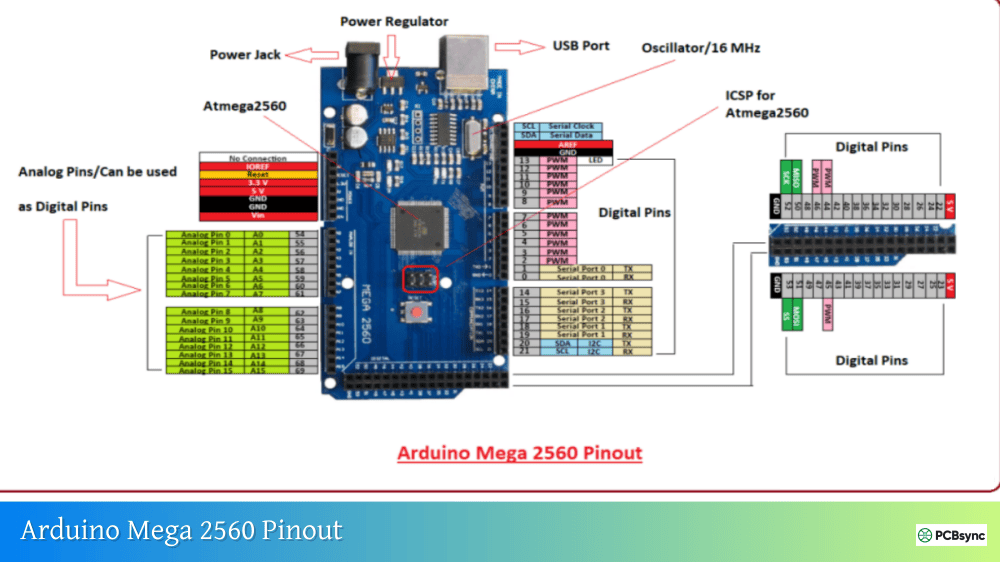
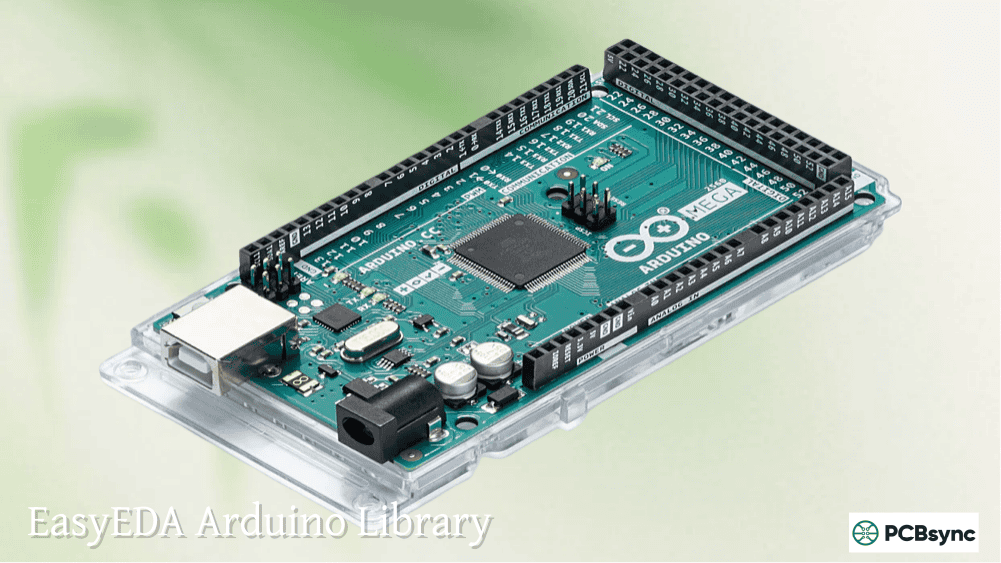
Flexible I/O Configuration: Most Arduino boards provide enough digital and analog pins to handle complex controller designs. The Arduino Mega, for instance, offers 54 digital I/O pins and 16 analog inputs—more than sufficient for professional-grade controllers.
Cost-Effective Scalability: Starting with a $3 Arduino clone, you can prototype your design before committing to custom PCBs. This iterative approach saves both time and money during development.
Essential Components for Your Arduino MIDI Controller
Let me break down the components you’ll need from a practical engineering perspective. These aren’t just shopping list items—each component affects your controller’s performance and reliability.
Core Hardware Components
Component
Recommended Spec
Typical Cost
Purpose
Arduino Board
Leonardo, Pro Micro, or Nano
$5-$20
Main processor and USB interface
Arcade Buttons
Sanwa-style, 30mm
$0.50-$2 each
Note triggering and function control
Potentiometers
10kΩ linear taper
$0.50-$3 each
Continuous control (volume, pan, effects)
Rotary Encoders
24-step incremental
$1-$4 each
Infinite rotation control
MIDI DIN Connector
5-pin 180°
$0.50-$1
Hardware MIDI output (optional)
Optocoupler
6N138 or 6N139
$0.30-$1
MIDI input isolation
Resistors
220Ω, 470Ω, 10kΩ
$0.05 each
Pull-up/down and current limiting
Enclosure
Custom or project box
$10-$50
Protection and aesthetics
Choosing the Right Arduino Board
Board selection significantly impacts your project’s success. Here’s what I’ve learned through multiple builds:
Arduino Leonardo/Micro: These are my go-to recommendations for beginners. The ATmega32u4 provides native USB MIDI without additional software. They’re recognized as USB MIDI devices immediately upon connection to any computer or tablet.
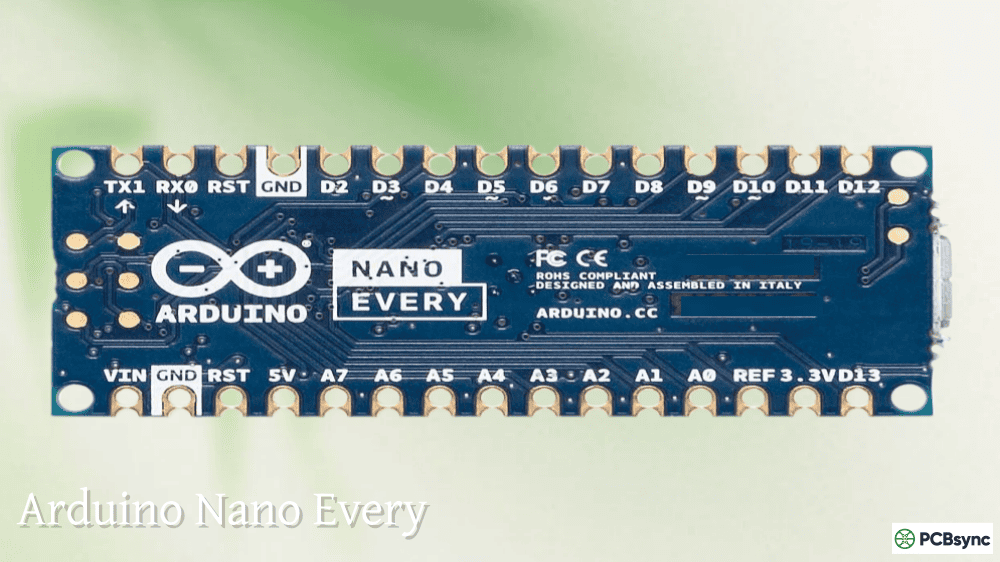
Arduino Nano: Excellent for compact designs and breadboard prototyping. However, it requires Hairless MIDI software for USB MIDI functionality, which can introduce latency issues and compatibility problems with some operating systems.
Arduino Mega: When you need extensive I/O for large-scale controllers (60+ controls), the Mega delivers. I’ve used these for custom DAW controllers with 32 faders, 48 buttons, and 16 encoders.
Arduino Due: The only official board with true 3.3V operation and native USB host capabilities. Useful for advanced projects that need to control other MIDI devices directly.
Arduino MIDI Controller Design: A PCB Engineer’s Approach
Circuit Design Fundamentals
The basic circuit for an Arduino MIDI controller is deceptively simple, but the details matter enormously for reliability.
Button Interfacing: Each button connects between a digital pin and ground, with the pin configured for INPUT_PULLUP. This internal 20-50kΩ resistor eliminates the need for external pull-up resistors. For professional builds, I add a 100nF ceramic capacitor across each switch to debounce mechanically—hardware debouncing is more reliable than software alone.
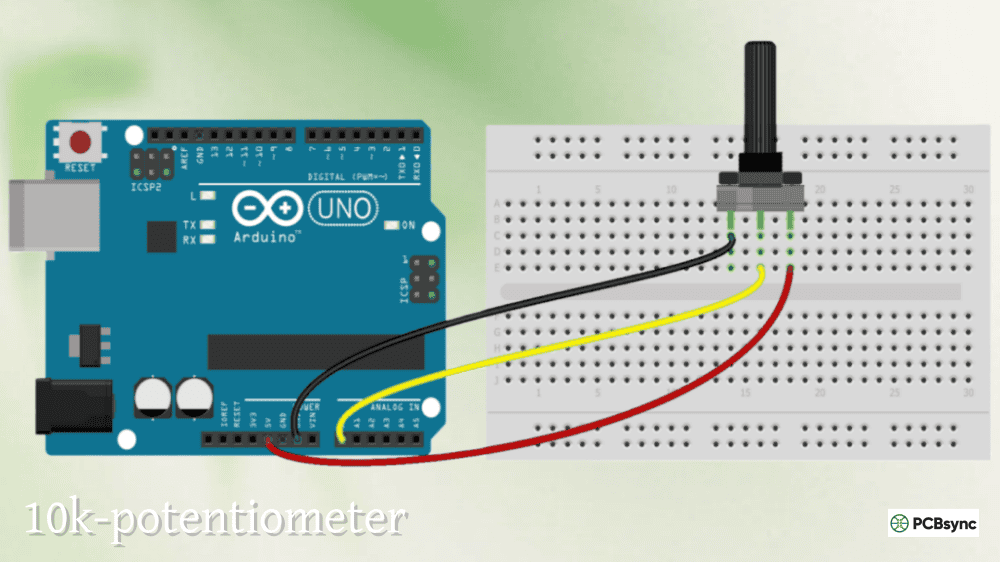
Potentiometer Wiring: Connect the outside pins to 5V and GND, with the wiper (center pin) going to an analog input. The analog-to-digital converter reads 0-1023 values, which you’ll map to MIDI’s 0-127 range. Pro tip: Add a 10nF capacitor between the wiper and ground to reduce noise from long wiring runs.
Multiplexing for Expansion: When you exceed the available analog inputs, 4051 or 4067 multiplexers become necessary. The 4067 provides 16 channels from a single analog pin, though you sacrifice some scan speed. For time-critical applications like drum pads, keep sensors on dedicated pins.
Ground Plane Design: Use a solid ground plane on one layer. Star grounding from the Arduino ensures minimal ground loops and reduces crosstalk between analog channels.
Trace Routing: Keep analog signal traces short and away from digital switching signals. I route analog signals on one side of the board and digital on the other when possible.
Connector Placement: Position all external connectors (USB, MIDI DIN, power) on the same edge for easier enclosure integration. Leave adequate clearance—I’ve seen too many designs where the USB cable interferes with button mounting.
Test Points: Always include test points for power rails, I2C lines, and critical analog inputs. These save hours during troubleshooting.
Software Libraries and Programming
Essential MIDI Libraries
The Arduino ecosystem offers several MIDI libraries, each with distinct advantages:
Control Surface Library (by tttapa): This is the most comprehensive option for serious MIDI controller projects. It supports USB MIDI, DIN MIDI, MIDI over Bluetooth, and even the Mackie Control Universal protocol for advanced DAW integration. The library handles multiplexers, shift registers, and I/O expanders transparently.
Key features I rely on:
Automatic note velocity scaling
Bank switching for multiple control pages
LED feedback support
OLED display integration
Built-in debouncing
MIDIUSB Library: For simpler projects, MIDIUSB provides lightweight USB MIDI communication. It’s included in the Arduino IDE and works immediately with Leonardo/Micro boards. Perfect for basic controllers without complex features.
FortySevenEffects MIDI Library: The original Arduino MIDI library, now primarily used for DIN MIDI communication. Still relevant if you’re building hardware MIDI devices or need to interface with vintage synthesizers.
Basic Code Structure
Here’s a simplified structure for an Arduino MIDI Controller (this represents the logical flow, not a complete sketch):
// Initialize MIDI interface and define control pins
// Configure buttons with INPUT_PULLUP
// Configure potentiometers on analog pins
// Main loop structure:
// 1. Read button states and send NoteOn/NoteOff
// 2. Read potentiometer values and send ControlChange
// 3. Handle encoder rotation and send relative CC
// 4. Update LED feedback based on state
The actual implementation requires careful attention to timing—reading all controls, filtering noise, and sending MIDI messages must happen within a few milliseconds to maintain responsiveness.
Handling MIDI Data Efficiently
MIDI messages consist of status bytes and data bytes. A Note On message includes: status byte (144 + channel), note number (0-127), and velocity (0-127).
From a programming perspective, efficient MIDI requires:
Debouncing: Hardware switches bounce mechanically for several milliseconds. Software debouncing with a 20-50ms delay prevents multiple triggers.
Value Filtering: Analog readings fluctuate due to electrical noise. Only send MIDI messages when values change by more than a threshold (typically 2-4 units out of 1024).
Rate Limiting: Don’t flood the MIDI bus. Limit updates to 100-200Hz maximum per control to prevent buffer overruns in receiving devices.
Common Arduino MIDI Controller Configurations
Button-Based Pad Controller
This classic design mimics commercial pad controllers like the Akai MPD series:
Typical Specifications:
16 velocity-sensitive pads (or simple buttons for budget builds)
8 assignable knobs
Bank selection buttons
Grid layout for intuitive playing
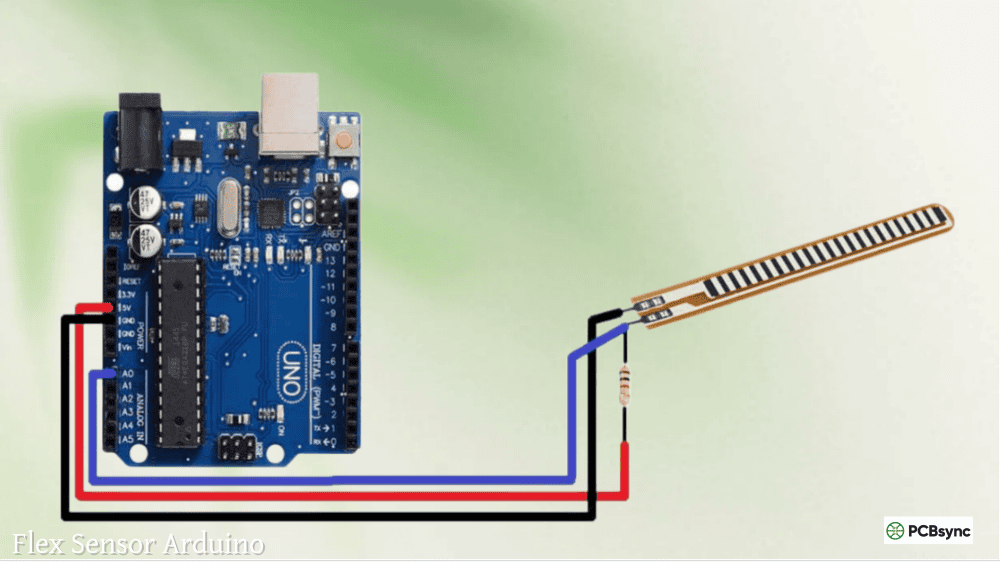
Technical Implementation: Velocity sensitivity requires measuring the time between two switch closures. Professional drum pads use FSR (Force Sensing Resistor) or piezo sensors, which convert pressure directly to voltage. Budget builds can achieve pseudo-velocity by reading how quickly a button closes.
Rotary Encoder Controller
Perfect for controlling plugin parameters with infinite rotation:
Design Features:
16-32 endless rotary encoders
LED rings or OLED displays showing values
Motorized faders (advanced builds)
Bank switching for parameter pages
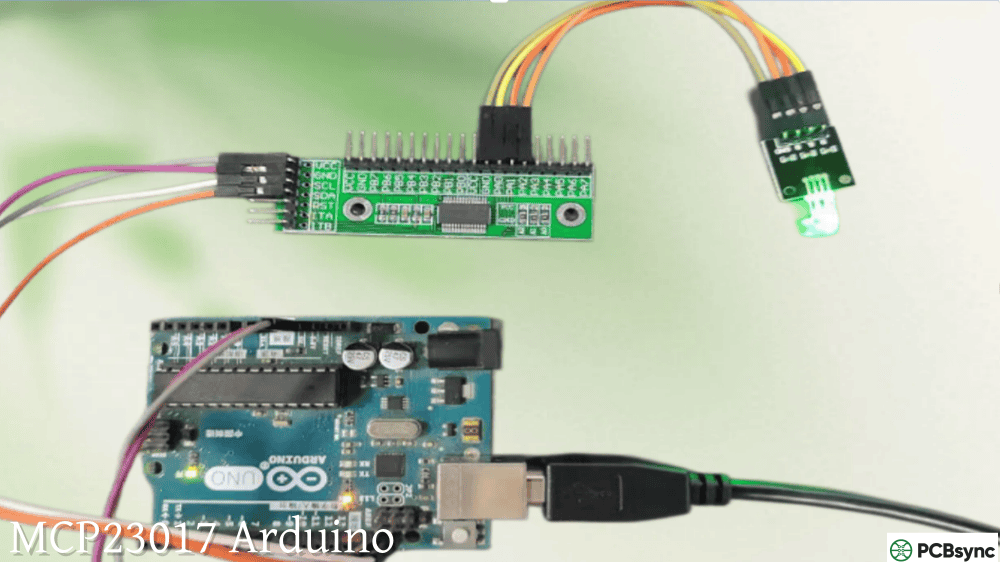
Circuit Complexity: Encoders generate quadrature signals on two pins. The Control Surface library handles quadrature decoding, but you can also use hardware like the MCP23017 I/O expander with built-in interrupt support for more efficient scanning.
DAW Control Surface
This professional-grade configuration requires advanced programming:
Components:
8-channel strip with fader, rotary, buttons per channel
Transport controls (play, stop, record)
Jog wheel for timeline scrubbing
Motorized faders with touch sensitivity
LCD/OLED displays for track names
Protocol Requirements: Implementing Mackie Control Universal (MCU) protocol enables bidirectional communication—your DAW can send data back to update displays and faders. This requires understanding SysEx messages and manufacturer-specific MIDI extensions.
Building Process: From Breadboard to Final Product
Phase 1: Breadboard Prototyping
Start with a minimal viable controller—maybe 4 buttons and 2 potentiometers. This validates your code and component choices before committing to hardware.
Breadboard Layout Tips:
Use different wire colors for power (red), ground (black), and signals (yellow/green/blue)
Keep analog signal wires away from digital switching
Mount the Arduino at one end to minimize wire length
Label everything—you’ll thank yourself later
Phase 2: PCB Design and Manufacturing
When transitioning to PCBs, I follow this workflow:
Schematic Capture: Use KiCad, Eagle, or EasyEDA to create proper schematics. Include all passives (resistors, capacitors), even if they seem obvious. Future you will appreciate the documentation.
PCB Layout:
Standard FR-4, 1.6mm thickness works for most controllers
2-layer boards suffice unless you have dense SMD components
Use 0.8mm minimum trace width for reliability
Include mounting holes matching your enclosure
Manufacturing: Chinese PCB fabricators (JLCPCB, PCBWay, OSH Park) produce quality boards economically. For prototypes, I order 10-20 pieces—they’re cheap in bulk and useful for revisions.
Phase 3: Assembly and Testing
Component Mounting Order:
Solder smallest components first (resistors, diodes)
Add ICs and sockets
Install connectors and mechanical components
Finally, add Arduino headers
Testing Procedure:
Verify continuity on all connections before power-up
Check voltage rails with multimeter
Upload test firmware to verify each control individually
Use MIDI monitor software to confirm message output
Phase 4: Enclosure Integration
The enclosure makes or breaks a project’s usability. I’ve learned these lessons the hard way:
Material Selection:
Laser-cut acrylic: Excellent for prototypes, easily customizable
3D printed: Perfect fit for custom shapes, but requires good layer adhesion
Metal project boxes: Professional appearance, provides electrical shielding
Wood: Surprisingly good for larger controllers, natural damping properties
Panel Mounting:
Measure twice, drill once—seriously
Use step bits for clean holes in metal
Support PCBs with standoffs, not just edge mounting
Leave service access—you will need to modify firmware
Problem: Controller appears to work but no MIDI output detected.
Solutions from the field:
Verify the Arduino is recognized as a MIDI device in your OS
Check board selection in Arduino IDE—wrong board = wrong USB descriptors
Test with MIDI monitor software before blaming your DAW
Confirm library installation—some libraries conflict with each other
For Leonardo/Micro, ensure you’re uploading in bootloader mode if stuck
Unstable Analog Readings
Problem: Potentiometers send jittery values even when stationary.
Engineering fixes:
Add 10nF capacitors from wiper to ground on each pot
Increase software filtering threshold to 4-8 units
Use shielded cable for long runs (>15cm)
Check power supply quality—switching regulators create noise
Implement exponential smoothing in code: smoothed = (old * 0.9) + (new * 0.1)
Latency and Responsiveness Issues
Problem: Noticeable delay between control movement and MIDI output.
Performance optimization:
Avoid delay() in your code—use non-blocking timing instead
Minimize serial print statements during operation
Reduce MIDI message rate to essential updates only
For USB MIDI, check OS audio buffer settings
Profile your code—I’ve found 75% of latency often comes from one poorly written function
Button Debouncing Problems
Problem: Single button presses trigger multiple MIDI notes.
Debounce strategies:
Software: Ignore state changes for 20-50ms after initial trigger
Hardware: Add 100nF capacitor across switch contacts
Hybrid: Schmitt trigger ICs (74HC14) for critical applications
Code: Use dedicated debouncing libraries rather than custom solutions
Advanced Features and Modifications
Adding Visual Feedback
LEDs and displays transform a basic controller into a professional instrument:
RGB LED Integration: WS2812B addressable LEDs provide color-coded feedback for different modes. I wire these in series and control them via a single pin using the FastLED library. Power consumption becomes critical—plan for 60mA per LED at full white.
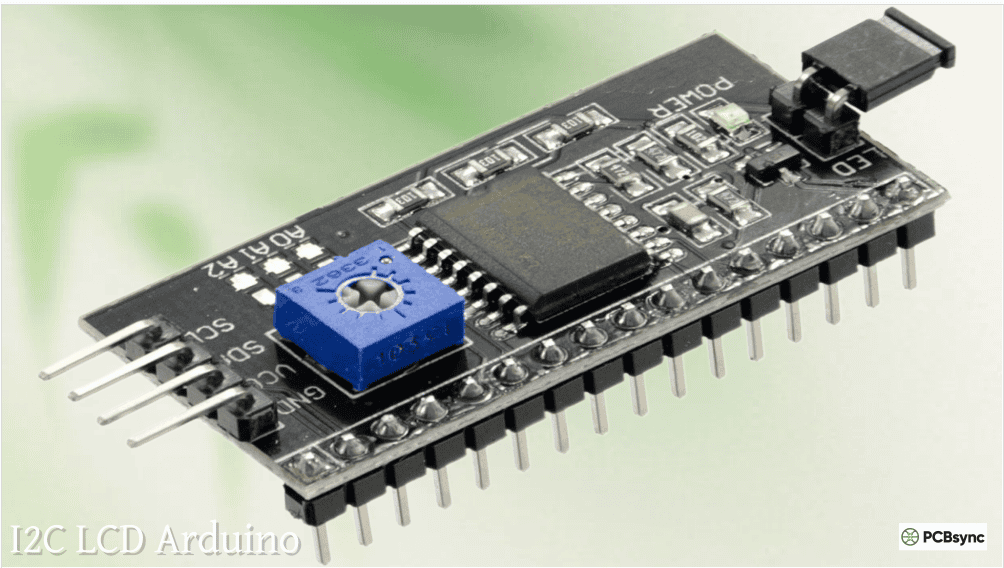
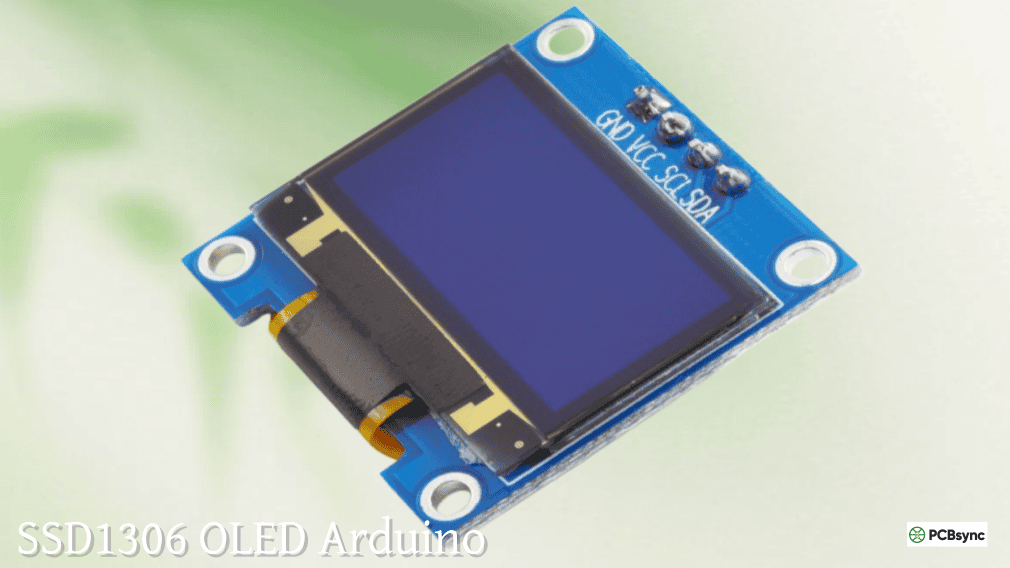
OLED/LCD Displays: 128×64 OLED displays show parameter names, values, and controller state. The SSD1306 driver works reliably over I2C, consuming just two pins (SDA/SCL). For multiple displays, use I2C multiplexers or displays with different addresses.
Wireless MIDI via Bluetooth
ESP32 boards offer Bluetooth LE MIDI with minimal additional code. The BLE-MIDI library handles the protocol details. Range is typically 10-15 meters—adequate for stage use. Battery life requires optimization; I target 8+ hours between charges for practical gigging.
Motorized Faders and Haptic Feedback
Advanced controllers use motorized faders for DAW feedback. This requires:
Motor drivers (L293D or dedicated fader motor controllers)
Touch-sensitive faders to detect user override
Bidirectional MIDI to receive position data
Careful power supply design—motors draw significant current
Integration with Popular DAWs
Ableton Live
Ableton’s MIDI mapping is straightforward: enter MIDI Map Mode, click a parameter, move your controller. However, creating custom control surfaces with instant mapping requires Python scripting. The Control Surface library’s MCU mode provides immediate compatibility without scripting.
FL Studio
FL Studio’s MIDI scripting uses Python. You can create custom scripts for your controller, though the learning curve is steep. Basic MIDI CC mapping works without scripting for most parameters.
Logic Pro X
Logic’s Control Surface support is extensive. Your Arduino controller can appear as a Mackie Control device with proper protocol implementation. I’ve built Logic-specific controllers with dedicated channel strips matching the mixer layout.
Pro Tools
Pro Tools supports HUI and Eucon protocols. HUI implementation is similar to MCU but with different message structures. The Control Surface library includes HUI support, though setup requires more configuration than Ableton.
The real value isn’t just monetary—it’s the ability to create exactly what your workflow needs, which commercial controllers can’t offer.
Frequently Asked Questions
Can I use any Arduino board for MIDI controllers?
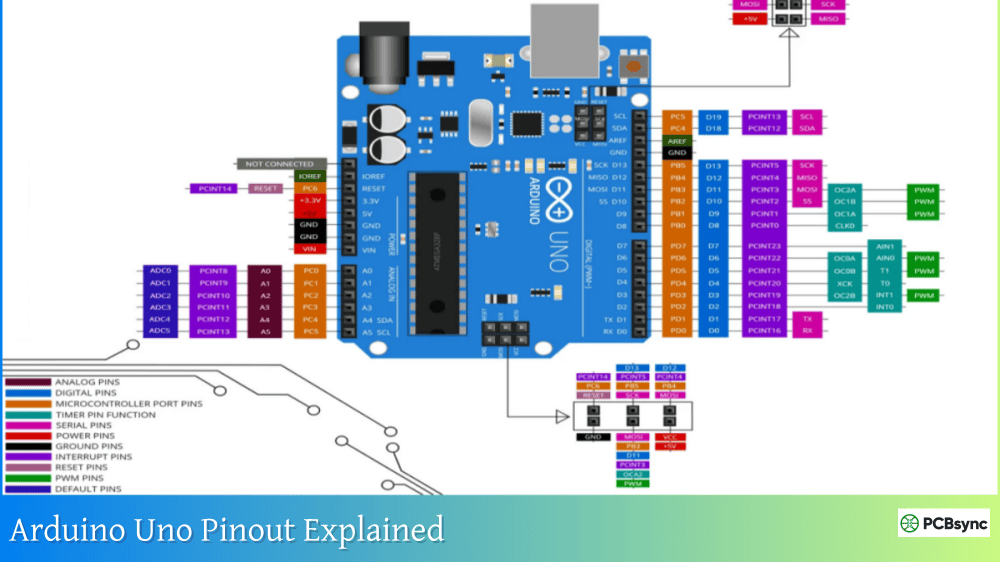
Technically yes, but practically, boards with native USB support (Leonardo, Micro, Due) work best. Arduino Uno and Nano require additional software (Hairless MIDI) to convert serial data to MIDI, which adds latency and compatibility issues. For serious projects, invest in a board with ATmega32u4 or better.
How many buttons and knobs can one Arduino control?
This depends on the board and your design approach. An Arduino Mega can directly handle 54 digital inputs and 16 analog inputs. With multiplexers, you can expand this to hundreds of controls. I’ve built controllers with 128 buttons using matrix scanning and multiplexers, all on a single Arduino Mega. The limitation becomes scan time and processing power rather than physical I/O.
Do I need programming experience to build an Arduino MIDI controller?
Basic programming knowledge helps, but the Arduino ecosystem makes it accessible to beginners. Start with example sketches from MIDI libraries, modify them for your needs, and gradually learn the concepts. The Control Surface library documentation includes extensive examples. Most builders learn as they go—I certainly did.
Can my Arduino MIDI controller work with iOS devices?
Yes, with the right hardware. Arduino boards with native USB MIDI work with iOS via the Camera Connection Kit or USB-C adapter. No additional software needed. However, power consumption matters—iOS limits USB power to 100mA, so minimize LED usage and avoid powering many peripherals from the Arduino.
What’s the best way to add velocity sensitivity to buttons?
Professional approaches use Force Sensing Resistors (FSRs) or piezo sensors that measure impact force directly. Budget methods include dual-switch setups that measure time between switch closures—faster closure indicates harder hit. FSRs cost $3-8 each but provide genuine velocity response. Piezo discs cost $0.30 each but require more complex circuitry and calibration.
Conclusion: Why Build Your Own Arduino MIDI Controller
After designing dozens of MIDI controllers across various complexity levels, I can confidently say the DIY approach offers unmatched value. You’re not just saving money—you’re creating a tool perfectly matched to your workflow. Commercial controllers force you to adapt; custom controllers adapt to you.
The Arduino ecosystem provides everything needed: affordable hardware, extensive libraries, and a supportive community. Whether you’re building a simple 8-button clip launcher for Ableton or a comprehensive 64-channel DAW controller, the principles remain the same.
Start simple, test thoroughly, iterate based on actual use. Your first controller probably won’t be perfect—mine certainly wasn’t. But each build teaches lessons that inform the next, and eventually, you’ll create something genuinely superior to commercial alternatives.
The tools are accessible, the knowledge is available, and the results are rewarding. Build something that inspires your music production, and you’ll never look at MIDI controllers the same way again.
Inquire: Call 0086-755-23203480, or reach out via the form below/your sales contact to discuss our design, manufacturing, and assembly capabilities.
Quote: Email your PCB files to Sales@pcbsync.com (Preferred for large files) or submit online. We will contact you promptly. Please ensure your email is correct.
Notes: For PCB fabrication, we require PCB design file in Gerber RS-274X format (most preferred), *.PCB/DDB (Protel, inform your program version) format or *.BRD (Eagle) format. For PCB assembly, we require PCB design file in above mentioned format, drilling file and BOM. Click to download BOM template To avoid file missing, please include all files into one folder and compress it into .zip or .rar format.