Contact Sales & After-Sales Service

Contact & Quotation

  • Inquire: Call 0086-755-23203480, or reach out via the form below/your sales contact to discuss our design, manufacturing, and assembly capabilities.
  • Quote: Email your PCB files to Sales@pcbsync.com (Preferred for large files) or submit online. We will contact you promptly. Please ensure your email is correct.
Drag & Drop Files, Choose Files to Upload You can upload up to 3 files.

Notes:
For PCB fabrication, we require PCB design file in Gerber RS-274X format (most preferred), *.PCB/DDB (Protel, inform your program version) format or *.BRD (Eagle) format. For PCB assembly, we require PCB design file in above mentioned format, drilling file and BOM. Click to download BOM template To avoid file missing, please include all files into one folder and compress it into .zip or .rar format.


Arduino Ethernet Shield: Network Projects Tutorial

Connecting microcontroller projects to the internet has evolved from a complex engineering challenge to an accessible task thanks to integrated networking solutions. The Arduino Ethernet Shield represents one of the most straightforward methods for bringing Arduino boards online, enabling everything from home automation systems to industrial data logging applications. From a hardware design perspective, this shield exemplifies proper modular design – stackable architecture, dedicated SPI communication, and onboard SD card storage for serving web content.

Having debugged numerous network connectivity issues on embedded systems, I’ve learned that successful Ethernet implementations require understanding both the underlying hardware architecture and network fundamentals. This tutorial examines the Arduino Ethernet Shield from component-level details through practical project implementations, covering MAC address assignment, DHCP versus static IP configuration, web server development, and real-world troubleshooting techniques that address the most common failure modes.

Understanding Arduino Ethernet Shield Hardware

The Arduino Ethernet Shield transforms any compatible Arduino board into a network-connected device through the integration of dedicated Ethernet controller chips and supporting circuitry. Two primary versions exist in the marketplace, each based on different Wiznet controller ICs with distinct capabilities and performance characteristics.

Hardware Versions Comparison

FeatureOriginal Shield (W5100)Ethernet Shield 2 (W5500)
Ethernet ControllerWiznet W5100Wiznet W5500
Internal Buffer16 KB32 KB
Simultaneous Sockets48
SPI Speed14 MHz80 MHz
Power Consumption132mA (active)132mA (active)
Connection Speed10/100 Mbps10/100 Mbps
Hardware TCP/IP StackYesYes
SD Card SlotmicroSDmicroSD
PoE SupportOptional moduleOptional module
Library CompatibilityEthernet.hEthernet.h (updated)

Both versions provide hardware-implemented TCP/IP protocol stacks, eliminating the need for Arduino to manage low-level networking details. This offloading of network processing to dedicated silicon frees Arduino’s limited RAM and processing cycles for application-specific tasks.

Pin Allocation and SPI Communication

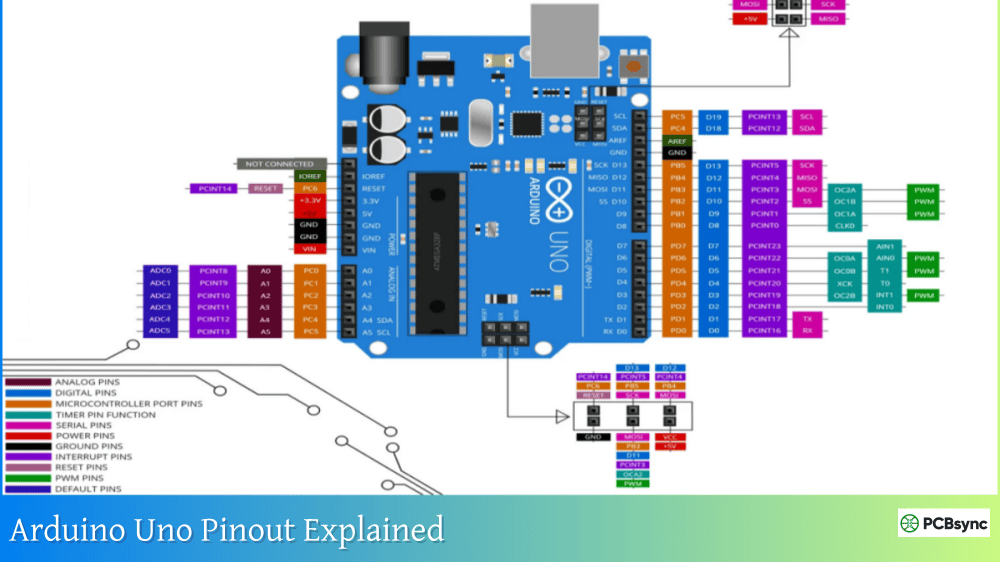
The Arduino Ethernet Shield communicates via SPI (Serial Peripheral Interface), sharing this bus with the onboard SD card reader. Understanding pin allocation prevents conflicts and enables proper shield stacking.

Standard Pin Usage (Arduino Uno/Leonardo):

PinFunctionCan Be Used?Notes
D10W5100/W5500 Chip Select (SS)NoDedicated to Ethernet controller
D11SPI MOSINoSPI data to shield
D12SPI MISONoSPI data from shield
D13SPI SCKNoSPI clock signal
D4SD Card Chip SelectNoDedicated to SD card
D2Optional InterruptYes (if not used)Can be connected via solder jumper
D0-D9, A0-A5General I/OYesAvailable for sensors, actuators

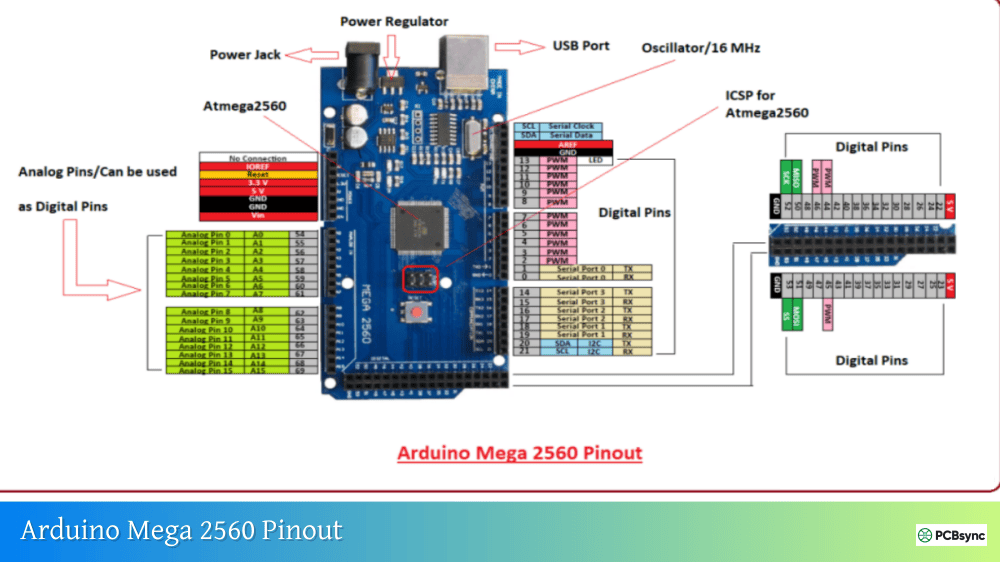
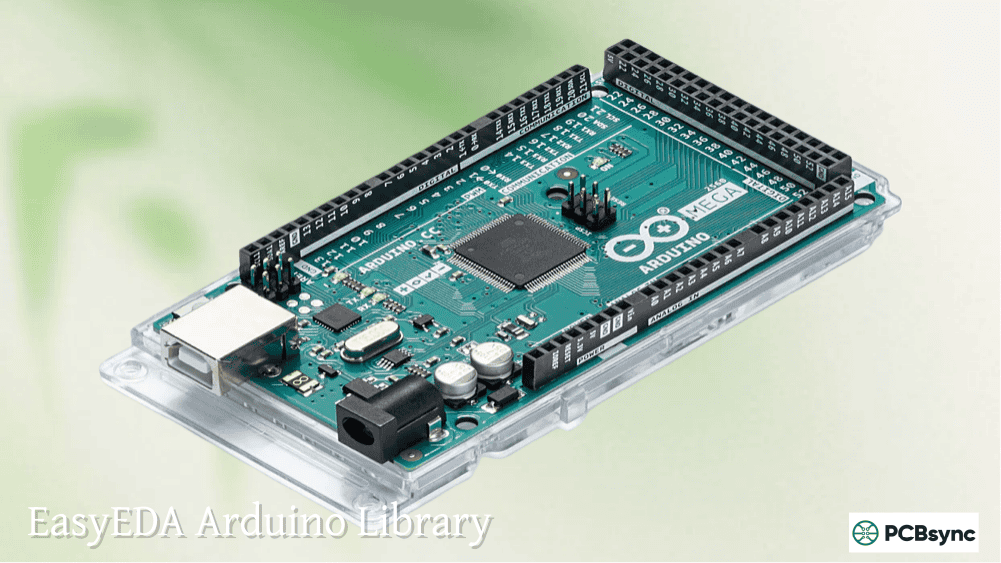
Arduino Mega Pin Usage:

PinFunctionCan Be Used?Notes
D10W5100/W5500 Chip SelectNoDedicated to Ethernet controller
D50SPI MISONoSPI data from shield
D51SPI MOSINoSPI data to shield
D52SPI SCKNoSPI clock signal
D53Hardware SSMust be outputKeep as OUTPUT even if unused
D4SD Card Chip SelectNoDedicated to SD card

Critical Design Consideration: Since W5100/W5500 and SD card share the SPI bus, only one can be active at any time. The Ethernet library handles this automatically when both peripherals are used. However, if you’re not using the SD card, explicitly deselect it by setting pin 4 HIGH:

pinMode(4, OUTPUT);

digitalWrite(4, HIGH);

Power Supply Requirements

The Ethernet controller and associated circuitry draw substantial current, particularly during active transmission. Inadequate power supply causes random disconnections and unstable network behavior.

Power Consumption Profile:

Operating StateTypical CurrentPeak Current
Idle (link up)132mA160mA
Active TX/RX132mA180mA
Power Down1.5mAN/A

Most Arduino boards can supply this current through their onboard regulators when powered via barrel jack (7-12V input) or USB (with quality cables and ports). However, battery-powered applications require careful power budget analysis.

Power over Ethernet (PoE) Option:

The shield includes mounting holes and connection points for an optional PoE module, allowing power delivery through the Ethernet cable itself. This feature proves invaluable for remote installations where running separate power cables is impractical. The PoE module provides isolated 5V output suitable for powering Arduino and connected sensors.

LED Indicators and Status Monitoring

The shield includes four LED indicators providing real-time status feedback without requiring serial debugging:

  • PWR (Green): Shield and Arduino powered correctly
  • LINK (Green): Network cable connected and link established
  • FULLD (Yellow): Operating in full-duplex mode
  • 100M (Yellow): 100Mbps connection active (off = 10Mbps)

These LEDs enable quick hardware verification before investigating software issues.

Network Configuration Fundamentals

Before writing any code, understanding basic networking concepts prevents configuration errors and enables proper network integration.

MAC Address Assignment

Every Ethernet device requires a unique MAC (Media Access Control) address – a 48-bit identifier typically represented as six hexadecimal bytes. Unlike commercial network devices, Arduino Ethernet Shields don’t include factory-programmed MAC addresses.

MAC Address Options:

  1. Sticker-Provided Address: Newer shields include a MAC address sticker on the bottom
  2. Manually Generated Address: Create your own using locally administered address format
  3. Random Assignment: Generate random bytes (avoid in production deployments)

Locally Administered MAC Address Format:

// Locally administered MAC address format

// Second digit should be: 2, 6, A, or E

byte mac[] = { 0xDE, 0xAD, 0xBE, 0xEF, 0xFE, 0xED };

// Alternative locally administered addresses

byte mac1[] = { 0x02, 0x00, 0x00, 0x00, 0x00, 0x01 };

byte mac2[] = { 0xAA, 0xBB, 0xCC, 0xDD, 0xEE, 0xFF };

Critical Rule: Each device on your network must have a unique MAC address. Using duplicate MACs causes intermittent connectivity, packet loss, and network instability.

IP Address Configuration: DHCP vs. Static

Two methods exist for assigning IP addresses to Arduino Ethernet Shield: Dynamic Host Configuration Protocol (DHCP) and static assignment.

DHCP Configuration (Recommended for Development):

#include <SPI.h>

#include <Ethernet.h>

byte mac[] = { 0xDE, 0xAD, 0xBE, 0xEF, 0xFE, 0xED };

void setup() {

  Serial.begin(9600);

  // Initialize with DHCP

  if (Ethernet.begin(mac) == 0) {

    Serial.println(“Failed to configure Ethernet using DHCP”);

    while (true);

  }

  Serial.print(“IP Address: “);

  Serial.println(Ethernet.localIP());

  Serial.print(“Subnet Mask: “);

  Serial.println(Ethernet.subnetMask());

  Serial.print(“Gateway: “);

  Serial.println(Ethernet.gatewayIP());

  Serial.print(“DNS Server: “);

  Serial.println(Ethernet.dnsServerIP());

}

void loop() {

  // Maintain DHCP lease

  Ethernet.maintain();

}

Static IP Configuration (Required for Servers):

#include <SPI.h>

#include <Ethernet.h>

byte mac[] = { 0xDE, 0xAD, 0xBE, 0xEF, 0xFE, 0xED };

IPAddress ip(192, 168, 1, 177);        // Static IP address

IPAddress gateway(192, 168, 1, 1);     // Router IP

IPAddress subnet(255, 255, 255, 0);    // Subnet mask

IPAddress dns(8, 8, 8, 8);             // DNS server (Google DNS)

void setup() {

  Serial.begin(9600);

  // Initialize with static IP

  Ethernet.begin(mac, ip, dns, gateway, subnet);

  Serial.print(“IP Address: “);

  Serial.println(Ethernet.localIP());

}

void loop() {

  // No DHCP maintenance needed

}

When to Use Each Method:

ScenarioRecommended MethodReason
Development/TestingDHCPAutomatic configuration, portable code
Web ServerStatic IPPredictable address for client connections
Production DeploymentStatic IPNo dependency on DHCP server availability
Multiple DevicesDHCP with reservationCentralized management, unique addresses

Building a Basic Web Server

The most common Arduino Ethernet Shield application involves creating a web server that displays sensor data or accepts control commands through a browser interface.

Simple Sensor Monitoring Web Server

This implementation creates a web server displaying real-time analog sensor values:

#include <SPI.h>

#include <Ethernet.h>

// Network configuration

byte mac[] = { 0xDE, 0xAD, 0xBE, 0xEF, 0xFE, 0xED };

IPAddress ip(192, 168, 1, 177);

// Create server listening on port 80 (HTTP)

EthernetServer server(80);

void setup() {

  Serial.begin(9600);

  // Initialize Ethernet

  Ethernet.begin(mac, ip);

  // Check for Ethernet hardware

  if (Ethernet.hardwareStatus() == EthernetNoHardware) {

    Serial.println(“Ethernet shield not found”);

    while (true);

  }

  // Check for cable connection

  if (Ethernet.linkStatus() == LinkOFF) {

    Serial.println(“Ethernet cable not connected”);

  }

  // Start server

  server.begin();

  Serial.print(“Server running at http://”);

  Serial.println(Ethernet.localIP());

}

void loop() {

  // Listen for incoming clients

  EthernetClient client = server.available();

  if (client) {

    Serial.println(“New client connected”);

    boolean currentLineIsBlank = true;

    while (client.connected()) {

      if (client.available()) {

        char c = client.read();

        // If HTTP request ends (blank line), send response

        if (c == ‘\n’ && currentLineIsBlank) {

          // Send HTTP response header

          client.println(“HTTP/1.1 200 OK”);

          client.println(“Content-Type: text/html”);

          client.println(“Connection: close”);

          client.println(“Refresh: 5”);  // Refresh page every 5 seconds

          client.println();

          // Send HTML content

          client.println(“<!DOCTYPE HTML>”);

          client.println(“<html>”);

          client.println(“<head><title>Arduino Sensor Monitor</title></head>”);

          client.println(“<body>”);

          client.println(“<h1>Arduino Sensor Data</h1>”);

          // Read and display analog inputs

          for (int i = 0; i < 6; i++) {

            int sensorValue = analogRead(i);

            client.print(“<p>Analog Input A”);

            client.print(i);

            client.print(“: “);

            client.print(sensorValue);

            client.println(“</p>”);

          }

          client.println(“</body>”);

          client.println(“</html>”);

          break;

        }

        if (c == ‘\n’) {

          currentLineIsBlank = true;

        } else if (c != ‘\r’) {

          currentLineIsBlank = false;

        }

      }

    }

    // Close connection

    delay(1);

    client.stop();

    Serial.println(“Client disconnected”);

  }

}

Key Implementation Points:

  • The server waits for HTTP requests using server.available()
  • HTTP response requires proper headers (Content-Type, Connection, etc.)
  • The “Refresh: 5” header automatically reloads the page every 5 seconds
  • Connection must be explicitly closed with client.stop()

Parsing GET Requests for Control

Extending the web server to accept commands through URL parameters enables browser-based device control:

String HTTP_req = “”;

void loop() {

  EthernetClient client = server.available();

  if (client) {

    boolean currentLineIsBlank = true;

    while (client.connected()) {

      if (client.available()) {

        char c = client.read();

        HTTP_req += c;  // Store request

        if (c == ‘\n’ && currentLineIsBlank) {

          // Check for LED control commands

          if (HTTP_req.indexOf(“GET /?led1=ON”) > -1) {

            digitalWrite(7, HIGH);

          }

          if (HTTP_req.indexOf(“GET /?led1=OFF”) > -1) {

            digitalWrite(7, LOW);

          }

          if (HTTP_req.indexOf(“GET /?led2=ON”) > -1) {

            digitalWrite(8, HIGH);

          }

          if (HTTP_req.indexOf(“GET /?led2=OFF”) > -1) {

            digitalWrite(8, LOW);

          }

          // Send HTML response with control buttons

          client.println(“HTTP/1.1 200 OK”);

          client.println(“Content-Type: text/html”);

          client.println(“Connection: close”);

          client.println();

          client.println(“<!DOCTYPE HTML>”);

          client.println(“<html>”);

          client.println(“<head><title>Arduino Control Panel</title></head>”);

          client.println(“<body>”);

          client.println(“<h1>LED Control</h1>”);

          // LED 1 controls

          client.print(“<p>LED 1: “);

          client.print(“<a href=\”/?led1=ON\”><button>ON</button></a>”);

          client.print(“<a href=\”/?led1=OFF\”><button>OFF</button></a>”);

          client.println(“</p>”);

          // LED 2 controls

          client.print(“<p>LED 2: “);

          client.print(“<a href=\”/?led2=ON\”><button>ON</button></a>”);

          client.print(“<a href=\”/?led2=OFF\”><button>OFF</button></a>”);

          client.println(“</p>”);

          client.println(“</body>”);

          client.println(“</html>”);

          HTTP_req = “”;  // Clear request

          break;

        }

        if (c == ‘\n’) {

          currentLineIsBlank = true;

        } else if (c != ‘\r’) {

          currentLineIsBlank = false;

        }

      }

    }

    delay(1);

    client.stop();

  }

}

Acting as Network Client

Beyond serving web pages, Arduino can request data from external servers, enabling integration with REST APIs, cloud services, and IoT platforms.

HTTP GET Request Example

#include <SPI.h>

#include <Ethernet.h>

byte mac[] = { 0xDE, 0xAD, 0xBE, 0xEF, 0xFE, 0xED };

char server[] = “api.openweathermap.org”;

EthernetClient client;

void setup() {

  Serial.begin(9600);

  if (Ethernet.begin(mac) == 0) {

    Serial.println(“Failed to configure Ethernet”);

    while (true);

  }

  delay(1000);

  Serial.println(“Connecting to server…”);

  if (client.connect(server, 80)) {

    Serial.println(“Connected”);

    // Send HTTP GET request

    client.println(“GET /data/2.5/weather?q=London&appid=YOUR_API_KEY HTTP/1.1”);

    client.println(“Host: api.openweathermap.org”);

    client.println(“Connection: close”);

    client.println();

  } else {

    Serial.println(“Connection failed”);

  }

}

void loop() {

  // Read and display response

  if (client.available()) {

    char c = client.read();

    Serial.print(c);

  }

  // Disconnect when finished

  if (!client.connected()) {

    Serial.println();

    Serial.println(“Disconnecting…”);

    client.stop();

    while (true);  // Stop after one request

  }

}

Posting Sensor Data to ThingSpeak

ThingSpeak provides free IoT data logging with visualization dashboards. This example sends temperature data:

#include <SPI.h>

#include <Ethernet.h>

byte mac[] = { 0xDE, 0xAD, 0xBE, 0xEF, 0xFE, 0xED };

char server[] = “api.thingspeak.com”;

String apiKey = “YOUR_WRITE_API_KEY”;

EthernetClient client;

void setup() {

  Serial.begin(9600);

  Ethernet.begin(mac);

  delay(1000);

}

void loop() {

  int temperature = analogRead(A0);  // Read sensor

  if (client.connect(server, 80)) {

    // Construct POST request

    String postStr = “field1=” + String(temperature);

    client.println(“POST /update HTTP/1.1”);

    client.println(“Host: api.thingspeak.com”);

    client.println(“Connection: close”);

    client.println(“X-THINGSPEAKAPIKEY: ” + apiKey);

    client.println(“Content-Type: application/x-www-form-urlencoded”);

    client.print(“Content-Length: “);

    client.println(postStr.length());

    client.println();

    client.println(postStr);

    Serial.println(“Data sent to ThingSpeak”);

  }

  delay(20000);  // ThingSpeak requires 15 second minimum interval

}

Practical Project Implementations

Project 1: Environmental Monitoring Station

Objective: Create a standalone environmental monitoring station displaying temperature, humidity, and pressure data accessible via web browser.

Hardware Requirements:

  • Arduino Uno + Ethernet Shield
  • DHT22 temperature/humidity sensor
  • BMP180 barometric pressure sensor
  • Power supply (9V adapter)

Implementation Strategy:

The system combines multiple sensors, serves a formatted web page with current readings, and stores historical data to SD card for later analysis.

#include <SPI.h>

#include <Ethernet.h>

#include <DHT.h>

#include <SD.h>

#define DHTPIN 2

#define DHTTYPE DHT22

DHT dht(DHTPIN, DHTTYPE);

byte mac[] = { 0xDE, 0xAD, 0xBE, 0xEF, 0xFE, 0xED };

IPAddress ip(192, 168, 1, 177);

EthernetServer server(80);

File dataFile;

void setup() {

  Serial.begin(9600);

  dht.begin();

  // Initialize SD card

  pinMode(4, OUTPUT);

  if (!SD.begin(4)) {

    Serial.println(“SD card initialization failed”);

  }

  // Initialize Ethernet

  Ethernet.begin(mac, ip);

  server.begin();

  Serial.print(“Server: http://”);

  Serial.println(Ethernet.localIP());

}

void loop() {

  EthernetClient client = server.available();

  if (client) {

    boolean currentLineIsBlank = true;

    while (client.connected()) {

      if (client.available()) {

        char c = client.read();

        if (c == ‘\n’ && currentLineIsBlank) {

          // Read sensors

          float temp = dht.readTemperature();

          float humidity = dht.readHumidity();

          // Log to SD card

          dataFile = SD.open(“envlog.txt”, FILE_WRITE);

          if (dataFile) {

            dataFile.print(millis());

            dataFile.print(“,”);

            dataFile.print(temp);

            dataFile.print(“,”);

            dataFile.println(humidity);

            dataFile.close();

          }

          // Send web page

          client.println(“HTTP/1.1 200 OK”);

          client.println(“Content-Type: text/html”);

          client.println(“Connection: close”);

          client.println(“Refresh: 10”);

          client.println();

          client.println(“<!DOCTYPE HTML>”);

          client.println(“<html><head>”);

          client.println(“<title>Environmental Monitor</title>”);

          client.println(“<style>”);

          client.println(“body { font-family: Arial; margin: 20px; }”);

          client.println(“.reading { font-size: 24px; margin: 10px; }”);

          client.println(“</style></head><body>”);

          client.println(“<h1>Environmental Data</h1>”);

          client.print(“<div class=’reading’>Temperature: “);

          client.print(temp);

          client.println(” °C</div>”);

          client.print(“<div class=’reading’>Humidity: “);

          client.print(humidity);

          client.println(” %</div>”);

          client.println(“</body></html>”);

          break;

        }

        if (c == ‘\n’) currentLineIsBlank = true;

        else if (c != ‘\r’) currentLineIsBlank = false;

      }

    }

    delay(1);

    client.stop();

  }

}

Project 2: Network-Connected Door Access Control

Objective: Implement RFID-based door access with network logging and remote status monitoring.

Features:

  • RFID card authentication
  • Real-time access log via web interface
  • Remote lock/unlock capability
  • Timestamp recording using NTP time synchronization

This project demonstrates integrating multiple systems: RFID reader, relay-controlled door lock, Ethernet connectivity, and time synchronization.

Troubleshooting Common Issues

“Ethernet Shield Not Found” Error

Symptoms: Hardware status check returns EthernetNoHardware

Diagnostic Steps:

  1. Verify Physical Connection: Ensure shield is firmly seated on Arduino headers
  2. Check SPI Pin Continuity: Measure continuity between Arduino SPI pins and shield
  3. Test with Minimal Code:

void setup() {

  Serial.begin(9600);

  while (!Serial);

  Serial.println(“Testing Ethernet Shield…”);

  if (Ethernet.hardwareStatus() == EthernetNoHardware) {

    Serial.println(“Shield not detected – check connections”);

  } else if (Ethernet.hardwareStatus() == EthernetW5100) {

    Serial.println(“W5100 detected”);

  } else if (Ethernet.hardwareStatus() == EthernetW5200) {

    Serial.println(“W5200 detected”);

  } else if (Ethernet.hardwareStatus() == EthernetW5500) {

    Serial.println(“W5500 detected”);

  }

}

  1. Verify Library Version: Ensure latest Ethernet library installed (version 2.0.0+)

DHCP Configuration Failures

Symptoms: Ethernet.begin(mac) returns 0, no IP address assigned

Common Causes:

CauseSolution
Cable not connectedCheck link LED, verify cable continuity
DHCP timeoutIncrease timeout: Ethernet.begin(mac, 10000) for 10s
Network without DHCP serverUse static IP configuration instead
Shield reset timingAdd delay(1000) after Ethernet.begin()
Faulty cableTest with known-good Ethernet cable

Web Server Accessible Locally But Not Remotely

Symptoms: Server works on LAN but not from internet

Required Configuration:

  1. Router Port Forwarding: Forward external port 80 to Arduino’s internal IP
  2. Dynamic DNS: Use service like No-IP if ISP assigns dynamic IP addresses
  3. Firewall Rules: Allow incoming connections on forwarded port
  4. ISP Restrictions: Some ISPs block incoming port 80; use alternate port

Random Disconnections and Unstable Behavior

Symptoms: Connection drops randomly, inconsistent performance

Power-Related Solutions:

  • Add 470µF capacitor across shield power pins
  • Use external 5V regulator instead of Arduino onboard
  • Verify adequate current capability (200mA minimum)

Software Solutions:

  • Call Ethernet.maintain() regularly in loop for DHCP
  • Implement connection keepalive packets
  • Add timeout handling for client connections

Useful Resources and Documentation

Official Arduino Resources

ResourceDescriptionLink
Ethernet Library ReferenceComplete API documentationArduino.cc/Reference/Ethernet
Ethernet Shield GuideGetting started tutorialArduino.cc/Guide/EthernetShield
Built-in ExamplesSample sketches for common tasksFile → Examples → Ethernet in Arduino IDE
Ethernet Shield SchematicHardware design filesAvailable on product pages

Third-Party Libraries and Tools

LibraryPurposeRepository
EtherCardAlternative for ENC28J60 shieldsgithub.com/njh/EtherCard
UIPEthernetLightweight Ethernet librarygithub.com/UIPEthernet
WebSocketsReal-time bidirectional communicationgithub.com/Links2004/arduinoWebSockets
ArduinoJsonJSON parsing for REST APIsarduinojson.org

Network Testing Tools

ToolUse CasePlatform
WiresharkPacket capture and analysisWindows/Mac/Linux
PostmanAPI testing and developmentWindows/Mac/Linux
PuTTYSerial monitor and Telnet clientWindows
nmapNetwork scanning and port checkingWindows/Mac/Linux

Online Services for IoT Integration

ServiceFeaturesFree Tier
ThingSpeakData logging, visualization, MATLAB analysisYes (3 million messages/year)
BlynkMobile app builder for IoTYes (limited widgets)
CayenneDrag-and-drop IoT dashboardYes
Adafruit IOMQTT broker, data feeds, dashboardsYes (30 data points/min)

Frequently Asked Questions

1. Can I use the Arduino Ethernet Shield without an SD card inserted?

Yes, the shield functions perfectly without an SD card. However, you must explicitly deselect the SD card by setting pin 4 HIGH in your setup() function: pinMode(4, OUTPUT); digitalWrite(4, HIGH);. Without this deselection, the SD card slot may interfere with SPI communication causing erratic behavior. The SD card slot and Ethernet controller share the SPI bus but use different chip select pins (4 for SD, 10 for Ethernet). Proper chip select management ensures only one device communicates at a time.

2. Why does my web server work on the local network but not from the internet?

This is a router configuration issue, not an Arduino problem. Home routers use NAT (Network Address Translation) which hides internal devices from the internet. To make your server accessible externally, you must: configure port forwarding on your router to forward incoming port 80 traffic to your Arduino’s internal IP address, use a static IP or DHCP reservation for your Arduino so port forwarding remains consistent, and potentially set up dynamic DNS if your ISP assigns changing external IP addresses. Some ISPs also block incoming port 80 traffic; using an alternate port like 8080 can bypass this restriction.

3. What’s the difference between W5100 and W5500 Ethernet shields?

The W5500 (Ethernet Shield 2) offers significant improvements over the original W5100: double the internal buffer (32KB vs 16KB), double the simultaneous sockets (8 vs 4), faster SPI communication (80MHz vs 14MHz), and lower power consumption. For most Arduino projects, these differences don’t impact functionality since the Ethernet library provides identical programming interfaces. Choose W5500 for applications requiring multiple concurrent connections or high-speed data transfer. The original W5100 remains perfectly adequate for simple web servers and basic network communication.

4. How do I assign a static IP address outside my router’s DHCP range?

First, access your router’s configuration page and identify the DHCP range (typically 192.168.1.100-192.168.1.200). Choose an IP address outside this range but within the same subnet – for example, if DHCP uses 192.168.1.100-200, you could use 192.168.1.50. In your Arduino code, configure the static IP: IPAddress ip(192, 168, 1, 50); along with your network’s gateway (router IP, usually 192.168.1.1) and subnet mask (typically 255.255.255.0). This prevents IP conflicts where DHCP assigns the same address to another device.

5. Can I stack other shields on top of the Ethernet Shield?

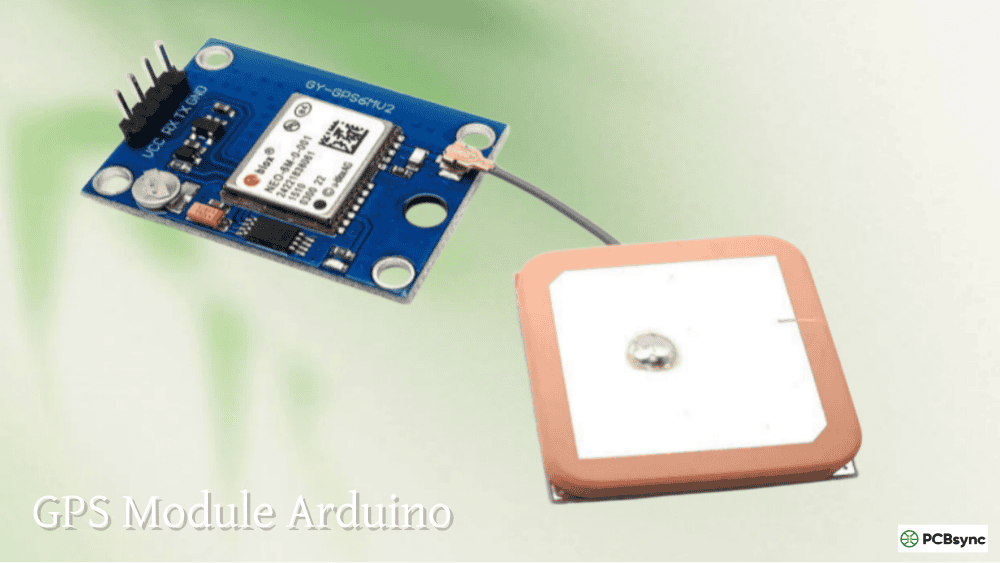
Yes, the Ethernet Shield uses stackable headers specifically designed for this purpose. However, you must verify pin compatibility – the Ethernet Shield uses pins 10-13 for SPI and pin 4 for SD card select. Any additional shields must not conflict with these pins. Common compatible shields include LCD displays (using pins 8,9,4,5,6,7), GPS modules (using serial pins 0,1), and sensor shields using analog pins. The official Arduino documentation for each shield lists pin usage to help identify conflicts. For complex projects, consider using Arduino Mega with its additional pins and multiple hardware serial ports.

Conclusion

The Arduino Ethernet Shield represents a mature, well-documented solution for adding network connectivity to Arduino projects. The hardware-implemented TCP/IP stack in W5100/W5500 controllers eliminates the complexity of manual network protocol management, allowing developers to focus on application-level functionality. From simple sensor monitoring to complex industrial data logging systems, this shield provides the foundation for reliable networked embedded applications.

Success with the Arduino Ethernet Shield depends equally on understanding network fundamentals and proper hardware configuration. Proper MAC address assignment, appropriate IP configuration (DHCP versus static), and careful attention to power supply requirements prevent the majority of deployment issues. The extensive library support, active community, and abundant example code make this shield accessible to beginners while offering sufficient capability for production deployments.

Whether building home automation systems, remote monitoring stations, or industrial control interfaces, the Arduino Ethernet Shield delivers proven performance at an accessible price point. The modular shield architecture, comprehensive documentation, and mature ecosystem ensure this platform will continue supporting networked Arduino projects for years to come.

Leave a Reply

Your email address will not be published. Required fields are marked *

Contact Sales & After-Sales Service

Contact & Quotation

  • Inquire: Call 0086-755-23203480, or reach out via the form below/your sales contact to discuss our design, manufacturing, and assembly capabilities.

  • Quote: Email your PCB files to Sales@pcbsync.com (Preferred for large files) or submit online. We will contact you promptly. Please ensure your email is correct.

Drag & Drop Files, Choose Files to Upload You can upload up to 3 files.

Notes:
For PCB fabrication, we require PCB design file in Gerber RS-274X format (most preferred), *.PCB/DDB (Protel, inform your program version) format or *.BRD (Eagle) format. For PCB assembly, we require PCB design file in above mentioned format, drilling file and BOM. Click to download BOM template To avoid file missing, please include all files into one folder and compress it into .zip or .rar format.