Inquire: Call 0086-755-23203480, or reach out via the form below/your sales contact to discuss our design, manufacturing, and assembly capabilities.
Quote: Email your PCB files to Sales@pcbsync.com (Preferred for large files) or submit online. We will contact you promptly. Please ensure your email is correct.
Notes: For PCB fabrication, we require PCB design file in Gerber RS-274X format (most preferred), *.PCB/DDB (Protel, inform your program version) format or *.BRD (Eagle) format. For PCB assembly, we require PCB design file in above mentioned format, drilling file and BOM. Click to download BOM template To avoid file missing, please include all files into one folder and compress it into .zip or .rar format.
Arduino Data Logger: Complete Guide to SD Card & Sensor Integration
Building an Arduino data logger opens up endless possibilities for tracking environmental conditions, monitoring equipment performance, and conducting scientific research. As a PCB engineer who has deployed data logging systems across various industrial applications, I can tell you that understanding the fundamentals of sensor integration and SD card storage is crucial for creating reliable, long-term monitoring solutions.
This comprehensive guide walks you through everything you need to know about creating your own Arduino data logger, from selecting the right components to troubleshooting common issues.
An Arduino data logger is an electronic system that automatically collects, timestamps, and stores sensor readings over extended periods. Unlike temporary monitoring where data disappears when power is lost, a proper data logger preserves information on non-volatile storage like SD cards, allowing you to analyze trends, verify system performance, and make data-driven decisions.
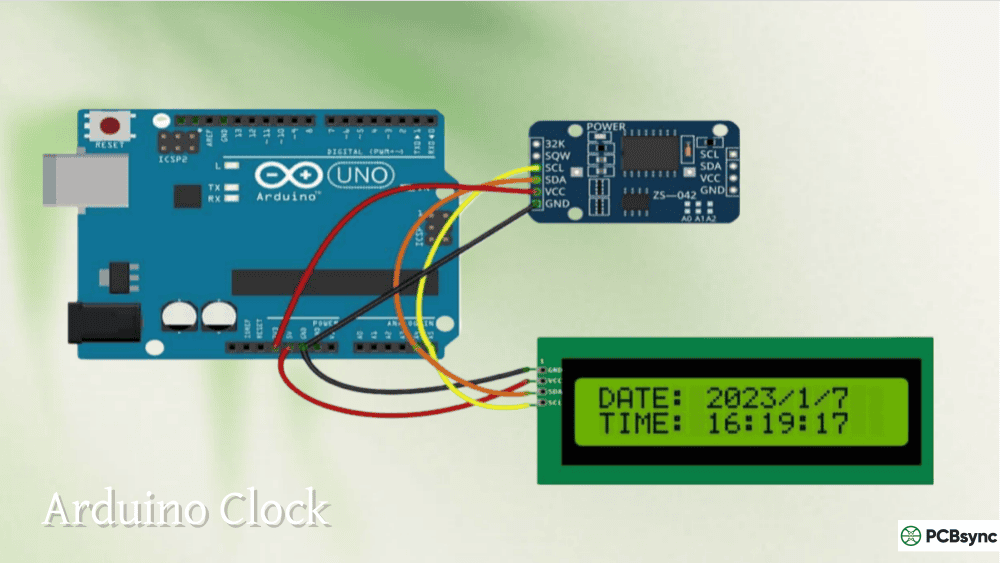
The basic architecture consists of three core components: the Arduino microcontroller as the processing unit, sensors to measure physical parameters, and an SD card module for persistent storage. Many systems also incorporate a Real-Time Clock (RTC) module to provide accurate timestamps independent of the Arduino’s internal timer.
Essential Components for Your Arduino Data Logger
Core Hardware Requirements
Component
Purpose
Typical Specification
Connection Interface
Arduino Board
Main controller
Uno, Nano, or Mega
–
SD Card Module
Data storage
Supports FAT16/FAT32
SPI (pins 10-13)
MicroSD Card
Storage medium
2GB-32GB, Class 10
–
RTC Module
Accurate timekeeping
DS3231 or DS1307
I2C (A4, A5)
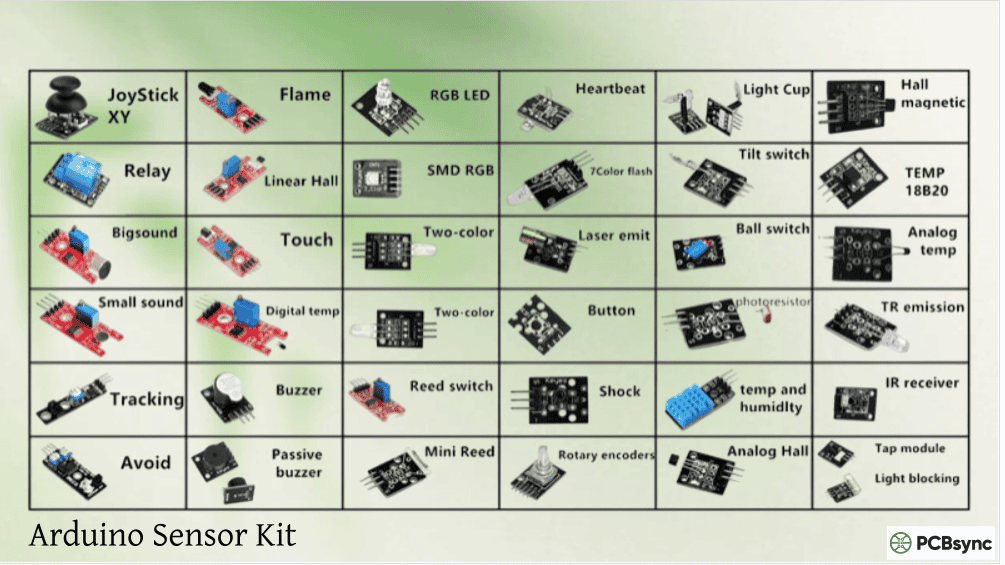
Sensors
Data collection
DHT11/22, BMP180, etc.
Varies by sensor
Breadboard/PCB
Physical connections
–
–
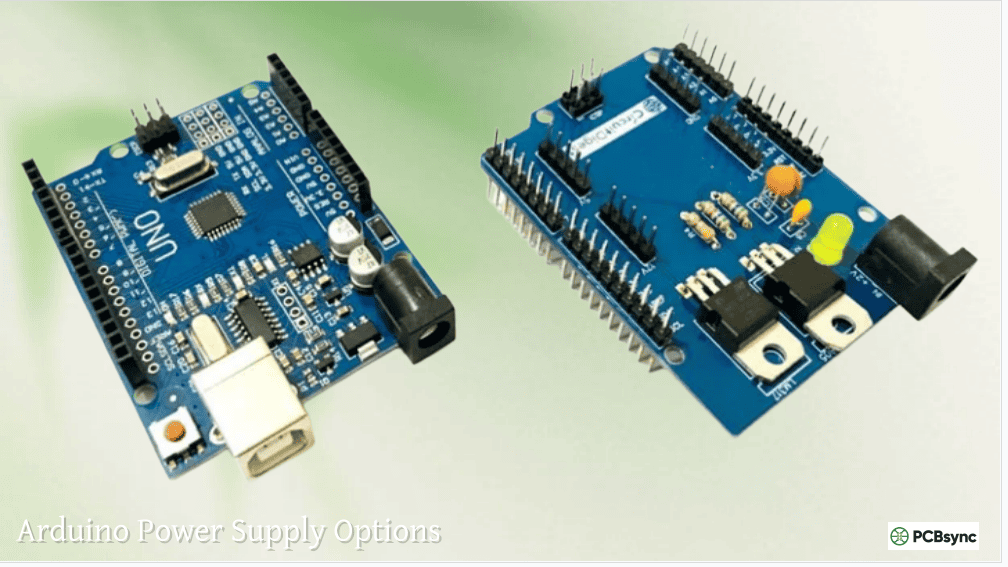
Power Supply
System power
5V-12V DC
VIN or USB
Selecting the Right SD Card Module
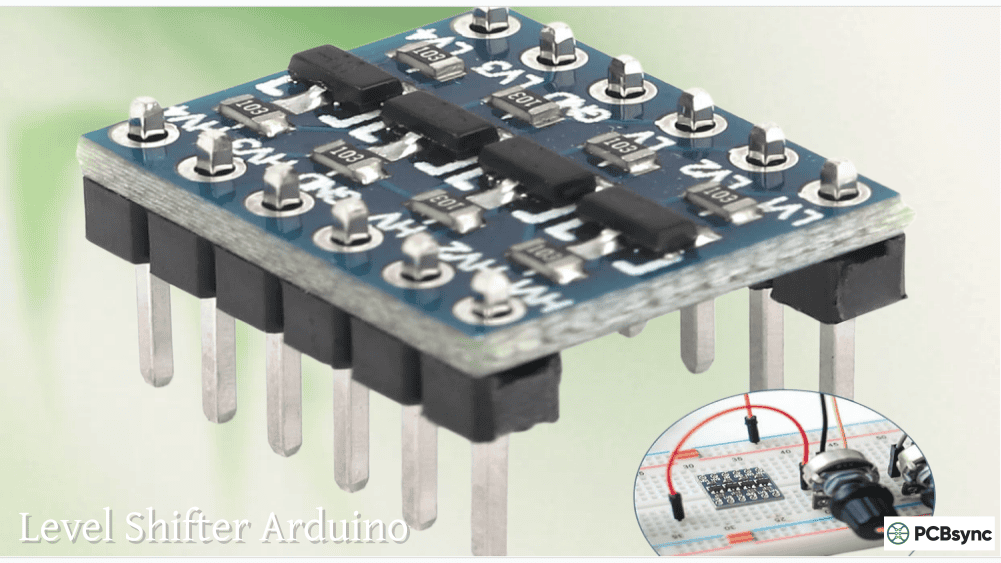
SD card modules handle the voltage level shifting required between Arduino’s 5V logic and the SD card’s 3.3V operating voltage. Most modules include an onboard voltage regulator and communicate via SPI protocol. When choosing a module, verify it has proper level shifters to prevent damage to your SD card.
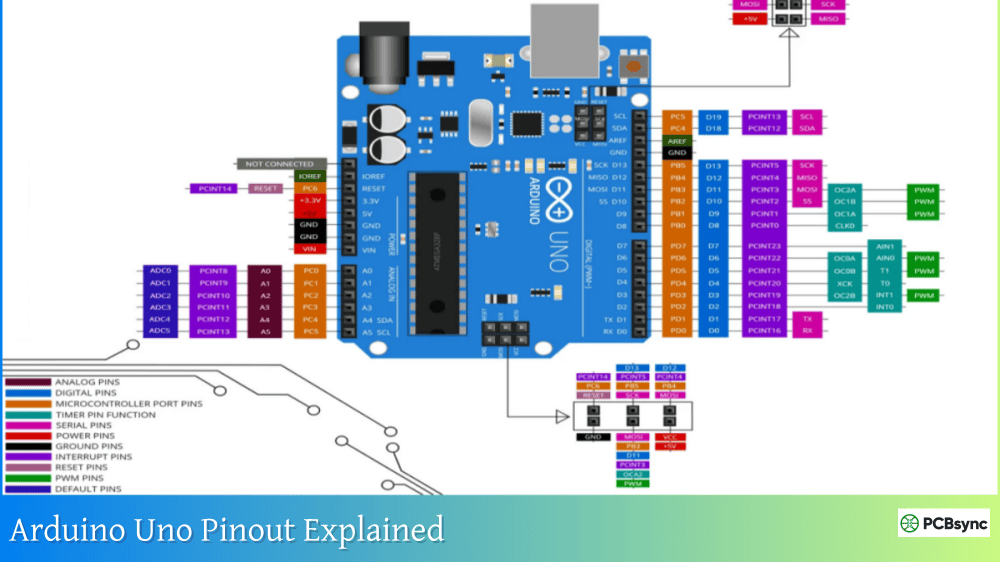
The standard SPI pinout for Arduino Uno includes:
MISO (Master In Slave Out): Pin 12
MOSI (Master Out Slave In): Pin 11
SCK (Serial Clock): Pin 13
CS (Chip Select): Pin 10 (configurable)
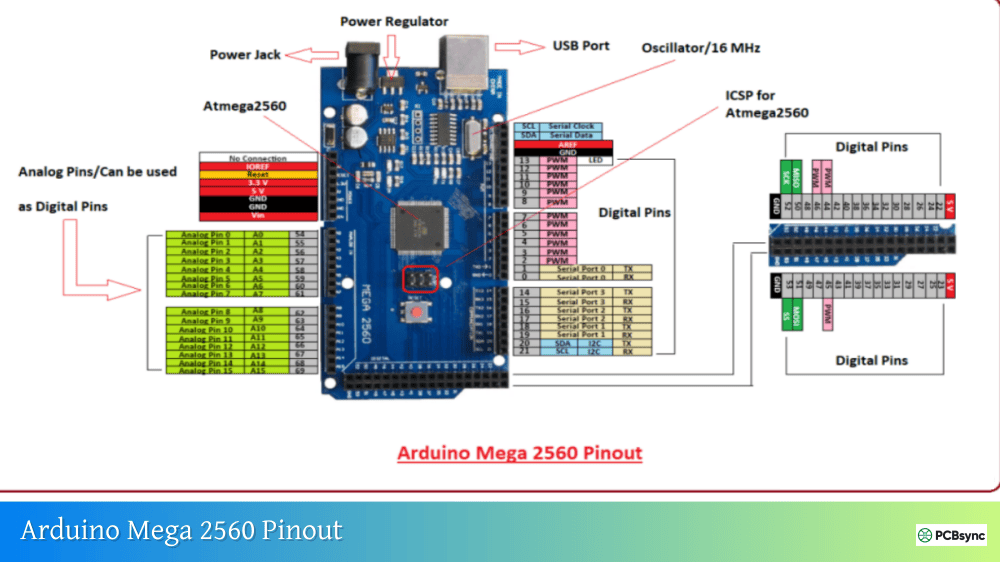
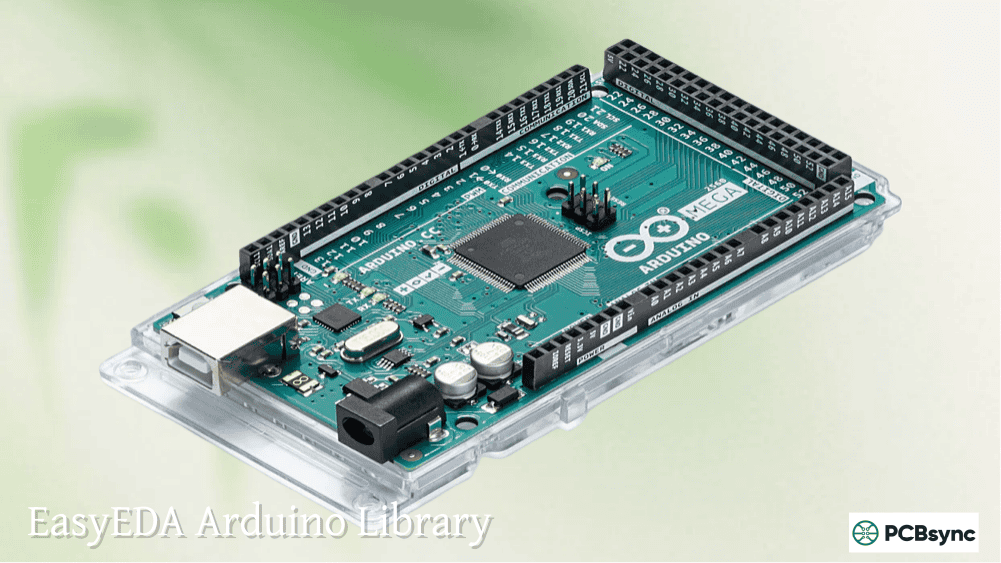
Different Arduino boards use different SPI pins, so always consult your board’s documentation. Arduino Mega uses pins 50-53 for SPI communication.
Understanding Real-Time Clock Integration
Why Your Arduino Data Logger Needs an RTC
The Arduino’s built-in millis() function only tracks milliseconds since power-on, resetting to zero every time the board restarts. For meaningful data analysis, you need absolute timestamps that persist across power cycles. This is where RTC modules become essential.
DS3231 vs DS1307: Choosing Your RTC
Feature
DS3231
DS1307
Accuracy
±2 ppm (±1 minute/year)
±2 minutes/month
Temperature Compensation
Yes (internal)
No
Built-in Temperature Sensor
Yes
No
Backup Battery
CR2032 coin cell
CR2032 coin cell
I2C Address
0x68
0x68
Price Point
Moderate
Budget-friendly
From a professional standpoint, I always recommend the DS3231 for serious data logging applications. The temperature-compensated crystal oscillator maintains accuracy across varying environmental conditions—critical for outdoor installations or temperature-sensitive applications.
SD Card Library Fundamentals
File System Requirements
Arduino’s SD library supports FAT16 and FAT32 file systems. Before first use, format your SD card properly:
Use the official SD Card Formatter from the SD Association
Select FAT32 for cards 32GB and under
Enable “Quick Format” option
Verify the card in your computer before inserting into the Arduino module
Critical limitation: The SD library requires 8.3 format filenames (8 characters for name, 3 for extension). Paths use forward slashes, and directory structures are supported.
Basic SD Card Operations
The core SD library functions you’ll use frequently:
#include <SPI.h>
#include <SD.h>
const int chipSelect = 10;
void setup() {
Serial.begin(9600);
if (!SD.begin(chipSelect)) {
Serial.println(“SD initialization failed!”);
return;
}
Serial.println(“SD card ready”);
}
Key operations include:
SD.begin(chipSelect) – Initialize the SD card
SD.open(filename, mode) – Open file (FILE_READ or FILE_WRITE)
file.println(data) – Write data with newline
file.close() – Close file (critical for data integrity)
SD.exists(filename) – Check if file exists
SD.remove(filename) – Delete file
Sensor Integration Strategies
Common Sensor Types for Data Logging
Temperature and Humidity Sensors
DHT11: Budget option, ±2°C accuracy, 20-80% humidity range
DHT22: Better accuracy (±0.5°C), wider range (0-100% RH)
BME280: High precision, includes barometric pressure
Environmental Monitoring
BMP180/280: Barometric pressure and altitude
LM35: Analog temperature sensor, 10mV per degree
DS18B20: Digital temperature, waterproof versions available
Specialized Applications
ADXL345: 3-axis accelerometer for vibration monitoring
Light sensors: Photocells or digital light sensors
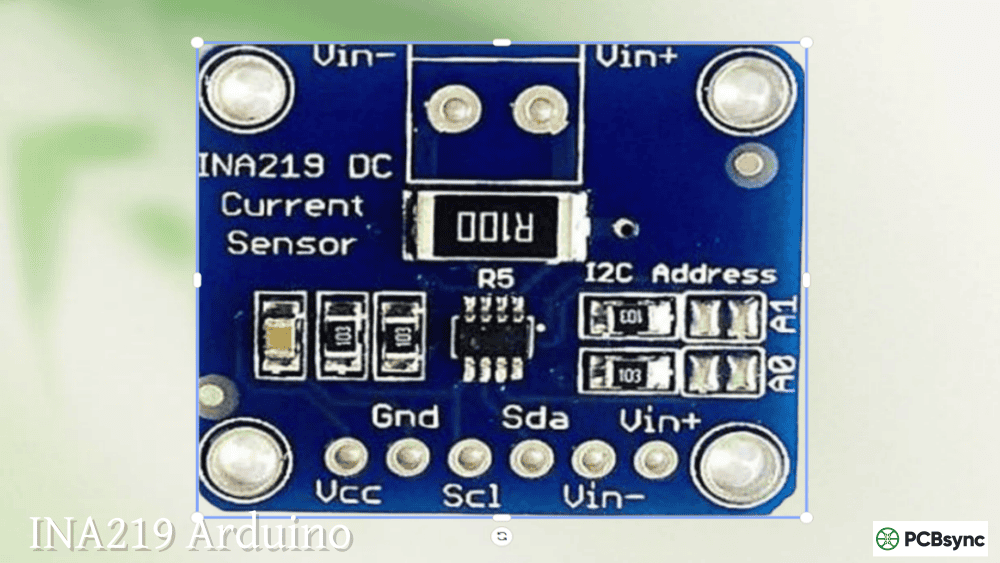
Current/voltage sensors: For power monitoring applications
Sensor Connection Best Practices
From field experience, here are crucial considerations:
Wire Length Matters: Keep analog sensor connections under 3 feet to minimize noise. For longer runs, use digital sensors with I2C or 1-Wire protocols.
Power Stability: Add 100nF ceramic capacitors near sensor power pins. This filters noise and prevents sensor resets.
Pull-up Resistors: I2C sensors require 4.7kΩ pull-up resistors on SDA and SCL lines if not included on the module.
Ground Loops: Ensure all components share a common ground point to prevent measurement errors.
Building Your First Arduino Data Logger
Temperature Logging System Circuit
Let’s build a practical temperature logger using DHT11, DS3231 RTC, and SD card module:
Open Excel and navigate to Data → Get Data → From Text/CSV
Select your SD card’s .txt or .csv file
Choose “Delimited” and set comma as delimiter
Click “Load” to import data into columns
Creating Meaningful Charts
For time-series data:
Select Date/Time and sensor value columns
Insert → Line Chart
Format axes for clarity
Add trendlines to identify patterns
Professional tip: Use conditional formatting to highlight values outside expected ranges, making anomaly detection easier during post-processing.
Advanced Data Logger Techniques
Implementing Low-Power Operation
For battery-powered applications, power consumption becomes critical. The Arduino Uno draws approximately 50mA continuously—wasteful for applications logging data every few minutes.
Power Optimization Strategies:
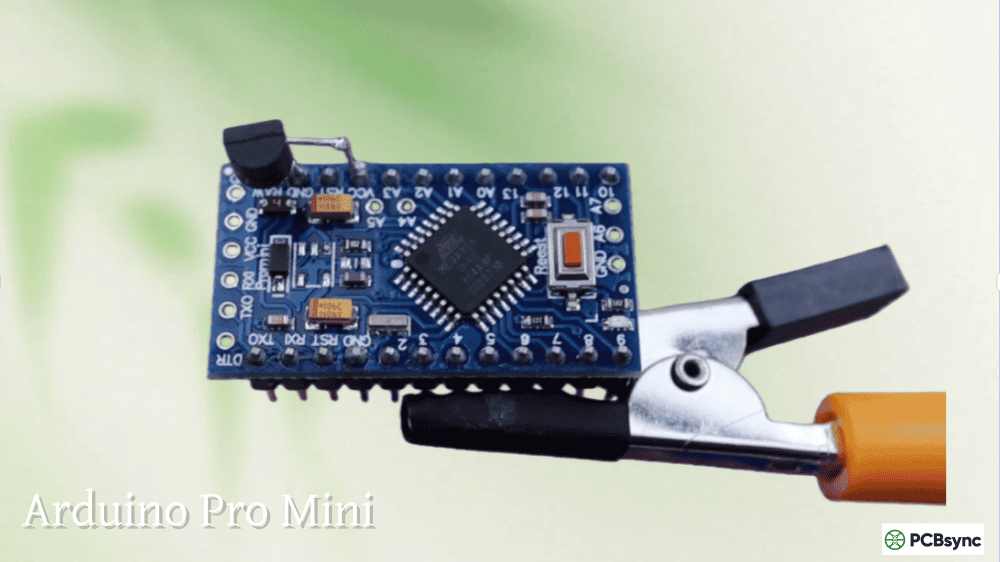
Use Arduino Pro Mini (3.3V version) for lower base current
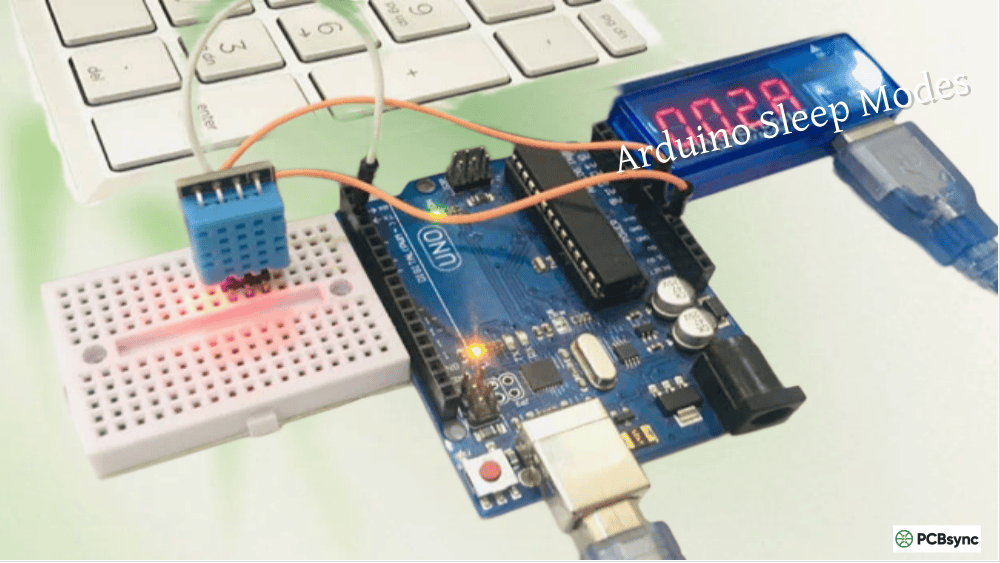
Implement sleep modes between readings
Power down SD card between writes
Disable unused peripherals (ADC, timers)
Use efficient voltage regulators
Multiple Sensor Integration
Logging from multiple sensors requires careful resource management:
// Example: Three sensors on single logger
float temp1 = sensor1.readTemperature();
float temp2 = sensor2.readTemperature();
float pressure = pressureSensor.readPressure();
// Create comma-separated data string
String dataString = String(temp1) + “,” +
String(temp2) + “,” +
String(pressure);
dataFile.println(dataString);
Unique File Creation Strategy
Prevent overwriting previous sessions by creating unique filenames:
void createNewFile() {
for (int i = 0; i < 100; i++) {
char filename[13];
sprintf(filename, “LOG%02d.CSV”, i);
if (!SD.exists(filename)) {
dataFile = SD.open(filename, FILE_WRITE);
Serial.print(“Created: “);
Serial.println(filename);
return;
}
}
}
Troubleshooting Common Issues
SD Card Won’t Initialize
Check these systematically:
Issue
Solution
Wrong CS pin
Verify chipSelect matches your wiring
Poor connections
Reseat SD module, check breadboard contacts
Unsupported card
Try different brand/capacity (use Class 10)
Corrupted card
Reformat with SD Association formatter
Power issues
Ensure stable 5V supply, add bypass capacitor
Data Corruption Problems
File corruption typically results from:
Not closing files properly before power loss
Writing during low battery conditions
Removing SD card while Arduino is powered
Using long String concatenation (causes memory fragmentation)
Prevention measures:
// Always close files immediately after writing
dataFile = SD.open(“data.txt”, FILE_WRITE);
dataFile.println(data);
dataFile.close(); // Critical!
Timestamp Errors
If timestamps drift or reset:
Verify RTC battery is installed and charged (>2.5V)
Check I2C connections (loose wires cause communication failures)
Ensure rtc.adjust() is only called once for initial setup
Confirm no other devices on I2C bus share address 0x68
Sensor Reading Failures
When isnan() returns true for sensor readings:
Check sensor power supply voltage
Verify data pin connections
Add delay between consecutive readings (DHT sensors need 2 seconds)
Replace sensor if repeatedly failing (DHT sensors have limited lifespan)
Professional Applications
Industrial Process Monitoring
Arduino data loggers excel in tracking manufacturing parameters:
Temperature profiling in heat treatment processes
Humidity monitoring in pharmaceutical storage
Vibration analysis for predictive maintenance
Power quality monitoring in electrical systems
Environmental Research
Research applications benefit from:
Low-cost deployment of sensor networks
Customizable sampling intervals
Long-term battery operation (months with proper optimization)
CSV output compatible with scientific software (MATLAB, Python)
SD Card Modules: Widely available from SparkFun, Adafruit, Amazon
RTC Modules: DS3231 recommended from reputable suppliers
Sensors: Match sensor to application (accuracy vs. cost trade-off)
Power Solutions: Consider LiPo batteries with charging circuits for portable applications
SD Card Formatter
Download the official SD Card Formatter from the SD Association website (sdcard.org/downloads/formatter/) to ensure proper FAT32 formatting compatible with Arduino’s SD library.
Example Projects and Code
Access complete working examples at:
Arduino official documentation (arduino.cc)
Adafruit Learning System tutorials
GitHub repositories for advanced implementations
Electronics project forums for community support
Frequently Asked Questions
What size SD card should I use for Arduino data logging?
For most applications, 2-16GB cards work perfectly. Larger cards (32GB+) work but offer no practical advantage since Arduino’s SD library has file size limitations. Class 10 cards provide faster write speeds, reducing data loss risk during high-frequency logging. Always format as FAT32.
How long can Arduino data loggers run on batteries?
Battery life depends on logging frequency and power optimization. An unmodified Arduino Uno drawing 50mA from a 2000mAh battery lasts approximately 40 hours. With sleep modes and efficient hardware (Pro Mini), systems can operate for months on the same battery, making them viable for remote deployment.
Can I log data faster than once per second?
Yes, but limitations exist. SD cards have write delays (10-50ms per operation). For high-speed logging (>100Hz), buffer data in RAM and batch-write to SD card. The Arduino’s limited RAM (2KB on Uno) constrains buffer size. For serious high-speed data acquisition, consider Teensy boards with larger RAM.
Why does my RTC time drift over weeks?
DS1307 modules drift about 2 minutes monthly due to temperature variations. Upgrading to DS3231 with temperature compensation reduces drift to approximately 1 minute yearly. Always use fresh CR2032 backup batteries (>2.5V) and verify the RTC is running before deploying for extended periods.
How do I retrieve data without removing the SD card?
Implement serial communication to read and transmit stored data to a computer. Alternatively, add Bluetooth or WiFi modules to wirelessly access logged data. For remote locations, some engineers implement cellular modems for data retrieval, though this increases system complexity and power consumption significantly.
Portable Data Logger Design Considerations
Weatherproof Enclosure Selection
When deploying Arduino data loggers outdoors or in industrial environments, protection from elements becomes paramount. Based on field deployments, here’s what works:
Enclosure Requirements:
IP65 rating minimum for outdoor use (dust-tight, water jet resistant)
UV-resistant materials for direct sunlight exposure
Adequate ventilation for temperature sensors (while maintaining water resistance)
Cable glands for sensor wiring entry/exit points
Transparent section if using status LEDs
Professional installations often use polycarbonate project boxes with proper sealed cable glands. For temperature monitoring, drill ventilation holes on the bottom (water can’t enter from below) and cover with Gore-Tex membrane—allows air exchange while blocking moisture.
Power Management for Remote Deployments
Real-world data logging often occurs where grid power isn’t available. Here’s my standard approach for battery-powered systems:
Battery Selection Guide:
Battery Type
Capacity Range
Best For
Limitations
AA Alkaline
2000-3000mAh
Short-term (days-weeks)
Not rechargeable
18650 Li-ion
2500-3500mAh
Medium-term with charging
Requires protection circuit
LiPo Pack
1000-10000mAh
Long-term with solar
Swelling risk if overcharged
Lead Acid
7Ah-100Ah+
Permanent installations
Heavy, requires regulation
For solar-powered systems, pair LiPo batteries with TP4056 charging modules and 6V solar panels. Size the panel for 2-3x your daily consumption—overcast days reduce output significantly.
Data Integrity and Backup Strategies
Professional systems implement redundancy to prevent data loss:
Dual Storage Approach:
// Write to both SD card and EEPROM for critical readings
Modern data loggers often incorporate wireless communication:
Communication Options:
Bluetooth (HC-05 modules): Short range (10-30m), low power, smartphone access
WiFi (ESP8266): Medium range, internet connectivity, higher power consumption
LoRa (RFM95W): Long range (1-10km), very low power, requires gateway
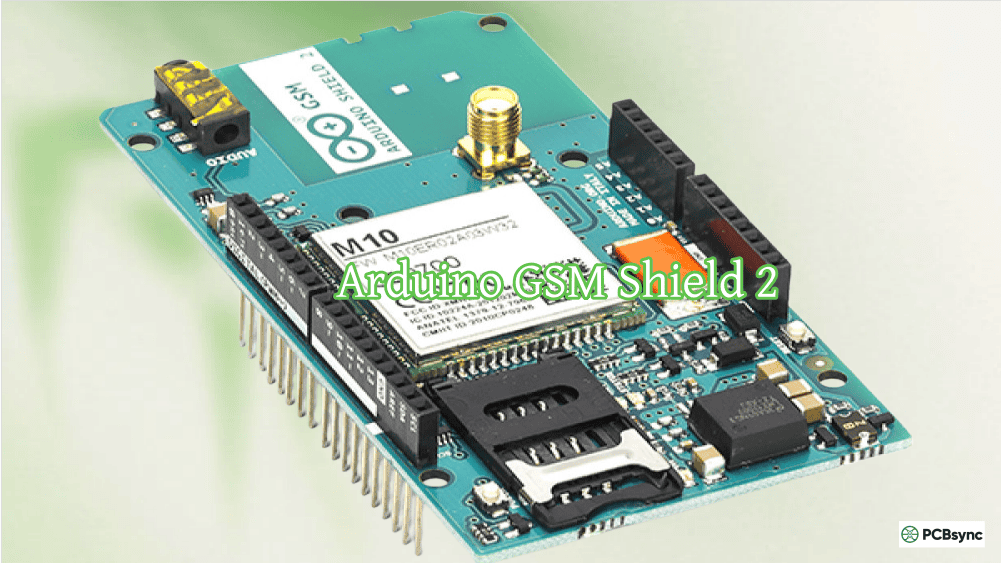
GSM/4G (SIM800L): Unlimited range, cellular data costs, highest power draw
For remote environmental monitoring, LoRa technology provides the best power/range balance. Systems can transmit summary data hourly while maintaining battery life measured in months.
This system provides growers with actionable data for optimizing crop conditions while maintaining historical records for analysis.
Conclusion
Building an Arduino data logger combines practical engineering skills with real-world problem-solving. Whether monitoring environmental conditions, validating industrial processes, or conducting scientific research, the fundamental principles remain constant: reliable sensor integration, robust data storage, and accurate timestamping.
The modular nature of Arduino systems means you can start simple—perhaps logging a single temperature sensor—then expand to multi-sensor networks as your requirements grow. The CSV format output ensures compatibility with virtually any analysis platform, from Excel to Python to specialized scientific software.
Remember that successful data logging isn’t just about collecting numbers; it’s about capturing information that drives decisions. Invest time in proper setup, validate your system before deployment, and always maintain backup power for critical applications. With these foundations, your Arduino data logger will provide reliable, actionable insights for whatever challenge you’re tackling.
Inquire: Call 0086-755-23203480, or reach out via the form below/your sales contact to discuss our design, manufacturing, and assembly capabilities.
Quote: Email your PCB files to Sales@pcbsync.com (Preferred for large files) or submit online. We will contact you promptly. Please ensure your email is correct.
Notes: For PCB fabrication, we require PCB design file in Gerber RS-274X format (most preferred), *.PCB/DDB (Protel, inform your program version) format or *.BRD (Eagle) format. For PCB assembly, we require PCB design file in above mentioned format, drilling file and BOM. Click to download BOM template To avoid file missing, please include all files into one folder and compress it into .zip or .rar format.