Inquire: Call 0086-755-23203480, or reach out via the form below/your sales contact to discuss our design, manufacturing, and assembly capabilities.
Quote: Email your PCB files to Sales@pcbsync.com (Preferred for large files) or submit online. We will contact you promptly. Please ensure your email is correct.
Notes: For PCB fabrication, we require PCB design file in Gerber RS-274X format (most preferred), *.PCB/DDB (Protel, inform your program version) format or *.BRD (Eagle) format. For PCB assembly, we require PCB design file in above mentioned format, drilling file and BOM. Click to download BOM template To avoid file missing, please include all files into one folder and compress it into .zip or .rar format.
Arduino CNC Machine: Complete DIY Guide to Plotters & Engravers
Building an Arduino CNC machine represents one of the most rewarding DIY electronics projects for makers, engineers, and hobbyists. After designing and implementing multiple CNC systems across prototyping labs and small manufacturing setups, I can confidently say that understanding motion control, mechanical design, and G-code programming transforms a collection of components into a precision manufacturing tool.
This comprehensive guide walks you through everything from selecting stepper motors to generating G-code, based on real-world implementation experience with Arduino-powered CNC systems.
An Arduino CNC machine is a computer-controlled device that moves a tool (pen, laser, router bit, or engraver) across two or three axes to create precise patterns, drawings, cuts, or engravings. The term “CNC” stands for Computer Numerical Control, meaning the machine follows programmed instructions rather than manual operation.
The fundamental advantage of Arduino-based CNC systems lies in their accessibility. Professional CNC machines cost thousands of dollars and require specialized training. Arduino platforms democratize this technology, enabling anyone with basic electronics knowledge to build functional CNC plotters, laser engravers, or even small routers for under $200.
How Arduino CNC Machines Work
The operational workflow follows this sequence:
Design Creation: Create artwork, text, or patterns using vector software (Inkscape, Fusion 360, Adobe Illustrator)
G-code Generation: Convert designs into G-code instructions that specify tool movements
Code Transmission: Send G-code to Arduino via USB using control software
Motion Control: Arduino interprets G-code and sends step/direction signals to stepper drivers
Physical Movement: Stepper motors move the tool head to precise coordinates
Tool Operation: Pen touches paper, laser fires, or router bit cuts material
This process enables Arduino machines to reproduce complex designs with repeatability impossible to achieve manually.
Essential Components for Arduino CNC Machines
Complete Hardware Bill of Materials
Component
Specification
Quantity
Purpose
Typical Cost
Arduino Board
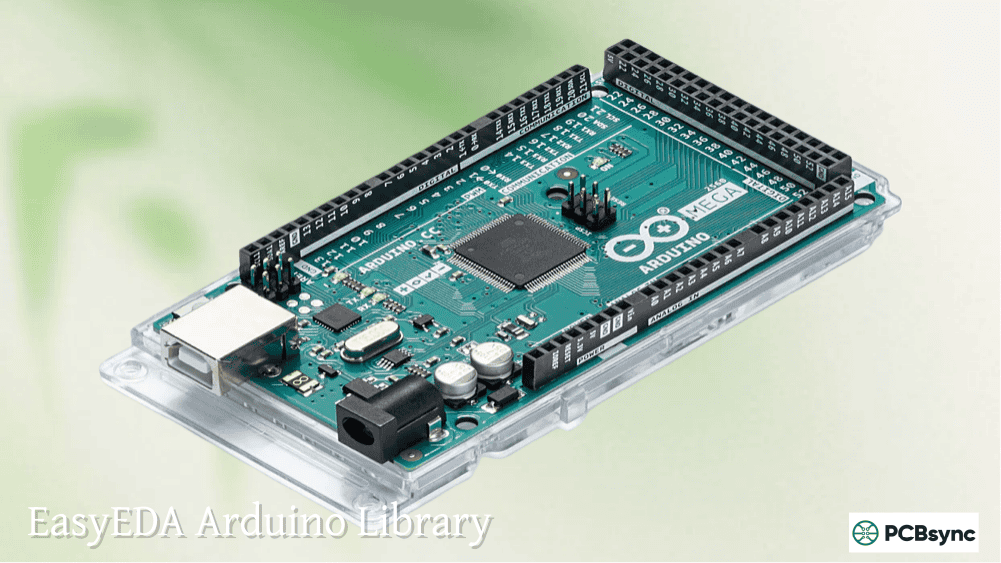
Uno, Nano, or Mega
1
Main controller
$3-$25
CNC Shield
V3 or V4 compatible
1
Driver interface
$5-$10
Stepper Motors
NEMA 17 (1.5A-2A)
2-3
Axis motion
$8-$15 each
Stepper Drivers
A4988 or DRV8825
2-4
Motor control
$2-$5 each
Linear Rails
MGN12H or 12mm rods
4-6 pieces
Smooth motion
$15-$40 set
Linear Bearings
LM12UU or similar
6-8 pieces
Low-friction travel
$1-$3 each
Timing Belt
GT2 belt (2mm pitch)
2-3 meters
Power transmission
$5-$10
GT2 Pulleys
20-tooth, 5mm bore
2-3 pieces
Belt to motor coupling
$2-$4 each
Power Supply
12V 5A minimum
1
System power
$10-$20
Frame Material
Aluminum extrusion/wood
As needed
Structural support
$20-$50
Stepper Motor Selection Guide
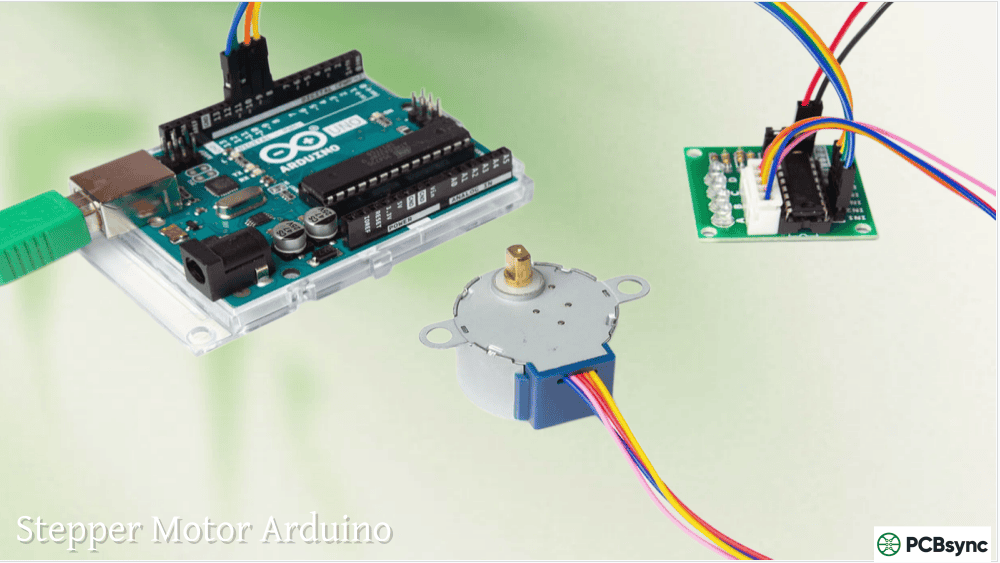
Stepper motors provide the precise positioning essential for CNC operations. The most common choice for DIY Arduino CNC machines is the NEMA 17 motor.
NEMA 17 Specifications:
Parameter
Typical Value
Significance
Step Angle
1.8°
200 steps per revolution
Holding Torque
40-60 Ncm
Resistance to position loss
Rated Current
1.5-2.0A per phase
Driver current setting
Voltage Rating
12V-24V
Power supply requirement
Connector
4-wire bipolar
Standard wiring
From field experience, 1.8° step angle motors with 1.5A current rating provide the best balance of torque, heat generation, and compatibility with affordable drivers like the A4988.
Key Selection Criteria:
Torque Requirements: Higher torque (48Ncm+) for heavier tool heads or larger machines
Current Rating: Match to driver capability (A4988 supports up to 2A with cooling)
Shaft Diameter: 5mm shafts work with standard GT2 pulleys
Length: Longer motors (40mm+) provide more torque but add weight
Arduino CNC Shield Explained
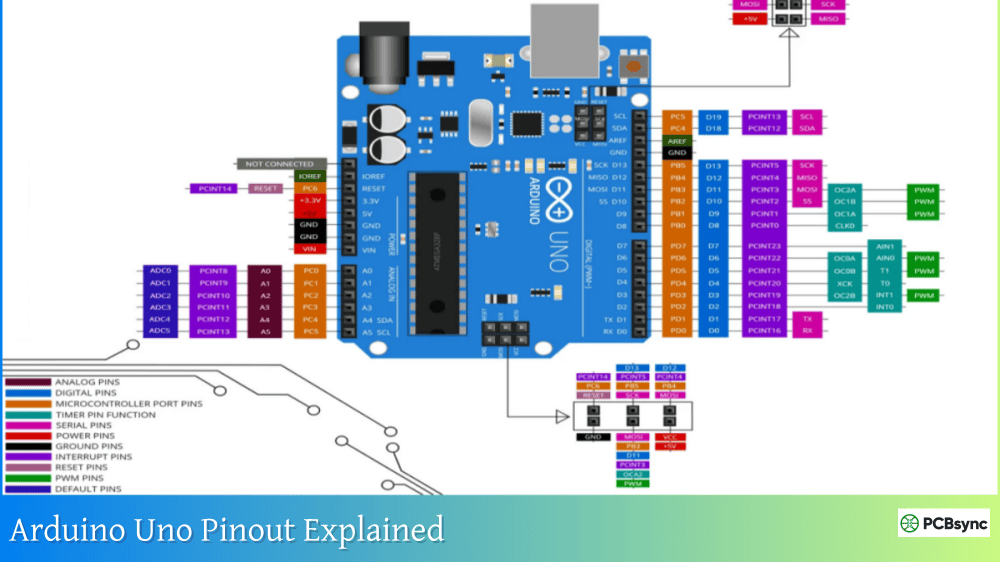
The CNC Shield V3 sits atop the Arduino Uno, providing organized connections for up to four stepper drivers, limit switches, and spindle/laser control.
Shield Features:
Stepper Driver Sockets: Four Pololu-compatible positions (X, Y, Z, A axes)
Limit Switch Headers: Dedicated pins for homing and safety limits
Spindle Control: PWM output for variable speed control or laser power
Emergency Stop: Dedicated pin for immediate shutdown
Power Distribution: Clean power routing to all drivers
Critical Wiring Points:
X-Axis: Pins 2 (Step), 5 (Direction)
Y-Axis: Pins 3 (Step), 6 (Direction)
Z-Axis: Pins 4 (Step), 7 (Direction)
Spindle/Laser: Pin 11 (PWM control)
Building Your First Arduino CNC Plotter
DVD Drive Plotter – Budget Starter Project
The most accessible entry point uses salvaged DVD drive mechanisms. This project costs under $30 and provides hands-on experience with CNC principles.
Required Materials:
2x DVD drives with stepper motors (4-wire motors)
Arduino Uno
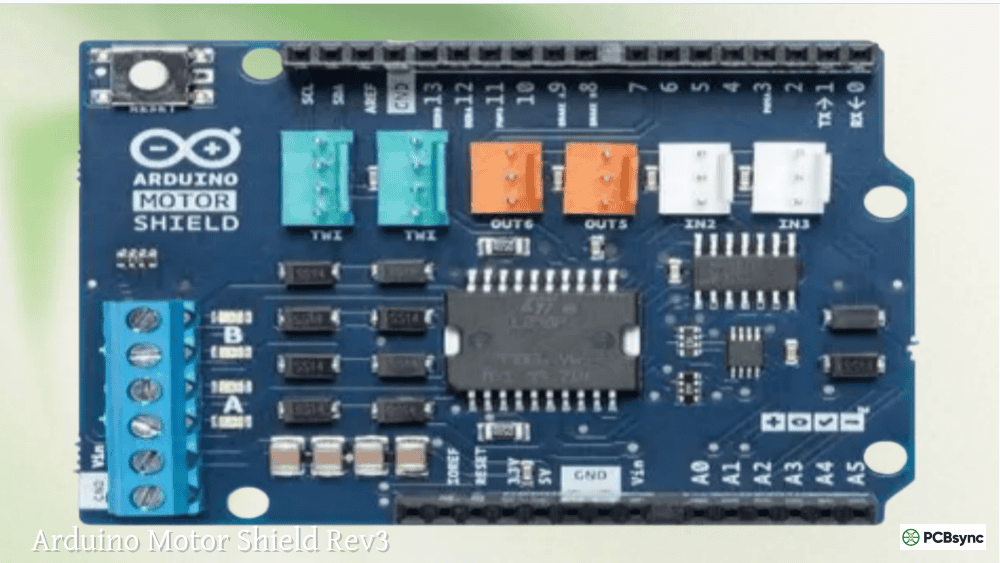
L293D motor shield OR CNC Shield + A4988 drivers
Servo motor (SG90 or similar)
12V 2A power supply
Jumper wires and breadboard
Pen holder (3D printed or improvised)
Step-by-Step Assembly:
1. DVD Drive Disassembly
Carefully open DVD drives using screwdriver. Locate the laser sled mechanism – this contains a stepper motor and linear rail system. Extract the complete mechanism by removing mounting screws. You need two complete sled assemblies.
2. Base Construction
Mount one DVD sled horizontally as the X-axis. Mount the second sled vertically atop the first sled’s carriage to create the Y-axis. Use M3 bolts and spacers to create a stable 90-degree junction.
3. Pen Lift Mechanism
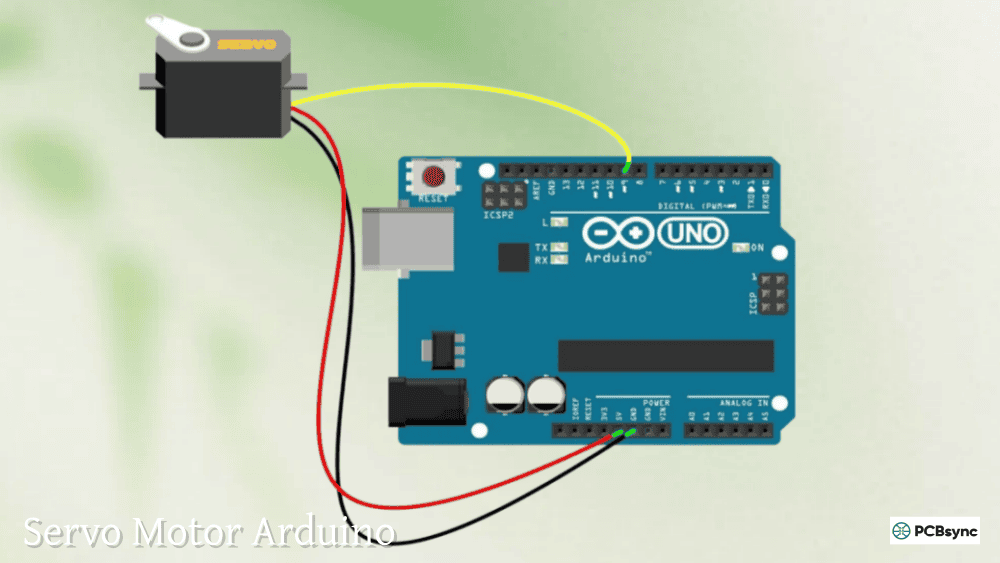
Attach a servo motor to the Y-axis carriage. Create a simple lever arm that raises/lowers the pen. The servo rotates 90 degrees: one position for pen-up (traveling), another for pen-down (drawing).
4. Wiring Configuration
For L293D motor shield setup:
X-Axis Stepper → M3/M4 terminals
Y-Axis Stepper → M1/M2 terminals
Servo → Servo1 header
Power → External 12V supply
Production-Quality Frame CNC Plotter
For serious applications, invest in proper mechanical components. This design provides 300x300mm working area with excellent repeatability.
Frame Construction:
Use 2020 aluminum extrusion (20mm x 20mm T-slot profiles) to build a rigid rectangular frame. Dimensions: 500mm x 500mm base with 200mm vertical supports.
Linear Motion System:
Install MGN12H linear rails on both X and Y axes. These provide:
Low friction coefficient (smooth, fast movement)
Preloaded bearing blocks (zero play, high precision)
Dust protection (sealed design for reliability)
Easy adjustment (mounting holes every 20mm)
Belt Drive Configuration:
X-Axis: 800mm GT2 belt loop
Y-Axis: 800mm GT2 belt loop
Tensioning: Adjustable idler pulleys
Motor mounting: NEMA 17 brackets on frame
Pen Carriage Design:
3D print a carriage that holds:
Linear bearing blocks (2x MGN12H)
Servo motor for Z-axis
Pen holder with spring-loaded grip
Cable management clips
Complete Wiring Diagram
CNC Shield V3 Connections:
Component
Shield Terminal
Wire Color Convention
X-Motor Coil A
X-axis 1B/1A
Red/Blue
X-Motor Coil B
X-axis 2A/2B
Green/Black
Y-Motor Coil A
Y-axis 1B/1A
Red/Blue
Y-Motor Coil B
Y-axis 2A/2B
Green/Black
Pen Servo Signal
Z+ header
Orange/Yellow
Pen Servo Power
+5V header
Red
Pen Servo Ground
GND header
Brown/Black
A4988 Driver Installation:
Install drivers with enable pin aligned to marking on shield. Set current limit before connecting motors:
Vref = Imax × 8 × Rsense
For 1.5A motor: Vref = 1.5 × 8 × 0.1 = 1.2V
Measure Vref at potentiometer with multimeter
Adjust trimmer until reading matches calculation
GRBL Firmware Installation and Configuration
Installing GRBL on Arduino
GRBL (pronounced “gerbil”) is open-source firmware that transforms Arduino into a G-code interpreter for CNC machines.
Set microstepping via jumpers under each A4988 driver:
Jumper Configuration
Microstepping
Steps/Revolution
No jumpers
Full step
200
MS1 only
Half step
400
MS2 only
Quarter step
800
MS1 + MS2
Eighth step
1600
MS1 + MS2 + MS3
Sixteenth step
3200
Recommendation: Use 1/16 microstepping for smooth operation and precise positioning. Higher microstepping reduces torque but eliminates vibration and improves surface finish.
Schools and makerspaces benefit from Arduino CNC’s low cost, open-source nature, and extensive documentation.
Troubleshooting Common Issues
Motors Not Moving
Systematic Diagnosis:
Symptom
Likely Cause
Solution
No movement at all
Driver not powered
Check 12V supply connection
One axis frozen
Driver orientation wrong
Reinstall with enable pin aligned
Motors humming
Wiring error
Verify coil pairs (continuity test)
Random movements
Loose connections
Check all wire terminations
Weak torque
Current too low
Increase Vref on driver
Testing Procedure:
// Upload this to test stepper directly
#define stepPin 2
#define dirPin 5
void setup() {
pinMode(stepPin, OUTPUT);
pinMode(dirPin, OUTPUT);
}
void loop() {
digitalWrite(dirPin, HIGH);
for(int i=0; i<200; i++) {
digitalWrite(stepPin, HIGH);
delayMicroseconds(500);
digitalWrite(stepPin, LOW);
delayMicroseconds(500);
}
delay(1000);
}
If motor moves with this code but not with GRBL, the problem is software configuration.
Dimensional Inaccuracy
Common Causes:
Belt Slippage: Symptoms include repeated patterns smaller than commanded. Solution: Tighten belts until they produce a “twang” when plucked, similar to guitar string.
Incorrect Steps/mm: Symptoms include consistent scaling errors. Solution: Measure actual movement, recalculate $100/$101 parameters.
Backlash: Symptoms include dimensional errors that vary by direction. Solution: Add spring tensioners to belts, replace worn pulleys.
Lost Steps: Symptoms include position drift over time. Solution: Reduce acceleration, reduce max speed, increase motor current.
GRBL Connection Problems
“Port busy” or “Port not found” errors:
Close all serial monitors and other software
Unplug/replug USB cable
Check Device Manager for COM port number
Verify baud rate is 115200
Try different USB cable (data, not charge-only)
Garbled characters in Serial Monitor:
Confirm 115200 baud in Serial Monitor dropdown
Check “Newline” or “Both NL & CR” setting
Reset Arduino while monitor is open
Reinstall GRBL firmware
Essential Resources and Downloads
Software Downloads
Software
Purpose
Download Link
Platform
Arduino IDE
Firmware uploading
arduino.cc/en/software
Win/Mac/Linux
GRBL Firmware
CNC motion control
github.com/grbl/grbl
All
Universal G-code Sender
Machine control
winder.github.io/ugs
Java-based
Inkscape
Vector design
inkscape.org
Win/Mac/Linux
LaserGRBL
Laser control
lasergrbl.com
Windows only
FlatCAM
PCB G-code generation
flatcam.org
Win/Mac/Linux
Easel
Online CAM
easel.inventables.com
Web-based
Hardware Component Suppliers
Reliable Sources:
Stepper Motors: StepperOnline, STEPPERONLINE on Amazon, Ooznest
Linear Rails: Robotdigg, AliExpress (MGN brand), Amazon
Electronics: Arduino official store, Adafruit, SparkFun
GT2 Belts/Pulleys: OpenBuilds, Amazon, AliExpress
Aluminum Extrusion: 80/20 Inc, Misumi, local industrial suppliers
3D Printable Parts Repositories
Thingiverse: Search “Arduino CNC” for hundreds of designs
Printables: High-quality curated CNC parts
GrabCAD: Professional CAD models for modification
GitHub: Complete machine designs with documentation
Learning Resources
Video Tutorials:
How To Mechatronics (YouTube): Comprehensive Arduino CNC series
Teaching Tech (YouTube): GRBL configuration deep dives
Maker’s Muse (YouTube): CNC project inspiration
Documentation:
GRBL GitHub Wiki: Complete firmware documentation
Arduino Forum: Troubleshooting community
CNC Zone: Advanced techniques and modifications
Frequently Asked Questions
What’s the difference between CNC plotter, engraver, and router?
The primary difference lies in the tool used and structural requirements. A CNC plotter uses pens or markers for drawing on paper – lightweight construction with belt drives suffices. An engraver uses lasers or small rotary tools for surface marking on wood, acrylic, or metal – requires moderate rigidity with proper tool mounting. A router uses high-speed spindles with cutting bits to remove material from wood, plastic, or soft metals – demands heavy-duty construction with ball screws, substantial motors, and rigid gantries. The same Arduino-based control system can operate all three, but mechanical requirements increase dramatically from plotter to router.
Can Arduino handle professional CNC applications?
Arduino Uno works excellently for hobbyist plotters, laser engravers, and small-format projects. However, professional production environments require more capable controllers. The 16MHz ATmega328 processor and 2KB RAM limit complex G-code processing and high-speed operation. For professional routing or milling, consider Arduino Mega (more I/O and RAM), 32-bit ARM-based boards (Teensy 4.x, ESP32), or dedicated CNC controllers running Mach3 or LinuxCNC. That said, Arduino-controlled machines produce professional-quality results for engraving, plotting, and light routing—the limitation is processing speed and complexity, not output quality.
How accurate can Arduino CNC machines achieve?
With proper mechanical design, Arduino CNC machines achieve ±0.1mm positioning accuracy—sufficient for most hobbyist and small business applications. Accuracy depends more on mechanical components than electronics. Quality linear rails, properly tensioned belts, and rigid frames matter more than controller choice. For reference: commercial vinyl cutters (±0.1mm), professional laser engravers (±0.05mm), industrial mills (±0.01mm). Arduino’s 16-microstepping capability provides theoretical resolution of 0.00625mm per step (200 steps × 16 / 20mm pulley pitch), but mechanical play and belt elasticity limit practical accuracy to 0.1mm range.
What materials can Arduino CNC machines work with?
The answer depends entirely on your tool choice, not the Arduino controller. Plotters handle paper, cardboard, vinyl stickers, and thin foam. Laser engravers (2.5W-5W) work on wood, leather, acrylic, cardboard, fabric, and anodized aluminum. Higher-power lasers (10W+) cut 3-6mm wood and acrylic. Routers cut wood, MDF, plywood, soft plastics (acrylic, HDPE), PCB materials, and soft metals (aluminum, brass) with appropriate bits and speeds. Arduino’s G-code interpreter doesn’t limit materials – mechanical rigidity and tool capability do. A properly built Arduino-controlled router can machine aluminum; a flimsy frame cannot, regardless of controller.
Do I need programming skills to operate Arduino CNC machines?
No programming required for basic operation. Modern workflow uses graphical software: design in Inkscape/Fusion 360, generate G-code with plugins, send to machine via Universal G-code Sender. However, basic Arduino knowledge helps for: customizing GRBL settings, troubleshooting connection issues, modifying firmware for servo control, and understanding coordinate systems. Learning G-code fundamentals (G0, G1, G2, G3 commands) improves efficiency but isn’t mandatory. The Arduino community provides pre-configured firmware and detailed tutorials, making operation accessible to non-programmers. That said, PCB engineers and programmers gain significant advantages through firmware customization and advanced control features.
Conclusion
Building an Arduino CNC machine combines mechanical engineering, electronics, software, and craftsmanship into one rewarding project. Whether you’re creating a simple plotter from recycled DVD drives or constructing a precision engraver with professional components, the fundamental principles remain consistent: precise motion control, proper mechanical design, and correct firmware configuration.
The journey from first wobbly movements to producing intricate designs teaches invaluable lessons about coordinate systems, motion control, and manufacturing processes. Unlike commercial machines that hide their operation behind proprietary software and locked-down firmware, Arduino CNC systems put you in complete control. This transparency enables customization impossible with off-the-shelf solutions.
Start with a basic plotter to master G-code generation and GRBL configuration. Once comfortable with the fundamentals, expand to laser engraving for more complex applications. If your needs demand material removal, upgrade the mechanical system for routing operations. Each evolution builds on previous knowledge while opening new creative possibilities.
The Arduino CNC community continues developing improved firmware, innovative designs, and powerful software tools. By building your own machine, you join this collaborative ecosystem where sharing knowledge accelerates everyone’s capabilities.
Remember that CNC machining is iterative. Your first square won’t measure exactly 100mm, your first engraving might have uneven burn marks, and your first routed pocket will probably require cleanup. These imperfections aren’t failures—they’re data points guiding you toward optimal settings for your specific machine. Measure results, adjust parameters, and repeat. This methodical approach transforms a collection of motors and rails into a precision manufacturing tool.
The most valuable outcome isn’t the physical machine you build, but the deep understanding of how computer-controlled manufacturing actually works. This knowledge applies far beyond your workshop, providing insights into industrial automation, robotics, and digital fabrication that theoretical study cannot match.
So gather your components, download GRBL, and start building. The maker community eagerly awaits seeing what you’ll create with your Arduino CNC machine.
Inquire: Call 0086-755-23203480, or reach out via the form below/your sales contact to discuss our design, manufacturing, and assembly capabilities.
Quote: Email your PCB files to Sales@pcbsync.com (Preferred for large files) or submit online. We will contact you promptly. Please ensure your email is correct.
Notes: For PCB fabrication, we require PCB design file in Gerber RS-274X format (most preferred), *.PCB/DDB (Protel, inform your program version) format or *.BRD (Eagle) format. For PCB assembly, we require PCB design file in above mentioned format, drilling file and BOM. Click to download BOM template To avoid file missing, please include all files into one folder and compress it into .zip or .rar format.