Inquire: Call 0086-755-23203480, or reach out via the form below/your sales contact to discuss our design, manufacturing, and assembly capabilities.
Quote: Email your PCB files to Sales@pcbsync.com (Preferred for large files) or submit online. We will contact you promptly. Please ensure your email is correct.
Notes: For PCB fabrication, we require PCB design file in Gerber RS-274X format (most preferred), *.PCB/DDB (Protel, inform your program version) format or *.BRD (Eagle) format. For PCB assembly, we require PCB design file in above mentioned format, drilling file and BOM. Click to download BOM template To avoid file missing, please include all files into one folder and compress it into .zip or .rar format.
After years of designing embedded systems and audio circuits, I can confidently say that the Arduino buzzer is one of the most underestimated components in maker projects. While many beginners see it as just a simple beeping device, professional engineers leverage buzzers for alarm systems, musical instruments, user feedback interfaces, and complex notification systems. This guide will take you from basic tone generation to playing complete melodies, all from a practical PCB engineering perspective.
Before diving into code and circuits, you need to understand the fundamental difference between buzzer types. This distinction affects everything from your circuit design to your programming approach.
Active Buzzer Characteristics
Active buzzers contain an internal oscillator circuit that generates sound automatically when voltage is applied. From a circuit design standpoint, they’re essentially digital devices that you turn on and off.
Feature
Active Buzzer Specification
Operating Voltage
3.3V – 12V DC
Internal Oscillator
Built-in (~2kHz fixed)
Current Consumption
≤25mA typical
Control Method
Simple digitalWrite()
Frequency Range
Fixed (usually 2kHz)
Volume Control
Limited (voltage-dependent)
PCB Footprint
Larger with plastic base
Cost
$0.50 – $2.00
The key advantage is simplicity. Connect power, and you get sound. However, you sacrifice frequency control, making active buzzers unsuitable for musical applications.
Passive Buzzer Specifications
Passive buzzers are essentially electromagnetic speakers requiring an AC signal to produce sound. They’re called “passive” because they lack internal oscillation circuitry. As a PCB engineer, I prefer passive buzzers for their flexibility.
Feature
Passive Buzzer Specification
Operating Voltage
3-5V AC signal required
Internal Oscillator
None (external control needed)
Current Consumption
≤36mA (higher impedance)
Control Method
tone() or PWM signal
Frequency Range
31Hz – 20kHz
Volume Control
Frequency and duty cycle
PCB Footprint
Smaller, exposed piezo element
Cost
$0.30 – $1.50
The passive buzzer’s wide frequency range allows you to create musical notes, sirens, alarms, and custom sound effects. This flexibility makes them standard in commercial products.
Physical Identification Methods
When sorting through component bins, you’ll need reliable identification methods:
Visual inspection: Active buzzers typically have a sealed plastic back with visible circuitry. Passive buzzers expose the piezo ceramic disc with minimal components.
Resistance test: Using a multimeter, active buzzers measure around 16Ω due to the internal amplifier circuit. Passive buzzers show higher resistance values, typically 300Ω to several kilohms.
DC voltage test: Connect a 5V DC supply directly. Active buzzers produce continuous sound. Passive buzzers create a single “click” or “pop” sound at connection and disconnection, but no sustained tone.
Essential Arduino Buzzer Circuit Design
Circuit design varies dramatically between active and passive buzzers. Let me share the professional approach to both.
Active Buzzer Circuit
The active buzzer circuit is straightforward, but proper current limiting matters in production designs:
Arduino Digital Pin (e.g., D8) → Active Buzzer (+)
Active Buzzer (-) → GND
Critical design notes:
No current-limiting resistor needed for typical 5V active buzzers
For voltage levels above rated specs, add a 100Ω series resistor
Use a PN2222 NPN transistor for buzzers drawing >40mA
Add a 1N4148 flyback diode across the buzzer terminals for inductive spike protection
Passive Buzzer Circuit
Passive buzzers require more careful circuit design:
The 100Ω series resistor limits current to safe levels (~50mA at 5V)
Lower resistance increases volume but risks excessive current draw
For louder output, use a small-signal transistor amplifier (2N3904)
Always verify polarity: positive terminal marked with ‘+’ or longer lead
Arduino Tone Function: Technical Deep Dive
The tone() function is Arduino’s built-in method for generating audio frequencies. Understanding its technical implementation helps avoid common pitfalls.
Function Syntax and Parameters
tone(pin, frequency);
tone(pin, frequency, duration);
Parameters explained:
pin: Any digital I/O pin (cannot use analog pins)
frequency: Tone frequency in Hertz (unsigned int)
duration: Optional duration in milliseconds (unsigned long)
Frequency range specifications:
Arduino Uno/Nano: 31Hz to 65,535Hz (limited by 16-bit timer)
Human hearing range: 20Hz to 20,000Hz
Optimal buzzer response: 2,000Hz to 5,000Hz
Musical note range: 27.5Hz (A0) to 4,186Hz (C8)
Critical Timer Conflicts
Here’s where many developers encounter problems. The tone() function uses hardware timers, which creates conflicts with PWM pins.
Arduino Board
Timer Used
Affected PWM Pins
Uno/Nano
Timer2
Pins 3 and 11
Mega 2560
Timer2 (default)
Pins 9 and 10
Leonardo
Timer3
Pins 9 and 10
Due
TC0
No PWM conflicts
Professional workaround: If you need simultaneous PWM output and tone generation, either use different timers on Mega boards or implement software PWM on non-critical pins.
Basic Tone Generation Code
Let’s start with production-quality code for simple tone generation:
// Define buzzer pin
const int BUZZER_PIN = 8;
void setup() {
pinMode(BUZZER_PIN, OUTPUT);
Serial.begin(9600);
}
void loop() {
// Generate 1kHz tone for 500ms
Serial.println(“Playing 1000Hz tone”);
tone(BUZZER_PIN, 1000);
delay(500);
// Stop tone
noTone(BUZZER_PIN);
delay(500);
// Generate 2kHz tone for 1 second
Serial.println(“Playing 2000Hz tone”);
tone(BUZZER_PIN, 2000, 1000);
delay(1000);
// 2 second pause
delay(2000);
}
This code demonstrates both continuous tone generation (using noTone() to stop) and timed tone generation (using the duration parameter).
Musical Notes and Frequency Tables
To play melodies, you need precise frequency values for musical notes. Professional implementations use a header file defining all notes.
Creating the pitches.h Library
Create a file named pitches.h in your Arduino sketch folder:
// pitches.h – Musical note frequencies
#define NOTE_B0 31
#define NOTE_C1 33
#define NOTE_CS1 35
#define NOTE_D1 37
#define NOTE_DS1 39
#define NOTE_E1 41
#define NOTE_F1 44
#define NOTE_FS1 46
#define NOTE_G1 49
#define NOTE_GS1 52
#define NOTE_A1 55
#define NOTE_AS1 58
#define NOTE_B1 62
#define NOTE_C2 65
#define NOTE_CS2 69
#define NOTE_D2 73
#define NOTE_DS2 78
#define NOTE_E2 82
#define NOTE_F2 87
#define NOTE_FS2 93
#define NOTE_G2 98
#define NOTE_GS2 104
#define NOTE_A2 110
#define NOTE_AS2 117
#define NOTE_B2 123
#define NOTE_C3 131
#define NOTE_CS3 139
#define NOTE_D3 147
#define NOTE_DS3 156
#define NOTE_E3 165
#define NOTE_F3 175
#define NOTE_FS3 185
#define NOTE_G3 196
#define NOTE_GS3 208
#define NOTE_A3 220
#define NOTE_AS3 233
#define NOTE_B3 247
#define NOTE_C4 262
#define NOTE_CS4 277
#define NOTE_D4 294
#define NOTE_DS4 311
#define NOTE_E4 330
#define NOTE_F4 349
#define NOTE_FS4 370
#define NOTE_G4 392
#define NOTE_GS4 415
#define NOTE_A4 440 // Concert pitch reference
#define NOTE_AS4 466
#define NOTE_B4 494
#define NOTE_C5 523
#define NOTE_CS5 554
#define NOTE_D5 587
#define NOTE_DS5 622
#define NOTE_E5 659
#define NOTE_F5 698
#define NOTE_FS5 740
#define NOTE_G5 784
#define NOTE_GS5 831
#define NOTE_A5 880
#define NOTE_AS5 932
#define NOTE_B5 988
#define NOTE_C6 1047
#define NOTE_CS6 1109
#define NOTE_D6 1175
#define NOTE_DS6 1245
#define NOTE_E6 1319
#define NOTE_F6 1397
#define NOTE_FS6 1480
#define NOTE_G6 1568
#define NOTE_GS6 1661
#define NOTE_A6 1760
#define NOTE_AS6 1865
#define NOTE_B6 1976
#define NOTE_C7 2093
#define NOTE_CS7 2217
#define NOTE_D7 2349
#define NOTE_DS7 2489
#define NOTE_E7 2637
#define NOTE_F7 2794
#define NOTE_FS7 2960
#define NOTE_G7 3136
#define NOTE_GS7 3322
#define NOTE_A7 3520
#define NOTE_AS7 3729
#define NOTE_B7 3951
#define NOTE_C8 4186
#define NOTE_CS8 4435
#define NOTE_D8 4699
#define NOTE_DS8 4978
This comprehensive frequency table covers the full range useful for Arduino buzzer projects.
BPM-based tempo control for accurate musical timing
Rest notation using 0 values in the melody array
Automatic note spacing using 90% duration technique
Creating Alarm and Siren Effects
Beyond music, Arduino buzzers excel at generating attention-grabbing alerts:
Police Siren Effect
const int BUZZER_PIN = 8;
void setup() {
pinMode(BUZZER_PIN, OUTPUT);
}
void loop() {
policeSiren();
}
void policeSiren() {
// Sweep from 500Hz to 1500Hz
for (int frequency = 500; frequency < 1500; frequency += 10) {
tone(BUZZER_PIN, frequency);
delay(5);
}
// Sweep back down
for (int frequency = 1500; frequency > 500; frequency -= 10) {
tone(BUZZER_PIN, frequency);
delay(5);
}
}
Emergency Alert Tone
void emergencyAlert() {
for (int i = 0; i < 3; i++) {
tone(BUZZER_PIN, 1000);
delay(200);
noTone(BUZZER_PIN);
delay(100);
}
delay(500);
for (int i = 0; i < 5; i++) {
tone(BUZZER_PIN, 2000);
delay(100);
noTone(BUZZER_PIN);
delay(100);
}
}
Multi-Tone Projects: DTMF and Chords
Advanced applications require simultaneous tones. While standard Arduino boards can’t generate multiple frequencies simultaneously on one pin, you can use multiple buzzers:
const int BUZZER1_PIN = 8;
const int BUZZER2_PIN = 9;
void setup() {
pinMode(BUZZER1_PIN, OUTPUT);
pinMode(BUZZER2_PIN, OUTPUT);
}
void loop() {
// Play a C major chord (C-E-G)
tone(BUZZER1_PIN, NOTE_C4); // C note
tone(BUZZER2_PIN, NOTE_E4); // E note
delay(1000);
noTone(BUZZER1_PIN);
noTone(BUZZER2_PIN);
delay(1000);
}
Note: This requires Arduino Mega or Due with multiple timers. On Uno/Nano, the second tone() call overrides the first.
Troubleshooting Common Buzzer Issues
From my PCB engineering experience, here are the most frequent problems and solutions:
Problem
Likely Cause
Solution
No sound at all
Wrong buzzer type
Verify passive buzzer with tone(), active with digitalWrite()
Very weak sound
Incorrect frequency
Use 1000-3000Hz range for maximum volume
Distorted tones
Timer conflicts
Avoid using PWM on pins 3 and 11 (Uno) with tone()
Random beeping
Floating pin
Add pinMode(BUZZER_PIN, OUTPUT) in setup()
Tone continues
Missing noTone()
Always call noTone() after tone duration
Wrong polarity
Reversed connection
Check ‘+’ marking on buzzer, swap if needed
High current draw
No series resistor
Add 100Ω resistor for passive buzzers
Professional PCB Design Tips
When designing production PCBs with buzzers, follow these engineering practices:
Component placement: Position buzzers near board edges with the sound port facing outward. Avoid placing near sensitive analog circuits due to electromagnetic interference.
Trace routing: Use 20-30 mil traces for buzzer connections. Keep traces under 3 inches to minimize EMI pickup.
Ground plane: Maintain solid ground plane connection. Use via stitching around high-frequency buzzer traces.
Protection circuitry: Always include a 1N4148 flyback diode across inductive buzzer loads. Add a 0.1µF ceramic capacitor between VCC and GND near the buzzer.
Mounting: Use through-hole buzzers for mechanical reliability. SMD buzzers require mechanical support to prevent PCB flex damage.
Useful Resources and Downloads
Arduino Libraries
ezButton Library
Simplified button handling for triggering melodies
Download: Arduino Library Manager
Tone32 Library
Advanced tone generation for ESP32
Multiple simultaneous tones
GitHub: LenShustek/Tone32
Melody Databases
HiBit Buzzer Repository
50+ popular songs pre-coded for Arduino
URL: github.com/hibit-dev/buzzer
Includes Star Wars, Super Mario, Pirates of Caribbean
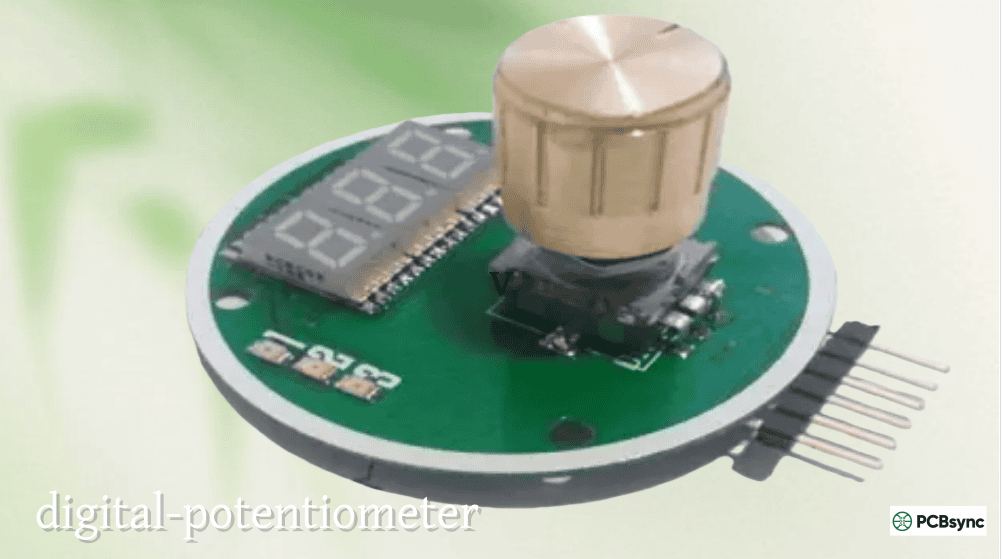
Buzzer volume control depends on the type. Active buzzers have fixed volume determined by supply voltage (higher voltage = louder, within rated limits). Passive buzzers offer limited volume control through PWM duty cycle adjustment, but frequency selection has the biggest impact. Frequencies between 2kHz-4kHz produce maximum perceived loudness due to buzzer resonance and human hearing sensitivity. For true volume control, implement an external amplifier circuit with a digital potentiometer.
Why does my Arduino buzzer sound distorted or scratchy?
Distortion typically stems from three causes. First, timer conflicts occur when using tone() alongside PWM on pins 3 and 11 (Arduino Uno). Second, insufficient current delivery from the Arduino pin creates voltage sag. Third, incorrect frequency ranges outside the buzzer’s optimal response (usually 500Hz-5kHz) produce poor sound quality. Verify your circuit includes a 100Ω current-limiting resistor, avoid simultaneous PWM usage, and test with proven frequencies like 1000Hz or 2000Hz.
How do I play MP3 or complex audio files through an Arduino buzzer?
Standard piezo buzzers cannot reproduce MP3 or complex audio due to their single-frequency nature. They lack the frequency range, amplitude control, and harmonic reproduction needed for speech or music playback. For audio playback, use a DFPlayer Mini module with an actual speaker. However, you can extract simple melodic lines from songs and transcribe them into note arrays for buzzer playback. Several online tools help convert MIDI files to Arduino-compatible buzzer code, though the result will be monophonic (one note at a time).
What’s the maximum melody length I can store on Arduino?
Melody length depends on available SRAM and program memory. Arduino Uno has 2KB SRAM and 32KB flash memory. Each note requires 4 bytes (2 for frequency, 2 for duration), so theoretically you could store 500+ notes in SRAM. However, practical limits are lower due to other program variables. For long melodies, store data in PROGMEM (flash memory) instead of SRAM using the PROGMEM keyword. This reserves SRAM for runtime variables. Mega boards offer significantly more memory (8KB SRAM, 256KB flash), supporting thousands of notes.
Can I use multiple buzzers to play harmony or chords?
Yes, but with significant limitations on Arduino Uno/Nano. The tone() function uses Timer2, allowing only one frequency at a time on these boards. Calling tone() on a second pin immediately stops the first tone. Arduino Mega 2560 has multiple timers (Timer2, 3, 4, 5), supporting up to 4 simultaneous tones on different pins. Alternatively, use ESP32 boards with 16 independent PWM channels for complex polyphonic playback. For professional applications requiring harmony, consider dedicated audio synthesis chips like the YM2149 or modern solutions like the Teensy 4.0 with its powerful DAC.
Conclusion
The Arduino buzzer transforms simple circuits into interactive experiences through sound. From basic tone generation to complex melodies, the techniques covered here provide a solid foundation for audio feedback in embedded projects.
Remember these key engineering principles: always verify buzzer type before implementing code, include current-limiting resistors in passive buzzer circuits, account for timer conflicts when using PWM pins, and store large melodies in PROGMEM to preserve SRAM.
Whether you’re building alarm systems, musical instruments, or user interface feedback, the Arduino buzzer offers an affordable, reliable solution. Start with the basic examples, experiment with different frequencies and melodies, and gradually incorporate more sophisticated timing and control mechanisms.
The complete source code, additional melody examples, and circuit diagrams referenced in this guide provide everything needed to add professional-quality audio to your Arduino projects. Happy building, and may your projects always sound as good as they function.
Inquire: Call 0086-755-23203480, or reach out via the form below/your sales contact to discuss our design, manufacturing, and assembly capabilities.
Quote: Email your PCB files to Sales@pcbsync.com (Preferred for large files) or submit online. We will contact you promptly. Please ensure your email is correct.
Notes: For PCB fabrication, we require PCB design file in Gerber RS-274X format (most preferred), *.PCB/DDB (Protel, inform your program version) format or *.BRD (Eagle) format. For PCB assembly, we require PCB design file in above mentioned format, drilling file and BOM. Click to download BOM template To avoid file missing, please include all files into one folder and compress it into .zip or .rar format.