Inquire: Call 0086-755-23203480, or reach out via the form below/your sales contact to discuss our design, manufacturing, and assembly capabilities.
Quote: Email your PCB files to Sales@pcbsync.com (Preferred for large files) or submit online. We will contact you promptly. Please ensure your email is correct.
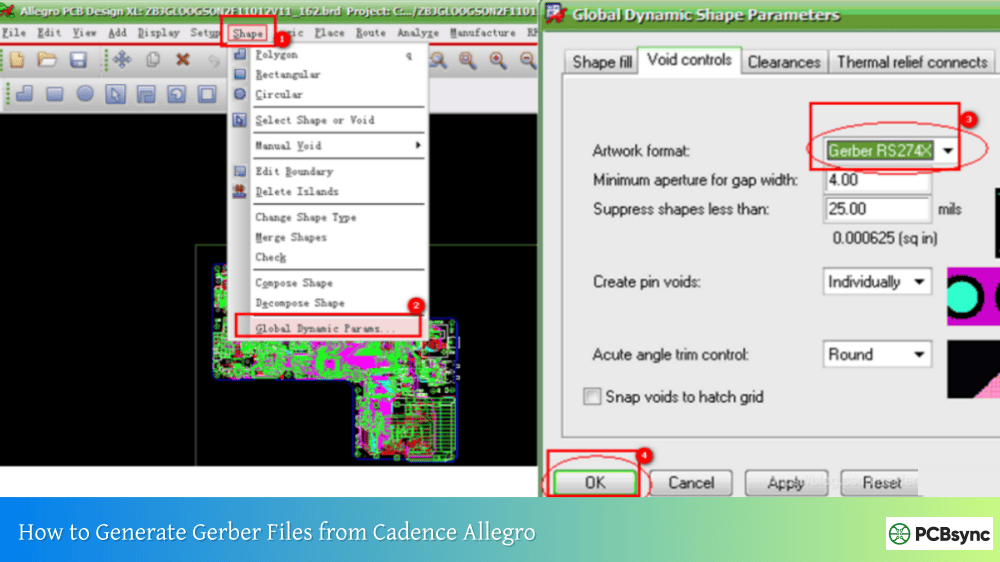
Notes: For PCB fabrication, we require PCB design file in Gerber RS-274X format (most preferred), *.PCB/DDB (Protel, inform your program version) format or *.BRD (Eagle) format. For PCB assembly, we require PCB design file in above mentioned format, drilling file and BOM. Click to download BOM template To avoid file missing, please include all files into one folder and compress it into .zip or .rar format.
Altium Designer Software: The Complete Guide for PCB Engineers
As a PCB engineer who has worked with multiple EDA tools over the past decade, I can tell you that choosing the right PCB design software can make or break your projects. Altium Designer software has been my go-to tool for professional circuit board design, and in this guide, I’ll walk you through everything you need to know before making a decision.
Whether you’re looking to Altium create PCB layouts for complex multi-layer boards or simple prototypes, this comprehensive guide covers pricing, features, system requirements, alternatives, and practical workflows to help you succeed.
Altium Designer is a professional-grade PCB (Printed Circuit Board) design software developed by Altium Limited, an Australian company that has been in the electronic design automation (EDA) business since 1985. The software provides a unified design environment that integrates schematic capture, PCB layout, component management, and manufacturing output generation into a single platform.
Unlike many other EDA tools that split functionality across multiple applications, Altium Designer software consolidates everything under one roof. This means you can move from initial concept to manufacturing-ready files without switching between disconnected programs or dealing with data translation issues.
The latest version continues Altium’s tradition of innovation while adding cloud collaboration features through Altium 365 integration. This combination of powerful desktop tools and cloud connectivity has made it particularly popular among professional engineering teams working on complex consumer electronics, medical devices, aerospace systems, and automotive applications.
Key Features of Altium Designer Software
Understanding what Altium Designer brings to the table helps you evaluate whether it matches your design requirements. Here’s what makes this software stand out in the crowded EDA market.
Unified Design Environment
The biggest advantage Altium Designer offers is having all essential PCB design features accessible within a single program. Industry-standard capabilities like CAM tools, a layer stack editor with integrated field solver, high-speed analysis features, and numerous extensions are all included. You won’t need to purchase separate add-ons for basic professional functionality.
This unified approach eliminates the frustration of managing multiple applications that don’t communicate seamlessly. In my experience with fragmented tool chains, I’ve lost countless hours troubleshooting data translation errors between schematic capture and layout tools. Altium’s single-database architecture ensures that changes in one area automatically propagate throughout the design.
The workspace itself is highly customizable. You can arrange panels, create custom toolbars, and save configurations for different project types. The interface feels modern and responsive, with context-sensitive menus that show relevant options based on what you’re working on.
Schematic Capture and Editing
Altium’s schematic editor provides real-time error checking with a smooth, professional interface. The tool supports hierarchical design structures, making it easier to manage large projects with multiple sub-circuits. Multi-sheet schematics stay synchronized with your PCB layout automatically, reducing errors that typically occur during manual updates.
The component placement tools are intuitive—you can drag components from the library panel, use the place command, or paste from other projects. Wiring connections benefit from auto-junction features that detect when wires should connect. The net labeling system supports both local and global net identifiers, critical for hierarchical designs.
One feature I particularly appreciate is the parameter management system. You can define component parameters at the schematic level and have them flow through to the BOM automatically. This includes part numbers, manufacturers, tolerance values, and custom fields specific to your organization’s requirements.
Error checking happens continuously as you work. The compiler identifies open pins, duplicate designators, missing footprints, and connectivity issues before you attempt to transfer to layout. Fixing problems at the schematic stage costs far less time than discovering them after routing.
Advanced PCB Layout Tools
The PCB editor includes intelligent routing capabilities with any-angle routing support. The interactive router helps you navigate tight spaces while respecting design rules automatically. For high-density designs, the software handles blind and buried vias, microvias, and complex layer stackups efficiently.
When you’re ready to create PCB from schematic in Altium, the transfer process maintains all component relationships and net connections without requiring manual intervention.
The layer stack manager provides visual control over your board structure. You can define copper layers, prepreg materials, core thicknesses, and impedance targets. The integrated field solver calculates trace widths needed for specific impedances based on your actual stackup—no external calculators required.
Placement tools include alignment commands, component spreading functions, and room-based organization. For designs with repeated circuitry, the snippet feature lets you save and reuse layout sections. The rooms feature also enables copying placement and routing from one instance to others automatically.
The interactive router deserves special mention. It supports push-and-shove routing where traces and vias move aside to accommodate new routes. Walkaround mode navigates obstacles without moving existing traces. Hugging mode follows board edges or keep-out zones closely. These modes switch on the fly with keyboard shortcuts.
For high-speed signals, differential pair routing maintains constant spacing while navigating turns and obstacles. Length tuning adds serpentine patterns to match trace lengths within specified tolerances. The gloss and retrace functions clean up routing after manual adjustments.
3D Visualization and MCAD Integration
Altium Designer’s 3D view capability transforms your 2D board into a fully interactive three-dimensional environment. This isn’t just for pretty pictures—it helps you identify clearance issues with enclosures, verify connector placements, and communicate designs to mechanical engineers effectively.
The 3D engine renders in real-time, so changes to your layout appear immediately in the 3D view. You can rotate, zoom, and section the board to examine internal structures. Component models display accurate representations of actual parts, including connector housings, capacitor heights, and IC package details.
Collision detection identifies components that interfere with each other or exceed height restrictions. This catches issues like tall capacitors blocking programming headers or heatsinks that don’t fit in the allocated space. Finding these problems in software beats discovering them after boards arrive from fabrication.
The software integrates with major MCAD applications including SOLIDWORKS, PTC Creo Parametric, Autodesk Inventor, Autodesk Fusion 360, and Siemens NX through the Altium Designer & SolidWorks Integration feature. This bidirectional exchange eliminates the back-and-forth file conversions that slow down multidisciplinary projects.
The MCAD CoDesigner extension enables true concurrent engineering. Mechanical engineers can push enclosure changes to electrical engineers while electrical engineers push board shape modifications back to the mechanical model. Both disciplines see updates without manually exporting and importing files.
Design Rule Checking (DRC)
The Altium Designer DRC system provides comprehensive rule management through a spreadsheet-like constraint editor. You can define clearance rules, trace width requirements, impedance targets, and manufacturing constraints. The real-time violation highlighting shows problems as you design rather than discovering them during final review.
Design rules in Altium operate on a priority system. You can create broad rules that apply to entire boards, then add specific rules that override the defaults for particular net classes or components. For example, you might set standard clearances of 6 mils for most traces but require 10 mils for high-voltage nets.
Rule categories cover clearance constraints, routing widths, via specifications, manufacturing limits, high-speed requirements, placement restrictions, signal integrity targets, and testpoint accessibility. Custom rules using query language let you target specific objects based on complex criteria.
The Design Rule Check command runs all rules against your current layout and reports violations in a navigable list. Double-clicking a violation zooms to the problem location. Waiving specific violations lets you document intentional exceptions without cluttering future reports with known issues.
Component Libraries and Supply Chain Integration
Altium includes extensive built-in component libraries plus access to cloud-based libraries through Altium 365. Integration with supplier databases like Octopart lets you check component availability and pricing directly within the design environment.
The Manufacturer Part Search panel connects to real-time supplier data. You can filter components by availability, price, package type, and specifications. When you find suitable parts, adding them to your design creates the schematic symbol, footprint, and 3D model associations automatically.
Altium Designer includes SPICE simulation capabilities for analyzing circuit behavior before layout. You can run transient analysis, AC analysis, DC operating point calculations, and various other simulations on your schematic. While not as comprehensive as dedicated simulation packages, the built-in tools handle many common verification tasks.
Signal integrity analysis helps identify potential problems with high-speed signals. The software calculates impedances based on your layer stackup, identifies potential reflection points, and estimates crosstalk between adjacent traces. These tools catch issues that would otherwise require expensive respins after prototype testing.
Power integrity analysis examines voltage drops across power distribution networks. By analyzing plane geometries and via placements, you can ensure that power reaches all components at acceptable voltage levels. The visualization tools show current density and identify bottlenecks in your power delivery system.
Version Control and Collaboration
The software supports Altium Designer Git Integration for version control, letting teams track changes and collaborate effectively. With Altium 365 cloud services enabled, multiple engineers can work on different parts of the same project simultaneously.
Project history tracks every change with detailed records of who modified what and when. Visual diff tools compare schematic and layout versions, highlighting additions, deletions, and modifications. This makes code review processes practical for hardware design, something that was difficult with traditional file-based workflows.
The commenting system lets team members annotate designs with questions, suggestions, and approvals. Comments attach to specific objects and persist through revisions. Notification systems alert relevant team members when their attention is needed.
For distributed teams, the web-based viewer in Altium 365 lets stakeholders review designs without installing desktop software. Mechanical engineers, project managers, and manufacturing contacts can examine boards, leave comments, and approve designs through standard web browsers.
Manufacturing Outputs
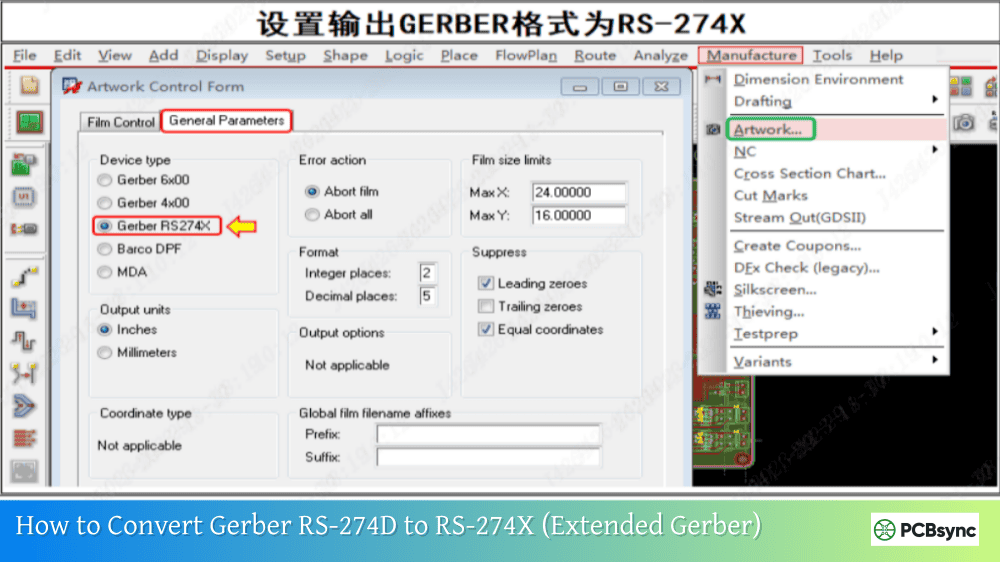
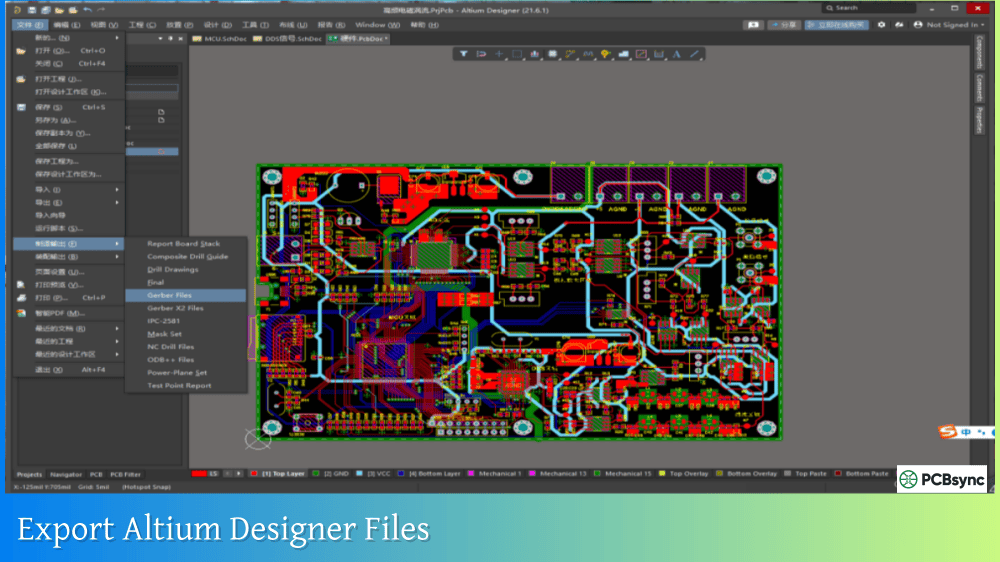
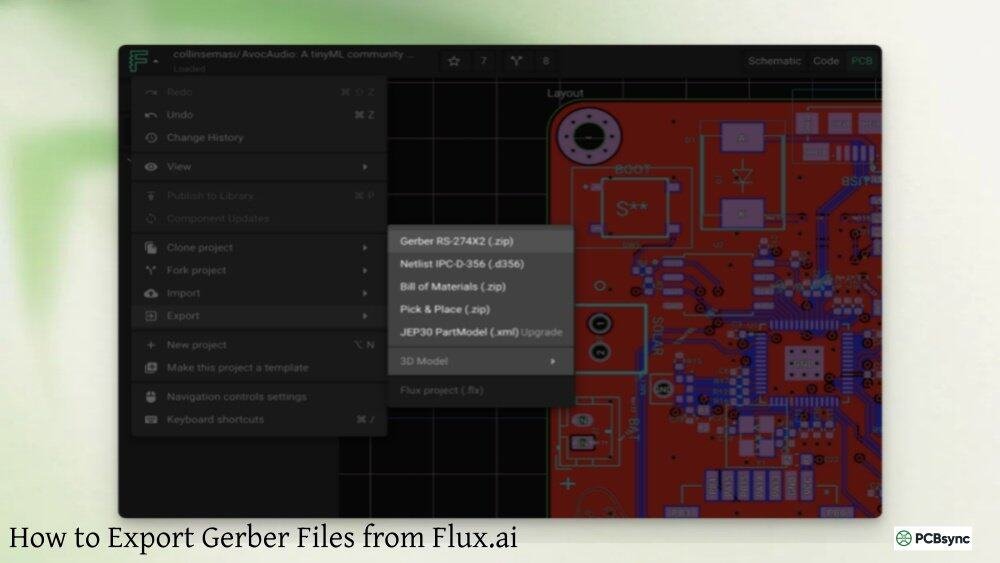
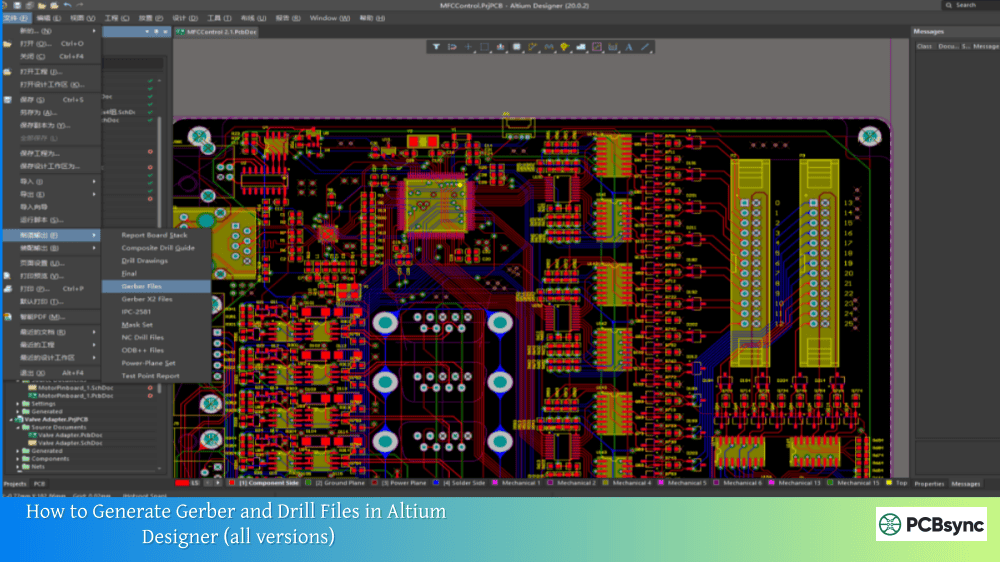
When your design is complete, you can export Altium Designer files in multiple formats. The software generates Gerber files (RS-274X or X2), Excellon drill files, ODB++ packages, IPC-2581 outputs, pick-and-place files, and assembly drawings. Output Job templates let you standardize these settings across projects.
Altium Designer Pricing and Licensing Options
Understanding the cost structure helps you budget appropriately. The pricing model has evolved over the years, and current options reflect Altium’s shift toward subscription-based licensing.
Current Pricing Structure
License Type
Approximate Cost
Notes
Term-Based Subscription
Starting at $358/month
Billed annually, includes updates
Perpetual License
Starting at $4,235 one-time
Maintenance subscription additional
Altium Develop (Teams)
Quote-based
Includes workspace + author seats
Academic License
Free
Available for students and educators
For detailed pricing information, check out the comprehensive Altium Designer Price breakdown. If you’re considering the cloud collaboration platform, review the Altium 365 Pricing guide separately.
Altium Develop vs. Altium Agile
Altium recently restructured their product offerings under parent company Renesas:
Altium Develop serves individuals and small teams with a straightforward subscription model. You get a workspace subscription, concurrent author seats for Altium Designer, and unlimited free collaborators. Up to five authors can work simultaneously per workspace tier.
Altium Agile (Teams and Enterprise editions) targets larger organizations needing structured workflows, compliance features, advanced permissioning, and cross-discipline governance. Pricing is quote-based depending on organization size and requirements.
Is Altium Designer Worth the Cost?
The honest answer depends on your situation. For professional engineers working on commercial products, especially in regulated industries like medical devices or aerospace, the investment often pays for itself through productivity gains and reduced errors. The unified environment eliminates time wasted on file conversions and tool switching.
However, for hobbyists, students, or startups with tight budgets, the cost can be prohibitive. Consider the free Altium Designer Student Version if you’re still learning, or evaluate alternatives like Altium CircuitMaker for personal projects.
System Requirements for Altium Designer
Running Altium Designer effectively requires adequate hardware. Skimping here leads to frustration with slow operations and crashes during complex designs.
Recommended System Specifications
Component
Recommended
Minimum
Operating System
Windows 11 (64-bit)
Windows 10 (64-bit)
Processor
Intel Core i7 or equivalent
Intel Core i5 or equivalent
RAM
16 GB or more
8 GB
Storage
SSD with 10+ GB free
HDD with 10 GB free
Graphics Card
GeForce GTX 1060 / Radeon RX 470
DirectX 11 compatible
Display
Dual monitors, 2560×1440
Single monitor, 1680×1050
Platform Considerations
Altium Designer runs natively only on Windows. If you’re on a Mac, you’ll need to use virtualization software or Boot Camp—check the guide for Altium Designer on Mac for setup instructions. Linux users face similar challenges, though workarounds exist as detailed in Altium Designer on Linux.
Graphics Card Selection
Altium uses DirectX 11 for rendering rather than OpenGL. Gaming graphics cards generally perform better than similarly-priced workstation cards for this application. The 3D PCB viewer especially benefits from dedicated graphics—if you plan extensive 3D work, invest in a capable GPU.
For medium-complexity designs (around 1000 components and 1000 nets), the recommended specs work well. Larger designs with more components benefit from faster processors and additional RAM.
How to Download and Install Altium Designer
Getting started with Altium Designer involves several steps. The Altium Designer Download process requires an Altium account and valid license.
Installation Steps
Create an Altium account at altium.com if you don’t have one
Purchase or activate your license through the Altium portal
Download the installer from your account dashboard
Run the installer with administrator privileges
Sign in to your Altium account when prompted
Activate your license through the License Management view
Setting Up Your First Project
After installation, take time to configure your workspace preferences. Set your default units—many engineers prefer to change units from mils to mm in Altium depending on their manufacturing partners’ requirements.
The Altium Designer Tutorial for Beginners walks through creating your first project from scratch, including schematic entry, component placement, and basic routing.
Altium Designer PCB Design Workflow
Understanding the typical workflow helps you work efficiently. Here’s how most Altium Designer PCB Design projects progress from concept to manufacturing.
Phase 1: Project Setup and Schematic Capture
Create a new PCB project and add schematic sheets. Place components from libraries, connect them with wires and net labels, and add power symbols. Use hierarchical sheets for complex designs to keep things organized.
Design your schematic with manufacturing in mind. Check component availability early, consider alternative parts, and document critical specifications. The integrated supply chain tools help verify that parts you’re specifying actually exist in the quantities you need.
Before finalizing your schematic, run the compiler to check for errors. Address all warnings and errors before proceeding—problems found here are far easier to fix than after layout begins. Document any intentional rule violations with comments explaining your reasoning.
Consider design reuse opportunities. If your schematic contains blocks that appear in multiple products, save them as snippets or managed schematic sheets. Future projects benefit from proven, verified circuit blocks rather than recreating designs from scratch each time.
Phase 2: PCB Layout Creation
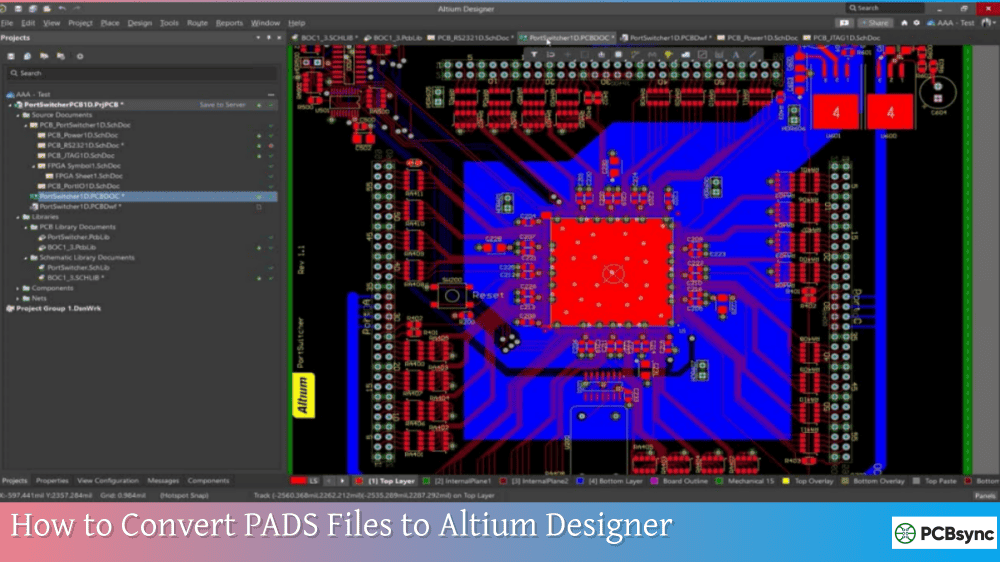
Transfer your schematic to a PCB document using the Design » Update PCB Document command. Define your board outline, layer stackup, and design rules before placing components. Having rules established first means the software can guide you away from violations as you work.
Component placement deserves careful attention. Start with connectors and mounting holes since their positions are usually constrained by mechanical requirements. Place critical components next—processors, memory, clock sources, and high-speed interfaces. Support components like decoupling capacitors follow their associated ICs.
The software’s 3D clearance checking helps verify mechanical fit before committing to a layout. Toggle between 2D and 3D views frequently to catch height conflicts and accessibility issues early.
Group related components together and consider signal flow. Power supply sections belong near input connectors. Analog circuitry benefits from separation from noisy digital sections. Clock distribution should follow star topology from the source. These principles apply regardless of the software you use, but Altium’s tools make implementing them straightforward.
Use the interactive router for critical traces and auto-routing for less sensitive connections if appropriate for your design. Most professional engineers route critical signals manually and sometimes use auto-routing for simple power distribution or non-critical signals. Review auto-routed sections carefully and clean up any awkward routing.
Phase 3: Design Verification
Run Design Rule Checks to catch violations. The DRC process examines every object against your defined rules and reports any conflicts. Work through the violation list systematically, fixing genuine problems and waiving intentional exceptions.
Perform electrical rule checks against your schematic to verify that the layout matches the intended connectivity. Missing connections, extra connections, and shorted nets all appear in this report. Cross-reference any discrepancies with your schematic to determine whether the issue is in the layout or the schematic itself.
For high-speed designs, analyze signal integrity and verify impedance-controlled traces meet targets. Run simulations on critical nets to check for reflections, excessive rise times, and crosstalk. Adjust trace geometries or termination strategies based on simulation results.
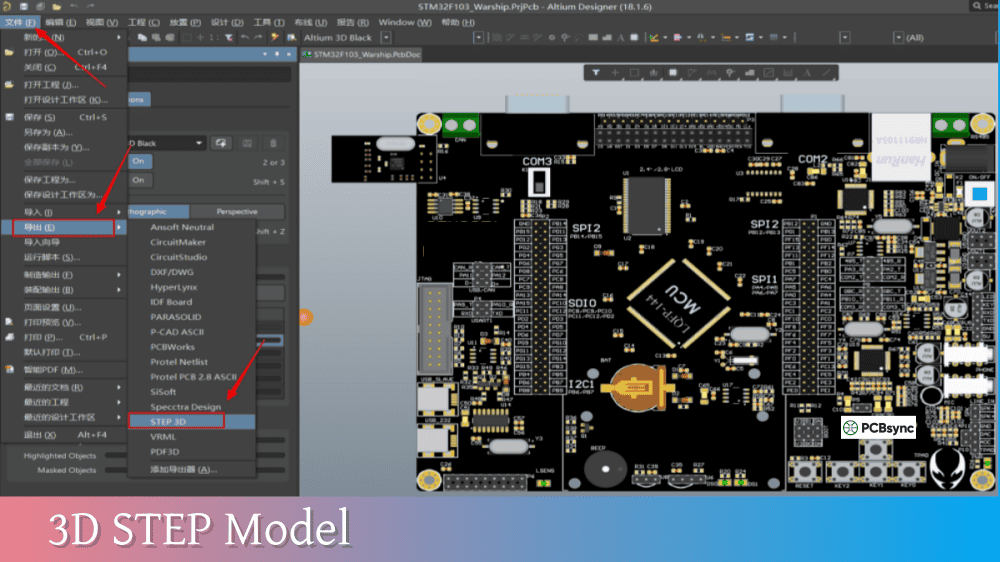
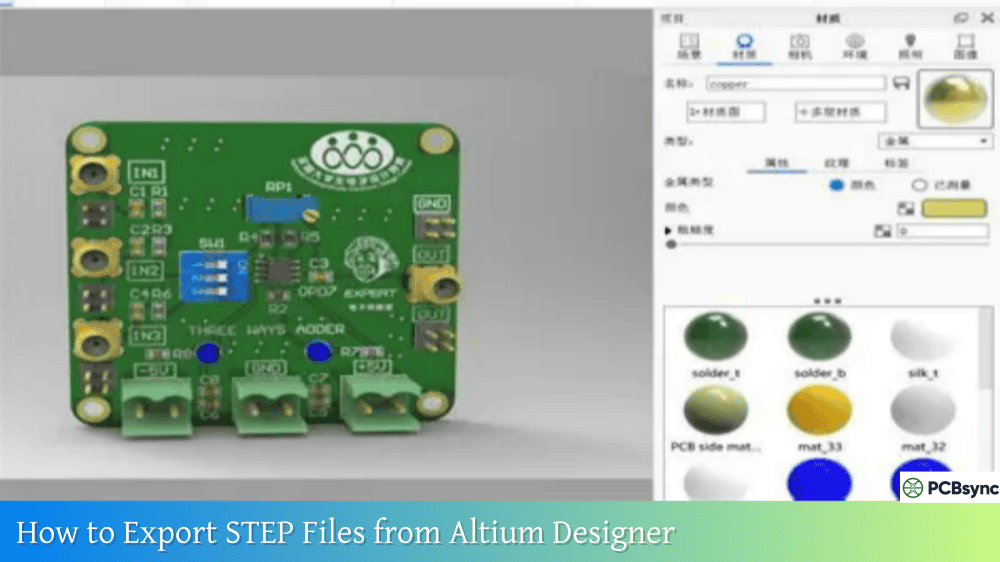
Review the 3D model to check component heights, connector accessibility, and enclosure fit. Export STEP files to mechanical engineers for integration into their assembly models. Address any conflicts before committing to fabrication.
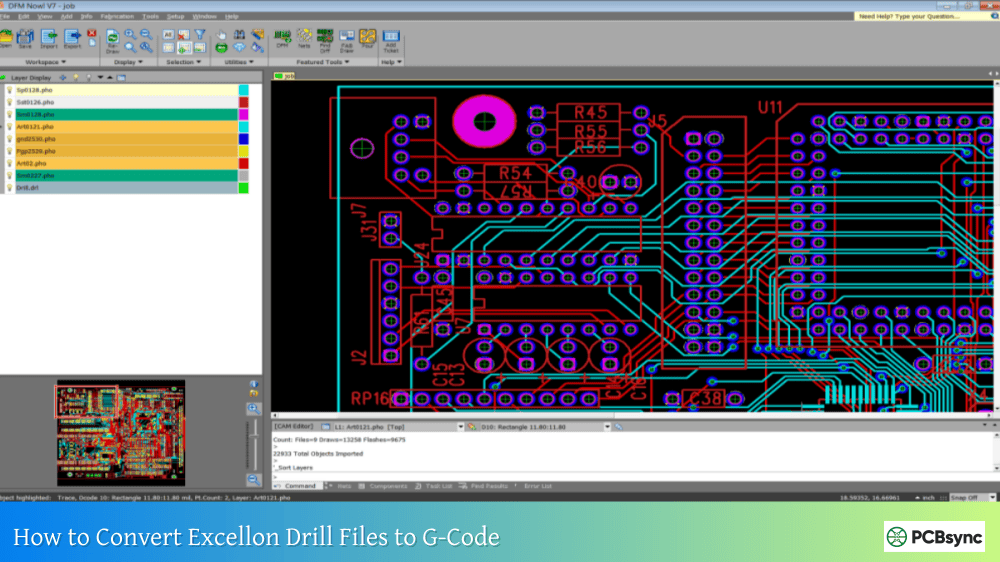
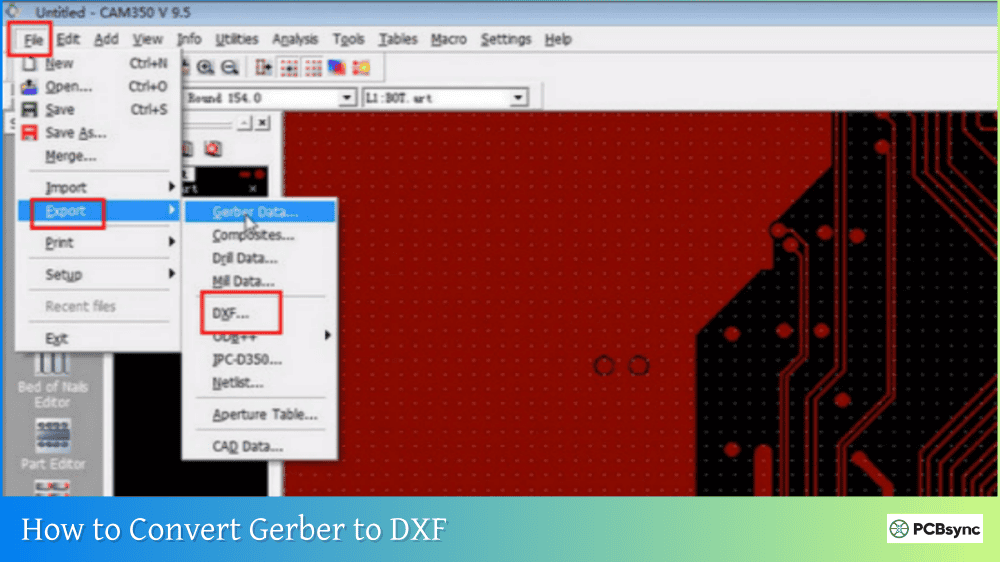
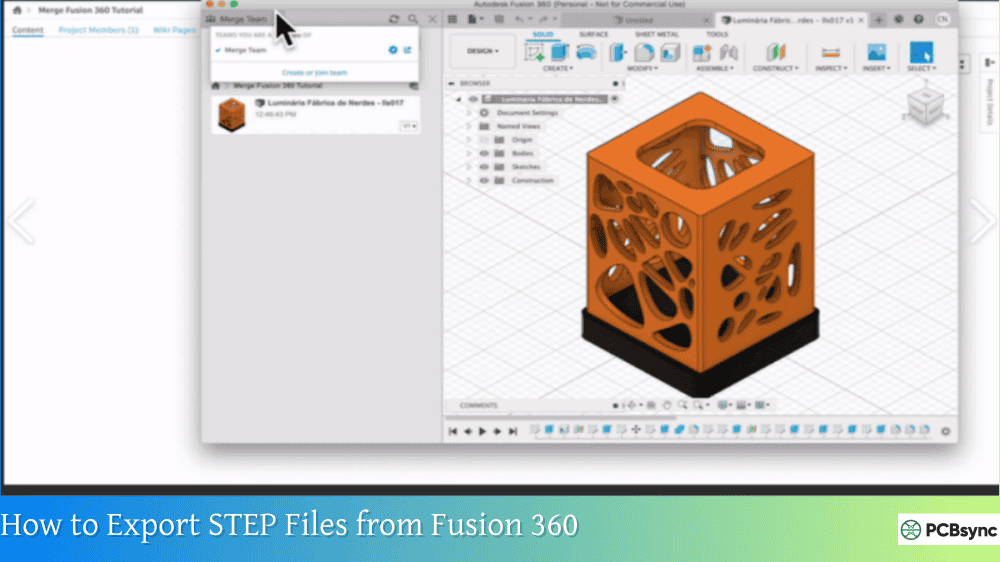
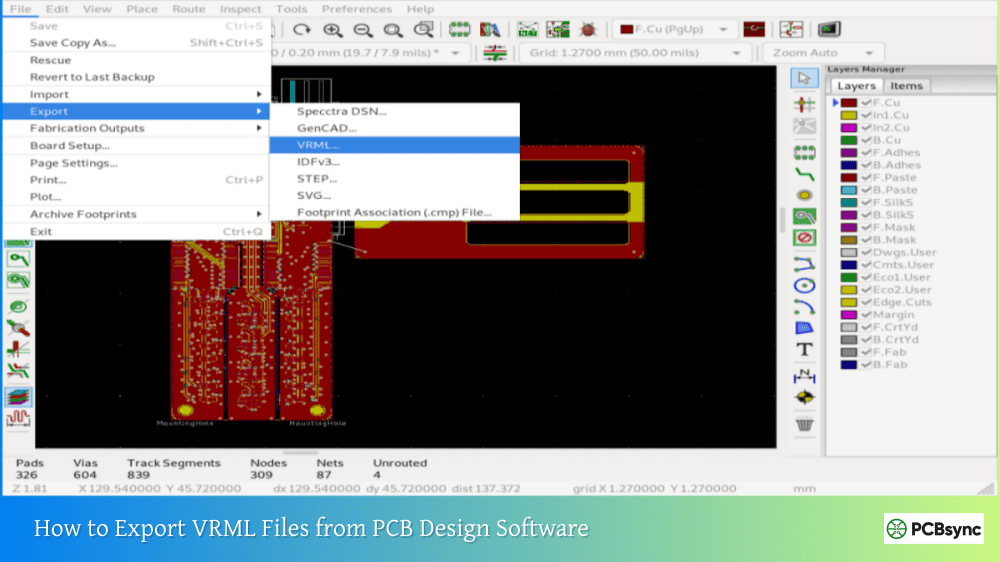
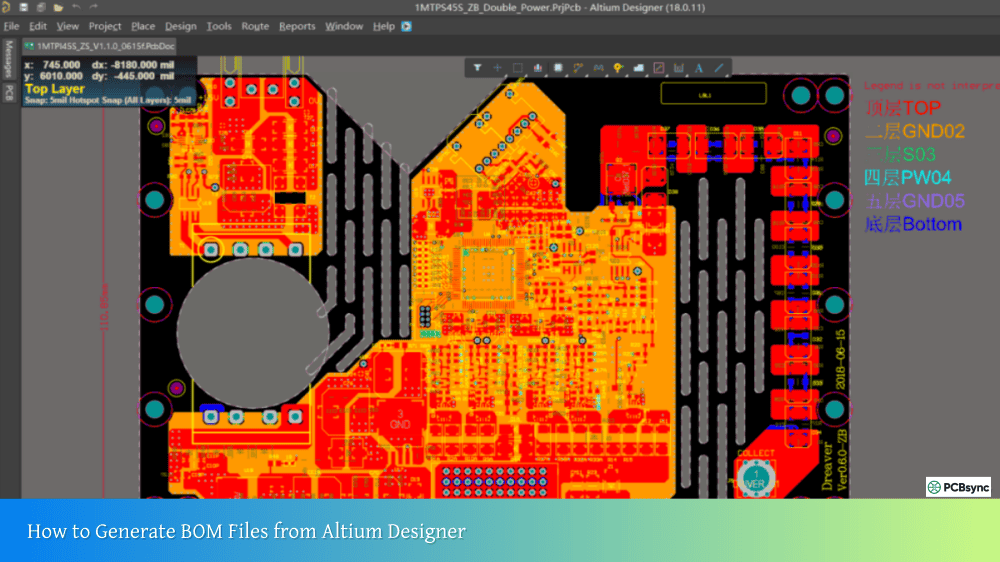
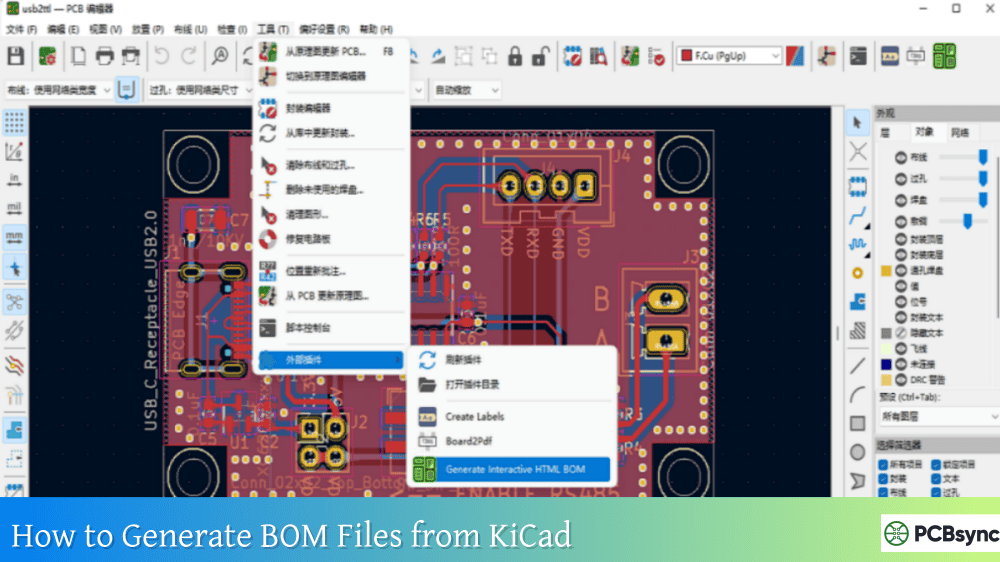
Read more How to convert PCB Files in different Design software:
Create Gerber files, drill files, pick-and-place data, and assembly drawings using Output Job files. Package everything your manufacturer needs in a single, organized release package.
Output Job documents let you configure all manufacturing outputs in one place and generate them with a single command. Create templates for your common output combinations so you don’t reconfigure settings for every project.
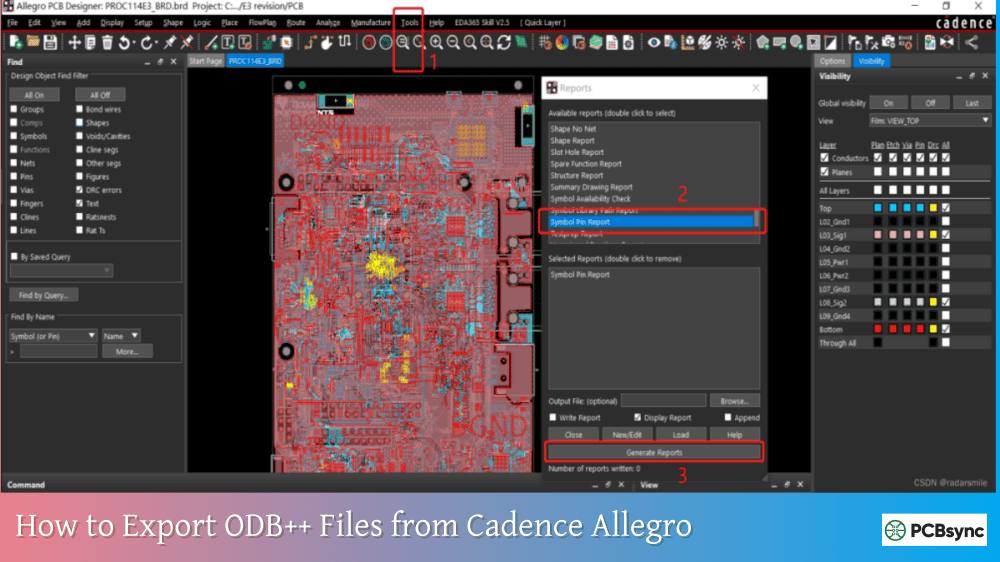
Many fabrication houses accept ODB++ files, which bundle all data in a single package and include intelligent information about the design rather than just graphical representations. IPC-2581 serves a similar purpose. Check with your manufacturer about their preferred format.
Document your design thoroughly—future you (or your colleagues) will appreciate clear notes about design decisions, special manufacturing requirements, and test procedures. The Draftsman tool creates professional assembly drawings that communicate critical information to manufacturing teams.
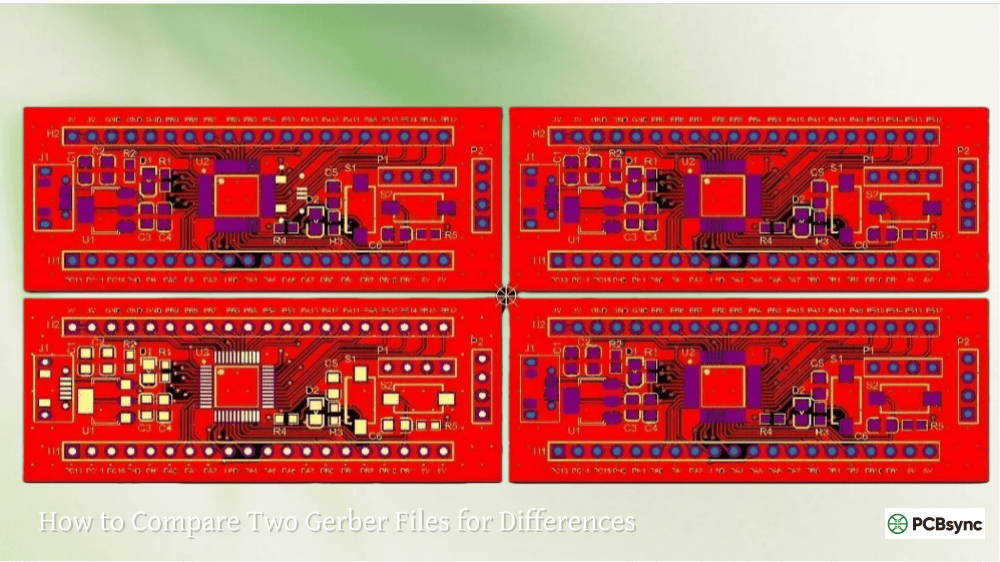
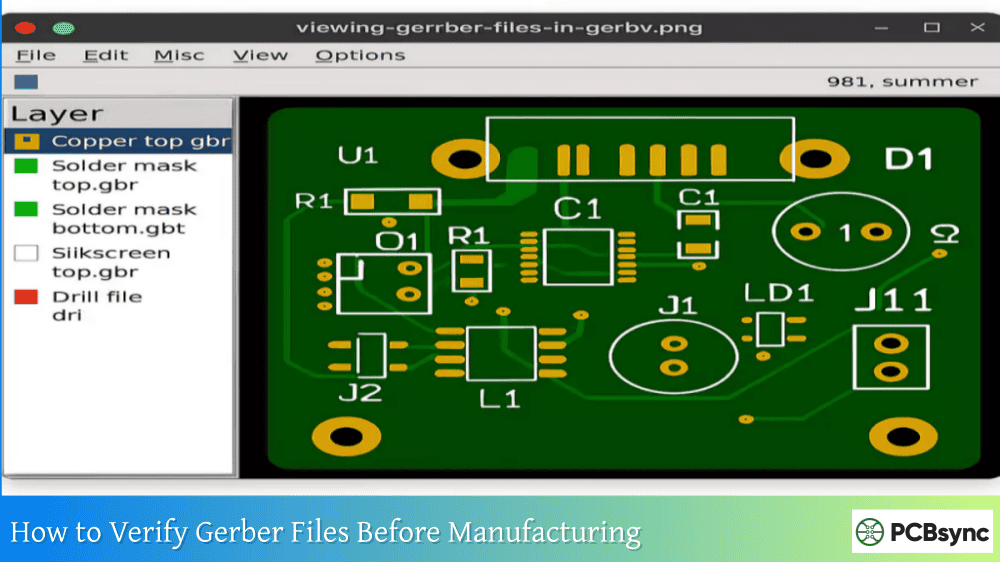
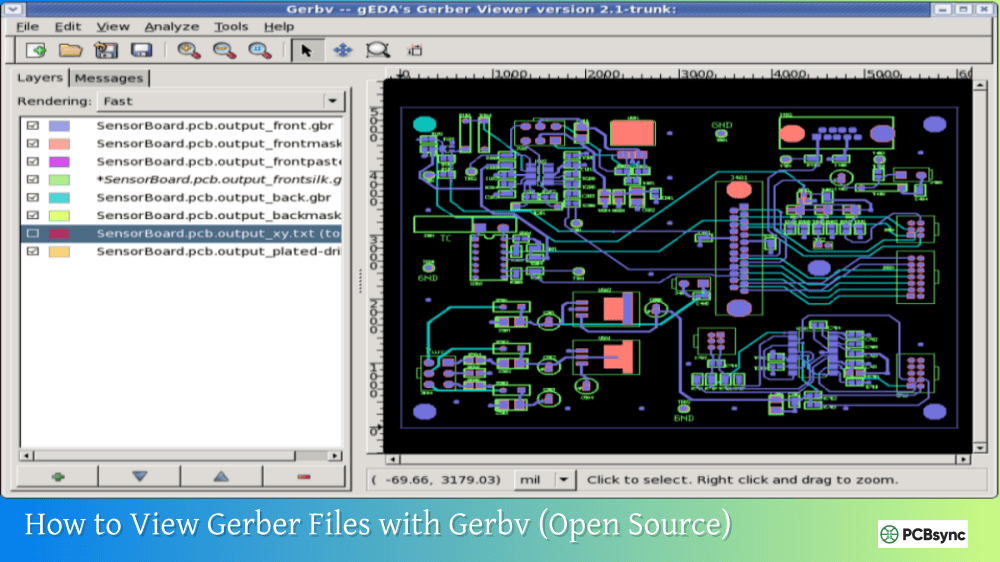
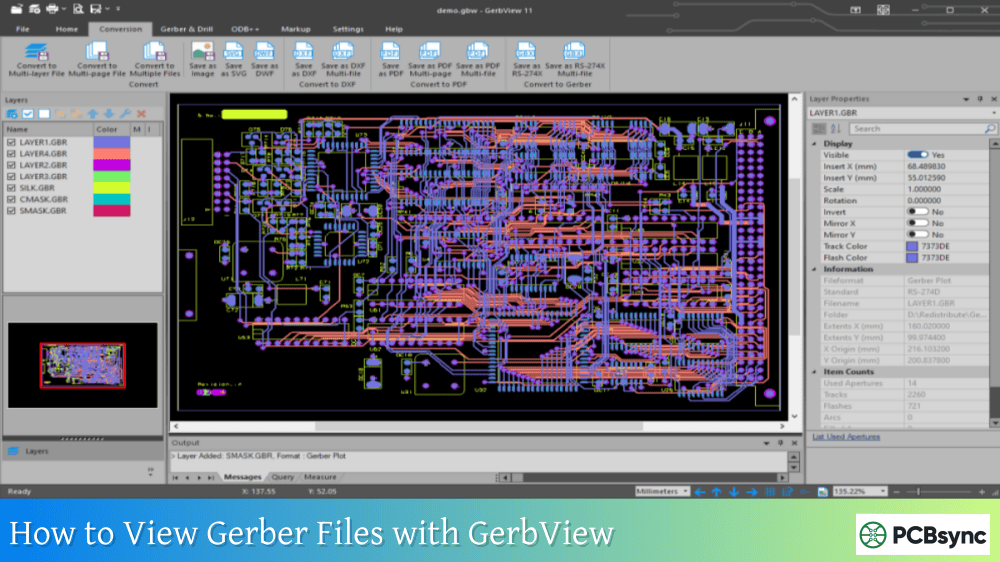
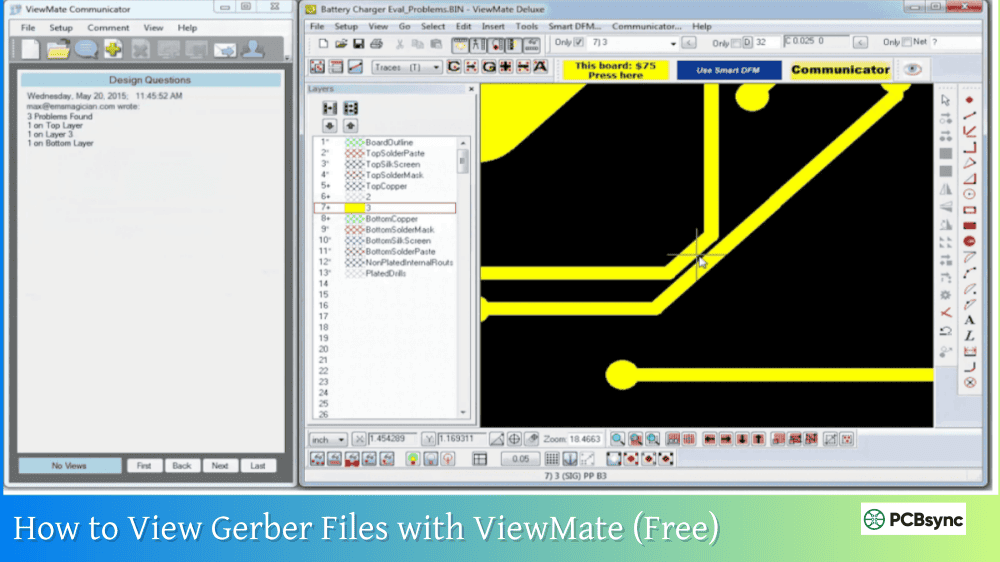
Before releasing files, perform a final sanity check. Compare Gerber renders to your PCB layout. Verify that drill files match your via and hole placements. Check that pick-and-place coordinates correspond to actual component locations. These basic verifications catch occasional generation errors that would otherwise result in unusable boards.
Altium Designer Compared to Alternatives
Choosing between Altium and competitors requires understanding trade-offs. Here’s how Altium stacks up against popular alternatives based on real-world experience.
Altium vs KiCad
The Altium vs KiCad debate comes up frequently, especially given KiCad’s free price tag. Having used both extensively, I can offer some practical perspective.
Aspect
Altium Designer
KiCad
Cost
$358+/month or $4,235+ perpetual
Free, open-source
Learning Curve
Moderate with professional UI
Steeper for complex tasks
Features
Comprehensive, integrated
Capable but modular
Collaboration
Built-in cloud tools
Requires external solutions
Support
Professional support included
Community-driven
Best For
Professional/commercial work
Hobbyists, education, startups
KiCad has improved dramatically over recent versions and handles many professional projects well. The latest releases include push-and-shove routing, improved 3D visualization, and better library management. For straightforward designs without extreme high-speed requirements, KiCad delivers excellent results at zero cost.
However, Altium’s unified environment, supply chain integration, and collaboration features justify the cost for teams working on commercial products with tight deadlines. The time saved on library management, design review processes, and manufacturing output generation adds up quickly across multiple projects.
The most significant difference I’ve experienced involves workflow integration. In Altium, everything connects smoothly—schematic changes flow to layout, supplier data integrates with BOM generation, and version control tracks changes across all documents. KiCad requires more manual coordination between tools and external services to achieve similar results.
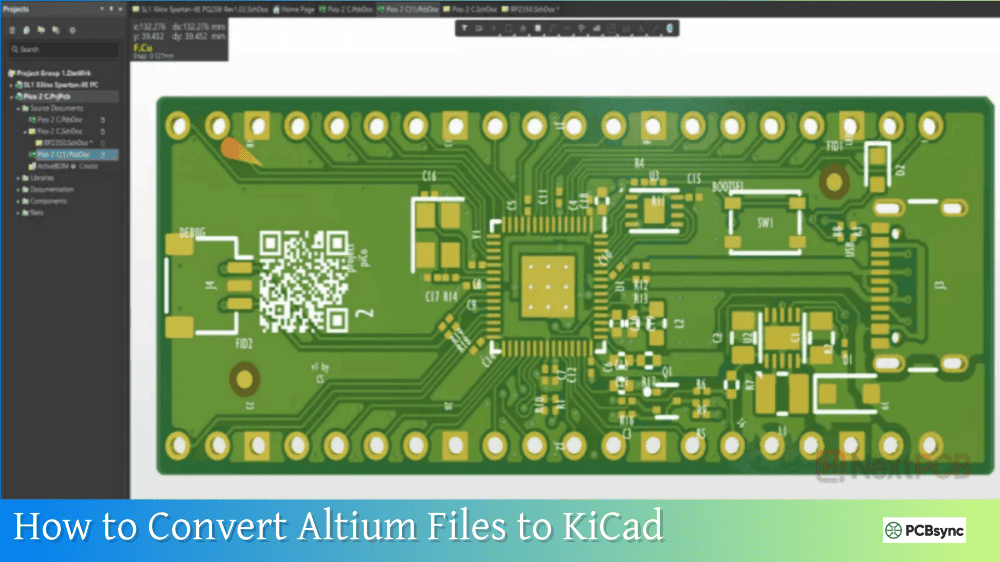
If you’re transitioning between tools, check guides for Convert KiCad to Altium to migrate existing projects. The import process handles most designs well, though complex projects may need manual cleanup of specific features.
Altium vs OrCAD
OrCAD from Cadence offers similar professional capabilities at comparable price points. The main differences involve workflow preferences and ecosystem compatibility. OrCAD has strong market presence in certain industries and regions, which sometimes makes it the default choice for teams collaborating with partners who already use Cadence tools.
Altium’s interface feels more modern and intuitive to many users, though OrCAD users who’ve developed muscle memory with that platform might disagree. Both tools can produce professional results—the choice often depends on existing infrastructure, team experience, and partner requirements.
If you have existing OrCAD designs that need to move to Altium, the Convert OrCAD to Altium guide explains the migration process. Translation between these platforms works reasonably well for most designs.
Altium vs Eagle and EasyEDA
Eagle (now owned by Autodesk) and EasyEDA serve the lower end of the market with simpler tools at lower prices. They work fine for basic designs—Arduino shields, simple sensor boards, and hobby projects—but lack advanced features for complex, high-density boards.
Eagle’s integration with Fusion 360 makes it attractive for mechanical engineers who want basic PCB capabilities within their existing Autodesk workflow. EasyEDA’s browser-based approach removes installation hassles and works well for quick prototypes and learning.
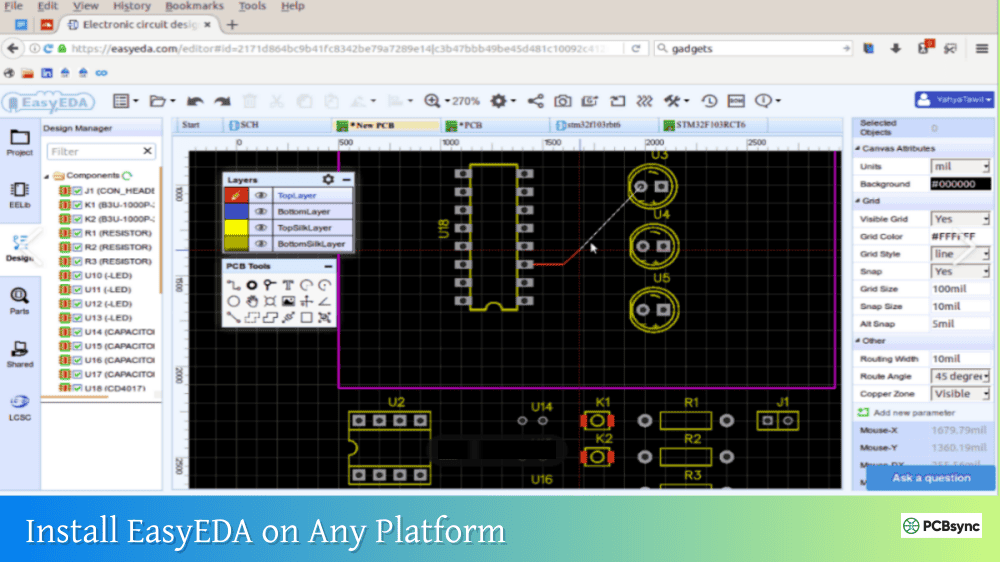
Neither tool scales well to professional commercial projects with tight tolerances, high-speed signals, or strict regulatory requirements. If you’re moving up from EasyEDA after outgrowing its capabilities, see EasyEDA to Altium for conversion guidance.
Altium Designer Product Family
Altium offers products at different price points within their ecosystem:
Product
Target User
Key Limitation
Altium Designer
Professionals
Full cost
CircuitStudio
Mid-market
Fewer advanced features
CircuitMaker
Hobbyists
Cloud-only, community libraries
CircuitStudio provides a subset of Altium Designer’s capabilities at a lower price point. It works well for teams that don’t need the most advanced features but want the familiar Altium interface and file compatibility.
CircuitMaker targets hobbyists and makers with a free, community-oriented platform. Designs are public by default, and libraries come from community contributions. It’s an excellent learning platform, though the cloud-dependent workflow doesn’t suit everyone.
Having access to quality component libraries saves enormous time. Altium provides several options for building your library ecosystem.
Built-in Libraries
Altium Designer includes manufacturer part libraries with schematic symbols, footprints, and 3D models. The Manufacturer Part Search panel connects to supplier databases for real-time availability checking.
Third-Party Library Services
Services like SnapEDA and SamacSys provide free component models that integrate directly with Altium. Read the SnapEDA & SamacSys Libraries in Altium guide for setup instructions.
Custom Library Development
For components not available in standard libraries, Altium provides wizard tools to create custom footprints and symbols. The Altium Designer Libraries Download page points to additional community resources.
Beyond your Altium installation, these resources help you learn and troubleshoot:
Official Altium Resources
Altium Documentation: Comprehensive technical reference at altium.com/documentation
Altium Academy: Video tutorials and training courses at my.altium.com
Altium 365 Viewer: Free online PCB viewer for sharing designs
Community Resources
Altium Forum: User community for questions and tips
Reddit r/AltiumDesigner: Active subreddit with peer support
YouTube Tutorials: Channels like Robert Feranec’s FEDEVEL Academy offer practical training
Manufacturer Design Guides
Most PCB fabrication houses publish design guides with recommended settings for their processes. Download these and configure Altium’s design rules to match before starting your layout.
Tips for Getting the Most from Altium Designer
After years of working with this software, here are practical recommendations for maximizing productivity and avoiding common pitfalls.
Customize Your Workspace
Spend time arranging panels, toolbars, and shortcuts to match your workflow. Save workspace configurations for different project types—you might want different panel arrangements for schematic work versus PCB layout. The time investment pays dividends across every future project.
Consider creating task-specific workspaces. A schematic capture workspace might emphasize the component browser and properties panels. A layout workspace might prioritize the PCB filter panel and layer visibility controls. Switch between workspaces with saved configurations rather than rearranging panels manually each time.
The preference system lets you customize nearly every aspect of the software’s behavior. Take time to explore the options and adjust defaults that don’t match your working style. Export your preferences to a file for backup and easy migration to new workstations.
Master Keyboard Shortcuts
Learning essential shortcuts dramatically speeds up common operations. The most valuable include:
P, P: Place component
P, W: Place wire (schematic)
Ctrl+M: Measure distance
Shift+S: Toggle single layer mode
L: Layer visibility settings
Ctrl+D: Access design rules
D, R: Run DRC
T, U, A: Update PCB from schematic
Ctrl+Shift+C: Cross-probe to schematic/PCB
Create custom shortcuts for commands you use frequently but aren’t bound by default. The customization editor lets you assign any command to any key combination that isn’t already claimed.
Use Design Templates
Create project templates with your standard design rules, output configurations, and board outlines. Starting from templates ensures consistency and reduces setup time. Include your preferred layer stackups, default clearances, and manufacturing-specific constraints.
Managed templates stored in your Altium 365 workspace ensure all team members start from the same foundation. Updates to templates propagate to all users automatically, maintaining organizational consistency without manual distribution.
Leverage the Interactive Router
Altium’s interactive router handles most routing decisions well. Learn its modes (Push, Walkaround, Hug, Ignore) and when to use each. Let the tool do the work while you guide strategic decisions.
Push mode shoves existing traces and vias aside to make room for new routes. This works well for making local adjustments after initial routing. Walkaround mode finds paths around obstacles without modifying existing geometry—useful when you don’t want to disturb carefully tuned routes. Ignore mode routes through obstacles temporarily, useful for planning routes before committing to specific paths.
The gloss function cleans up routing after manual edits. Running gloss on a selection removes unnecessary jogs, improves angles, and generally makes routes more professional. The retrace function reconstructs routes from scratch using current design rules, helpful when rules change after initial routing.
Maintain Component Libraries
Invest in organizing your component libraries early. Consistent naming conventions, verified footprints, and complete 3D models prevent problems during layout and assembly. The time spent creating quality library components saves multiples of that time across future projects.
Consider managed libraries stored in your Altium 365 workspace for team environments. Managed components include lifecycle states, revision history, and where-used tracking. When you update a component, the system identifies all projects using that component so you can evaluate the impact.
Verify footprints against manufacturer datasheets before committing them to your production library. Create test boards with single instances of new footprints to verify fit with actual components before using them in complex designs.
Establish Review Processes
Implement systematic review processes before releasing designs for fabrication. Peer reviews catch errors that individual designers miss. The commenting system built into Altium Designer and Altium 365 facilitates this review workflow.
Create checklists for common verification steps—clearance checks, silkscreen readability, connector orientation, test point accessibility, and so forth. Running through a checklist catches issues that might slip past during focused design work.
Document Design Decisions
Use the comment system and variant parameters to document why you made specific choices. Future maintainers (including future you) will appreciate understanding the reasoning behind unusual routing patterns, specific component selections, or non-obvious rule waivers.
Keep a design history document outside Altium that tracks major decisions, rejected alternatives, and lessons learned. This institutional knowledge proves invaluable when revisiting designs months or years later.
Frequently Asked Questions
Can I use Altium Designer software on Mac or Linux?
Altium Designer runs natively only on Windows. Mac users need virtualization software (like Parallels or VMware Fusion) or Boot Camp to run Windows. Linux users similarly require a Windows virtual machine. Performance in virtualized environments depends on your hardware allocation, but many engineers work successfully this way. Check the detailed guides for Altium Designer on Mac and Altium Designer on Linux for specific setup instructions.
Is there a free version of Altium Designer?
Altium offers free licenses to students and educators through their academic program. Hobbyists can use Altium CircuitMaker, which provides Altium-based tools with community-shared libraries at no cost. The Altium Designer Student Version page explains eligibility and application processes. Note that student licenses have restrictions on commercial use.
How difficult is Altium Designer to learn?
Engineers with experience in other EDA tools typically become productive within a few weeks. Complete beginners should expect a longer learning curve, though Altium’s interface is more intuitive than many alternatives. Start with the official tutorials, practice with simple projects, and gradually tackle more complex designs. The Altium Designer Tutorial for Beginners provides a structured starting point.
What file formats does Altium Designer support for import and export?
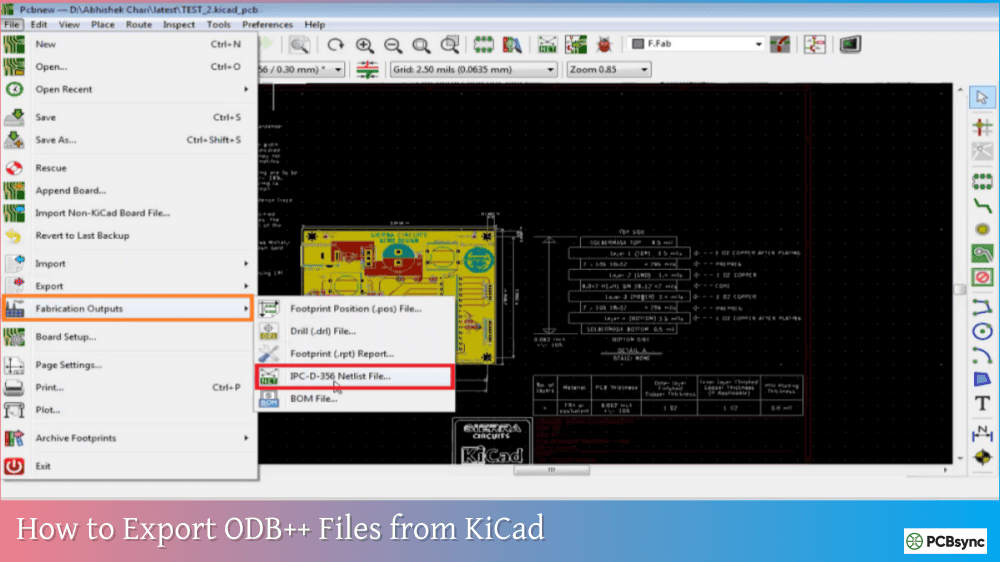
Altium imports designs from KiCad, OrCAD, PADS, Eagle, and other major platforms with varying degrees of success—complex designs may require manual cleanup after import. For output, the software generates industry-standard Gerber (RS-274X and X2), Excellon drill files, ODB++, IPC-2581, PDF documentation, STEP files for mechanical exchange, and numerous other formats. The Export Altium Designer Files guide covers output options in detail.
How does Altium Designer handle high-speed design requirements?
Altium includes integrated tools for high-speed design without requiring separate add-ons. You can define impedance-controlled traces, set up length matching rules for differential pairs and bus signals, and run basic signal integrity simulations. Advanced users performing detailed analysis may supplement with dedicated simulation tools, but Altium’s built-in capabilities handle typical high-speed requirements for DDR interfaces, USB, PCIe, and similar standards effectively.
Conclusion
Altium Designer software remains a leading choice for professional PCB engineers who need comprehensive tools in a unified environment. The investment in learning and licensing pays off through faster design cycles, fewer errors, and smoother collaboration with manufacturing partners.
For engineers evaluating their options, I recommend taking advantage of Altium’s trial period to test the software with a real project from your workflow. The hands-on experience reveals whether the tool’s strengths align with your specific needs better than any comparison chart.
Whether you’re creating your first board or your thousandth, the fundamentals remain the same: plan carefully, leverage the tools available, verify thoroughly, and document everything. Altium Designer provides excellent tools for each phase—your job is to use them effectively.
Inquire: Call 0086-755-23203480, or reach out via the form below/your sales contact to discuss our design, manufacturing, and assembly capabilities.
Quote: Email your PCB files to Sales@pcbsync.com (Preferred for large files) or submit online. We will contact you promptly. Please ensure your email is correct.
Notes: For PCB fabrication, we require PCB design file in Gerber RS-274X format (most preferred), *.PCB/DDB (Protel, inform your program version) format or *.BRD (Eagle) format. For PCB assembly, we require PCB design file in above mentioned format, drilling file and BOM. Click to download BOM template To avoid file missing, please include all files into one folder and compress it into .zip or .rar format.