Inquire: Call 0086-755-23203480, or reach out via the form below/your sales contact to discuss our design, manufacturing, and assembly capabilities.
Quote: Email your PCB files to Sales@pcbsync.com (Preferred for large files) or submit online. We will contact you promptly. Please ensure your email is correct.
Notes: For PCB fabrication, we require PCB design file in Gerber RS-274X format (most preferred), *.PCB/DDB (Protel, inform your program version) format or *.BRD (Eagle) format. For PCB assembly, we require PCB design file in above mentioned format, drilling file and BOM. Click to download BOM template To avoid file missing, please include all files into one folder and compress it into .zip or .rar format.
After spending over a decade routing traces and debugging circuits, I’ve learned that finding the right PCB design partner can make or break your project timeline. Whether you’re a startup founder with a breakthrough IoT device or an established manufacturer needing to scale, this guide walks you through everything you need to know about PCB design services, from hiring freelancers on Fiverr to working with established prototype houses like Beta Layout.
Understanding PCB Design Services: What You’re Actually Paying For
Before diving into hiring decisions, let’s establish what professional PCB engineering actually involves. A complete PCB design service typically covers schematic capture, component selection, PCB layout, design rule checking (DRC), and generating manufacturing files (Gerbers).
The complexity varies wildly. A simple single-layer board with ten components is fundamentally different from a twelve-layer embedded PCB design with DDR4 memory routing and high-speed differential pairs. This distinction matters because pricing, timelines, and the expertise you need all scale with complexity.
Professional PCB hardware design goes beyond just connecting dots. It requires understanding signal integrity, power distribution networks, electromagnetic compatibility (EMC), thermal management, and Design for Manufacturing (DFM) principles. When evaluating any design service, you want someone who thinks about these factors proactively rather than discovering problems during prototyping.
In-House vs. Outsourcing: Making the Right Call for Your Project
When to Keep PCB Engineering In-House
Building an internal PCB design capability makes sense under specific circumstances. If your company produces multiple electronic products annually and electronics represents your core competency, having dedicated designers provides advantages in institutional knowledge, faster iteration cycles, and tighter integration with your firmware and mechanical teams.
Full-time PCB designers in the US typically command salaries between $75,000 and $140,000 annually, depending on experience level and specialization areas like RF design or high-speed digital. Add software licenses (Altium Designer alone runs around $7,000 per seat), workstations, and training costs, and you’re looking at significant overhead before the first trace gets routed.
When Outsourcing PCB Design Makes Sense
For many companies, outsourcing represents the smarter play. Here’s when external PCB design services deliver better ROI:
Periodic project work. If you release two or three products annually, maintaining full-time design staff creates expensive idle time. External partners scale with your actual needs.
Specialized requirements. High-speed networking cards, RF circuits, or medical device designs require deep expertise that generalist engineers may lack. Specialists focus exclusively on these domains and bring lessons learned from dozens of similar projects.
Time pressure. Professional design houses often run multiple shifts or leverage global teams, compressing timelines that internal resources couldn’t match.
Access to advanced tools. Top-tier simulation software for signal integrity or thermal analysis costs tens of thousands annually. Outsourcing partners amortize these costs across multiple clients.
Where to Find PCB Design Services: A Platform Comparison
The market offers everything from individual freelancers to full-service engineering firms. Your choice depends on project complexity, budget constraints, and how much hand-holding you need.
Fiverr PCB Design Services
The Fiverr PCB design marketplace has matured significantly. You’ll find designers offering services ranging from $100 for simple single-layer boards to $850+ for complex multilayer designs with full manufacturing documentation.
Fiverr works well for straightforward projects where you can clearly specify requirements upfront. The platform excels at quick turnarounds for Arduino shields, simple sensor boards, or breakout modules. However, complex embedded PCB design requiring iterative collaboration benefits from more hands-on engagement than the gig-based model typically provides.
When hiring on Fiverr, prioritize sellers who ask detailed questions about your requirements before quoting. A designer who immediately accepts any job without understanding constraints probably lacks the experience to anticipate problems.
Upwork and Specialized Freelance Platforms
Upwork attracts more established freelancers who handle larger, ongoing projects. Hourly rates typically range from $35 to $150 depending on location and specialization. The platform’s contract structure works better for projects requiring back-and-forth collaboration over weeks or months.
Specialized platforms like Cad Crowd focus specifically on CAD and engineering services, pre-vetting designers for technical competency. These work well when you need verified expertise rather than sorting through hundreds of profiles yourself.
Beta Layout PCB and Integrated Design-to-Manufacturing Services
Beta Layout PCB represents a different model: integrated design and manufacturing under one roof. Based in Germany with operations since 1989, Beta Layout offers their PCB-POOL service combining layout services with prototype fabrication.
The integrated approach eliminates finger-pointing between design and manufacturing. When problems arise, one company owns the solution. Beta Layout’s fixed-price layout service includes the assembled PCB, streamlining procurement headaches.
This model particularly suits engineers who know their requirements clearly but lack time for managing multiple vendors. You upload schematics, receive a layout for approval, then get manufactured boards delivered as a single transaction.
Full-Service PCB Design Firms
Companies like FreedomCAD, Integre Technologies, and similar firms provide enterprise-grade services including requirements analysis, schematic development, multi-discipline design reviews, and prototype debugging support.
Expect engagement costs starting around $5,000 for simple projects scaling into six figures for complex medical or aerospace designs. What you gain is comprehensive project management, multiple review cycles, and designers who’ve handled regulatory submissions before.
PCB Engineering Best Practices for Outsourced Projects
Whether you hire a Fiverr freelancer or engage a major design house, following these practices dramatically improves outcomes.
Providing Clear Design Requirements
Your requirements package should include a functional description explaining what the board does, schematic files or detailed block diagrams, mechanical constraints (board outline, mounting holes, connector locations), environmental requirements (operating temperature, humidity, vibration), any regulatory certifications needed, target unit cost for production volumes, and preferred PCB fabrication specifications.
The more completely you document requirements upfront, the fewer surprises emerge later. Experienced designers will request this information anyway; providing it proactively demonstrates you’ve thought through the project thoroughly.
Communication Protocols That Work
Establish review milestones before work begins. For a typical four-layer board, reasonable checkpoints include schematic review completion, component placement approval, critical signal routing review, and final DRC-clean layout review.
Specify response time expectations in both directions. If the designer sends questions that sit unanswered for a week, the project stalls regardless of their competence.
Intellectual Property Considerations
Clarify ownership of design files before starting. Standard practice assigns all rights to the client upon payment completion, but verify this in writing. Request native design files (not just Gerbers) to enable future modifications without starting from scratch.
For sensitive projects, consider NDAs and evaluate the designer’s security practices. Cloud-based tools like Altium 365 introduce data handling considerations worth discussing.
Embedded PCB Design: Special Considerations
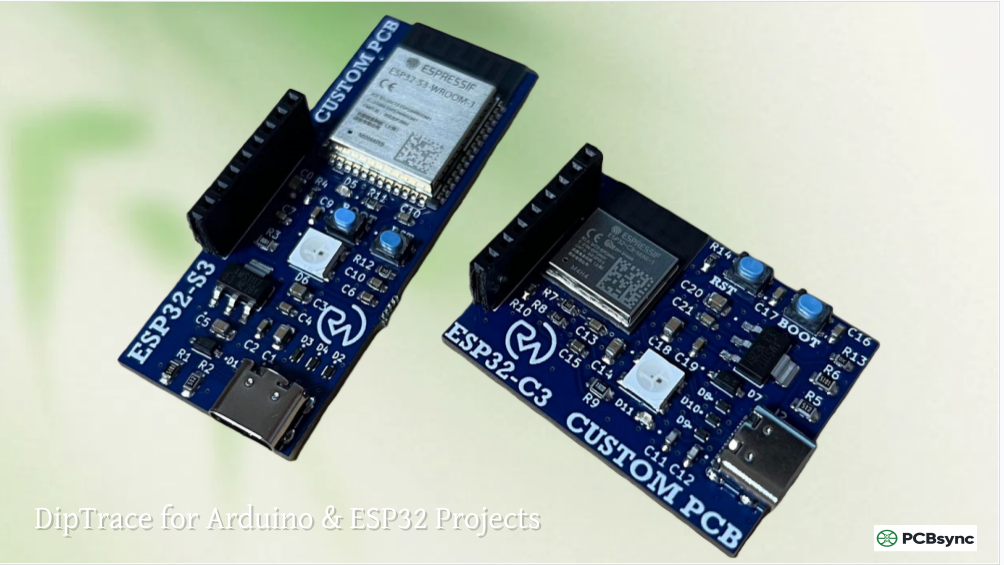
Embedded PCB design for IoT, wearables, and industrial controllers carries unique challenges that separate capable designers from great ones.
Size Constraints and High-Density Integration
Modern embedded systems pack impressive functionality into tiny footprints. Designers must balance component density against manufacturability, thermal management, and testability. Four-layer and six-layer stackups have become standard for complex embedded designs, providing dedicated power and ground planes while maintaining reasonable manufacturing costs.
Surface-mount technology (SMT) dominates embedded design, but package selection matters. BGAs enable maximum density but complicate inspection and rework. QFN packages offer a middle ground between density and repairability.
Power Integrity for Mixed-Signal Designs
Embedded systems frequently combine sensitive analog circuits (sensors, ADCs) with noisy digital sections (microcontrollers, wireless radios). Proper power distribution network design, including appropriate decoupling strategies and ground plane management, prevents one domain from corrupting another.
Wireless Integration Considerations
Adding WiFi, Bluetooth, LoRa, or cellular connectivity introduces RF design requirements. Antenna placement, impedance-controlled traces, and proper shielding affect range and regulatory compliance. Designers without RF experience often produce boards that work on the bench but fail certification testing.
PCB Hardware Design Software: What the Pros Use
Understanding the tools designers use helps evaluate their capabilities and ensures file compatibility.
Software
Cost Tier
Best For
Learning Curve
Altium Designer
$$$$
Enterprise projects, complex boards
Moderate
Cadence OrCAD/Allegro
$$$$
High-reliability industries
Steep
KiCad
Free
Hobbyists, startups, education
Moderate
Eagle (Fusion 360)
$$
Small-medium projects
Moderate
EasyEDA
Free
Quick prototypes, beginners
Low
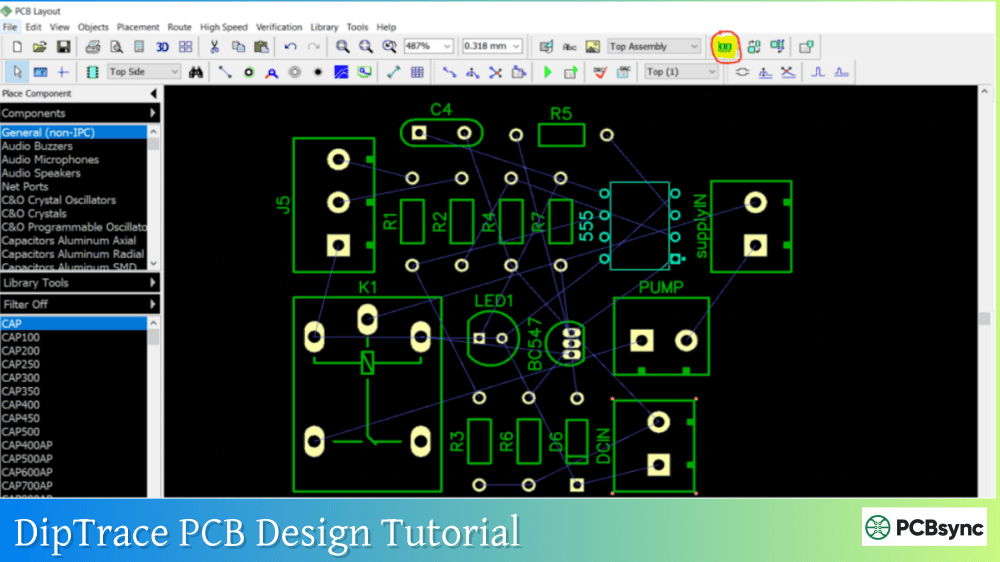
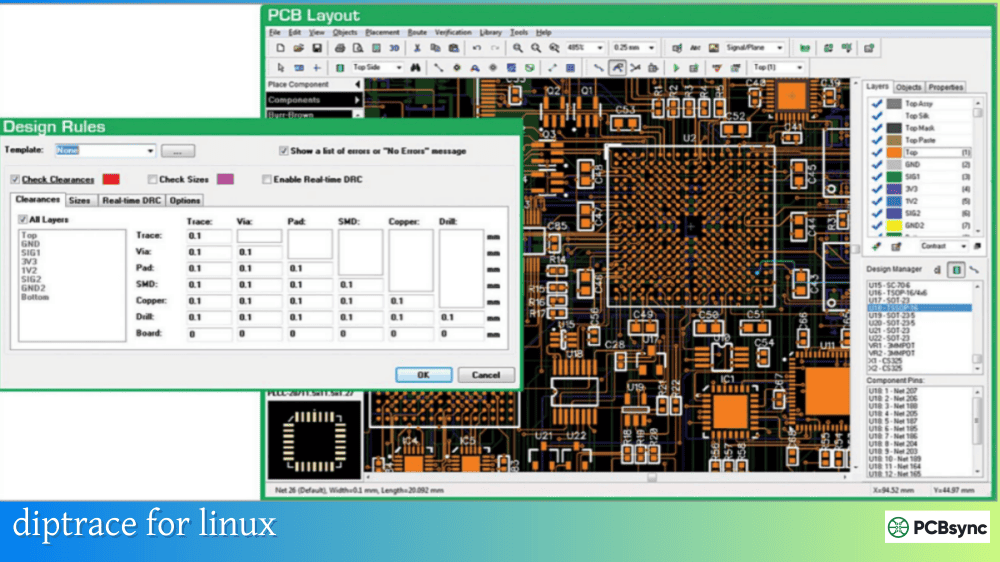
DipTrace
$$
Freelancers, small businesses
Low
Altium Designer dominates professional design houses, offering unified schematic-layout integration, excellent routing tools, and strong supply chain features. Its cloud collaboration through Altium 365 enables real-time design reviews regardless of location.
KiCad has improved dramatically and now handles production-worthy designs at zero cost. Many startups and independent engineers use it exclusively. The open-source model means extensive community libraries and no licensing headaches.
When hiring designers, tool familiarity matters less than fundamental competence. A skilled designer can produce excellent work in any capable tool, though migration between platforms adds overhead.
Evaluating PCB Design Candidates: Questions That Reveal Competence
Beyond reviewing portfolios, these questions help separate experienced designers from enthusiastic beginners.
Signal integrity experience. Ask how they handle impedance-controlled traces, differential pairs, and length matching. Vague answers suggest limited high-speed experience.
DFM awareness. Questions about manufacturer capabilities, panelization, and assembly considerations reveal whether they design for production or just functionality.
Problem-solving approach. Present a hypothetical constraint (limited layers, component shortage, size reduction) and ask how they’d address it. Good designers think through tradeoffs rather than offering simplistic solutions.
Reference verification. Request contacts from previous clients willing to discuss their experience. Reluctance to provide references warrants caution.
Useful Resources for PCB Design Projects
Design Software and Tools
KiCad (kicad.org): Free, open-source PCB design suite
Altium Designer (altium.com): Industry-leading professional tool
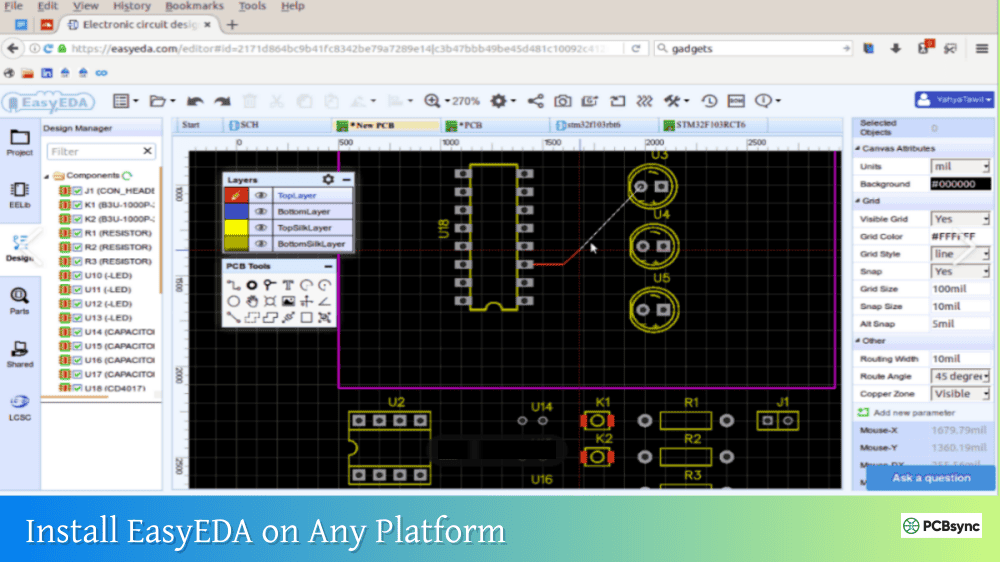
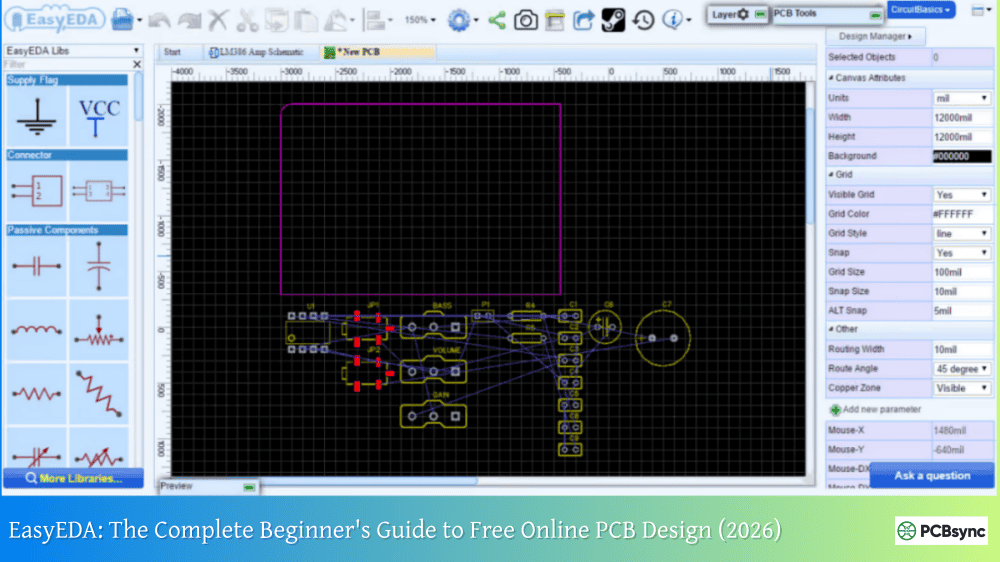
EasyEDA (easyeda.com): Browser-based design with integrated PCB ordering
SnapEDA (snapeda.com): Free footprints and symbols for major EDA tools
Ultra Librarian (ultralibrarian.com): CAD models and symbols
Octopart (octopart.com): Component search and availability
Mouser/DigiKey: Supplier databases with CAD model downloads
PCB Fabrication Services
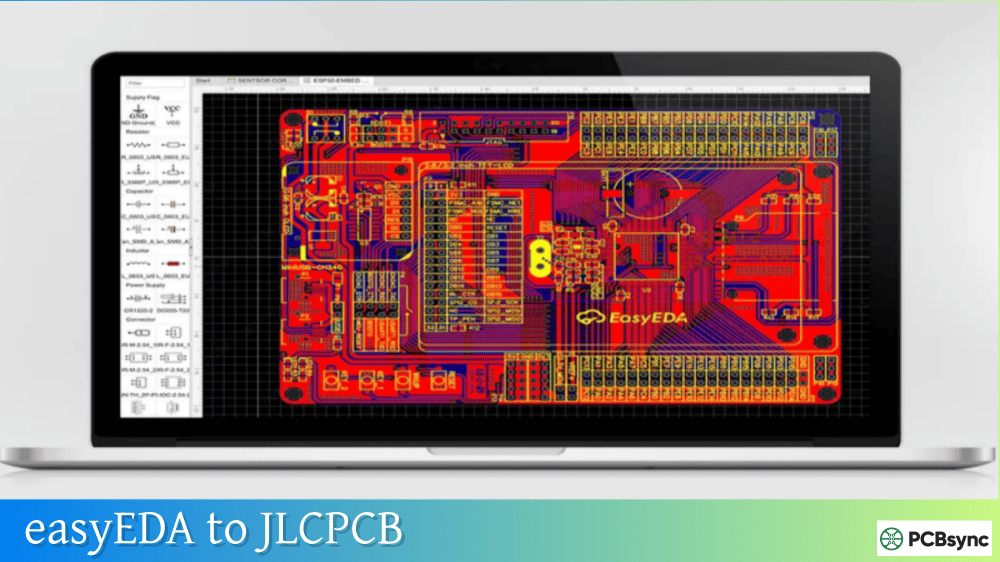
JLCPCB (jlcpcb.com): Budget-friendly prototypes with assembly
PCBWay (pcbway.com): Prototypes and small-batch production
Beta Layout (beta-layout.com): European manufacturing with design services
OSH Park (oshpark.com): US-based shared panel manufacturing
Learning Resources
Altium Academy (altium.com/education): Professional training courses
Sierra Circuits Blog (protoexpress.com/blog): Technical articles on design
IPC Standards (ipc.org): Industry specifications and guidelines
EEVblog Forum (eevblog.com/forum): Community discussion and advice
Cost Considerations: What to Expect
PCB design pricing depends on complexity, timeline, and designer location. Here’s a realistic framework:
Project Type
Typical Cost Range
Timeline
Simple 2-layer prototype
$100 – $500
1-2 weeks
4-layer embedded design
$500 – $2,500
2-4 weeks
Complex 6+ layer HDI
$2,500 – $15,000
4-8 weeks
Full product development
$10,000 – $100,000+
2-6 months
Geographic arbitrage exists. Designers in Eastern Europe, India, and Southeast Asia often charge 40-60% less than US or Western European counterparts. Quality varies independently of location; excellent and poor designers exist everywhere.
Don’t optimize purely on price. A $500 board that works first time costs less than a $200 board requiring three revision spins at $50 each for fabrication plus weeks of delay.
Common Mistakes to Avoid When Outsourcing PCB Design
Insufficient requirements documentation. Vague specifications produce boards that technically meet stated requirements but miss unstated needs. Invest time upfront to capture everything relevant.
Skipping design reviews. Reviewing placement before routing catches problems when fixes cost minutes rather than days. Insist on stage-gate approvals.
Ignoring DFM feedback. Manufacturers often flag potential issues during file review. Address these proactively rather than discovering assembly problems after board delivery.
Underestimating schedule buffers. Everything takes longer than planned. Build contingency into timelines for questions, revisions, and shipping delays.
Choosing price over expertise for complex projects. High-speed digital, RF, or medical designs genuinely require specialized knowledge. Saving $1,000 on design means nothing if the product fails certification.
Frequently Asked Questions About PCB Design Services
How much does it cost to hire a PCB designer on Fiverr?
Fiverr PCB design services typically range from $100 for simple single-layer boards to $850 or more for complex multilayer designs. The average project cost runs around $121, though embedded systems or high-speed designs command premium pricing. Always verify that quoted prices include all deliverables: schematic capture, layout, Gerber files, bill of materials, and 3D models if needed.
What is the difference between PCB design and PCB layout?
PCB design encompasses the complete process from concept through manufacturing documentation, including schematic capture, component selection, and constraint definition. PCB layout specifically refers to the physical arrangement of components and routing of traces on the board. Many designers handle both, but some specialize exclusively in layout work, expecting completed schematics as input.
How long does professional PCB design typically take?
Timeline depends heavily on complexity. Simple two-layer prototypes might complete in one to two weeks. Four-layer embedded designs typically require two to four weeks. Complex high-density interconnect (HDI) boards with multiple high-speed interfaces can take one to two months. These timelines assume clear requirements and responsive communication; delays in providing feedback extend schedules proportionally.
Should I use Beta Layout or order PCBs separately after design?
Beta Layout PCB services make sense when you want integrated responsibility for design and manufacturing, need European-quality fabrication, or prefer fixed-price predictability. Ordering separately provides more vendor flexibility and potentially lower costs for large volumes. For prototyping, the integrated approach often proves more efficient despite slightly higher per-unit costs.
What files should I receive from a PCB design service?
A complete deliverables package includes Gerber files (copper layers, soldermask, silkscreen, drill files), native design files (Altium, KiCad, or Eagle format), bill of materials with manufacturer part numbers, assembly drawings, a pick-and-place centroid file for automated assembly, 3D STEP model for mechanical integration, and schematic PDFs for reference. Confirm the specific deliverables list before engaging any designer.
Moving Forward with Your PCB Project
The PCB design services landscape offers options for every budget and complexity level. Whether you tap into the Fiverr PCB design marketplace for quick prototypes, partner with Beta Layout PCB for integrated design-to-manufacturing, or engage specialized firms for complex embedded PCB design, success depends on clear communication, appropriate expectations, and selecting partners whose expertise matches your project requirements.
Start by honestly assessing your internal capabilities and project demands. Simple boards with relaxed timelines can thrive with freelance support. Mission-critical designs or aggressive schedules benefit from established design houses with deeper resources.
Document your requirements thoroughly before contacting anyone. The time invested upfront pays dividends in reduced iterations, fewer misunderstandings, and faster time to working hardware. Your PCB hardware design project deserves thoughtful partner selection, and now you have the framework to make that choice wisely.
Inquire: Call 0086-755-23203480, or reach out via the form below/your sales contact to discuss our design, manufacturing, and assembly capabilities.
Quote: Email your PCB files to Sales@pcbsync.com (Preferred for large files) or submit online. We will contact you promptly. Please ensure your email is correct.
Notes: For PCB fabrication, we require PCB design file in Gerber RS-274X format (most preferred), *.PCB/DDB (Protel, inform your program version) format or *.BRD (Eagle) format. For PCB assembly, we require PCB design file in above mentioned format, drilling file and BOM. Click to download BOM template To avoid file missing, please include all files into one folder and compress it into .zip or .rar format.