Inquire: Call 0086-755-23203480, or reach out via the form below/your sales contact to discuss our design, manufacturing, and assembly capabilities.
Quote: Email your PCB files to Sales@pcbsync.com (Preferred for large files) or submit online. We will contact you promptly. Please ensure your email is correct.
Notes: For PCB fabrication, we require PCB design file in Gerber RS-274X format (most preferred), *.PCB/DDB (Protel, inform your program version) format or *.BRD (Eagle) format. For PCB assembly, we require PCB design file in above mentioned format, drilling file and BOM. Click to download BOM template To avoid file missing, please include all files into one folder and compress it into .zip or .rar format.
I’ve been in the PCB industry for over a decade, and if there’s one question I hear more than any other, it’s this: “How quickly can you get my boards assembled?” Whether you’re racing to meet an investor demo, fixing a critical design flaw before production, or simply trying to beat competitors to market, quick turn PCB assembly has become essential for modern electronics development.
In this guide, I’ll walk you through everything you need to know about quick turn PCB assembly services—from realistic turnaround times to the factors that can make or break your timeline. No marketing fluff, just practical insights from someone who’s shepherded hundreds of boards through the process.
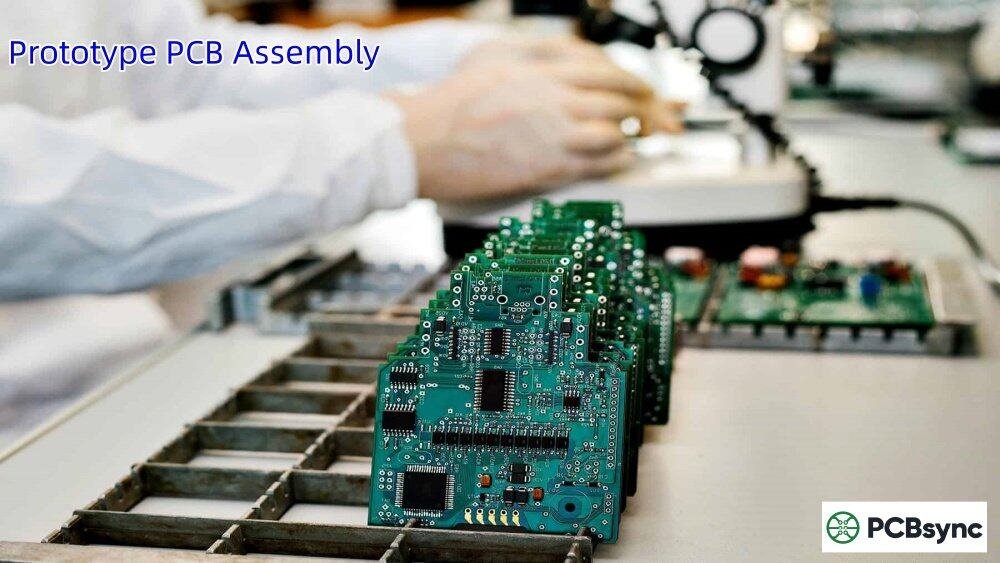
Quick turn PCB assembly refers to the expedited production of printed circuit boards, typically designed for prototyping or small-batch production runs. Unlike standard PCB manufacturing timelines that can stretch 3-4 weeks, quick turn services compress the entire process—from bare board fabrication to fully populated assemblies—into days rather than weeks.
The lead time for quick turn typically ranges from 24 hours to 7 days, depending on complexity and your manufacturer’s capabilities. This speed comes from dedicated production lines, pre-stocked components, streamlined workflows, and often round-the-clock operations.
Quick turn PCB assembly is particularly valuable for:
Prototype validation and design iteration
Engineering samples for investor presentations
Emergency production runs when offshore supply chains fail
Time-sensitive product launches
Design verification testing before mass production
Realistic Quick Turn PCB Assembly Turnaround Times
Let’s cut through the marketing speak and look at what you can realistically expect. Every manufacturer advertises “24-hour service,” but that number comes with significant caveats.
Quick Turn PCB Assembly Lead Time Breakdown
Service Level
Typical Turnaround
Best For
Complexity Limits
Same-Day/24-Hour
1 business day
Simple 2-layer boards, hand-solderable prototypes
Up to 6 layers, standard FR-4 only
48-Hour Rush
2 business days
Low-medium complexity, most prototypes
Up to 6 layers, standard components
3-5 Day Quick Turn
3-5 business days
Medium complexity, small production runs
Up to 8-10 layers, BGAs acceptable
Standard Quick Turn
5-7 business days
Higher complexity, HDI boards
Multi-layer, specialty materials
Standard Production
2-3 weeks
Volume production, complex assemblies
No limitations
Important caveat: These timelines typically start after your files are approved and components are in stock. I’ve seen countless projects derailed because someone assumed “24-hour assembly” meant 24 hours from order placement.
Fabrication vs. Assembly: Understanding the Difference
A common source of confusion is the difference between PCB fabrication (making the bare board) and PCB assembly (populating it with components). For truly fast turnaround, you need both processes optimized.
For bare board fabrication, turnaround times as fast as 24 hours are available for boards up to 6 layers using standard FR-4 materials. Fabricated and assembled boards combined can be turned as fast as 48 hours for simpler designs.
However, the lead time for PCB assembly orders is typically about 7-20 working days when you factor in component procurement. This is why many quick turn services require you to provide components (consigned/kitted) or limit orders to their on-hand parts library (OPL).
Factors That Affect Your Quick Turn PCB Assembly Timeline
Understanding what slows things down helps you plan better and potentially avoid delays entirely. From my experience, these are the biggest timeline killers.
Board Complexity and Layer Count
This one’s straightforward: more layers mean more processing time. A simple 2-layer board can often be fabricated within 24 hours, while 8-layer or HDI (High-Density Interconnect) designs may require special processing that adds days to the schedule.
Complex via structures, such as blind, buried, or via-in-pad configurations, also increase turnaround time. Each lamination cycle is essentially like building another board—HDI designs with sequential laminations can easily double your timeline.
Component Availability—The Hidden Bottleneck
Here’s something many engineers don’t realize until it’s too late: for quick turn PCB assembly, component sourcing is often the biggest bottleneck.
If your BOM includes hard-to-find or long lead time components, your entire project can be delayed. I once had a project held up for three weeks because of a single specialty capacitor with a 12-week lead time.
Component sourcing categories:
Category
Description
Impact on Timeline
OPL (On-hand Parts Library)
Components in manufacturer’s stock
No impact—immediate availability
Readily Available
Common parts from distributors
1-2 days additional
Extended Lead Time
Specialty or constrained parts
Days to weeks
Obsolete/End-of-Life
Parts no longer manufactured
Project may be blocked
Pro tip: Before finalizing your design, run your BOM through your assembler’s parts checker or DigiKey/Mouser to verify availability. If any part has a long lead time, identify approved alternatives in advance.
Material Selection
Using standard materials like FR-4 speeds up the process because they’re readily available and don’t require special handling. In contrast, high-frequency laminates (Rogers, Taconic), high-Tg, or halogen-free materials may require additional lead time for sourcing or processing.
If speed is your priority, stick with standard materials for prototypes and save the specialty substrates for production.
Design File Quality
Incomplete or improperly formatted files are a common cause of delays. Missing information triggers back-and-forth communication, which pushes back the production schedule.
I can’t stress this enough: clean files save days. More on this below.
Testing Requirements
Advanced testing like X-ray inspection, functional testing, or flying probe adds time but is often necessary for quality assurance. Similarly, requests such as conformal coating, selective soldering, or custom packaging require extra processing steps.
Discuss your testing needs upfront. Some manufacturers include basic visual inspection and AOI at no extra charge, while others add these as line items.
The fastest way to get your boards is to eliminate every possible friction point before you submit your order. Here’s my checklist from years of trial and error.
Essential Design Files for Quick Turn Assembly
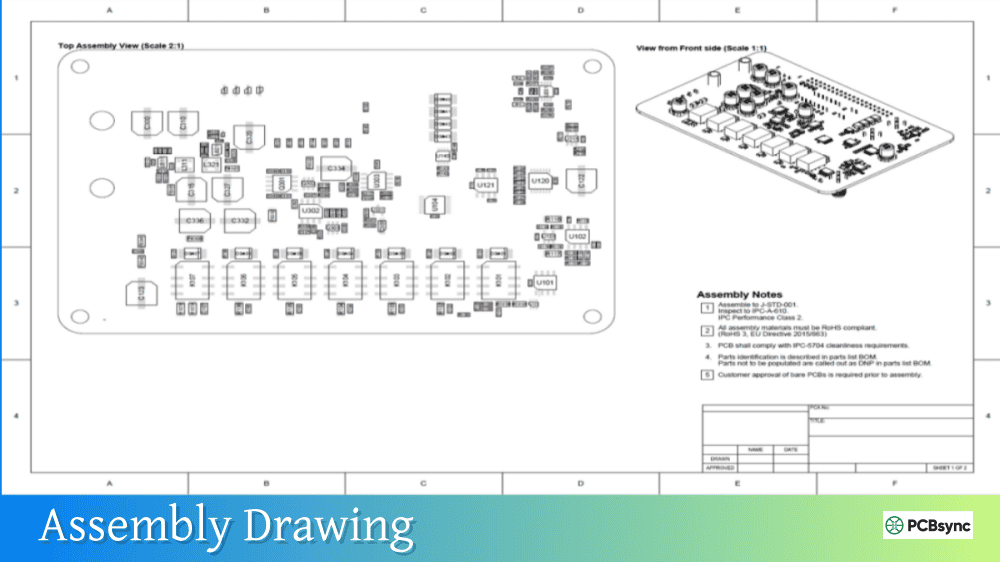
Your manufacturer needs specific files to quote and produce your boards. Missing any of these can delay your project by days.
Include manufacturer part numbers (MPN)—not just generic descriptions
List reference designators for every component
Specify approved alternates for critical parts
Clearly mark any DNI (Do Not Install) positions
Include footprint/package information
A complete and accurate BOM with manufacturer part numbers is essential. If your BOM is missing MPNs entirely, expect your assembler to request clarification before they can quote.
Design for Manufacturability (DFM) Tips
Following DFM guidelines can significantly reduce production time and improve yield:
Use standard component footprints—avoid custom land patterns when possible
Maintain adequate component spacing—cramped boards take longer to assemble and inspect
Include fiducials for SMT—automated pick-and-place machines need reference points
Avoid solder mask defined (SMD) pads for quick turn production
Add teardrops where traces meet vias (especially for IPC Class 3)
Panelize efficiently—discuss array options with your manufacturer
Quick Turn PCB Assembly Cost Considerations
Speed costs money. Understanding the cost structure helps you make informed decisions about when to pay for rush service.
The Rush Premium
Rush orders with 24-72 hour turnaround typically carry a premium of 50% to 300% over standard pricing. Buyers that demand short turnaround times can drive up the cost of PCB assembly by up to one-third (33 percent or more).
This premium exists because expedited orders require manufacturers to prioritize your job over others, potentially run overtime shifts, and use expedited shipping for components and finished goods.
Cost Comparison by Turnaround Time
Turnaround
Approximate Premium
When It Makes Sense
Same-Day
200-300%
Critical investor demos, emergency repairs
24-48 Hour
100-150%
Tight deadlines, design competition
3-5 Day
30-50%
Standard prototyping, reasonable urgency
7+ Day
Standard pricing
Planning ahead, cost-sensitive projects
Volume vs. Speed Trade-offs
Prototype runs are more expensive per board compared to mass production due to setup and tooling costs. A single prototype might cost $100-500 per board, while a production run of 1,000 boards might drop to $5-20 per board.
For quick turn specifically, the sweet spot is usually 5-25 boards—enough to justify NRE costs without breaking the bank.
Domestic vs. Offshore Quick Turn
Manufacturers in China can deliver high-quality PCBs at much lower cost than domestic providers, with turnaround times as fast as 24 hours for bare boards—plus additional days for shipping.
For true quick turn (5 days or less), domestic assembly usually wins because you eliminate international shipping time. For anything over 7 days, offshore options become competitive.
Choosing the Right Quick Turn PCB Assembly Partner
Not all quick turn providers are equal. Here’s what to evaluate.
Key Evaluation Criteria
Location matters: Opting for a local contract manufacturer can be an advantage in quick turn services. The further away your fabrication partner is, the longer delivery takes. For turnkey projects, consider onshore manufacturers with strong supply chains.
Frequently Asked Questions About Quick Turn PCB Assembly
How fast is quick turn PCB assembly really?
The fastest services offer 24-hour turnaround for simple boards up to 6 layers using standard FR-4 material. However, this assumes your files are complete, components are in stock, and no DFM issues need resolution. More complex boards typically require 3-7 days. For fully assembled boards with component procurement, realistic quick turn is 5-10 business days.
What’s the minimum order quantity for quick turn services?
Most quick turn providers have no minimum quantity requirement—you can order as few as one or two boards. However, per-unit costs are significantly higher for small quantities due to fixed setup costs. The cost-effective sweet spot is usually 5-25 boards for prototyping.
Is quick turn PCB assembly more expensive than standard?
Yes. Expect to pay 30-300% more depending on how fast you need boards. The premium covers expedited shipping, prioritized scheduling, and often overtime labor. For 3-5 day turnaround, the premium is typically 30-50% over standard 2-3 week pricing.
Can complex multi-layer boards be produced in quick turn?
Absolutely, though turnaround times extend with complexity. Standard quick turn (5-7 days) typically covers boards up to 8-10 layers. HDI boards with blind/buried vias or sequential lamination may require 7-14 days depending on the manufacturer. Always discuss your specific requirements—some facilities specialize in complex quick turn work.
Should I use domestic or offshore quick turn services?
For true quick turn (under 7 days), domestic is usually faster when you factor in shipping. Offshore manufacturers can match or beat pricing on standard quick turn (7-14 days), but international shipping adds 2-5 days. For emergency work, domestic is almost always the better choice despite higher costs.
Tips to Speed Up Your Quick Turn PCB Assembly Project
After years of working with quick turn manufacturers, here are my top strategies for shaving time off your timeline:
Before You Submit
Run a component availability check on your entire BOM before finalizing the design
Use your manufacturer’s preferred file formats—ask what they want before generating outputs
Include alternate part numbers for any component that might have availability issues
Review your Gerbers visually using a free viewer before submission—catching errors yourself is faster than waiting for your manufacturer to flag them
During the Quote Process
Call, don’t just email—a five-minute conversation often clarifies what would take days of back-and-forth
Ask about component lead times before confirming the order
Confirm the ship date in writing—”quick turn” means different things to different people
During Production
Provide a direct engineering contact who can answer questions immediately
Be available during business hours—unanswered questions pause production
Consider partial shipments if some boards are needed before others
Final Thoughts
Quick turn PCB assembly is a powerful tool for accelerating your development cycle, but it requires preparation. Clean design files, verified component availability, and clear communication with your manufacturer make the difference between hitting your deadline and missing it by a week.
Start your quick turn projects with realistic expectations, build relationships with reliable assembly partners, and always—always—verify your BOM before you submit. The fastest path to assembled boards is eliminating delays before they happen.
If you’re planning a quick turn project, reach out to potential manufacturers early. A quick call to discuss your timeline, complexity, and component choices can save you days of back-and-forth later.
Inquire: Call 0086-755-23203480, or reach out via the form below/your sales contact to discuss our design, manufacturing, and assembly capabilities.
Quote: Email your PCB files to Sales@pcbsync.com (Preferred for large files) or submit online. We will contact you promptly. Please ensure your email is correct.
Notes: For PCB fabrication, we require PCB design file in Gerber RS-274X format (most preferred), *.PCB/DDB (Protel, inform your program version) format or *.BRD (Eagle) format. For PCB assembly, we require PCB design file in above mentioned format, drilling file and BOM. Click to download BOM template To avoid file missing, please include all files into one folder and compress it into .zip or .rar format.