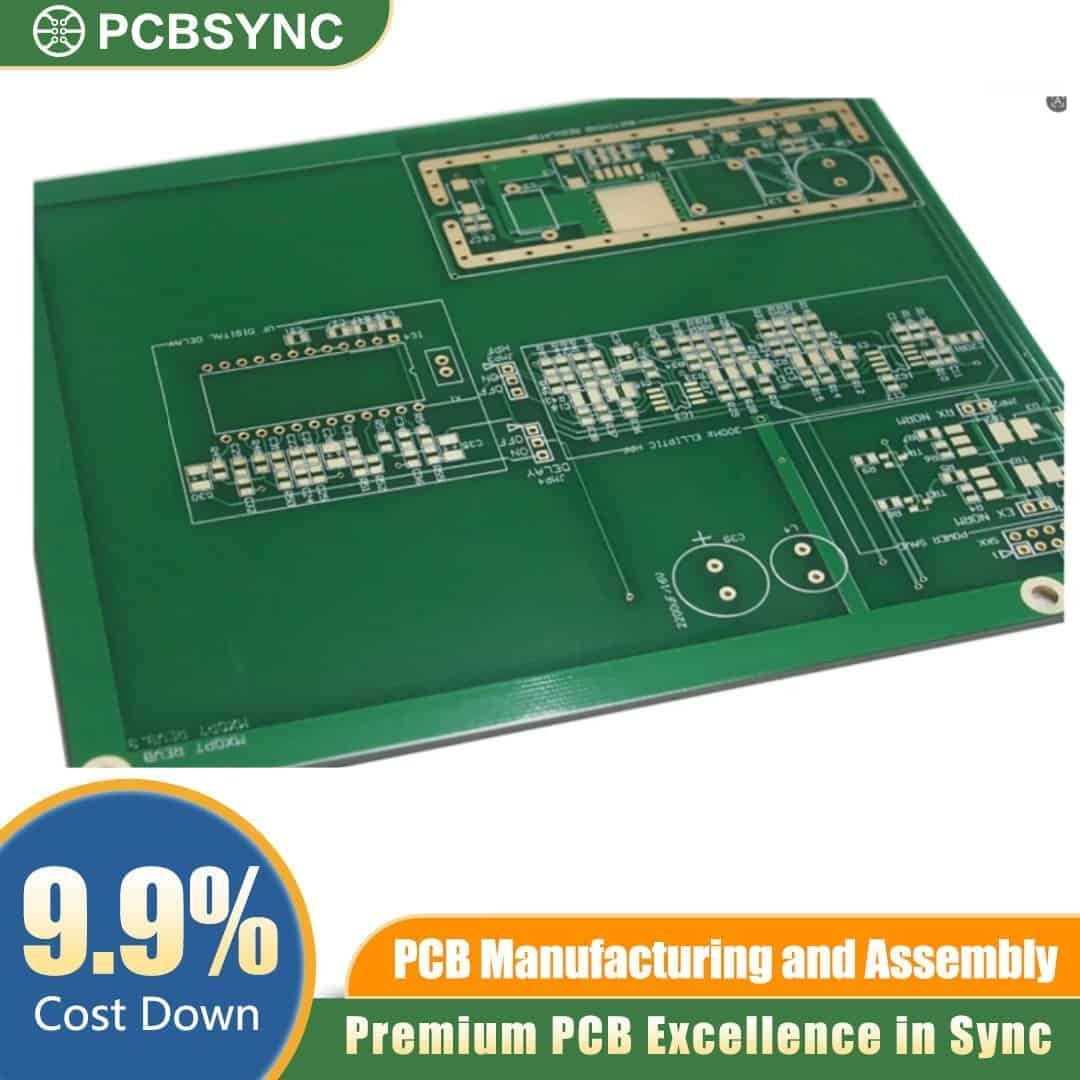
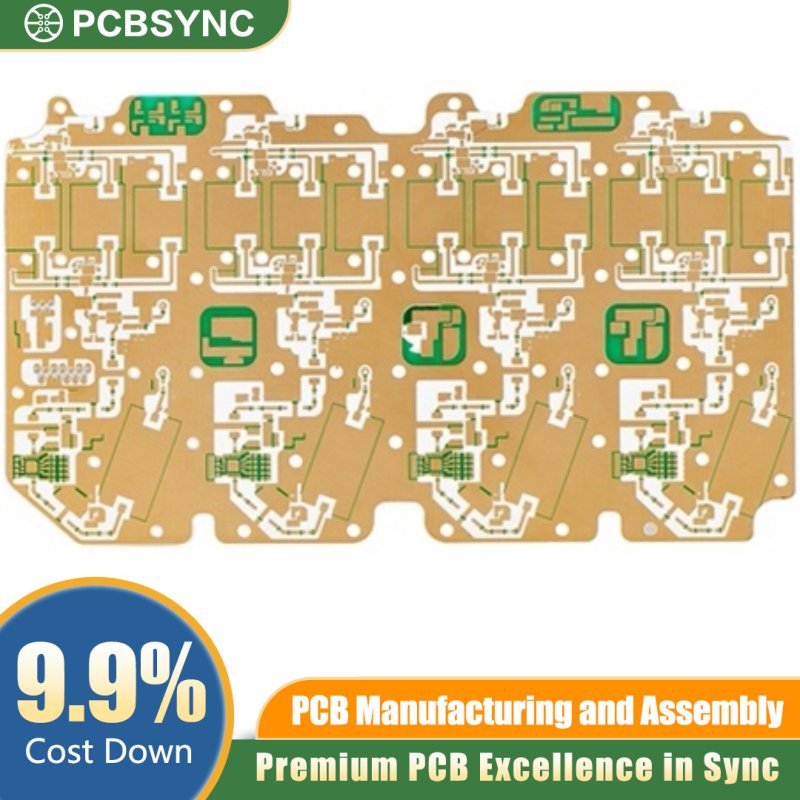
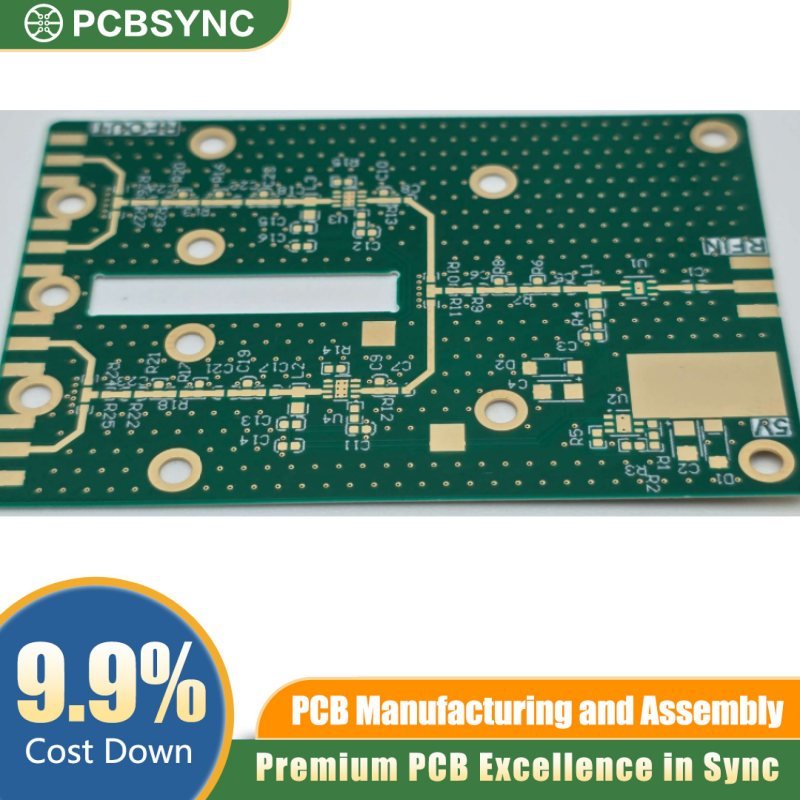
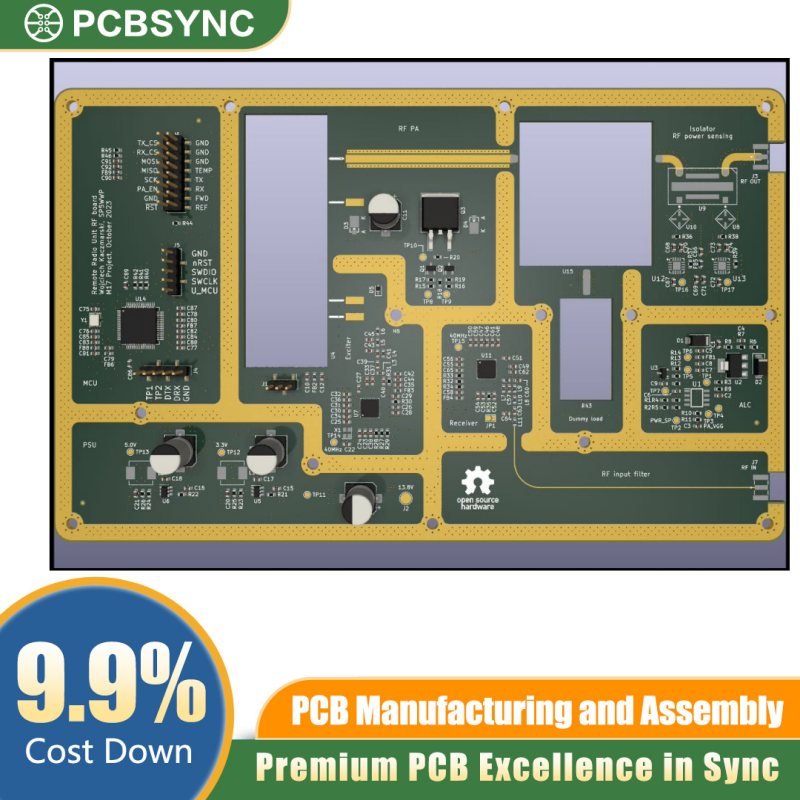
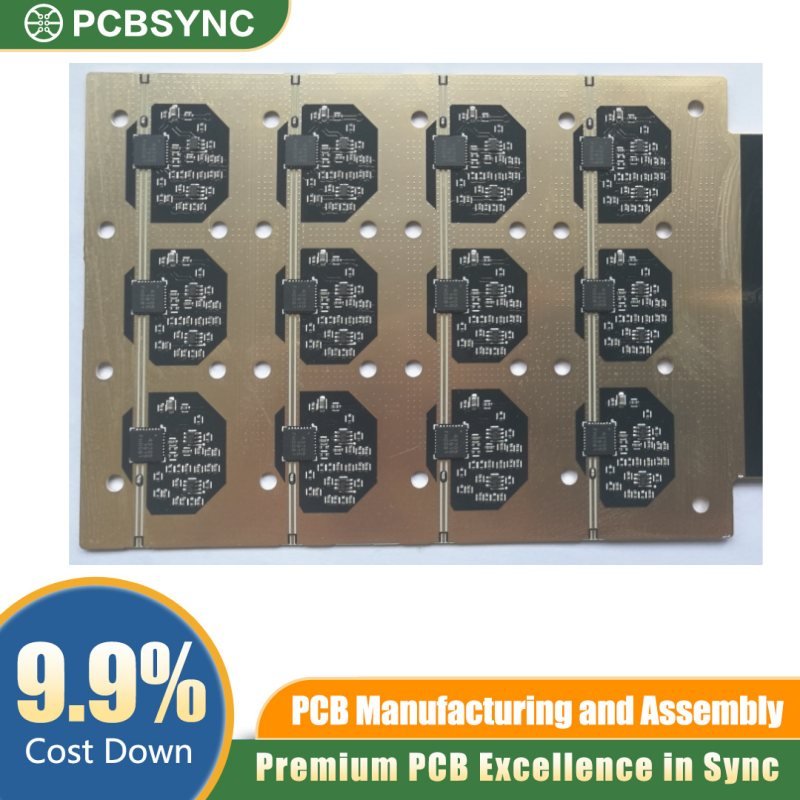
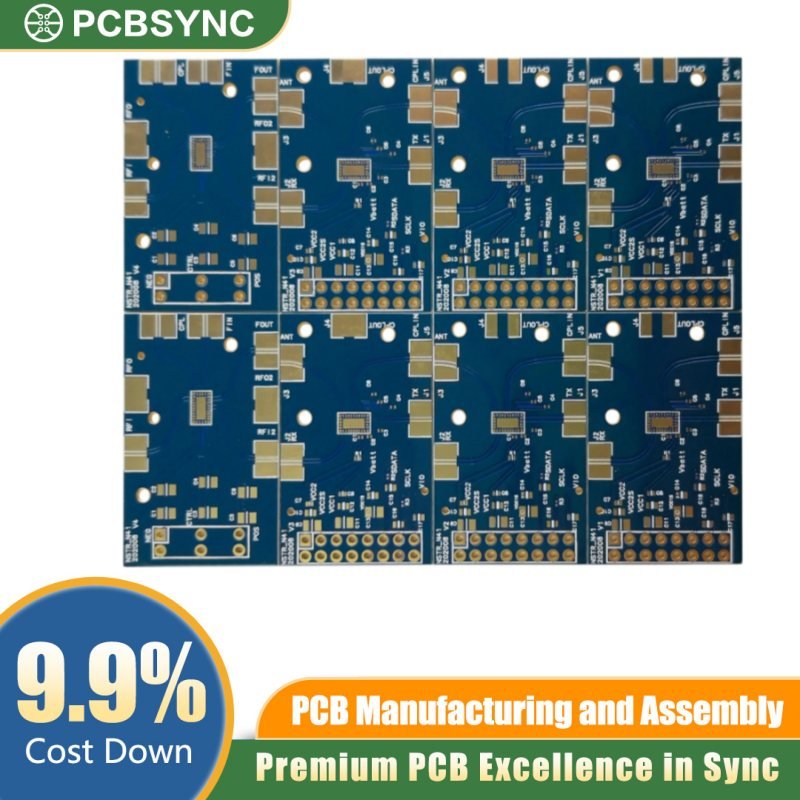
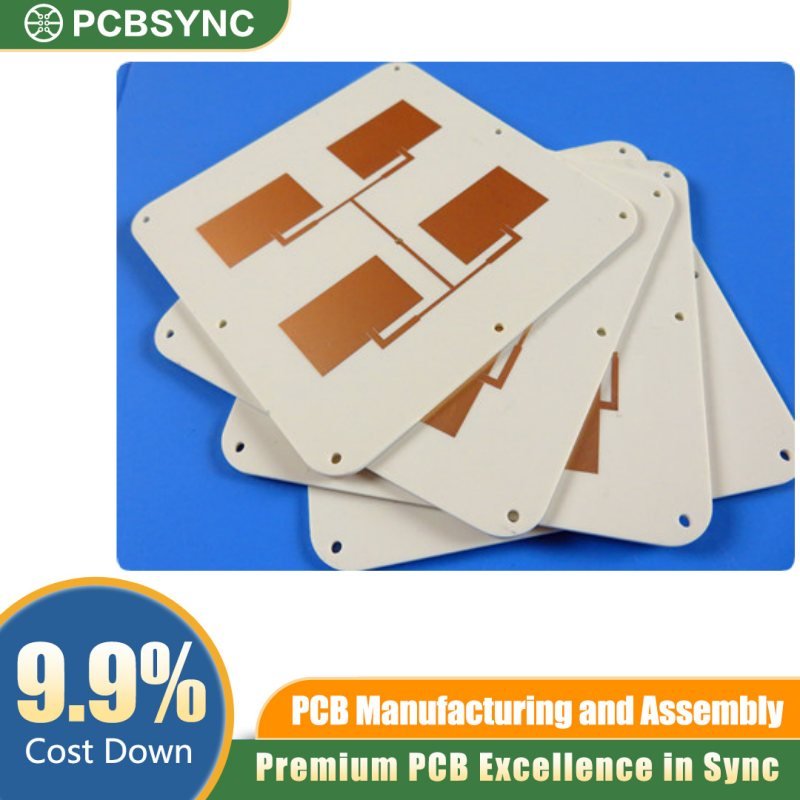
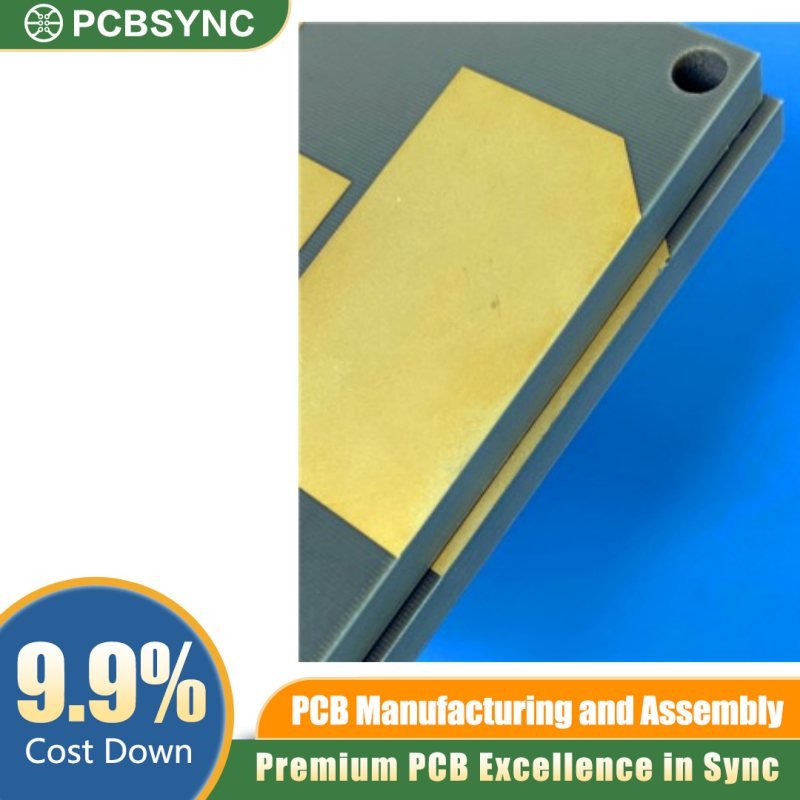
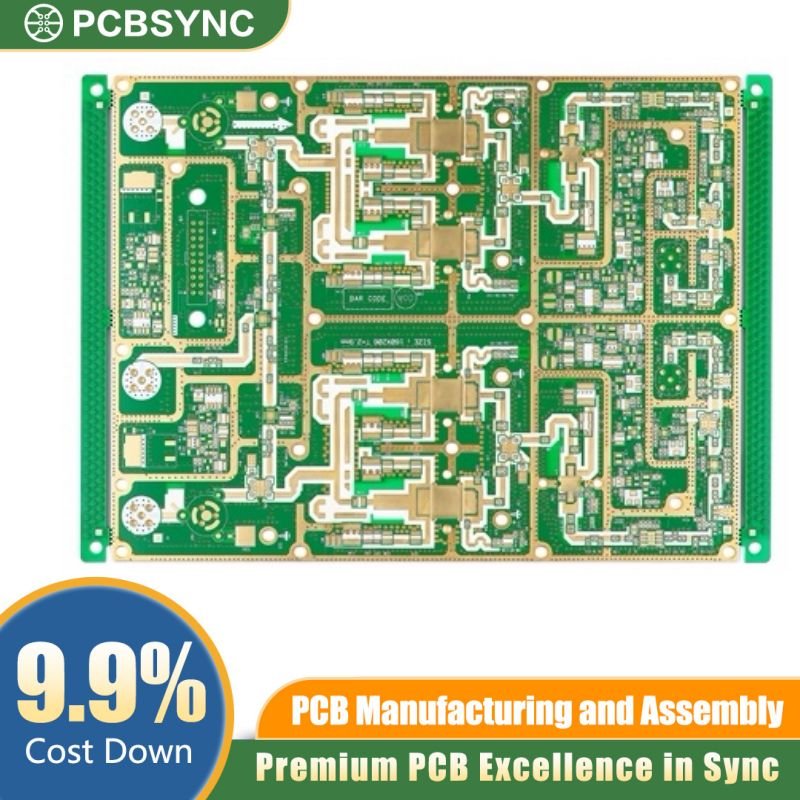
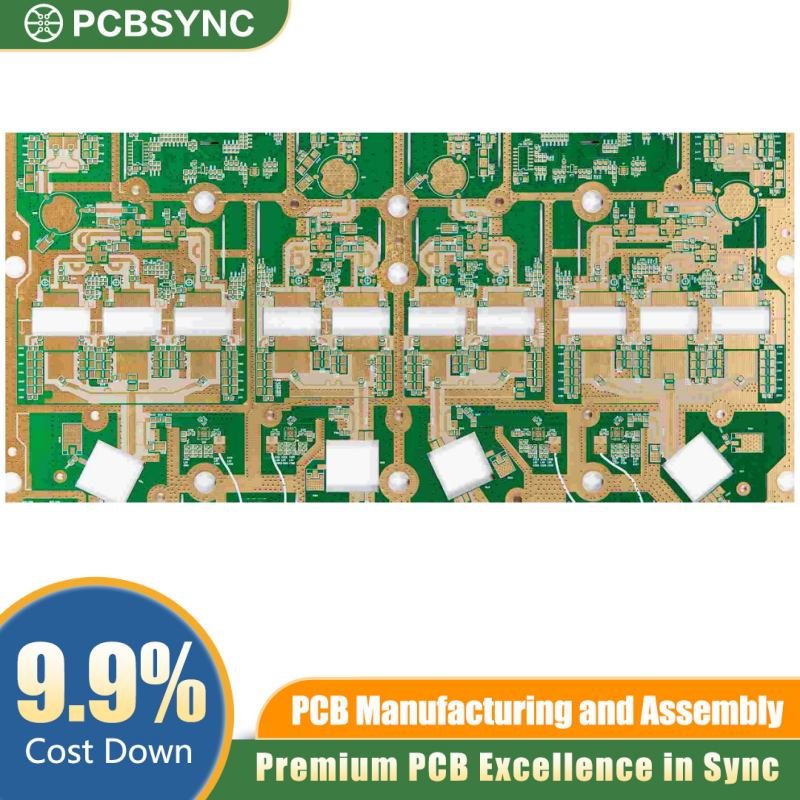
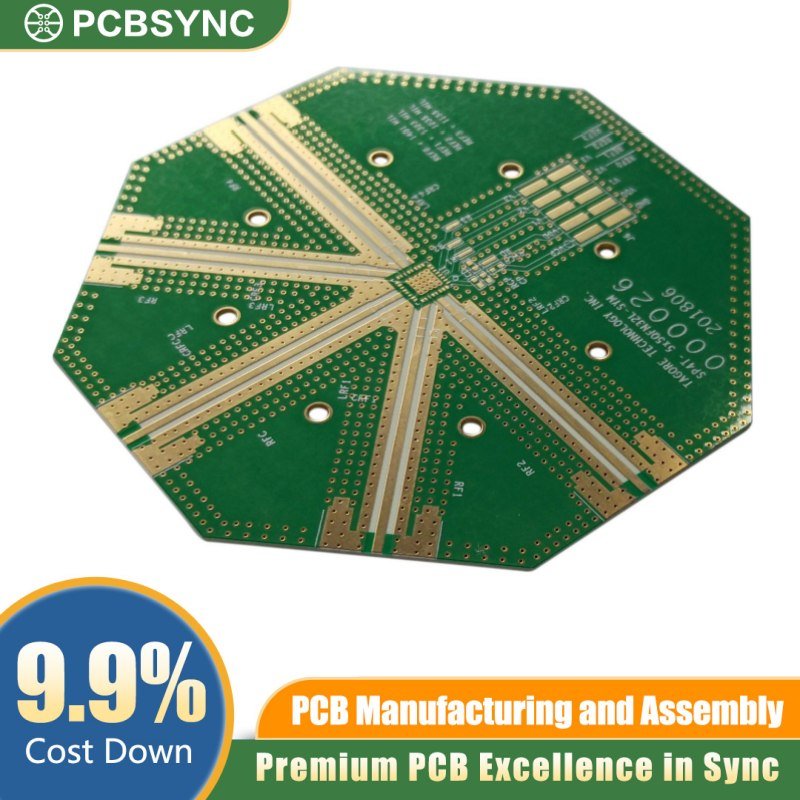
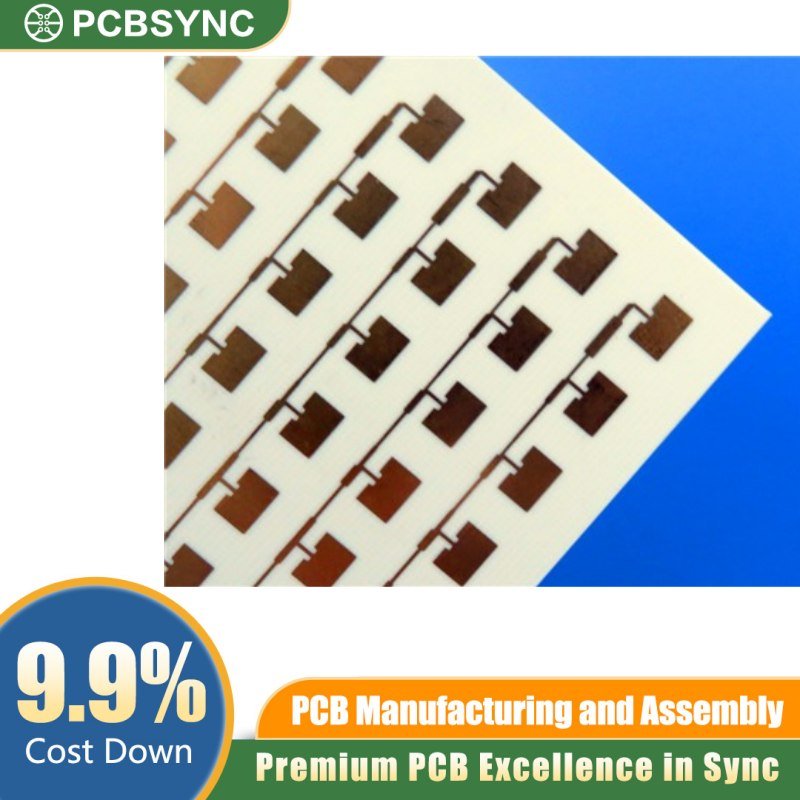
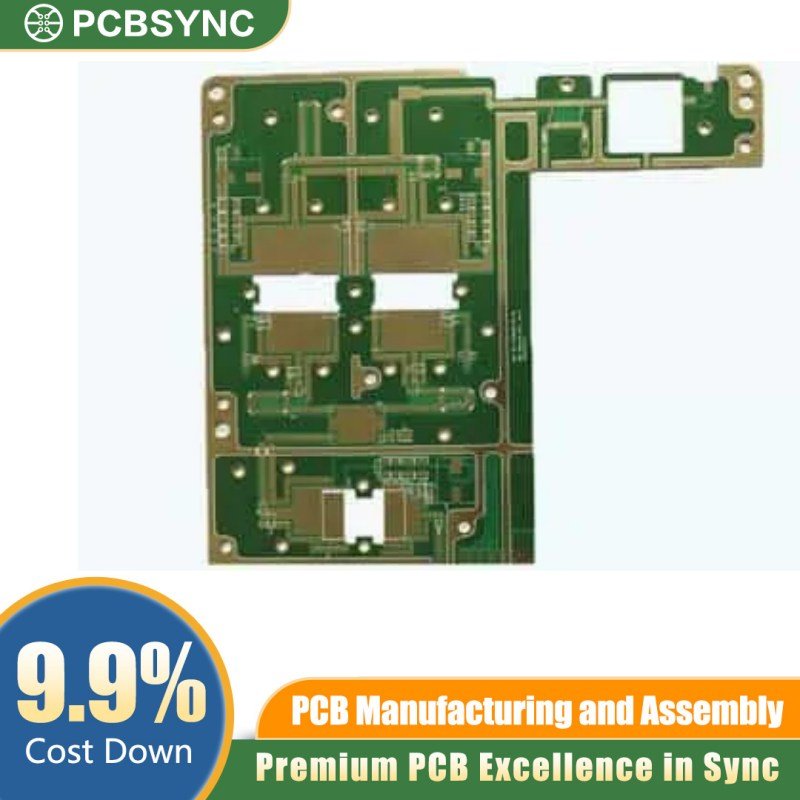
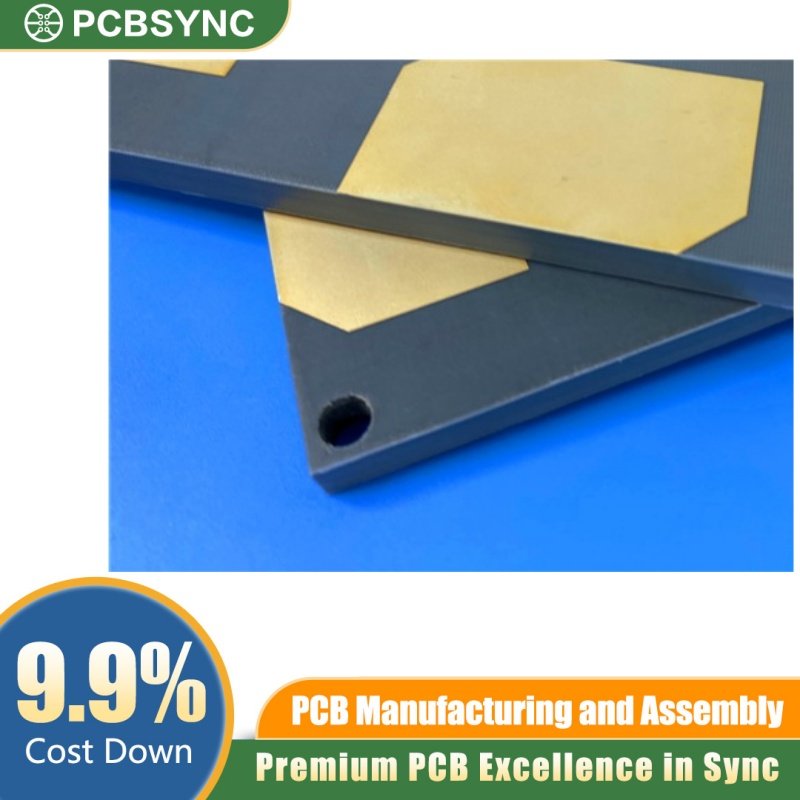
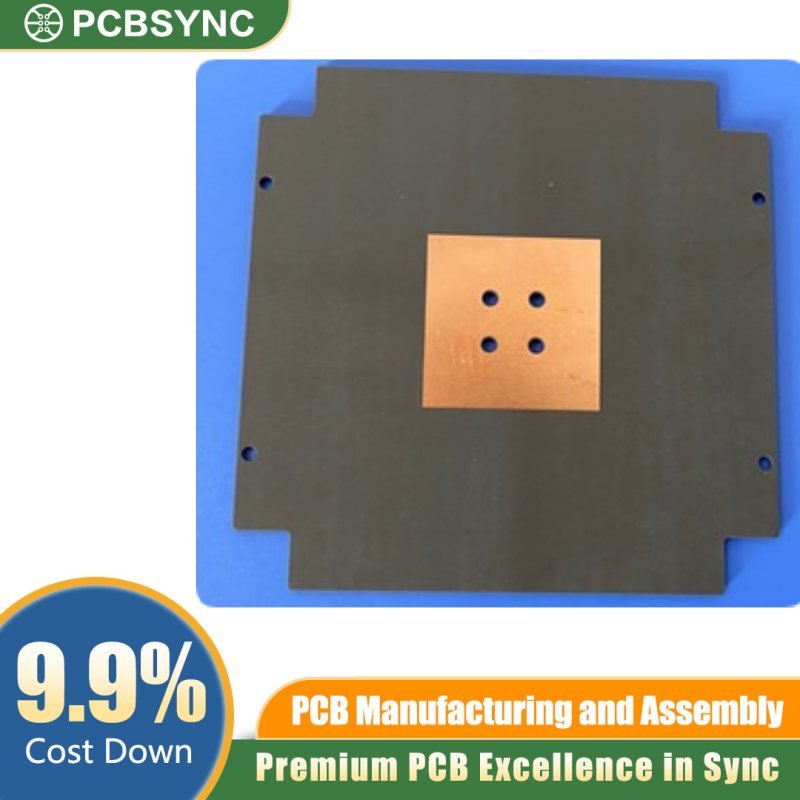
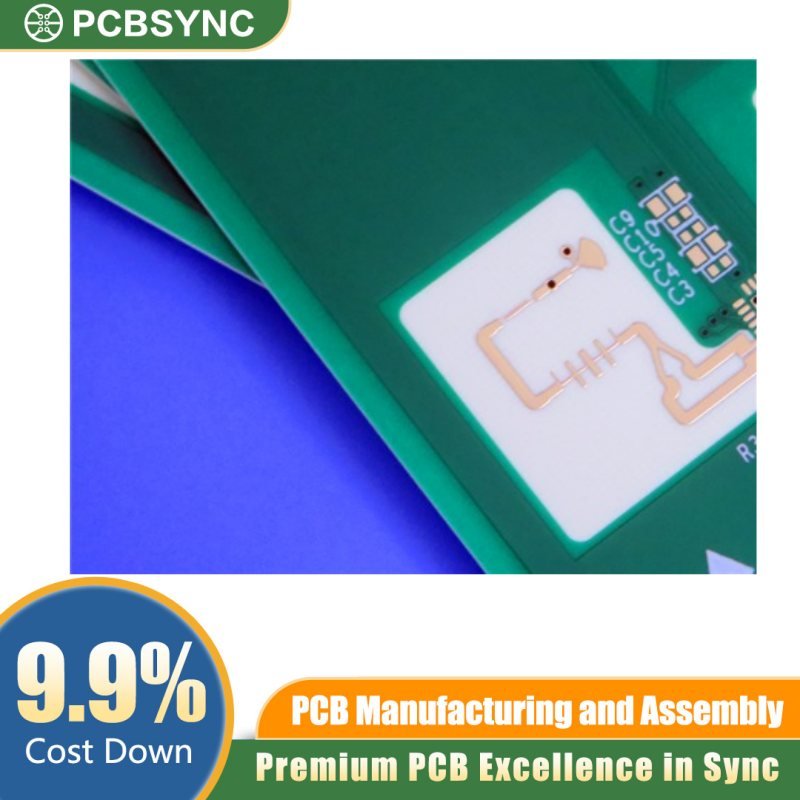
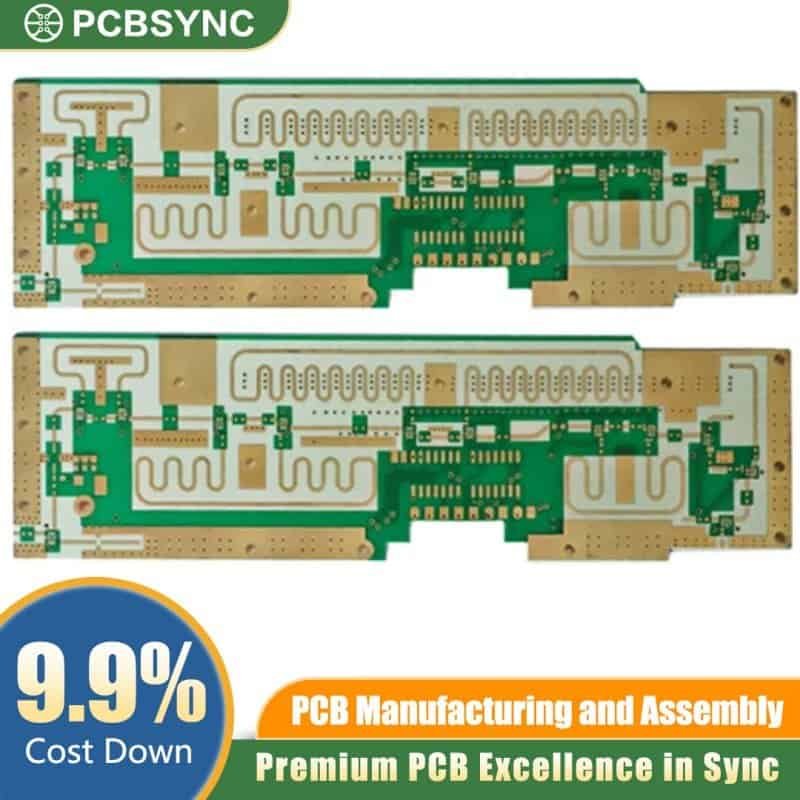
This high-performance 4-layer interface board is engineered for the rigorous demands of Automotive LiDAR (Light Detection and Ranging) systems. Utilizing the industry-leading Rogers RO4700™ antenna-grade laminate, this board is designed to provide the mechanical stability and electrical precision required for real-time 3D environment mapping and autonomous driving level 3 and beyond.
Technical Specifications
| Feature |
Specification |
| Material |
Rogers RO4700™ (Antenna Grade) |
| Layer Count |
4-Layer Multilayer |
| Board Thickness |
0.4mm (Ultra-thin for compact integration) |
| Copper Weight |
1/2 oz (Finished) |
| Surface Finish |
Immersion Gold (ENIG) |
| Application |
Automotive LiDAR / ADAS Interface |
| Compliance |
IATF 16949 / RoHS / IPC Class 3 |
Key Benefits & Engineering Excellence
1. High-Frequency Signal Integrity with RO4700
The Rogers RO4700 series is a thermoset resin system specifically designed for antenna applications. Unlike traditional PTFE-based materials, RO4700 is compatible with standard FR-4 processing while offering a low dielectric constant ($Dk$) and ultra-low dissipation factor. This ensures that high-speed data pulses from LiDAR sensors are transmitted with minimal attenuation and zero signal distortion.
2. Optimized for Harsh Automotive Environments
The 0.4mm ultra-thin profile allows for seamless integration into compact sensor housings without sacrificing structural integrity. The low Z-axis coefficient of thermal expansion (CTE) of the RO4700 material ensures that the vias remain reliable through extreme temperature fluctuations—essential for automotive sensors exposed to both desert heat and arctic cold.
3. Superior Conductivity with Immersion Gold (ENIG)
The Immersion Gold (ENIG) finish provides a flat, oxidation-resistant surface that is ideal for high-density SMT components and fine-pitch LiDAR processors. It ensures excellent solderability and a long shelf life, while the nickel layer acts as a barrier to prevent copper diffusion, maintaining the purity of high-frequency signals.
4. Precision 4-Layer Stackup
Designed for electromagnetic compatibility (EMC), the 4-layer architecture allows for dedicated ground and power planes. This minimizes crosstalk and electromagnetic interference (EMI), which is critical when processing the sensitive optical signals required for centimeter-level accuracy in 3D point-cloud generation.
Why Choose PCBSync?
At PCBSync, we specialize in the “no-fail” sectors of electronics. Our automotive PCBs are manufactured under strict IATF 16949 quality management systems.
-
DFM Support: We provide a comprehensive Design for Manufacturability review to ensure your LiDAR board is optimized for yield and performance.
-
Advanced Materials: We maintain a steady stock of genuine Rogers laminates to avoid supply chain delays.
-
Rapid Prototyping: Transition from prototype to mass production seamlessly with our Shenzhen-based high-capacity facility.
Order your Automotive LiDAR Interface Boards today and drive the future of autonomous mobility with PCBSync.