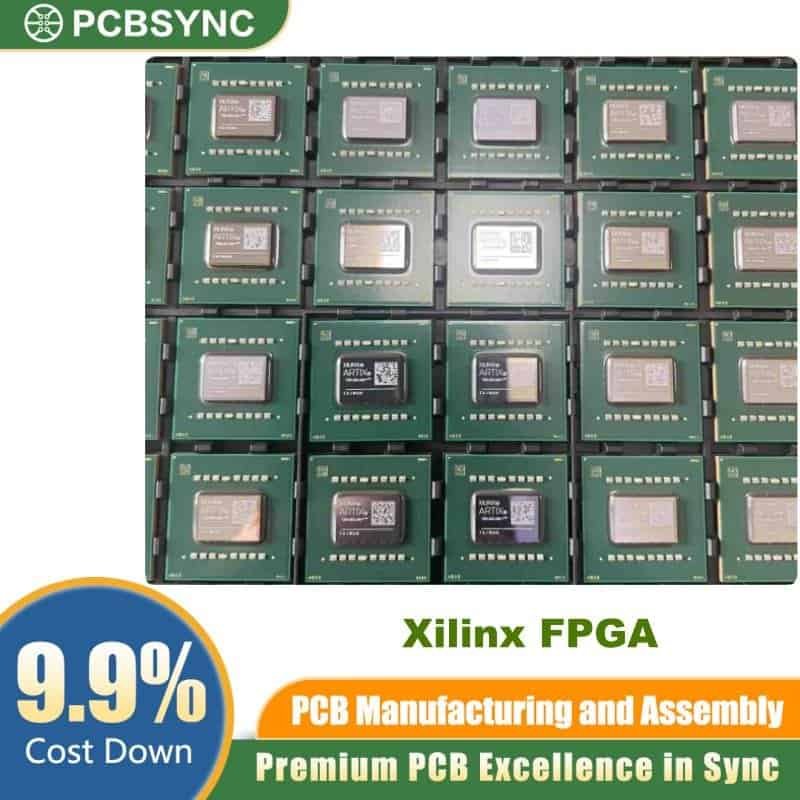
The Xilinx XC7VX690T-1FFG1761I is a high-performance FPGA from the Virtex-7 series, designed for complex and high-speed applications that demand advanced logic, speed, and power efficiency. With its cutting-edge architecture, this FPGA is the perfect solution for industries like telecommunications, automotive, industrial automation, and aerospace. The XC7VX690T boasts impressive features like high processing power, flexible I/O configurations, and integrated high-speed transceivers.
Whether you’re designing for high-performance computing, data centers, or signal processing, this FPGA offers scalability and customization for a wide range of applications. Read on to learn more about its features, specifications, and benefits.
Key Features of Xilinx XC7VX690T-1FFG1761I
Exceptional Processing Power
The XC7VX690T is equipped with a robust 6.8 million logic cells and 420,000 logic slices, delivering exceptional computational capability for high-performance applications. It is designed to handle intricate designs with ease while supporting various data-intensive tasks.
High-Speed Transceivers
With integrated high-speed transceivers (up to 12.5 Gbps), this FPGA ensures fast data transmission across networks, making it ideal for high-speed communication and signal processing applications. Whether you’re working with HDMI, PCIe, or Ethernet protocols, the XC7VX690T supports multiple interfaces for seamless connectivity.
Low Power Consumption
The Virtex-7 series, including the XC7VX690T-1FFG1761I, focuses on low power consumption without compromising on performance. This allows for more energy-efficient designs, which is crucial for projects where power efficiency is a priority.
Flexible I/O and Customization
The FPGA comes with a wide range of I/O options, which are customizable to suit the specific needs of your application. This flexibility allows engineers to design solutions tailored to specific system requirements, optimizing space and performance.
Detailed Specifications of XC7VX690T-1FFG1761I
| Feature |
Specification |
| Device Family |
Virtex-7 |
| Logic Cells |
6.8 million |
| Logic Slices |
420,000 |
| Package Type |
FFG1761 (1761-ball BGA) |
| Speed Grade |
-1 (Standard speed) |
| I/O Pins |
960 |
| Maximum I/O Voltage |
3.3V |
| Integrated Transceivers |
12.5 Gbps |
| Power Consumption |
Low power with high performance |
| Operating Temperature |
Commercial (0°C to 85°C) |
Applications of the XC7VX690T-1FFG1761I FPGA
The Xilinx XC7VX690T is suitable for a wide range of demanding applications, offering flexible configurations for custom designs in the following industries:
Telecommunications
Ideal for high-bandwidth, high-speed networking tasks, including 4G/5G infrastructure and signal processing. The XC7VX690T delivers high throughput with low latency, ensuring reliable communication.
Industrial Automation
In industrial control systems, robotics, and machine vision, the XC7VX690T provides high precision and real-time performance for critical applications.
Aerospace & Defense
For radar systems, communication satellites, and navigation systems, this FPGA offers rugged performance in harsh environments, meeting military-grade specifications.
High-Performance Computing (HPC)
Whether you’re working on AI/ML algorithms, cryptography, or scientific simulations, the XC7VX690T’s high-speed data processing and parallel computing capabilities provide the power you need.
Why Choose the Xilinx XC7VX690T-1FFG1761I FPGA?
Scalability and Flexibility
The XC7VX690T provides scalable solutions, enabling engineers to adjust designs as performance requirements grow. The variety of configuration options allows you to tailor your design to meet specific system needs.
Proven Performance
Xilinx FPGAs have been trusted for years across a wide range of industries. The Virtex-7 series, in particular, is renowned for its superior performance in demanding applications.
Reliable Design with Xilinx Tools
Designing with the Xilinx XC7VX690T is made easier with Xilinx Vivado Design Suite and ISE Design Suite, offering advanced tools for simulation, verification, and debugging to streamline the development process.