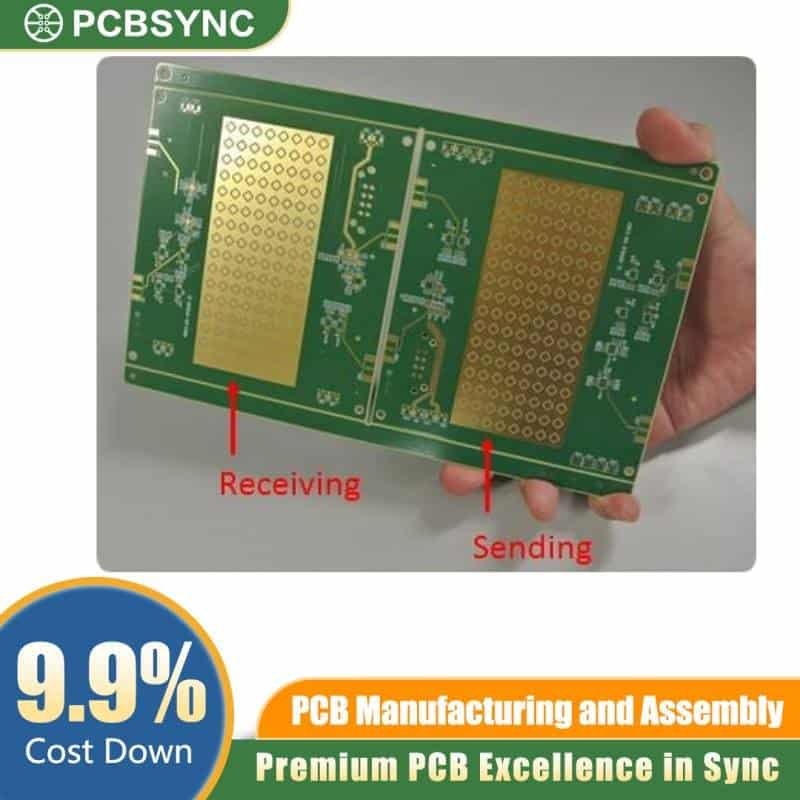
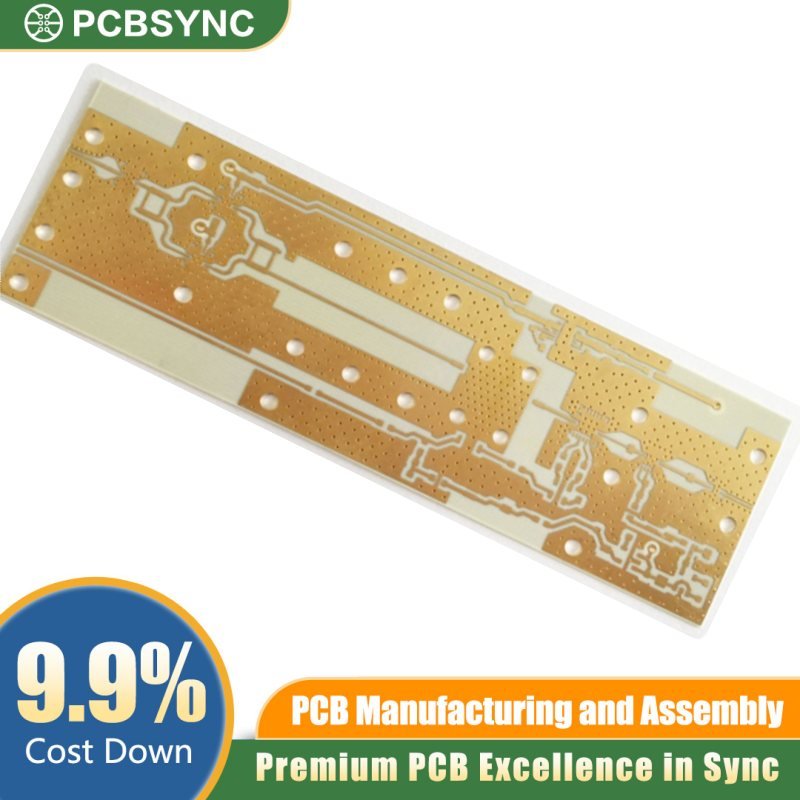
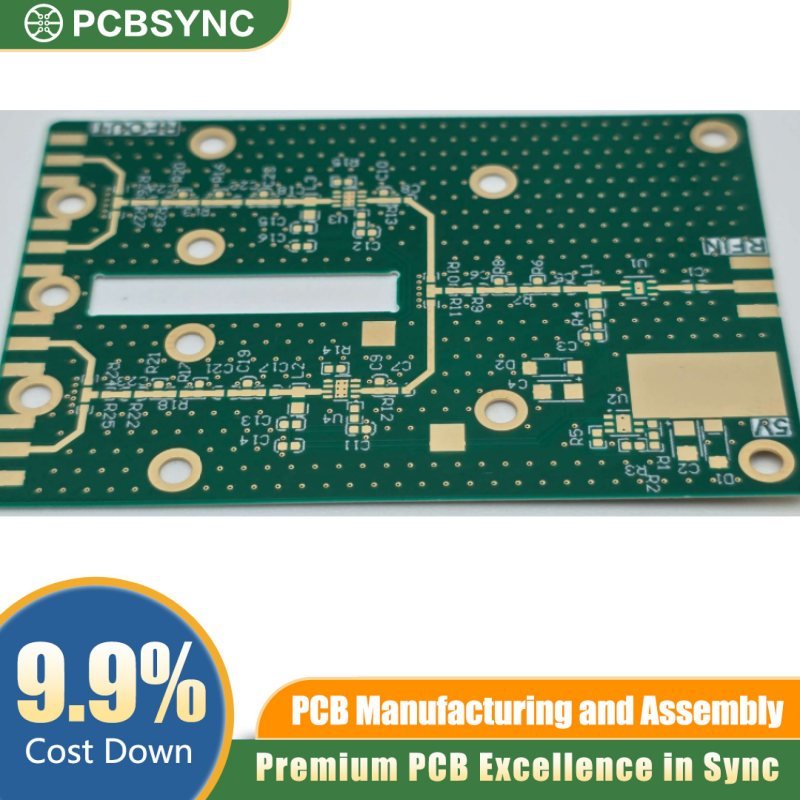
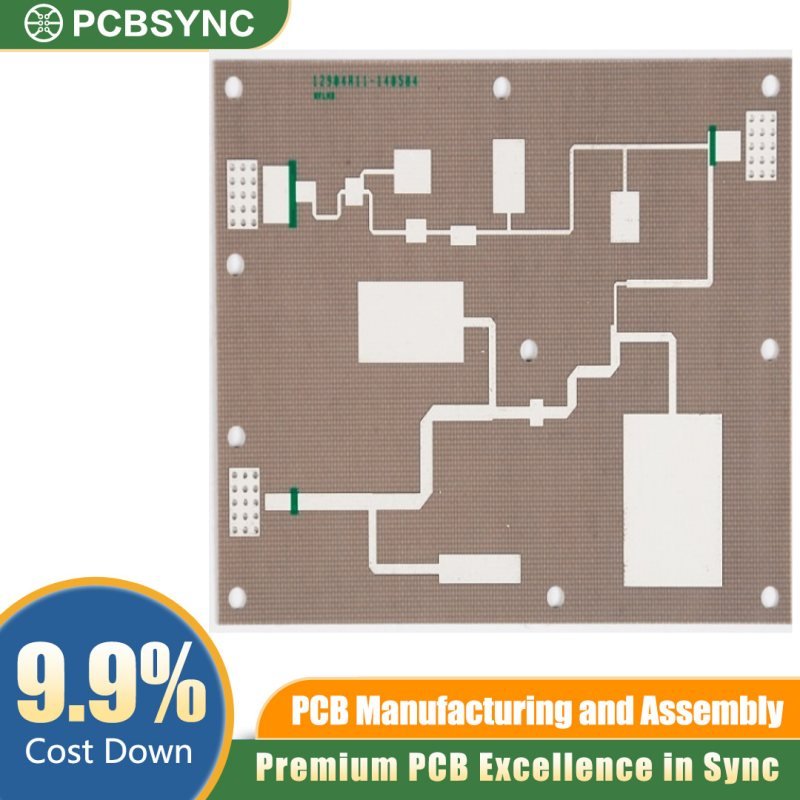
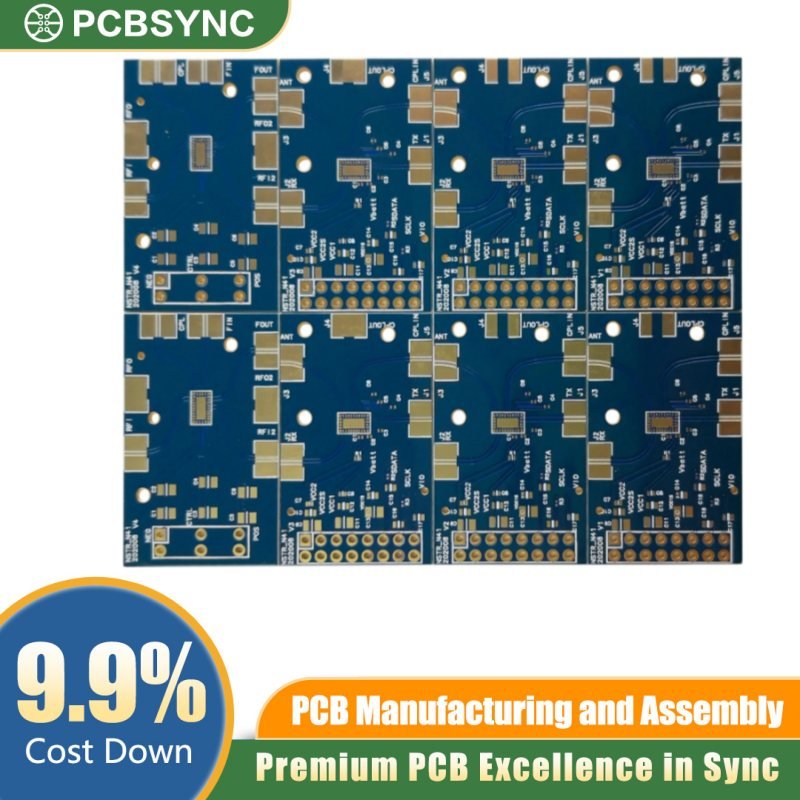
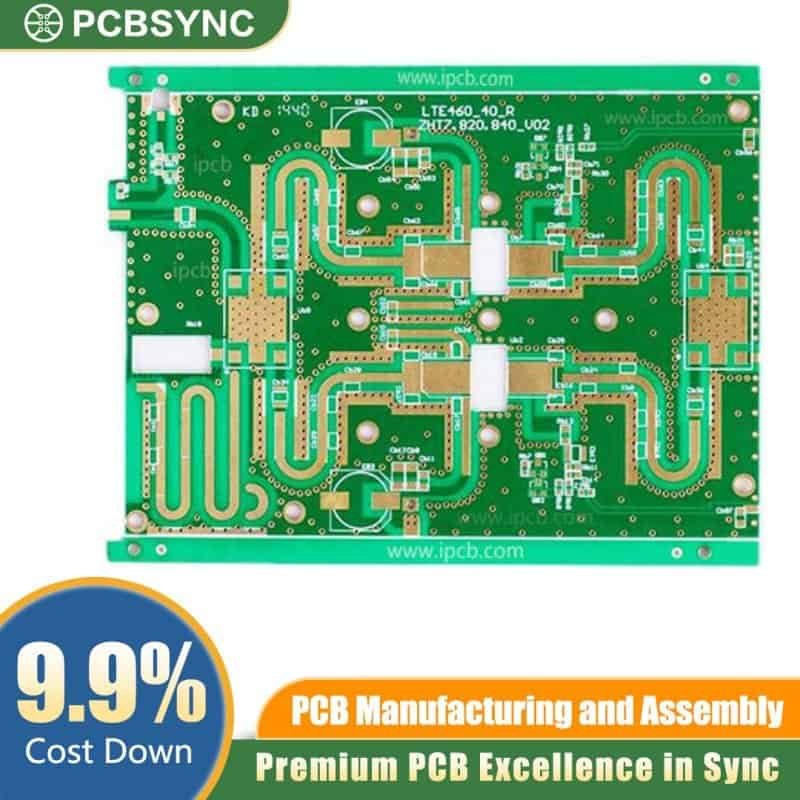
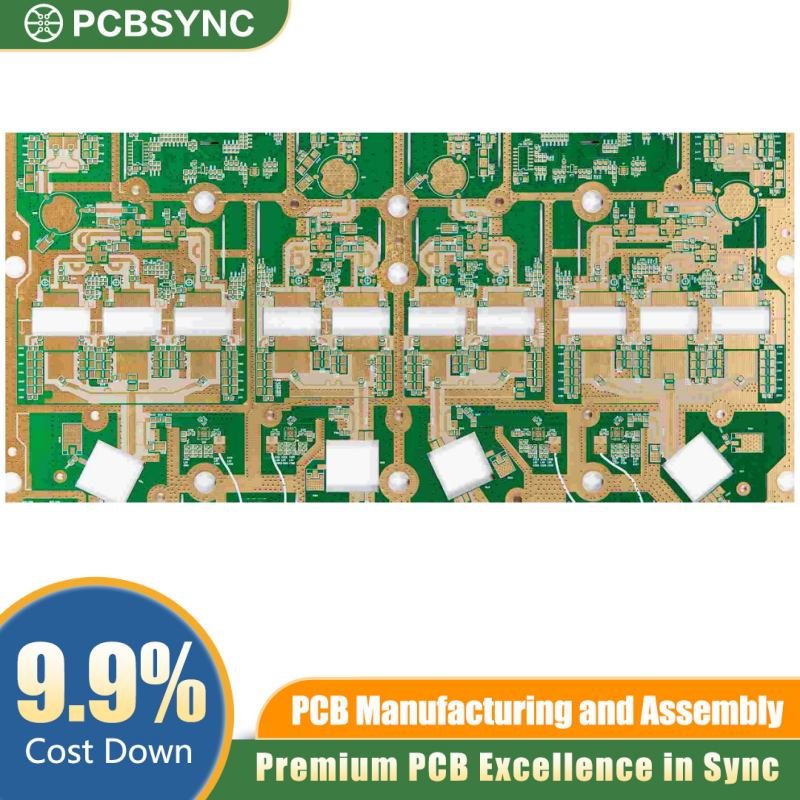
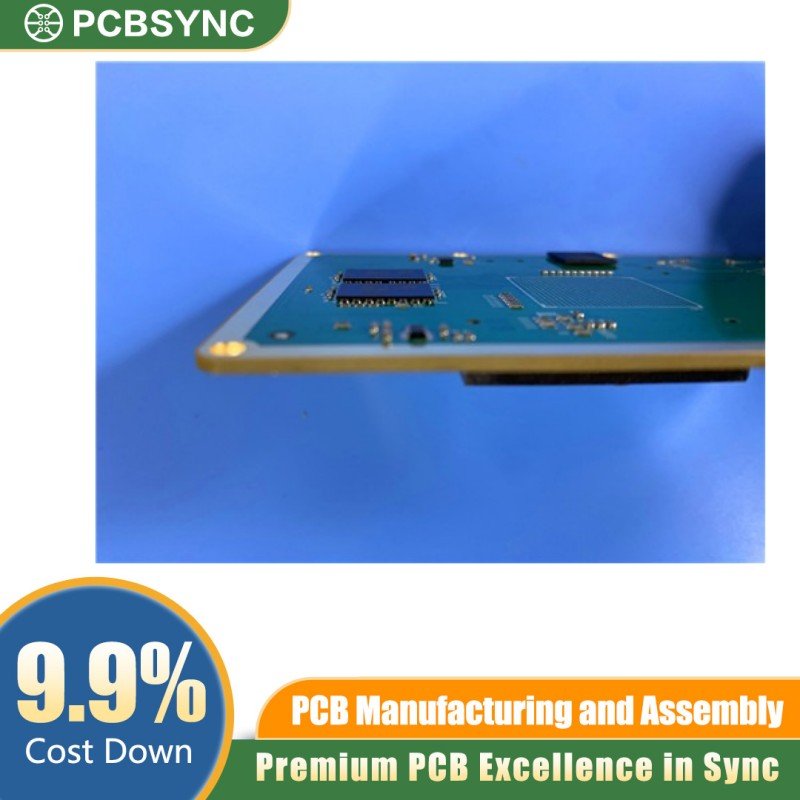
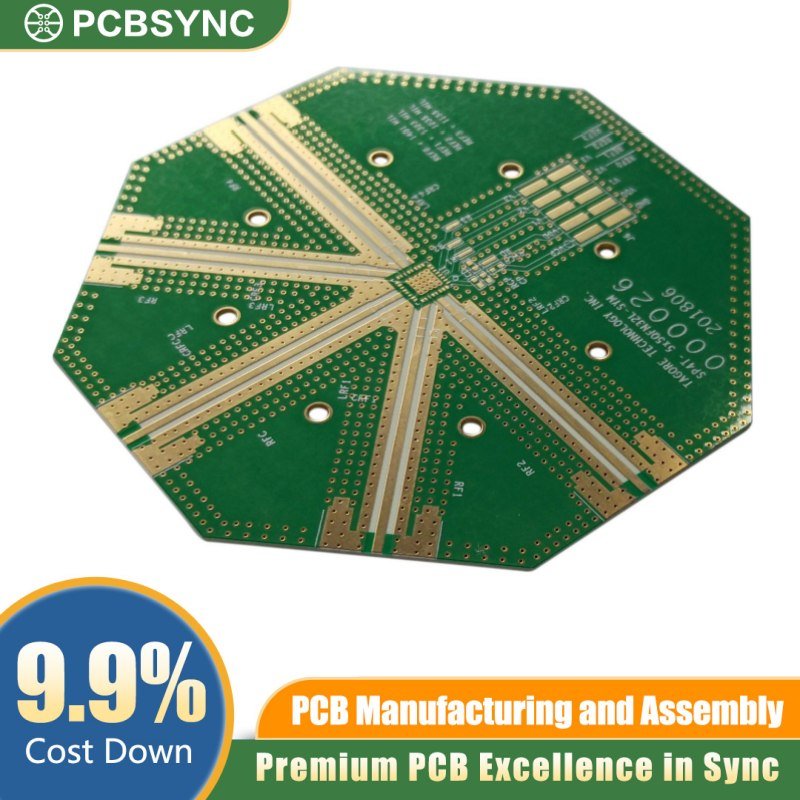
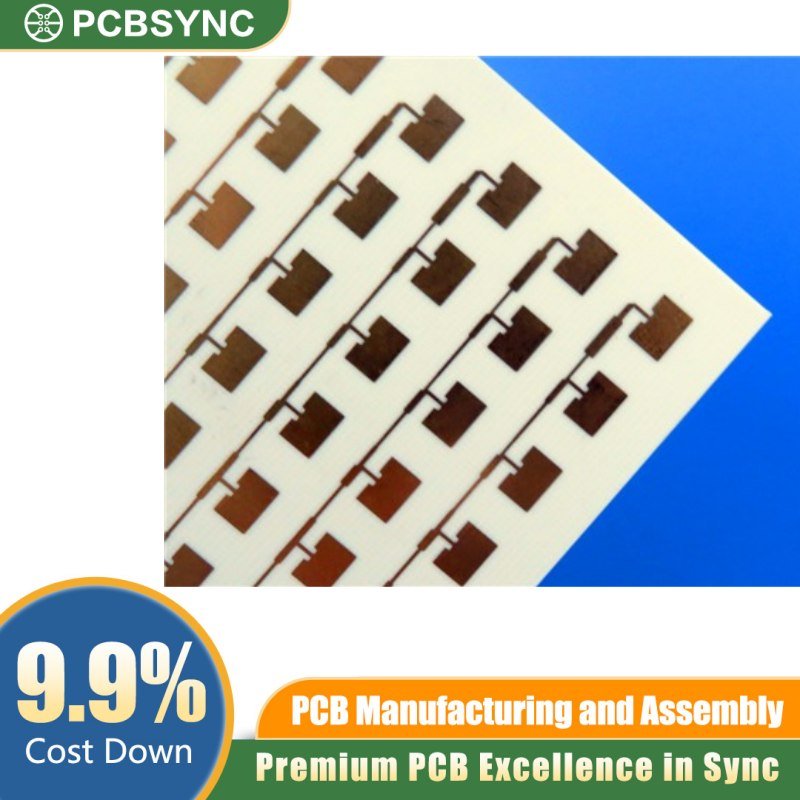
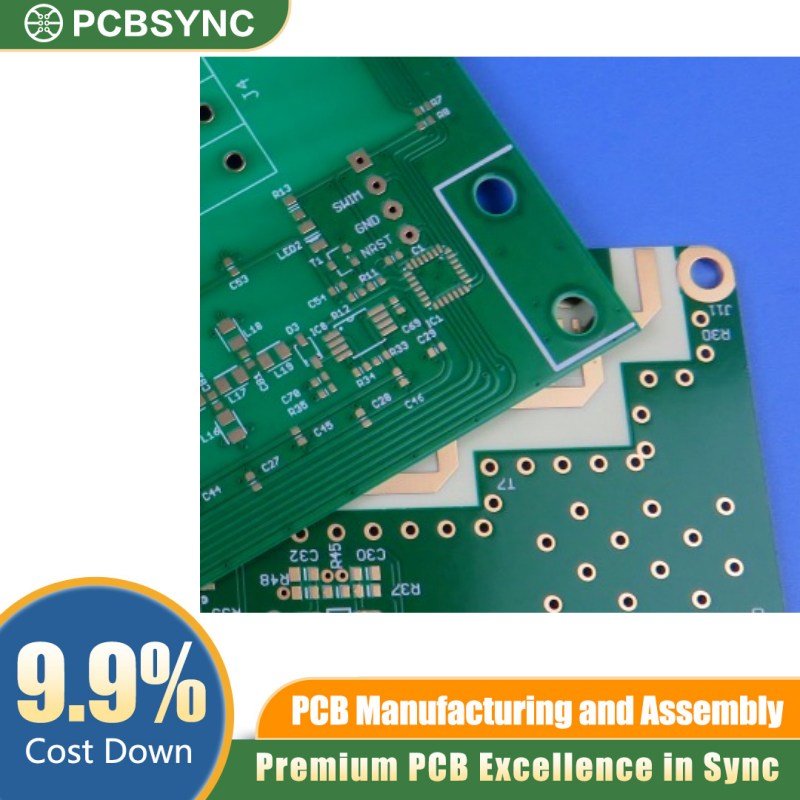
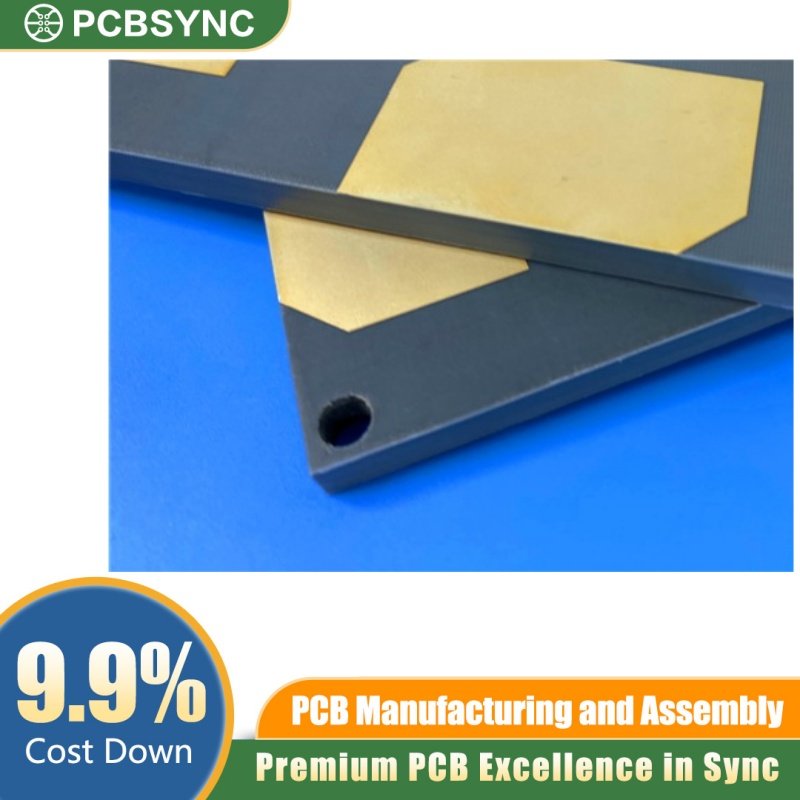
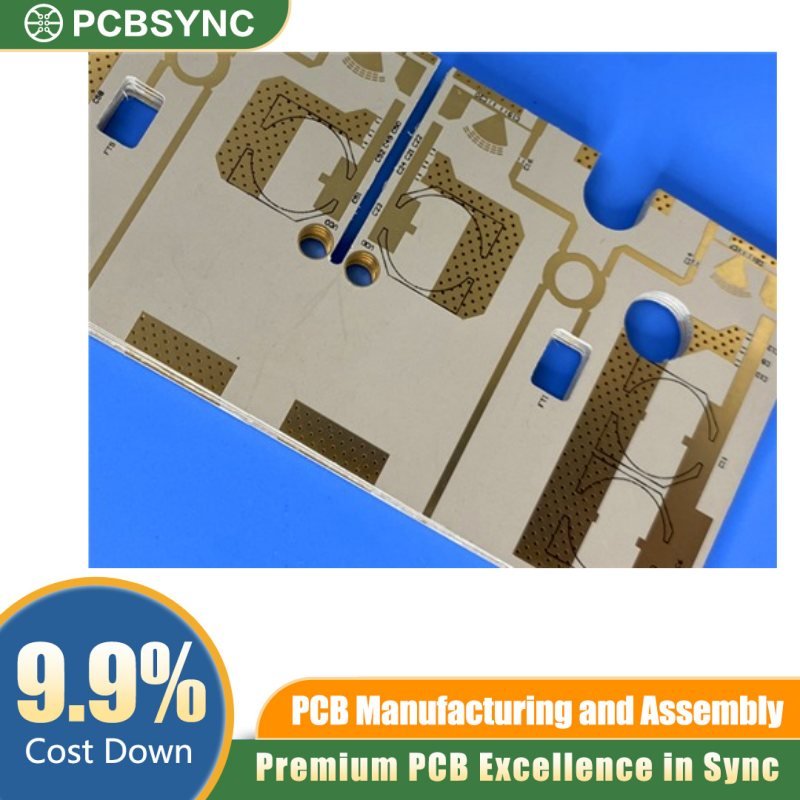
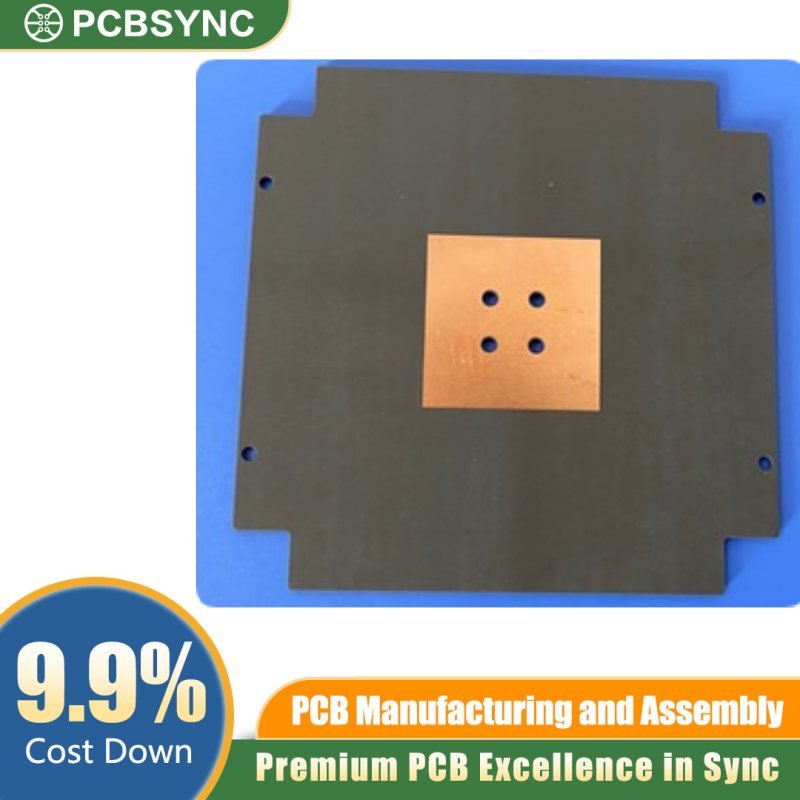
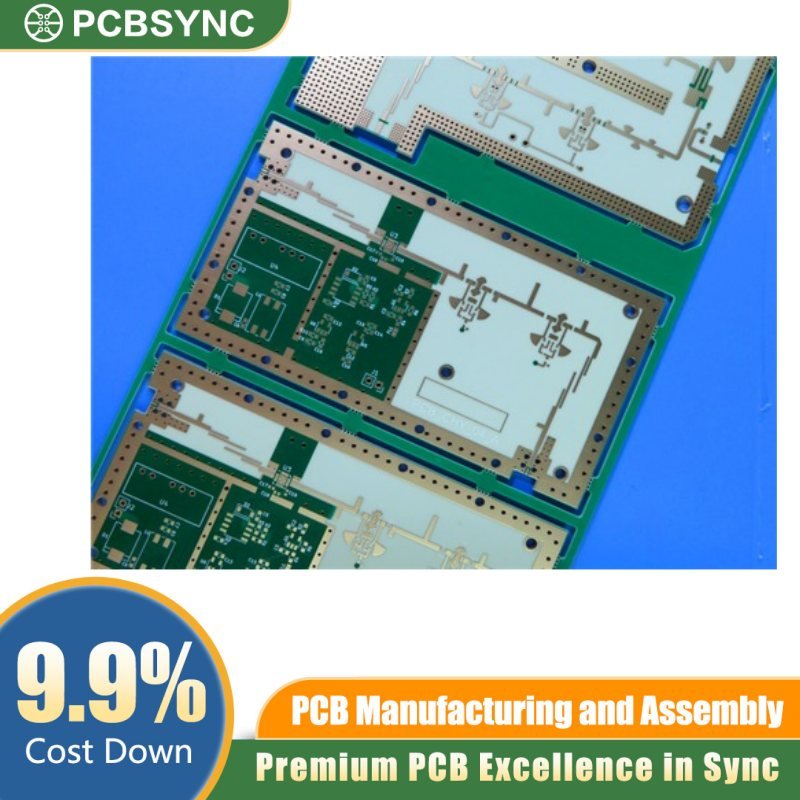
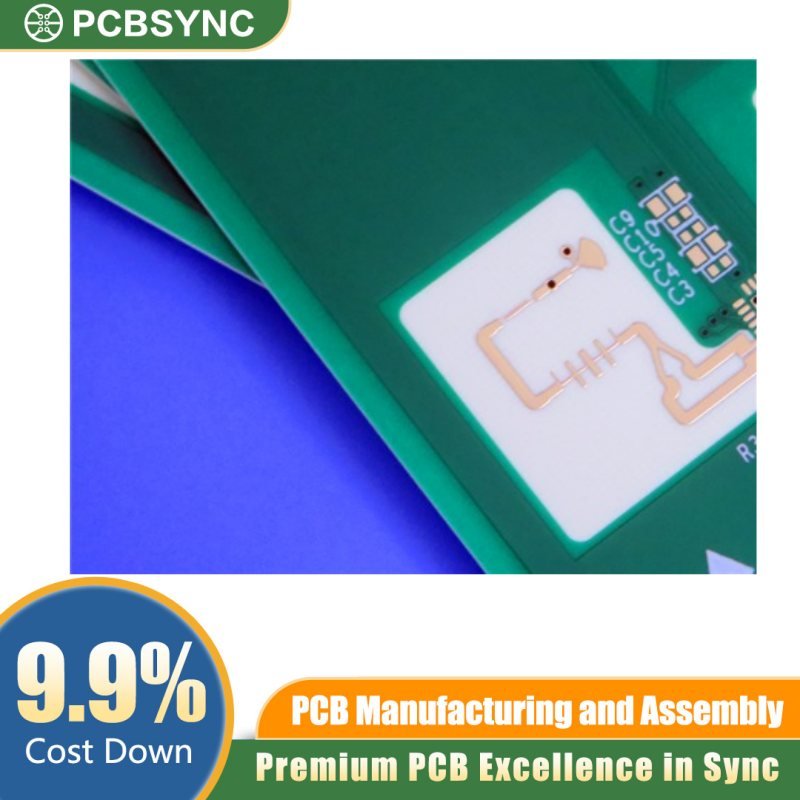
The automotive industry’s rapid shift toward autonomous driving and advanced safety features has created unprecedented demand for reliable, high-frequency PCB solutions. The Rogers RO4360G2 1.6mm 2oz ENIG 6-layer PCB represents a specialized solution engineered specifically for automotive radar applications, where signal integrity and thermal stability are non-negotiable.
Material Selection: Why Rogers RO4360G2 Matters
Rogers RO4360G2 stands out in the automotive radar market due to its exceptional dielectric properties. With a stable dielectric constant (Dk) of 6.15 ±0.15 across the frequency range, this material ensures consistent radar performance across varying environmental conditions. Unlike standard FR-4 materials, RO4360G2 maintains its electrical characteristics from -40°C to +140°C, making it ideal for automotive applications where temperature fluctuations are routine.
The material’s low dissipation factor (Df) of 0.0038 at 10GHz minimizes signal loss, which directly translates to improved radar detection range and accuracy. For 77GHz automotive radar systems—the industry standard for adaptive cruise control, collision avoidance, and blind spot detection—this low-loss characteristic is essential.
6-Layer Stack-Up: Optimized for Complex Radar Circuits
The 6-layer configuration provides the necessary complexity for modern automotive radar designs. This stack-up typically includes dedicated power and ground planes that reduce electromagnetic interference (EMI) and improve signal return paths. The multiple layers allow designers to separate high-frequency RF traces from digital control circuits, preventing crosstalk that could compromise radar performance.
The 1.6mm total thickness strikes an optimal balance between mechanical rigidity and electrical performance. This thickness accommodates the Rogers material while maintaining compatibility with standard automotive PCB assembly processes.
2oz Copper Weight: Power Handling and Thermal Management
The 2oz copper weight specification addresses two critical requirements in automotive radar systems. First, it provides adequate current-carrying capacity for power distribution networks, ensuring stable voltage delivery to sensitive RF components. Second, the increased copper mass improves thermal dissipation, helping manage heat generated by high-power radar transmitters.
Automotive environments subject electronics to significant thermal stress. The combination of 2oz copper with Rogers RO4360G2’s excellent thermal conductivity (0.69 W/m/K) creates a robust thermal management solution that extends component lifespan and maintains consistent performance.
ENIG Surface Finish: Reliability for Harsh Environments
Electroless Nickel Immersion Gold (ENIG) finish is the preferred choice for automotive radar PCBs. This surface treatment provides excellent solderability, wire bonding capability, and corrosion resistance. The nickel layer acts as a barrier against copper oxidation, while the thin gold layer ensures reliable electrical contact over the product’s lifetime.
ENIG’s flat surface profile is particularly important for high-frequency applications, as surface roughness can increase insertion loss at millimeter-wave frequencies. This finish also supports multiple reflow cycles without degradation, accommodating complex assembly processes common in automotive electronics manufacturing.
Automotive Qualification and Manufacturing Standards
PCBs for automotive radar applications must meet stringent quality standards, including IATF 16949 certification and AEC-Q200 qualification. The Rogers RO4360G2 material itself is designed to meet automotive industry requirements, with proven reliability in demanding applications.
Manufacturing these specialized PCBs requires controlled impedance tolerances, typically ±10% or tighter, to ensure proper matching with RF components. Advanced testing procedures, including time-domain reflectometry (TDR) and network analysis, verify electrical performance before assembly.
Conclusion
The Rogers RO4360G2 1.6mm 2oz ENIG 6-layer PCB represents a purpose-built solution for automotive radar systems, combining material science, stack-up design, and manufacturing expertise to meet the demanding requirements of modern vehicle safety systems.