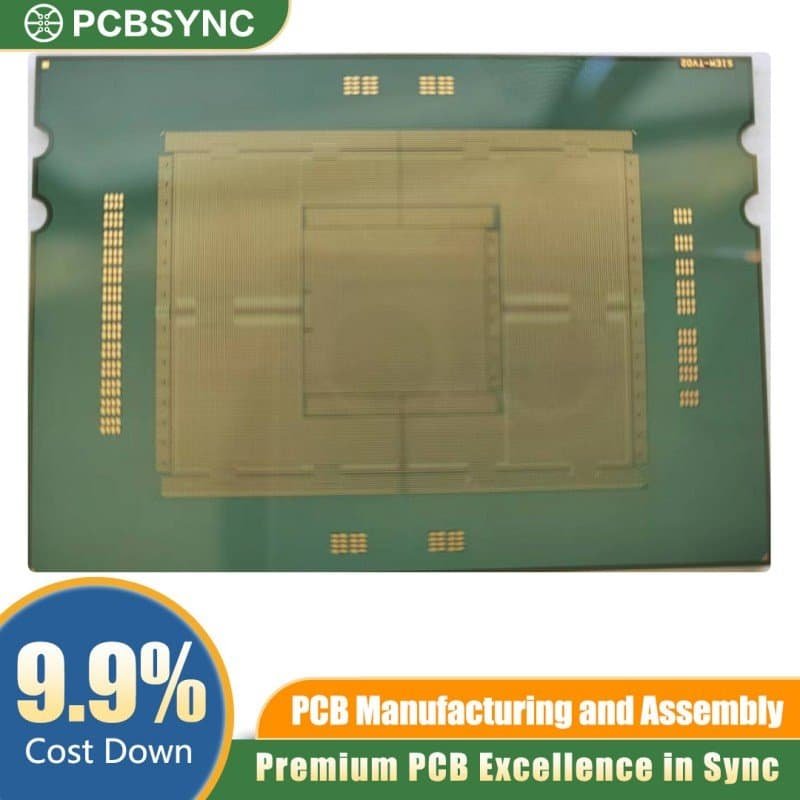
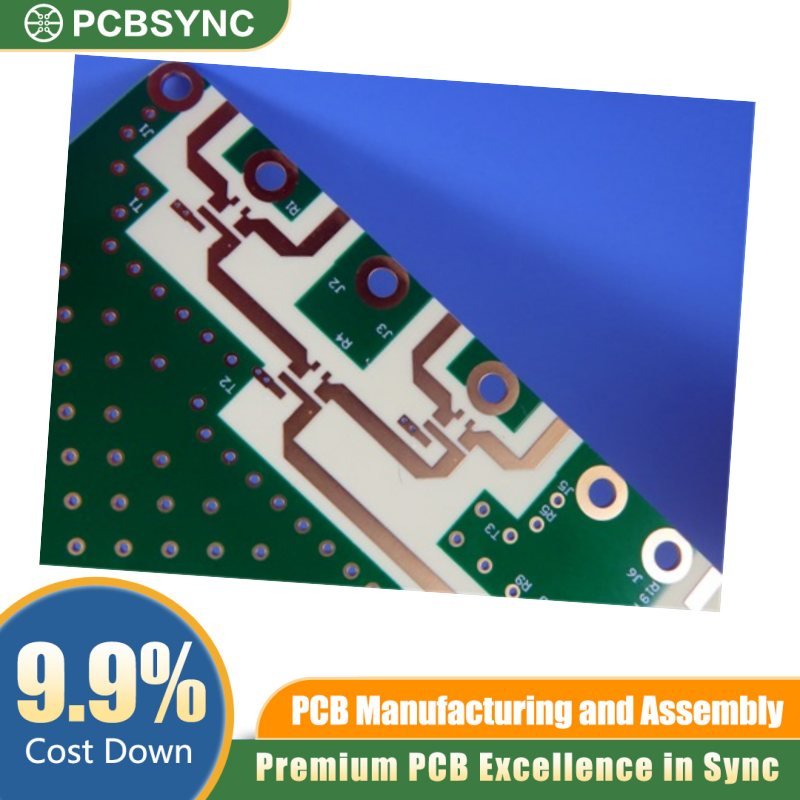
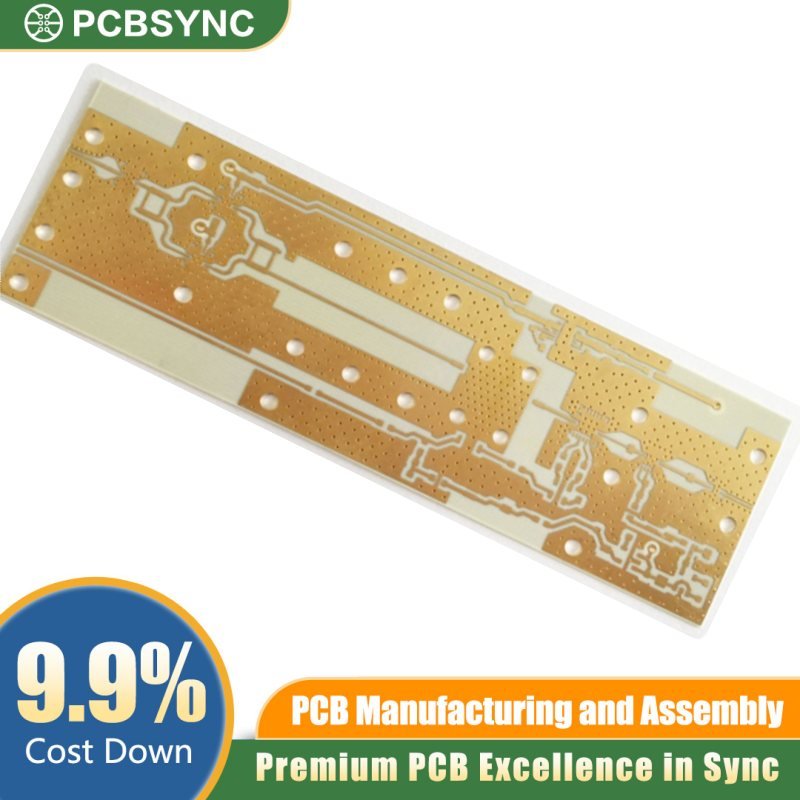
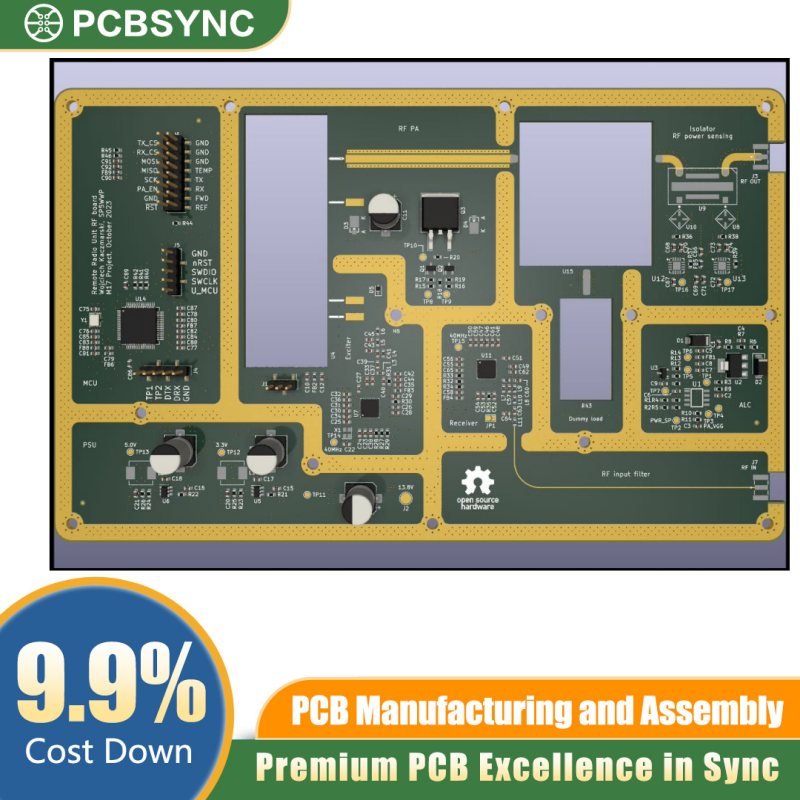
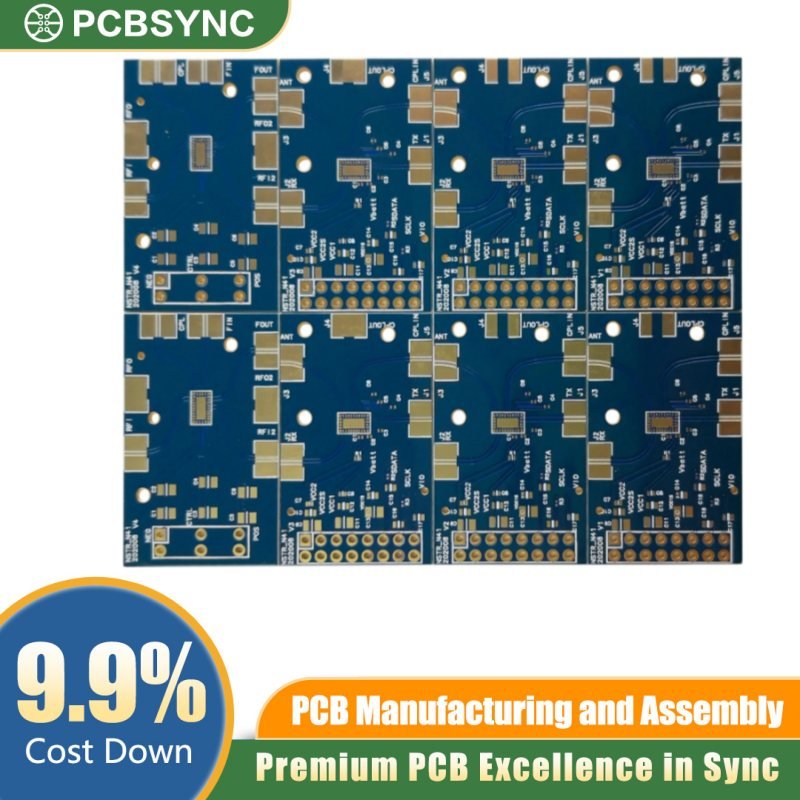
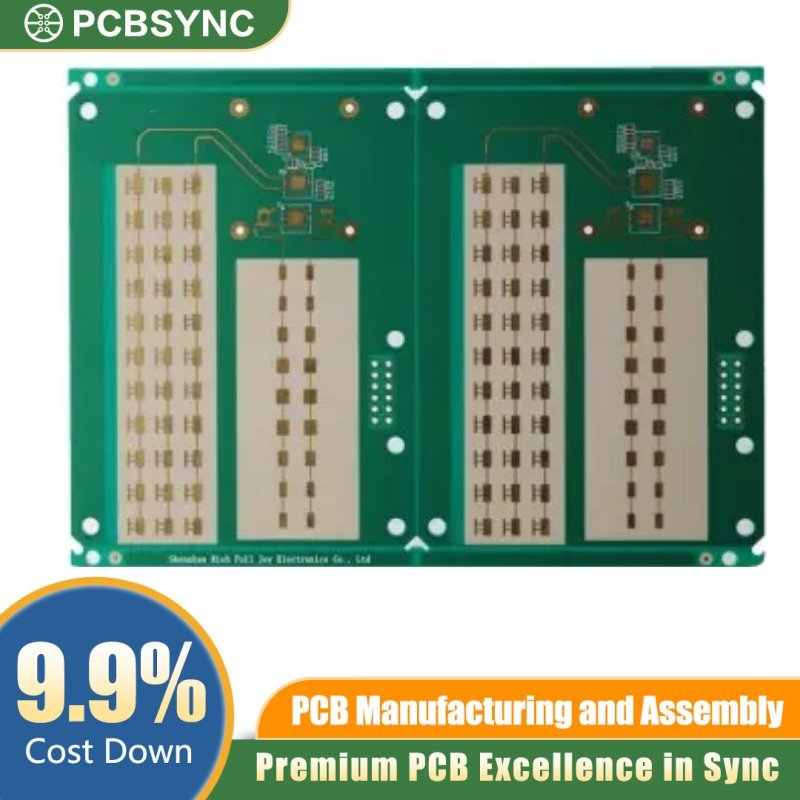
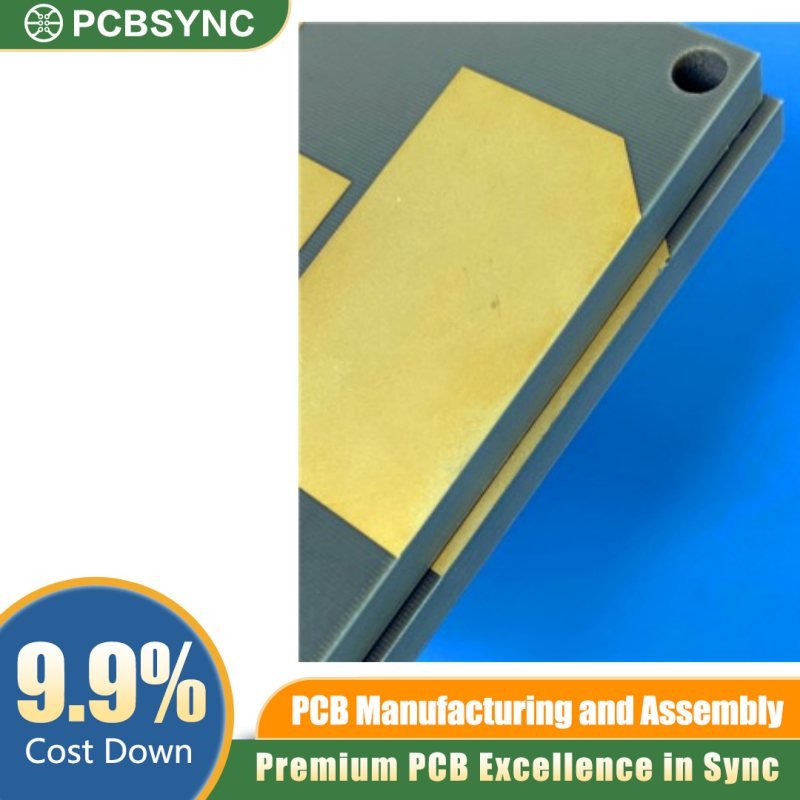
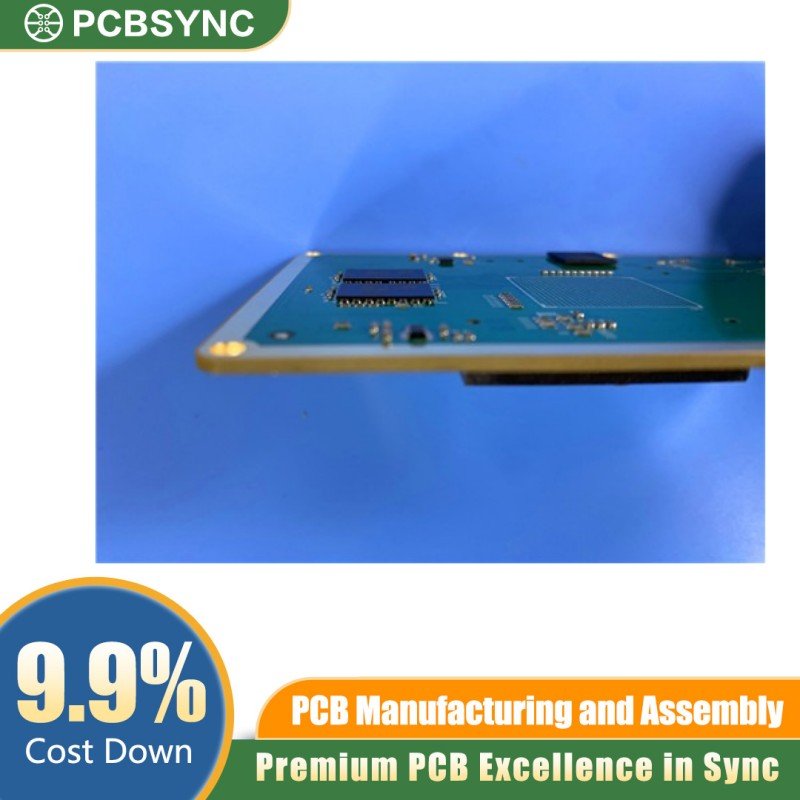
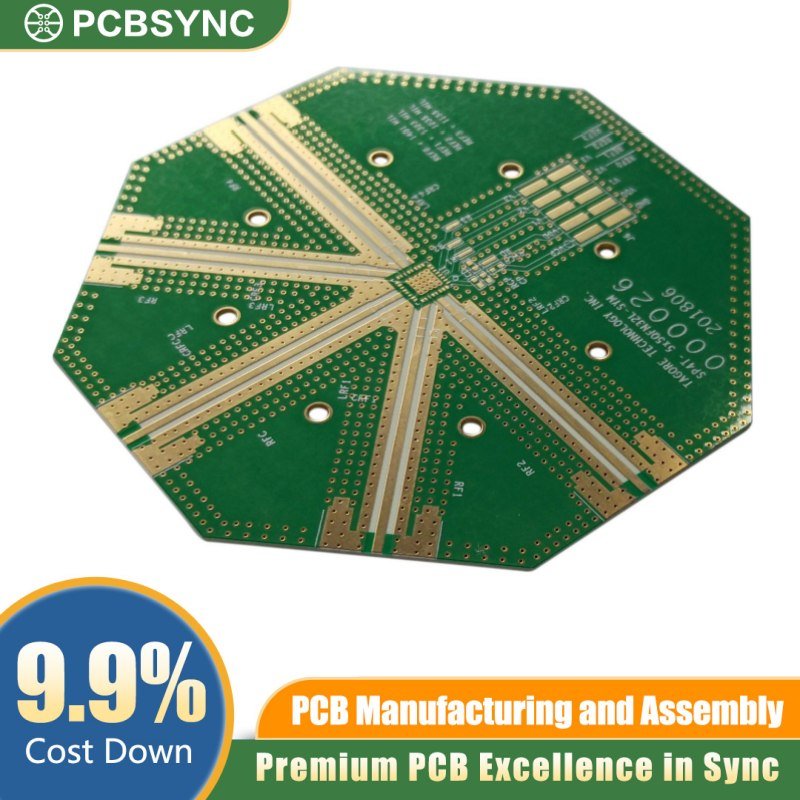
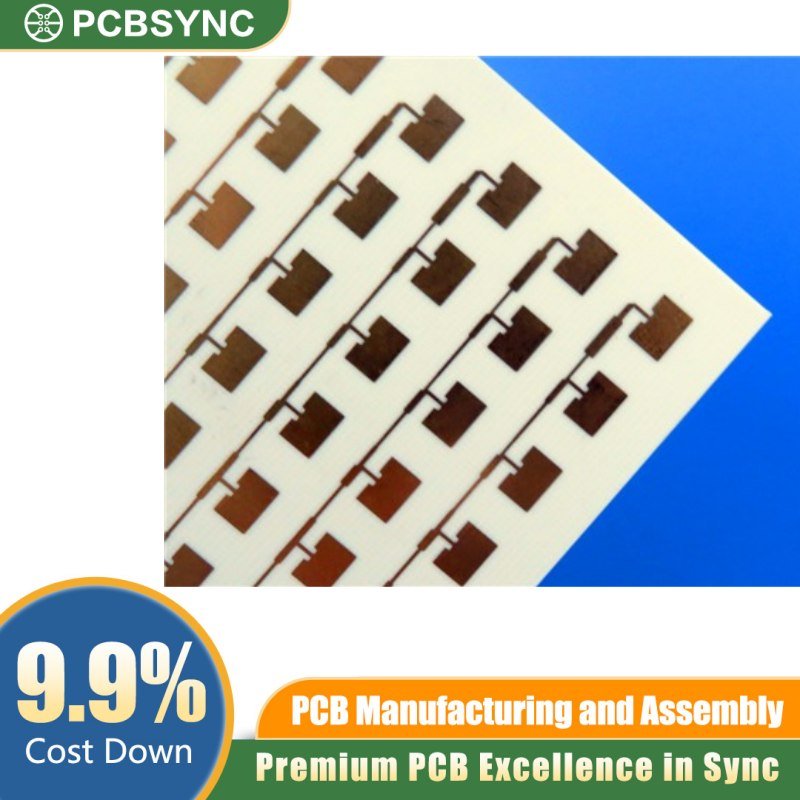
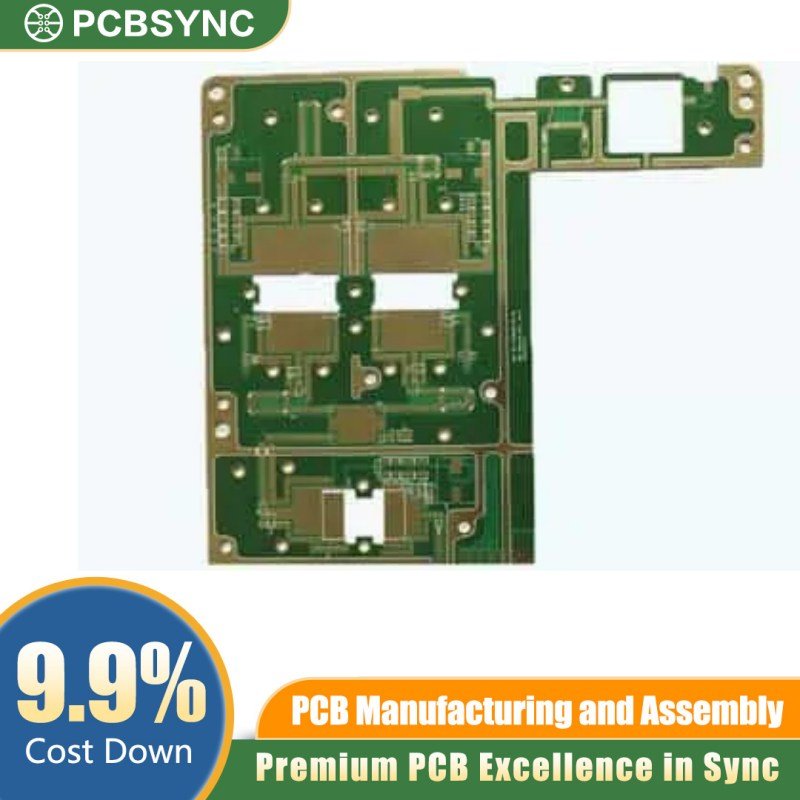
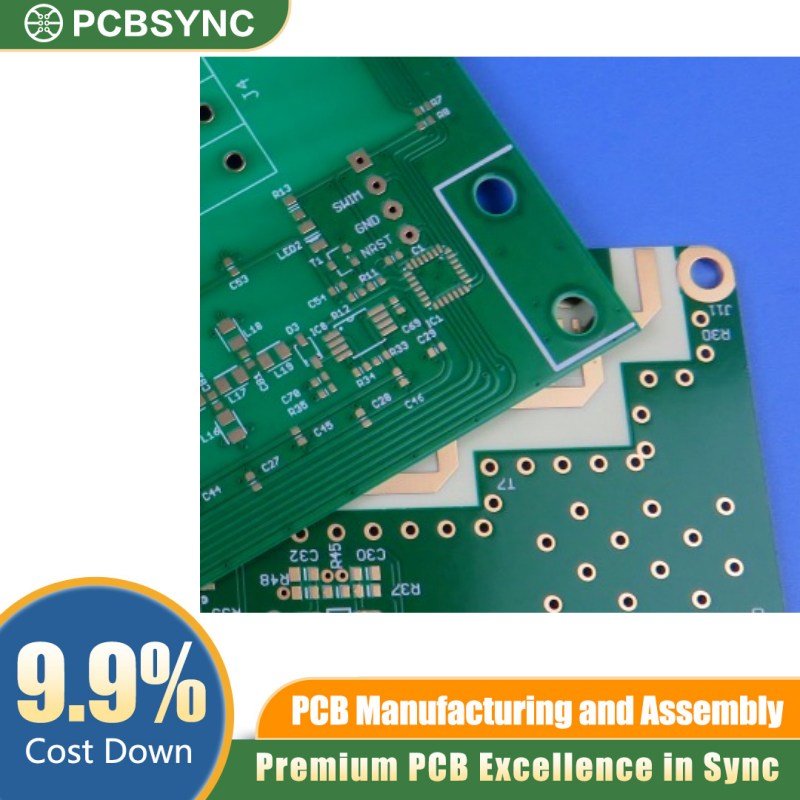
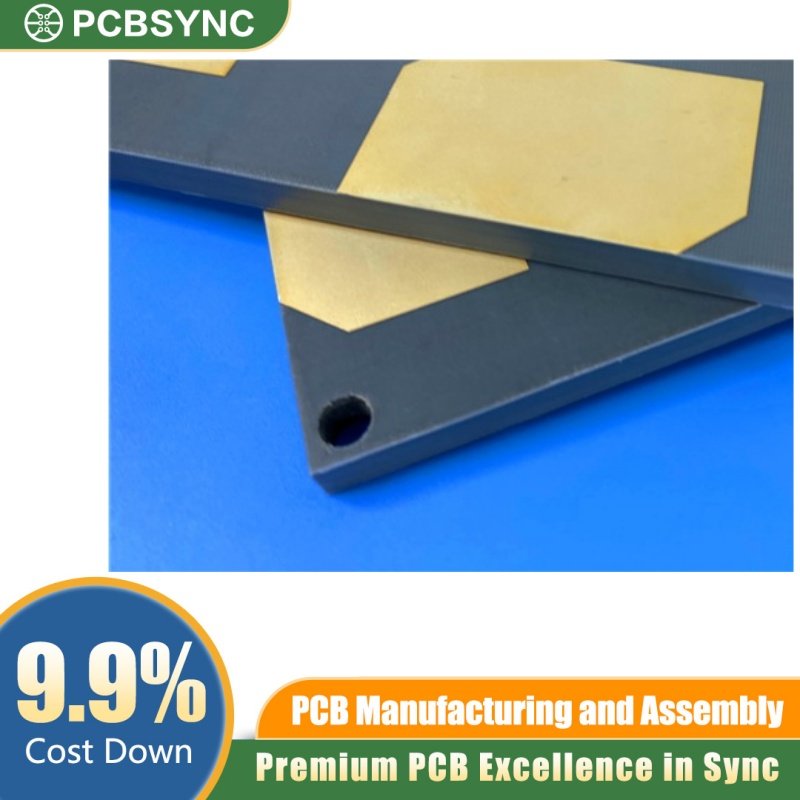
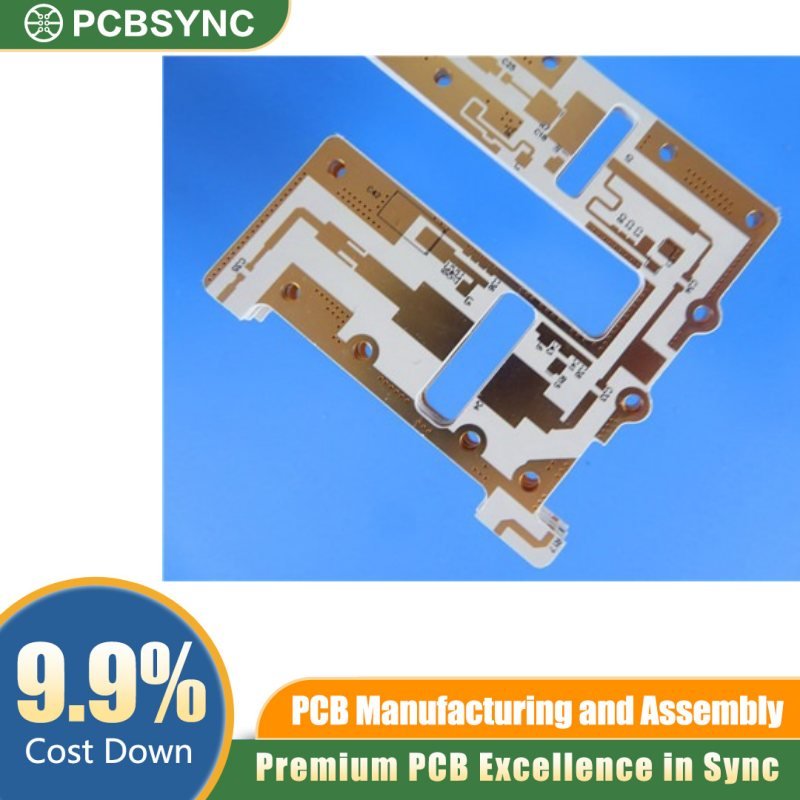
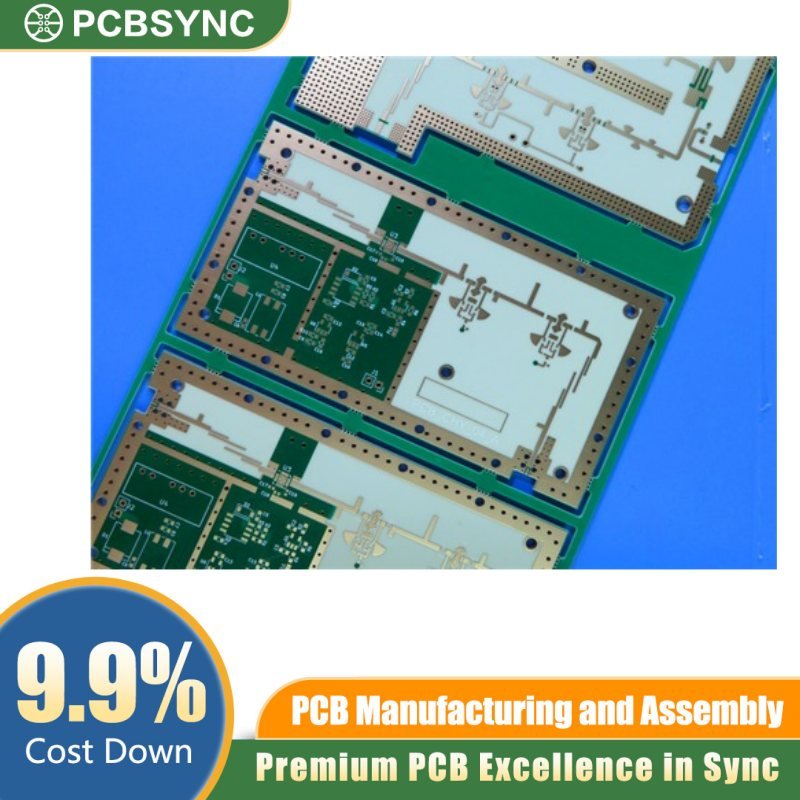
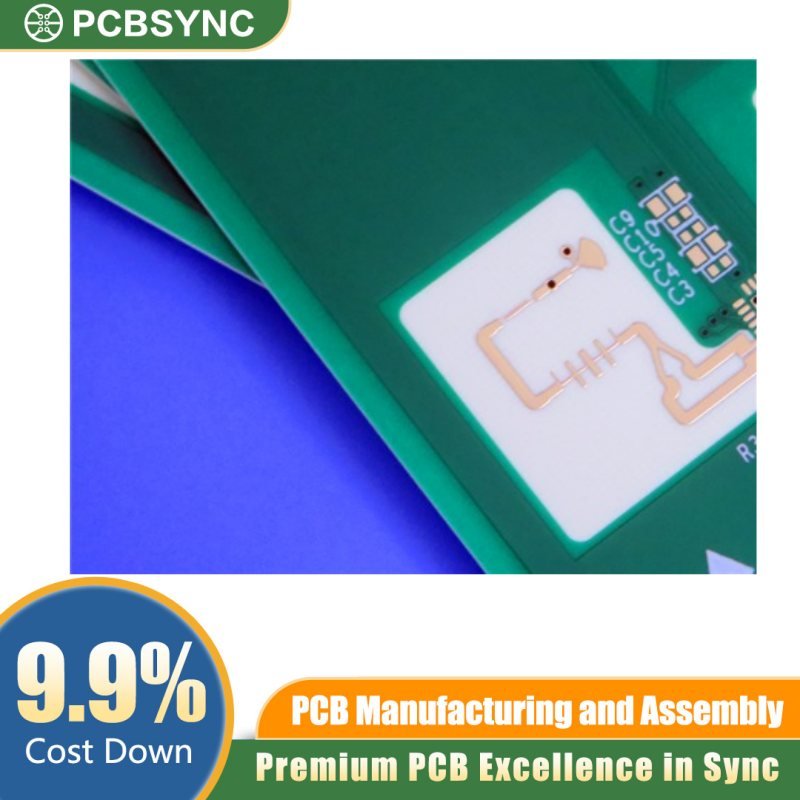
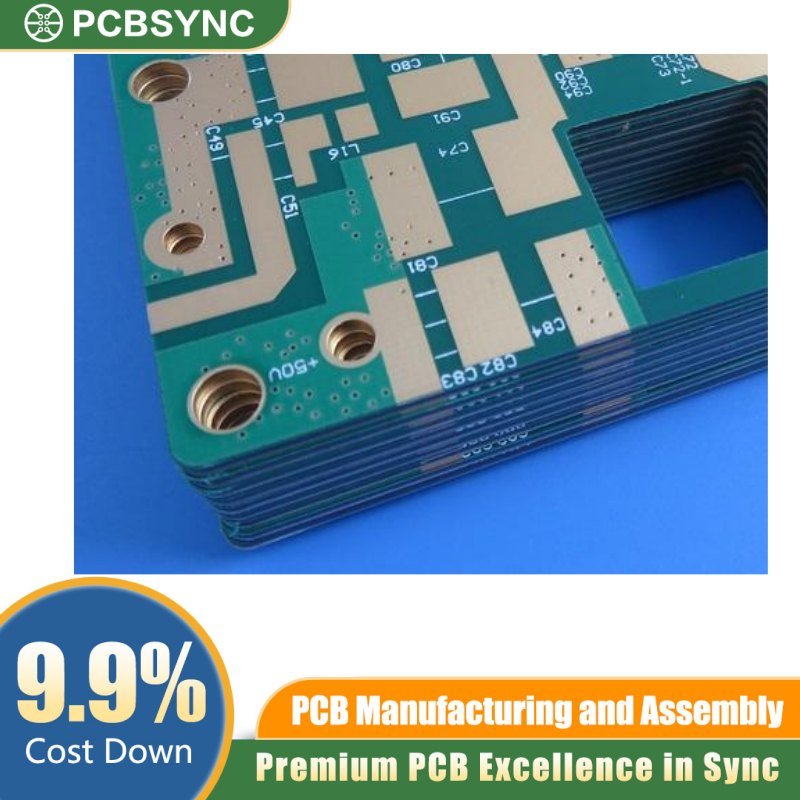
The PCBSync Rogers RT duroid 5880 antenna PCB represents a premium solution for demanding high-frequency applications where signal integrity and performance cannot be compromised. Built on a 0.5mm substrate with 1oz copper and hard gold plating, this 2-layer board delivers exceptional electrical characteristics for RF, microwave, and millimeter-wave designs.
Superior Dielectric Performance
Rogers RT duroid 5880 stands as an industry benchmark for high-frequency circuit boards. The material features a low dielectric constant of 2.20 (±0.02), providing stable electrical performance across a wide frequency range. This consistency ensures predictable impedance control and minimal signal loss, critical factors for antenna designs operating at GHz frequencies. The low dissipation factor of 0.0009 at 10GHz translates directly to reduced insertion loss and improved overall system efficiency.
Optimized Stack-up Configuration
The 0.5mm substrate thickness offers an ideal balance between mechanical stability and electrical performance. This dimension supports precise impedance matching for 50-ohm transmission lines while maintaining adequate structural integrity for assembly and installation. The 1oz copper weight provides sufficient current-carrying capacity for most antenna applications while keeping conductor losses manageable at higher frequencies.
Hard Gold Surface Finish Advantages
The hard gold plating delivers multiple benefits over standard surface finishes. With typical thickness ranging from 0.05 to 0.1 micrometers over nickel, this finish provides excellent wear resistance for applications requiring repeated connector mating cycles. The gold layer ensures superior oxidation resistance, maintaining consistent electrical contact over extended operational lifetimes. For antenna designs with edge-launch connectors or spring contacts, hard gold significantly extends service life compared to ENIG or other alternatives.
Thermal Management Characteristics
RT duroid 5880 exhibits a low coefficient of thermal expansion (CTE) in both X and Y axes, closely matching copper. This property minimizes stress at the copper-substrate interface during temperature cycling, enhancing long-term reliability. The material maintains stable electrical properties across temperature ranges from -55°C to +200°C, suitable for outdoor antenna installations and aerospace applications.
Application Versatility
This PCB configuration excels in multiple RF applications. Patch antenna arrays benefit from the material’s low loss and stable dielectric constant, enabling efficient radiation patterns. Microstrip filters and couplers achieve sharp response characteristics due to minimal substrate losses. Phased array systems leverage the material’s consistency for precise phase control across multiple elements. The board also suits GPS receivers, satellite communication terminals, radar systems, and 5G infrastructure components.
Manufacturing Quality Standards
PCBSync manufactures these boards following IPC-6012 Class 3 standards, ensuring aerospace-grade quality. Impedance control maintains ±10% tolerance on critical traces. Layer-to-layer registration stays within 0.1mm, essential for maintaining symmetry in differential antenna feeds. The hard gold plating undergoes adhesion testing per MIL-G-45204 specifications.
Design Considerations
Engineers should note that RT duroid 5880 requires specific handling during assembly. The material’s softness compared to FR-4 demands adjusted drilling parameters and careful routing. However, these considerations are offset by the substantial performance gains in high-frequency applications where standard materials simply cannot deliver comparable results.
For projects demanding proven high-frequency performance, the PCBSync Rogers RT duroid 5880 antenna PCB provides a reliable foundation for next-generation wireless systems.