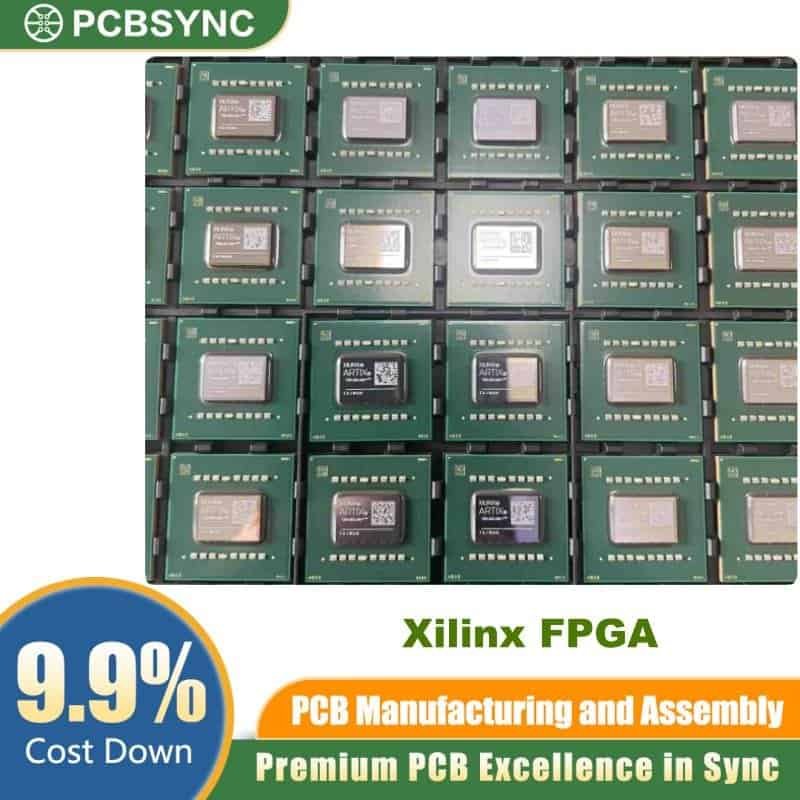
Are you searching for a reliable, high-density programmable logic solution for your next electronic design? The XC2S200-6FGG1343C is a top-tier field-programmable gate array (FPGA) that delivers exceptional performance, cost-efficiency, and flexibility. Whether you are upgrading legacy systems or prototyping modern digital circuits, understanding the capabilities of this specific component is crucial.
In this comprehensive product description, we will explore the technical specifications, architectural advantages, and ideal applications of the XC2S200-6FGG1343C to help you make an informed purchasing decision.
Comprehensive Overview of the XC2S200-6FGG1343C
The XC2S200-6FGG1343C belongs to the renowned Spartan-II family of FPGAs. Designed to bridge the gap between high performance and affordability, this component provides engineers with a versatile platform for complex digital designs. Furthermore, it operates on a highly efficient architecture that minimizes power consumption while maximizing logic density.
Core Advantages of the Spartan-II Architecture
First and foremost, the Spartan-II architecture replaces traditional ASICs with a fully programmable solution, eliminating high non-recurring engineering (NRE) costs. The XC2S200-6FGG1343C specifically offers:
-
High Logic Capacity: Capable of handling demanding digital processing tasks.
-
Abundant Routing Resources: Ensures smooth signal transmission across the chip.
-
Flexible I/O Standards: Supports multiple voltage levels for seamless integration with other system components.
Technical Specifications and Operating Parameters
To truly understand the power of the XC2S200-6FGG1343C, it is important to review its hard specifications. The table below outlines the essential technical details of this device.
| Specification Feature |
Technical Detail |
| Part Number |
XC2S200-6FGG1343C |
| Product Family |
Spartan-II |
| System Gates |
200,000 |
| Logic Cells |
5,292 |
| Speed Grade |
-6 (High-Speed Performance) |
| Operating Temperature |
Commercial (0°C to +85°C) |
| Core Voltage (VCCINT) |
2.5V |
| Mounting Type |
Surface Mount |
Industry Applications for the XC2S200-6FGG1343C
Because of its adaptable nature, the XC2S200-6FGG1343C is utilized across a wide variety of industries. Its low cost combined with high gate counts makes it an attractive alternative to microcontrollers for specialized tasks.
Telecommunications and Networking
In the telecommunications sector, reliable data routing and signal processing are paramount. This component excels in packet switching, protocol bridging, and high-speed data transmission equipment.
Industrial Control Systems
Additionally, industrial automation relies heavily on real-time processing. The XC2S200-6FGG1343C provides the deterministic timing required for motor control, robotics, and automated manufacturing pipelines.
Consumer Electronics Integration
For high-end consumer electronics, space and power are often limited. The compact footprint and efficient power consumption of this device make it suitable for advanced displays, set-top boxes, and multimedia processing units.
Why Choose This Component for Your Next Design?
When integrating a highly adaptable Xilinx FPGA into your supply chain, you are investing in long-term reliability. The XC2S200-6FGG1343C specifically stands out because it offers a “sweet spot” of 200K system gates and a fast -6 speed grade. Consequently, designers do not have to compromise on speed to stay within their production budgets.
Simplified Development and Prototyping
Moreover, developing with this component is highly streamlined. Supported by industry-standard synthesis and simulation tools, engineering teams can rapidly compile, test, and deploy their VHDL or Verilog designs. This ultimately accelerates time-to-market for critical projects.
Conclusion
In summary, the XC2S200-6FGG1343C remains a powerhouse component for engineers seeking a robust, cost-effective programmable logic device. From its impressive 200,000 system gates to its versatile I/O capabilities, it is engineered to tackle complex digital challenges across telecommunications, industrial control, and consumer electronics. By leveraging the advanced features detailed in this guide, you can ensure your next hardware project is both highly performant and economically viable.