Inquire: Call 0086-755-23203480, or reach out via the form below/your sales contact to discuss our design, manufacturing, and assembly capabilities.
Quote: Email your PCB files to Sales@pcbsync.com (Preferred for large files) or submit online. We will contact you promptly. Please ensure your email is correct.
Notes: For PCB fabrication, we require PCB design file in Gerber RS-274X format (most preferred), *.PCB/DDB (Protel, inform your program version) format or *.BRD (Eagle) format. For PCB assembly, we require PCB design file in above mentioned format, drilling file and BOM. Click to download BOM template To avoid file missing, please include all files into one folder and compress it into .zip or .rar format.
SMD Capacitors: Surface Mount Technology Complete Guide
If you’ve ever examined a modern PCB under magnification, you’ve seen them everywhere—those tiny rectangular components that seem impossibly small yet absolutely essential. SMD capacitors have become the backbone of modern electronics manufacturing, enabling the compact smartphones, wearables, and IoT devices we use daily.
I still remember my first encounter with 0201 package SMD capacitors during a smartwatch design project. These components measured just 0.6mm × 0.3mm—smaller than a grain of sand. Placing them required precision pick-and-place equipment, and reworking a misplaced part demanded steady hands and a lot of patience. That project taught me that understanding SMD capacitors isn’t optional for PCB designers—it’s fundamental.
This guide covers everything you need to know about surface mount capacitor technology: types, package sizes, marking codes, selection criteria, and practical design considerations. Whether you’re transitioning from through-hole designs or optimizing an existing SMT layout, this comprehensive resource will strengthen your component knowledge.
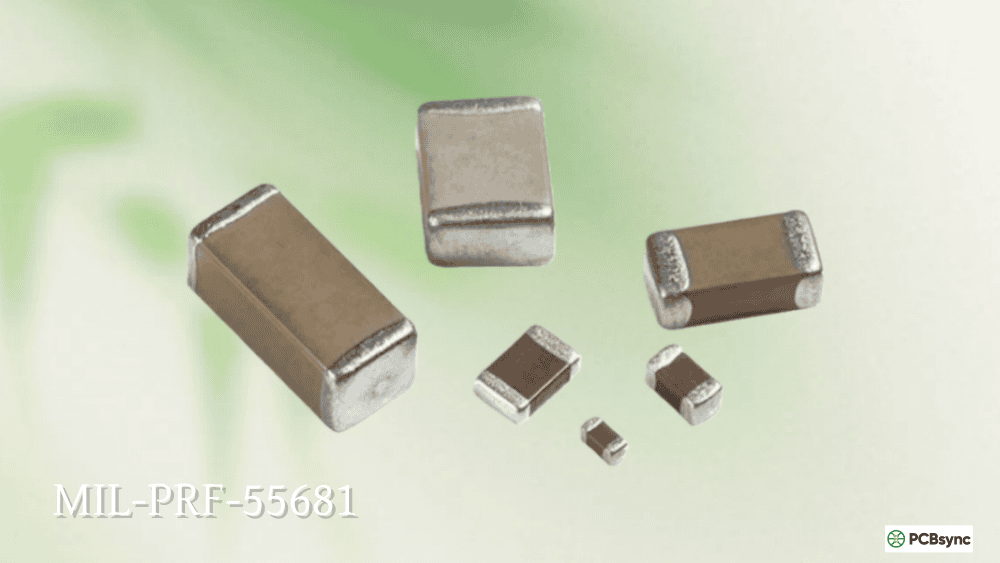
An SMD capacitor (Surface Mount Device capacitor) is an electronic component designed to be mounted directly onto the surface of a printed circuit board without requiring drilled holes. Unlike traditional through-hole capacitors with wire leads, SMD capacitors have metallized terminations at either end that solder directly to copper pads on the PCB surface.
The fundamental operating principle remains identical to any capacitor: two conductive plates separated by a dielectric material store electrical energy in an electric field. The capacitance value depends on the plate area, the distance between plates, and the dielectric constant of the insulating material. What distinguishes SMD capacitors is their packaging—optimized for automated assembly and high-density PCB layouts.
Surface mount technology revolutionized electronics manufacturing beginning in the 1980s. By eliminating the need for drilled holes and enabling components on both sides of a PCB, SMT dramatically increased component density while reducing manufacturing costs. Today, SMD capacitors are manufactured by the billions annually, serving applications from consumer electronics to aerospace systems.
SMD vs SMT: Understanding the Terminology
Engineers sometimes use “SMD capacitor” and “SMT capacitor” interchangeably, but technically they refer to different aspects:
SMD (Surface Mount Device): Refers to the component itself—the physical capacitor designed for surface mounting.
SMT (Surface Mount Technology): Refers to the manufacturing process—the method of attaching components to PCB surfaces using solder paste and reflow ovens.
So an “SMD capacitor” is the component, while “SMT assembly” describes the process of mounting it. Both terms ultimately describe the same capacitor in practical usage.
Types of SMD Capacitors
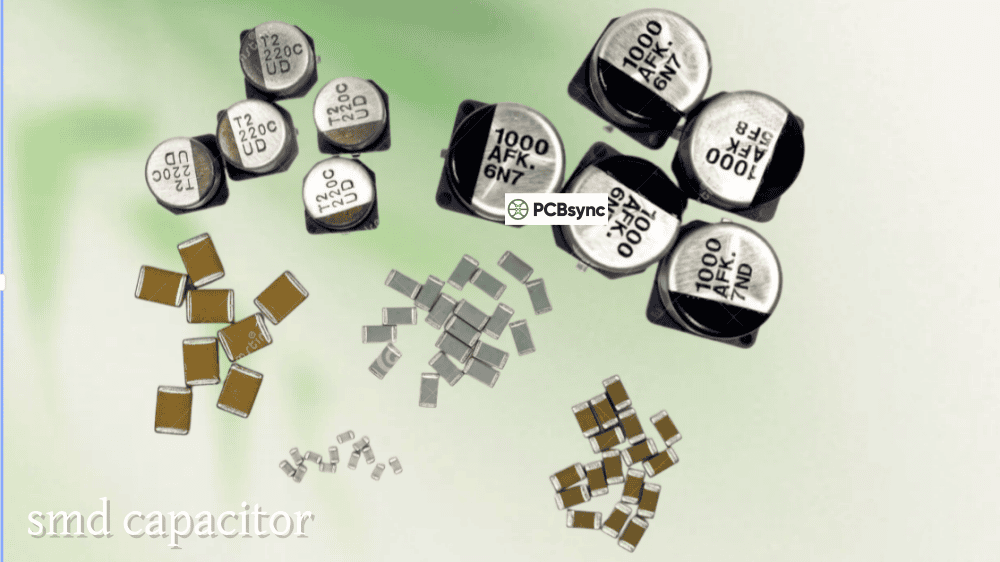
SMD capacitors come in several distinct types, each with unique characteristics suited to specific applications. Understanding these differences is crucial for proper component selection.
SMD Ceramic Capacitors (MLCC)
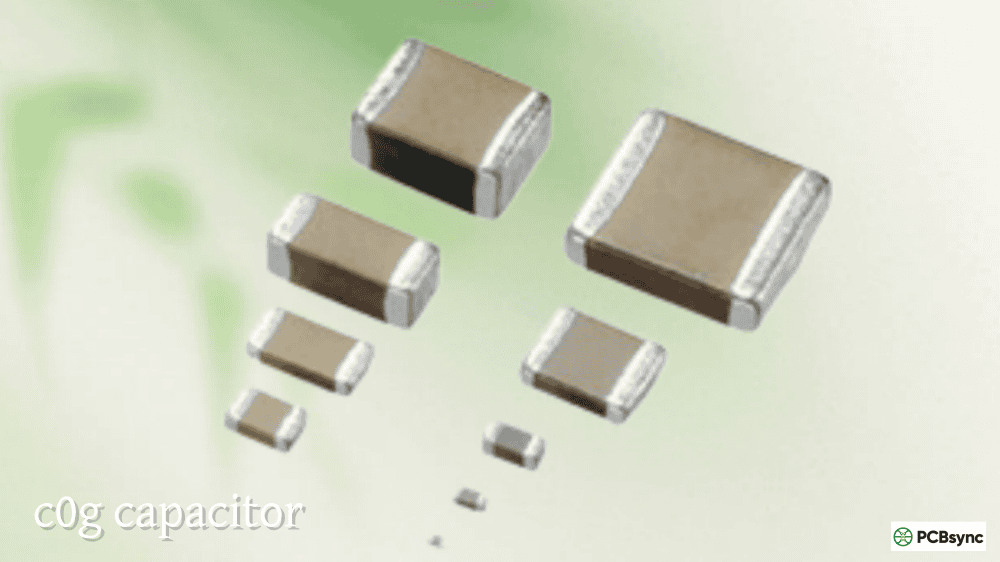
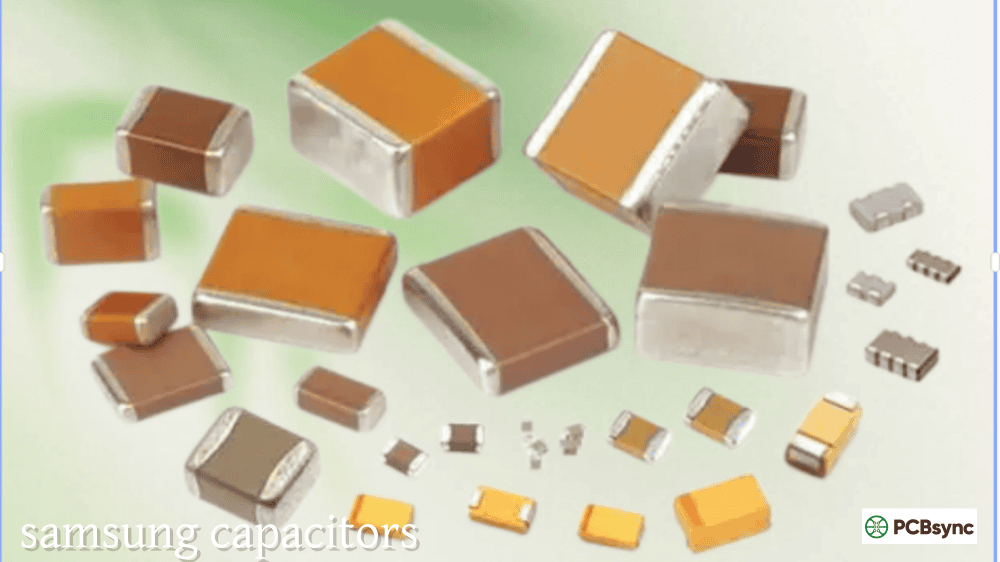
Multilayer ceramic capacitors (MLCCs) dominate the SMD capacitor market, accounting for over 90% of surface mount capacitors used in electronics. These components consist of alternating layers of ceramic dielectric and metal electrodes, fired together into a monolithic structure.
Key Characteristics:
Capacitance range: 0.5pF to 100µF
Voltage ratings: 6.3V to 3kV
Non-polarized (can be installed in either direction)
Excellent high-frequency performance
Low ESR (Equivalent Series Resistance)
Temperature-dependent capacitance (Class 2 types)
MLCCs are further divided by dielectric class:
Class 1 (C0G/NP0): Ultra-stable capacitance with temperature coefficient of ±30 ppm/°C. Ideal for timing circuits, oscillators, and precision filters. Limited to lower capacitance values.
Class 2 (X7R, X5R): Higher capacitance density but capacitance varies with temperature, voltage, and time. Suitable for decoupling, bypass, and general filtering applications.
Class 3 (Y5V, Z5U): Maximum capacitance density but poor stability. Use only where precise capacitance isn’t critical.
SMD Tantalum Capacitors
Tantalum capacitors use tantalum metal as the anode, covered by a thin tantalum pentoxide dielectric layer. They offer higher capacitance per unit volume than ceramics and excellent long-term stability.
Key Characteristics:
Capacitance range: 0.1µF to 1000µF
Voltage ratings: 2V to 63V
Polarized (must observe correct orientation)
Low ESR with polymer electrolyte types
Stable capacitance over temperature and time
Higher cost than ceramics
Tantalum capacitors excel in applications requiring stable, high capacitance values: power supply filtering, timing circuits, and portable electronics. However, they can fail catastrophically if subjected to voltage spikes or reverse polarity—always derate by 50% minimum.
SMD Aluminum Electrolytic Capacitors
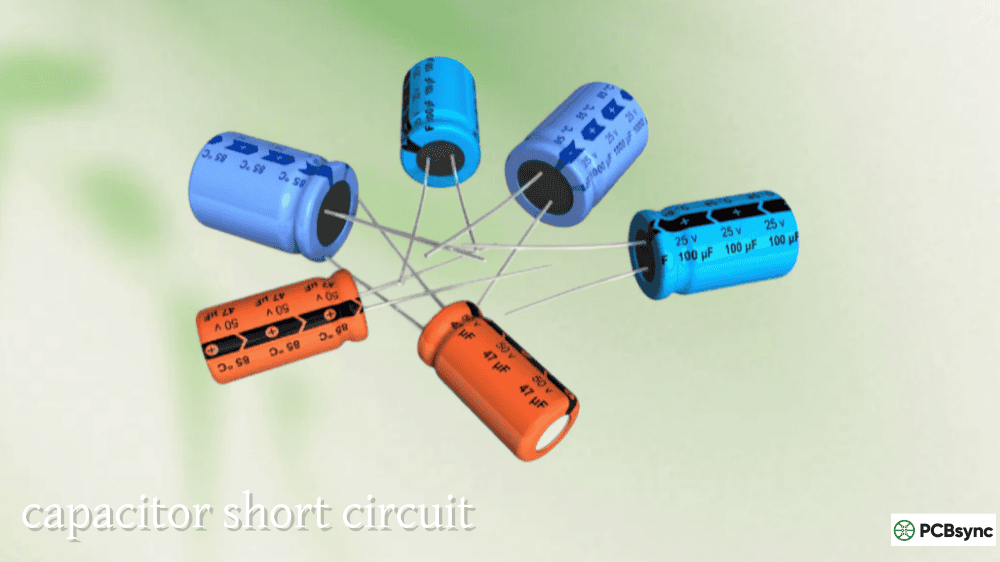
Surface mount aluminum electrolytics (sometimes called “V-Chip” capacitors) provide the highest capacitance values in SMD form factors. They feature a cylindrical aluminum can mounted on a plastic base with SMD terminations.
Key Characteristics:
Capacitance range: 0.1µF to 10,000µF
Voltage ratings: 4V to 450V
Polarized
Higher ESR than tantalum or ceramic
Limited lifespan (electrolyte dries over time)
Best for bulk energy storage
Use SMD electrolytics for power supply bulk capacitance, audio coupling, and hold-up applications where high capacitance outweighs size constraints.
SMD Capacitor Type Comparison
Parameter
Ceramic (MLCC)
Tantalum
Aluminum Electrolytic
Capacitance Range
0.5pF – 100µF
0.1µF – 1000µF
0.1µF – 10,000µF
Voltage Range
6.3V – 3kV
2V – 63V
4V – 450V
Polarized
No
Yes
Yes
ESR
Very Low
Low-Medium
Medium-High
Temperature Stability
Variable by class
Good
Fair
Frequency Response
Excellent
Good
Poor
Lifespan
Excellent
Good
Limited
Relative Cost
Low
Medium-High
Low
Primary Use
Decoupling, filtering
Stable bulk capacitance
High-value bulk storage
SMD Capacitor Package Sizes
SMD capacitors follow standardized package sizes defined by EIA (Electronic Industries Alliance) using imperial measurements. The four-digit code represents dimensions in hundredths of an inch.
Common SMD Capacitor Size Chart
EIA Code (Imperial)
Metric Code
Length (mm)
Width (mm)
Typical Applications
01005
0402
0.4
0.2
Ultra-miniature: medical implants, hearing aids
0201
0603
0.6
0.3
Smartphones, wearables, HDI PCBs
0402
1005
1.0
0.5
Consumer electronics, compact designs
0603
1608
1.6
0.8
General purpose, good balance
0805
2012
2.0
1.25
General decoupling, hand-solderable
1206
3216
3.2
1.6
Higher capacitance, higher voltage
1210
3225
3.2
2.5
Bulk capacitance, power applications
1812
4532
4.5
3.2
High voltage, industrial
2220
5750
5.7
5.0
High power, automotive
Package Size Selection Considerations
Choosing the right SMD capacitor package size involves balancing several factors:
Component Density: Smaller packages (0201, 0402) enable higher component density but require advanced assembly equipment. Most contract manufacturers can reliably place 0402 components; 0201 and smaller require specialized capabilities.
Hand Rework: If field repairs are anticipated, consider 0603 or larger packages. Reworking 0402 and smaller components requires microscopes, precision tools, and considerable skill.
Capacitance Requirements: Larger packages accommodate more internal layers, enabling higher capacitance and voltage ratings. A 10µF capacitor might be available in 0402 at 6.3V but require 0805 or larger for 25V ratings.
Mechanical Stress: Larger ceramic capacitors (1206+) are more susceptible to flex cracking from PCB bending. For mechanically stressed areas, use smaller packages or specify soft-termination variants.
Cost: Mid-range packages (0402, 0603, 0805) typically offer the best price-to-performance ratio due to high manufacturing volumes.
How to Read SMD Capacitor Codes and Markings
One of the most challenging aspects of working with SMD capacitors is identifying their values. Unlike through-hole components with clear markings, many SMD capacitors—especially MLCCs—have no visible markings at all.
Why Most Ceramic SMD Capacitors Are Unmarked
Here’s an important reality: over 90% of MLCC capacitors carry no markings. During manufacturing, the ceramic layers and electrodes are fired at temperatures exceeding 1000°C. Any marking applied beforehand would be destroyed. Adding markings after firing is possible but adds cost and slows production—unacceptable for components manufactured by the billion.
For unmarked capacitors, the Bill of Materials (BOM) and assembly documentation are your only reference. A 0.1µF/50V C0G capacitor looks identical to a 0.1µF/10V X7R capacitor. This is why maintaining accurate documentation throughout the design and manufacturing process is critical.
Three-Digit SMD Capacitor Code System
When SMD capacitors do have markings, they typically use a three-digit code where:
First two digits: Significant figures
Third digit: Multiplier (number of zeros to add)
Base unit: Picofarads (pF)
Common SMD Capacitor Code Examples:
Code
Calculation
Value in pF
Value in nF
Value in µF
100
10 × 10⁰
10 pF
0.01 nF
0.00001 µF
101
10 × 10¹
100 pF
0.1 nF
0.0001 µF
102
10 × 10²
1,000 pF
1 nF
0.001 µF
103
10 × 10³
10,000 pF
10 nF
0.01 µF
104
10 × 10⁴
100,000 pF
100 nF
0.1 µF
105
10 × 10⁵
1,000,000 pF
1,000 nF
1 µF
220
22 × 10⁰
22 pF
0.022 nF
0.000022 µF
471
47 × 10¹
470 pF
0.47 nF
0.00047 µF
473
47 × 10³
47,000 pF
47 nF
0.047 µF
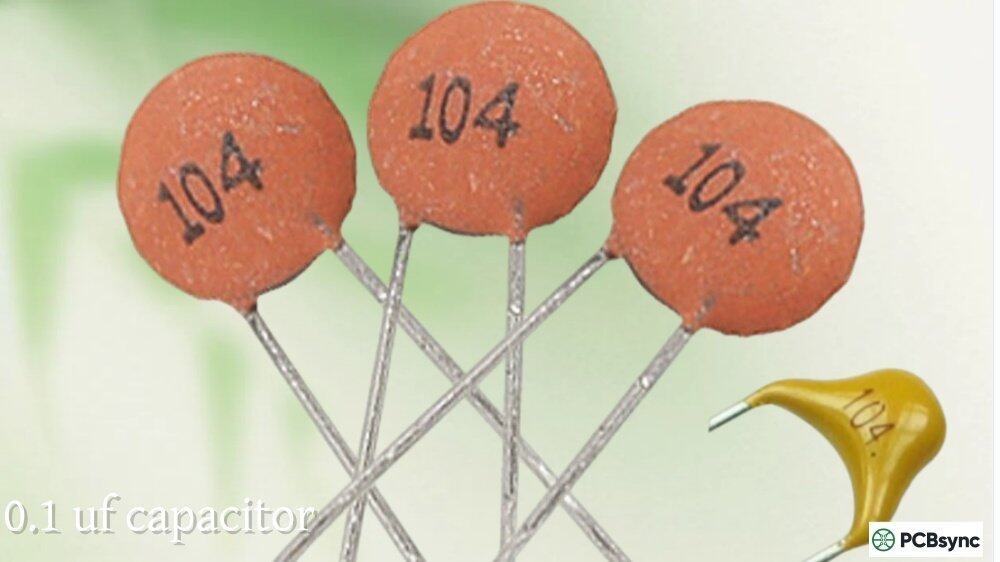
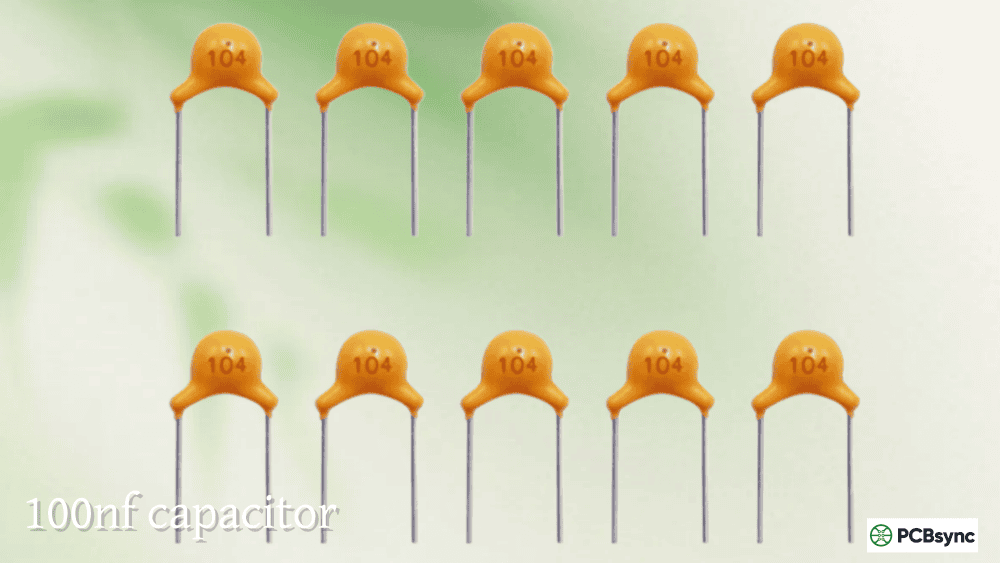
The code “104” is ubiquitous—it represents 0.1µF, the most common decoupling capacitor value.
Tolerance Codes
A letter following the three-digit code indicates tolerance:
Letter
Tolerance
B
±0.1 pF
C
±0.25 pF
D
±0.5 pF
F
±1%
G
±2%
J
±5%
K
±10%
M
±20%
Z
+80%/-20%
For example, “104K” indicates a 0.1µF capacitor with ±10% tolerance.
Tantalum and Electrolytic SMD Capacitor Markings
Unlike ceramic capacitors, tantalum and electrolytic SMD capacitors usually have direct markings showing capacitance and voltage. Common formats include:
Direct marking: “47 16V” = 47µF, 16V rating
Code format: “476” with voltage letter = 47µF (using the three-digit system where 476 = 47 × 10⁶ pF = 47µF)
Critically, polarized SMD capacitors have polarity markings:
Tantalum: A bar or stripe indicates the POSITIVE terminal (opposite of through-hole convention!)
Electrolytic: A shaded area or stripe indicates the NEGATIVE terminal
Installing polarized capacitors backwards can cause immediate failure, including fire or explosion with tantalum types.
SMD Capacitor Applications
SMD capacitors serve essential functions across virtually all electronic systems:
Power Supply Decoupling and Bypass
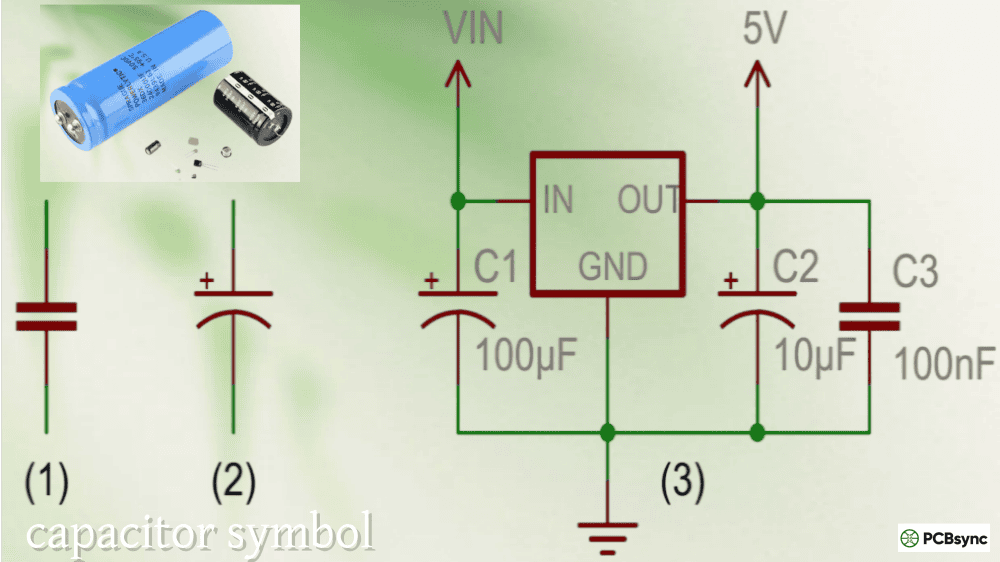
The most common SMD capacitor application is decoupling—providing local energy storage near integrated circuits to supply transient current demands and filter high-frequency noise from power rails. Typical practice places 0.1µF (100nF) ceramic capacitors as close as possible to IC power pins, often supplemented by bulk capacitors (10µF-100µF) at the power entry point.
Signal Filtering
In analog and RF circuits, SMD capacitors form filters that pass or block specific frequency ranges. High-pass filters use capacitors in series with the signal path; low-pass filters use capacitors from signal to ground. The capacitor’s parasitic inductance and ESR become critical at high frequencies, making MLCCs preferred for RF applications.
Timing Circuits
RC timing networks use capacitors with resistors to create delays and oscillation periods. For consistent timing, specify Class 1 (C0G/NP0) ceramic capacitors that maintain stable capacitance regardless of applied voltage or temperature.
AC Coupling
Capacitors block DC while passing AC signals, enabling connections between circuit stages with different DC bias levels. Audio circuits commonly use this technique between amplifier stages.
Energy Storage and Hold-Up
Applications requiring brief power interruption ride-through use capacitors for energy storage. Tantalum and aluminum electrolytic capacitors provide the high capacitance values needed for this function.
EMI Filtering
Input filter capacitors suppress electromagnetic interference at power inputs and signal interfaces, helping products meet regulatory emissions standards.
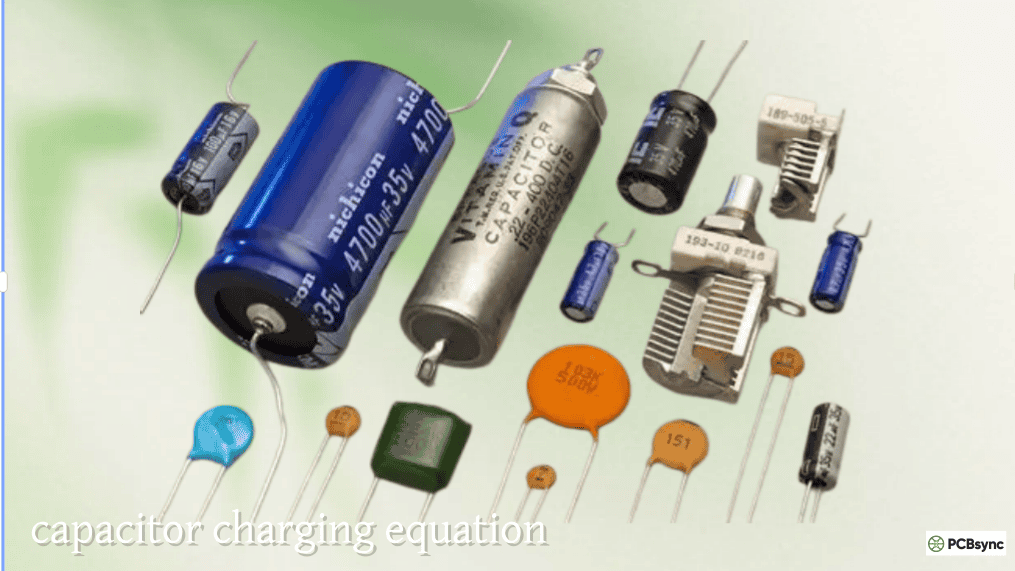
SMD Capacitor vs Through-Hole Capacitor Comparison
Understanding when to use surface mount versus through-hole capacitors helps optimize designs for performance, cost, and manufacturability.
Characteristic
SMD Capacitor
Through-Hole Capacitor
Size
Much smaller
Larger
PCB Space
Minimal; both sides usable
Requires holes; one side only
Parasitic Inductance
Very low
Higher (lead inductance)
Assembly
Automated pick-and-place
Manual or wave solder
Assembly Speed
Very fast
Slower
Rework Difficulty
Harder (small size)
Easier
Cost (high volume)
Lower
Higher
High-Frequency Performance
Excellent
Limited
Mechanical Strength
Lower (solder joints only)
Higher (leads through board)
Heat Dissipation
Limited
Better (leads conduct heat)
For new designs, SMD capacitors are almost always the better choice unless specific requirements (high voltage, extreme environments, field serviceability) favor through-hole construction.
Design Considerations for SMD Capacitors
DC Bias Effect in Ceramic Capacitors
One critical characteristic often overlooked: Class 2 ceramic capacitors (X7R, X5R) lose significant capacitance under applied DC voltage. A “10µF” X5R capacitor might deliver only 4-6µF at its rated voltage. This DC bias effect is more pronounced in smaller packages.
Mitigation strategies:
Specify voltage ratings 2× or higher than your operating voltage
Use larger package sizes when space permits
Consult manufacturer DC bias curves during design
Consider tantalum capacitors for stable bulk capacitance
Temperature Effects
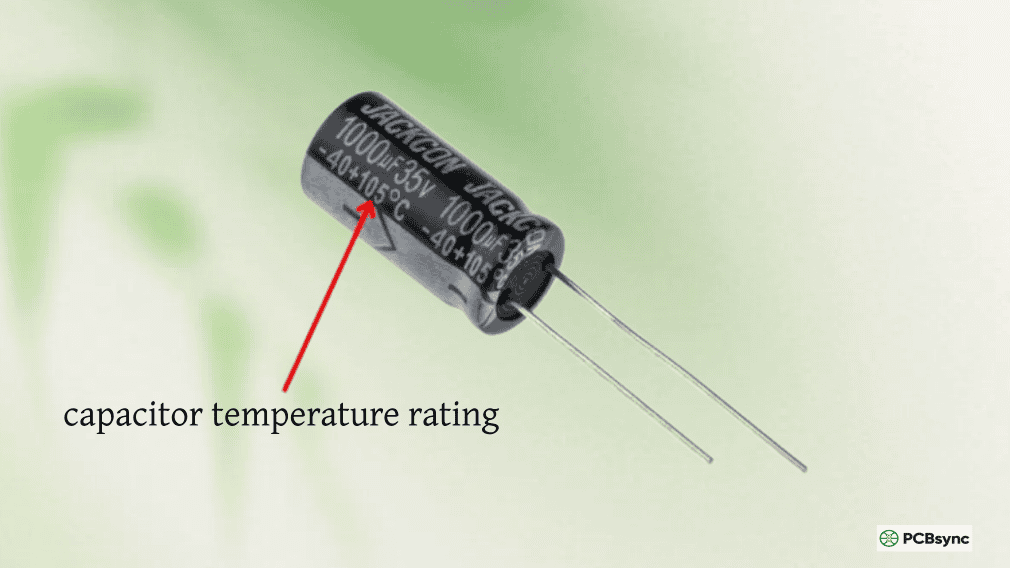
Class 2 ceramic capacitors also vary with temperature—X7R allows ±15% change across -55°C to +125°C, while X5R allows ±15% from -55°C to +85°C. Y5V capacitors can lose over 80% of capacitance at temperature extremes. For temperature-critical applications, specify C0G/NP0 dielectrics or tantalum capacitors.
Mechanical Stress and Flex Cracking
Ceramic capacitors are brittle. PCB flexing during assembly, depaneling, or handling can crack the ceramic, leading to shorts or opens. Larger packages (1206+) are particularly vulnerable due to their longer span across flex zones.
Prevention measures:
Avoid placing large MLCCs near board edges or mounting holes
Specify soft-termination (flexible termination) capacitors for mechanically stressed locations
Use multiple smaller capacitors instead of one large one
Control depaneling methods to minimize board flex
Audible Noise (Piezoelectric Effect)
Class 2 ceramic dielectrics exhibit piezoelectric behavior—they physically vibrate when AC voltage is applied. In the audible frequency range (particularly near PWM switching frequencies), this can create annoying buzz or whine. Solutions include using C0G capacitors (no piezoelectric effect), polymer capacitors, or multiple smaller capacitors to reduce the vibration amplitude.
Useful Resources for SMD Capacitor Selection
Having reliable reference tools dramatically improves component selection efficiency:
Manufacturer Simulation and Selection Tools
Murata SimSurfing: Comprehensive MLCC simulation including DC bias curves, impedance plots, and S-parameters (https://ds.murata.co.jp/simsurfing/)
Mouser Parametric Search: Extensive filtering options for component selection
LCSC Electronics: Competitive pricing with comprehensive datasheets
Octopart: Cross-distributor search and price comparison
Standards and Reference Documents
EIA-198: Standard coding system for ceramic capacitors
IEC 60384: Fixed capacitors for use in electronic equipment
AEC-Q200: Automotive qualification standard for passive components
JEDEC: Package dimension standards
Educational Resources
Passive Components EU: In-depth technical articles on capacitor behavior
Analog Devices Application Notes: Practical design guidance
Texas Instruments Power Design Resources: Capacitor selection for switching regulators
Frequently Asked Questions About SMD Capacitors
How do I identify an unmarked SMD capacitor on a PCB?
You cannot visually identify an unmarked MLCC capacitor’s value—this is by design, not defect. Your options are: (1) Refer to the circuit schematic or BOM documentation, (2) Use a capacitance meter to measure the value after desoldering, or (3) Trace the circuit to infer the likely value based on function (decoupling capacitors near ICs are typically 0.1µF or 10µF). For production and repair work, maintaining accurate documentation is essential since identical-looking capacitors may have vastly different specifications.
Can I replace a through-hole capacitor with an SMD capacitor?
Yes, in most cases you can substitute an SMD capacitor for a through-hole part with equivalent specifications—same capacitance, equal or higher voltage rating, similar temperature rating, and appropriate tolerance. However, you’ll need to create appropriate mounting pads on your PCB. For repair work on existing boards, small adapter PCBs or careful soldering to through-hole pad remnants can work, though this is generally only practical for prototypes or one-off repairs.
Why do ceramic SMD capacitors sometimes make noise?
The audible whine or buzz from ceramic capacitors results from the piezoelectric effect in Class 2 ferroelectric dielectrics (X7R, X5R, Y5V). When AC voltage—especially at audio frequencies or PWM switching frequencies—passes through the capacitor, the ceramic physically expands and contracts, vibrating like a tiny speaker. This couples into the PCB and becomes audible. Solutions include: switching to C0G/NP0 ceramics (no piezoelectric effect), using polymer tantalum capacitors, distributing capacitance across multiple smaller components, or moving problematic capacitors away from the board edge where vibration amplifies.
What voltage derating should I use for SMD capacitors?
For ceramic MLCCs, specify at least 2× voltage rating relative to your maximum operating voltage to account for DC bias capacitance loss. For tantalum capacitors, derate by 50% minimum—a 10V rated tantalum should see no more than 5V in operation. This conservative approach prevents failures from voltage spikes, temperature variations, and long-term aging. Aluminum electrolytics typically need 20-30% derating. Remember that transients and startup conditions may temporarily exceed steady-state voltages.
How do I choose between ceramic, tantalum, and electrolytic SMD capacitors?
Base your selection on application requirements: For high-frequency decoupling and bypass (>1MHz), ceramic MLCCs are essential due to their low ESR and ESL. For stable bulk capacitance where the exact value matters (timing, filtering), tantalum capacitors provide better stability than Class 2 ceramics. For maximum capacitance at lowest cost where ESR and frequency response are less critical (power supply bulk storage), aluminum electrolytics work well. Many designs use all three types: ceramic for high-frequency filtering near ICs, tantalum for intermediate frequency ranges, and electrolytics for bulk energy storage at power inputs.
SMD Capacitor Soldering and Assembly Considerations
Successfully working with SMD capacitors requires understanding proper assembly techniques, whether for prototype hand assembly or high-volume production.
Reflow Soldering Profile
Most SMD capacitors are assembled using reflow soldering, where solder paste is printed onto PCB pads, components are placed by pick-and-place machines, and the entire assembly passes through a reflow oven. The thermal profile—preheat, soak, reflow, and cooling phases—must be carefully controlled.
Ceramic capacitors are susceptible to thermal shock cracking if heated or cooled too rapidly. Manufacturers specify maximum temperature ramp rates, typically 3-4°C per second. The peak reflow temperature (usually 245-260°C for lead-free solder) and time above liquidus must stay within datasheet limits.
Tantalum capacitors require extra care—excessive temperature or prolonged exposure above the liquidus temperature can damage the internal manganese dioxide cathode, leading to increased leakage current or failure.
Hand Soldering SMD Capacitors
For prototypes and rework, hand soldering SMD capacitors is common but requires proper technique:
Equipment needed:
Fine-tip soldering iron (conical or chisel tip, 0.5-1.0mm)
Temperature-controlled station set to 300-350°C
Fine solder wire (0.5mm or smaller) or solder paste
Flux pen
Fine-tip tweezers
Magnification (loupe or microscope for 0402 and smaller)
Technique for ceramic capacitors:
Apply flux to both pads
Pre-tin one pad with a small amount of solder
Hold the capacitor with tweezers and position over pads
Touch the soldering iron to the pre-tinned pad, melting the solder to secure one end
Solder the opposite end
Reflow the first joint if needed for a proper fillet
For packages 0402 and smaller, consider using solder paste and a hot air rework station instead of a soldering iron.
Common Assembly Defects
Tombstoning: One end of the capacitor lifts during reflow, standing the component on end. Caused by unequal solder paste deposits, unequal pad sizes, or thermal imbalance. Prevention: ensure symmetric pad design and balanced thermal relief.
Solder bridging: Excess solder connects adjacent pads or components. More common with fine-pitch designs. Prevention: optimize stencil apertures and solder paste volume.
Cold joints: Insufficient heat creates dull, grainy solder joints with poor electrical connection. Prevention: ensure adequate reflow temperature and time.
Component shift: Components move from designed positions during reflow. Caused by solder surface tension imbalance or conveyor vibration. Prevention: optimize pad design and paste deposit centering.
Future Trends in SMD Capacitor Technology
The SMD capacitor market continues evolving to meet demanding applications:
Miniaturization: Package sizes continue shrinking. The 008004 size (0.25mm × 0.125mm) is now in production for cutting-edge applications. These ultra-small packages require advanced assembly equipment but enable unprecedented component density.
Higher Capacitance Density: Advances in ceramic materials and manufacturing allow higher capacitance in smaller packages. The 10µF in 0201 package, once impossible, is now commercially available.
Automotive Qualification: Electric vehicles and ADAS systems drive demand for AEC-Q200 qualified components with extended temperature ranges (-55°C to +150°C) and enhanced reliability.
Low-ESL Designs: High-speed digital and power applications demand capacitors with minimal equivalent series inductance. Reverse-geometry packages (wider than long) and multi-terminal designs address this need.
Polymer Hybrid Technology: Combining aluminum electrolytic construction with conductive polymer electrolytes delivers high capacitance with improved ESR and lifespan compared to traditional wet electrolytics.
Conclusion
SMD capacitors have transformed electronics manufacturing, enabling the compact, feature-rich devices we depend on daily. From the 01005 packages smaller than a grain of sand to the robust 2220 components in automotive power systems, surface mount capacitors span an enormous range of applications and requirements.
Understanding the distinctions between ceramic, tantalum, and electrolytic types—along with their respective strengths and limitations—empowers better design decisions. Knowing how to interpret marking codes, select appropriate package sizes, and account for real-world effects like DC bias and temperature variation separates robust designs from problematic ones.
The global SMD capacitor market continues growing, driven by automotive electrification, 5G infrastructure, IoT proliferation, and AI computing demands. Package sizes keep shrinking, capacitance values keep increasing, and new dielectric materials continue emerging. Staying current with these developments while mastering the fundamentals ensures your designs leverage these essential components effectively.
Whether you’re designing your first SMT board or optimizing a mature product, the principles covered in this guide provide the foundation for confident SMD capacitor selection. Combined with manufacturer simulation tools and proper documentation practices, you’ll avoid the common pitfalls that plague less informed designers.
Inquire: Call 0086-755-23203480, or reach out via the form below/your sales contact to discuss our design, manufacturing, and assembly capabilities.
Quote: Email your PCB files to Sales@pcbsync.com (Preferred for large files) or submit online. We will contact you promptly. Please ensure your email is correct.
Notes: For PCB fabrication, we require PCB design file in Gerber RS-274X format (most preferred), *.PCB/DDB (Protel, inform your program version) format or *.BRD (Eagle) format. For PCB assembly, we require PCB design file in above mentioned format, drilling file and BOM. Click to download BOM template To avoid file missing, please include all files into one folder and compress it into .zip or .rar format.