Inquire: Call 0086-755-23203480, or reach out via the form below/your sales contact to discuss our design, manufacturing, and assembly capabilities.
Quote: Email your PCB files to Sales@pcbsync.com (Preferred for large files) or submit online. We will contact you promptly. Please ensure your email is correct.
Notes: For PCB fabrication, we require PCB design file in Gerber RS-274X format (most preferred), *.PCB/DDB (Protel, inform your program version) format or *.BRD (Eagle) format. For PCB assembly, we require PCB design file in above mentioned format, drilling file and BOM. Click to download BOM template To avoid file missing, please include all files into one folder and compress it into .zip or .rar format.
Run Capacitors: Working Principle & Motor Applications
After years of working with motor control circuits and troubleshooting failed systems, I’ve come to appreciate the run capacitor as one of the most critical yet underappreciated components in single-phase motor applications. This small cylindrical component does essential work behind the scenes, creating the phase shift that keeps motors running efficiently and quietly.
Unlike start capacitors that only engage briefly during startup, run capacitors remain in the circuit continuously, providing ongoing phase correction that directly affects motor efficiency, power factor, and longevity. Understanding how they work and selecting the right one for your application can mean the difference between a motor that runs smoothly for decades and one that fails prematurely.
This guide covers everything you need to know about run capacitors, from the fundamental physics of how they create rotating magnetic fields to practical selection criteria and real-world motor applications.
A run Capacitor is a type of motor capacitor that remains permanently connected to the auxiliary winding of a single-phase AC motor during operation. Its primary function is to create and maintain a phase shift between the main and auxiliary windings, producing a rotating magnetic field that enables the motor to run smoothly and efficiently.
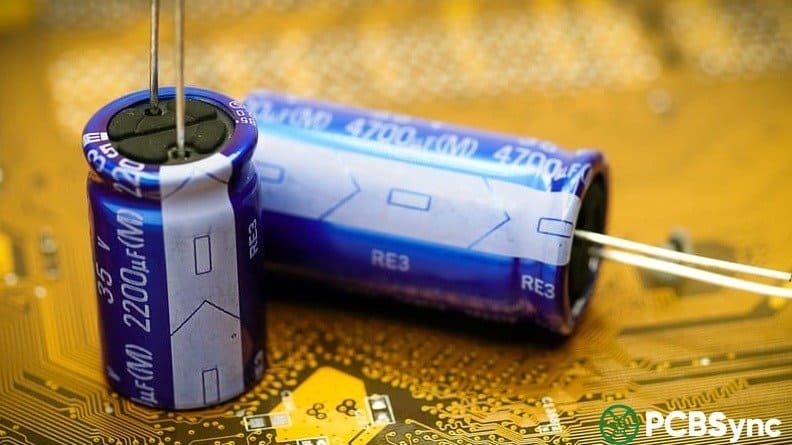
Run capacitors are constructed using metallized polypropylene film, which allows them to handle continuous AC voltage without the degradation that electrolytic capacitors would experience. This construction makes them suitable for the demanding environment of continuous motor operation, where they may run for thousands of hours per year.
The capacitor’s name comes from its operational role. While start capacitors help motors begin spinning, run capacitors keep them running efficiently. In motors that use both types, the start capacitor disconnects after startup (typically at 75% of full speed), but the run capacitor stays in the circuit for as long as the motor operates.
How Run Capacitors Work: The Physics Explained
Understanding the working principle of run capacitors requires grasping some fundamental concepts about single-phase AC motors and rotating magnetic fields.
The Single-Phase Motor Problem
Three-phase motors naturally create rotating magnetic fields because the three phases are offset by 120 degrees. This inherent phase difference produces smooth rotation without additional components.
Single-phase motors face a different challenge. With only one phase, they would naturally produce a pulsating magnetic field rather than a rotating one. A pulsating field can maintain rotation once started, but it cannot initiate rotation on its own. This is why single-phase motors need some mechanism to create a phase shift.
Creating the Phase Shift
Run capacitors solve this problem by creating an artificial second phase. When connected in series with the auxiliary winding, the capacitor causes the current in that winding to lead the voltage by approximately 90 degrees. Meanwhile, the current in the main winding lags or is in phase with the voltage due to the inductive nature of the winding.
This phase difference between the two winding currents creates two magnetic fields that peak at different times, producing a rotating magnetic field similar to what three-phase power would naturally create. The result is smooth, efficient motor operation.
The Phase Angle Relationship
The ideal phase angle between the main and auxiliary winding currents is 90 degrees electrical. At this angle, the motor operates most efficiently with maximum torque and minimum losses.
In practice, achieving exactly 90 degrees is difficult because the optimal capacitance value depends on load conditions. Motor designers choose run capacitor values that provide good performance across the expected operating range, typically achieving phase angles between 80 and 100 degrees under normal conditions.
Capacitive Reactance and Frequency
The capacitor’s effect on phase shift depends on its capacitive reactance, which is calculated as:
Xc = 1 / (2πfC)
Where Xc is capacitive reactance in ohms, f is frequency in Hz, and C is capacitance in farads.
At 60 Hz operation, a run capacitor exhibits a specific reactance that creates the desired phase shift. At 50 Hz, the same capacitor would have higher reactance, creating a different phase angle. This is why motors designed for 50 Hz versus 60 Hz systems may require different capacitor values.
Run Capacitor Construction and Materials
Run capacitors are built to withstand continuous operation in demanding environments. Understanding their construction helps explain their reliability and performance characteristics.
Metallized Polypropylene Film
Modern run capacitors use metallized polypropylene (MPP) film as the dielectric material. This construction offers several advantages. It provides excellent dielectric properties with low losses, self-healing capability when minor dielectric breakdowns occur, long operational life under continuous AC stress, and stable capacitance over temperature and time.
The metallized layer is extremely thin (typically a few micrometers) and deposited directly onto the polypropylene film. This construction is wound into a cylindrical element and encased in a protective housing.
Self-Healing Capability
One of the most important features of metallized film capacitors is their self-healing ability. When a localized dielectric breakdown occurs, the energy of the arc vaporizes the thin metal layer around the fault point, effectively isolating the damaged area without permanently shorting the capacitor.
This self-healing process happens almost instantaneously and allows the capacitor to continue operating, though with a very slight reduction in capacitance. Over many years, accumulated self-healing events may gradually reduce capacitance below acceptable limits.
Housing and Terminals
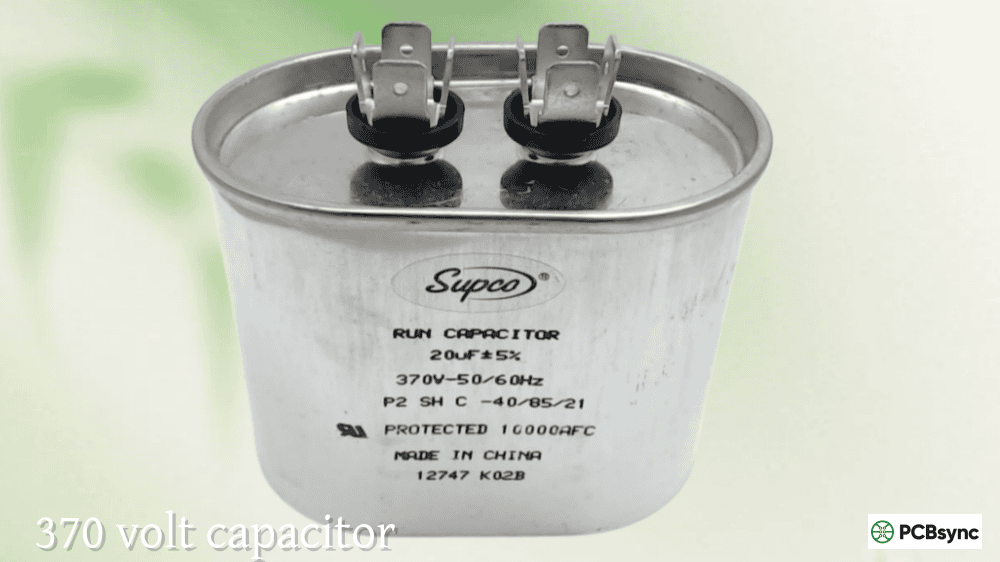
Run capacitors are typically housed in either metal cans (usually aluminum) or high-temperature plastic cases. Metal housings provide better heat dissipation and additional electrical shielding. Plastic housings are lighter and more economical.
Terminals are usually ¼-inch quick-connect (spade) type, allowing easy installation and replacement. Most run capacitors have two to four terminal tabs per connection post to accommodate multiple wire connections when needed.
Run Capacitor Specifications
Selecting the correct run capacitor requires understanding several key specifications.
Capacitance (Microfarads)
The capacitance rating, expressed in microfarads (µF or MFD), determines the amount of phase shift the capacitor provides. Run capacitors typically range from 1.5 µF to 100 µF, with most common values falling between 2.5 µF and 80 µF.
The capacitance value must match the motor’s design requirements exactly. Using the wrong value creates an uneven magnetic field that causes the rotor to hesitate, resulting in noise, vibration, reduced efficiency, overheating, and shortened motor life.
Motor manufacturers specify the required capacitance on the motor nameplate. This value is not arbitrary but calculated to optimize motor performance for the specific winding design.
Voltage Rating
Run capacitors are rated at either 370 VAC or 440 VAC for most HVAC and industrial applications. This rating indicates the maximum voltage the capacitor can safely withstand continuously.
You can always substitute a higher voltage capacitor for a lower voltage one (440V for 370V), and doing so may actually extend capacitor life since it operates further below its maximum rating. However, never use a lower voltage capacitor than specified, as this dramatically shortens lifespan and may cause immediate failure.
Tolerance
The tolerance specification indicates how much the actual capacitance may deviate from the nominal value. Most run capacitors have tolerances of ±5% to ±6%. A 40 µF capacitor with ±6% tolerance may actually measure between 37.6 µF and 42.4 µF and still be within specification.
When testing capacitors, readings within 10% of the rated value generally indicate acceptable performance. Readings more than 10% below rating suggest the capacitor should be replaced.
Frequency Rating
Run capacitors are designed for AC operation at specific frequencies, typically 50/60 Hz. This dual rating indicates compatibility with both 50 Hz (common in Europe and much of the world) and 60 Hz (North America) power systems.
Temperature Rating
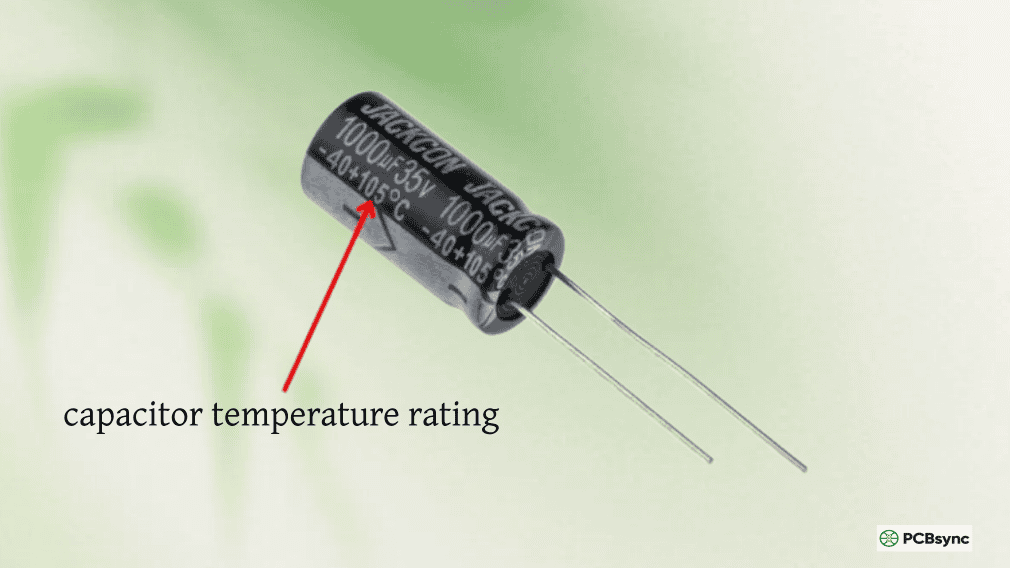
Operating temperature range affects capacitor life and performance. Most run capacitors are rated for -40°C to +70°C (-40°F to +158°F), though high-temperature versions rated to +85°C are available for demanding applications.
Specification
Typical Range
Selection Rule
Capacitance
1.5-100 µF
Must match motor nameplate
Voltage
370V or 440V
Equal or higher than original
Tolerance
±5% to ±6%
Accept up to ±10% when testing
Frequency
50/60 Hz
Must match power supply
Temperature
-40°C to +70°C
Match operating environment
Run Capacitor vs Start Capacitor: Key Differences
Understanding the differences between run and start capacitors prevents selection errors and helps diagnose motor problems.
Operational Duty
The most fundamental difference is operational duty. Start capacitors engage only during motor startup (typically 1-3 seconds) before being disconnected by a centrifugal switch or relay. Run capacitors remain in the circuit continuously while the motor operates.
This duty cycle difference determines construction requirements. Start capacitors can use electrolytic construction for higher capacitance in a smaller package because they only operate briefly. Run capacitors must use film construction (polypropylene) because electrolytic capacitors would overheat and fail under continuous AC stress.
Capacitance Range
Start capacitors typically range from 70 µF to over 400 µF, providing the high capacitance needed for strong starting torque. Run capacitors typically range from 1.5 µF to 100 µF, with lower values appropriate for continuous phase correction.
A useful rule of thumb: capacitors rated 70 µF and above are typically start capacitors, while those below 70 µF are typically run capacitors.
Voltage Ratings
Start capacitors commonly have voltage ratings of 125V, 165V, 250V, or 330V. Run capacitors typically have higher voltage ratings of 370V or 440V to handle continuous operation stress.
Physical Appearance
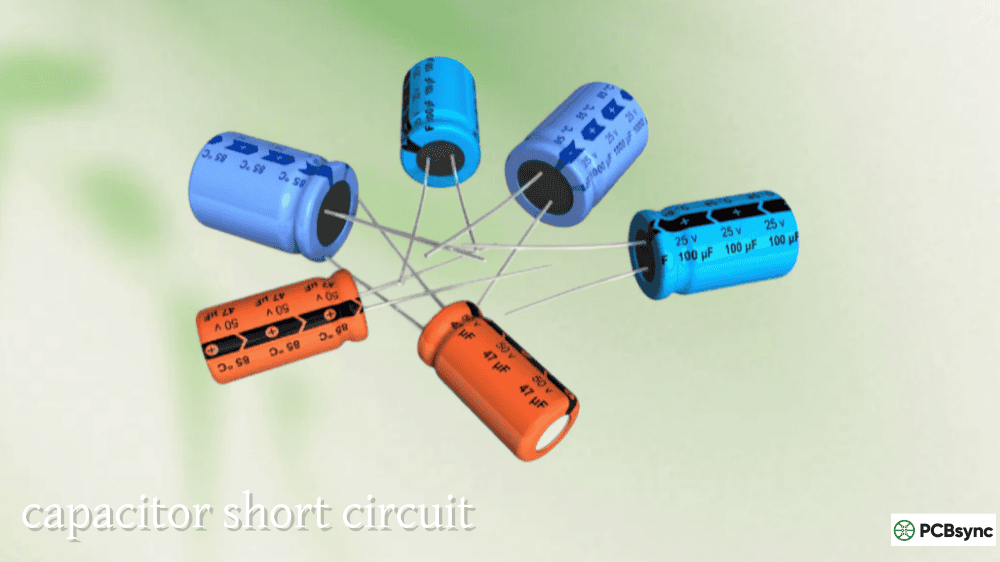
Start capacitors usually have black plastic cases and may include a bleed resistor across the terminals. Run capacitors typically have silver/aluminum metal cases or gray plastic cases and have an oval or round shape without bleed resistors.
Characteristic
Run Capacitor
Start Capacitor
Duty Cycle
Continuous
Intermittent (1-3 seconds)
Construction
Polypropylene film
Electrolytic
Capacitance Range
1.5-100 µF
70-400+ µF
Voltage Rating
370V or 440V
125V, 165V, 250V, 330V
Case Color
Silver/metal or gray
Black plastic
Lifespan
30,000-60,000+ hours
Fewer cycles
Run Capacitor Motor Types and Applications
Run capacitors are used in several motor configurations, each with specific characteristics and applications.
Permanent Split Capacitor (PSC) Motors
PSC motors are the most common application for run capacitors. In this design, the run capacitor remains permanently connected to the auxiliary winding with no starting switch or relay. The motor starts and runs with the same capacitor configuration.
PSC motors offer simple construction with no centrifugal switch to wear out, quiet operation, good efficiency at running speed, and relatively low starting torque. They’re ideal for applications that don’t require high starting torque, such as fans, blowers, pumps with low starting loads, and small compressors.
Capacitor-Start Capacitor-Run (CSCR) Motors
CSCR motors use both a start capacitor and a run capacitor. During startup, both capacitors are in the circuit (connected in parallel), providing high starting torque. After the motor reaches approximately 75% speed, a centrifugal switch disconnects the start capacitor, leaving only the run capacitor in the circuit.
This design provides high starting torque for difficult loads, efficient running with the run capacitor providing phase correction, and smooth, quiet operation at running speed. CSCR motors are used for air compressors, conveyor systems, pumps with high starting loads, and refrigeration compressors.
Dual Run Capacitor Systems
Many HVAC systems use dual run capacitors, which combine two run capacitors in a single housing. These have three terminals labeled C (Common), HERM (Hermetic compressor), and FAN (condenser fan motor).
The larger capacitance value (typically 30-60 µF) serves the compressor motor, while the smaller value (typically 3-7.5 µF) serves the condenser fan motor. Dual capacitors save space and simplify wiring compared to using two separate capacitors.
Run capacitors appear in countless motor-driven applications across residential, commercial, and industrial settings.
HVAC Systems
Air conditioning and heat pump systems are the most common application for run capacitors. The outdoor condensing unit typically contains compressor motors requiring 30-60 µF run capacitors and condenser fan motors requiring 3-7.5 µF run capacitors.
Indoor blower motors may also use run capacitors, typically in the 5-10 µF range. These capacitors operate in demanding conditions with high temperatures, humidity, and frequent cycling.
Refrigeration Equipment
Commercial refrigeration compressors use run capacitors similar to HVAC applications. Walk-in coolers, reach-in refrigerators, and ice machines all depend on properly functioning run capacitors for efficient compressor operation.
Pumps and Water Systems
Well pumps, pool pumps, sump pumps, and circulation pumps commonly use PSC motors with run capacitors. These applications may require capacitors that can operate continuously for extended periods.
Fans and Blowers
Industrial exhaust fans, whole-house fans, attic ventilation fans, and commercial kitchen ventilation systems use run capacitors. These applications typically require smaller capacitance values (2.5-10 µF) and benefit from the quiet operation that properly matched run capacitors provide.
Appliances
Washing machines, dryers, dishwashers, garbage disposals, and other household appliances use single-phase motors with run capacitors. These capacitors typically operate at 115V applications with lower capacitance values.
Application
Typical Motor Size
Capacitance Range
Voltage
AC Compressor
1-5 HP
30-60 µF
370V/440V
Condenser Fan
¼-½ HP
3-7.5 µF
370V/440V
Blower Motor
¼-1 HP
5-15 µF
370V/440V
Pool Pump
¾-2 HP
15-40 µF
370V
Ceiling Fan
Fractional HP
1.5-5 µF
250V
Refrigeration
¼-2 HP
15-45 µF
370V/440V
Testing Run Capacitors
Regular testing identifies failing capacitors before they cause motor problems.
Bench Testing Procedure
Bench testing is the most straightforward method and works when the motor is not running.
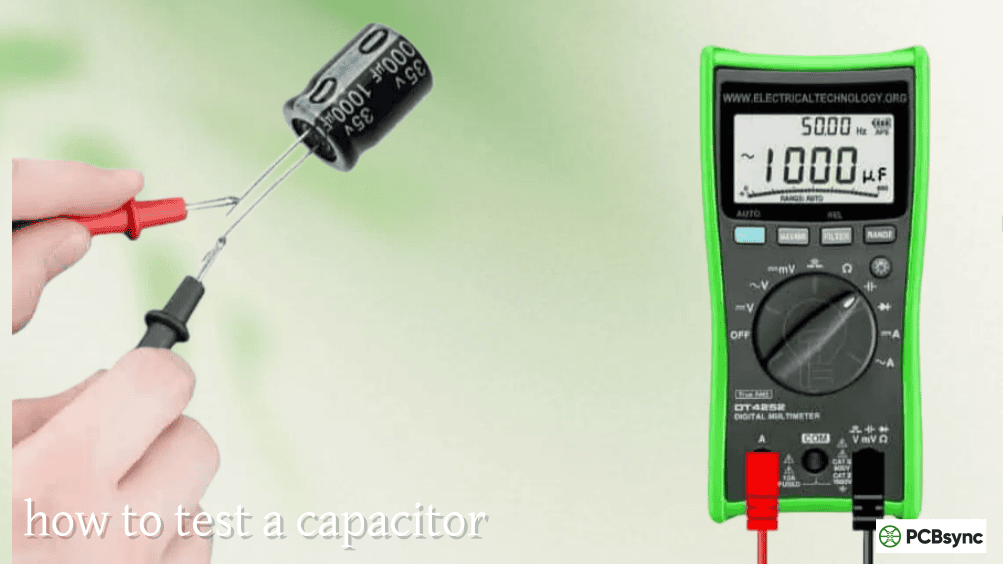
First, disconnect power and verify it’s off. Discharge the capacitor by shorting across terminals with an insulated screwdriver. Disconnect wires from the capacitor, noting their positions. Set your multimeter to capacitance mode (µF or MFD). Place probes on the capacitor terminals and read the displayed value.
Compare the reading to the rated capacitance on the capacitor label. Readings within ±10% of rating indicate acceptable performance. Readings more than 10% below rating indicate the capacitor should be replaced.
Under-Load Testing
Testing under load provides real-world performance data while the motor operates. This method requires working with live circuits, so only qualified technicians should attempt it.
The calculation uses this formula: Capacitance (µF) = (2652 × Amperage) / Voltage
Measure the current on the wire feeding the capacitor and the voltage across the capacitor terminals, then calculate capacitance. Compare to the rated value and replace if more than 10% low.
Visual Inspection
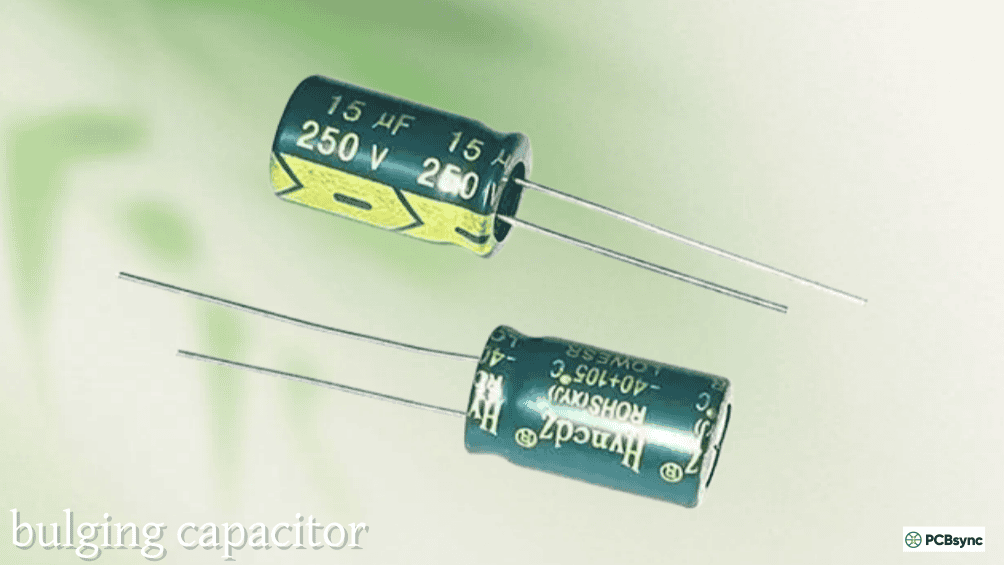
Visual inspection often reveals failed capacitors. Look for bulging or swollen case (top or sides), oil leakage, burn marks or discoloration, and cracked or melted housing. Any visible damage means immediate replacement is needed.
Test Result
Diagnosis
Action
Within ±5% of rating
Good
Continue monitoring
5-10% below rating
Marginal
Plan replacement
More than 10% below
Weak/Failed
Replace immediately
No reading
Open circuit
Replace immediately
Visible damage
Physical failure
Replace immediately
Selecting the Right Run Capacitor
Proper selection ensures optimal motor performance and longevity.
Match Motor Specifications
The most important rule is matching the capacitance value exactly to the motor nameplate specification. Motor designers calculate this value based on the specific winding characteristics, and deviation causes performance problems.
If the original capacitor’s label is unreadable, check the motor nameplate for capacitor specifications. Many motors list the required µF value. If not available, contact the motor manufacturer with the model number.
Voltage Rating Selection
Always select a voltage rating equal to or higher than the original capacitor. Using a 440V capacitor in a 370V application is acceptable and may extend life. Using a 370V capacitor in a 440V application is not acceptable and will cause premature failure.
Case Style Considerations
Round and oval capacitors are electrically identical. The only consideration is physical fit in the mounting location. If space permits, either style works fine.
Quality Considerations
Not all capacitors are created equal. Quality capacitors from reputable manufacturers are tested to industry standards like EIA-456-A, which requires 2,000 hours of accelerated life testing. Budget capacitors may use less rigorous testing standards, resulting in shorter operational life.
Why Run Capacitors Fail
Understanding failure causes helps prevent problems and identify underlying issues.
Age and Wear
Run capacitors gradually lose capacitance over time as the dielectric material ages and self-healing events accumulate. Quality capacitors typically last 30,000-60,000 operating hours (roughly 10-20 years in typical applications).
Heat Exposure
Heat accelerates capacitor aging. Capacitors in hot environments (outdoor condensing units, attic installations) experience shorter lifespans. Ensuring adequate ventilation around the motor and capacitor helps extend life.
Voltage Stress
Operating at or above the rated voltage dramatically shortens capacitor life. Voltage spikes from lightning or grid fluctuations can damage capacitors instantly or weaken them for later failure.
Motor Problems
Failing motor windings or bearings cause increased current draw, stressing the capacitor. Repeated capacitor failures often indicate underlying motor problems that should be addressed.
Manufacturing Defects
Occasionally, capacitors fail prematurely due to manufacturing defects. Quality manufacturers typically offer warranties of 1-5 years.
Frequently Asked Questions About Run Capacitors
Can I use a higher microfarad run capacitor than specified?
No, you should not use a higher microfarad value than the motor specifies. The capacitance value is engineered to match the motor’s winding characteristics. Using higher capacitance creates excessive current in the auxiliary winding, causing overheating and potentially damaging the motor. Always match the original µF value exactly.
What happens if I use a lower voltage capacitor than original?
Using a lower voltage capacitor dramatically reduces its lifespan and may cause immediate failure. The voltage rating indicates the maximum voltage the capacitor can safely handle. Operating above this rating causes accelerated dielectric degradation. Always use a voltage rating equal to or higher than the original.
How long do run capacitors typically last?
Quality run capacitors typically last 30,000-60,000 operating hours, which translates to approximately 10-20 years in most applications. However, factors like heat exposure, voltage stress, and operating conditions significantly affect lifespan. Capacitors in demanding environments (outdoor HVAC units, high-temperature installations) may fail sooner.
Can I test a run capacitor without removing it from the motor?
You can perform under-load testing while the capacitor remains connected and the motor operates. This involves measuring current and voltage to calculate actual capacitance. However, for definitive bench testing with a capacitance meter, you should disconnect the capacitor from the circuit after safely discharging it.
Why does my motor hum but not start when the run capacitor fails?
When a run capacitor fails completely (open circuit), the auxiliary winding receives no power, eliminating the phase shift needed to create a rotating magnetic field. The main winding produces a pulsating field that cannot initiate rotation, causing the motor to hum. If you spin the shaft manually, it may continue running weakly because a pulsating field can maintain (but not start) rotation.
RepairClinic (repairclinic.com) — Appliance and HVAC capacitors
Amazon — Wide selection of replacement capacitors
Industry Standards:
EIA-456-A — Capacitor reliability testing standard
IEC 60252-1 — Motor capacitor safety standards
UL 810 — Capacitor safety certification
Run Capacitor Maintenance Best Practices
Proactive maintenance extends capacitor life and prevents unexpected failures.
Annual Inspection
Include capacitor inspection in annual HVAC or equipment maintenance. Check for physical damage, corrosion on terminals, and secure mounting. Loose capacitors can vibrate, damaging internal connections over time.
Capacitance Testing
Test capacitance annually using a quality multimeter with capacitance function. Track readings over time to identify gradual degradation before complete failure occurs. Many technicians record baseline readings when installing new capacitors for future comparison.
Environmental Considerations
Ensure adequate ventilation around capacitors to prevent heat buildup. Keep the area clean and free of debris that could trap heat. In outdoor installations, verify that protective covers are in place and functioning.
Proactive Replacement
Consider replacing capacitors proactively when readings fall to 10% below rating, even if the motor still operates. A marginally weak capacitor stresses the motor and wastes energy. The cost of a new capacitor is minimal compared to potential motor damage or emergency service calls.
Final Thoughts on Run Capacitor Selection and Application
The run capacitor may seem like a simple component, but it performs essential work that directly affects motor efficiency, longevity, and operating costs. Understanding the working principle, proper specification matching, and application requirements ensures you select the right capacitor for each situation.
Key points to remember include always matching capacitance values exactly to motor specifications, using equal or higher voltage ratings but never lower, testing capacitors regularly as part of preventive maintenance, and addressing underlying motor problems when capacitors fail repeatedly.
Whether you’re maintaining HVAC systems, troubleshooting industrial equipment, or designing motor control circuits, a solid understanding of run capacitor fundamentals helps you make informed decisions that keep motors running efficiently for years to come.
The investment in quality capacitors and proper selection pays dividends in reduced energy consumption, fewer service calls, and extended motor life. When that compressor starts smoothly on the hottest day of summer or that blower motor runs quietly year after year, you’ll appreciate the critical role that humble run capacitor plays in making it all work.
Inquire: Call 0086-755-23203480, or reach out via the form below/your sales contact to discuss our design, manufacturing, and assembly capabilities.
Quote: Email your PCB files to Sales@pcbsync.com (Preferred for large files) or submit online. We will contact you promptly. Please ensure your email is correct.
Notes: For PCB fabrication, we require PCB design file in Gerber RS-274X format (most preferred), *.PCB/DDB (Protel, inform your program version) format or *.BRD (Eagle) format. For PCB assembly, we require PCB design file in above mentioned format, drilling file and BOM. Click to download BOM template To avoid file missing, please include all files into one folder and compress it into .zip or .rar format.