Inquire: Call 0086-755-23203480, or reach out via the form below/your sales contact to discuss our design, manufacturing, and assembly capabilities.
Quote: Email your PCB files to Sales@pcbsync.com (Preferred for large files) or submit online. We will contact you promptly. Please ensure your email is correct.
Notes: For PCB fabrication, we require PCB design file in Gerber RS-274X format (most preferred), *.PCB/DDB (Protel, inform your program version) format or *.BRD (Eagle) format. For PCB assembly, we require PCB design file in above mentioned format, drilling file and BOM. Click to download BOM template To avoid file missing, please include all files into one folder and compress it into .zip or .rar format.
High Voltage Capacitor: The Complete Guide for Industrial & Power Applications
If you’ve spent any time designing power electronics or reviewing industrial schematics, you already know that not all capacitors are created equal. A standard MLCC that works beautifully in a 3.3V decoupling circuit will literally blow apart if you throw it into a 10 kV power factor correction bank. That’s where the high voltage capacitor earns its place — a component category that is simultaneously one of the most critical and most underestimated in power engineering.
For the purposes of this guide, a high voltage capacitor typically refers to any capacitor rated above 1 kV DC or peak AC, though in industrial power contexts, you’re often looking at ratings from 5 kV up to 800 kV for transmission-level equipment. These components are specifically engineered to operate reliably and safely under high voltage conditions, where dielectric breakdown, thermal runaway, and insulation failure are very real threats. AnyPCBA
Whether you’re designing a snubber circuit for a motor drive, specifying a shunt capacitor bank for a substation, or selecting a pulse discharge capacitor for an industrial laser system, this guide walks you through everything you need to make the right call.
The physics behind a capacitor hasn’t changed since Pieter van Musschenbroek first charged a Leyden jar in the 18th century. Two conductive plates, separated by a dielectric, store energy in the electric field that forms between them. What changes at high voltages is everything else — the mechanical stress on the dielectric, the partial discharge behavior inside the component, the thermal management requirements, and the failure modes.
Capacitance is typically expressed as a function of electrode area (A), their separation (D), and the dielectric constant (K) of the material between them. GlobalSpec Push your voltage rating up from 100V to 10kV and you have two engineering paths: increase the dielectric thickness (which reduces capacitance), or use a dielectric material with a higher breakdown strength. Most high voltage capacitor designs do a bit of both.
One thing PCB engineers often overlook: voltage breakdown limits the maximum energy that can be stored safely in a capacitor, and factors that can affect breakdown include humidity, pressure, temperature, as well as the geometry of the capacitor’s conductive parts. Johanson Technology This is why high voltage capacitor housings, creepage distances, and encapsulation materials matter just as much as the raw voltage rating on the datasheet.
Types of High Voltage Capacitors: A Practical Breakdown
The choice of dielectric material is the single most important decision when selecting a high voltage capacitor. Here’s how the main types stack up:
Film Capacitors (Polypropylene, Polyester)
Film capacitors using polypropylene, polyester, or polyphenylene sulfide dielectrics provide excellent linearity, low loss, and stable performance, making them ideal for precision analog, audio, and high-voltage applications. Metallized film types offer self-healing properties that enhance reliability. Hilelectronic
Self-healing is a big deal in high voltage design. When a localized dielectric defect causes a micro-breakdown, the metallized electrode vaporizes around the fault and clears it, rather than creating a catastrophic short. This is why you see polypropylene film capacitors dominating pulse power, power factor correction, and motor run applications.
Ceramic High Voltage Capacitors
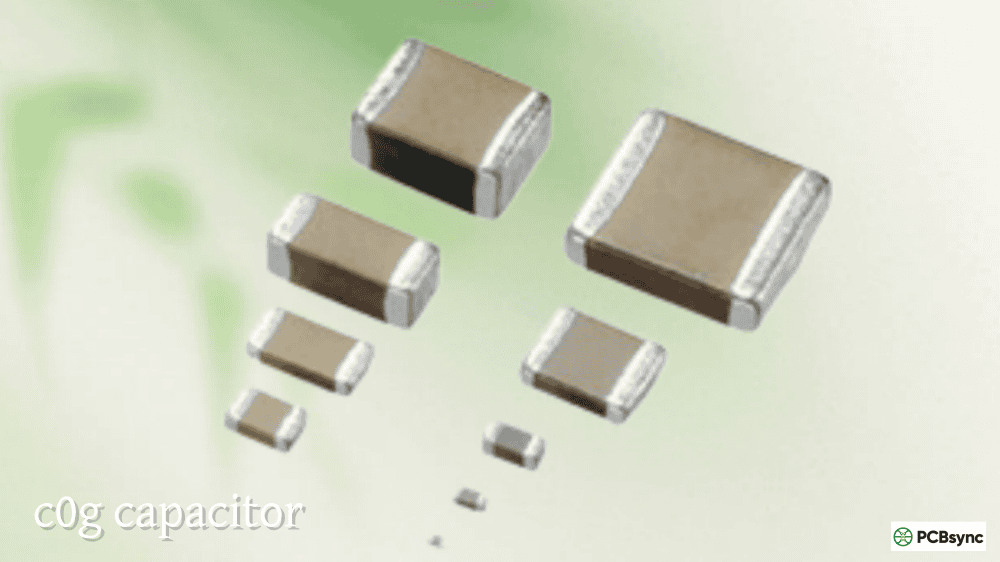
Ceramic is good for high voltage applications but may have low temperature stability and hazardous dielectric heating in RF applications. GlobalSpec For power electronics, C0G/NP0 ceramics are the go-to for high-frequency snubbers and coupling where you need stability, but you’ll rarely see ceramics in high-kVAR reactive power banks.
Watch out for the DC bias effect: DC-bias effects can reduce effective capacitance by 50–80% in high-K dielectrics, and small case sizes with high nominal ratings are particularly affected. Hilelectronic At high voltages, this voltage coefficient problem gets even worse.
Mica Capacitors
Mica capacitors offer excellent stability, high precision, and low power loss, making them ideal for high-frequency and high-power applications. They resist changes due to temperature variations and age well. GlobalSpec The downside is cost and limited capacitance density, which is why you see them in RF transmitters and precision measurement equipment rather than bulk energy storage.
Oil-Impregnated Paper and Liquid Dielectric Capacitors
These are the workhorses of utility-scale power systems. GE’s high voltage capacitors use Dielektrol VIIa Non-PCB insulating fluid in a state-of-the-art dielectric fill process, with hermetically sealed bushings that permit mounting in upright or side positions. GE Vernova Oil or synthetic liquid dielectrics combine high breakdown strength with excellent self-healing properties at the macro level, making them suitable for outdoor substation environments.
Comparison Table: High Voltage Capacitor Dielectric Materials
Dielectric
Typical Voltage Range
Key Strengths
Key Weaknesses
Typical Applications
Polypropylene Film
Up to 100 kV
Self-healing, low loss, stable
Larger size
PFC, pulse power, motor drives
C0G/NP0 Ceramic
Up to 15 kV
Stable, low ESR, small
Low capacitance density
RF snubbers, coupling
X7R/X5R Ceramic
Up to 10 kV
High capacitance density
Strong DC bias effect
Bypass, filtering
Mica
Up to 30 kV
Very stable, low loss
High cost, limited capacitance
RF power, precision circuits
Oil/Liquid Impregnated
5 kV to 800+ kV
Very high energy density
Requires sealed housing
Utility substations, HVDC
Glass
Up to 500 kV
Radiation resistant, stable
Expensive
Aerospace, nuclear
Electrolytic (Al)
Up to 550 V DC
High capacitance/volume
Polarized, limited HV use
DC bus filtering
Key Industrial & Power Applications of High Voltage Capacitors
Power Factor Correction (PFC) and Reactive Power Compensation
This is the single biggest application for high voltage capacitors in industrial settings. A variety of industries benefit from using high voltage capacitors for increased capacity, stability, and power quality, including applications for power generation, transmission and distribution, as well as power consumers in oil and gas and infrastructure. GE Vernova
When inductive loads like motors, transformers, and welding equipment draw lagging reactive current, your power factor drops. The utility charges you for it, your cables and transformers run hotter than they need to, and your voltage regulation suffers. Installing capacitors reduces the reactive power demand (kilovar) from point of generation to point of use, bringing voltage and current closer to being in phase. GE Vernova
In practice, PFC capacitor banks are typically rated in kVAR rather than capacitance, and are installed either at individual motor terminals, at distribution panel level, or at substation level depending on the size of the reactive power problem.
Harmonic Filtering
Large industrial power consumers face the challenge of lower operating costs as well as meeting contractual conditions related to power factor and harmonic distortion to secure electrical supply. Hitachi Energy Variable speed drives, arc furnaces, and switched-mode power supplies all inject harmonic currents into the grid. High voltage capacitors combined with series reactors form passive harmonic filters that shunt these currents to ground before they can cause trouble upstream.
Pulsed Power Systems
This is where high voltage capacitors get genuinely exciting from an engineering perspective. Pulse forming networks (PFNs) use networks of capacitors and inductors to discharge at precise times to create a square or trapezoidal current pulse, and are used in pulsed power and power conditioning circuits to efficiently transfer energy from one stage to another. General Atomics
Applications include:
Industrial laser systems (Nd:YAG, CO₂ pulsed)
Electromagnetic forming and welding
Railgun and electromagnetic launch systems
Plasma research equipment
Electrostatic precipitators
X-Ray and Medical Imaging Equipment
Medical and industrial X-ray machines rely on high voltage capacitors to generate the high-potential electrical fields needed for X-ray production. These components store energy and then release it in controlled pulses to create the X-rays. Commercialradiocompany This application demands both high energy density and extremely precise timing of the discharge pulse — which is why you see specialized pulse capacitors with very tight tolerances on capacitance and ESR.
Induction Heating
High voltage capacitors are key components in induction heating systems, where they help create powerful oscillating magnetic fields, increasing the efficiency and control of the heating process used for metal treatment and welding. Commercialradiocompany Induction heating capacitor banks operate at high voltage and high frequency simultaneously, which makes the low-loss characteristics of polypropylene and mica dielectrics essential.
HVDC Transmission and FACTS
At the transmission level, Hitachi Energy’s capacitor and filter portfolio covers voltage requirements from 208V to 800 kV for a large variety of applications in the commercial, industrial, distribution, and transmission utility field. Hitachi Energy In HVDC systems, high voltage capacitors serve as DC link filters, smoothing the ripple from rectifiers and inverters. In Flexible AC Transmission Systems (FACTS), they provide dynamic reactive power support that helps stabilize long transmission lines during fault conditions.
Application Summary Table
Application
Voltage Range
Capacitor Type
Key Requirement
Power Factor Correction
1 kV – 50 kV
Oil-film, Polypropylene
Low loss, kVAR rating
Harmonic Filtering
1 kV – 66 kV
Film + reactor combination
Tuned frequency response
Motor Drives (DC Bus)
600 V – 1,200 V
Aluminum Electrolytic
High ripple current
Pulse Power / Laser
1 kV – 50 kV
Polypropylene film
Fast discharge, long cycle life
X-Ray / Medical
25 kV – 150 kV
Ceramic, Film
Precision, reliability
Induction Heating
1 kV – 20 kV
Polypropylene, Mica
Low ESR, high frequency
HVDC Transmission
100 kV – 800 kV
Oil-impregnated
Extreme reliability
Surge Protection
2.4 kV – 34.5 kV
Film, Ceramic
Fast transient response
How to Select the Right High Voltage Capacitor: Engineer’s Checklist
Selection mistakes with high voltage capacitors aren’t just costly in terms of component replacement — they can destroy connected equipment or create genuine safety hazards. Here’s how to approach the selection process systematically.
Step 1: Establish the voltage rating with margin. A safety margin of at least 20% above the maximum voltage expected in the application is recommended to ensure safe operation and prevent premature failure due to dielectric breakdown. AnyPCBA In practice, most experienced engineers derate to 70-80% of rated voltage for continuous operation.
Step 2: Confirm the capacitance value at operating voltage. For ceramic types especially, never trust the zero-bias capacitance from the datasheet. Industry practice recommends 50% derating for ceramic types and 70% for electrolytic constructions in commercial applications. Hilelectronic Check the capacitance vs. voltage curve carefully.
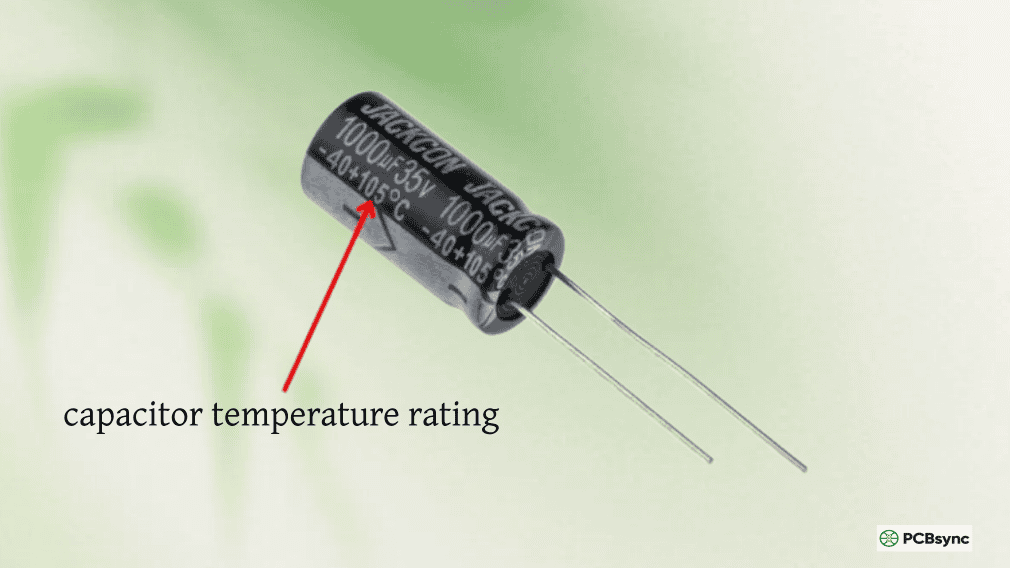
Step 3: Calculate ripple current and thermal dissipation. ESR is your enemy in high voltage capacitor applications. High ESR leads to increased power dissipation and heat generation within the capacitor. A general rule of thumb is that for every 10°C increase in operating temperature, the lifespan of an electrolytic capacitor is halved. Kynix This holds roughly true for film types as well.
Step 4: Check the operating environment. Temperature extremes, humidity, altitude (which affects partial discharge onset), and mechanical vibration all need to be factored in. Some capacitors designed for extreme environments, such as KEMET’s HV-HT platform, are capable of operating at temperatures up to 200°C for down-hole exploration, aerospace engine compartments, and geophysical probes. GlobalSpec
Step 5: Verify standards compliance. For power systems work, GE’s high voltage capacitors meet IEC 60871 and IEEE 18 standards. GE Vernova For medical applications, you’ll need IEC 60601 compliance. For military and aerospace, MIL-C specifications apply.
High Voltage Capacitor Safety: What Every Engineer Needs to Know
Working with high voltage capacitors is one area where “it’ll probably be fine” thinking gets people killed. These components can store lethal amounts of energy and retain that charge for hours or even days after the system is powered down.
The stored energy in a capacitor is E = ½CV². A 10 µF capacitor charged to 10 kV stores 500 joules — roughly the energy of a .44 Magnum round, released in microseconds. Always use a properly rated discharge resistor before touching any component in a high voltage circuit, and verify the voltage with a calibrated meter before working on it. Use appropriate PPE and follow your organization’s arc flash analysis procedures for any work on live systems.
For PCB-level design, ensure adequate creepage and clearance distances per IEC 60664. At 10 kV, you’re looking at minimum creepage distances of 25-80mm depending on pollution degree and material group — something you simply cannot achieve with standard SMD component spacing.
Useful Resources for High Voltage Capacitor Engineers
Here are some genuinely useful references worth bookmarking:
Standards and Technical Documents
IEC 60871-1 – Shunt capacitors for AC power systems above 1 kV (IEC Webstore: iec.ch)
IEEE Std 18 – IEEE Standard for Shunt Power Capacitors (standards.ieee.org)
IEC 60252 – AC motor capacitors specification
MIL-C-19978 – Military specification for DC capacitors
Manufacturer Technical Resources
GE Vernova HV Capacitor Application Guide – gevernova.com
Frequently Asked Questions About High Voltage Capacitors
What voltage is considered “high voltage” for a capacitor?
In electronics and PCB design, most engineers treat anything above 1 kV as high voltage for capacitor selection purposes. In power systems engineering, “high voltage” per IEC definition starts at 1 kV AC and 1.5 kV DC. The key threshold isn’t really the number — it’s when standard component creepage distances, insulation systems, and handling procedures no longer apply, and you need to switch to HV-specific components and design rules.
Can I use multiple standard capacitors in series to handle high voltage?
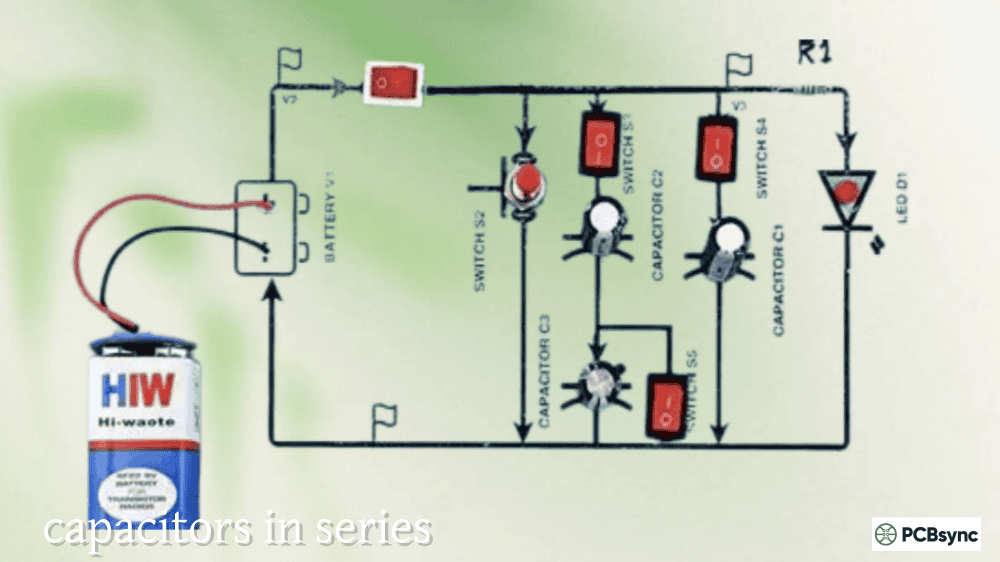
Yes, but it’s more complicated than it looks. When you series-connect capacitors, the voltage theoretically divides equally across them — but only if the leakage resistance and capacitance of each unit are exactly matched. In practice, component tolerances cause unequal voltage sharing, and the unit with the highest leakage resistance ends up seeing the most voltage. You need voltage-balancing resistors in parallel with each capacitor, which adds loss and complexity. For anything above 10 kV in a reliable system, use purpose-built high voltage capacitors.
What causes a high voltage capacitor to fail?
The most common failure modes are dielectric breakdown from overvoltage or transient spikes, thermal degradation from excessive ripple current (especially in electrolytic types), partial discharge (corona) that erodes the dielectric over time at voltages above the partial discharge inception voltage (PDIV), and moisture ingress in improperly sealed units. In oil-filled types, loss of impregnating liquid through seal failure is another common culprit.
How do I safely discharge a high voltage capacitor?
Use a discharge resistor — never a direct short circuit, which can cause arc damage to the terminals and an explosive current surge. The resistor value determines the discharge time constant (τ = RC). For a 10 µF capacitor at 10 kV, a 10 kΩ resistor gives τ = 0.1 seconds, reaching safe levels in about 5τ = 0.5 seconds. Always verify the voltage with a calibrated high-voltage probe before touching anything. Many industrial high voltage capacitor designs include internal discharge resistors — check the datasheet before assuming the component is safe to handle after power-down.
What is the difference between a high voltage capacitor bank and a single high voltage capacitor unit?
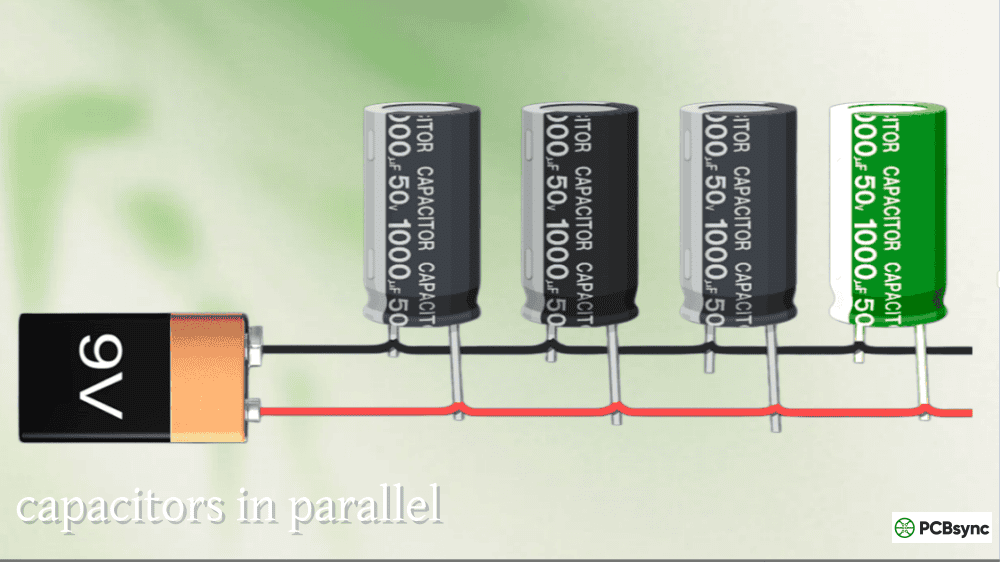
A single high voltage capacitor unit is one discrete component — typically rated from 25 kVAR to 1000 kVAR for power system applications. A high voltage capacitor bank is an assembly of multiple capacitors connected together to store and manage electrical energy at high voltages, used for power factor correction, voltage stabilization, and reactive power compensation. Beckersmcusa Banks use series connections to increase total voltage rating, parallel connections to increase kVAR rating, or a combination of both. They also include protection systems — fusing schemes (internal, external, or fuseless), overvoltage relays, and sometimes automated switching controls that adjust the reactive power output in response to changing load conditions.
Inquire: Call 0086-755-23203480, or reach out via the form below/your sales contact to discuss our design, manufacturing, and assembly capabilities.
Quote: Email your PCB files to Sales@pcbsync.com (Preferred for large files) or submit online. We will contact you promptly. Please ensure your email is correct.
Notes: For PCB fabrication, we require PCB design file in Gerber RS-274X format (most preferred), *.PCB/DDB (Protel, inform your program version) format or *.BRD (Eagle) format. For PCB assembly, we require PCB design file in above mentioned format, drilling file and BOM. Click to download BOM template To avoid file missing, please include all files into one folder and compress it into .zip or .rar format.