Inquire: Call 0086-755-23203480, or reach out via the form below/your sales contact to discuss our design, manufacturing, and assembly capabilities.
Quote: Email your PCB files to Sales@pcbsync.com (Preferred for large files) or submit online. We will contact you promptly. Please ensure your email is correct.
Notes: For PCB fabrication, we require PCB design file in Gerber RS-274X format (most preferred), *.PCB/DDB (Protel, inform your program version) format or *.BRD (Eagle) format. For PCB assembly, we require PCB design file in above mentioned format, drilling file and BOM. Click to download BOM template To avoid file missing, please include all files into one folder and compress it into .zip or .rar format.
Compressor Capacitors: Refrigeration & AC Systems Guide
When an air conditioning unit won’t start or a refrigerator compressor just hums without running, the culprit is often a small cylindrical component that costs less than $50: the compressor capacitor. This unassuming part is responsible for getting some of the most powerful motors in your home started and running efficiently.
After troubleshooting countless HVAC and refrigeration systems over the years, I’ve found that capacitor failures rank among the most common service calls. The good news is that understanding how compressor capacitors work, recognizing failure symptoms, and knowing proper replacement procedures can save significant money and prevent more serious damage to expensive compressors.
This guide covers everything you need to know about compressor capacitors in refrigeration and air conditioning systems, from basic operating principles to testing and replacement procedures.
A compressor Capacitor is an electrical component that stores and releases energy to help single-phase motors start and run efficiently. In HVAC and refrigeration applications, capacitors provide the electrical boost that compressors need to overcome starting inertia and maintain smooth operation throughout their running cycle.
Single-phase motors cannot generate a rotating magnetic field on their own. The capacitor creates a phase shift between the motor’s run and start windings, producing the rotating field necessary to get the motor turning. Without this phase shift, the motor would simply hum and never start rotating.
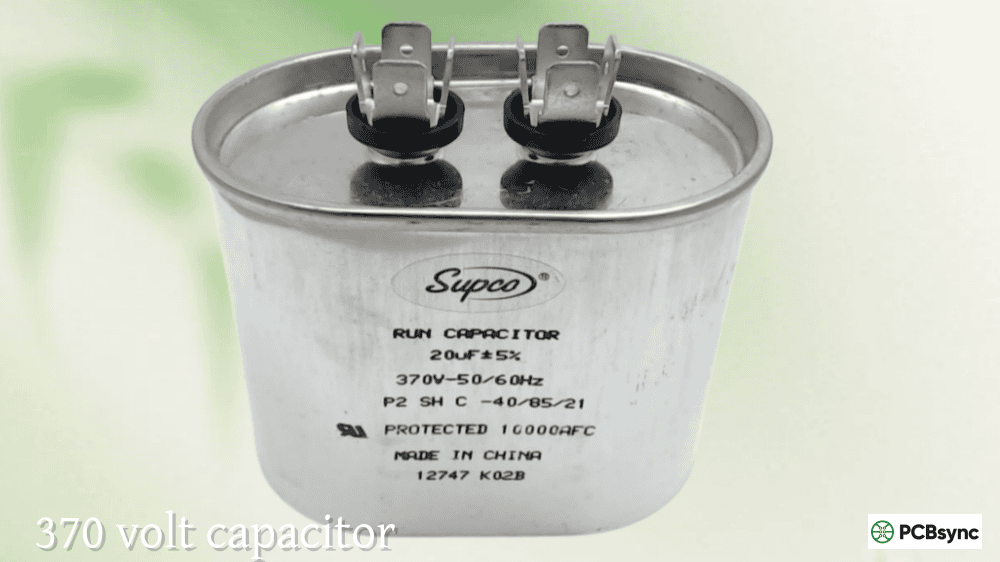
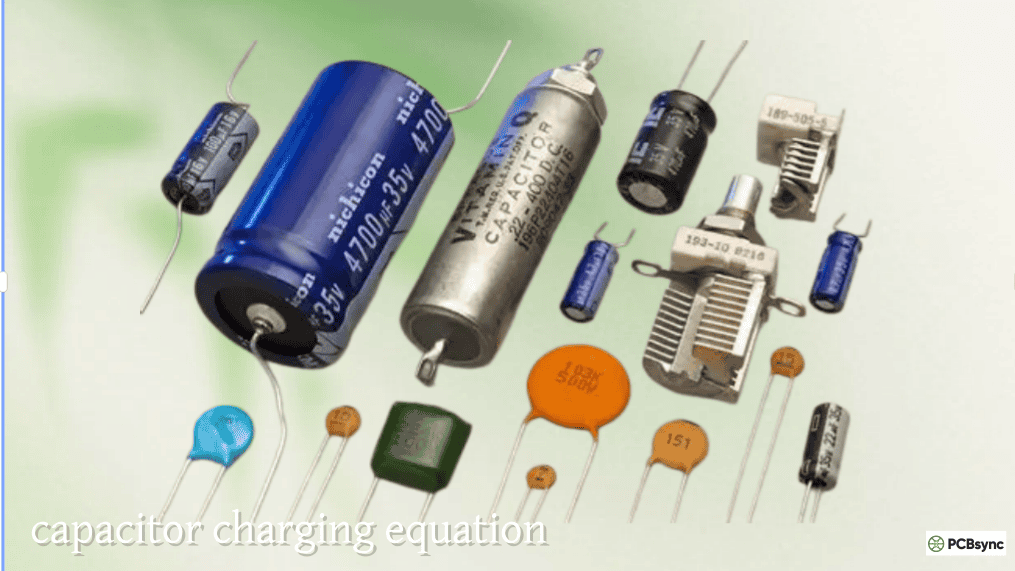
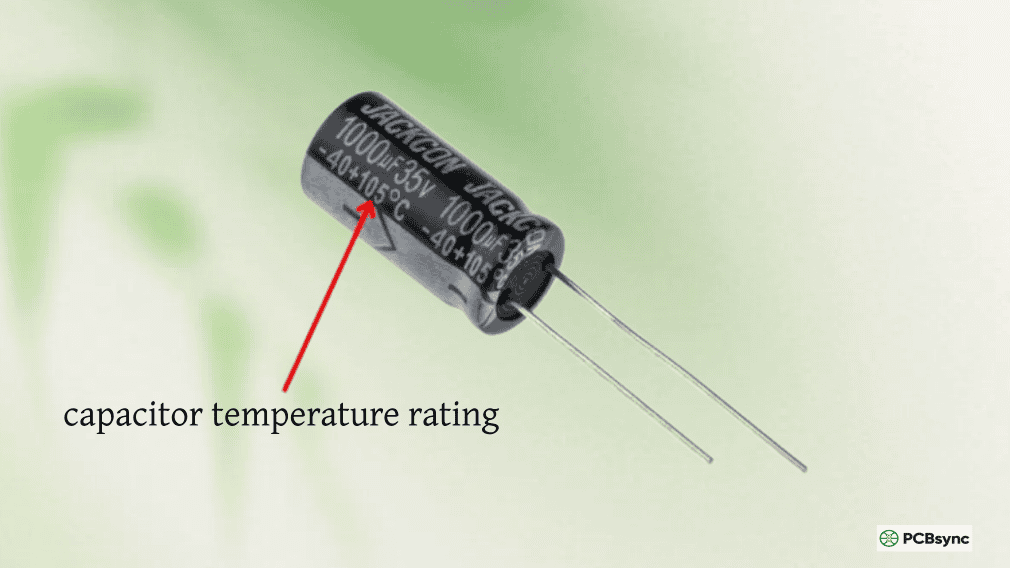
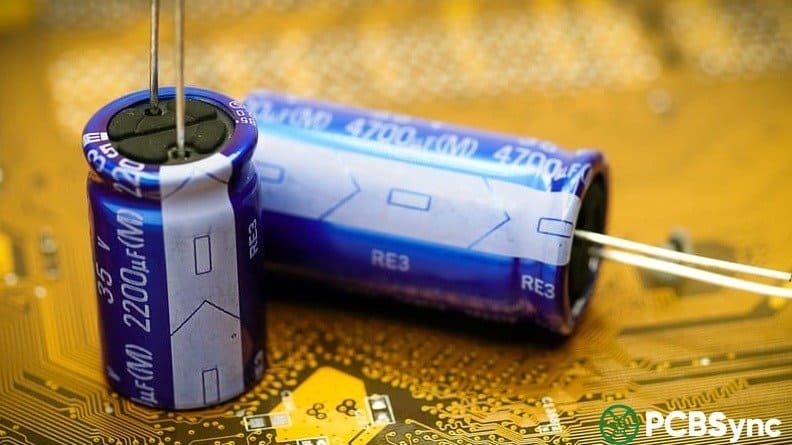
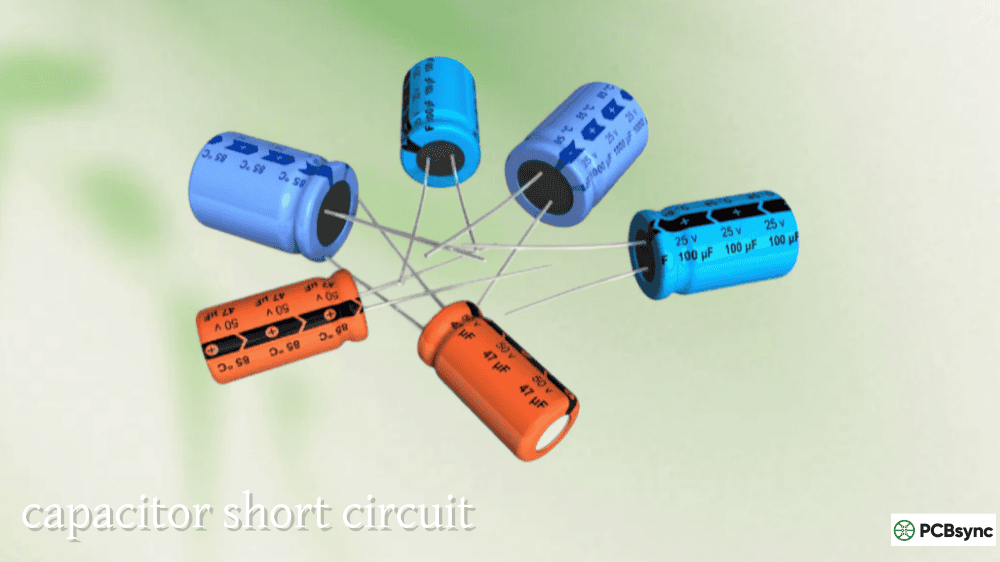
Compressor capacitors look like small metal cylinders, typically silver, black, or blue, ranging from about 2 to 4 inches tall. They’re rated by two key specifications: capacitance (measured in microfarads, MFD or µF) and voltage (typically 370V or 440V AC). These ratings must be matched precisely when replacing a capacitor to ensure proper motor operation.
Types of Compressor Capacitors
Understanding the different capacitor types helps with proper diagnosis and replacement in various HVAC and refrigeration systems.
Start Capacitors
Start capacitors provide the high-torque boost needed to get the compressor motor spinning from a standstill. They deliver a powerful jolt of energy during the first few seconds of startup, then disengage once the motor reaches approximately 75% of operating speed.
Start capacitors are typically black plastic cylinders with higher capacitance values (usually 88-400 MFD) and lower voltage ratings (110-330V). They’re only in the circuit momentarily during each startup cycle. A centrifugal switch, potential relay, or PTC thermistor disconnects the start capacitor once the motor is running.
Because they’re only active briefly, start capacitors use electrolytic construction which allows higher capacitance in a smaller package but cannot handle continuous operation.
Run Capacitors
Run capacitors remain in the circuit continuously while the compressor operates, improving motor efficiency and power factor. They provide a steady, smaller amount of energy that helps the motor run smoothly and efficiently throughout the entire operating cycle.
Run capacitors are typically silver or gray metal cylinders with lower capacitance values (typically 5-80 MFD) and higher voltage ratings (370-440V). They use oil-filled, metallized polypropylene film construction designed for continuous duty operation.
In permanent split capacitor (PSC) motors, which are common in HVAC compressors, the run capacitor is never disconnected and remains in the circuit as long as the motor runs.
Dual Run Capacitors
Dual run capacitors combine two capacitors in a single housing, typically serving both the compressor motor and the condenser fan motor in air conditioning systems. They have three terminals labeled C (Common), HERM (Hermetic compressor), and FAN.
The larger MFD rating (typically 25-80 MFD) connects to the compressor through the HERM terminal. The smaller MFD rating (typically 3-10 MFD) connects to the condenser fan motor through the FAN terminal. Both share the common terminal which receives incoming power.
Dual capacitors are popular in residential AC systems because they save space and reduce manufacturing costs while providing the same electrical function as two separate capacitors.
Capacitor Type
Capacitance Range
Voltage Rating
Duty Cycle
Typical Application
Start
88-400 MFD
110-330V
Intermittent (2-3 sec)
Motor startup boost
Run (Single)
5-80 MFD
370-440V
Continuous
Single motor operation
Dual Run
25-80/3-10 MFD
370-440V
Continuous
Compressor + fan motor
How Compressor Capacitors Work in AC Systems
In a typical residential air conditioning system, the compressor capacitor plays a critical role in the cooling cycle.
The Starting Process
When the thermostat calls for cooling, the contactor relay closes and sends power to the compressor. The capacitor, which has been storing energy, releases this charge to the compressor motor’s start winding. This creates the necessary phase shift between the run and start windings, generating a rotating magnetic field that gets the compressor turning.
During startup, the compressor draws significantly more current than during normal operation, which is why the lights in your house might dim momentarily when the AC kicks on. Systems with hard start kits (an additional start capacitor and relay) reduce this inrush current and make starting easier on the compressor.
Continuous Operation
Once the compressor reaches operating speed, the run capacitor continues providing a steady energy supply to maintain efficient operation. It helps stabilize voltage, improve power factor, and keep the motor running smoothly. The capacitor constantly charges and discharges in sync with the AC power cycle, smoothing out power delivery to the motor.
Dual Capacitor Operation
In systems with dual run capacitors, the HERM side powers the compressor while the FAN side powers the condenser fan motor. Both operate simultaneously during the cooling cycle. If either side of a dual capacitor fails, the corresponding motor will have problems starting or running.
Compressor Capacitor Failures in Refrigeration Systems
Refrigerator and freezer compressors use similar capacitor systems but with some differences from larger HVAC applications.
Refrigerator Capacitor Types
Most modern refrigerators use a run capacitor to improve compressor efficiency. The capacitor typically mounts near the compressor on the back of the unit, often integrated with the start relay and overload protector in a single assembly.
Some refrigerators also use start relays (PTC thermistors or current relays) instead of or in addition to start capacitors. These solid-state devices perform a similar function of boosting starting torque but work on different principles.
Common Refrigeration Capacitor Issues
When a refrigerator compressor won’t start, the capacitor is one of several components to check. Symptoms include the compressor humming but not starting, clicking sounds from the overload protector cycling, and the unit running but not cooling efficiently.
However, refrigerator run capacitors can sometimes be completely removed without preventing the compressor from running, as they primarily affect efficiency rather than starting ability in some designs. The start relay and overload protector are often more critical for startup.
Signs of a Bad Compressor Capacitor
Recognizing capacitor failure symptoms helps diagnose problems quickly and prevent damage to the compressor.
Compressor Won’t Start (Humming Sound)
The most common symptom of a failed start capacitor or weak run capacitor is a compressor that hums but doesn’t start. The motor is receiving power and trying to turn, but without the capacitor’s phase shift, it cannot generate enough torque to overcome starting inertia.
If you hear this humming sound, the compressor will typically continue humming until the thermal overload protector trips and cuts power. Repeated failed start attempts can overheat and damage the compressor windings.
System Short Cycling
If the compressor starts but shuts down after a short time, a weak run capacitor may be the cause. The motor draws excessive current without proper capacitor support, causing it to overheat. The thermal protector trips, the compressor cools down, restarts, and the cycle repeats.
This short cycling puts tremendous stress on the compressor and can lead to premature failure if not addressed promptly.
Reduced Cooling Performance
A weak run capacitor may allow the compressor to operate but at reduced efficiency. The motor works harder than necessary, drawing more current while producing less cooling capacity. Energy bills may increase noticeably.
Visible Physical Damage
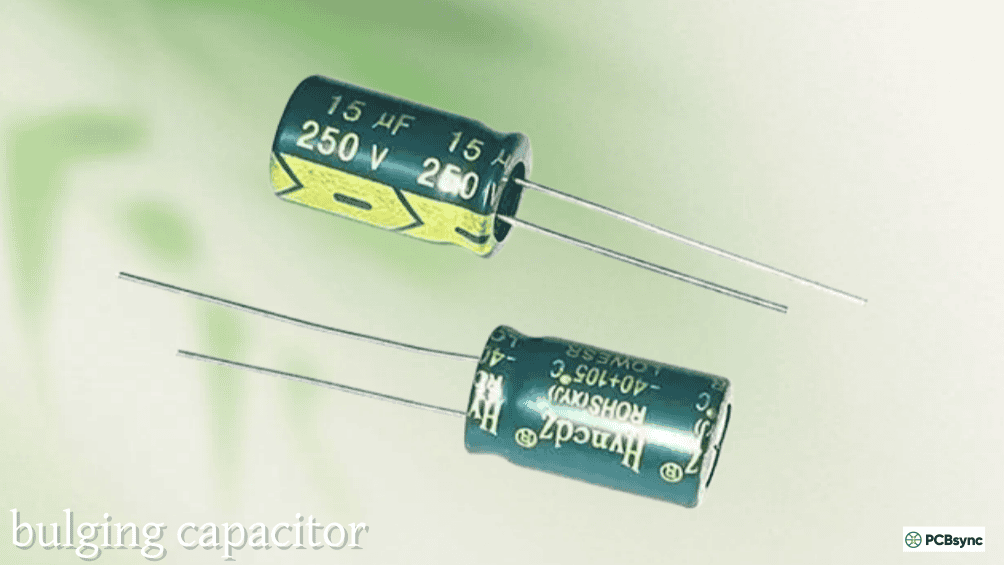
Failed capacitors often show obvious visual signs: bulging or swollen tops (should be completely flat), oil leakage around the terminals, burn marks or discoloration, and cracked or melted housing. Any visible damage indicates immediate replacement is needed.
Burning Smell
A failed capacitor may release a distinctive burnt electrical smell from the electrolyte or oil inside overheating. This smell near the outdoor unit or refrigerator compressor area suggests capacitor failure.
Testing confirms whether the capacitor is actually the problem before purchasing a replacement.
Safety First
Capacitors store electrical energy and can deliver a dangerous shock even after the power is disconnected. Always turn off power at the circuit breaker and verify it’s off. Wear safety glasses and insulated gloves. Discharge the capacitor before handling by shorting the terminals with an insulated screwdriver. Expect a spark when discharging.
Visual Inspection
Before electrical testing, inspect the capacitor visually. Look for any bulging, especially on the top which should be completely flat. Check for oil leakage, burn marks, or corrosion on terminals. If you see any physical damage, replace the capacitor without further testing.
Testing with a Multimeter
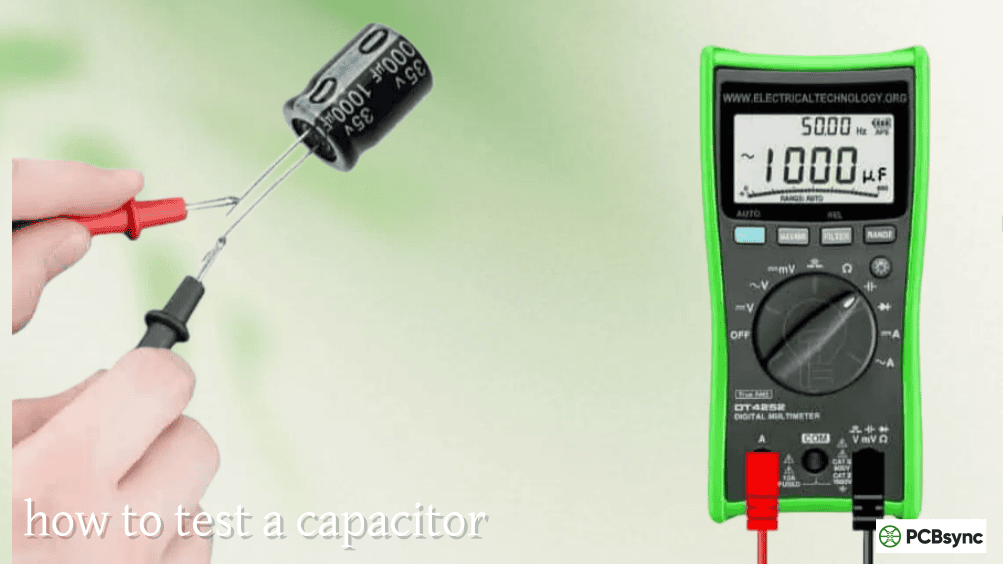
For accurate testing, use a multimeter with a capacitance setting (µF or MFD).
Turn off all power to the system. Discharge the capacitor using an insulated screwdriver across the terminals. Disconnect the wires from the capacitor (photograph them first). Set your multimeter to the capacitance setting. For single capacitors, touch the probes to the two terminals. For dual capacitors, test C to HERM for the compressor side and C to FAN for the fan side.
Compare the readings to the capacitor’s rated values. A good capacitor should read within ±5-6% of its rated MFD. For example, a 45 MFD capacitor should read between approximately 42 and 48 MFD.
Test Result
Diagnosis
Action
Within ±5-6% of rated MFD
Good
Reinstall
More than 6% below rated
Weak
Replace
Zero or very low reading
Failed
Replace
Significantly over rated
Failing
Replace
Compressor Capacitor Replacement Guide
Replacing a compressor capacitor is straightforward if you follow proper procedures.
Finding the Correct Replacement
The replacement capacitor must match these specifications from the original.
MFD (Microfarad) rating must match exactly. Never use a lower value. Using a higher MFD than specified can cause motor overheating. Voltage rating should be equal to or higher than the original. A 440V capacitor can replace a 370V, but never use a lower voltage rating. Physical dimensions must fit the mounting location. For dual capacitors, both MFD ratings must match (such as 45/5 meaning 45 MFD for compressor, 5 MFD for fan).
Step-by-Step Replacement
Turn off power at the circuit breaker and verify it’s off. Remove the access panel on the outdoor unit or locate the capacitor near the refrigerator compressor. Photograph all wire connections before disconnecting anything. Discharge the capacitor by shorting terminals with an insulated screwdriver.
Remove the wires from the old capacitor using needle-nose pliers. Note which wire connects to which terminal, especially on dual capacitors (HERM, FAN, C). Remove the mounting strap or bracket holding the capacitor. Install the new capacitor in the same position. Reconnect wires exactly as they were on the old capacitor. Replace the mounting bracket and access panel. Restore power and test the system.
Dual Capacitor Terminal Connections
For dual run capacitors, proper terminal connections are critical.
HERM connects to the compressor motor’s start winding (typically a yellow wire). FAN connects to the condenser fan motor’s start winding (typically a brown wire). C (Common) connects to the contactor relay (power supply) and often to the run terminals of both motors.
Heat is the primary enemy of capacitors. Operating temperatures above design limits accelerate electrolyte evaporation in start capacitors and oil degradation in run capacitors. Outdoor condensing units bake in summer heat, stressing capacitors significantly.
Most quality run capacitors have a design life of 30,000-60,000 operating hours under ideal conditions. Factory-installed capacitors may have shorter design lives in some equipment.
Voltage Spikes
Lightning strikes and utility grid fluctuations can damage capacitors instantly or weaken them over time. Voltage significantly above the capacitor’s rating dramatically shortens life. At just 10V over the rated voltage, capacitor life may be reduced by 50%.
Short Cycling
Frequent compressor cycling (starting and stopping) stresses capacitors more than continuous operation. Each start cycle requires the capacitor to deliver high current, causing heating. Systems that short cycle due to other problems will wear out capacitors faster.
Power Quality Issues
Harmonics, voltage imbalance, and poor power factor from the utility or other equipment in the building can stress capacitors and shorten their life.
Failure Cause
Prevention Strategy
Heat
Ensure adequate ventilation, shade unit if possible
Voltage spikes
Install surge protection
Age
Replace proactively every 5-10 years
Short cycling
Repair root cause of cycling issues
Contamination
Keep unit clean, prevent debris entry
Frequently Asked Questions About Compressor Capacitors
Can I use a higher MFD capacitor than specified?
No. While voltage can be higher than specified, the MFD rating should match exactly. Using a higher MFD run capacitor causes the motor to draw excessive current on the start winding, leading to overheating and premature motor failure. The MFD value is precisely matched to the motor’s design characteristics.
Can I use a 440V capacitor to replace a 370V?
Yes, this is perfectly acceptable and often recommended. The voltage rating indicates the maximum the capacitor can handle, so a higher rating provides additional safety margin. A 440V capacitor will typically last longer than a 370V capacitor in the same application due to less electrical stress. However, never use a lower voltage rating than specified.
How long do compressor capacitors last?
Quality run capacitors typically last 30,000-60,000 operating hours, which translates to roughly 10-20 years in residential applications depending on usage. Start capacitors may last 10,000 or more start cycles. However, heat, voltage spikes, and poor power quality can significantly shorten these lifespans. Many HVAC technicians recommend proactive replacement every 5-10 years.
Can I run my AC without a capacitor?
No. Without a functioning run capacitor, a PSC motor compressor cannot start or run properly. The motor will hum but not turn, and repeated failed start attempts will overheat and damage the compressor. Even if the compressor somehow starts, it will run inefficiently and may overheat. Never attempt to operate the system with a known bad capacitor.
What’s the difference between a hard start kit and a regular capacitor?
A hard start kit (also called a compressor saver) adds a start capacitor and relay to a system that normally uses only a run capacitor. It provides extra starting torque for compressors that struggle to start, such as those in older systems or applications with low voltage conditions. The hard start kit engages only during the first second of startup, then disconnects. It’s often added as an aftermarket upgrade, not a replacement for the run capacitor.
Useful Resources for Compressor Capacitors
Technical References:
HVAC Training Shop (hvactrainingshop.com) — Comprehensive HVAC capacitor guides
AC Service Tech (acservicetech.com) — Professional troubleshooting procedures
InspectAPedia (inspectapedia.com) — Detailed motor capacitor installation guides
iFixit (ifixit.com) — Appliance repair guides including refrigerator capacitors
Parts Suppliers:
TEMCO Industrial (temcoindustrial.com) — Capacitor selection guides and products
Repair Clinic (repairclinic.com) — OEM and aftermarket capacitors
Amazon — Wide selection of replacement capacitors
Local HVAC supply houses — Professional-grade components
Manufacturer Resources:
Carrier/Bryant Technical Support
Lennox Resources
Trane/American Standard Documentation
Final Thoughts on Compressor Capacitor Maintenance
Compressor capacitors are among the most commonly replaced components in HVAC and refrigeration systems. Recognizing the symptoms of failure, particularly the telltale humming of a compressor that won’t start, can help you diagnose problems quickly and prevent expensive compressor damage.
Key points to remember include matching MFD ratings exactly while voltage can be equal or higher, always discharging capacitors before handling, photographing wire connections before disconnecting, and addressing the root cause if capacitors fail repeatedly.
A failed capacitor caught early is a minor repair. Ignored, it can lead to a burned-out compressor costing thousands of dollars. Regular maintenance inspections should include visual checks of capacitors for bulging or damage. With proper attention, you can keep your cooling systems running reliably for years to come.
Inquire: Call 0086-755-23203480, or reach out via the form below/your sales contact to discuss our design, manufacturing, and assembly capabilities.
Quote: Email your PCB files to Sales@pcbsync.com (Preferred for large files) or submit online. We will contact you promptly. Please ensure your email is correct.
Notes: For PCB fabrication, we require PCB design file in Gerber RS-274X format (most preferred), *.PCB/DDB (Protel, inform your program version) format or *.BRD (Eagle) format. For PCB assembly, we require PCB design file in above mentioned format, drilling file and BOM. Click to download BOM template To avoid file missing, please include all files into one folder and compress it into .zip or .rar format.