Inquire: Call 0086-755-23203480, or reach out via the form below/your sales contact to discuss our design, manufacturing, and assembly capabilities.
Quote: Email your PCB files to Sales@pcbsync.com (Preferred for large files) or submit online. We will contact you promptly. Please ensure your email is correct.
Notes: For PCB fabrication, we require PCB design file in Gerber RS-274X format (most preferred), *.PCB/DDB (Protel, inform your program version) format or *.BRD (Eagle) format. For PCB assembly, we require PCB design file in above mentioned format, drilling file and BOM. Click to download BOM template To avoid file missing, please include all files into one folder and compress it into .zip or .rar format.
250V Capacitor: The Complete General Purpose Applications Guide
Open any electronic design BOM that involves offline power conversion, audio amplification, industrial control, or motor starting, and you’ll almost certainly find a 250V capacitor somewhere on the list. It sits at a genuinely useful intersection: high enough to handle rectified 120VAC mains voltage with adequate margin, low enough that components remain physically compact and cost-effective, and versatile enough to appear across electrolytic, film, ceramic, and polypropylene dielectric families.
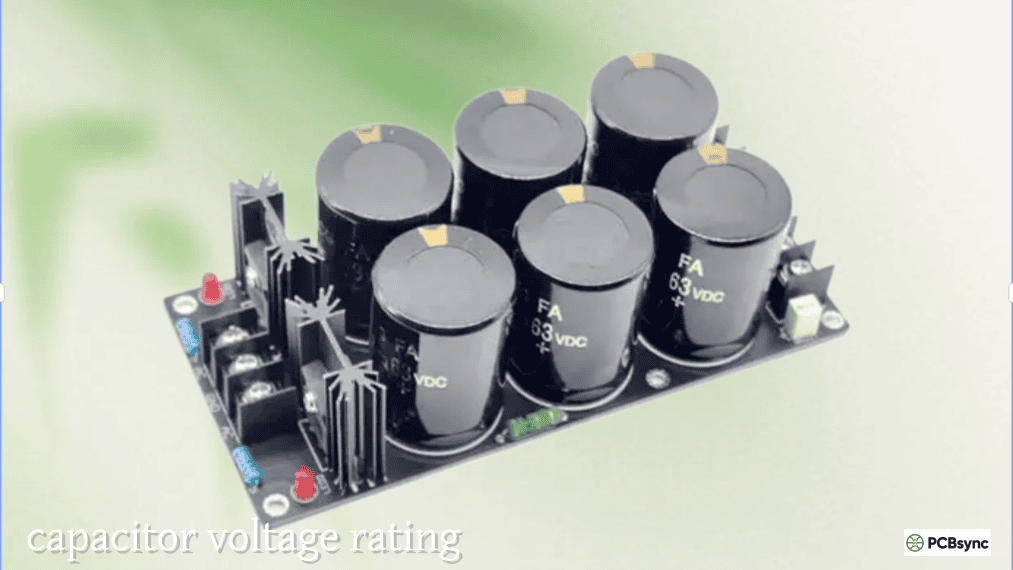
Common working DC voltages for capacitors are 10V, 16V, 25V, 35V, 50V, 63V, 100V, 160V, 250V, 400V, and 1000V, and these are printed onto the body of the capacitor. Basic Electronics Tutorials The 250V rating is a deliberate step in the preferred voltage series — it’s not arbitrary. It covers the DC bus voltage range you get when rectifying a 120VAC mains supply and provides the minimum sensible rating for a range of linear power supplies, audio amplifiers, and industrial control circuits operating below 200V DC.
Understanding exactly when 250V is the right call — and when you need to reach for 400V or 450V instead — is something that separates robust designs from field failures. This guide covers every major capacitor technology at 250V, where each one belongs in your circuit, and how to avoid the common selection mistakes that show up in production or in the field.
The 250V Rating in Context: Where It Fits and Where It Doesn’t
The Rectified Mains Voltage Question
The single most important thing to understand about specifying a 250V capacitor is knowing which supply voltage systems it’s appropriate for. The math is straightforward but often gets muddled in practice.
After rectifying 230VAC, the DC bus is approximately 325VDC. Use 400V or 450V capacitors for 230VAC rectified supplies. The 250V rating is valid for 120VAC rectified (~170VDC) or DC buses at or below 250V. ElectroYA
This single note eliminates a huge proportion of misapplication errors. A 250V electrolytic capacitor installed on the DC bus of a universal-input (100–240VAC) switch-mode power supply in a product destined for Europe will see 325V peak on a 230V supply — 75V over its rating. That’s not a graceful derating scenario; that’s a failure waiting to happen the first time supply voltage runs at the high end of tolerance.
The safe application zone for 250V capacitors breaks down clearly by power system:
Supply System
Rectified DC Bus
250V Cap Safe?
Recommended Rating
120VAC (North America) rectified
~170V DC
✅ Yes (with derating)
250V DC minimum
120VAC with transient margin
~200V DC peak
✅ Yes
250V DC acceptable
230VAC (Europe/Asia) rectified
~325V DC
❌ No
400V or 450V required
Low-voltage DC bus (48V–150V)
48–150V
✅ Yes
250V provides excellent margin
Audio amplifier rail (±50–80V)
80–160V total
✅ Yes
250V standard choice
Industrial 24VDC / 48VDC systems
24–48V
✅ Yes
250V greatly oversized, 100V sufficient
The 2× Voltage Derating Rule
The golden rule is to choose a capacitor with at least 1.5–2× the required voltage. That margin ensures reliability, safety, and long-term performance in any electronic system. JLCPCB For a 120V DC bus application, a 250V capacitor gives you 1.47× margin — acceptable but on the lower end of the comfort zone. For a 170V DC bus from rectified 120VAC, a 250V capacitor gives you 1.47× margin only during normal steady-state operation. When you account for mains transients and startup inrush conditions, you’re really right at the edge. Many experienced designers use 400V capacitors even for 120VAC rectified supplies precisely to avoid this tight margin.
Derating guidelines recommend operating capacitors at 50–70% of rated voltage for improved reliability. Hilelectronic At 50% derating, a 250V capacitor is appropriate for DC buses up to 125V — comfortable for most audio amplifier rail voltages and low-voltage industrial DC systems.
Types of 250V Capacitors and Their Core Applications
Aluminum Electrolytic Capacitors at 250V
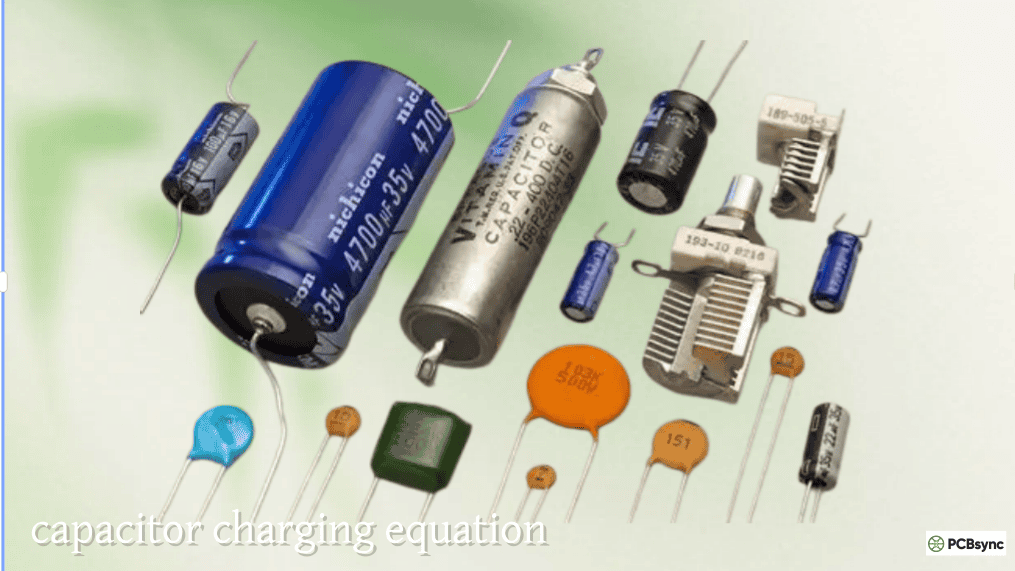
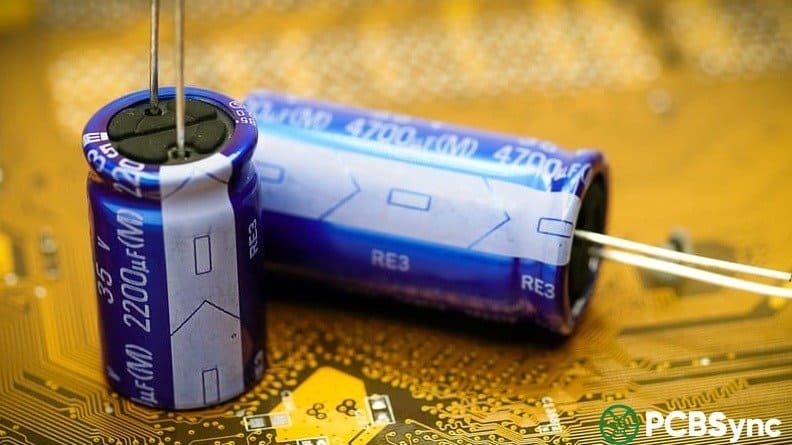
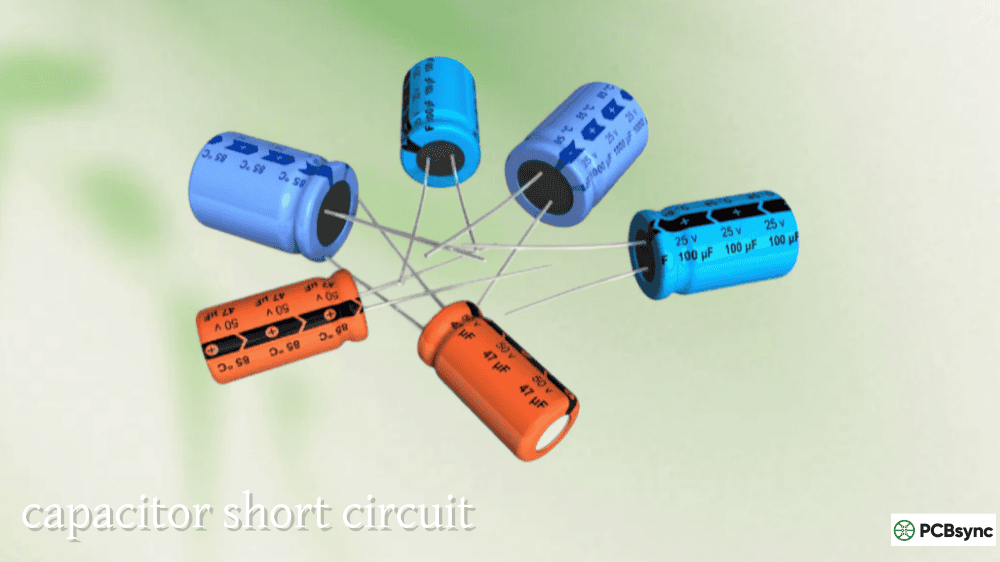
The aluminum electrolytic is the workhorse technology at 250V, primarily because it delivers high capacitance per unit volume at a reasonable cost — something no other technology can match at this voltage level.
The rated voltage of aluminum electrolytic capacitors is limited by the thickness of the oxide film and the properties of the electrolyte, with an upper limit of around 600–700V. Aictech The 250V range sits comfortably within the efficient operating zone for aluminum electrolytic construction, where you get good capacitance density before the thick oxide layers needed for higher voltages start to eat significantly into volumetric efficiency.
Typical applications for 250V aluminum electrolytic capacitors in PCB design include bulk filtering on 120VAC-rectified DC buses in linear power supplies, smoothing reservoirs in audio amplifier power stages, DC link capacitors in small motor drives operating from 120VAC supplies, and hold-up capacitors in UPS and power conditioning equipment.
Electrolytic capacitors are indispensable components in circuit design, especially in power systems and low-frequency filtering, due to their ability to provide high capacitance in a small volume. Their primary function is improved volumetric capacitance relative to other capacitor models. Nextpcb
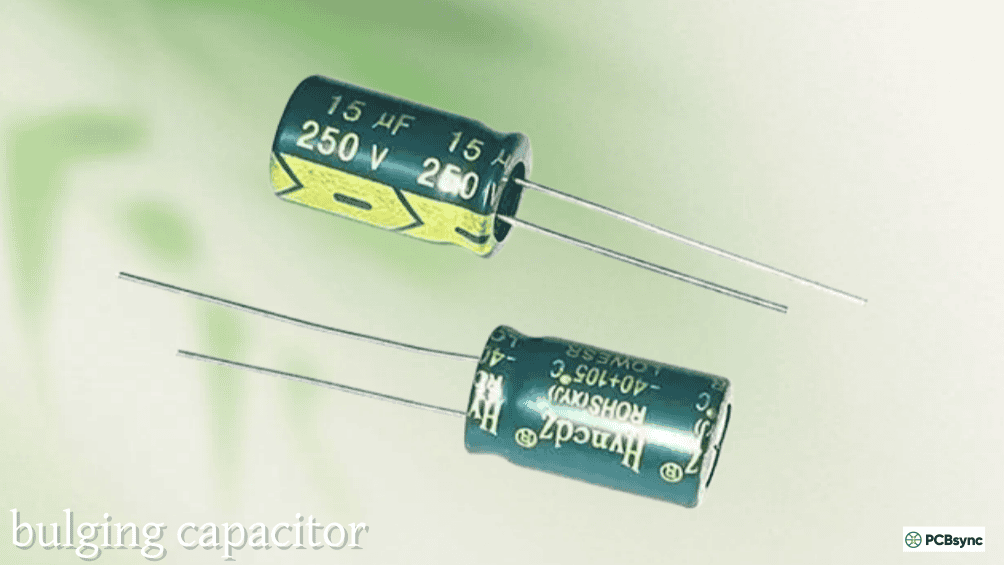
The key specification pitfall with 250V electrolytics is ripple current. These capacitors generate internal heat proportional to I²×ESR, and that heat degrades the electrolyte, shortening service life. Lifespan is highly temperature-dependent, with each 10°C rise roughly halving operating life. ESR and ripple current limits must be carefully observed to avoid overheating and premature failure. Hilelectronic Always check the ripple current rating on the datasheet against your actual circuit conditions, not just the nominal operating point.
Film Capacitors at 250V: Polypropylene and Polyester
Film capacitors at 250V cover an enormously broad application range — from precision timing circuits and audio crossover networks to motor start capacitors and snubber networks in power conversion circuits.
Polystyrene film capacitors at 250V are recommended for use in IF transformers, tuned circuits, pulse networks, laboratory standards, timing circuits, and analogue and digital computing circuits. CPC UK More broadly, polypropylene film capacitors at 250V deliver the self-healing properties and low dissipation factor needed in AC-coupled and AC-rated applications.
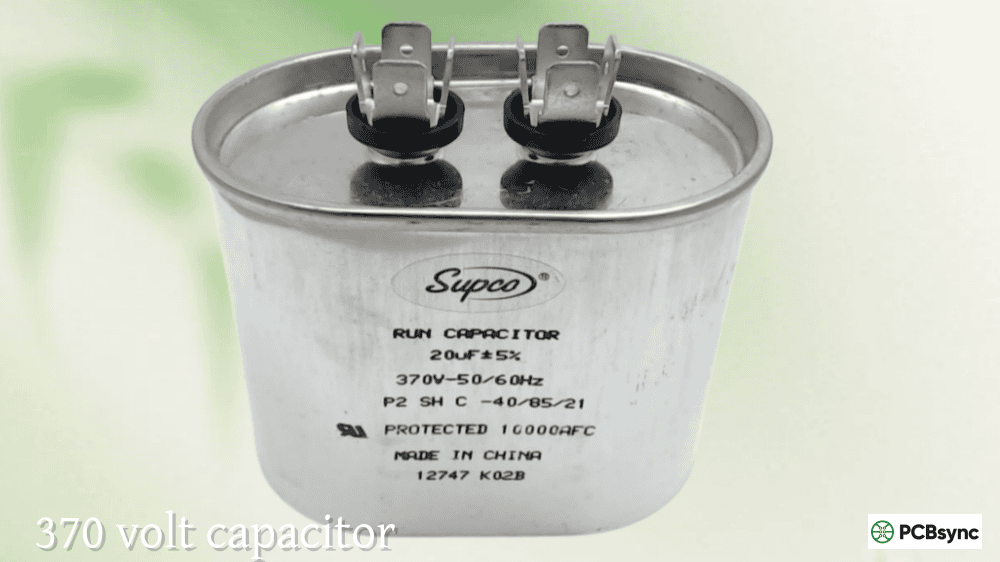
For motor start applications, the 250VAC-rated film capacitor family covers single-phase motor starting on 120V supply systems. Start capacitor voltage ranges typically run from 110VAC to 330VAC, with the 250VAC rating being standard for 120V supply motor start applications. InspectApedia Motor start capacitors at 250V are not rated for continuous duty — they handle the startup transient for a few seconds only, which is why electrolytic (CD60 series) construction is used for this application rather than the film capacitors used for run duty.
Ceramic Capacitors at 250V
At 250V, ceramic capacitors are primarily used in signal coupling, filtering, bypass, and snubber applications rather than energy storage. The capacitance available from ceramic dielectrics at 250V is limited compared to film or electrolytic types, but the low ESR, low ESL, and broad operating frequency range make them indispensable for high-frequency applications on the same PCB as 250V-class power circuits.
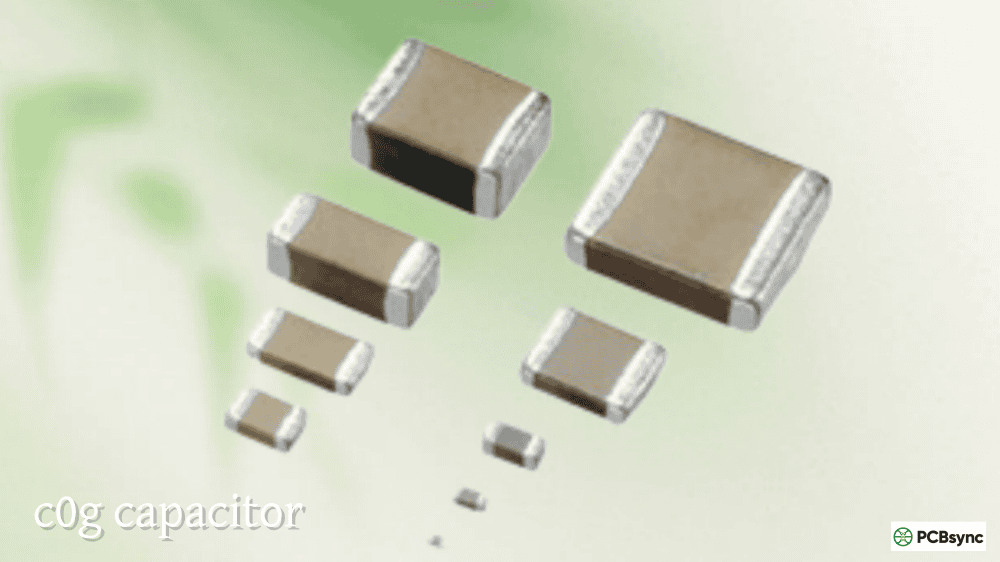
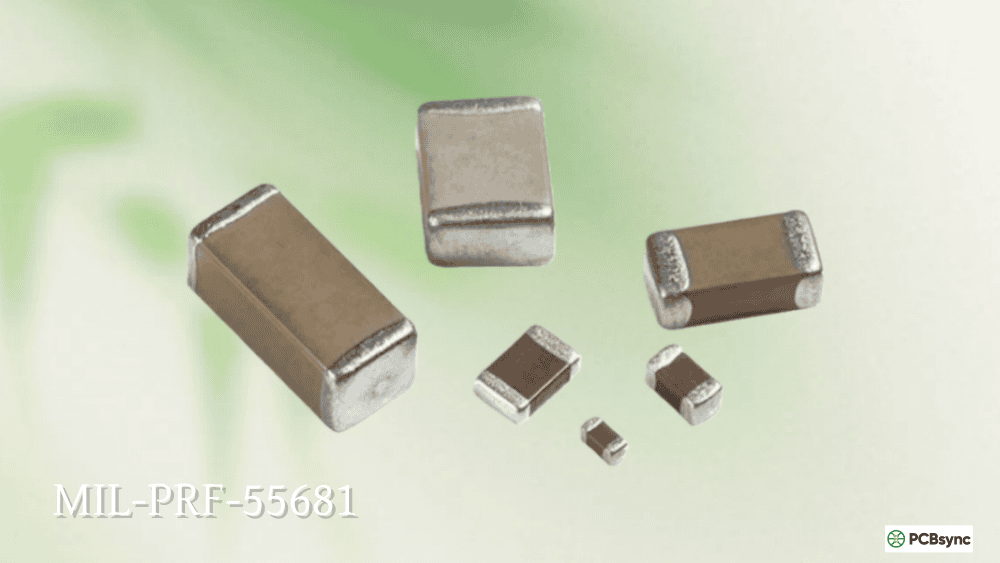
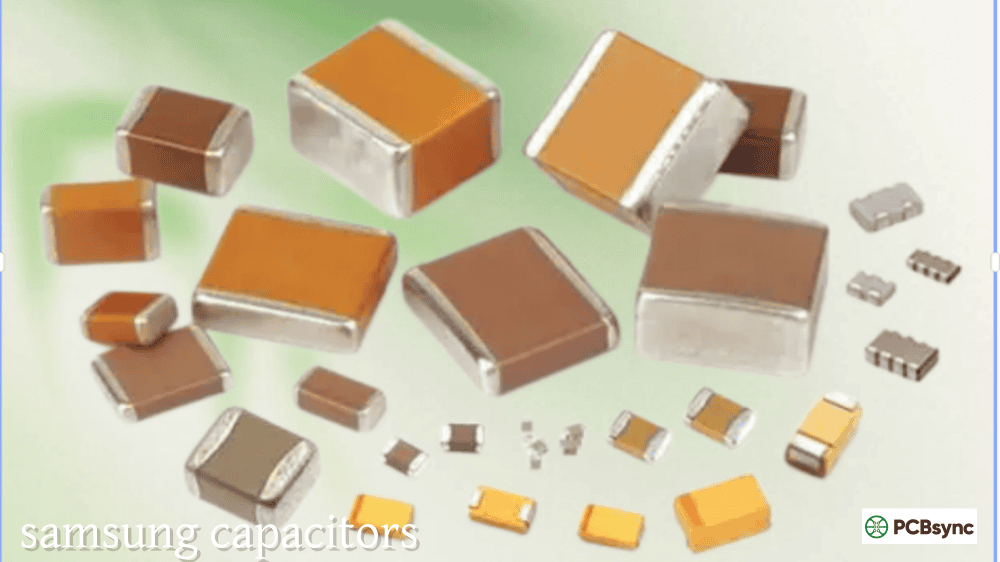
Multi-layer ceramic capacitors (MLCCs) offer compact size and low equivalent series inductance (ESL), making them ideal for high-frequency decoupling. Class I dielectrics (C0G/NP0) ensure tight tolerance and temperature stability, while Class II (X7R, X5R) provide higher capacitance in a smaller footprint. Hilelectronic
For 250V ceramic capacitors, C0G/NP0 dielectric is the right choice for precision or high-frequency applications — timing circuits, RF bypass on high-voltage stages, crystal load capacitors in circuits with 250V power rails. Avoid X7R or X5R ceramics at voltages approaching their rating since the DC bias-induced capacitance loss becomes severe.
This is the natural home of the 250V electrolytic. A classic linear power supply for a 120VAC-connected audio amplifier produces a DC rail somewhere in the 60–180V range after rectification and filtering. The filter capacitor on that bus is almost always a 250V aluminum electrolytic, sized to meet hold-up time and ripple voltage requirements simultaneously.
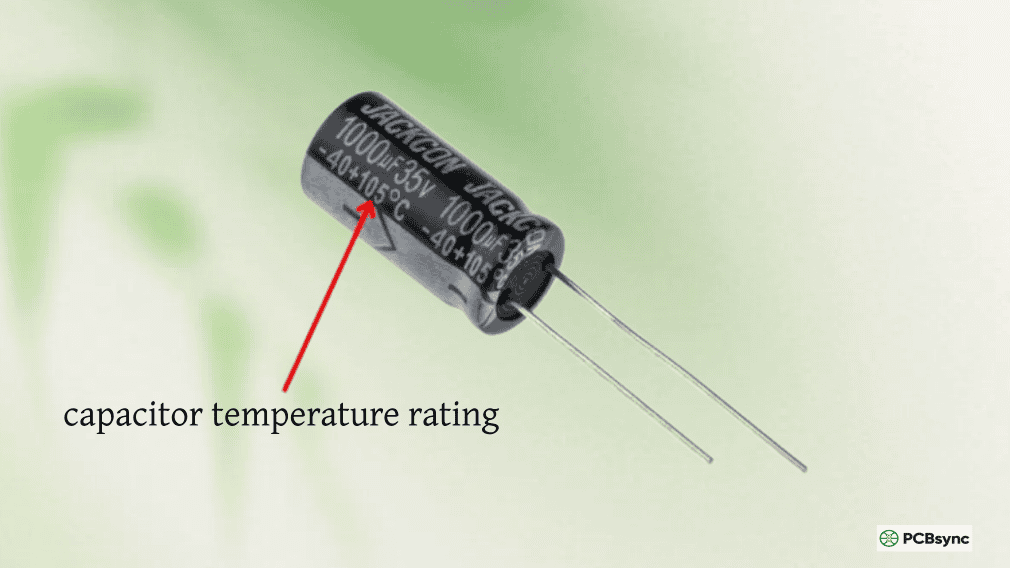
Electrolytic capacitors are ideal for bulk energy storage in low-frequency applications, and long-life options — such as 10,000 hours at 105°C — should be selected for industrial use. PCBCart For consumer audio equipment where a 20-year service life is reasonable, the 105°C/10,000-hour rating is the practical minimum for the main filter caps on a 250V DC bus.
Switch-Mode Power Supply (SMPS) Input Stage for 120V Markets
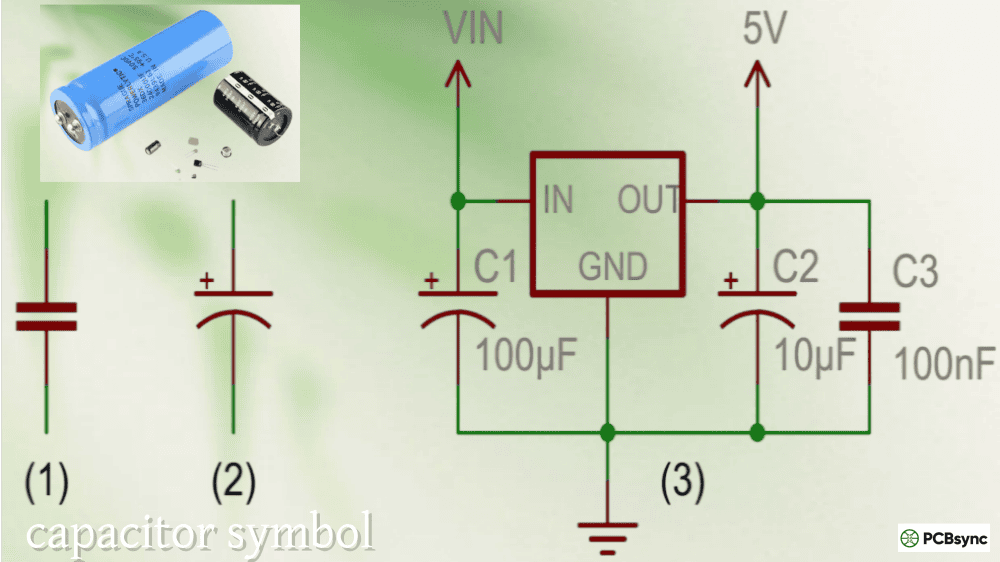
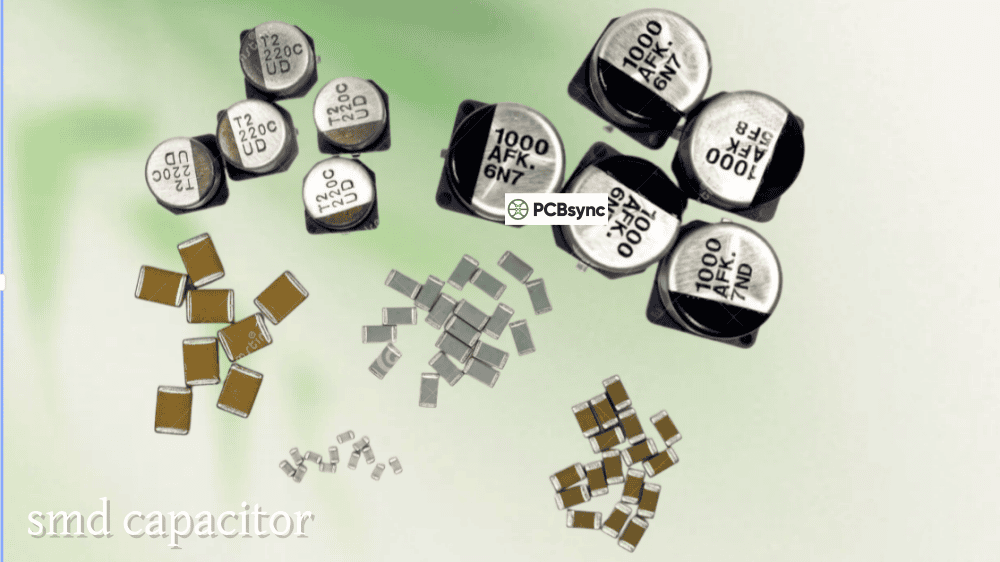
In products designed for North American 120VAC supply, the SMPS input bulk capacitor often uses 250V electrolytic capacitors on the rectified DC bus. Bulk decoupling uses typically 10 µF to 100 µF or more electrolytic or tantalum capacitors, placed at the power supply entry point to the PCB or near voltage regulators, to handle larger, slower current demands and filter lower-frequency noise. Kynix
For 120V-only market products, the 250V electrolytic offers better capacitance density than a 400V unit of the same physical size — and that matters when you’re trying to fit a power supply into a compact enclosure. Just be careful that the design is clearly restricted to 120V markets and that the product is not accidentally deployed on a 230V supply.
Motor Start Applications at 250VAC
Single-phase motors operating on 120V AC supplies use 250VAC-rated start capacitors — typically electrolytic (CD60 type) for the intermittent-duty start capacitor function. Start capacitors typically range from 20–30 µF up to 250–300 µF and must be disconnected from the circuit by a centrifugal switch or PTC relay once the motor reaches operating speed. InspectApedia Using a 250VAC start capacitor on a 120V supply gives the 1.78× voltage margin that the intermittent-duty construction requires.
Industrial Control and Automation
Industrial 24VDC and 48VDC control systems routinely use 250V capacitors for local bypass and filtering on control voltage rails, not because 250V is needed for the application voltage but because the 250V rating provides excellent margin and these standard values are readily available. Having everything at a common voltage rating simplifies BOM management and stocking.
PCB Design Considerations for 250V Capacitors
Creepage and Clearance at 250V
At 250V, the IEC 60664 spacing requirements become meaningful in PCB design. For Pollution Degree 2 (typical indoor industrial), Material Group IIIa/b substrate, you’re looking at minimum creepage distances of 2.5–3.2mm and clearances of 1.5mm for 250V working voltage at overvoltage category II. These distances are achievable with standard PCB manufacturing but do require deliberate attention in layout — you can’t place through-hole 250V electrolytics with arbitrary pad-to-pad spacing.
Voltage Derating in Layout
Derating guidelines recommend operating at 50–70% of rated voltage for improved reliability. Frequency response targets favor ceramic capacitors for high-frequency decoupling above 1 MHz. Hilelectronic In practice, a 250V capacitor on a 170V DC bus is operating at 68% of rated voltage — within the acceptable range but at the lower end of the recommended derating margin. For high-reliability or extended-life designs, move up to 400V rating even on 120VAC rectified supplies.
Parallel Combinations for Performance
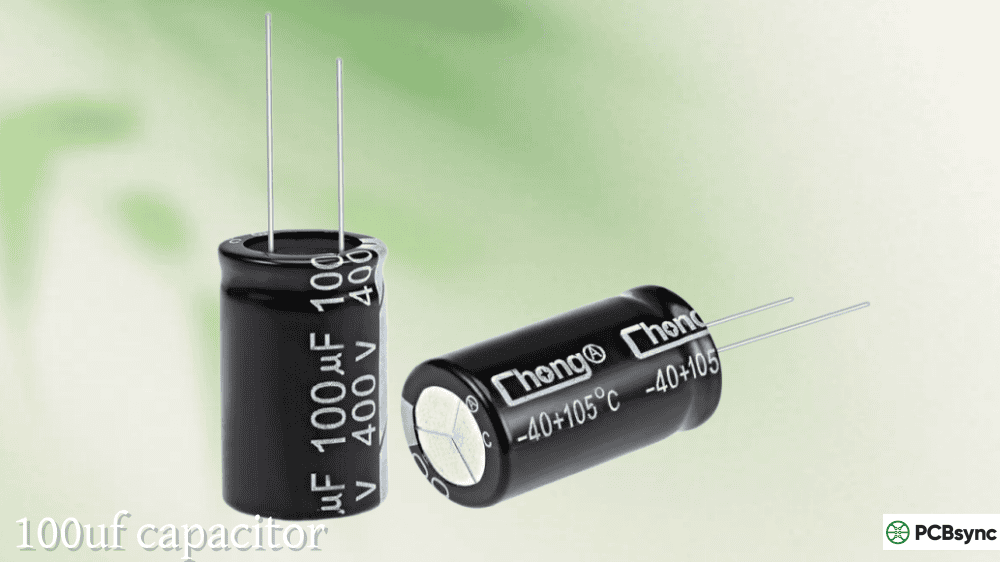
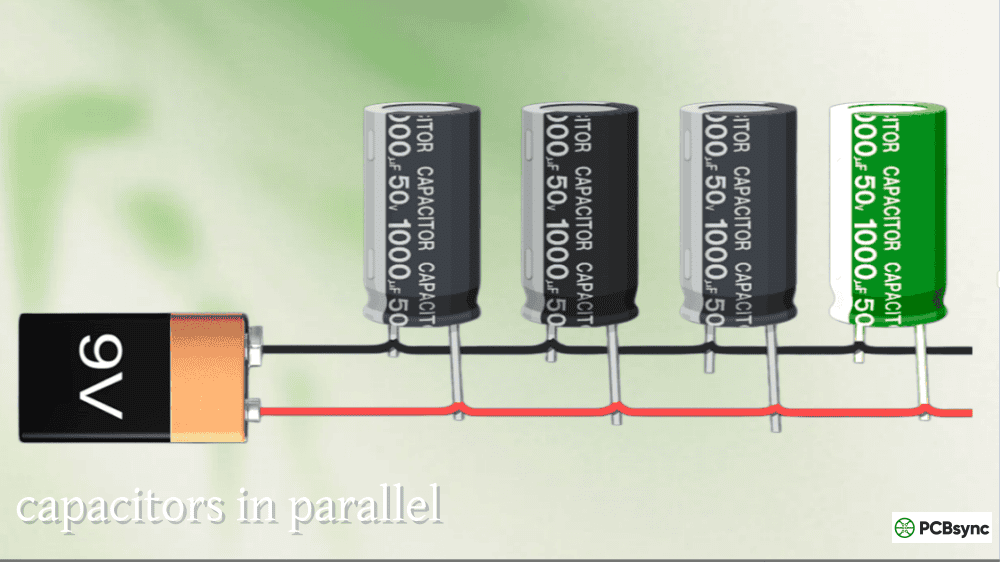
Placing smaller value ceramic capacitors in parallel with electrolytic capacitors of larger values is effective because the electrolytic capacitors address higher energy and lower frequency issues while the ceramic capacitors address higher-frequency transients. Bel A 250V 100µF electrolytic in parallel with a 250V 100nF X7R ceramic gives you excellent filtering across the entire frequency spectrum from DC to several hundred MHz.
Can I use a 250V capacitor in a 230VAC mains circuit?
Not directly on the rectified DC bus. Rectifying 230VAC produces a DC bus of approximately 325VDC — well above the 250V rating. For 230VAC systems, use 400V or 450V rated capacitors on the DC bus. ElectroYA A 250V capacitor can be used in a 230VAC circuit for AC-coupled applications if it carries an AC voltage rating of 250VAC and is not in the rectified DC path, but this is a specific case that requires the component to be explicitly rated for AC duty (such as a film X2-class safety capacitor).
Is a 250V capacitor safe for a 120VAC rectified power supply in North America?
It can be used, but it’s tight. Rectified 120VAC produces approximately 170V DC. A 250V capacitor gives you 1.47× margin on the nominal DC bus voltage — acceptable by the 1.5× rule of thumb but with less safety margin than many engineers prefer. The golden rule is to always choose a capacitor with at least 1.5–2× the required voltage for reliability and long-term performance. JLCPCB For any product expected to operate reliably over 5+ years, a 400V capacitor on a 120VAC rectified bus is a better call and the modest cost premium is well worthwhile.
What does 250V DC versus 250V AC mean on a capacitor label?
These are fundamentally different ratings and cannot be substituted for each other. A 250V DC rating means the component can handle 250V of unipolar direct current — this is the standard rating for electrolytic capacitors and most film capacitors used in DC circuits. A 250V AC rating means the component is designed to handle the full sinusoidal AC waveform at 250V RMS continuously, which corresponds to a peak voltage of 354V. AC-rated film capacitors are built with thicker dielectric and self-healing metallization specifically for this duty. If you see “250VAC” on a motor run capacitor, it is a completely different product from a “250VDC” electrolytic, even if the numbers look the same.
How do I read the capacitance code on a small 250V film capacitor?
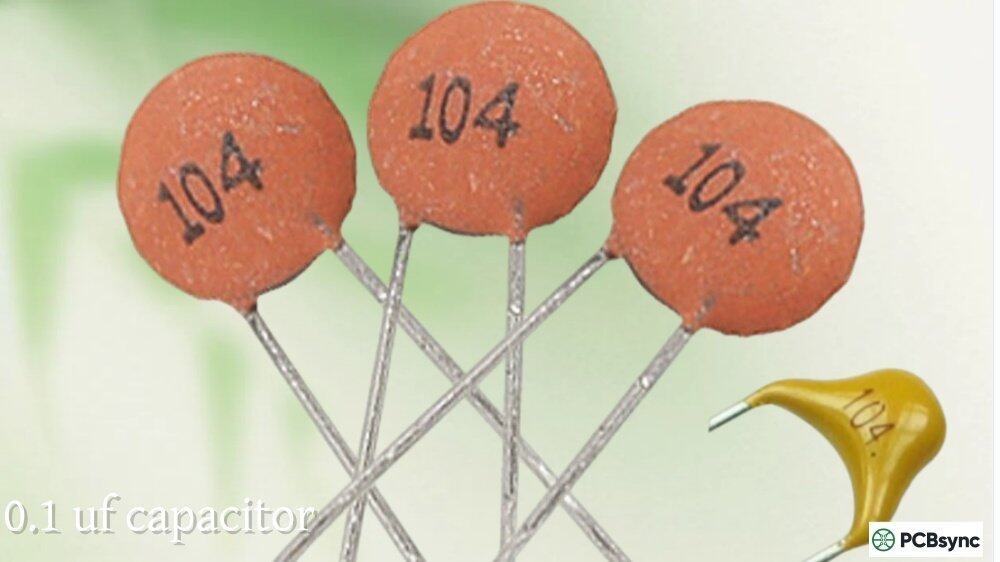
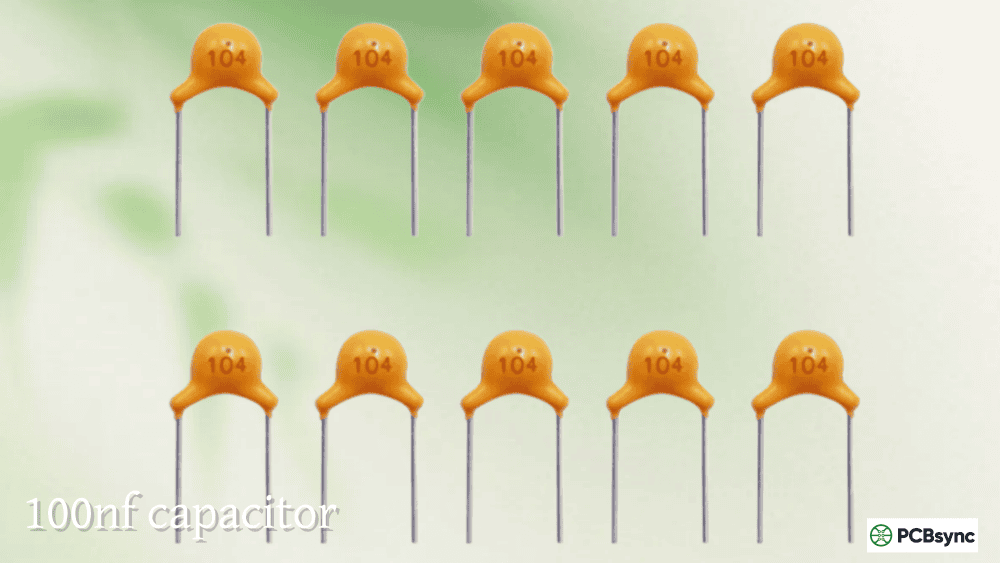
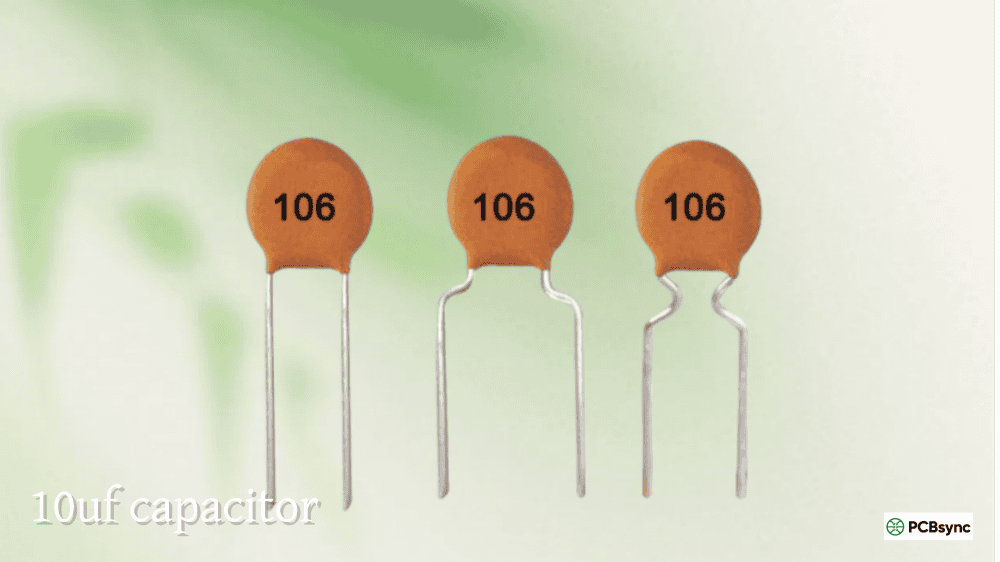
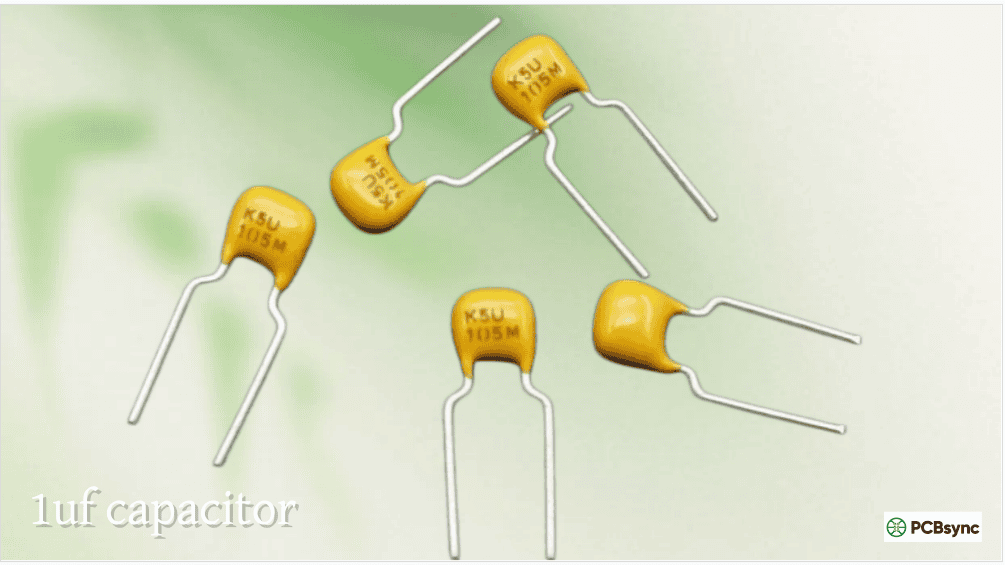
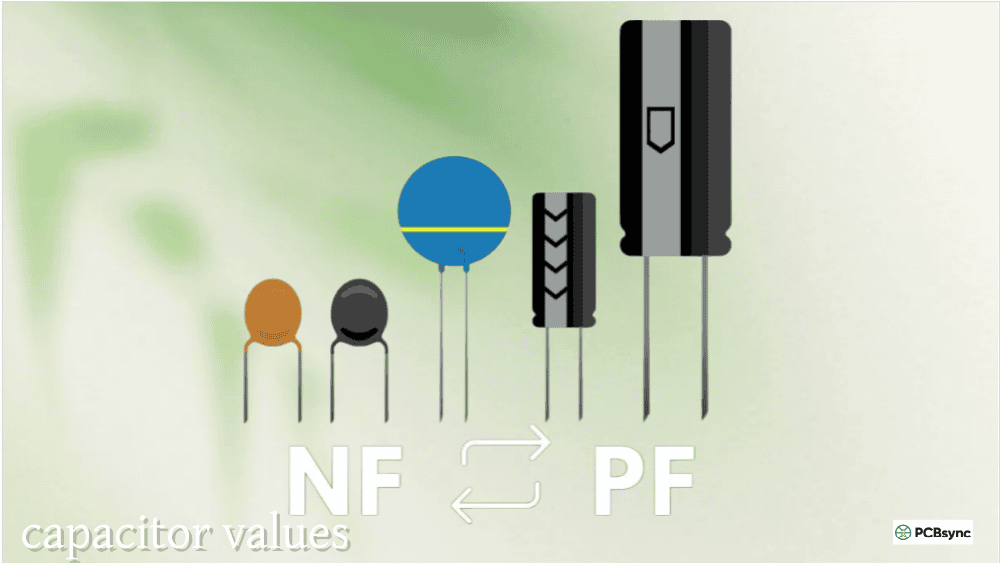
Capacitors, especially smaller ones, often don’t have their full value printed on them. Instead, they use a three-digit code system. Kynix The first two digits are significant figures, the third is a multiplier (number of zeros to add) in picofarads. So a capacitor marked 104 at 250V is 10 × 10⁴ pF = 100,000pF = 100nF = 0.1µF. The tolerance code follows: J = ±5%, K = ±10%, M = ±20%. A marking of 225J 250V means 2.2µF ±5% at 250V — a common value in motor start and audio coupling applications.
Why do aluminum electrolytic capacitors at 250V have such tight ripple current limits?
The ripple current flowing through an electrolytic capacitor’s ESR generates internal heat (P = I²×ESR). This heat degrades the electrolyte over time, drying it out and increasing ESR further — a self-accelerating failure mechanism. Electrolytic capacitors are among the components whose lifetime has the greatest influence on the reliability of electrical systems. Nextpcb At 250V, the electrolytic construction uses a relatively thick oxide layer, which tends to produce higher ESR than lower-voltage types. Always verify the actual circuit ripple current against the datasheet specification at the highest ambient temperature expected in the application. When in doubt, use multiple capacitors in parallel to share the ripple current load — this also reduces the effective ESR and ESL.
Inquire: Call 0086-755-23203480, or reach out via the form below/your sales contact to discuss our design, manufacturing, and assembly capabilities.
Quote: Email your PCB files to Sales@pcbsync.com (Preferred for large files) or submit online. We will contact you promptly. Please ensure your email is correct.
Notes: For PCB fabrication, we require PCB design file in Gerber RS-274X format (most preferred), *.PCB/DDB (Protel, inform your program version) format or *.BRD (Eagle) format. For PCB assembly, we require PCB design file in above mentioned format, drilling file and BOM. Click to download BOM template To avoid file missing, please include all files into one folder and compress it into .zip or .rar format.