Inquire: Call 0086-755-23203480, or reach out via the form below/your sales contact to discuss our design, manufacturing, and assembly capabilities.
Quote: Email your PCB files to Sales@pcbsync.com (Preferred for large files) or submit online. We will contact you promptly. Please ensure your email is correct.
Notes: For PCB fabrication, we require PCB design file in Gerber RS-274X format (most preferred), *.PCB/DDB (Protel, inform your program version) format or *.BRD (Eagle) format. For PCB assembly, we require PCB design file in above mentioned format, drilling file and BOM. Click to download BOM template To avoid file missing, please include all files into one folder and compress it into .zip or .rar format.
After working with countless PCB designs over the years, I’ve come to appreciate how the humble 10uF capacitor punches well above its weight class. Whether you’re debugging a noisy power rail at 2 AM or spec’ing components for a production run, understanding this workhorse component can save you hours of frustration and costly board respins.
Let me walk you through everything you need to know about the 10uf capacitor, from a practical standpoint that’ll actually help you in the trenches of PCB design.
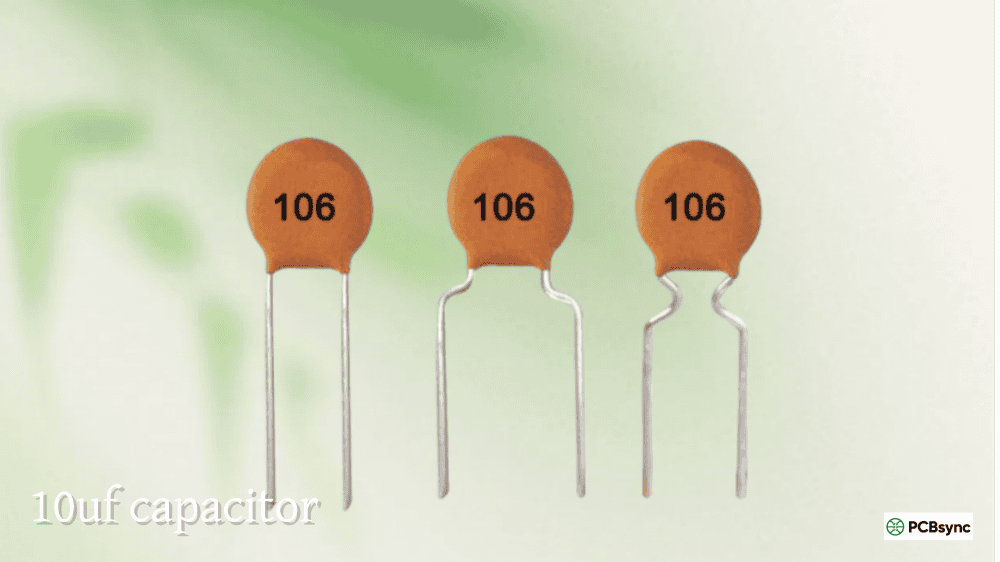
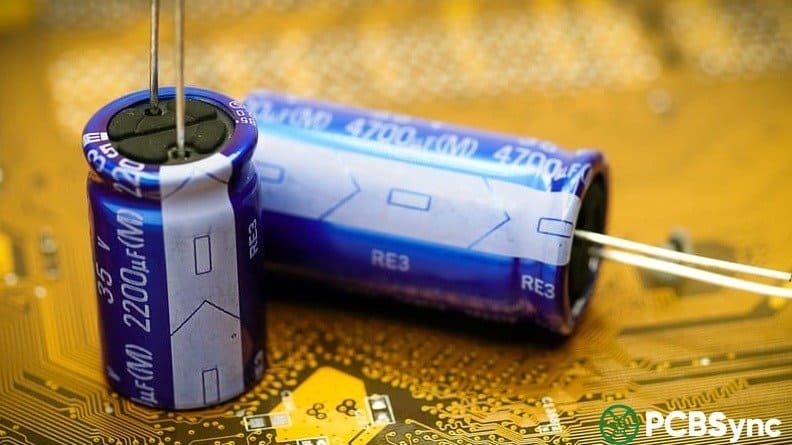
A Capacitor rated at 10 microfarads (10µF or 10uF) represents a sweet spot in the capacitance spectrum. It’s large enough to provide meaningful energy storage and filtering, yet small enough to fit comfortably in most PCB layouts without breaking the bank.
In my experience, the 10uf capacitor serves as the bridge between smaller ceramic decoupling caps (typically 0.1µF-1µF) and larger bulk storage electrolytics (100µF and up). This middle ground makes it incredibly versatile for power supply filtering, signal coupling, and timing applications.
The 10µF value translates to storing 10 millionths of a farad of electrical charge. While that might sound abstract, what matters practically is how this capacitance interacts with your circuit’s impedance and frequency characteristics.
Types of 10uF Capacitors: Real-World Comparison
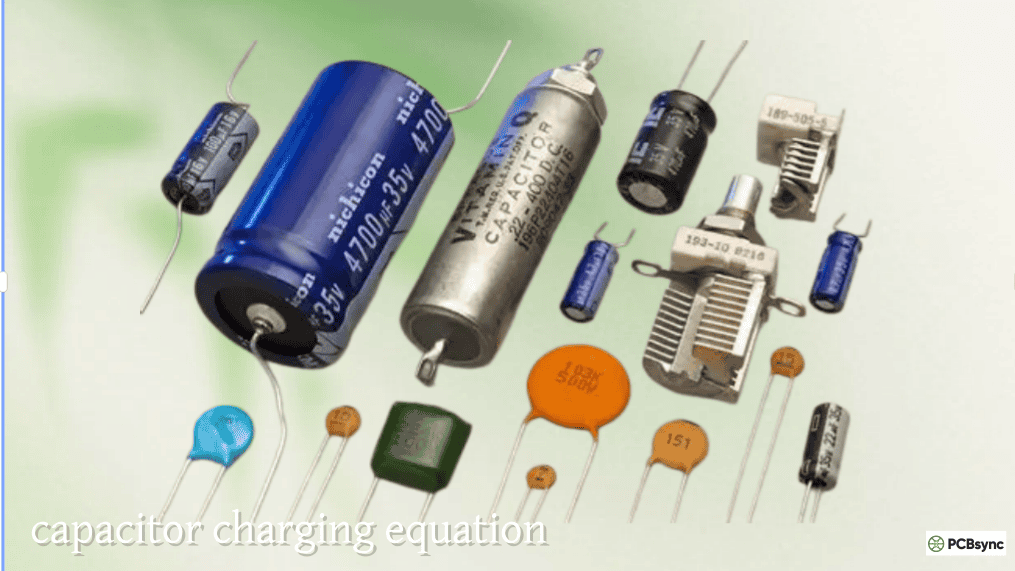
Not all 10uF capacitors are created equal. I’ve learned this lesson the hard way more times than I care to admit. Let’s break down the main types you’ll encounter.
Aluminum Electrolytic Capacitors
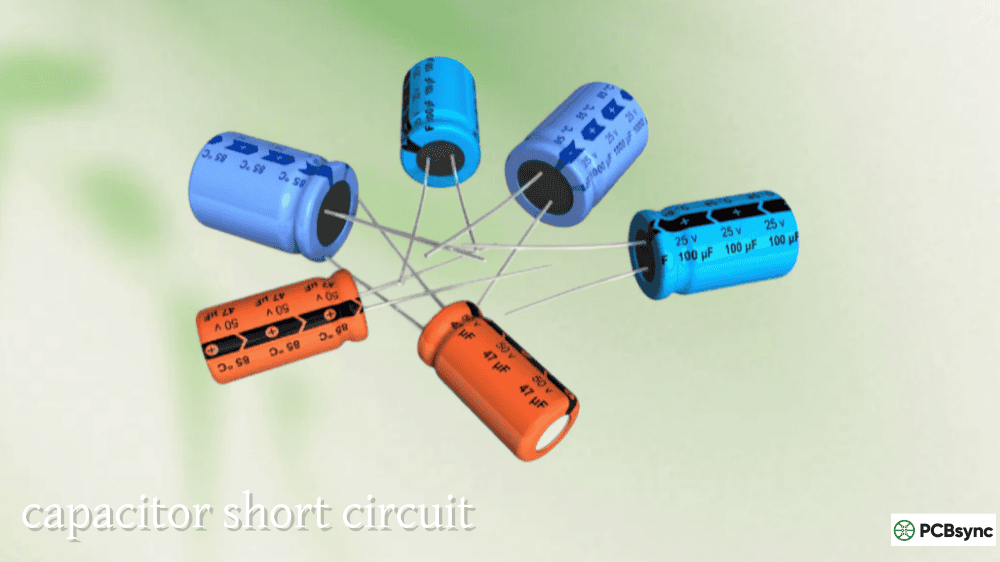
These are your budget-friendly workhorses. I reach for aluminum electrolytics when I need bulk capacitance at a reasonable price point, particularly in power supply applications.
Practical characteristics:
Voltage ratings typically range from 6.3V to 450V
Physically larger than other types at the same capacitance
Polarized (get this wrong and you’ll hear a pop)
ESR usually between 0.5Ω to 2Ω at 120Hz
Temperature dependent – capacitance drops at temperature extremes
Limited lifespan, especially in hot environments (expect 2000-5000 hours at rated temperature)
I typically use these for input and output filtering on linear regulators, bulk storage on power rails, and anywhere cost is more critical than space or high-frequency performance.
Ceramic Capacitors (MLCC)
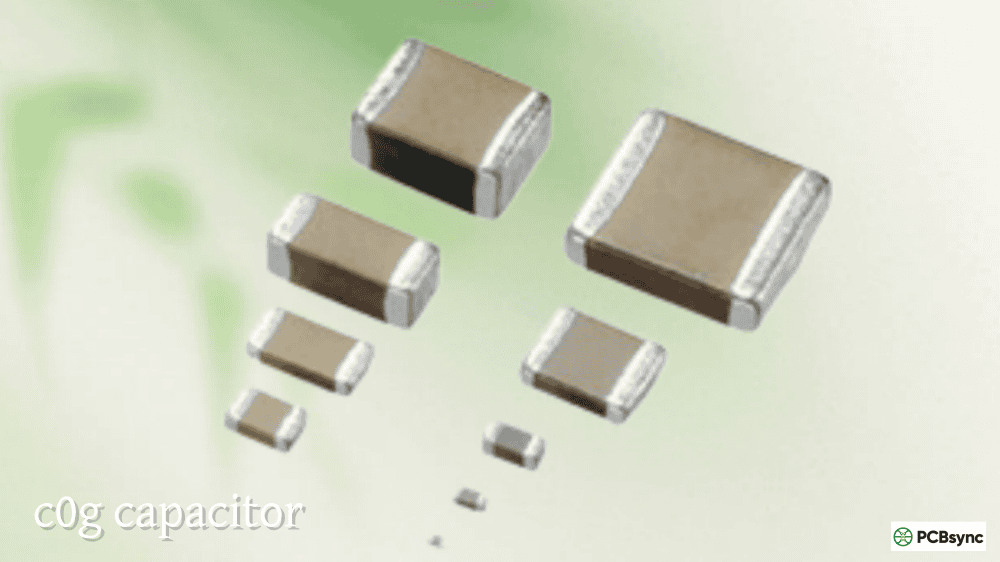
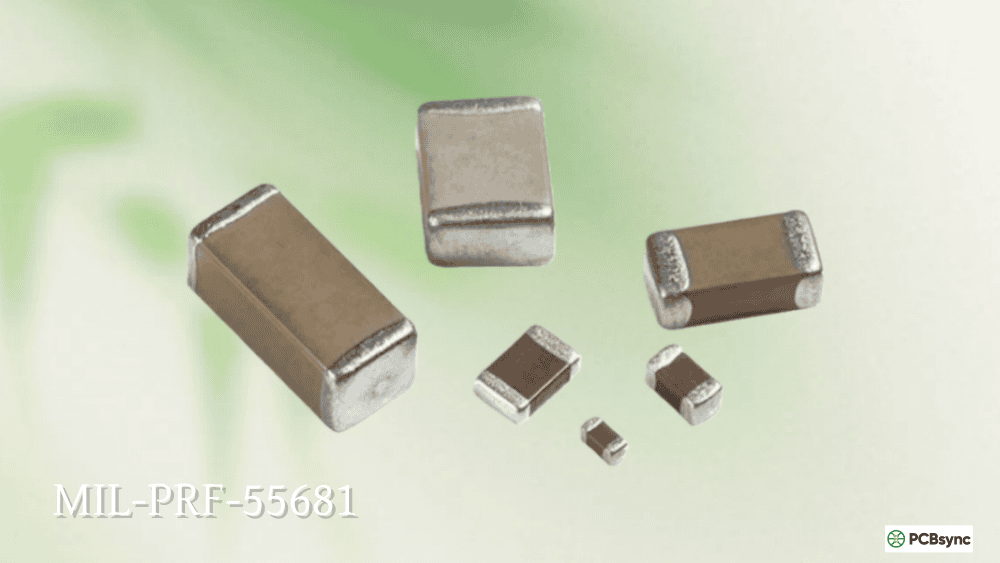
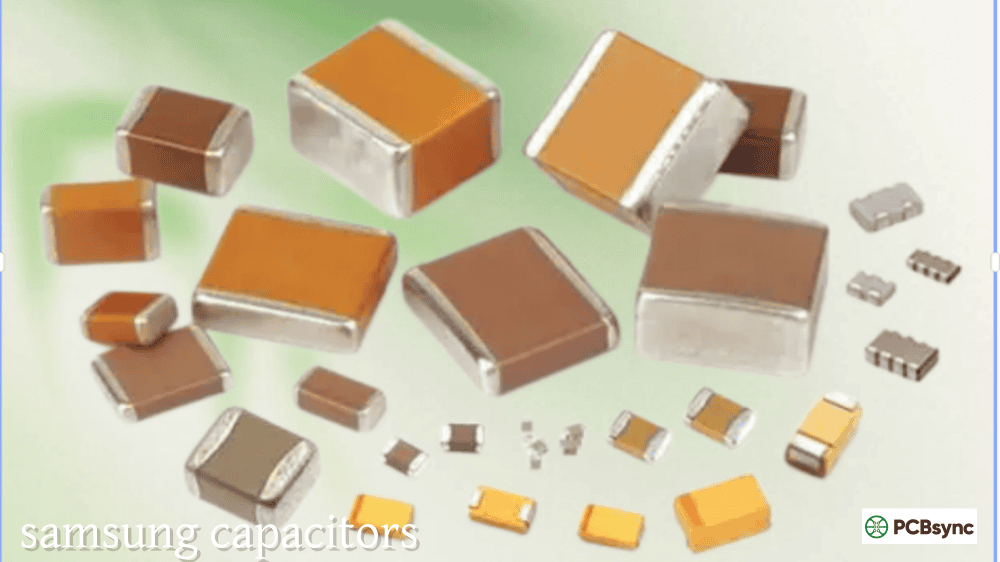
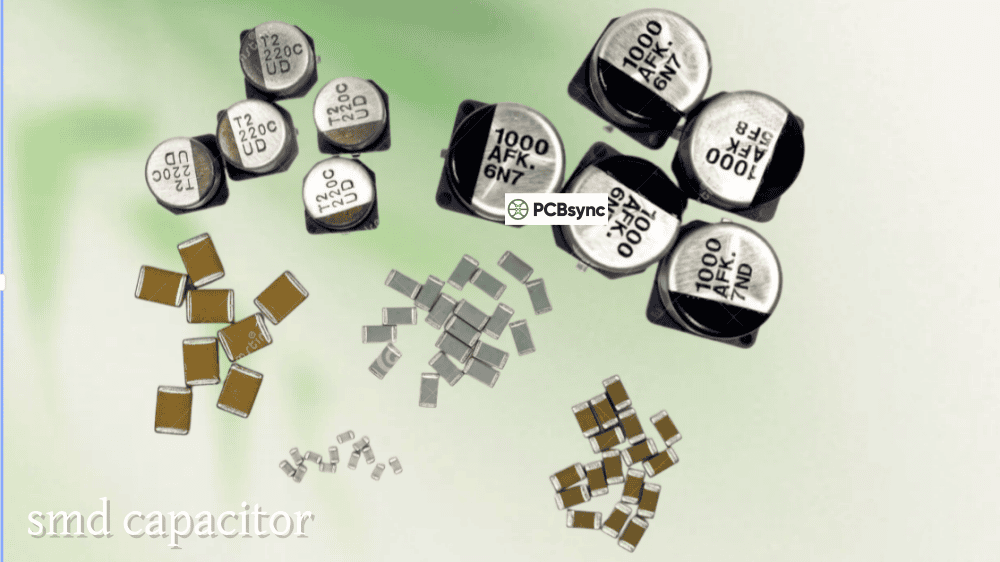
Modern high-capacitance ceramic technology has revolutionized what’s possible in a tiny package. A 10uF ceramic in an 0805 or 1206 footprint is now commonplace.
Real-world considerations:
Available in voltage ratings from 6.3V to 100V+
Non-polarized (install them any way you want)
Very low ESR (typically 0.005Ω to 0.05Ω)
Excellent high-frequency performance
Temperature stable variants (X7R, X5R) are essential for serious applications
Voltage coefficient is brutal – a 10uF cap might only give you 6-7µF at its rated voltage
Here’s the catch that catches newcomers: ceramic capacitors exhibit significant DC bias characteristics. That 10uF 6.3V X5R capacitor might only provide 4-5µF when you’re running it at 5V. Always check the derating curves in the datasheet.
Tantalum Capacitors
Tantalum caps occupy an interesting middle ground. They’re more expensive than aluminum but offer better performance and reliability.
What you need to know:
Compact size compared to aluminum
Low ESR (typically 0.5Ω to 3Ω)
Stable capacitance over temperature and time
Polarized (and they fail spectacularly if you reverse them)
Voltage derating is critical – I never run them above 50% of rated voltage
Failure mode can be catastrophic (short circuit)
I use tantalum caps when space is tight and reliability matters, but I always pair them with current-limiting protection because their failure mode can take out other components.
Film Capacitors
Film capacitors at 10uF are larger and more expensive, but they excel in audio and precision applications.
Key attributes:
Excellent stability and low distortion
Non-polarized
Very low ESR and ESL
Long lifespan
Large physical size
Limited voltage ratings at 10uF (typically 50-100V)
These shine in audio crossovers, precision analog circuits, and anywhere distortion matters.
Critical Specifications for PCB Design
Voltage Rating Selection
Here’s my rule of thumb: always spec capacitors with at least 2x your working voltage, preferably more. I’ve seen too many boards fail in the field because someone chose a 10uF 6.3V cap for a 5V rail without accounting for transients.
For tantalum specifically, I never exceed 50% of the rated voltage. That 10uF 35V tantalum? I’m only comfortable using it on a 15V rail.
ESR: The Hidden Performance Killer
Equivalent Series Resistance determines how well your capacitor performs under real-world conditions. Lower ESR means:
Standard electrolytics come with ±20% tolerance. That 10uF cap could actually be anywhere from 8µF to 12µF. For most applications, this is fine, but timing circuits and precision filters need tighter tolerances.
Temperature coefficients matter more than most engineers realize:
X7R ceramic: ±15% from -55°C to +125°C (my go-to for industrial applications)
Y5V ceramic: -82% to +22% from -30°C to +85°C (avoid these for anything critical)
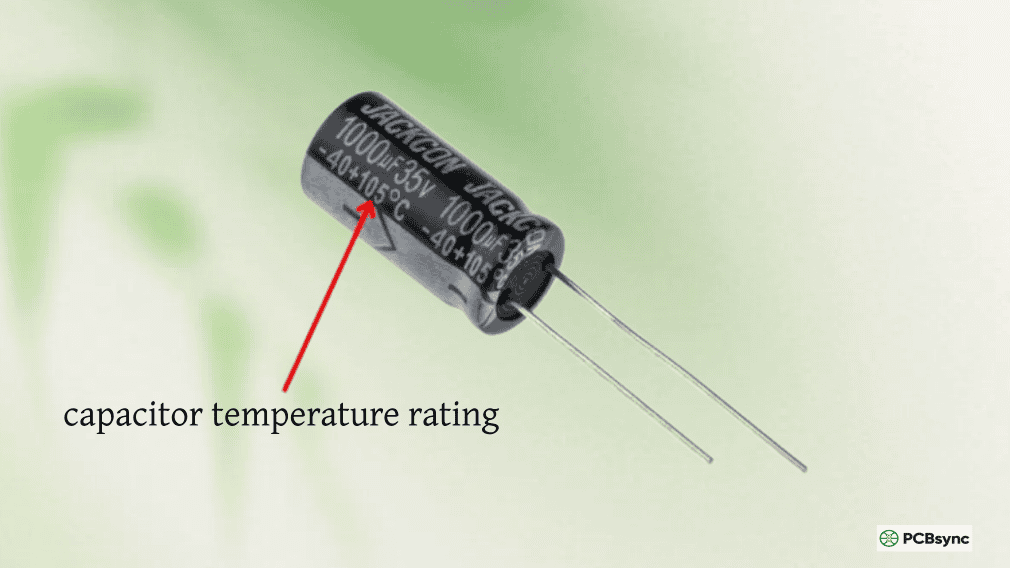
Aluminum electrolytic: Can lose 30-50% capacitance at -40°C
Ripple Current Rating
Every switching regulator designer needs to pay attention to ripple current. When AC current flows through your capacitor’s ESR, it generates heat:
Power dissipation = I²rms × ESR
A 10uF aluminum electrolytic with 1Ω ESR handling 100mA RMS ripple current dissipates 10mW. Doesn’t sound like much, but this adds up across multiple caps and directly impacts lifespan.
Common Applications in PCB Design
Power Supply Filtering
This is where I use 10uF caps most frequently. They work perfectly as:
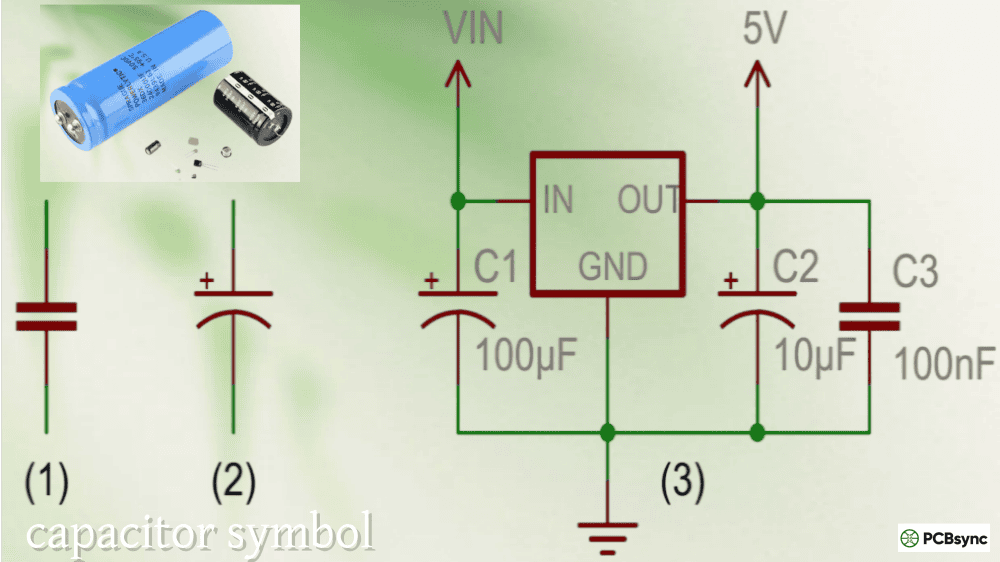
Output filtering for linear regulators: Place a 10uF ceramic or low-ESR aluminum right at the regulator output. The datasheet usually calls for at least 1µF, but 10µF gives you better transient response and noise rejection.
Input capacitance for buck converters: Many switching regulator ICs specify 10µF minimum input capacitance. I typically use a combination of 10µF ceramic for high-frequency filtering plus 22-47µF aluminum for bulk storage.
DC-link filtering: In motor drives and power electronics, 10uF ceramics handle high-frequency switching noise while larger caps handle the bulk energy storage.
Decoupling and Bypassing
On sensitive analog and mixed-signal designs, I place 10uF ceramics at power entry points to each functional block. This provides a local energy reservoir that smaller 0.1µF caps can’t match.
Typical decoupling strategy:
0.1µF ceramic at each IC power pin (high-frequency noise)
10µF ceramic per functional block (medium-frequency, load transients)
47-100µF bulk storage at power entry (low-frequency, bulk energy)
Timing Circuits
RC time constant calculations make 10uF useful for timing:
τ = R × C
With a 10kΩ resistor, a 10uF cap gives you a time constant of 0.1 seconds. This works well for:
Soft-start circuits
Delay timers
Oscillators in the 1-100Hz range
Power-on reset delays
Audio Coupling
In audio circuits, 10uF film or ceramic capacitors serve as DC blocking caps between stages. The cutoff frequency depends on the load impedance:
fc = 1 / (2π × R × C)
A 10uF cap with a 10kΩ load gives you a -3dB point at 1.6Hz, which works well for audio applications.
Selection Guide for Real Projects
When I’m selecting a 10uf capacitor for a design, I run through this mental checklist:
Step 1: Define Your Requirements
Operating voltage (include transients and margin)
Frequency range of interest
Temperature extremes
Physical space constraints
Cost targets
Reliability requirements
Step 2: Choose the Technology
Use aluminum electrolytic when:
Cost is primary concern
Space isn’t constrained
Frequency of interest is below 100kHz
You need high voltage ratings (>50V)
Use ceramic (MLCC) when:
Space is limited
High-frequency performance matters
You need low ESR
Working frequency is above 100kHz
Non-polarized operation is beneficial
Use tantalum when:
Space is very constrained
Long-term stability matters
You need better reliability than aluminum
Operating temperature is high
Use film when:
Audio quality is critical
You need ultra-low distortion
ESR must be minimal
Long lifespan is essential
Step 3: Verify the Details
Always check:
DC bias effects (for ceramic) – download the derating curves
Ripple current rating (for electrolytics) – calculate your actual ripple
Voltage derating – apply appropriate safety margins
Temperature range – ensure it covers your operating environment
Package size – verify footprint and height clearances
Lead spacing – match your PCB layout grid
Practical Design Considerations
Layout Guidelines
Over years of debugging failed boards, I’ve developed these layout rules:
For power filtering:
Keep traces between regulator and 10uF cap as short as possible (under 10mm ideally)
Use wide, low-impedance traces for power connections
Place ground return path directly under power trace for lowest loop impedance
Consider thermal via arrays under aluminum caps for heat dissipation
For decoupling:
Mount 10uF caps on same side as the IC they’re decoupling
Minimize via count between cap and power pins
Use dedicated ground vias near each capacitor
Keep high-frequency 0.1µF caps closer to IC than 10µF caps
Common Mistakes to Avoid
Mistake 1: Using Y5V ceramic for critical applications. These have terrible temperature and voltage coefficients. Stick with X7R or X5R.
Mistake 2: Not derating tantalum capacitors enough. That catastrophic failure mode isn’t worth the risk. Use 50% voltage derating or add current-limiting protection.
Mistake 3: Ignoring DC bias in ceramic caps. Your 10uF ceramic might only provide 5-6µF at operating voltage. Always check the curves.
Mistake 4: Mixing polarized caps. I’ve seen boards where someone swapped an electrolytic for a ceramic without checking polarity. The ceramic survived, but the reverse situation would have failed immediately.
Mistake 5: Underspeccing ripple current on switching regulators. This is the leading cause of premature capacitor failure in my experience.
2× 22µF ceramic (X7R, 10V) for high-frequency filtering
1× 47µF aluminum electrolytic low-ESR for bulk storage
Why this works: The ceramic caps handle the high-frequency switching ripple (typically 500kHz-2MHz) while the electrolytic provides bulk energy storage for load transients. I could have used 10µF ceramics, but the 22µF gave me more margin after DC bias derating.
Example 2: Microcontroller Decoupling
Application: STM32 MCU running at 168MHz with multiple peripherals
Solution:
0.1µF ceramic at each VDD pin
10µF ceramic (X7R, 10V) shared between every 2-3 VDD pins
22µF tantalum at power entry point
Why this works: The 0.1µF handles high-frequency core switching, 10µF handles peripheral activation transients, and tantalum provides stable bulk storage.
Example 3: Audio Coupling
Application: Coupling between audio preamplifier stages (10kΩ impedance)
Solution: 10µF film capacitor (polyester or polypropylene)
Why this works: Film caps provide the lowest distortion and noise for audio applications. The 10µF value ensures the low-frequency cutoff is well below 20Hz.
Frequently Asked Questions
Can I replace a 10uF electrolytic with a ceramic capacitor?
Yes, in many cases, but you need to consider several factors. Ceramic capacitors have much lower ESR and better high-frequency performance, which is usually beneficial. However, check that:
Your circuit can handle the lower ESR (some linear regulators can oscillate with very low ESR)
You account for DC bias derating in ceramics (that 10µF ceramic might only be 6µF at operating voltage)
The circuit doesn’t rely on the electrolytic’s higher ESR for damping
You maintain proper polarity considerations if switching from polarized to non-polarized
In my experience, this substitution works well in power supply filtering and decoupling applications, but can cause issues in timing circuits or designs optimized for specific ESR characteristics.
How do I calculate the ripple voltage across a 10uF capacitor?
The ripple voltage depends on the ripple current and the capacitor’s impedance. For a simplified calculation in power supply applications:
Vripple = Iripple / (2 × f × C)
Where:
Iripple is the RMS ripple current
f is the switching frequency
C is capacitance (10µF)
For example, with 100mA ripple at 500kHz: Vripple = 0.1A / (2 × 500kHz × 10µF) = 10mV
This assumes ideal capacitance. In reality, add ESR effects: Vripple_ESR = Iripple × ESR. For a 1Ω ESR cap with 100mA ripple, you’d add another 100mV of ripple.
What’s the difference between low-ESR and standard aluminum electrolytics?
Low-ESR aluminum capacitors use different electrolyte formulations and construction techniques to reduce internal resistance. The practical differences:
Standard aluminum electrolytic (10uF/25V):
ESR: 1-2Ω at 120Hz
Ripple current: 50-100mA
Cost: Lower
Best for: Low-frequency filtering, bulk storage
Low-ESR aluminum electrolytic (10uF/25V):
ESR: 0.1-0.5Ω at 120Hz
Ripple current: 200-500mA
Cost: 20-50% higher
Best for: Switching regulators, high ripple current applications
For switching power supplies, the extra cost of low-ESR caps is usually worth it for improved performance and reliability.
How does temperature affect my 10uF capacitor?
Temperature effects vary significantly by capacitor type:
Aluminum electrolytic: Capacitance can drop 30-50% at -40°C. At high temperatures (85°C+), lifespan decreases exponentially – expect half the rated life for every 10°C above rated temperature.
Ceramic (X7R): Maintains ±15% capacitance from -55°C to +125°C. Very stable and predictable.
Ceramic (Y5V): Terrible temperature performance. Can lose over 80% capacitance at -30°C. Avoid for critical applications.
Tantalum: Excellent temperature stability, typically ±10% across the full range.
Film: Generally stable, ±5-10% across operating range.
For designs operating across wide temperature ranges, X7R ceramic or tantalum are your best bets.
What causes capacitor failures and how do I prevent them?
From years of failure analysis, here are the main culprits:
Overvoltage: The #1 killer. Always derate by at least 2× for reliability-critical applications. Use 50% derating for tantalum caps.
Ripple current: Exceeding the ripple current rating causes internal heating and premature failure. Calculate actual RMS ripple current and verify it’s within spec.
Reverse voltage: Polarized caps (electrolytic, tantalum) fail catastrophically if reversed. Add reverse protection diodes in applications with potential reverse voltage.
High temperature: Electrolytics age faster at elevated temperatures. If your board runs hot, specify higher-temperature-rated caps or improve thermal management.
Wrong capacitor type: Using Y5V ceramic in precision applications, or high-ESR caps in switching regulators. Always match the capacitor type to the application requirements.
Prevention checklist:
Apply proper voltage derating (2× for general use, 2.5-3× for high reliability)
Calculate and verify ripple current ratings
Check DC bias curves for ceramics
Ensure proper polarity for polarized types
Consider temperature extremes in your operating environment
Use quality components from reputable manufacturers
Conclusion
The 10uf capacitor might seem like a simple component, but choosing the right one requires understanding the interplay between capacitor technology, circuit requirements, and real-world operating conditions. Whether you’re filtering a power supply, decoupling a microcontroller, or coupling an audio signal, the principles remain the same: understand your requirements, choose the appropriate technology, and validate your selection against actual operating conditions.
After thousands of designs, I still consult datasheets and run calculations for critical applications. This isn’t a component to specify blindly – but armed with the knowledge in this guide, you’re equipped to make informed decisions that’ll keep your designs running reliably in the field.
Remember: when in doubt, test your assumptions. Build a prototype, measure the actual performance, and iterate. That’s how you develop the intuition that makes capacitor selection second nature.
Inquire: Call 0086-755-23203480, or reach out via the form below/your sales contact to discuss our design, manufacturing, and assembly capabilities.
Quote: Email your PCB files to Sales@pcbsync.com (Preferred for large files) or submit online. We will contact you promptly. Please ensure your email is correct.
Notes: For PCB fabrication, we require PCB design file in Gerber RS-274X format (most preferred), *.PCB/DDB (Protel, inform your program version) format or *.BRD (Eagle) format. For PCB assembly, we require PCB design file in above mentioned format, drilling file and BOM. Click to download BOM template To avoid file missing, please include all files into one folder and compress it into .zip or .rar format.