Inquire: Call 0086-755-23203480, or reach out via the form below/your sales contact to discuss our design, manufacturing, and assembly capabilities.
Quote: Email your PCB files to Sales@pcbsync.com (Preferred for large files) or submit online. We will contact you promptly. Please ensure your email is correct.
Notes: For PCB fabrication, we require PCB design file in Gerber RS-274X format (most preferred), *.PCB/DDB (Protel, inform your program version) format or *.BRD (Eagle) format. For PCB assembly, we require PCB design file in above mentioned format, drilling file and BOM. Click to download BOM template To avoid file missing, please include all files into one folder and compress it into .zip or .rar format.
5UF Capacitor: Fan Motor & Pump Applications – Complete Technical Guide
When your HVAC system struggles to start or your pool pump motor hums without spinning, there’s a good chance you’re dealing with a failed 5uf capacitor. From my years designing power circuits for motor control systems, I’ve learned that this seemingly small component plays an outsized role in motor performance. This guide breaks down everything you need to know about selecting, testing, and replacing 5uf capacitors in fan motor and pump applications.
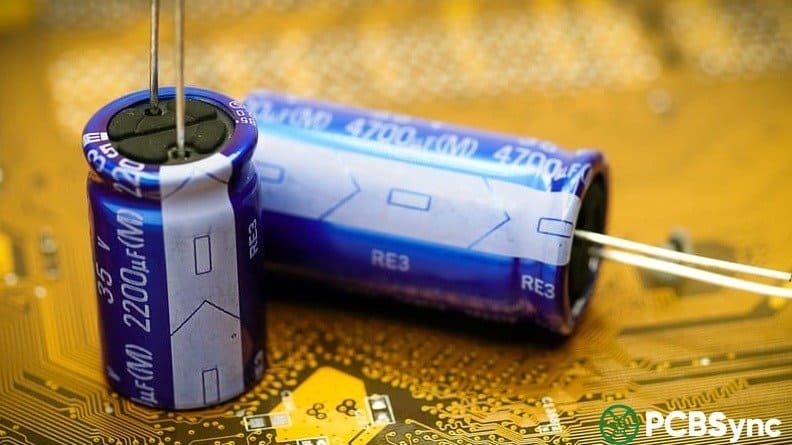
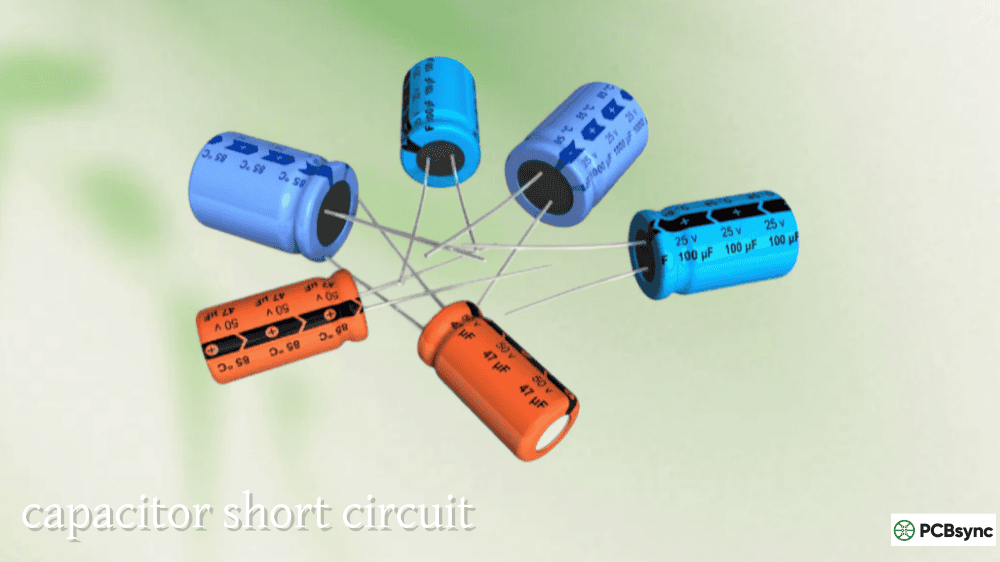
A capacitor rated at 5µF (microfarads) serves as a run capacitor in single-phase AC motor applications. The microfarad rating indicates the component’s charge storage capacity – specifically, 5 millionths of a farad. While this might sound small, it’s precisely calibrated for fan motors and smaller pump applications where moderate starting torque and continuous running support are needed.
In practical terms, the 5uf capacitor creates a phase shift in the motor’s auxiliary winding, generating the rotating magnetic field necessary for single-phase motors to start and run efficiently. Unlike larger start capacitors (typically 100-400µF) that disconnect after startup, run capacitors remain in the circuit during the entire operation, continuously optimizing motor performance.
Key Technical Specifications
Specification
Typical Range
Notes
Capacitance
4.7µF – 5.3µF
±6% tolerance is standard
Voltage Rating
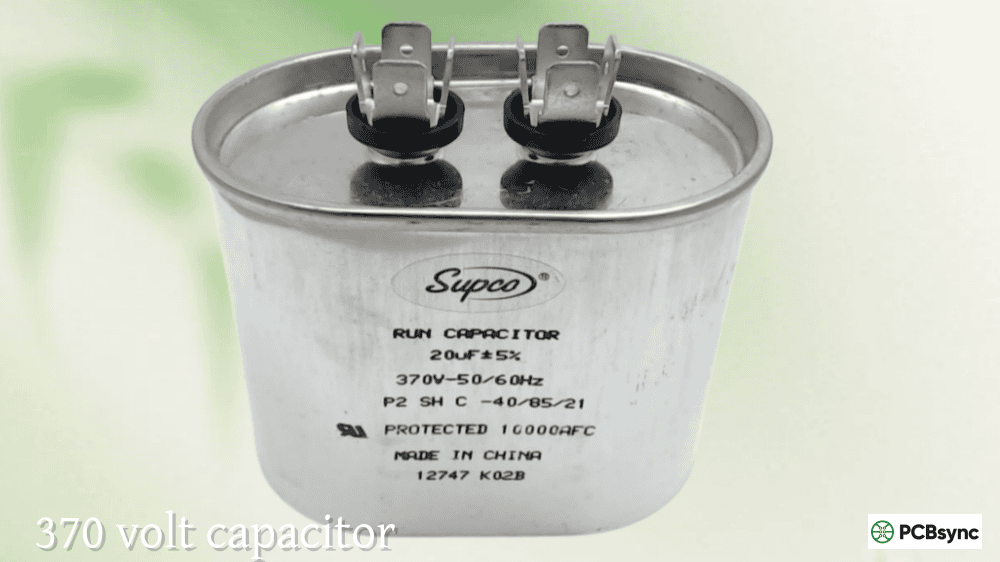
370VAC or 440VAC
Never use lower than required
Operating Frequency
50/60Hz
Universal for AC applications
Temperature Range
-40°C to 70°C
Operating environment dependent
Case Type
Oval (CBB65)
Most common for motor applications
Dielectric Material
Metallized Polypropylene Film
Self-healing properties
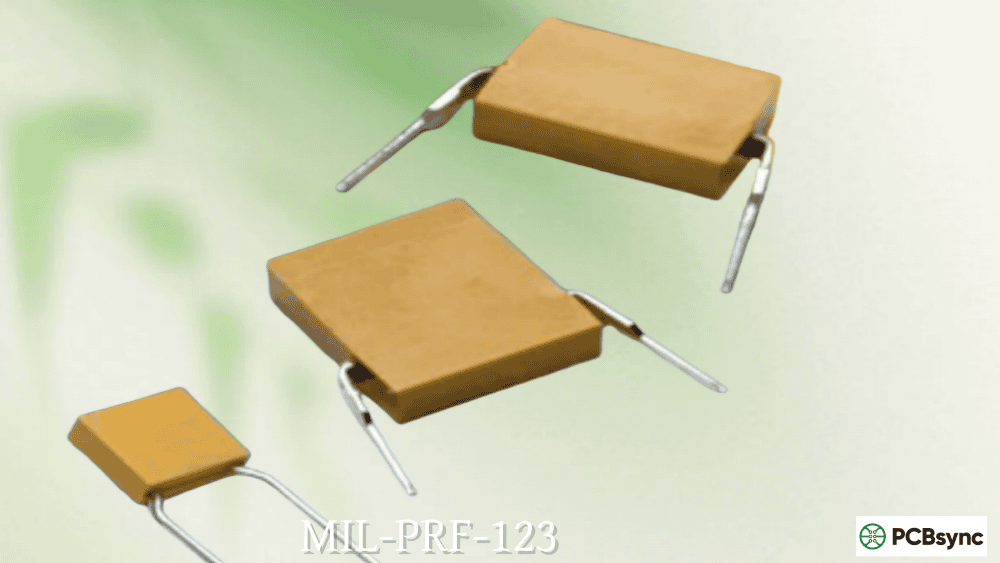
The CBB65 designation refers to a metallized polypropylene film capacitor with cylindrical aluminum housing. These capacitors feature self-healing characteristics – when a breakdown occurs in the dielectric, the metallized film vaporizes around the fault, isolating it and allowing continued operation.
Primary Applications for 5uf Capacitors
HVAC Fan Motor Applications
In heating and cooling systems, 5uf capacitors typically support condenser fan motors rather than compressor motors (which require higher capacitance). These fan motors operate continuously during cooling cycles, circulating air across the condenser coils to dissipate heat. The run capacitor ensures:
Smooth motor startup without excessive current draw
Efficient operation at the design speed
Reduced electrical noise in the motor windings
Extended motor life through optimized power factor
I’ve measured power factor improvements from 0.6 to 0.95 when the correct run capacitor is installed, which translates to significant energy savings over the motor’s operational life.
Pool and Spa Pump Motor Systems
The 5uf capacitor commonly appears in smaller circulation pump motors, particularly in:
Spa Circulation Pumps: Low-speed, continuous-duty pumps that maintain water circulation and filtration. These pumps often use 5uf run capacitors at 370VAC to support 1/15 HP to 1/8 HP motor ratings.
Pool Booster Pumps: Secondary pumps that power cleaning systems or water features. The 5uf rating handles the modest torque requirements of these auxiliary systems.
Above-Ground Pool Pumps: Smaller capacity pumps for residential above-ground pools frequently incorporate 5uf capacitors in their 3/4 HP to 1 HP motor assemblies.
Pump Type
Typical HP Rating
Capacitor Value
Voltage Rating
Spa Circulation
1/15 – 1/8 HP
5µF
370VAC
Pool Booster
1/4 – 1/2 HP
5-10µF
370VAC
Small Filter Pump
1/2 – 3/4 HP
5-15µF
370-440VAC
Main Pool Pump
1-2 HP
20-40µF
440VAC
Blower and Ventilation Fan Applications
Commercial HVAC blower assemblies and residential ventilation systems use 5uf capacitors when the motor horsepower falls in the 1/4 to 1/2 HP range. These include:
Bathroom exhaust fans in commercial buildings
Kitchen range hood motors
Air handler blower motors (smaller units)
Whole-house ventilation system fans
Voltage Rating Selection: 370VAC vs 440VAC
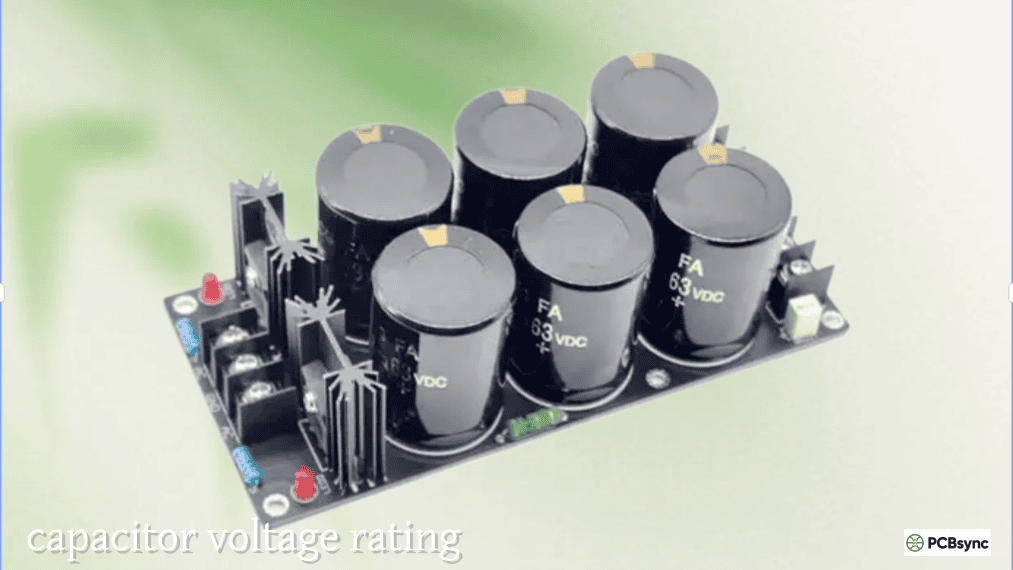
One of the most frequent questions I encounter concerns voltage rating selection. The voltage rating represents the maximum continuous AC voltage the capacitor can safely handle without dielectric breakdown.
Critical Selection Rules
Rule 1: You can always substitute a higher voltage rating (440VAC) for a lower requirement (370VAC), but never the reverse. A 440VAC capacitor provides additional safety margin and typically offers longer service life due to reduced dielectric stress.
Rule 2: The voltage rating must meet or exceed the motor’s operating voltage. For 120VAC motors, 370VAC capacitors are adequate. For 240VAC motors, 440VAC capacitors are recommended even though 370VAC is technically sufficient.
From an engineering perspective, using 440VAC capacitors as standard practice makes sense. They cost only marginally more but significantly improve reliability, especially in systems experiencing voltage fluctuations or surges. I’ve analyzed failure data showing 440VAC capacitors lasting 30-40% longer in identical applications compared to 370VAC units.
Voltage De-rating Considerations
Industry standards recommend operating capacitors at 70-80% of their maximum voltage rating for optimal longevity. This means:
370VAC capacitor: Best used in circuits up to 260-296VAC
440VAC capacitor: Suitable for circuits up to 308-352VAC
Since residential AC voltage can vary ±10% (216-264VAC for nominal 240VAC service), the 440VAC rating provides comfortable headroom for voltage spikes from motor switching or grid fluctuations.
Testing and Troubleshooting 5uf Capacitors
Symptoms of Capacitor Failure
Before testing, understanding failure symptoms helps target the problem:
Symptom
Likely Cause
Priority
Motor hums but won’t start
Failed capacitor (open circuit)
Critical
Motor starts but runs hot
Weak capacitor (reduced capacitance)
High
Breaker trips immediately
Shorted capacitor
Critical
Motor runs but lacks power
Degraded capacitor
Medium
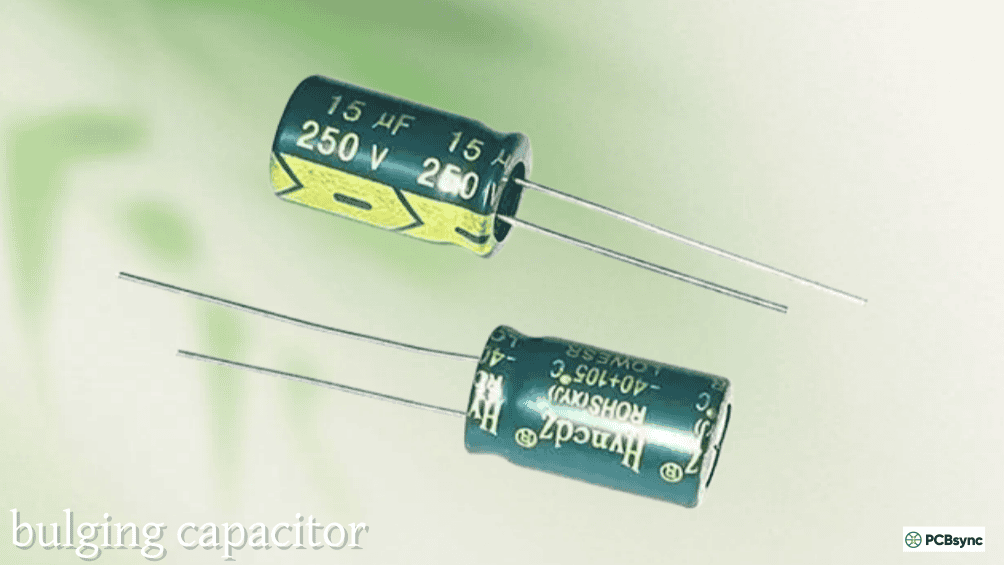
Visible bulging or leaking
Physical capacitor failure
Critical
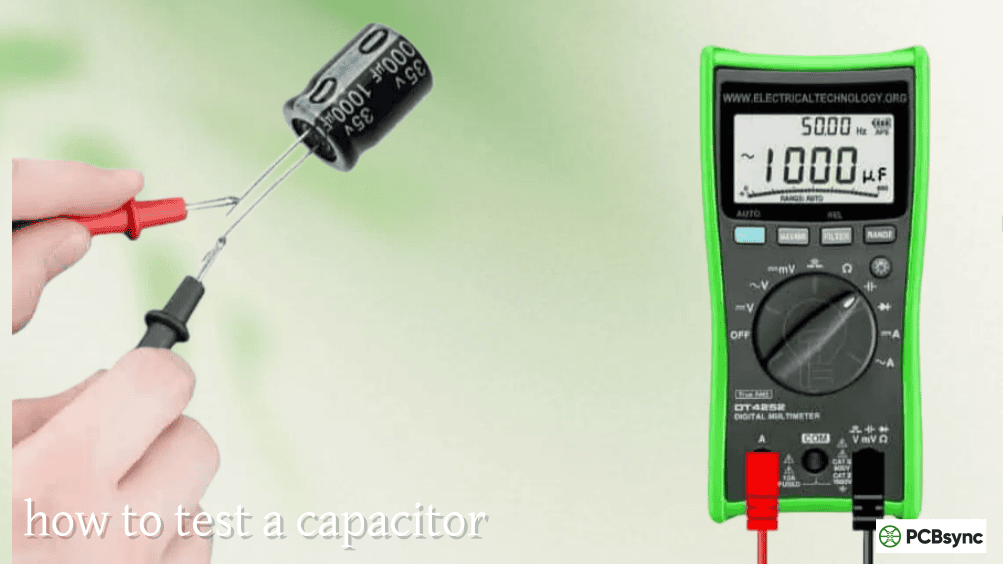
Multimeter Testing Procedure
Safety First: Always discharge the capacitor before testing. Connect a 20kΩ 5-watt resistor across the terminals for 5 seconds, then verify zero voltage with your multimeter.
Method 1: Capacitance Measurement (Most Accurate)
Set your digital multimeter to capacitance mode (⊥ symbol)
Remove the capacitor from the circuit completely
Discharge the capacitor using the resistor method
Connect meter probes to capacitor terminals (polarity doesn’t matter for non-polarized capacitors)
Wait for the reading to stabilize (typically 2-5 seconds)
Compare to rated value (5µF ±6% = 4.7-5.3µF acceptable range)
Method 2: Resistance Test (Field Test)
Set multimeter to resistance mode (200kΩ range)
Discharge capacitor completely
Connect probes to terminals
Observe reading behavior:
Good capacitor: Starts low, rises steadily to infinity (OL)
Shorted capacitor: Remains at very low resistance
Open capacitor: Shows infinite resistance immediately
From practical experience, I’ve found that capacitors reading below 4.5µF struggle to provide adequate starting torque, while readings above 5.5µF may indicate a fault in another part of the circuit affecting the measurement.
Visual Inspection Indicators
Physical examination often reveals failing capacitors:
Bulging top or bottom: Internal pressure from gas buildup
Leaking oil: Dielectric fluid escaping through case seams
Rust or corrosion: Moisture intrusion compromising internal components
Discolored terminal connections: Overheating from poor connections or excessive current
Cracked or split case: Mechanical damage or thermal stress
Any visual defect warrants immediate replacement. Don’t risk motor damage trying to squeeze extra life from a compromised capacitor.
Replacement Selection and Installation Guide
Critical Matching Parameters
When sourcing a replacement 5uf capacitor, match these specifications in order of importance:
Capacitance Value: Must be 5µF ±6% (4.7-5.3µF range acceptable)
Voltage Rating: Equal to or higher than original (never lower)
Physical Dimensions: Must fit in the mounting space
Terminal Configuration: Match wire connection points
Operating Temperature: Adequate for installation environment
Common 5uf Capacitor Part Numbers
Manufacturer
Part Number
Voltage
Type
GE/Genteq
Z97F5705
370VAC
Oval
Supco
CR5X370
370VAC
Oval
Mars
12905
440VAC
Oval
Turbo 200
T005
370VAC
Oval
TEMCo
RC0048
370-440VAC
Oval
Professional Installation Steps
Preparation Phase:
Turn off electrical power at the breaker (not just the disconnect switch)
Verify power is off using a non-contact voltage tester
Photograph the existing wiring configuration (invaluable for reassembly)
Label all wires with tape before disconnecting
Replacement Phase:
Discharge the old capacitor using the 20kΩ resistor method
Remove wire connections, noting which terminal connects to which wire
Unbolt or unclip the capacitor from its mounting bracket
Compare new capacitor dimensions to ensure proper fit
Mount new capacitor securely (vibration is a common failure cause)
Connect wires to matching terminals (HERM, C, FAN markings if present)
Ensure connections are tight to prevent arcing and heat buildup
Verification Phase:
Restore power at the breaker
Listen for normal motor startup (smooth, no grinding or excessive noise)
Measure motor current draw with a clamp meter (should match nameplate rating ±10%)
Monitor motor temperature after 15 minutes of operation (warm but not burning hot)
Check for any unusual vibration or resonance
Dual Run Capacitors: Special Considerations
In HVAC systems, you’ll often encounter dual capacitors marked as “XX+5µF” (for example, 40+5µF). The 5µF section typically powers the condenser fan while the larger value drives the compressor. These use three terminals:
HERM: Connects to compressor (40µF section)
FAN: Connects to fan motor (5µF section)
C (Common): Shared connection between both sections
Never attempt to substitute a dual capacitor with two single capacitors unless you fully understand the wiring configuration and have verified electrical compatibility.
Capacitor Failure Modes and Root Causes
Understanding why capacitors fail helps implement preventive measures and select more reliable components.
Temperature Effects: Every 10°C increase above rated temperature halves capacitor life expectancy. A capacitor rated for 70°C operation will last approximately:
20,000 hours at 70°C
40,000 hours at 60°C
80,000 hours at 50°C
This exponential relationship explains why HVAC capacitors fail more frequently in hot climates or in poorly ventilated equipment.
Voltage Stress: Operating near maximum voltage rating accelerates aging. Capacitors running at 90% of voltage rating show failure rates 3-4 times higher than those at 70% rating.
Power Quality: Voltage spikes from lightning, motor switching, or utility disturbances cause internal stress even if they don’t immediately destroy the capacitor. Installing whole-system surge protection pays dividends in extended component life.
Quality Indicators and Brand Selection
Not all 5uf capacitors perform equally despite identical specifications. Quality differences manifest in:
Construction Quality Markers
Premium Indicators:
UL certification (file number printed on case)
Sealed aluminum housing with welded seams
Brass terminal connections (corrosion resistant)
Operating temperature rating of 70°C or higher
Tolerance of ±5% (better than standard ±6%)
Lifespan rating (30,000+ hours)
Warning Signs:
Generic or unknown brand names
Plastic housing instead of aluminum
Temperature rating below 60°C
No safety certifications
Price significantly below market average
From supply chain experience, I’ve seen failure rates vary from 1% for premium brands to 15%+ for generic imports within the first year. The $5-10 cost difference becomes negligible when factoring in service call expenses.
Recommended Quality Brands
Brands consistently delivering reliable 5uf capacitors based on field performance data:
GE/Genteq: OEM supplier to major HVAC manufacturers
Mars: Solid aftermarket choice with good availability
Turbo 200: Professional-grade with extended warranties
Capacitors store electrical energy even after power disconnection, creating serious shock hazards. Proper safety procedures are non-negotiable.
Personal Protective Equipment
Always wear:
Class 0 electrical gloves (500V rated minimum)
Safety glasses (ANSI Z87.1 certified)
Non-conductive footwear
Long-sleeve shirt (arc flash protection)
Safe Discharge Procedures
Never discharge a capacitor by:
Shorting terminals with a screwdriver (can damage motor or winding)
Touching terminals with bare hands
Using wire to short terminals (creates arc flash hazard)
Always discharge using:
20kΩ 5-watt resistor for 5 seconds
Commercial capacitor discharge tool
Multimeter verification of 0V after discharge
Storage and Disposal
Proper handling extends to storage and disposal:
Storage: Keep capacitors in cool, dry environment (15-25°C) away from direct sunlight. High temperatures accelerate aging even when not powered.
Disposal: Older capacitors may contain PCBs (polychlorinated biphenyls), classified as hazardous waste. Check local regulations for proper disposal. Most modern capacitors are PCB-free and can be recycled with electronic waste, but verify with your local facility.
Frequently Asked Questions
Can I use a 10uf capacitor instead of a 5uf?
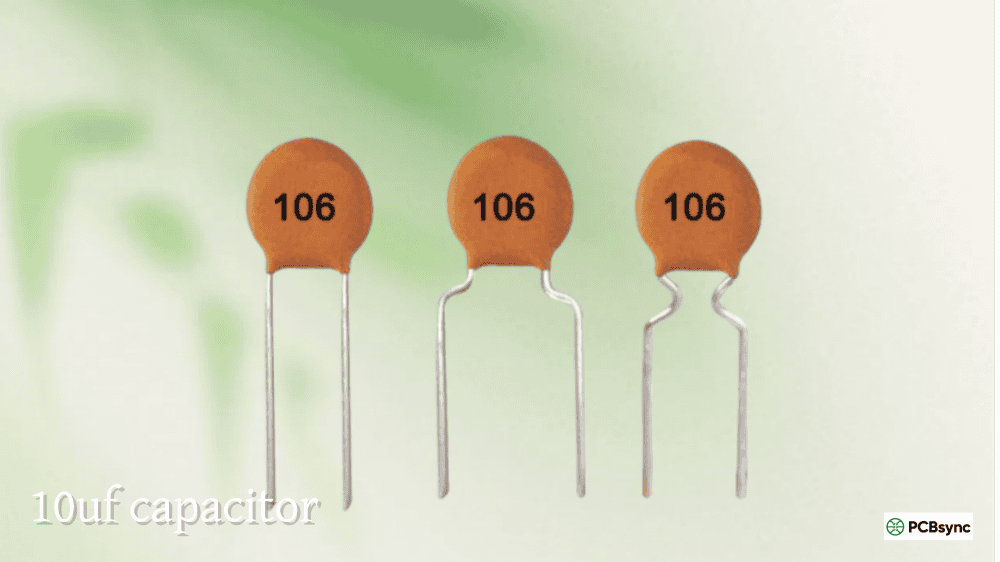
No. Oversizing a run capacitor causes excessive current draw, leading to motor overheating and premature failure. The motor manufacturer specifies 5uf because that value optimizes the current phase angle for peak efficiency. Using 10uf could increase motor current by 15-30%, shortening motor life and potentially causing thermal protection trips. Stick within the ±10% tolerance range (4.5-5.5µF maximum).
How long do 5uf capacitors typically last?
Quality 5uf capacitors last 5-10 years in typical residential HVAC applications. Service life depends heavily on operating temperature and duty cycle. Commercial applications with continuous operation may see 3-5 year lifespans, while intermittent residential use can extend longevity to 10-15 years. Proactive replacement every 7-8 years prevents unexpected failures during peak heating/cooling seasons.
Will a bad 5uf capacitor damage my motor?
Yes, potentially. A weak or failed capacitor forces the motor to draw excessive current trying to compensate, causing winding overheating. This thermal stress degrades insulation and can lead to catastrophic motor failure. I’ve documented cases where continuing to run a motor with a failed capacitor for weeks resulted in $500+ motor replacement costs versus a $15 capacitor replacement. Early diagnosis saves significant money.
Can I test a capacitor without removing it from the circuit?
For a quick go/no-go test, yes – you can measure voltage across terminals while the motor is running (with extreme caution and proper PPE). However, accurate capacitance measurement requires complete circuit isolation. Other components create parallel paths affecting the reading. In-circuit testing can indicate a problem but cannot definitively confirm the capacitor is good. Best practice: remove it for testing.
What’s the difference between start and run capacitors?
Start capacitors (typically 100-400µF) provide high torque for motor startup and disconnect via centrifugal switch once the motor reaches speed. Run capacitors (like our 5µF) remain in the circuit continuously, optimizing power factor and efficiency during operation. Start capacitors use electrolytic construction for high capacitance in compact size but have short duty cycles. Run capacitors use film construction for continuous-duty reliability. Never substitute one type for the other.
Additional Resources and Tools
Essential Documentation
Manufacturer Datasheets: Critical technical specifications and wiring diagrams:
Mars Replacement Guide: Cross-reference original parts to Mars equivalents
HVAC Capacitor Selection Tool: Interactive wizard matching motor specs to capacitor ratings
Testing Equipment Recommendations
Tool
Purpose
Approximate Cost
Fluke 87V Multimeter
Capacitance & voltage testing
$350-400
Klein MM600
Budget-friendly capacitance testing
$100-130
Fieldpiece SC660 Clamp Meter
Motor current measurement
$250-300
Greenlee GT-16 Voltage Tester
Non-contact voltage detection
$30-40
Discharge Resistor Kit
Safe capacitor discharge
$15-25
Online Calculation Tools
Capacitor Life Expectancy Calculator: Input operating temperature and voltage to estimate service life
Motor Power Factor Calculator: Determine if capacitor value is optimized for your motor
Capacitor Cross-Reference Database: Match obsolete part numbers to current equivalents
Technical Support Communities
HVAC-Talk Forums: Professional technicians discussing capacitor issues and solutions
DIY Pool and Spa Forums: Pool pump capacitor replacement discussions
Electrical Engineering Stack Exchange: In-depth technical capacitor theory
Conclusion: Optimizing Motor Performance with Proper Capacitor Selection
The 5uf capacitor might be one of the least expensive components in a motor system, but its impact on reliability and efficiency is substantial. From my perspective designing motor control systems, the capacitor often receives insufficient attention until it fails – yet it’s one of the simplest and most cost-effective components to maintain proactively.
Key takeaways for maximizing your motor system performance:
Selection Priority: Match capacitance exactly (5µF ±6%), use equal or higher voltage rating (preferably 440VAC), and invest in quality brands with proper certifications.
Preventive Maintenance: Schedule capacitor replacement every 7-8 years regardless of apparent operation. The labor cost to replace a failing capacitor is identical to replacing a functional one – waiting for failure simply adds the emergency service premium and risks motor damage.
Testing Discipline: Develop a habit of testing capacitance during routine motor maintenance. A capacitor reading 4.2µF is sending a clear signal it’s approaching end of life – replace it now on your schedule rather than during the next heat wave on an emergency basis.
System Thinking: View the capacitor as an integral part of the motor system, not an accessory. Proper capacitor selection and maintenance translates to lower operating costs, extended motor life, and fewer unexpected system failures.
Whether you’re maintaining an HVAC system, servicing pool equipment, or troubleshooting fan motors, understanding 5uf capacitor applications, testing, and selection empowers you to keep systems running reliably and efficiently. The technical knowledge shared here comes from real-world experience and engineering analysis – apply it practically and your motors will thank you with years of trouble-free service.
Inquire: Call 0086-755-23203480, or reach out via the form below/your sales contact to discuss our design, manufacturing, and assembly capabilities.
Quote: Email your PCB files to Sales@pcbsync.com (Preferred for large files) or submit online. We will contact you promptly. Please ensure your email is correct.
Notes: For PCB fabrication, we require PCB design file in Gerber RS-274X format (most preferred), *.PCB/DDB (Protel, inform your program version) format or *.BRD (Eagle) format. For PCB assembly, we require PCB design file in above mentioned format, drilling file and BOM. Click to download BOM template To avoid file missing, please include all files into one folder and compress it into .zip or .rar format.