Inquire: Call 0086-755-23203480, or reach out via the form below/your sales contact to discuss our design, manufacturing, and assembly capabilities.
Quote: Email your PCB files to Sales@pcbsync.com (Preferred for large files) or submit online. We will contact you promptly. Please ensure your email is correct.
Notes: For PCB fabrication, we require PCB design file in Gerber RS-274X format (most preferred), *.PCB/DDB (Protel, inform your program version) format or *.BRD (Eagle) format. For PCB assembly, we require PCB design file in above mentioned format, drilling file and BOM. Click to download BOM template To avoid file missing, please include all files into one folder and compress it into .zip or .rar format.
1UF Capacitor Applications: Audio, Power & Signal Processing
Here’s something that took me years to fully appreciate: the 1uf capacitor is probably the most versatile value in my component library. Not the most exciting claim, I know. But after two decades of PCB design work spanning everything from guitar pedal circuits to precision instrumentation, I’ve learned that this middle-ground capacitance value solves more problems than any other single component value.
The 1µF sits in this sweet spot where it’s large enough to handle meaningful signal coupling and power filtering, yet small enough to respond quickly at audio frequencies and beyond. Let me walk you through the real-world applications where the 1uf capacitor earns its keep, based on circuits I’ve actually built and debugged.
Understanding the 1uF Capacitor in Modern Circuit Design
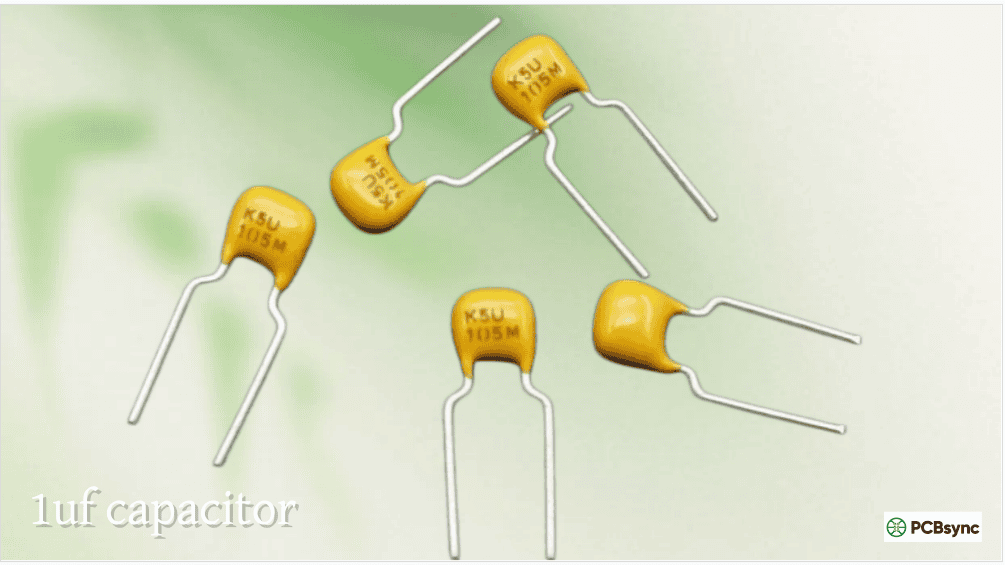
A 1uf capacitor stores 1 microfarad (1×10⁻⁶ farads) of electrical charge. In practical terms, this capacitance value creates specific impedance characteristics that make it ideal for audio frequency work, medium-speed digital circuits, and a surprising range of power management applications.
When I’m selecting capacitors for a new design, the 1µF value typically appears in three main categories: audio signal coupling, local power supply decoupling, and RC timing/filtering networks. Each application exploits different characteristics of the same basic component.
The frequency response of a 1uf capacitor depends heavily on its construction. At 1kHz, a 1µF capacitor has a capacitive reactance of about 159Ω. This drops to 16Ω at 10kHz and just 1.6Ω at 100kHz. Understanding this frequency-dependent behavior is crucial for proper application.
Types of 1uF Capacitors: Choosing the Right Technology
After spec’ing thousands of capacitors across various designs, I’ve learned that the technology you choose matters as much as the capacitance value itself.
Ceramic Capacitors (MLCC)
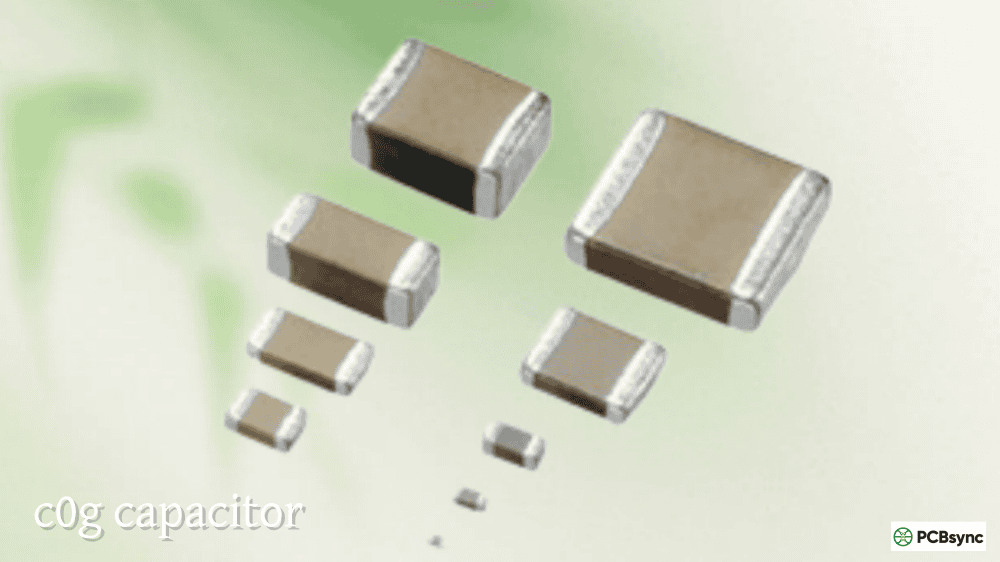
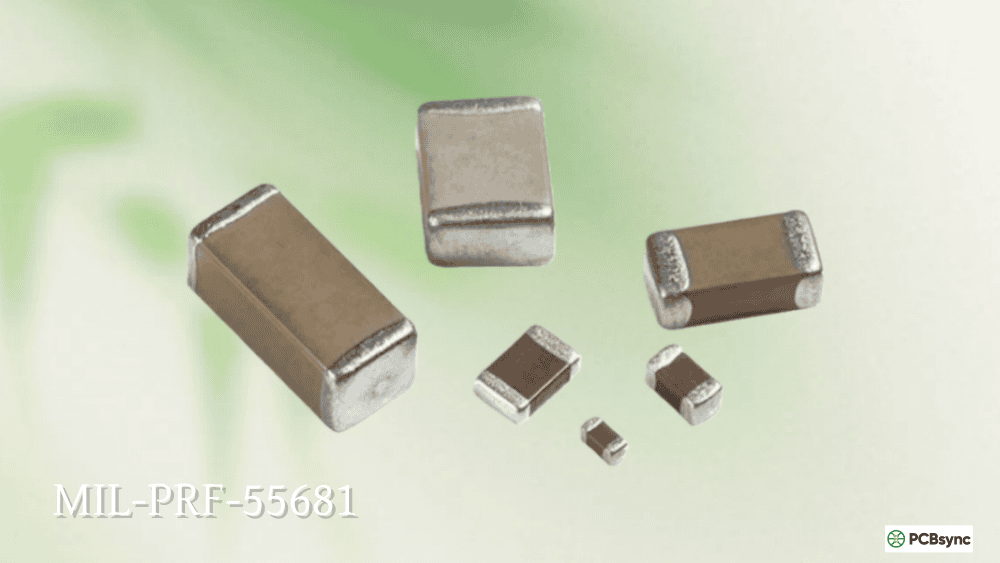
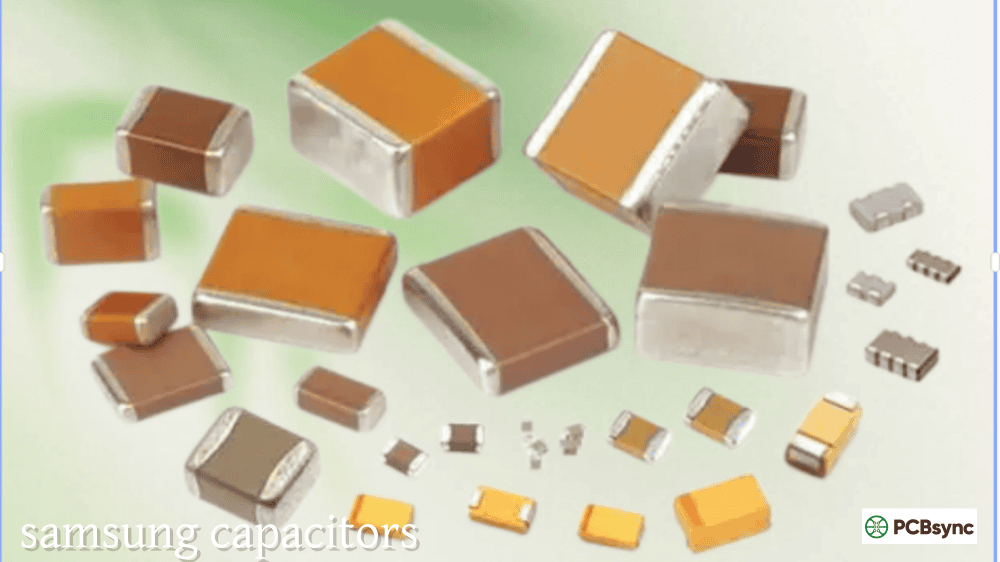
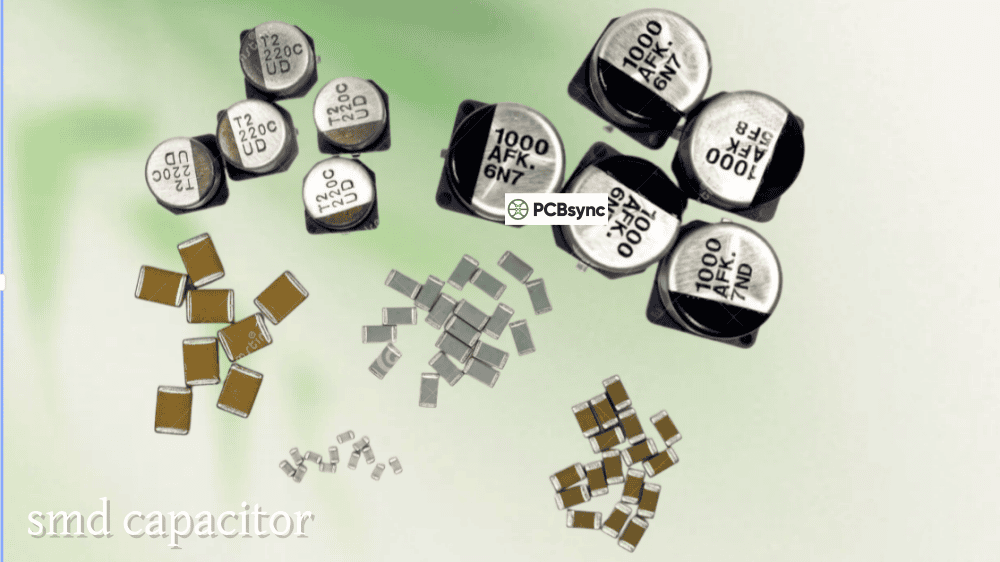
Ceramic 1uF capacitors have become ubiquitous in modern designs. When I started out, getting 1µF in a ceramic package was rare and expensive. Now they’re available in tiny 0603 packages.
Real-world characteristics:
Voltage ratings: 6.3V to 100V common
ESR: 0.005Ω to 0.05Ω (extremely low)
Non-polarized operation
Temperature stable variants (X7R, X5R recommended)
DC bias effect can be significant (expect 20-40% capacitance loss at rated voltage)
Package sizes: 0402 to 1210 SMD typical
Excellent high-frequency performance
I use ceramic 1µF caps extensively for power supply decoupling near ICs, where their low ESR and high self-resonant frequency provide excellent noise suppression. The DC bias effect is less severe at 1µF than at higher values, but I still check the derating curves.
Film Capacitors
Film capacitors at 1µF offer the best performance for audio applications, though they’re physically larger and more expensive.
Key attributes for audio work:
Polypropylene (MKP) or polyester (MKT) construction
Non-polarized
Ultra-low distortion and ESR
Voltage ratings typically 50V to 630V
Temperature stability excellent
Physical size: 10-20mm length typical
No aging or drift
Cost: 3-10× ceramic equivalents
When I’m designing audio circuits where signal purity matters, I always spec film capacitors. That 1µF polypropylene coupling cap in a tube amp or high-end preamp stage makes a measurable difference in THD and intermodulation distortion.
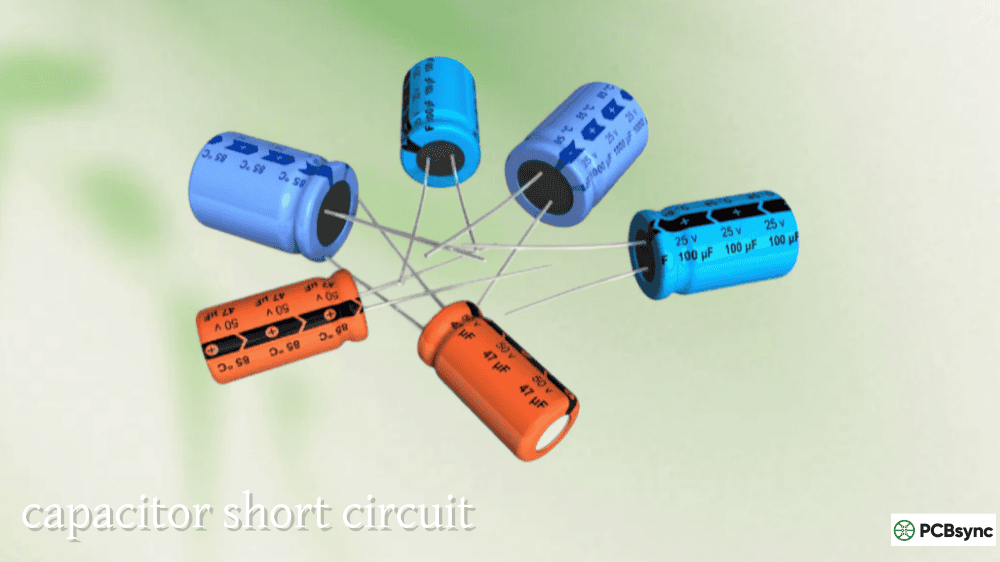
Aluminum Electrolytic Capacitors
While less common at 1µF, electrolytic construction appears in specific applications.
Where I use electrolytic 1µF caps:
Non-critical power supply applications
Polarized DC coupling where film caps are too expensive
Bulk energy storage where low ESR isn’t required
Cost-sensitive designs
ESR typically 0.5Ω to 2Ω
Voltage ratings: 6.3V to 100V+
Package: radial or axial through-hole
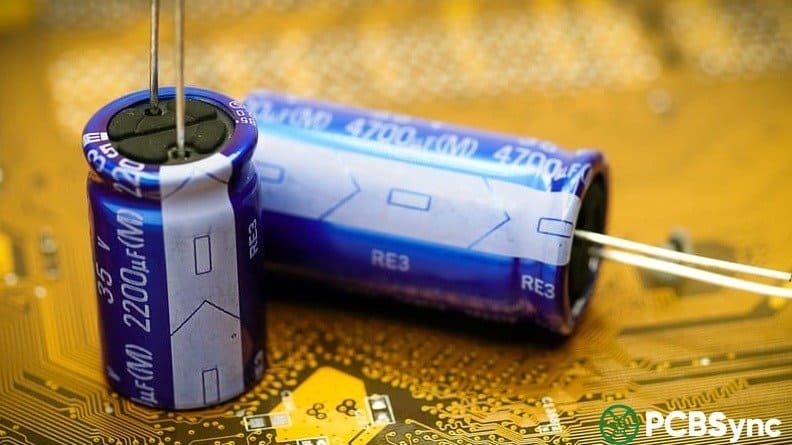
The main advantage is cost. The disadvantages include polarity sensitivity, higher ESR, limited frequency response, and aging characteristics.
Tantalum Capacitors
Tantalum 1µF capacitors occupy a middle ground between ceramic and electrolytic.
Practical considerations:
Compact size compared to electrolytics
ESR typically 0.5Ω to 1.5Ω
Good temperature stability
Polarized (catastrophic failure if reversed)
Voltage derating critical (I never exceed 50% rated voltage)
More expensive than aluminum electrolytics
Common in space-constrained designs
I use tantalum 1µF caps sparingly, mainly in applications where ceramic won’t work (due to microphonics or DC bias) and film caps are too large. Always include current-limiting protection.
Audio Circuit Applications: Where 1uF Capacitors Shine
This is where the 1uf capacitor truly excels. The value sits right in the sweet spot for audio frequency work (20Hz-20kHz).
Signal Coupling Between Amplifier Stages
In audio amplifiers, the 1uf capacitor serves as an AC coupling element that passes audio signals while blocking DC bias voltages.
How coupling capacitors work:
The cutoff frequency for a coupling capacitor is:
fc = 1 / (2π × R × C)
With a 1µF cap and typical audio impedances:
10kΩ load: fc = 16Hz (full audio bandwidth)
47kΩ load: fc = 3.4Hz (no bass attenuation)
1MΩ load: fc = 0.16Hz (guitar amp input typical)
Real design example from a recent tube preamp: I used 1µF polypropylene film caps to couple between gain stages with 220kΩ grid resistors. This gave a -3dB point at 0.7Hz, ensuring absolutely flat response down to 20Hz with zero phase shift in the audio band.
The film construction ensures negligible distortion. With an electrolytic, I’d see measurable harmonic distortion components, especially at high signal levels. With ceramic, I’d risk microphonic effects and DC bias issues.
Audio Crossover Networks
Speaker crossover design is another area where 1uF film capacitors appear frequently.
High-pass filter for tweeters:
In a first-order crossover protecting a tweeter:
1µF with 8Ω speaker: fc = 19.9kHz
1µF with 4Ω speaker: fc = 39.8kHz
These values work for super-tweeters or as part of higher-order networks. The key requirements:
High voltage rating (speaker voltage swings can be large)
Non-polarized operation
Minimal ESR to avoid power loss
I once debugged a commercial speaker system where the manufacturer had substituted electrolytics for the specified film caps to save cost. The tweeters burned out under high power because the electrolytic ESR dissipated too much energy as heat.
Guitar and Bass Electronics
In guitar and bass circuits, the 1uf capacitor value has become something of a standard.
Common applications I’ve implemented:
Tone control circuits: A 1µF cap to ground through a potentiometer creates a variable treble-cut filter. This appears in virtually every guitar and bass.
Input coupling: Many guitar effects pedals use 1µF ceramic or film caps at the input to block DC while passing all guitar frequencies (82Hz fundamental for low E string upward).
Treble bleed networks: I’ve designed custom treble bleed circuits for volume controls using 1µF caps. At partial volume settings, this prevents high-frequency rolloff.
One thing I learned from guitar pedal work: audiophiles aren’t crazy about film versus ceramic. A/B testing shows measurable differences in frequency response and harmonic content between capacitor types, even at the same nominal value.
Power Supply Decoupling and Bypassing
The 1uf capacitor serves critical roles in power management, particularly in mixed-signal and analog circuits.
Local IC Decoupling
For many analog ICs, a 1µF capacitor provides ideal decoupling characteristics.
My standard decoupling strategy:
0.1µF ceramic capacitor directly at IC power pins (high-frequency)
1µF ceramic or tantalum slightly further away (medium-frequency)
10-100µF bulk cap per circuit section (low-frequency)
This three-tier approach covers different frequency ranges effectively. The 1µF handles the 10kHz-1MHz range that the 0.1µF starts to miss and the bulk cap can’t reach.
Practical example from an instrumentation amplifier design:
Power supply: ±15V IC: AD620 instrumentation amplifier Decoupling per rail:
0.1µF X7R ceramic (0603 package) at pins 4 and 7
1µF X7R ceramic (0805 package) 5mm from IC
10µF tantalum at power entry point
This arrangement kept power supply rejection ratio (PSRR) above 100dB across the audio band. Without the 1µF caps, I saw degraded PSRR and increased noise floor.
Analog Power Supply Filtering
For low-noise analog supplies, 1µF capacitors complement larger bulk storage caps.
Where I place 1µF caps in power supplies:
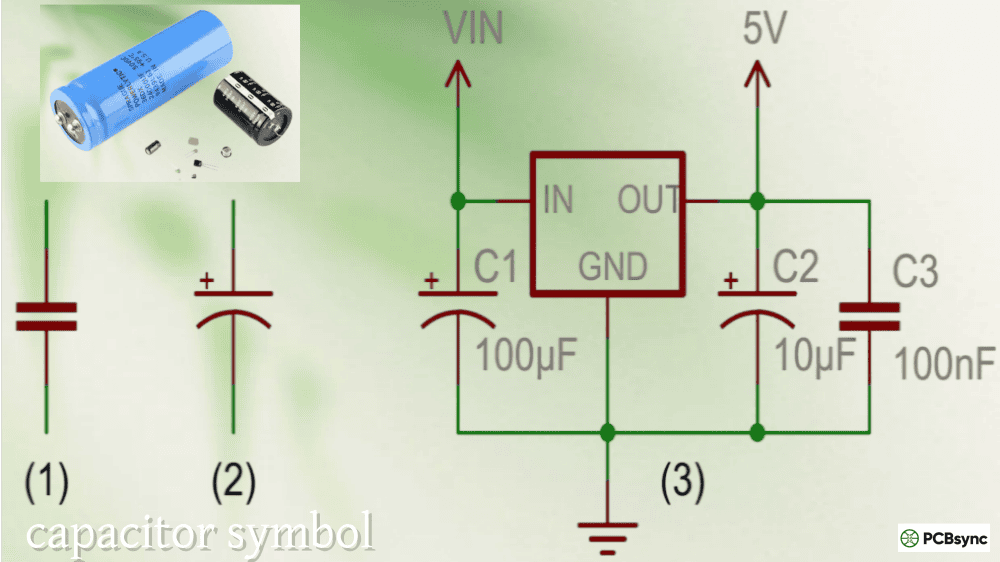
After linear regulators: Most LDO and linear regulator datasheets specify 1µF minimum output capacitance. I typically use 1µF ceramic plus 10µF tantalum for optimum transient response and stability.
Reference voltage filtering: Precision voltage references often require 1µF bypass caps for stability and noise reduction.
Analog supply pins: On ADCs, DACs, and precision analog ICs, I place 1µF caps on analog supply pins separately from digital supplies.
The 1µF value provides good energy storage while maintaining low impedance at frequencies where larger electrolytics start to lose effectiveness due to ESR and ESL.
Digital Circuit Decoupling
While 0.1µF is the standard for digital logic decoupling, 1µF caps play supporting roles.
When I use 1µF for digital circuits:
Bulk decoupling for IC groups: One 1µF per 3-4 digital ICs, in addition to individual 0.1µF caps
High-current digital ICs: Microcontrollers, FPGAs, and processors benefit from 1µF caps near power pins to handle current surges
Mixed-signal devices: On microcontrollers with ADC peripherals, I place 1µF on the analog supply pins
Clock circuits: Crystal oscillators and clock synthesizers get 1µF decoupling for clean power
Signal Processing and Filtering Applications
The 1uf capacitor excels in active filter designs and signal conditioning circuits.
RC Low-Pass Filters
In low-pass filter applications, 1µF provides useful cutoff frequencies with practical resistor values.
Cutoff frequency examples:
Resistor Value
Cutoff Frequency (fc)
Application Example
100Ω
1.59kHz
Audio anti-aliasing
1kΩ
159Hz
Subsonic filter
10kΩ
15.9Hz
DC-coupled audio
100kΩ
1.59Hz
Ultra-low frequency
1MΩ
0.159Hz
Bias network
Real design case: I designed an ECG amplifier front-end that needed 40Hz low-pass filtering. Using 1µF film caps with 3.9kΩ resistors gave me fc = 40.8Hz. The film construction minimized noise contribution and distortion.
RC High-Pass Filters
For high-pass applications, 1µF blocks DC while passing AC signals above a defined frequency.
Application scenarios I encounter regularly:
AC coupling in signal chains: 1µF with 10kΩ input impedance gives fc = 16Hz, perfect for audio coupling that preserves bass response
Servo loops: In DC-coupled amplifiers, 1µF caps in feedback paths create high-pass characteristics that reject DC offset
EMI filtering: 1µF caps to ground create low-pass filters that attenuate high-frequency interference
Active Filter Designs
In active filters using op-amps, 1µF capacitors set frequency response characteristics.
Sallen-Key low-pass filter example:
For a 2nd-order Butterworth low-pass with fc = 1kHz:
C1 = C2 = 1µF
R1 = R2 = 100Ω
Provides -40dB/decade rolloff above cutoff
I use this topology for anti-aliasing filters before ADCs. The 1µF value works well because:
Low enough impedance for good noise performance
High enough to avoid excessively low resistor values
Available in low-distortion film or low-noise ceramic
RC Timing Circuits and Oscillators
The 1uf capacitor appears frequently in timing applications where moderate time constants are needed.
Time Constant Calculations
The RC time constant (τ) determines charge/discharge rate:
τ = R × C
With C = 1µF, practical time constants include:
Resistor
Time Constant
Time to 99% Charge (5τ)
1kΩ
1ms
5ms
10kΩ
10ms
50ms
100kΩ
100ms
500ms
1MΩ
1 second
5 seconds
10MΩ
10 seconds
50 seconds
555 Timer Applications
In 555 timer circuits, 1µF capacitors set timing intervals.
Monostable (one-shot) configuration:
Pulse width: t = 1.1 × R × C
With 1µF cap:
10kΩ resistor: 11ms pulse
100kΩ resistor: 110ms pulse
1MΩ resistor: 1.1 second pulse
Astable (oscillator) configuration:
Frequency: f ≈ 1.44 / ((R1 + 2×R2) × C)
I designed a LED flasher using 1µF timing capacitor with R1 = 1kΩ and R2 = 100kΩ, giving approximately 7Hz flash rate. Ceramic capacitors work fine here since timing precision isn’t critical.
Phase-Shift Oscillators
In RC oscillator designs, 1µF values appear in audio frequency oscillators.
Three-stage phase shift oscillator:
For 60° phase shift per stage: f = 0.28 / (R × C)
With 1µF and 1kΩ: f = 280Hz With 1µF and 10kΩ: f = 28Hz
I built a function generator using this topology with 1µF polypropylene caps and a potentiometer for frequency adjustment. The low distortion of film caps produced cleaner sine waves than ceramic alternatives.
Specification Comparison Table for 1uF Capacitors
Parameter
Ceramic (X7R)
Film (Polypropylene)
Aluminum Electrolytic
Tantalum
Typical voltage ratings
6.3V – 100V
50V – 630V
6.3V – 100V
6.3V – 50V
ESR @ 100kHz
0.005Ω – 0.05Ω
0.01Ω – 0.1Ω
0.5Ω – 2Ω
0.5Ω – 1.5Ω
Tolerance
±10%, ±20%
±5%, ±10%
±20%
±10%, ±20%
Temperature range
-55°C to +125°C
-40°C to +105°C
-40°C to +85°C
-55°C to +125°C
DC bias effect
Moderate (-20 to -40%)
None
Minimal
Minimal
Polarity
Non-polarized
Non-polarized
Polarized
Polarized
Package size (typical)
0603 – 1206 SMD
10mm × 5mm × 10mm
Ø5mm × 11mm
Ø3.5mm × 2.8mm
Relative cost
$$
$$$$
$
$$$
Audio applications
Good
Excellent
Fair
Good
Power decoupling
Excellent
Good
Fair
Good
High frequency
Excellent
Good
Poor
Good
Longevity
Excellent
Excellent
Fair (aging)
Excellent
Design Considerations and Best Practices
After years of troubleshooting failed designs, I’ve developed these guidelines for using 1uf capacitor values effectively.
Voltage Rating Selection
My voltage derating rules:
Ceramic: 2× operating voltage minimum (to account for DC bias effect too)
Film: 1.5-2× operating voltage
Electrolytic: 2× operating voltage
Tantalum: 3× operating voltage (catastrophic failure mode requires extreme caution)
For example, in a 12V audio circuit, I specify:
Ceramic: 25V minimum
Film: 25-50V
Electrolytic: 25-35V
Tantalum: 35-50V
Temperature Coefficient Considerations
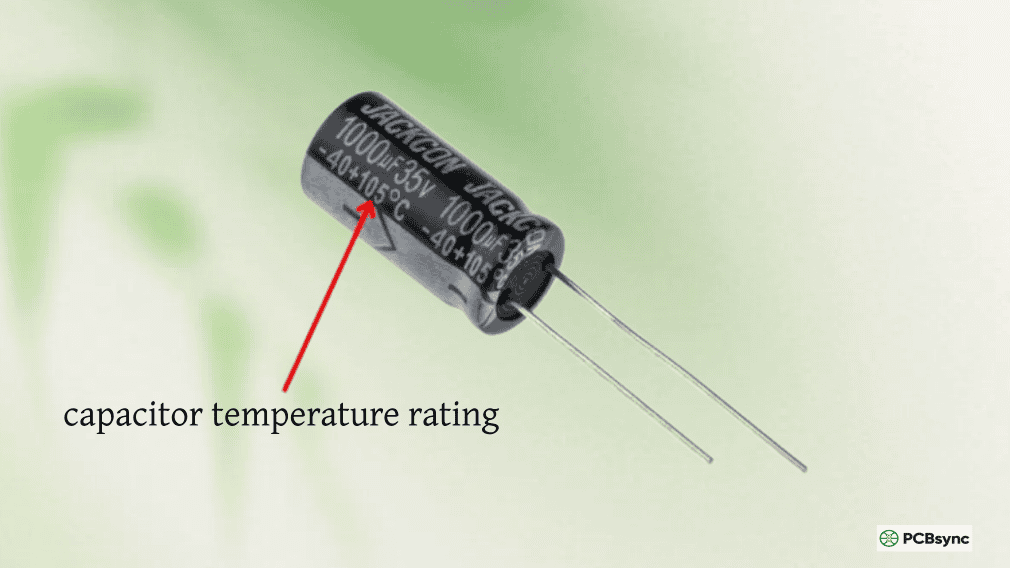
For circuits operating over temperature extremes, capacitor temperature characteristics matter enormously.
Temperature stability by type:
X7R ceramic: ±15% from -55°C to +125°C (my go-to for most applications)
X5R ceramic: ±15% from -55°C to +85°C (lower temp coefficient than X7R at lower temps)
Y5V ceramic: -82% to +22% from -30°C to +85°C (avoid except for non-critical applications)
Film capacitors: ±2-5% across operating range (best stability)
I learned this lesson debugging an automotive design that failed cold-soak testing. The Y5V ceramic 1µF caps lost 70% of their capacitance at -40°C, causing oscillator frequency shift and circuit malfunction. Switching to X7R solved the problem.
PCB Layout Guidelines
Proper layout dramatically affects capacitor performance, especially at higher frequencies.
Layout rules I follow:
Keep traces short: For decoupling caps, minimize trace length between cap and IC power pins. Under 5mm for 1µF power supply decoupling.
Use wide traces: Power and ground connections should be as wide as routing allows. I typically use 0.5mm minimum.
Ground plane connection: Multiple vias connecting capacitor ground to ground plane (at least 2 vias for 1µF power decoupling).
Avoid thermal relief on decoupling caps: For 1µF decoupling applications, direct plane connection (no thermal relief) reduces impedance, though this makes hand soldering harder.
Placement priority: Place 1µF caps after 0.1µF but before bulk caps in the power distribution network.
Application: Balanced line-level audio preamplifier for studio equipment
Solution:
Input coupling: 1µF 630V polypropylene film (Vishay MKP1837)
Power supply decoupling per op-amp: 1µF X7R ceramic + 10µF tantalum
Output coupling: 1µF 400V polypropylene film
Design rationale: Film caps on signal path eliminate any possibility of distortion. The 630V rating provides massive voltage margin for maximum linearity. Ceramic power decoupling keeps op-amp power clean at high frequencies.
Measured performance:
THD: <0.0003% @ 1kHz, 2Vrms output
Frequency response: ±0.1dB from 5Hz to 80kHz
Power supply rejection: >100dB at 1kHz
Example 2: Precision ADC Front-End
Application: 16-bit SAR ADC for industrial measurement
Why this worked: Low-noise X7R ceramics for power decoupling kept analog supply noise below 10µVrms. Film cap in anti-aliasing filter ensured linearity. Multiple parallel decoupling caps created low-impedance power delivery across frequency spectrum.
Results:
SNR: 92dB (datasheet maximum)
INL: <2LSB
No missing codes across entire range
Example 3: Guitar Pedal Tone Control
Application: Active tone control for overdrive pedal
Solution:
Bass control: 1µF polypropylene to ground through 100kΩ pot
Treble control: 1µF ceramic to ground through 50kΩ pot
IC decoupling: 1µF ceramic per supply
Practical considerations: Film cap on bass control preserved low-frequency tone quality. Ceramic acceptable for treble since high frequencies are less sensitive to capacitor artifacts. Clean power prevented oscillation and noise.
Guitarist feedback: “Natural-sounding tone control without harshness or muddiness” – exactly what we wanted.
Frequently Asked Questions
Can I substitute different types of 1uF capacitors for each other?
This depends entirely on the application, and honestly, it’s more nuanced than most datasheets let on. I’ve made this substitution countless times, sometimes successfully and sometimes not.
When substitution works fine:
Power supply decoupling (ceramic for electrolytic usually works great)
Audio coupling stages (ceramic can introduce microphonics and artifacts)
Precision timing (different tolerances and temperature coefficients)
High-voltage applications (film caps needed)
Circuits sensitive to ESR (switching regulators)
Real example from my work: I once substituted X5R ceramic for film caps in a tube amp to save cost. Measurable harmonic distortion increased from 0.002% to 0.015%, and some players reported the amp sounded “harsh.” Switching back to film caps resolved it. The capacitance was the same, but the dielectric characteristics weren’t.
My recommendation: For audio applications, stick with film. For power decoupling, ceramic is usually superior. For cost-sensitive non-critical apps, use whatever’s cheapest. Always test the substitution if performance matters.
What cutoff frequency do I get with a 1uF capacitor in my filter?
The cutoff frequency depends on both the capacitance AND the resistance. Use this formula:
fc = 1 / (2π × R × C)
For C = 1µF, here are common combinations:
Audio frequency filters:
R = 1kΩ: fc = 159Hz (good for rumble filter)
R = 10kΩ: fc = 16Hz (full audio bandwidth)
R = 100kΩ: fc = 1.6Hz (DC coupled audio)
Signal processing:
R = 100Ω: fc = 1.59kHz (anti-aliasing for voice)
R = 1kΩ: fc = 159Hz (sensor filtering)
R = 10kΩ: fc = 16Hz (low-frequency cutoff)
Practical tip: The actual -3dB frequency might differ slightly from calculation due to source and load impedances, especially in passive filters. Always verify with actual measurements if frequency response is critical.
I typically design for fc to be about 30% below my target if it’s a critical specification, then trim resistor values during prototyping to hit the exact frequency needed.
How do I know if DC bias effect matters for my ceramic 1uF capacitor?
DC bias effect reduces ceramic capacitor value when DC voltage is applied. For 1µF ceramics, expect 20-40% capacitance loss at rated voltage.
When it matters:
Power supply decoupling (reduced effective capacitance means less filtering)
Timing circuits (changes RC time constant)
Filter circuits (shifts cutoff frequency)
Any application where the capacitance value is critical
When it doesn’t matter much:
Bulk decoupling where you have margin
Non-critical applications
When you’ve overspec’d capacitance to account for it
Calculate actual capacitance at your operating voltage
Either accept the reduced value or increase nominal capacitance to compensate
Example from a recent design: I needed 1µF at 5V operating voltage. Checking the TDK datasheet for a 1µF 10V X7R cap showed 40% loss at 5V. So I actually specified a 1.5µF cap, which gave me 0.9µF at operating voltage – close enough.
Alternative: Use C0G/NP0 dielectric (no DC bias effect) but these are expensive and limited to lower values and voltages.
Can I use a 1uF capacitor as a power supply filter capacitor?
Yes, but with important limitations. The 1µF value works well for local filtering but not for bulk energy storage.
Where 1µF works as power filtering:
After linear regulators (most LDO datasheets require 1µF minimum)
Local IC decoupling (medium-frequency filtering)
High-frequency supply line filtering
Voltage reference bypass capacitors
Between power stages (in addition to bulk caps)
Where 1µF is insufficient:
Main reservoir capacitor in power supply (need 100-10,000µF typically)
Motor starting applications
High peak current applications
Long duration energy storage
My typical power supply strategy:
Bulk storage: 100-1000µF electrolytic
Medium frequency: 10µF tantalum or ceramic
Local IC filtering: 1µF ceramic
High frequency: 0.1µF ceramic
Each tier handles different frequency ranges. The 1µF caps excel at the 1kHz-1MHz range where larger caps lose effectiveness due to ESR and ESL.
Real failure example: I once saw a design where someone used only 1µF output capacitance on a 1A switching regulator. The insufficient bulk storage caused massive voltage droop during load transients, crashing the microcontroller. Adding 47µF bulk storage fixed it immediately. The 1µF alone couldn’t supply enough charge during fast current changes.
How does temperature affect my 1uF capacitor in audio circuits?
Temperature affects capacitance value, and this can impact audio circuits, though usually less than you’d think.
Capacitance change with temperature:
X7R ceramic: ±15% from -55°C to +125°C
At -40°C: might be 0.85µF
At +25°C: 1.0µF (nominal)
At +85°C: might be 1.1µF
Film capacitors: ±2% across rated temperature range
Extremely stable
Best choice when temperature stability matters
For audio coupling applications: A 15% change in coupling capacitor value shifts the low-frequency cutoff but usually not enough to be audible. With a 1µF coupling cap and 47kΩ load (fc = 3.4Hz), a 15% capacitance change moves fc to either 2.9Hz or 4.0Hz – both well below audible range.
Where temperature sensitivity matters more:
Precision filters (frequency shifts with temperature)
My solution approach: For precision audio work, I use film caps (temperature stable). For general audio coupling, X7R ceramic is fine – the temperature drift is inaudible. For critical frequency-determining applications, I either use film caps or design with enough margin that temperature drift doesn’t matter.
Practical test: I once temperature-cycled a guitar amp from -10°C to +50°C while monitoring frequency response. The X7R ceramic coupling caps shifted bass response by less than 0.5dB – completely inaudible in practice. When I substituted film caps, the measurement difference was real but still inaudible. Cost savings won that decision.
Conclusion: The Versatile 1uF Capacitor
Looking back at two decades of circuit design, the 1uf capacitor appears in more of my schematics than any other single capacitance value. It’s not sexy, it’s not expensive, and it rarely gets attention. But it quietly does the work that makes circuits function properly.
From coupling audio signals in tube amps to decoupling microcontroller power supplies, from setting timing constants in 555 circuits to filtering sensor signals in precision instruments, the 1µF value solves real problems. The key is choosing the right technology for each application and understanding the trade-offs.
Film capacitors when audio quality matters. Ceramic when size and high-frequency performance matter. Electrolytic when cost matters and performance requirements are modest. Tantalum when reliability and space both matter. Each technology brings different characteristics to the same 1µF specification.
The next time you’re spec’ing capacitors for a new design, don’t just grab a 1µF because it’s there. Think about your frequency range, your impedance requirements, your temperature environment, and your performance goals. Then choose the 1µF variant that actually matches your needs.
And always, always prototype and test. Theory gets you close, but measurements tell you what actually works. That’s how you develop the intuition that makes component selection second nature rather than guesswork.
Inquire: Call 0086-755-23203480, or reach out via the form below/your sales contact to discuss our design, manufacturing, and assembly capabilities.
Quote: Email your PCB files to Sales@pcbsync.com (Preferred for large files) or submit online. We will contact you promptly. Please ensure your email is correct.
Notes: For PCB fabrication, we require PCB design file in Gerber RS-274X format (most preferred), *.PCB/DDB (Protel, inform your program version) format or *.BRD (Eagle) format. For PCB assembly, we require PCB design file in above mentioned format, drilling file and BOM. Click to download BOM template To avoid file missing, please include all files into one folder and compress it into .zip or .rar format.