Inquire: Call 0086-755-23203480, or reach out via the form below/your sales contact to discuss our design, manufacturing, and assembly capabilities.
Quote: Email your PCB files to Sales@pcbsync.com (Preferred for large files) or submit online. We will contact you promptly. Please ensure your email is correct.
Notes: For PCB fabrication, we require PCB design file in Gerber RS-274X format (most preferred), *.PCB/DDB (Protel, inform your program version) format or *.BRD (Eagle) format. For PCB assembly, we require PCB design file in above mentioned format, drilling file and BOM. Click to download BOM template To avoid file missing, please include all files into one folder and compress it into .zip or .rar format.
Elegoo Super Starter Kit vs Arduino Starter Kit: Complete Comparison Guide
As someone who’s designed hundreds of custom PCBs and guided countless students through their first electronics projects, I get asked this question weekly: “Should I buy the official Arduino Starter Kit or save money with an Elegoo clone?” The answer isn’t as straightforward as “buy the cheapest” or “always buy authentic.” Understanding the Elegoo Super Starter Kit vs Arduino Starter Kit debate requires looking beyond price tags to examine component quality, documentation depth, long-term value, and your specific learning goals.
Having personally tested both kits extensively in classroom settings and professional prototyping environments, I can tell you that each offers distinct advantages depending on whether you prioritize brand authenticity, component quantity, budget constraints, or documentation quality. This comparison will help you make an informed decision based on real-world performance rather than marketing claims.
The Arduino platform revolutionized electronics education by providing an accessible <a href=”https://pcbsync.com/arduino/”>Arduino</a> microcontroller ecosystem. But Arduino’s open-source nature spawned numerous compatible manufacturers, with Elegoo emerging as the most prominent alternative. Let’s examine how these two starter kits stack up across every dimension that matters.
Understanding the Core Differences Between Elegoo and Arduino
Before diving into specific kit comparisons, understanding the fundamental relationship between these brands clarifies what you’re actually buying when choosing between them.
Brand Origins and Philosophy
Arduino: Founded in 2005 at Italy’s Interaction Design Institute Ivrea, Arduino pioneered the concept of accessible, open-source microcontroller platforms. The Arduino team develops both hardware designs and the Arduino IDE software. When you purchase official Arduino products, your money directly supports ongoing platform development, educational initiatives, and community resources. Arduino maintains strict quality control over manufacturing, typically outsourcing production to licensed partners who meet rigorous standards.
Elegoo: Shenzhen Elegoo Technology Co., Ltd. emerged more recently as an open-source hardware manufacturer. Rather than developing original designs, Elegoo leverages Arduino’s freely available schematics to produce compatible alternatives. This approach allows aggressive pricing while maintaining technical compatibility. Elegoo focuses on manufacturing efficiency and component selection rather than platform development—they rely on Arduino’s IDE and ecosystem entirely.
This distinction matters more than many realize. Arduino innovates and maintains the software platform both brands depend upon. Elegoo contributes nothing to Arduino’s development costs but benefits fully from Arduino’s work. From an ethical standpoint, some makers prefer supporting the original innovator. From a practical standpoint, Elegoo provides budget-conscious access to Arduino’s ecosystem.
Technical Compatibility Reality
Both kits use identical microcontroller chips for their main boards. The Arduino Uno R3 and Elegoo Uno R3 both employ the ATmega328P microcontroller manufactured by Microchip Technology (formerly Atmel). This fundamental compatibility means:
Identical Processing Power: Both run at 16MHz with 32KB flash memory, 2KB SRAM, and 1KB EEPROM
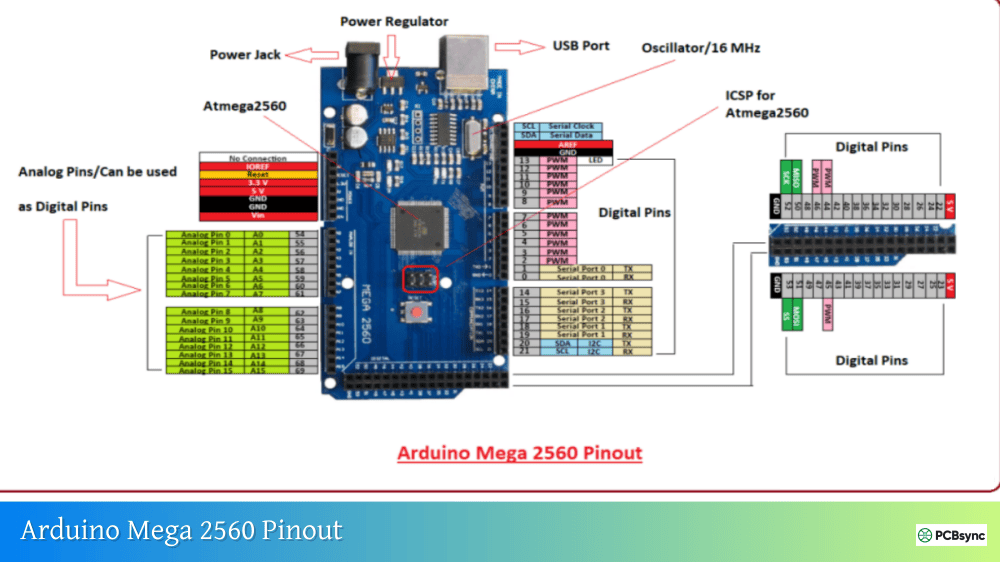
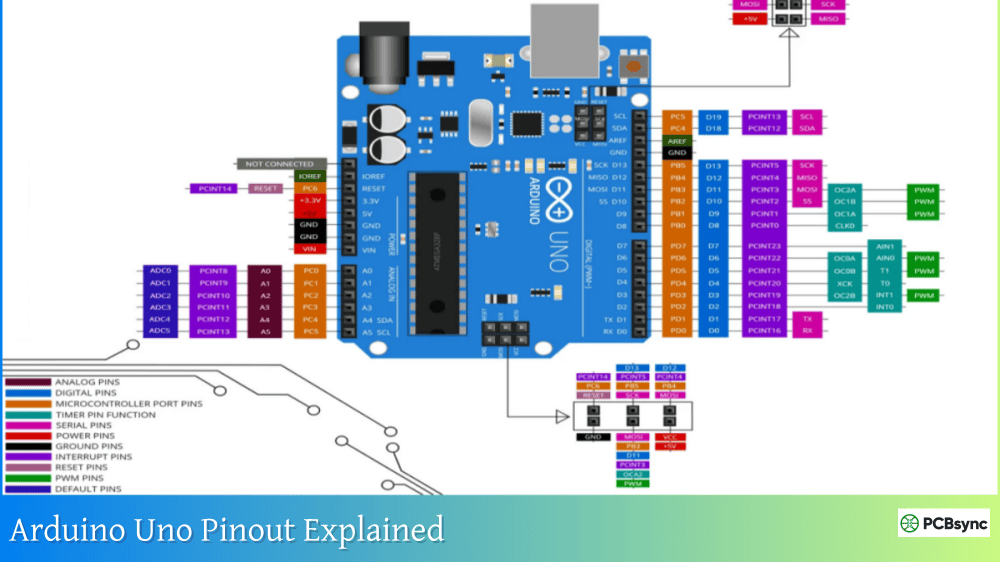
Same Pinout: All GPIO, analog, power, and communication pins occupy identical positions
Full Software Compatibility: Programs written for Arduino Uno run unchanged on Elegoo Uno
Shared Bootloader: Both use the Arduino bootloader enabling USB programming
The chips come from the same source. The board layouts follow the same open-source schematics. Functionally, they’re equivalent. Differences emerge in component quality, PCB manufacturing standards, documentation approach, and included accessories rather than core functionality.
Component Comparison: Elegoo Super Starter Kit vs Arduino Starter Kit
The most visible difference between these kits appears when you open the boxes. Component selection and quantity varies significantly, impacting the range of projects you can build immediately.
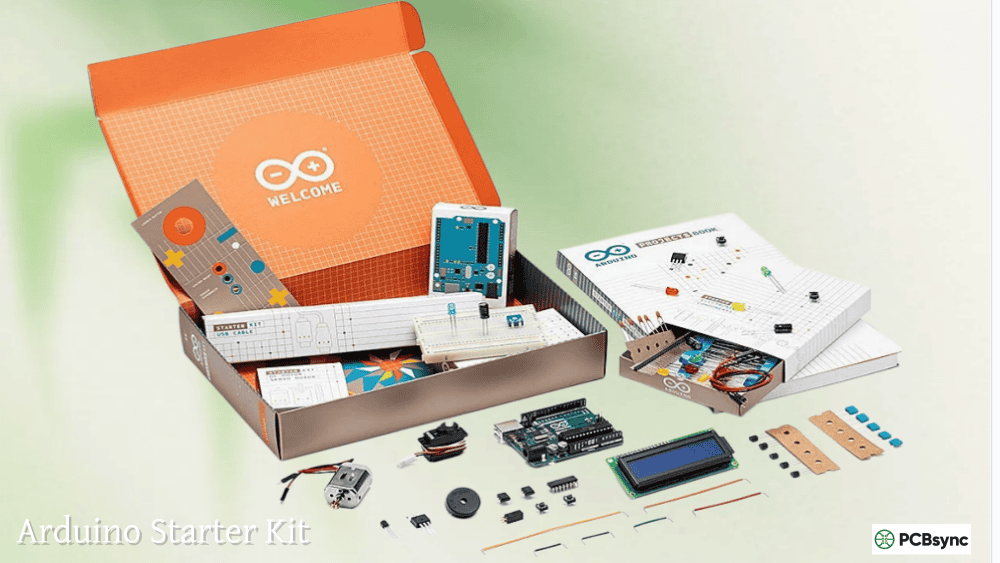
Official Arduino Starter Kit Contents
Component Category
Quantity/Details
Purpose
Microcontroller
1x Arduino Uno R3
Main board with ATmega328P
Breadboard
1x 400-point breadboard
Solderless prototyping
USB Cable
1x Type A to Type B
Programming and power
9V Battery Snap
1x with DC barrel connector
Portable power option
Jumper Wires
Solid core and stranded
Circuit connections
LEDs
Assorted colors (red, green, yellow, white)
Visual output and indicators
Resistors
Various values (220Ω, 560Ω, 1kΩ, 4.7kΩ, 10kΩ)
Current limiting and pull-up/down
Pushbuttons
6x momentary tactile switches
User input
Potentiometer
1x 10kΩ trimmer
Analog input control
Temperature Sensor
1x TMP36
Analog temperature measurement
Tilt Sensor
1x ball-type
Motion/orientation detection
LCD Display
1x 16×2 character display
Text output
DC Motor
1x small hobby motor
Motion projects
Servo Motor
1x SG90 micro servo
Precise angular control
Piezo Element
1x buzzer
Audio output
Photoresistors
2x LDRs
Light sensing
Transistors
2N2222 and IRF520 MOSFET
Motor driving and switching
Optocoupler
1x 4N35
Electrical isolation
Capacitors
Electrolytic and ceramic types
Filtering and timing
Diodes
1N4007 rectifier diodes
Protection and rectification
H-Bridge
1x L293D motor driver IC
Bidirectional motor control
Project Book
170-page physical guidebook
15 guided projects with theory
The Arduino kit provides approximately 100-120 individual components. Everything necessary for the 15 projects in the guidebook comes included, with modest extras for experimentation. The selection emphasizes quality over quantity—you won’t find advanced sensors, but what’s included performs reliably.
Elegoo Super Starter Kit Contents
Component Category
Quantity/Details
Purpose
Microcontroller
1x Elegoo Uno R3
Arduino-compatible main board
Breadboard
1x 830-point breadboard
Larger prototyping area
Expansion Board
1x breadboard shield
Uno-to-breadboard interface
USB Cable
1x Type A to Type B
Programming and power
Power Supply Module
Breadboard power supply with switch
Regulated 5V/3.3V power
9V Battery
1x with snap connector
Portable power
Jumper Wires
M-M, M-F, F-F in various lengths
Extensive connection options
LEDs
50+ pieces in multiple colors
Output indicators
Resistors
Extensive variety (220Ω-1MΩ)
All common values included
Pushbuttons
10x momentary switches
Multiple input options
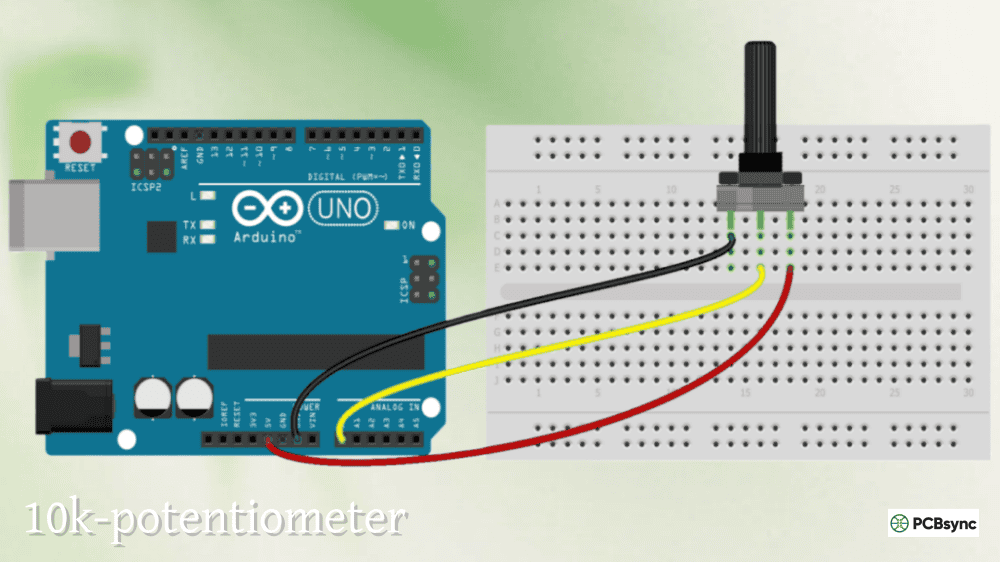
Potentiometer
1x 10kΩ rotary
Analog control
LCD Display
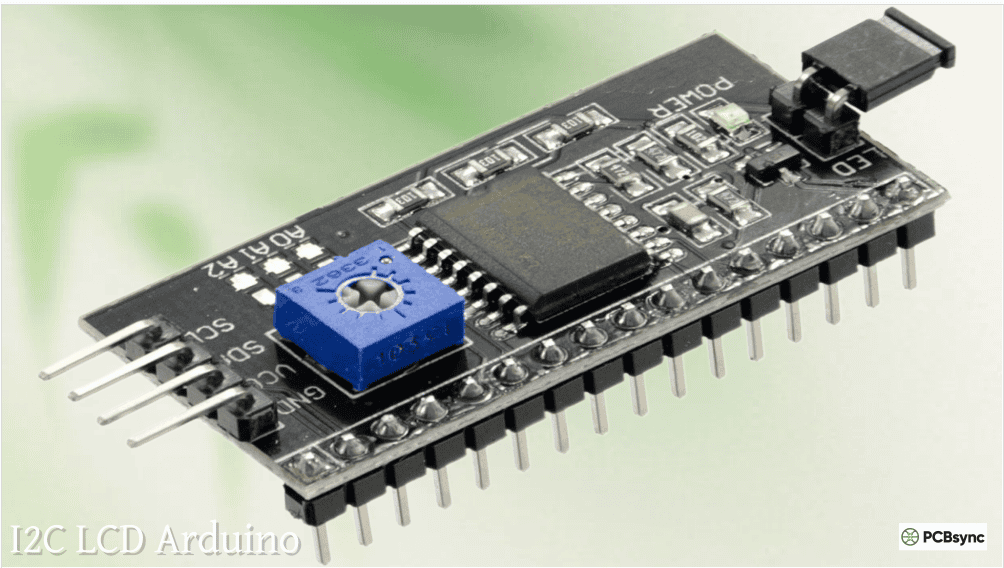
1x 16×2 with pre-soldered I2C adapter
Easy text output
Servo Motor
1x SG90
Angular positioning
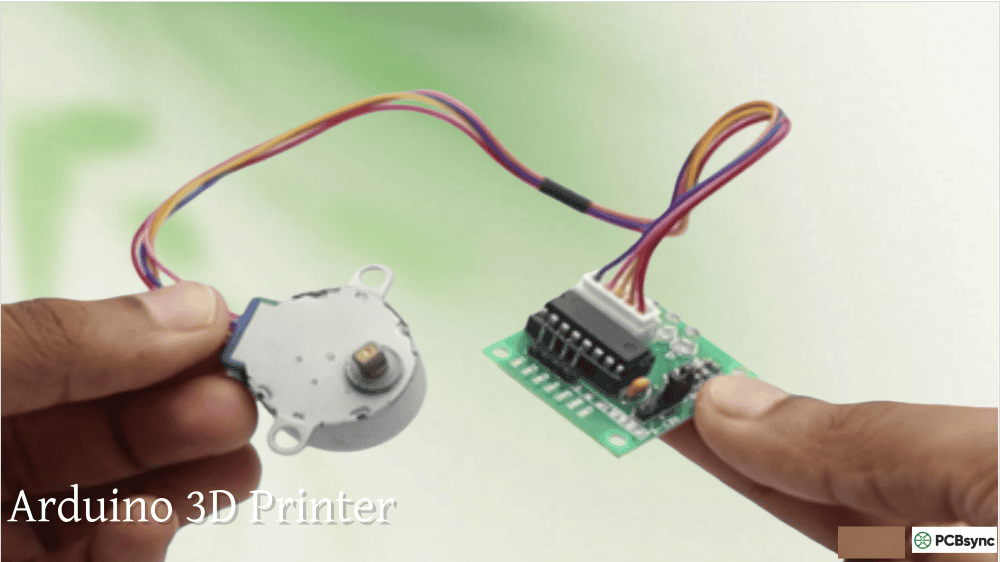
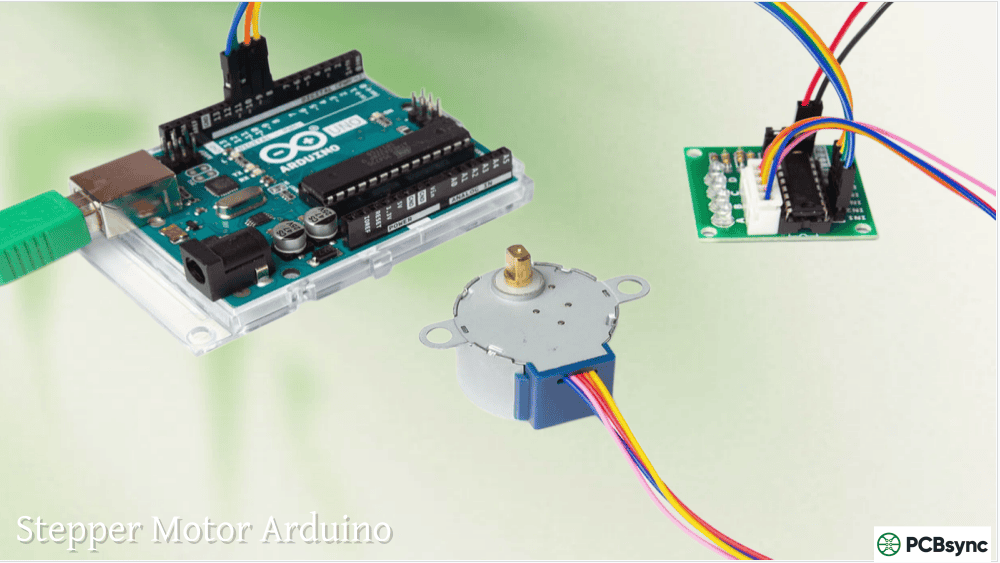
Stepper Motor
1x 28BYJ-48 with ULN2003 driver
Precise stepping control
DC Motor
1x with propeller
Motion projects
Ultrasonic Sensor
1x HC-SR04
Distance measurement
PIR Motion Sensor
1x HC-SR501
Motion detection
DHT11 Sensor
1x temperature/humidity module
Environmental sensing
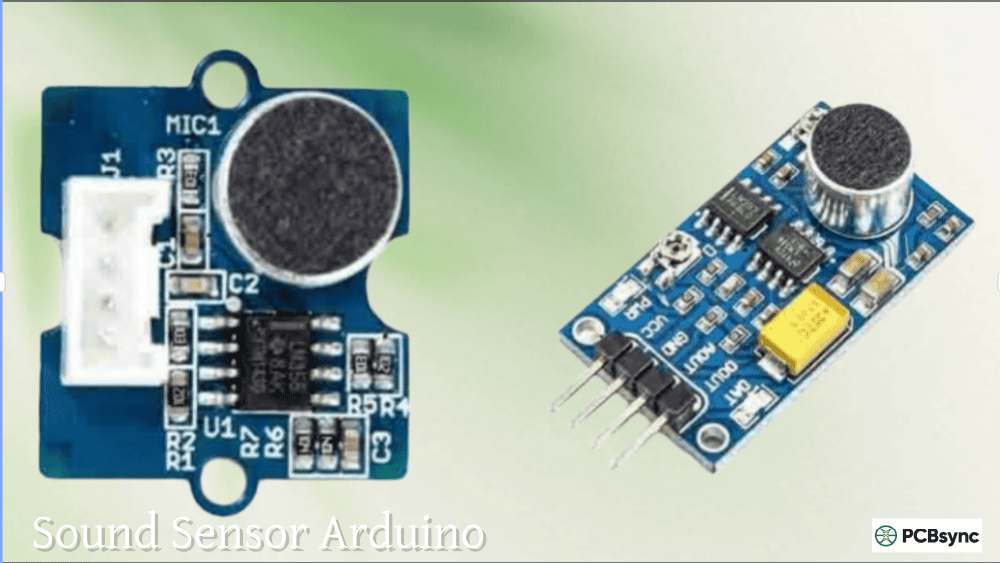
Sound Sensor
1x microphone module
Audio detection
Joystick Module
1x analog 2-axis
Game controller input
IR Remote Kit
Remote + receiver module
Wireless control
RFID Module
RC522 with cards/tags
Access control basics
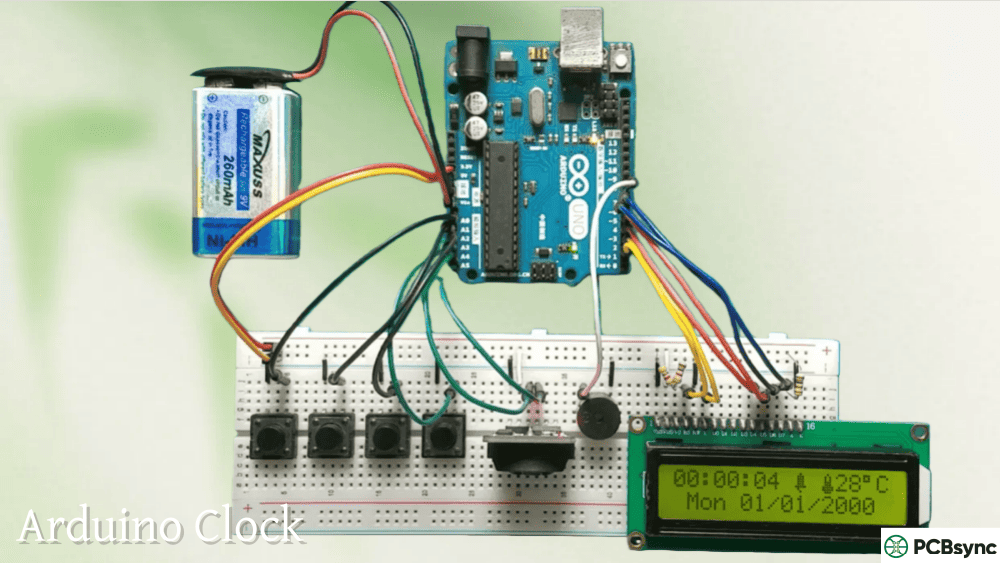
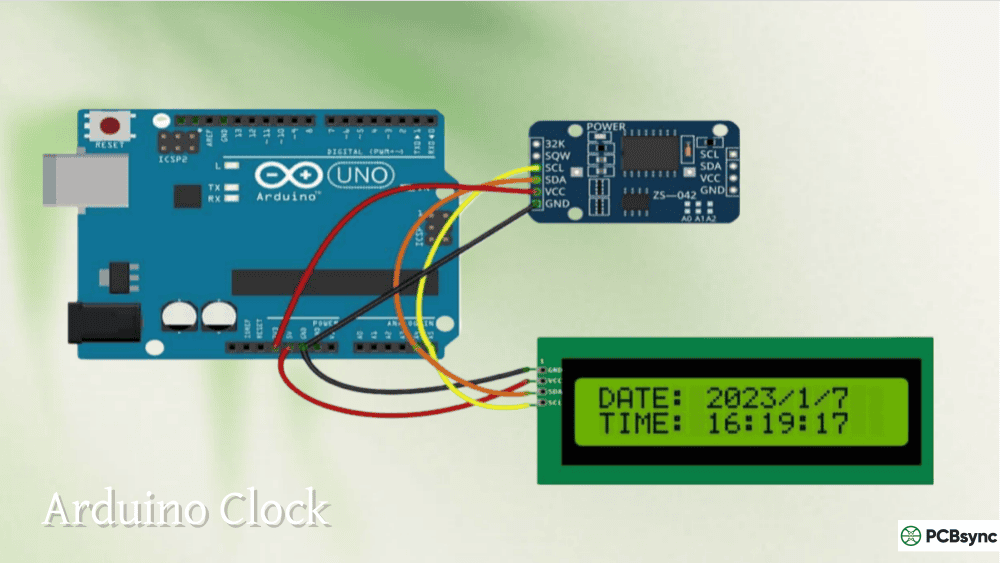
Real-Time Clock
DS1307 with battery
Timekeeping functionality
Shift Registers
74HC595
Digital output expansion
7-Segment Displays
4-digit and 1-digit
Numeric display
Passive/Active Buzzers
Both types included
Audio output variety
Component Storage
Plastic case with compartments
Organization system
Tutorial Materials
PDF tutorials via download
24+ lessons and projects
Elegoo’s kit contains 200+ individual pieces spanning 63 different component types. The quantity and variety significantly exceed Arduino’s official kit. You’ll find advanced modules (RFID, real-time clock, stepper motor) that Arduino’s basic kit doesn’t include.
Build Quality Observations: After extensive use of both kits in educational and prototyping contexts, here’s my honest assessment:
Official Arduino: The green PCB uses high-quality materials with excellent solder joints. Components mount securely, traces show consistent width, and silk-screen labeling remains clear after hundreds of handling cycles. Resistor tolerances typically measure within 1% of rated values. LEDs provide consistent brightness. The breadboard maintains firm connections even after thousands of insertions. These components survive student abuse remarkably well.
Elegoo: The blue PCB functions identically but shows visible quality differences under close inspection. Solder joints occasionally appear less polished (though still electrically sound). Component tolerances vary more—resistors might measure 3-5% off rated values rather than Arduino’s 1-2%. Jumper wires fail more frequently, losing contact after repeated use. The breadboard works fine initially but connection reliability decreases faster than Arduino’s version. For typical hobby use, these differences don’t significantly impact functionality. For classroom environments where equipment receives heavy use, the quality gap becomes noticeable after 6-12 months.
Documentation and Learning Resources Comparison
Hardware alone doesn’t teach electronics. Documentation quality directly impacts learning success, making this comparison crucial for beginners.
Arduino Starter Kit Documentation
The official Arduino Starter Kit includes a physical 170-page Projects Book representing years of pedagogical refinement. This book isn’t just instructions—it’s a carefully structured curriculum.
Structured Learning Approach: The 15 projects progress deliberately:
Foundation Projects (1-5): Introduce absolute basics—powering the board, uploading code, controlling LEDs, reading buttons, and understanding serial communication. Each project introduces one new concept while reinforcing previous lessons.
Integration Projects (6-10): Combine multiple components into functional systems. Build a light theremin, keyboard instrument, and digital hourglass. These projects teach how individual components work together in cohesive programs.
Advanced Projects (11-15): Tackle sophisticated concepts like motor control, LCD displays, and sensor integration. Create a crystal ball, knock lock, and tweeting mood lamp. These demonstrate real-world applications of Arduino technology.
Pedagogical Strength: Each project includes:
Theory Explanations: Why components work, not just how to connect them
Complete Code: Fully commented Arduino sketches with line-by-line explanations
Expected Results: What should happen when everything works correctly
Troubleshooting Tips: Common mistakes and how to fix them
Extension Challenges: Ideas for modifying projects to deepen understanding
The physical book format matters more than you might think. Beginners constantly reference instructions while building circuits. Having a book beside your workbench beats switching between computer windows where your Arduino IDE runs and PDF instructions. The paper doesn’t sleep, doesn’t require charging, and doesn’t tempt you with internet distractions.
Elegoo Super Starter Kit Documentation
Elegoo provides tutorials digitally—either on included CD or via online download. The current version offers 24+ lessons covering basic through intermediate concepts.
Tutorial Structure: Elegoo’s approach focuses more on project replication than conceptual understanding:
Basic Lessons (1-12): Cover LED control, button inputs, serial communication, analog sensors, and LCD displays. Instructions provide circuit diagrams and complete code with reasonable explanations.
Intermediate Lessons (13-24): Introduce motor control, sensor integration, wireless communication (IR remote), and advanced modules (RFID, real-time clock). Project complexity increases appropriately.
Strengths and Limitations: Elegoo’s documentation has improved significantly over the years. Early versions contained awkward English translations and minimal explanations. Current tutorials provide adequate instructions for completing projects successfully. However, theoretical depth remains shallower than Arduino’s approach. Elegoo tells you “connect this wire here, upload this code, it works” without extensively explaining why it works or how to modify it.
The PDF format offers advantages: searchability, zoom capability for circuit diagrams, and easy copying of code. But it lacks Arduino’s pedagogical sophistication and narrative flow. Elegoo’s tutorials feel more like assembly instructions, Arduino’s feel like lessons.
Community Resources: Here Elegoo benefits from Arduino’s ecosystem. Both kits use Arduino IDE, both use identical code, both connect to the same boards. Any Arduino tutorial online works for Elegoo boards. The massive Arduino community (forums, YouTube channels, project repositories) supports Elegoo users equally. You’re not limited to Elegoo’s documentation—the entire Arduino knowledge base becomes available.
Price and Value Analysis
Cost differences between these kits represent the most obvious distinction and often drive purchase decisions.
Current Market Pricing (2026)
Kit Option
Typical Price
Price Range
Components
Cost per Component
Arduino Starter Kit
$99
$90-$110
~100 pieces
~$1.00
Elegoo Super Starter Kit
$50
$40-$60
~200 pieces
~$0.25
Price Difference
-$49
–
+100 pieces
–
Elegoo costs roughly half of Arduino’s official kit while providing twice the components. This value proposition explains Elegoo’s popularity, particularly among budget-conscious students and hobbyists.
Original manufacturer supporting platform development
Superior component quality and reliability
Professional-grade documentation with pedagogical design
Physical guidebook included
Ethical support of open-source innovation
Brand confidence for gift-giving situations
Elegoo’s Budget Advantage: You receive:
Identical functional capability at half the cost
More components enabling greater project variety
Advanced modules (RFID, RTC, stepper motor) not in Arduino kit
Organized storage case
Practical value for experimenters needing extensive parts
Long-Term Cost Considerations: Calculate total ownership cost, not just initial purchase:
Arduino Path: Higher initial investment ($99) but components last longer. After one year of typical use, you’ll have spent approximately $120 total (kit + ~$20 replacement parts).
Elegoo Path: Lower initial investment ($50) but component failures occur more frequently. After one year, expect to spend approximately $75-$85 total (kit + ~$25-$35 replacements).
The gap narrows over time. Arduino’s higher quality reduces replacement costs. Elegoo’s lower price partially compensates for higher replacement frequency. Neither represents “wasteful” spending—choose based on budget constraints and quality preferences.
Who Should Choose Which Kit?
Matching kit to user circumstances maximizes satisfaction and learning outcomes.
Arduino Starter Kit Is Best For:
Absolute Beginners with Learning Priority: If you’ve never touched electronics and want the clearest possible learning path, Arduino’s superior documentation justifies the premium. The physical Projects Book guides you smoothly from complete ignorance to competent maker without gaps or confusion.
Gift Purchases: When buying for someone else (child, student, friend), the Arduino brand carries more weight. The professional packaging, quality construction, and comprehensive book create a premium gift presentation that Elegoo’s functional-but-basic packaging doesn’t match.
Classroom Education: Teachers using starter kits in formal education benefit from Arduino’s structured curriculum and durable components. The Projects Book provides ready-made lesson plans, and component quality survives student use better than Elegoo alternatives.
Ethical Consumers: If supporting original innovation matters to you, buying official Arduino directly funds the platform’s continued development. Elegoo contributes nothing to Arduino’s development costs while profiting from their work.
Professional Credibility: If you’re learning Arduino for career purposes, having experience with official hardware adds credibility. It’s a minor point, but some employers and colleagues view Arduino experience differently than “Arduino clone” experience.
Elegoo Super Starter Kit Is Best For:
Budget-Constrained Students: When money is tight, Elegoo’s lower price removes a barrier to entry. You’ll learn Arduino just as effectively with Elegoo hardware—the core knowledge transfers completely.
Hobbyists Wanting Component Variety: If you already understand electronics basics and want parts for building diverse projects, Elegoo’s greater component selection provides better value. The included RFID module, stepper motor, real-time clock, and ultrasonic sensor enable projects Arduino’s basic kit cannot support.
Experimenters and Tinkerers: For people who learn by trying many different things quickly, having 200+ components beats having 100 higher-quality components. Quantity enables experimentation even if individual component failures occur more frequently.
Multiple Project Builders: If you plan to keep several projects assembled simultaneously, Elegoo’s extra components let you build more things without disassembling previous projects to reuse parts.
Supplementary Purchases: If you already own an official Arduino and want additional components for expanding projects, Elegoo kits provide cost-effective parts sources. Buy one Elegoo kit, harvest components, and you’ve added extensive capabilities to your workshop cheaply.
Practical Project Capabilities Comparison
How do these component differences translate to real-world project possibilities?
Projects Both Kits Support Easily
LED blinking and patterns
Button-controlled systems
Temperature sensing and display
Light-responsive circuits
Basic motor control
LCD text displays
Sound generation with buzzers
Analog sensor reading
Serial communication
Servo motor positioning
Both kits handle fundamental Arduino concepts equivalently. For the first 15-20 beginner projects, kit choice makes minimal practical difference.
Projects Requiring Elegoo’s Additional Components
RFID Access Control: Elegoo includes an RC522 RFID module with cards and tags. Build door locks, attendance systems, or inventory tracking that Arduino’s kit cannot support without purchasing additional modules.
Stepper Motor Applications: The 28BYJ-48 stepper motor and ULN2003 driver enable precise positioning projects like camera sliders, 3D printer axes, or CNC-style control that regular DC motors cannot achieve.
Distance Measurement Projects: The HC-SR04 ultrasonic sensor enables robot obstacle avoidance, parking sensors, or automatic hand sanitizer dispensers—projects requiring distance measurement that Arduino’s kit lacks components for.
Real-Time Clock Projects: The DS1307 RTC module enables accurate timekeeping for alarm clocks, data loggers with timestamps, or scheduled automation that would be impossible with Arduino’s basic timer functions alone.
Advanced Input Control: The joystick module creates game controllers, camera gimbals, or robotic arm control interfaces that buttons alone cannot replicate.
These advanced capabilities explain why some beginners choose Elegoo—they want to tackle sophisticated projects immediately rather than purchasing additional modules later.
Support and Community Considerations
Technical problems occur frequently when learning electronics. Support quality impacts success significantly.
Official Arduino Support Ecosystem
Direct Support: Arduino maintains active customer service responding to hardware issues, defective components, and general questions. As the platform creator, Arduino’s staff possesses deepest technical knowledge.
Official Documentation: Arduino’s website hosts comprehensive references covering every function, library, and board specification. This documentation gets updated continuously as the platform evolves.
Community Forums: The official Arduino Forum (forum.arduino.cc) contains millions of posts addressing virtually every imaginable problem. Moderators include Arduino team members who can provide authoritative answers.
Elegoo Support Ecosystem
Customer Service: Elegoo provides email support and maintains a presence on Amazon where many customers purchase their kits. Response times vary, and technical knowledge sometimes appears limited compared to Arduino’s dedicated team.
Elegoo-Specific Documentation: Limited to included PDF tutorials and occasional blog posts. Elegoo doesn’t maintain extensive online documentation beyond basic kit instructions.
Community Reliance: Elegoo users depend primarily on the Arduino community for support. Fortunately, since Elegoo boards are Arduino-compatible, Arduino community resources apply directly. Any Arduino tutorial, forum post, or library works identically on Elegoo hardware.
Practical Reality: When you encounter problems with Elegoo boards, you’ll search “Arduino” solutions, not “Elegoo” solutions. The Arduino name opens access to vastly more resources than Elegoo’s brand recognition provides. This ecosystem dependency represents both Elegoo’s strength (access to Arduino’s massive community) and weakness (no unique support infrastructure).
Making Your Final Decision
Choosing between Elegoo Super Starter Kit vs Arduino Starter Kit ultimately depends on weighing priorities that only you can rank accurately.
Choose Official Arduino if:
Budget allows $90-110 for initial purchase
You’re a complete beginner wanting the smoothest learning experience
Documentation quality and learning structure matter significantly
You’re buying as a gift and want premium presentation
Supporting original innovators matters ethically
Component longevity and quality take priority over quantity
Choose Elegoo if:
Budget constrains spending to $40-60 range
You want maximum components for minimum cost
Advanced modules (RFID, stepper motors, sensors) enable projects you want to build
You’re comfortable with digital documentation versus physical books
Component quantity enables more experimentation than quality concerns
You already understand electronics basics and need parts, not teaching
Both represent valid choices serving different needs. Neither is objectively “better”—they’re optimized for different priorities. The good news? Whichever you choose, you’re entering the same Arduino ecosystem with identical programming environment, compatible components, and shared community knowledge.
Useful Resources for Arduino Learning
Regardless which kit you purchase, these resources accelerate your learning:
Official Arduino Resources
Arduino Documentation: https://docs.arduino.cc Complete language reference, board specifications, and library documentation. Bookmark this—you’ll reference it constantly.
Arduino Project Hub: https://create.arduino.cc/projecthub Thousands of community projects with code, wiring diagrams, and instructions. Search by component to find projects using parts in your kit.
Arduino Forum: https://forum.arduino.cc Active community answering questions and troubleshooting problems. Search existing threads before posting—most questions already have detailed answers.
Arduino IDE Download: https://www.arduino.cc/en/software Free programming software for Windows, macOS, and Linux. Download before your kit arrives.
Elegoo-Specific Resources
Elegoo Official Website: https://www.elegoo.com Download updated tutorials, drivers, and support files for your specific kit.
Elegoo Tutorial Downloads: Available on product pages for latest PDF guides and example code libraries.
Learning Platforms
Paul McWhorter’s Arduino Tutorial Series (YouTube) Comprehensive video series covering Arduino from absolute basics through advanced topics. Free and beginner-friendly.
Adafruit Learn System: https://learn.adafruit.com Excellent tutorials covering Arduino sensors, communication protocols, and project builds.
SparkFun Tutorials: https://learn.sparkfun.com Strong focus on hardware theory and communication protocols (I2C, SPI, UART).
Frequently Asked Questions
Q: Will Arduino code work on Elegoo boards without modification?
A: Yes, completely. Elegoo boards use identical microcontroller chips (ATmega328P) and follow Arduino’s open-source schematics exactly. In Arduino IDE, select “Arduino Uno” as your board when uploading to Elegoo Uno R3. All Arduino libraries, functions, and code examples work without any changes. The only difference is the brand name printed on the PCB—functionality remains identical. Thousands of Arduino tutorials online apply directly to Elegoo boards.
Q: Does buying Elegoo hurt Arduino’s ability to continue development?
A: Partially. Arduino’s business model depends on hardware sales to fund software development and community support. When you buy Elegoo instead, Arduino receives zero revenue while Elegoo benefits fully from Arduino’s IDE, libraries, and ecosystem without contributing development resources. However, Arduino also generates income from official distributors, licensing, partnerships, and educational programs. Elegoo’s existence hasn’t threatened Arduino’s viability, but it does shift some potential Arduino revenue to competitors. If you value Arduino’s continued innovation, buying official hardware supports that development directly.
Q: Can I mix Arduino and Elegoo components in the same project?
A: Absolutely. Components from both kits (and any third-party Arduino-compatible parts) work interchangeably. An Elegoo sensor plugs into an Arduino Uno identically to how it plugs into an Elegoo Uno. Jumper wires, resistors, LEDs—everything connects the same way regardless of manufacturer. Many experienced makers own both official Arduino boards and Elegoo components, mixing them freely based on availability and price. The Arduino platform’s standardization enables this compatibility.
Q: Which kit has better documentation for complete beginners?
A: Arduino’s official kit provides superior documentation for absolute beginners. The physical Projects Book offers carefully structured lessons with extensive theory explanations, troubleshooting tips, and extension challenges. Elegoo’s PDF tutorials adequately explain how to complete projects but provide less depth on why things work and how to modify them. For self-directed learners starting with zero electronics knowledge, Arduino’s book creates a smoother learning curve. However, motivated beginners succeed with either kit—Elegoo’s lower price removes a barrier to entry that may outweigh documentation differences for budget-constrained students.
Q: Do Elegoo components last as long as Arduino components?
A: Generally no, though the gap isn’t dramatic. In classroom testing over 12-18 months, Elegoo jumper wires failed more frequently (losing connection), resistors showed greater tolerance variations, and breadboards lost contact reliability faster than Arduino equivalents. The microcontroller board itself performs equally—same chip, same functionality. Passive components (resistors, capacitors) work fine but arrive with slightly looser specifications. For hobby use, these differences rarely impact projects. For heavy classroom use or professional prototyping, Arduino’s higher quality justifies the premium through reduced replacement costs and fewer mysterious failures.
Conclusion: Both Paths Lead to Arduino Mastery
The Elegoo Super Starter Kit vs Arduino Starter Kit debate has no universal winner—only the right choice for your specific situation. Official Arduino provides premium quality, superior documentation, and ethical support for platform development at a higher price point. Elegoo delivers remarkable value, extensive components, and practical affordability for budget-conscious makers willing to accept slightly lower quality.
Here’s the truth from someone who’s guided hundreds of students through both options: you’ll learn Arduino successfully with either kit. The core knowledge—programming concepts, circuit design, sensor integration—transfers completely regardless of whose logo appears on your breadboard. Elegoo’s lower barrier to entry has launched countless makers who couldn’t afford official Arduino kits. Arduino’s superior learning resources have smoothed the path for beginners who would have struggled with less comprehensive documentation.
Choose based on your priorities: budget constraints, documentation preferences, component variety needs, or ethical considerations. Whichever kit you select, you’re entering a vibrant ecosystem with millions of community members, countless tutorials, and infinite project possibilities. The hardest part isn’t choosing the right kit—it’s deciding which amazing Arduino project to build first.
Inquire: Call 0086-755-23203480, or reach out via the form below/your sales contact to discuss our design, manufacturing, and assembly capabilities.
Quote: Email your PCB files to Sales@pcbsync.com (Preferred for large files) or submit online. We will contact you promptly. Please ensure your email is correct.
Notes: For PCB fabrication, we require PCB design file in Gerber RS-274X format (most preferred), *.PCB/DDB (Protel, inform your program version) format or *.BRD (Eagle) format. For PCB assembly, we require PCB design file in above mentioned format, drilling file and BOM. Click to download BOM template To avoid file missing, please include all files into one folder and compress it into .zip or .rar format.