Inquire: Call 0086-755-23203480, or reach out via the form below/your sales contact to discuss our design, manufacturing, and assembly capabilities.
Quote: Email your PCB files to Sales@pcbsync.com (Preferred for large files) or submit online. We will contact you promptly. Please ensure your email is correct.
Notes: For PCB fabrication, we require PCB design file in Gerber RS-274X format (most preferred), *.PCB/DDB (Protel, inform your program version) format or *.BRD (Eagle) format. For PCB assembly, we require PCB design file in above mentioned format, drilling file and BOM. Click to download BOM template To avoid file missing, please include all files into one folder and compress it into .zip or .rar format.
When I first started building connected sensor systems for custom PCB projects, finding a reliable, affordable IoT platform felt like searching for a unicorn. Most services either charged premium fees or came with such steep learning curves that prototyping took weeks instead of days. Then I discovered Adafruit IO Arduino integration, and everything changed. This free platform transformed how I approach IoT development, allowing me to visualize sensor data and control devices through professional dashboards without writing a single line of front-end code.
The combination of <a href=”https://pcbsync.com/arduino/”>Arduino</a> microcontrollers with Adafruit IO’s cloud infrastructure creates an accessible entry point into Internet of Things development. Whether you’re monitoring environmental conditions on a factory floor, controlling home automation systems, or building educational prototypes, Adafruit IO Arduino provides the tools needed to get online quickly without breaking the bank or your project timeline.
Adafruit IO is a cloud-based platform specifically designed for makers and engineers who need straightforward IoT functionality. Unlike enterprise solutions that require extensive configuration and monthly subscriptions, Adafruit IO Arduino offers a genuinely useful free tier that accommodates most prototyping and small-scale deployment needs.
The platform operates on a simple concept: your Arduino sends data to “feeds” (individual data streams), and you visualize or control these feeds through customizable “dashboards.” This architecture keeps complexity manageable while providing genuine flexibility for real-world applications.
What Makes Adafruit IO Arduino Different
From my experience designing monitoring systems for environmental chambers and industrial equipment, the standout feature of Adafruit IO Arduino is its balance between simplicity and capability. The free tier isn’t a bait-and-switch tease—it actually provides meaningful functionality that works for completed projects, not just temporary testing.
The platform supports both REST API and MQTT protocol communication. REST works well for battery-powered devices that wake periodically to send readings, while MQTT excels in applications requiring real-time bidirectional communication. Your Arduino can simultaneously send sensor data and receive control commands, enabling sophisticated automation without complex programming.
Adafruit IO Free Tier Specifications
Understanding the free tier limitations helps you design systems that work within available resources:
Feature
Free Tier
IO Plus ($10/month)
Maximum Feeds
10 feeds
Unlimited feeds
Maximum Dashboards
5 dashboards
Unlimited dashboards
Data Rate Limit
30 points/minute
60 points/minute
Data Retention
30 days
60 days
Blocks per Dashboard
Unlimited
Unlimited
API Access
REST and MQTT
REST and MQTT
The 30 data points per minute limit translates to one update every two seconds, which suffices for most monitoring applications. Temperature sensors, door sensors, light measurements, and similar slow-changing parameters fit comfortably within these constraints.
Compatible Arduino Hardware for Adafruit IO
Adafruit IO Arduino requires network connectivity, which means your board needs either Ethernet capabilities or WiFi. The platform works with various hardware configurations, each suited to different project requirements.
WiFi-Enabled Arduino Boards
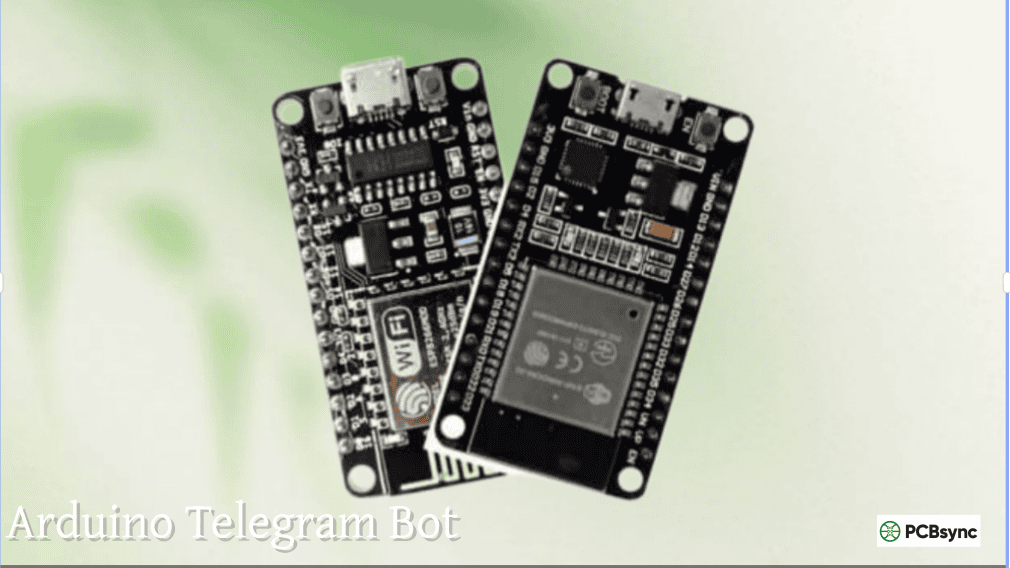
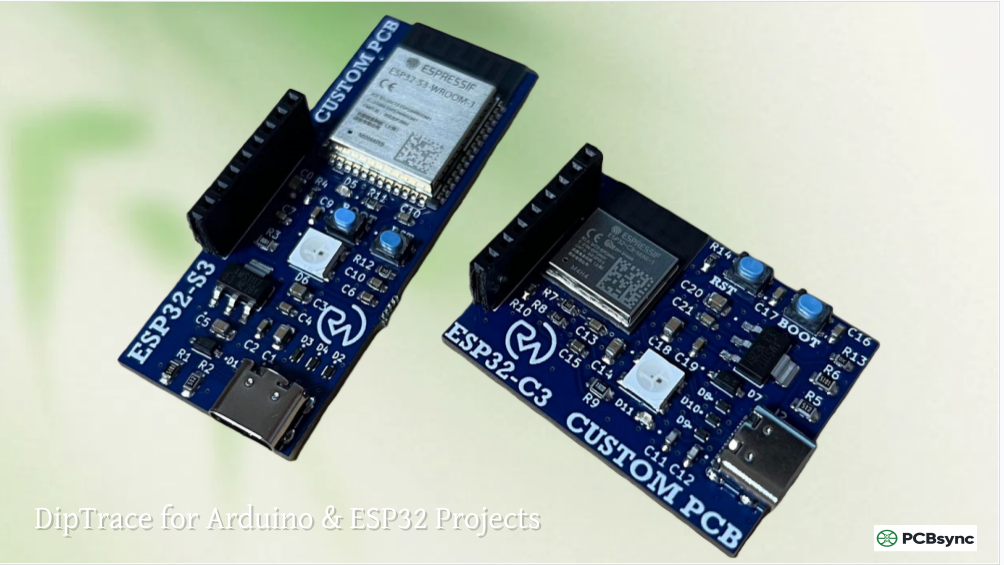
ESP32 Development Boards: My go-to recommendation for new projects. ESP32 boards combine powerful dual-core processors, built-in WiFi and Bluetooth, and extensive GPIO pins. They handle sensor interfacing and wireless communication simultaneously without breaking a sweat. The Adafruit Feather ESP32 includes a LiPo battery charger, making it perfect for portable monitoring devices.
ESP8266 Modules: The older sibling of ESP32, still relevant for simpler applications. ESP8266 costs less and consumes slightly less power in sleep modes. For basic temperature monitoring or simple switch control, ESP8266 provides everything needed. The HUZZAH ESP8266 breakout from Adafruit integrates cleanly with existing Arduino ecosystems.
Arduino MKR WiFi 1010: If you prefer official Arduino hardware, the MKR WiFi 1010 offers native WiFi with excellent power management. It’s particularly suitable for battery-operated sensors requiring long runtime between charges.
Ethernet Shield Solutions
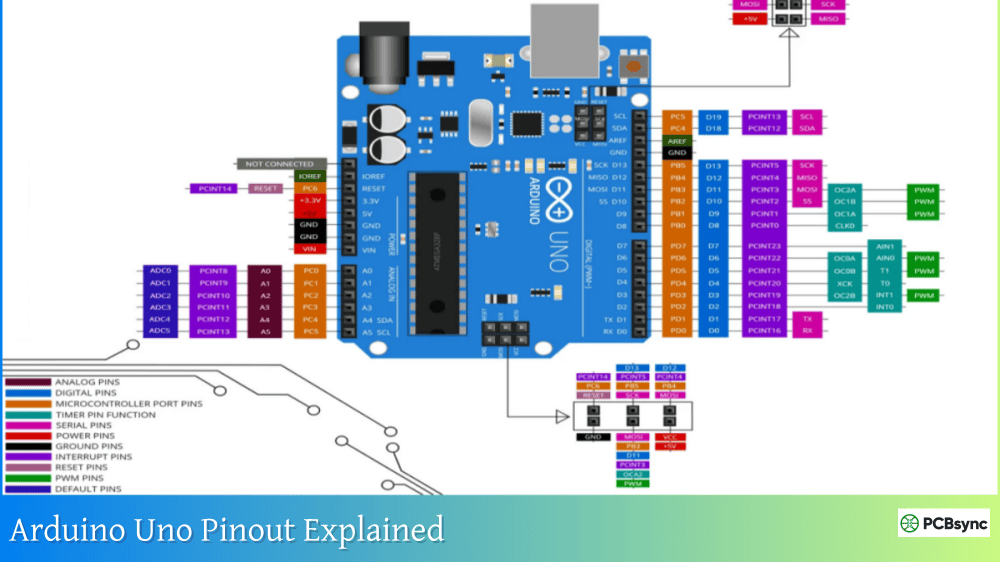
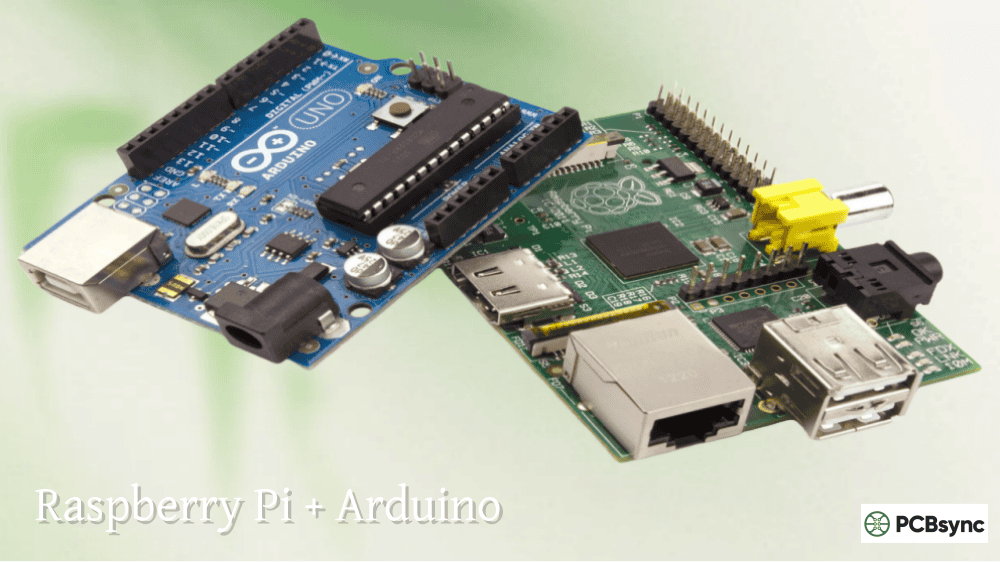
Arduino Uno + Ethernet Shield: The classic combination for wired installations. When you’re building fixed monitoring stations where WiFi reliability concerns you, Ethernet provides rock-solid connectivity. The wired approach also eliminates WiFi password management in educational or commercial settings.
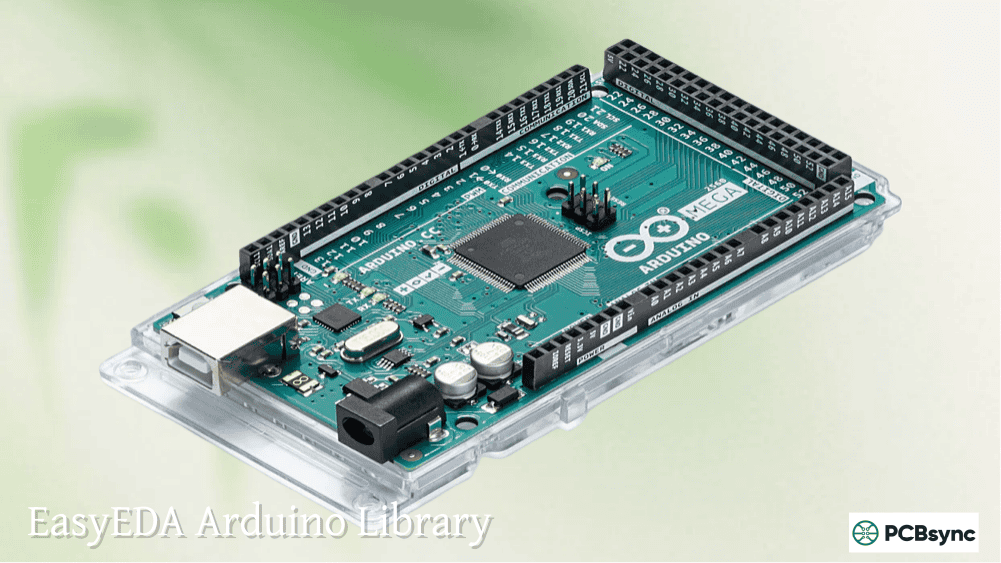
Arduino Mega + Ethernet Shield: Stepping up to Mega gives you additional pins for complex sensor arrays. I’ve used this combination for multi-zone environmental monitoring where 20+ sensors feed into a single Adafruit IO dashboard.
Setting Up Adafruit IO Account and Dashboard
Before your Arduino connects anywhere, you need an Adafruit IO account and basic dashboard configuration. This process takes about five minutes and requires only an email address.
Creating Your Adafruit IO Account
Navigate to io.adafruit.com and click the “Get Started for Free” button. After email verification, you’ll land on your Adafruit IO homepage. The interface presents three main sections: Feeds (where data lives), Dashboards (where data displays), and Actions (automation triggers).
Obtaining Your API Credentials: Click the yellow key icon in the top right corner. This reveals your username and AIO Key—the credentials your Arduino uses to authenticate. Copy both values to a secure location; you’ll need them momentarily. The AIO Key acts as a password, so treat it accordingly. Never commit it to public GitHub repositories or share it casually.
Creating Your First Dashboard
Click the “Dashboards” link in the navigation bar, then “New Dashboard.” Name it something descriptive like “Workshop Monitor” or “Greenhouse Sensors.” After creation, click the dashboard name to open it.
The blank canvas intimidates some newcomers, but remember—you’ll add blocks (widgets) after your Arduino starts sending data. The platform can’t display information it hasn’t received yet, which is why we’ll handle feeds and blocks after Arduino setup.
Installing Adafruit IO Arduino Library
The Adafruit IO Arduino library handles all communication complexity, providing simple functions to publish sensor data and subscribe to control feeds. Installation through Arduino IDE’s Library Manager takes seconds.
Library Manager Installation Steps
Open Arduino IDE and navigate to Sketch → Include Library → Manage Libraries. In the search box, type “Adafruit IO Arduino” and locate the official library (look for the Adafruit authorship). Click Install on version 4.0 or higher.
A dependency dialog appears asking to install additional required libraries:
Required Library
Purpose
Auto-Install
Adafruit MQTT Library
MQTT protocol implementation
Yes
ArduinoHttpClient
REST API communication
Yes
WiFiNINA (MKR boards)
WiFi management for MKR series
If needed
ESP32 Core
ESP32 board support
Separate installation
Click “Install All” to grab all dependencies automatically. If you’re using ESP32 or ESP8266 boards, you’ll need their respective board support packages installed separately through the Boards Manager.
Verifying Installation
After installation completes, verify by opening File → Examples → Adafruit IO Arduino. You should see numerous example sketches including “adafruitio_00_publish,” “adafruitio_06_digital_in,” and others. These examples provide working templates for common scenarios.
Configuring Arduino for WiFi and Adafruit IO
Every Adafruit IO Arduino sketch needs network credentials and your API information. The library uses a configuration file approach that keeps sensitive data separate from main code—excellent practice for projects you’ll eventually share or upload to version control.
Creating the Configuration File
The example sketches include a “config.h” tab containing credential placeholders. Here’s the structure for WiFi-enabled boards:
#define IO_USERNAME “your_username”
#define IO_KEY “your_aio_key”
#define WIFI_SSID “your_wifi_name”
#define WIFI_PASS “your_wifi_password”
Replace the placeholder text with your actual credentials. For the IO_USERNAME, use exactly what appears in your Adafruit IO profile—usually your Adafruit account username. The IO_KEY is that long hexadecimal string from the yellow key icon.
The Ethernet approach requires a MAC address. The example above works fine unless you have multiple devices on the same network—in that case, modify the last few bytes to create unique identifiers.
Theory becomes practical through hands-on implementation. Let’s create a temperature monitoring system that reads data from a sensor and displays it on an Adafruit IO dashboard. This project demonstrates the complete workflow from sensor reading to cloud visualization.
Hardware Requirements
For this example project, you’ll need:
ESP32 development board (or similar WiFi-capable Arduino)
DHT22 temperature/humidity sensor
10kΩ resistor (pull-up for DHT22 data line)
Breadboard and jumper wires
USB cable for programming
Connect the DHT22 sensor: VCC to 3.3V, GND to GND, and data pin to GPIO 15 (or any available digital pin). Place the 10kΩ resistor between VCC and the data pin.
Temperature Sensor Code Example
Open File → Examples → Adafruit IO Arduino → adafruitio_08_analog_in as a starting template. Modify it for DHT22 reading:
Serial.println(“Failed to read from DHT sensor!”);
return;
}
Serial.print(“Temperature: “);
Serial.print(tempC);
Serial.print(“°C, Humidity: “);
Serial.print(humid);
Serial.println(“%”);
temperature->save(tempC);
humidity->save(humid);
delay(2000); // 30 data points per minute = 1 per 2 seconds
}
Upload this sketch to your ESP32. Open the Serial Monitor at 115200 baud to watch the connection process and data transmission.
Creating Dashboard Blocks for Sensor Data
Once your Arduino publishes data, return to your Adafruit IO dashboard. Click the blue “+” button to add a new block. Select “Line Chart” for temperature trends over time.
When prompted to choose a feed, select “temperature” (it should appear in the list now that your Arduino has sent data). Configure the chart settings:
Setting
Recommended Value
Purpose
Title
Workshop Temperature
Display name
X-Axis Label
Time
Clarifies temporal data
Y-Axis Label
Temperature (°C)
Shows measurement unit
Show History
24 hours
Amount of historical data displayed
Decimals
1
Readability without excessive precision
Click “Create Block” and watch your chart populate with live sensor readings. Repeat the process for humidity using a gauge block instead of line chart—gauges work better for current-value display than trend analysis.
Advanced Adafruit IO Arduino Techniques
Basic data publishing covers many use cases, but Adafruit IO Arduino supports bidirectional communication that enables remote control and sophisticated automation. These advanced techniques transform passive monitoring into active control systems.
Controlling Arduino from Dashboard
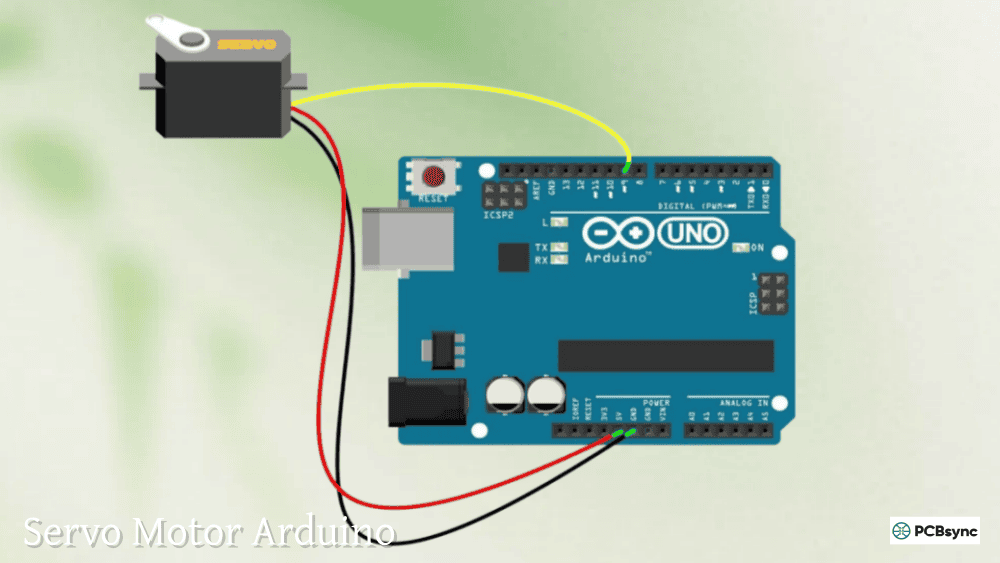
Remote control inverts the data flow: instead of Arduino sending data, it receives commands from your dashboard. This pattern enables relay control, servo positioning, LED brightness adjustment, and countless other applications.
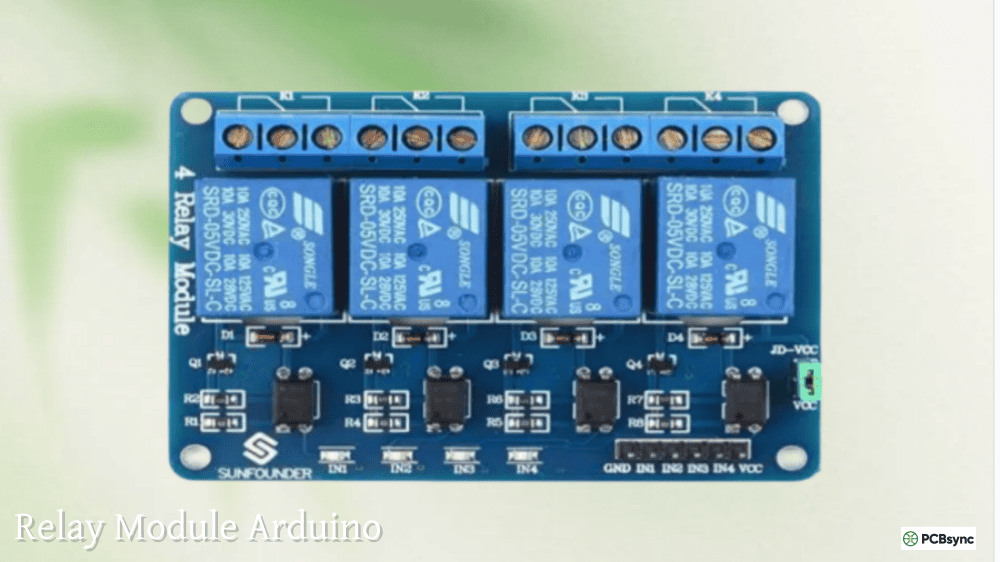
The example sketch “adafruitio_07_digital_out” demonstrates the concept. Here’s a simplified relay control example:
#define RELAY_PIN 12
AdafruitIO_Feed *relay = io.feed(“relay”);
void setup() {
pinMode(RELAY_PIN, OUTPUT);
digitalWrite(RELAY_PIN, LOW);
relay->onMessage(handleRelay);
io.connect();
while(io.status() < AIO_CONNECTED) {
delay(500);
}
relay->get();
}
void handleRelay(AdafruitIO_Data *data) {
int state = data->toInt();
digitalWrite(RELAY_PIN, state);
Serial.print(“Relay set to: “);
Serial.println(state);
}
void loop() {
io.run();
}
In your dashboard, add a Toggle button block connected to the “relay” feed. Set “Button On Text” to “1” and “Button Off Text” to “0.” Now clicking the dashboard button instantly controls your relay, enabling remote power switching for connected equipment.
Multi-Sensor Data Logging Systems
Professional PCB deployments often incorporate multiple sensors requiring coordinated monitoring. Adafruit IO Arduino handles this elegantly through multiple feed subscriptions:
Remember the 30 data points per minute rate limit on free accounts. Four sensors updating every two seconds uses 120 points per minute—four times the allowance. Stagger updates across sensors or reduce update frequency:
if (millis() – lastUpdate > 8000) { // Every 8 seconds = 30 points/minute for 4 sensors
temperature->save(readTemp());
pressure->save(readPressure());
light->save(analogRead(LIGHT_PIN));
vibration->save(analogRead(VIBRATION_PIN));
lastUpdate = millis();
}
Battery-Powered Remote Sensors
For remote installations running on batteries, aggressive power management extends operational lifetime. ESP32 deep sleep reduces current consumption from 240mA to just 10µA:
#define SLEEP_DURATION 600e6 // 10 minutes in microseconds
void setup() {
io.connect();
while(io.status() < AIO_CONNECTED) {
delay(500);
}
float temp = dht.readTemperature();
temperature->save(temp);
delay(2000); // Ensure data transmits
esp_sleep_enable_timer_wakeup(SLEEP_DURATION);
esp_deep_sleep_start();
}
void loop() {
// Never reaches here – restarts after deep sleep
}
This approach wakes every 10 minutes, sends a reading, then returns to deep sleep. Battery life extends from hours to months depending on cell capacity.
Troubleshooting Common Adafruit IO Arduino Issues
Even with straightforward platforms like Adafruit IO Arduino, connectivity and configuration issues arise. Here’s how to diagnose and resolve the most frequent problems based on my field experience.
Connection Failures
Symptom: Arduino fails to connect to Adafruit IO, Serial Monitor shows repeated connection attempts.
Common Causes and Solutions:
Problem
Indicator
Fix
Incorrect WiFi credentials
“WiFi connection failed” message
Double-check SSID and password spelling, including case sensitivity
Wrong AIO Key
“Authentication failed” or immediate disconnection
Verify AIO Key copied correctly from io.adafruit.com
Username mismatch
Authentication errors
Use exact username from Adafruit IO profile, not email address
Firewall blocking
Connects briefly then drops
Check if network blocks outbound port 1883 (MQTT) or 443 (REST)
Weak WiFi signal
Intermittent connections
Move closer to access point or add external antenna to ESP32
Debugging Approach: Enable verbose serial output by adding io.connect(); immediately after Serial.begin(). The library prints detailed connection diagnostics showing exactly where failures occur.
Rate Limiting Issues
Symptom: Data stops appearing on dashboard after initial successful transmission. Serial Monitor may show throttle warnings.
The free tier’s 30 points per minute limit catches many newcomers. Calculate your actual data rate:
Data rate = (Number of feeds) × (Updates per minute)
If you’re updating 3 feeds every second, that’s 180 data points per minute—six times the free tier limit. Solutions include:
Reduce update frequency to every 2 seconds minimum
Batch multiple sensor readings into one feed using JSON formatting
Upgrade to Adafruit IO Plus for 60 points/minute
Use conditional updates (only send when values change significantly)
Feed Not Appearing in Dashboard
Symptom: Arduino successfully sends data, but feed doesn’t appear when creating dashboard blocks.
This frustrating situation usually stems from feed name mismatches. Adafruit IO Arduino creates feeds automatically on first publish, but the names must match exactly between code and dashboard:
// NOT: “Workshop-Temp”, “workshop_temp”, or “workshoptemp”
Feed names are case-sensitive and must use exact same characters. Check existing feeds in the Feeds section of io.adafruit.com to see what your Arduino actually created.
Useful Resources for Adafruit IO Arduino Development
Official Documentation and Downloads
Adafruit IO Documentation: https://io.adafruit.com/api/docs/ Complete API reference covering REST and MQTT protocols, rate limits, authentication methods, and advanced features.
Adafruit IO Arduino Library: https://github.com/adafruit/Adafruit_IO_Arduino GitHub repository containing library source code, all example sketches, and troubleshooting guides.
ESP32 Board Support Package: https://raw.githubusercontent.com/espressif/arduino-esp32/gh-pages/package_esp32_dev_index.json Add this URL to Arduino IDE Board Manager for ESP32 board support.
Arduino MQTT Library: https://github.com/adafruit/Adafruit_MQTT_Library Underlying MQTT implementation used by Adafruit IO library, useful for custom protocol modifications.
Example Projects and Tutorials
Adafruit IO Basics Series: https://learn.adafruit.com/series/adafruit-io-basics Seven comprehensive tutorials covering everything from button input to servo control, analog sensors, and RGB LED control.
Adafruit Learning System: https://learn.adafruit.com Searchable collection of hundreds of IoT projects using Adafruit IO with various Arduino boards.
Development Tools
MQTT Explorer: http://mqtt-explorer.com/ Desktop application for debugging MQTT communication. Connect to io.adafruit.com and watch message traffic in real-time.
Postman: https://www.postman.com/downloads/ API development tool useful for testing Adafruit IO REST API calls before implementing them in Arduino code.
Fritzing: https://fritzing.org/download/ Circuit diagram software for documenting Arduino wiring configurations. Essential for sharing hardware setups with collaborators.
Real-World PCB Engineering Applications
In professional settings, Adafruit IO Arduino bridges the gap between prototype and production for specific use cases. Here’s where I’ve successfully deployed it.
Environmental Monitoring Networks
Deployed 30+ ESP32-based sensors across a warehouse facility monitoring temperature, humidity, and air quality. Each sensor reports every 10 minutes to separate Adafruit IO feeds. Dashboard consolidation shows facility-wide conditions at a glance, with automated alerts (via Adafruit IO Actions) when values exceed thresholds.
The key advantage over enterprise systems: deployment time measured in days instead of months, and total cost under $2,000 including hardware. For temporary installations or pilot programs, Adafruit IO Arduino provides professional capability without enterprise complexity or licensing costs.
Manufacturing Process Monitoring
Custom PCBs with ESP32 modules monitor production equipment status—run time, cycle counts, downtime reasons. Machine operators view dashboards on wall-mounted tablets, while management accesses the same data remotely via smartphones.
This application works within free tier limits because status changes happen infrequently—perhaps once per minute maximum. The visibility transformation from “walk the floor to check machines” to “pull up dashboard from anywhere” justified the modest investment in hardware and setup time.
Educational Laboratory Equipment
University engineering labs use Adafruit IO Arduino for teaching IoT concepts without requiring students to manage server infrastructure. Students focus on sensor selection, calibration, and data interpretation rather than wrestling with cloud platforms and billing accounts.
The free tier accommodates entire classes simultaneously because each student group operates independently with their own feeds and dashboards. This scalability makes Adafruit IO Arduino particularly valuable in educational contexts where budget constraints and learning objectives align perfectly with platform capabilities.
Frequently Asked Questions
Q: Can I use Adafruit IO Arduino for commercial products?
A: Adafruit IO works for internal business tools and monitoring applications but isn’t designed for customer-facing commercial products. The platform’s terms of service allow business use, but you shouldn’t build products where customers depend on your Adafruit IO account’s availability. For internal monitoring, quality control systems, or facility management applications, it works excellently. For consumer products, consider dedicated IoT platforms with SLAs and custom branding.
Q: What happens when I exceed the free tier’s 30 data points per minute?
A: Adafruit IO implements graceful throttling rather than hard failures. When you exceed rate limits, the platform sends a warning message to your username/throttle MQTT topic and begins rejecting additional data until the rate drops below threshold. No permanent damage occurs—your account isn’t suspended or penalized. Simply reduce your transmission frequency or upgrade to IO Plus for 60 points per minute. The system tracks rolling averages over 60-second windows, not instantaneous bursts.
Q: Does Adafruit IO Arduino work with Arduino Uno (without WiFi/Ethernet)?
A: Not directly. Adafruit IO requires network connectivity to communicate with cloud servers. An Arduino Uno alone lacks networking hardware. However, you can add an Ethernet Shield or WiFi shield to provide connectivity. Alternatively, pair your Uno with an ESP8266 module operating as a WiFi serial bridge. The Uno sends data via serial connection to the ESP8266, which forwards it to Adafruit IO. This approach adds complexity but works when you need Uno-specific capabilities (more pins, 5V logic levels) combined with IoT connectivity.
Q: How long does Adafruit IO store my sensor data?
A: Free tier accounts retain data for 30 days from the transmission timestamp. After 30 days, older data automatically deletes to make room for new information. If you need historical analysis beyond 30 days, either upgrade to IO Plus (60-day retention) or implement local logging. Download data periodically using the CSV export feature on the Adafruit IO website, or have your Arduino simultaneously log to SD card while transmitting to Adafruit IO. This dual-storage approach ensures long-term data preservation while maintaining cloud visualization.
Q: Can multiple Arduino boards send data to the same Adafruit IO dashboard?
A: Absolutely. Create unique feeds for each Arduino board (such as “sensor1-temp” and “sensor2-temp”), then add multiple blocks to your dashboard displaying different feeds. All boards use the same Adafruit IO account credentials. This architecture enables coordinated monitoring across distributed locations—perfect for home automation with sensors in different rooms or agricultural monitoring across greenhouse sections. Just remember that combined data rates from all boards still count toward your account’s 30 points per minute limit on free tier.
Conclusion: The Accessible Path to IoT Development
Adafruit IO Arduino removes the traditional barriers to Internet of Things development—expensive platforms, complex configuration, and steep learning curves. The combination provides genuinely useful functionality within the free tier, making it viable for completed projects rather than just temporary prototypes.
From my perspective as a PCB engineer who’s deployed both enterprise IoT platforms and DIY solutions, Adafruit IO Arduino occupies a unique sweet spot. It offers professional capabilities without enterprise complexity or costs, making it perfect for small-scale deployments, educational projects, and rapid prototyping where speed and simplicity matter more than infinite scalability.
The platform isn’t suitable for every application. High-frequency data acquisition, customer-facing products, or systems requiring guaranteed uptime need different solutions. But for monitoring equipment, controlling processes, teaching IoT concepts, or building personal automation projects, Adafruit IO Arduino delivers exactly what’s needed.
Whether you’re building a single temperature monitor or coordinating multiple sensor networks across a facility, Adafruit IO Arduino provides the cloud infrastructure to transform local measurements into accessible, actionable information. The best part? You can start right now, for free, and have functional IoT devices online before your coffee gets cold.
Inquire: Call 0086-755-23203480, or reach out via the form below/your sales contact to discuss our design, manufacturing, and assembly capabilities.
Quote: Email your PCB files to Sales@pcbsync.com (Preferred for large files) or submit online. We will contact you promptly. Please ensure your email is correct.
Notes: For PCB fabrication, we require PCB design file in Gerber RS-274X format (most preferred), *.PCB/DDB (Protel, inform your program version) format or *.BRD (Eagle) format. For PCB assembly, we require PCB design file in above mentioned format, drilling file and BOM. Click to download BOM template To avoid file missing, please include all files into one folder and compress it into .zip or .rar format.